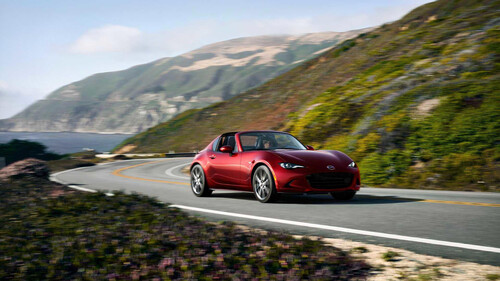
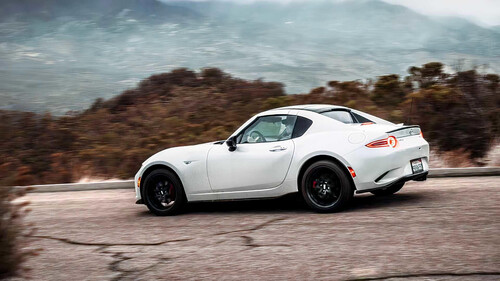
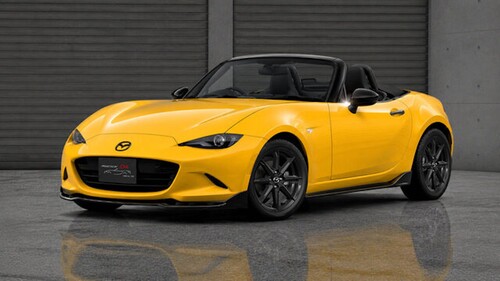
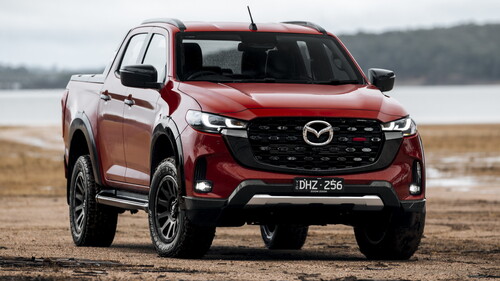
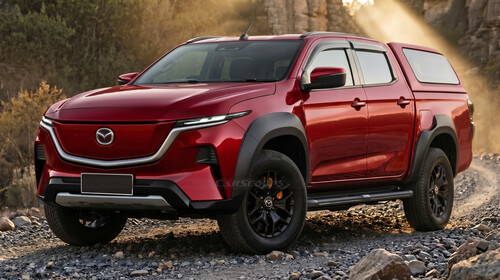
Amélie Tremblay · 29 days ago@amelietremblay14Mazda Has No Plans to Kill Off the Combustion Engine or the MX-5 Liked byPost commentRelated Posts20 roadsters owners will never sell at any price 70 · Liam Anderson · 29 days agoI Have $25,000 And I'm Looking For An All-Wheel-Drive Commuter Car! What Should I BuyLucas Wilson · 17 days agoThe cheap roadster track-day regulars refuse to trade up from 18 · Jacob Rogers · 1 months agoFederal Circuit Judge Rules Monthlong Warrantless License Plate Tracking UnconstitutionalZoë Lee · 17 days agoSix Lucky Japanese Mazda Fans Are Getting a Bright-Yellow Miata Roadster 13 · Annabelle Scott · 1 months agoHow Automotive Painters Color Match Your Car's PaintSamuel Hall · 18 days agoJapan’s Enthusiast Droptop Is Getting a Rare and Eye-Catching Uplift 23 · Charlotte Moreau · 1 months agoTest-Driving The 2026 Mazda CX-5 AWDLiam Pelletier · 19 days agoMazda Officially Gives the MX-5 Miata a Gorgeous Shade of Yellow, But There’s a Catch 45 · Benjamin Johnson · 1 months agoMazda Isn't Giving Up on Its Ford Ranger RivalVictoria Poirier · 19 days agoMazda Staged a Music Festival to Launch the ND MX-5. A Decade Later, the Car Is the Story. 75 · Lucas Wilson · 1 months agoSnoozers Sell: Here Are 5 Boring Cars That Crush CompetitorsCaleb Rogers · 20 days agoMazda MX-5 Miata Finally Offers Yellow Paint, But Only for 6 Examples 61 · Amélie Fortin · 1 months agoMazda Is Working On A New Midsize PickupIsabelle Morgan · 20 days agoSunflower Yellow Mazda Miata Is So Rare It Doesn't Even Really Exist 68 · Jacob Macdonald · 1 months agoI Asked ChatGPT What Cars To Buy Under $30K — And Had a Mechanic Check Its PicksLiam Campbell · 20 days agoThe Rarest ND Mazda MX-5 Miata Is Sunflower Yellow and You Can’t Have One 69 · Camille Carter · 1 months ago1 in 6 Customers Can't Get a Dealer Service Date and TimeJustin Clark · 20 days agoThe best cars ever from Japan 78 · Justin Carter · 1 months agoThe Mazda3 Is the Latest Small Car to Hit It Big: TDSAmélie Poirier · 20 days ago