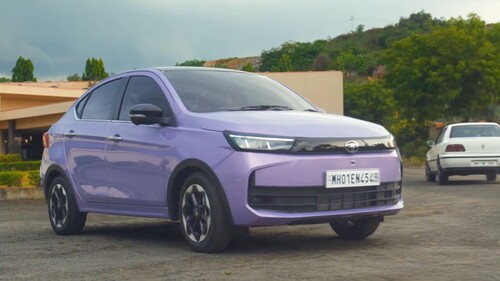
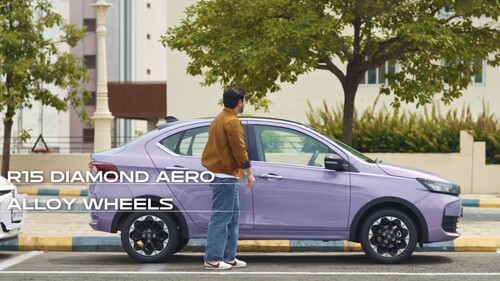
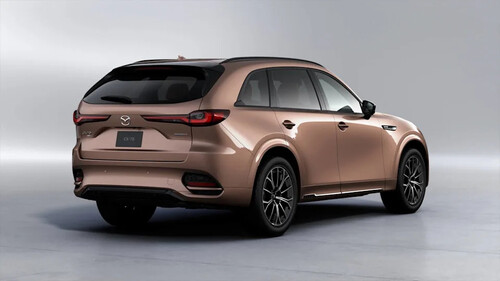
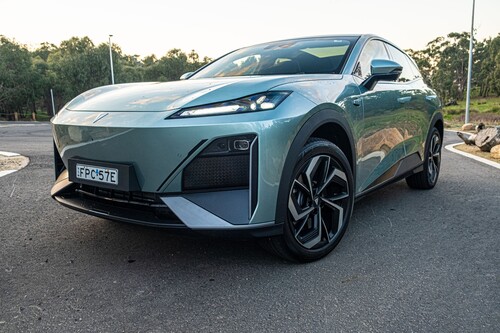
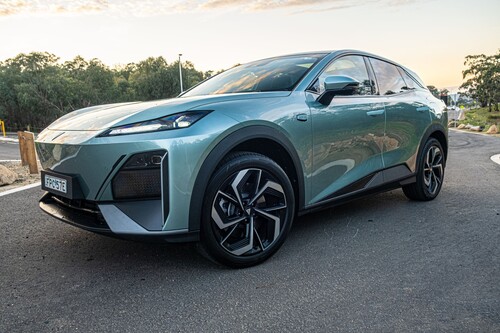
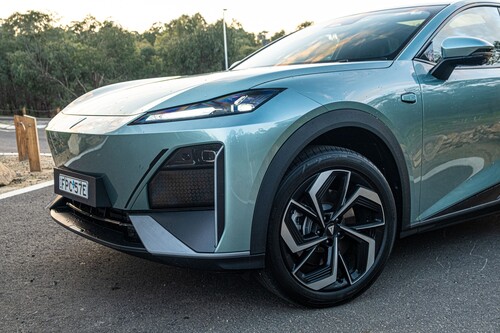
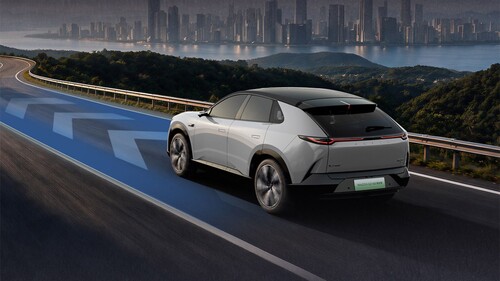
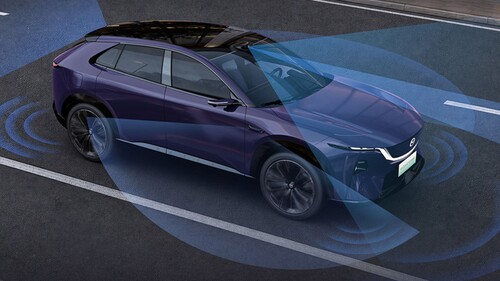
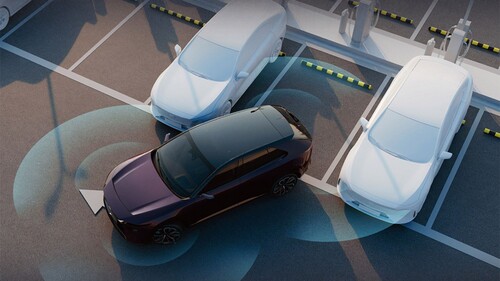
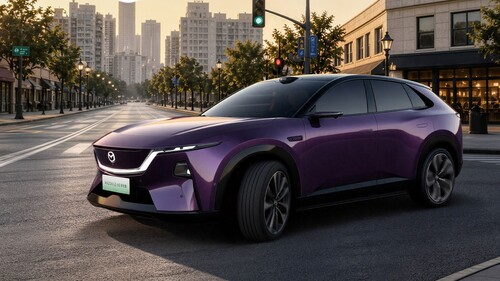
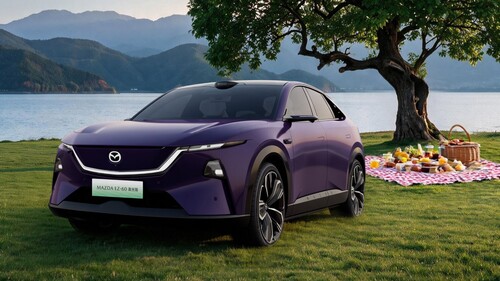
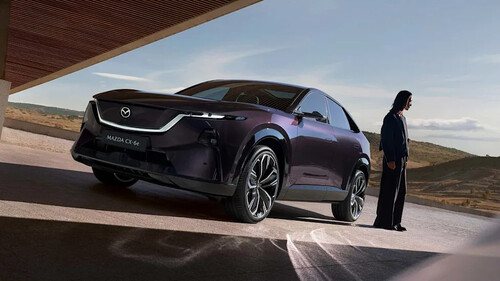
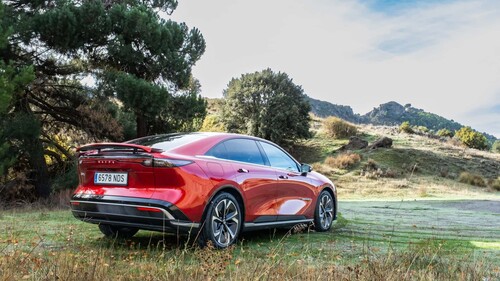
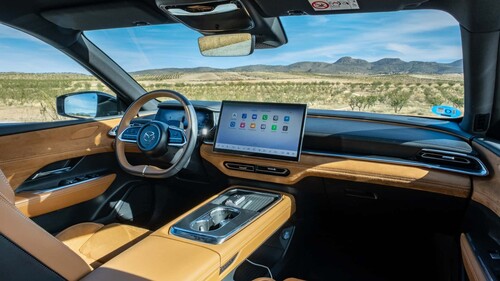
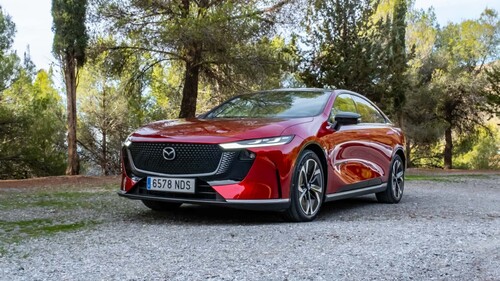
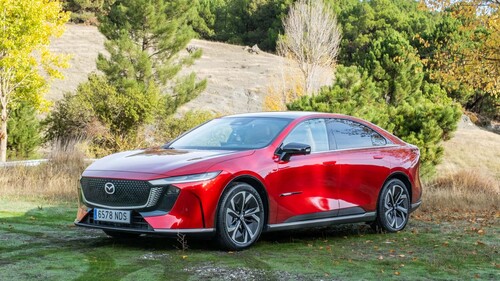
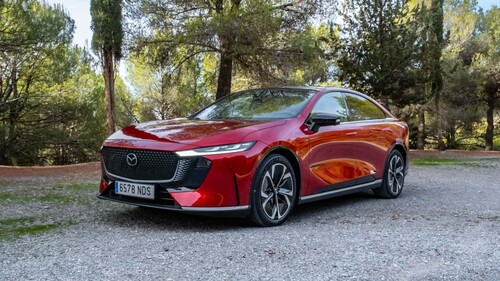
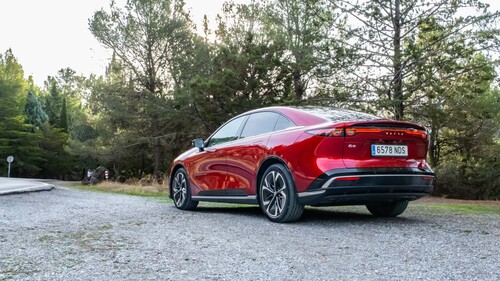
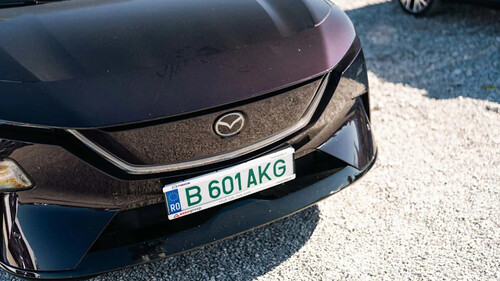
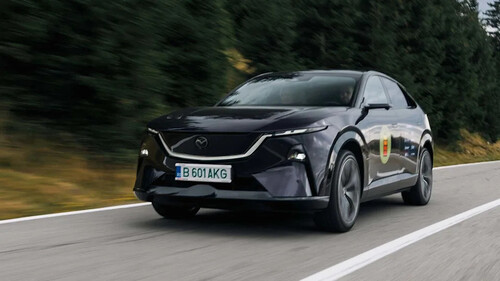
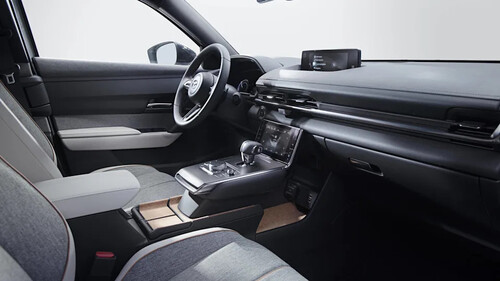
cx-6eA 444-mile drive revealed a plush cabin and an entertaining chassis, but also EV quirks that made the journey harder than it needed to be.The Mazda CX-6e is a big step for a carmaker that has been slow to embrace electrification. After the cool but compromised MX-30, this new electric crossover feels like Mazda taking electric cars seriously, even if it outsourced most of the engineering. But it just might be the most premium and special-feeling Mazda that I've ever been in.It looks fantastic, has a sumptuous cabin, and is surprisingly good company on a mountain road thanks to its rear-wheel drive platform. Yet for all its appeal, the CX-6e's real-world highway range and efficiency left me unimpressed.Like the 6e sedan I drove last year, the CX-6e is also based on Chinese tech. Even if it looks like you'd expect a Mazda to, it's built in China, with architecture and technology from Chinese automaker Changan. That's not a bad thing, because this platform delivers a great balance of comfort and sportiness, plus an incredibly hushed cabin.Mazda CX-6eDriving the CX-6e last week from Romania across the Transapuseana mountain road and then to a town called Tata in Hungary, I got to experience it on a wide range of roads. It's one of the eight cars taking part in this year's edition of the Eurocharge by Schaeffler EV road trip, which took us from Bucharest to the source of the Danube River and then back, and it's probably the best-looking of the group.Compared to the quirky-looking MX-30, the CX-6e is completely different. Mazda didn't want it to look like a boxy SUV, so it gave it more of a raised hatchback aesthetic. It looks aggressive, planted, and futuristic, with cool aero elements integrated into the hood and C-pillar, where flying buttresses let air pass through.Swing open the frameless doors, and they reveal a surprisingly sumptuous interior, which in this tester had purple leather upholstery. It works very well with the equally purple exterior, and it proved to be a great long-distance companion. It featured the optional digital mirrors, which work just fine once you get used to them; they also add to the vehicle's futuristic vibe and help with cabin quietness at speed.Out on the road, the CX-6e has a hard edge but feels well damped, like the best German cars. Its rear-wheel-drive chassis handles twisty roads well, and its 77-kilowatt-hour battery pack, placed low in the vehicle, helps it feel planted.The CX-6e comes only with rear-wheel drive and a single motor producing 255 horsepower and 214 pound-feet (290 Nm) of torque, helping it sprint to 62 mph (100 km/h) in a claimed 7.9 seconds. It was the slowest-feeling car of this year's Eurocharge roster, which included a 148 hp Renault 5.On the Transapuseana mountain road, though, the CX-6e was far more entertaining than a crossover has any right to be. The suspension is firm enough to keep body roll in check, but without making you regret going over broken asphalt, and the car feels surefooted through bends. The steering tells you very little about what the front tires are doing, but at least they go where you point them, and it's better and more precise than in most other Chinese EVs I've driven.mazda-cx-6ePhoto by: AutocriticaI enjoyed driving the CX-6e, but it also made what followed more frustrating, because it has a bit of a thirst for electrons. It covered 444 miles (715 km), with 51% of the driving on national roads and 49% on highways, at an average efficiency of 19.9 kWh/100 km, or around 3.14 miles/kWh.It draws from a 78-kilowatt-hour lithium iron phosphate (LFP) battery. DC fast charging peaks at 195 kilowatts, with Mazda claiming a 10–80% charge in 24 minutes under ideal conditions. During my day with the car, I did briefly see it exceed the maximum advertised charging power, but we still needed three separate charging stops to reach the day's destination in Hungary, totaling 93 minutes of charging.That includes one extra unplanned charging stop to reach Tata, because highway driving at a steady 130 km/h (81 mph) exposed its appetite. We saw consumption of around 25 kWh/100 km (2.49 miles/kWh) at highway speeds, which forced an unplanned charging stop before Tata.Its WLTP range of 484 km (300 miles) seems a bit optimistic, unless you drive it very gingerly and keep far away from highways. Our theoretical range based on the observed electricity consumption was 387 km (240 miles). Driving it only on the highway at the speed limit, even hitting 300 km (186 miles) on one charge seems optimistic.Mazda CX-6eMazda CX-6eMazda CX-6eMazda CX-6eMazda CX-6eMazda CX-6eMazda CX-6eMazda CX-6eMazda CX-6eMazda CX-6eMazda CX-6eMazda CX-6eMazda CX-6eMazda CX-6eMazda CX-6eMazda CX-6eThen there was the regenerative braking. Lifting off sometimes produced strong deceleration. Other times, the car coasted, and the energy graph showed barely any recovery. Adjusting the regen meant going through the touchscreen, which made an already irritating experience more fiddly.I wanted consistent, predictable deceleration so I could judge my approach to a corner, not guess what response lifting off the accelerator would give me.That's what makes the CX-6e frustrating. I loved looking at it, really enjoyed sitting in it, and had fun driving it through the mountains. But on this trip, its highway appetite cost us an extra charging stop (and caused a bit of range anxiety), and its inconsistent regen kept me guessing. Mazda has looked to China and made an electric SUV I wanted to like. And I do like it, but it made me work harder at it than I expected, and it's not as technically competent as I'd hoped.More On ThisMazda 6e Review: This EV Isn't Really A Mazda. It's BetterMazda's EV Delay Is Barely A PivotThe Next Miata Will Be Ready To Go Electric: Mazda CEOMazda Reportedly Puts Its New EV On The Backburner To Focus On HybridsIn Europe, it costs around €50,000 ($57,300), and it's roughly in the same size bracket as the Tesla Model Y and Hyundai Ioniq 5, as well as Chinese rivals like the BYD Sealion 7 or the Xpeng G6. Its plush cabin and blend of comfort and sportiness help justify the price. But faster-charging rivals and its thirst for electricity make it harder to recommend for frequent highway trips.Still, I was left with the impression that there's real value in an electric car that looks this good, feels this plush, and goes down the road like a sorted German car. I could see someone choosing it for those qualities. But at this price, I'd want fewer compromises from the electric side of the equation.