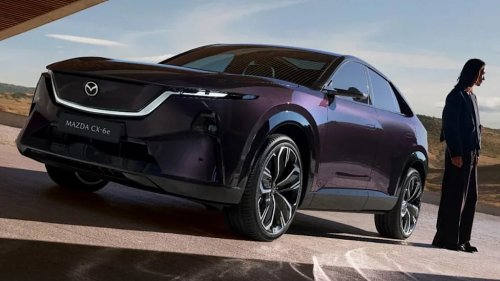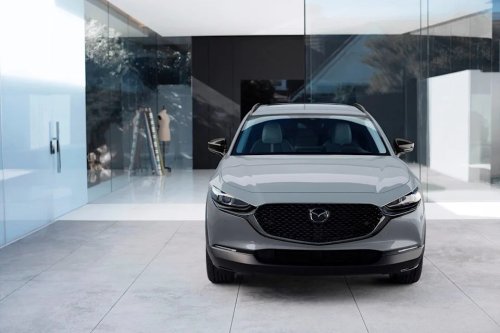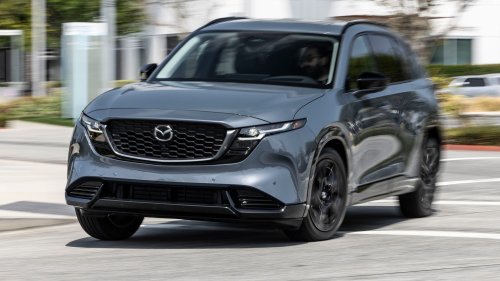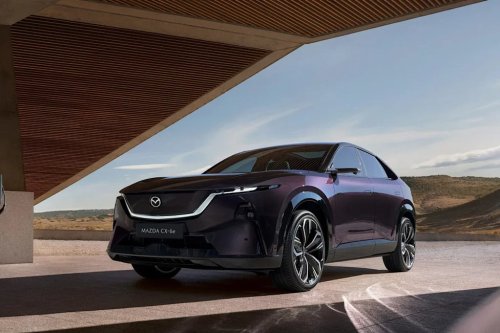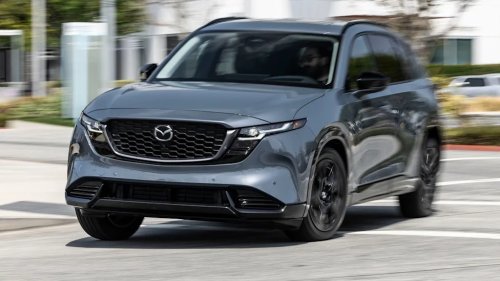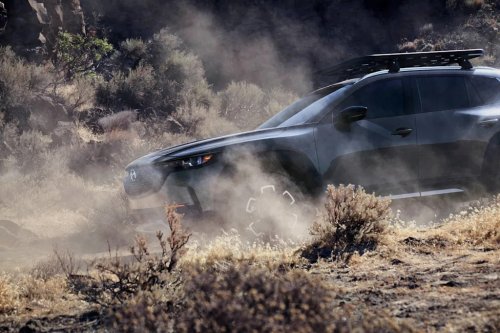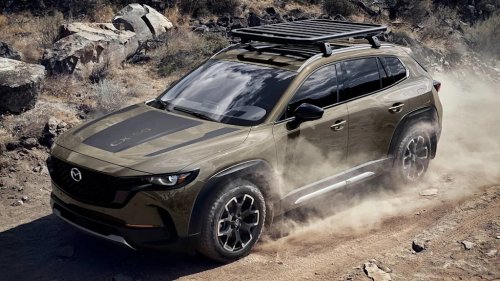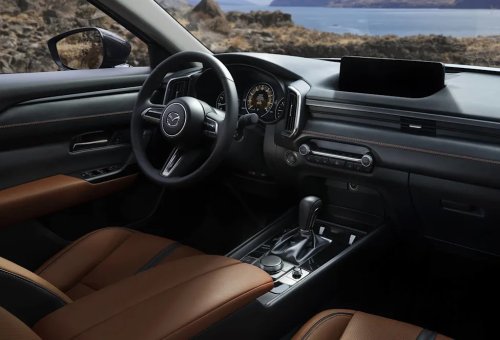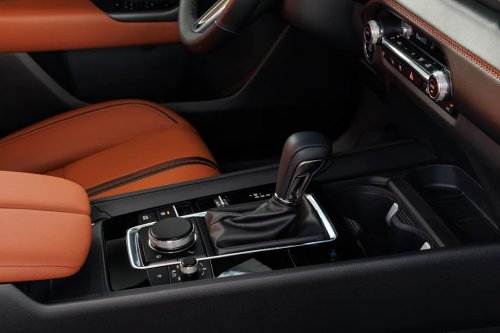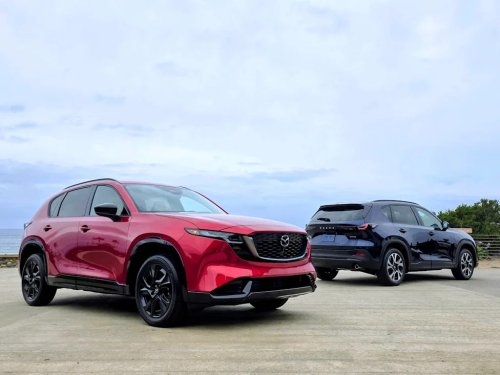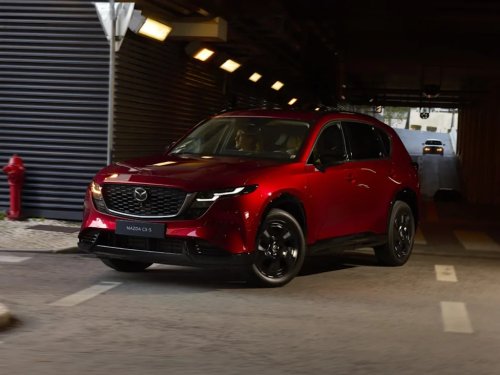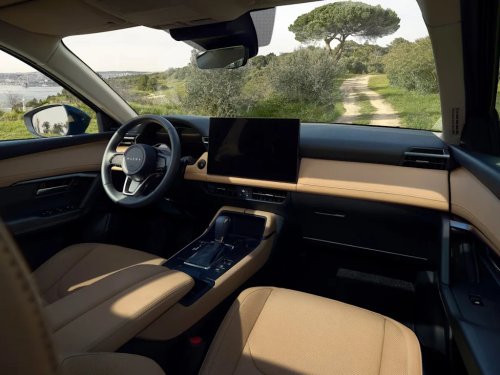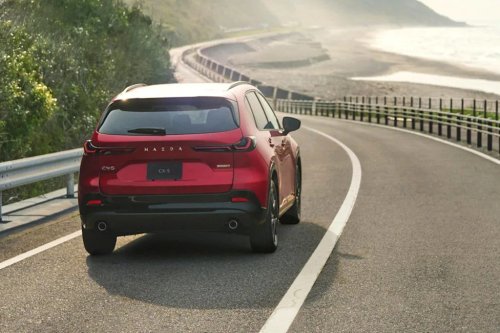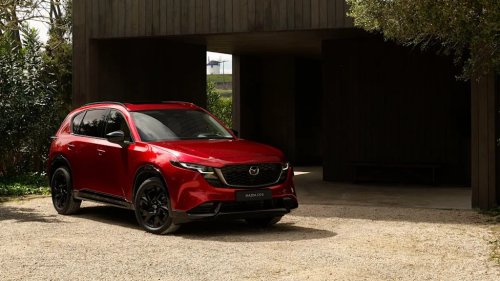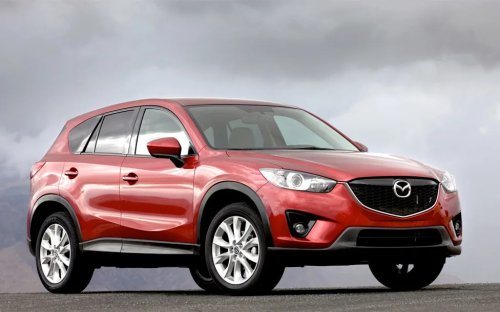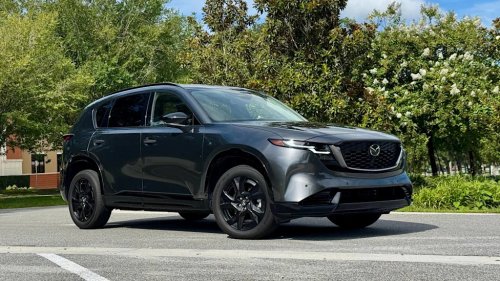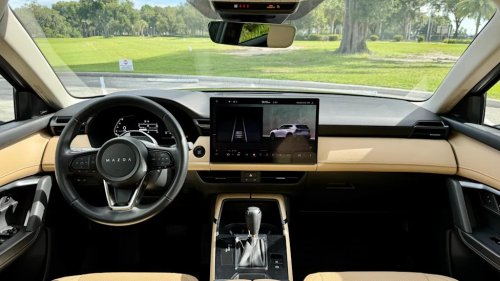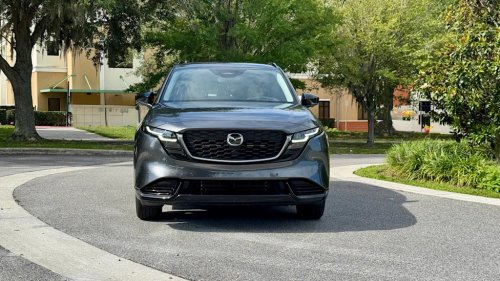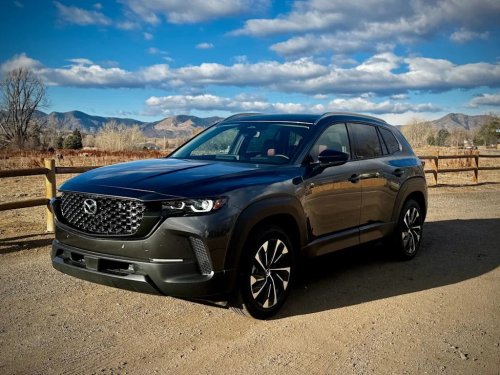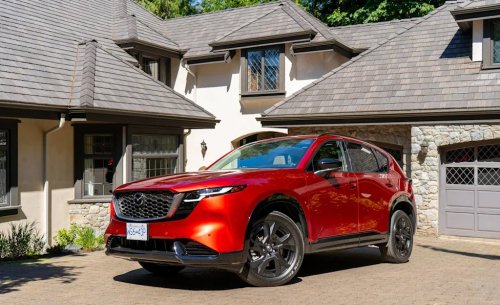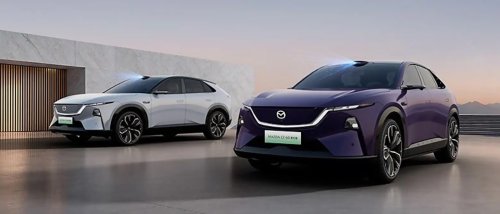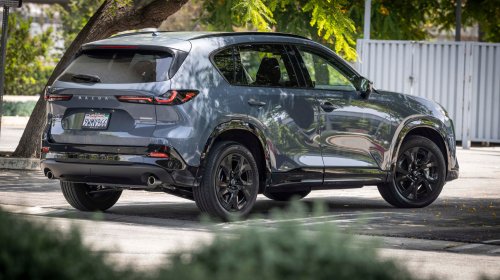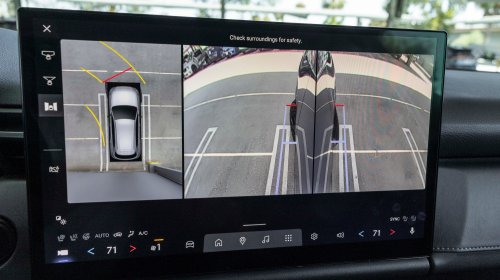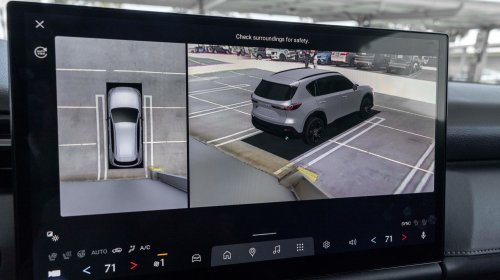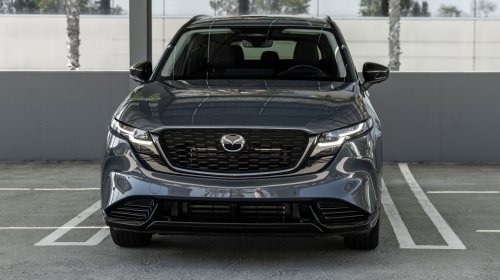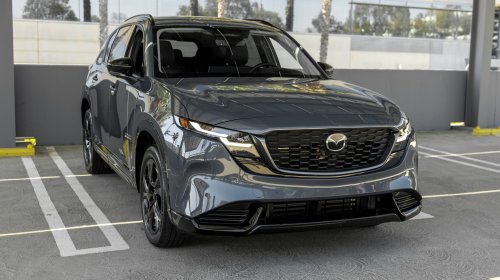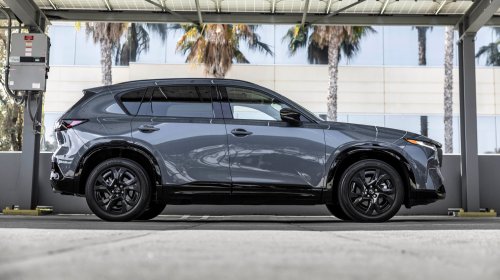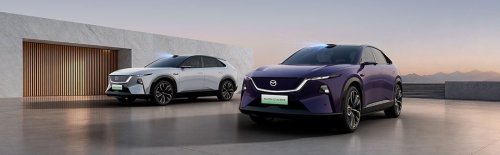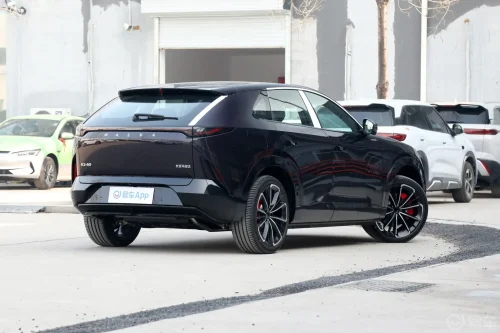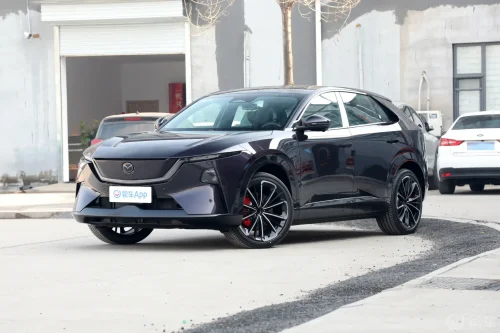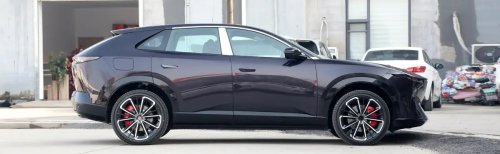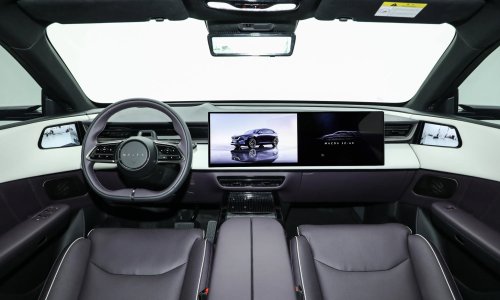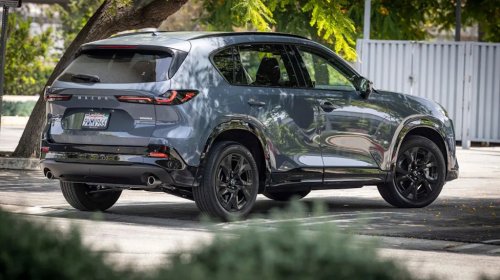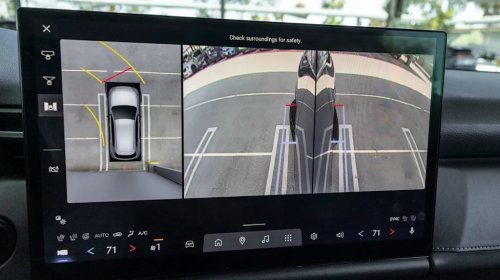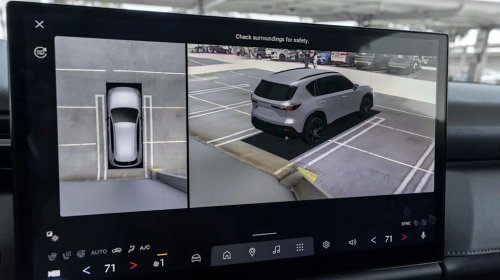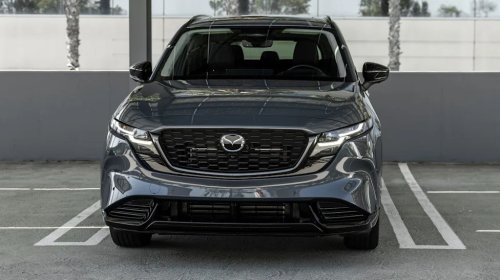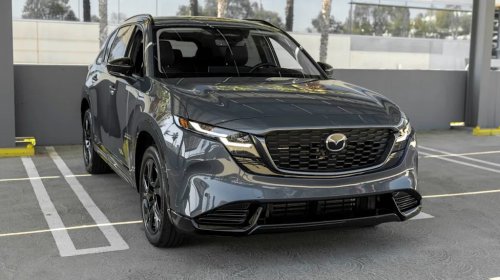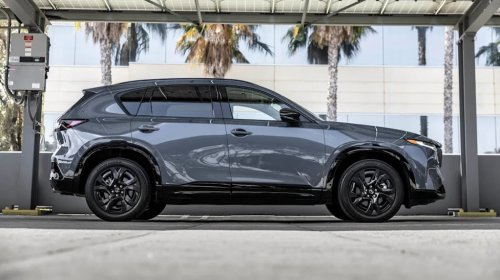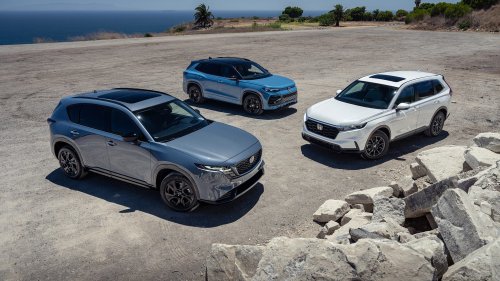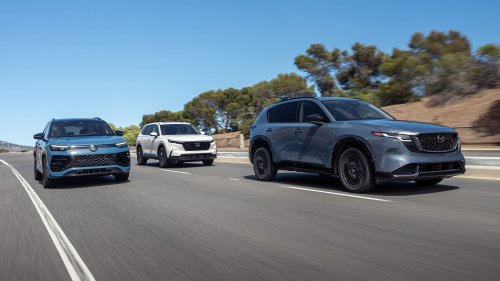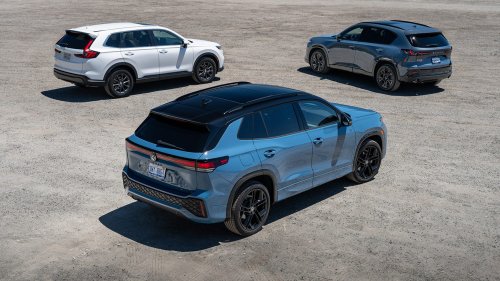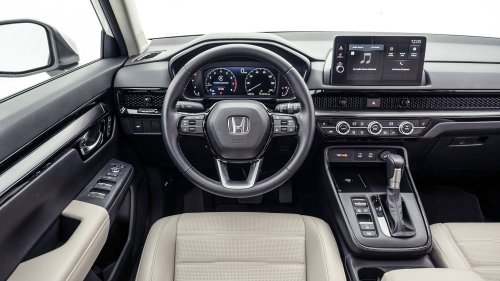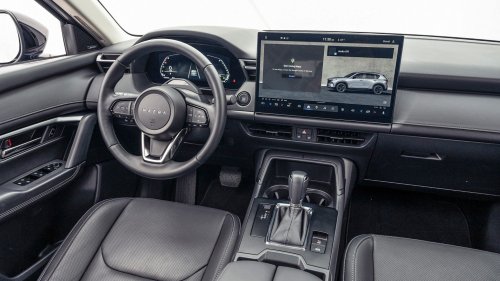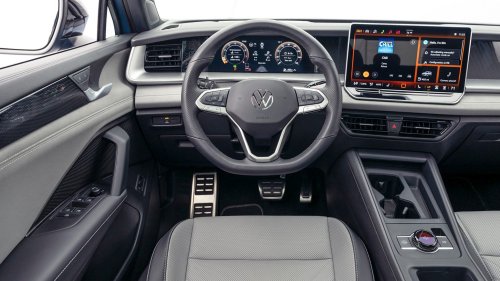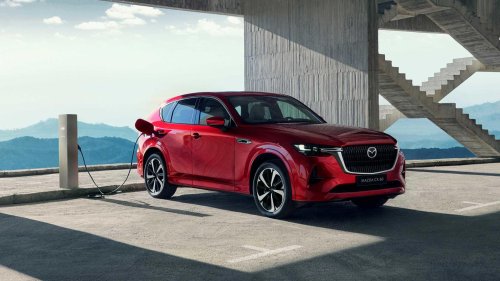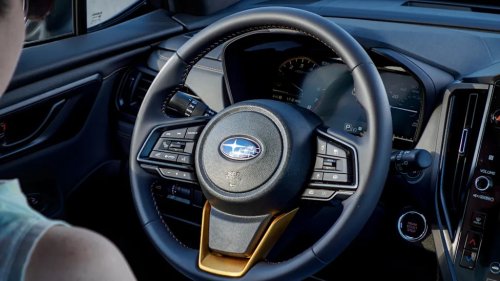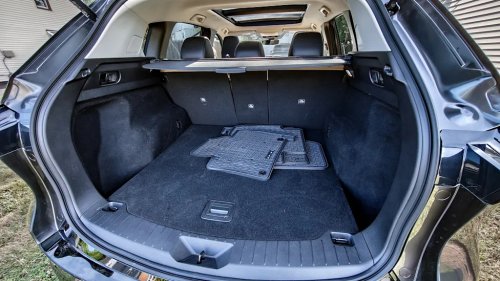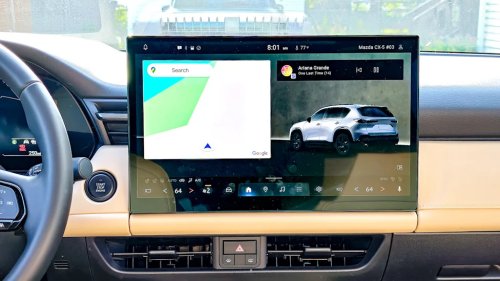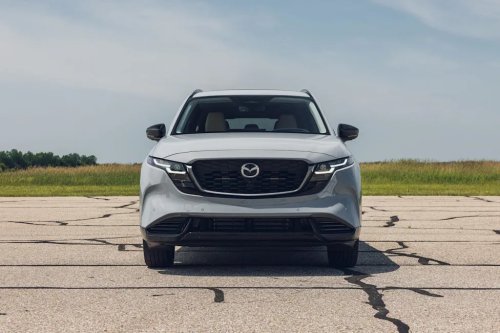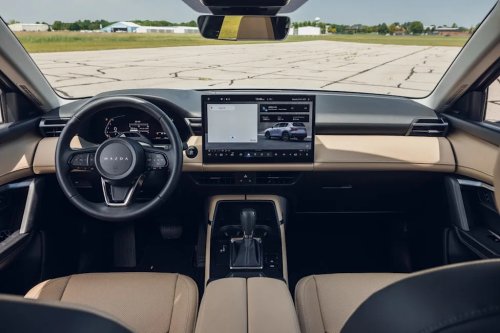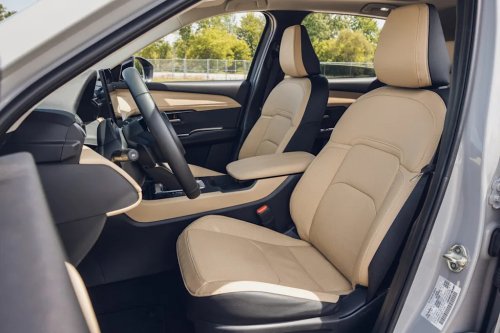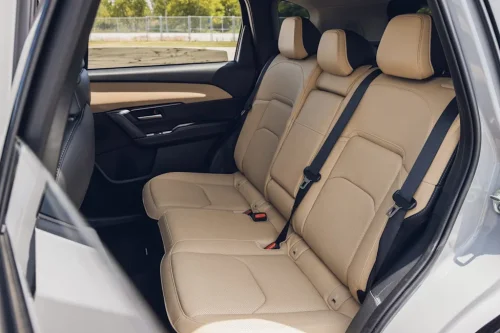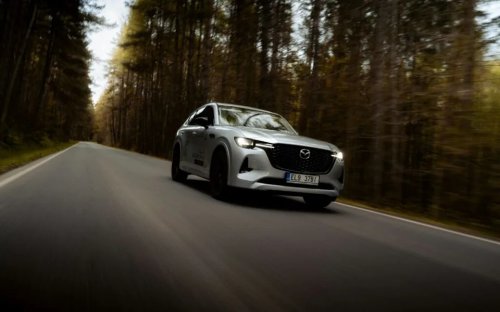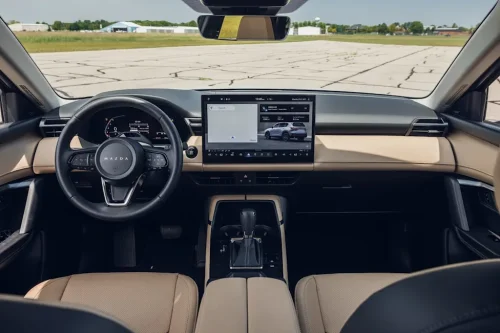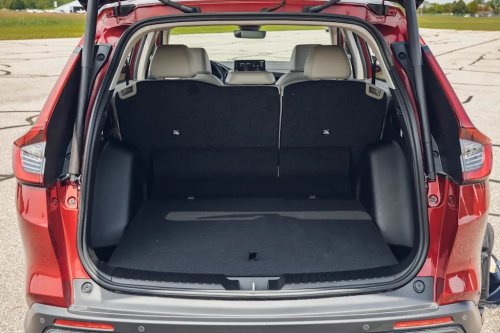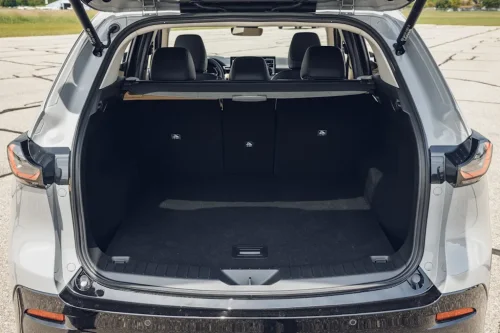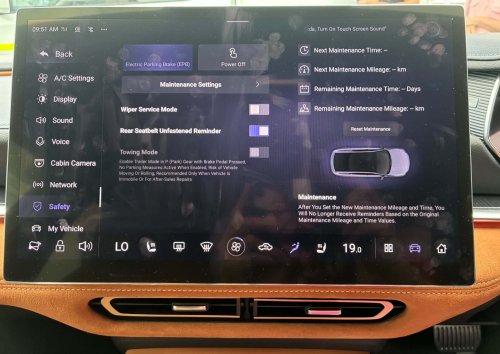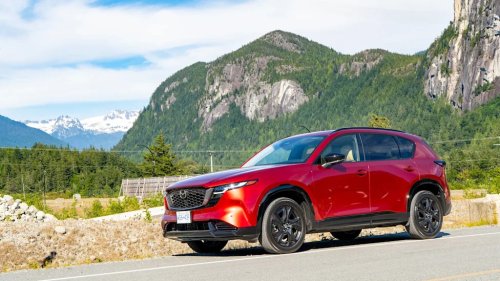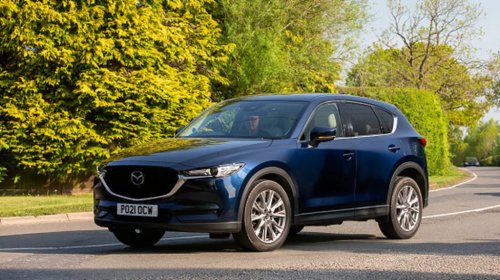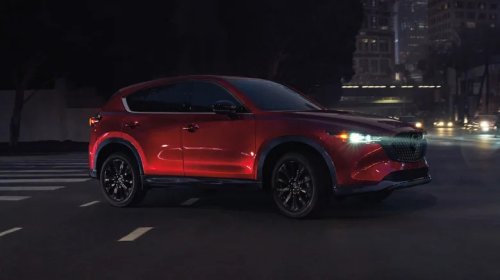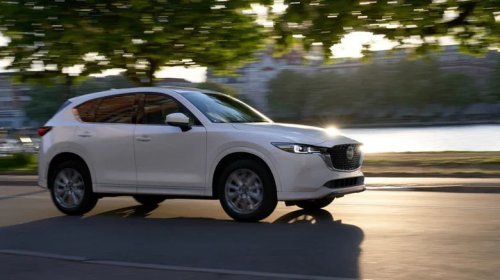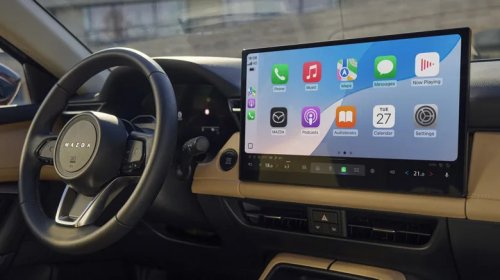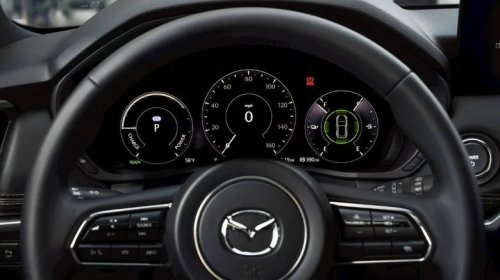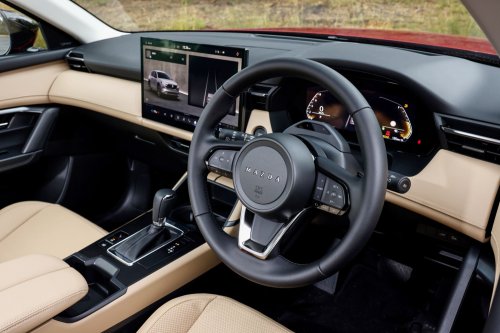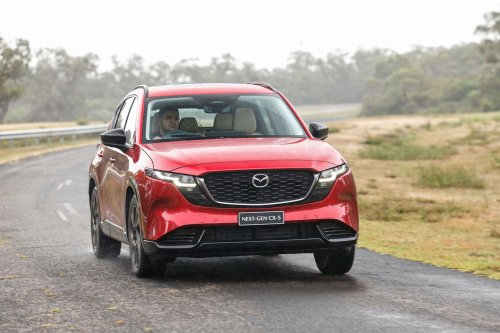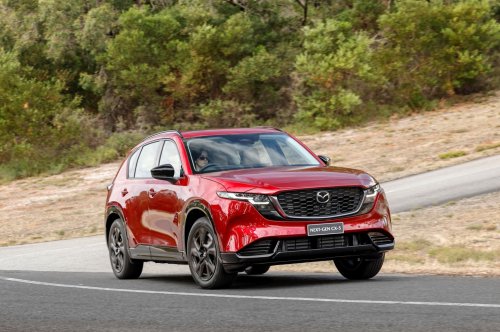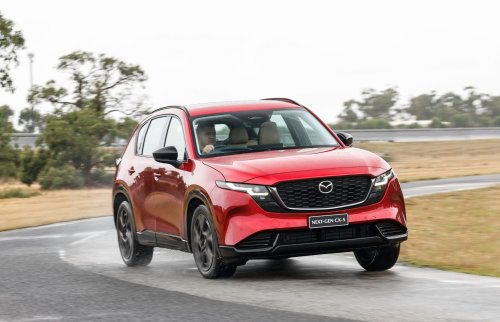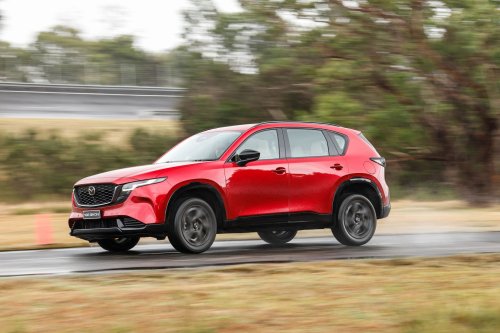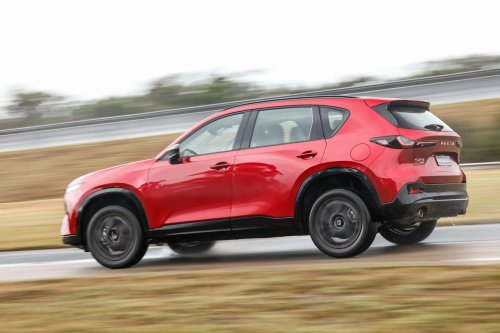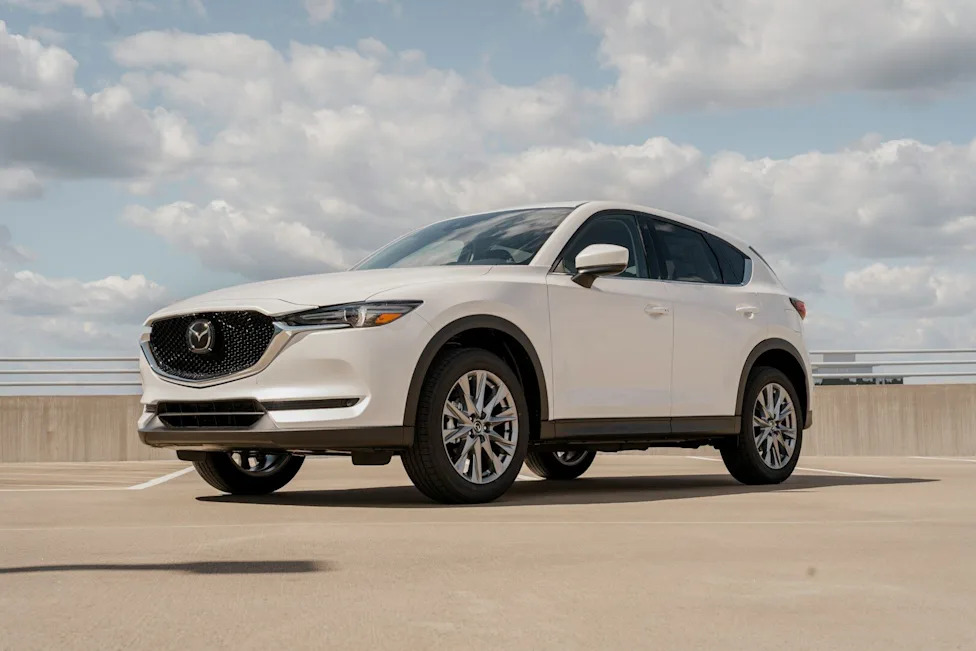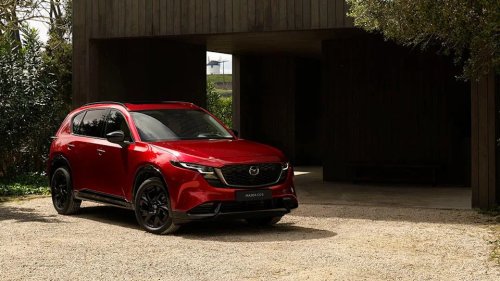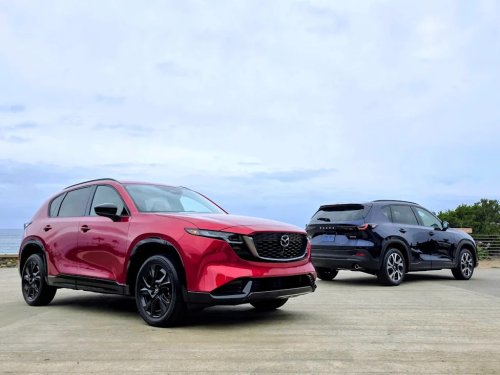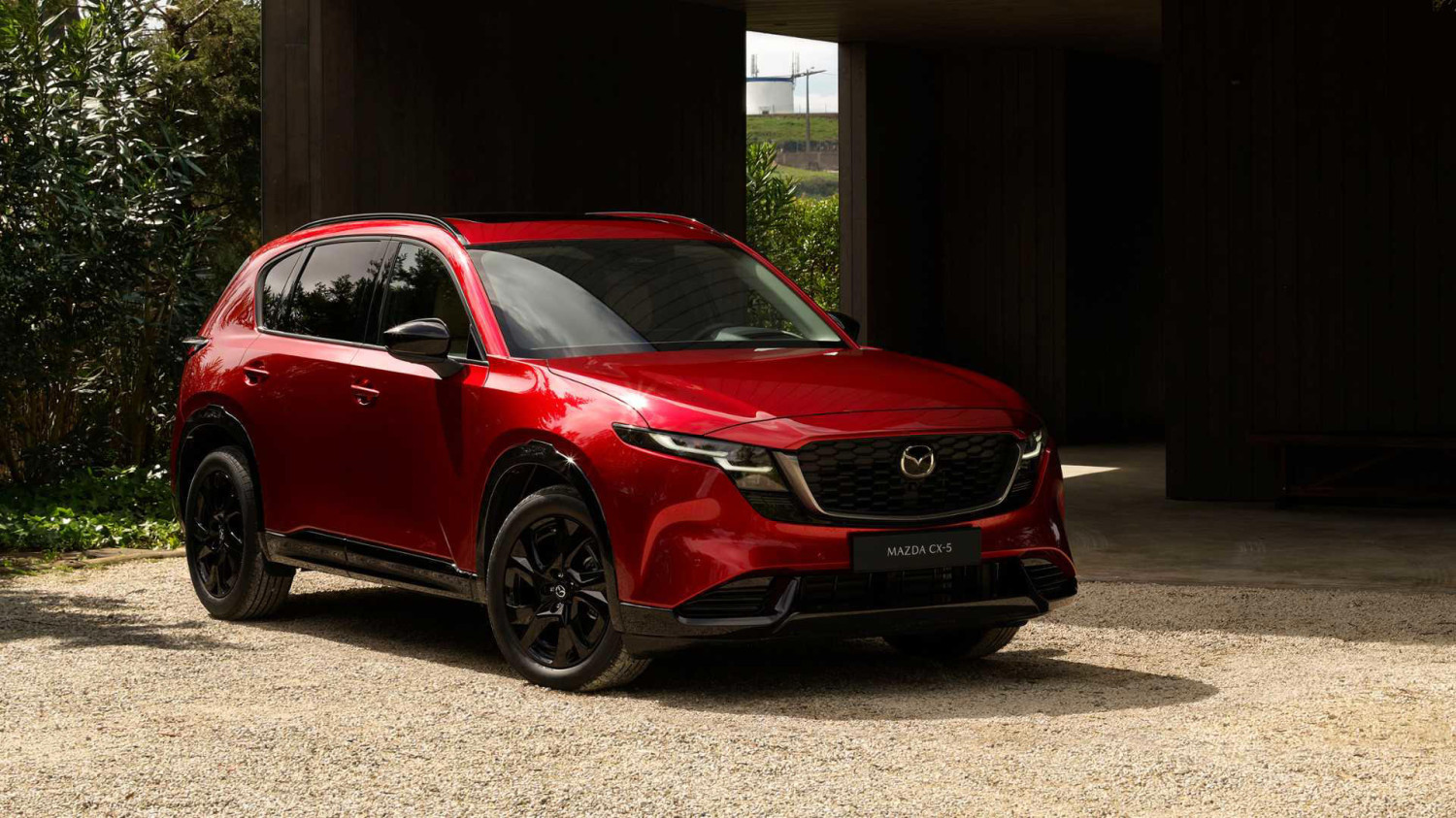
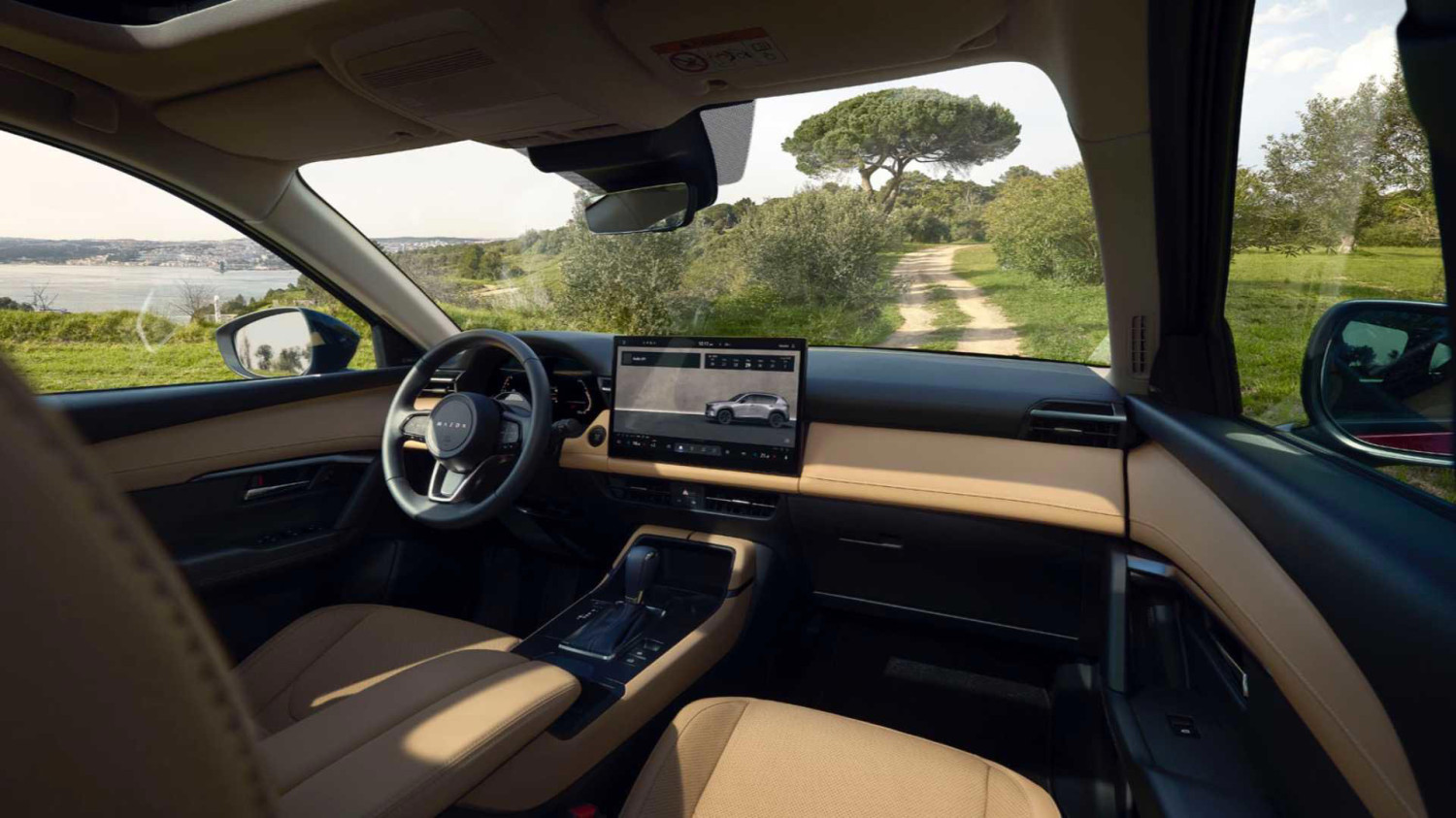



















Despite being larger, more spacious, and more technologically advanced than its predecessor, the 2026 Mazda CX-5 is only $940 more expensive than the 2025 model, and that's due to some crafty choices that saved the automaker a little development money. In its quest to improve profits amid a challenging consumer environment (especially in the US), Mazda says it made several invisible cost-cutting changes to its popular SUV in order to put those savings toward features that consumers will actually notice. Less Complicated Leather Stitches According to reporting by Automotive News, Mazda was able to shave a few cents off the production cost of the CX-5 by simply adjusting the stitching for its standard leather-wrapped steering wheel. On the 2025 SUV, the leather was sewn on a curve so the individual stitches would line up horizontally, while the 2026 CX-5 takes a simpler tack already used by most of its competition. Its diagonal-sewn stitches are easier and cheaper to implement, and since it still uses the same quality of leather, most of its owners would never notice a difference. 2026 Mazda CX-5 (2)One of the other significant areas of cost savings is in the body structure. Despite being 4.5 inches longer and incrementally wider and taller than the 2025 model, the 2026 CX-5's body-in-white is both lighter and cheaper to produce thanks to a close partnership with Mazda's supplier, Nippon Steel. Speaking to Automotive News, Mazda Chief Financial Officer Jeffrey Guyton said those were just two of of "many, many, many" changes made to the 2026 CX-5 that will reduce costs of production. Since the compact crossover is the company's best-selling model, it could add up to big savings overall. Customer-Driven Reinvestments Some of that money is going toward features that customers will actually appreciate, such as the standard 15.6-inch center touchscreen that's much larger than the 10.3-inch display on the 2025 CX-5. The screen itself represented some cost savings on its own, since its more convenient location means that the outgoing model's redundant center-console rotary controller and its fivesome of associated infotainment shortcuts could be axed.MazdaThe company didn't stop there with the interior button-shaving. The new CX-5 does without any physical climate controls, with the HVAC system relocated to the touchscreen. It's easier and cheaper to code such features into a display than it is to design and manufacture a button cluster. We suspect, however, that Mazda customers might notice that little bit of cost-cutting and find it challenging to use once the technological novelty wears off – that's a lesson that Volkswagen has already learned and one that Kia already knew in advance. Flagging Profits Drive The Detail Changes Unfortunately for Mazda, its quarterly financial reports haven't painted an enthusiastic picture for the automaker. The 15 percent tariffs on all Japanese-manufactured cars have taken their toll, with Mazda's profits for the first two quarters of the 2025 financial year – which ends in March 2026 – trending toward a net loss. However, now that the CX-5 is in production for two of its biggest markets, the company is bullish about its prospects and expects to return to profitability before the fiscal year ends next month. The compact crossover represents more than a quarter of Mazda's yearly sales, so with reduced production costs and only incrementally higher prices, the Mazda picture could be even rosier in 2026.