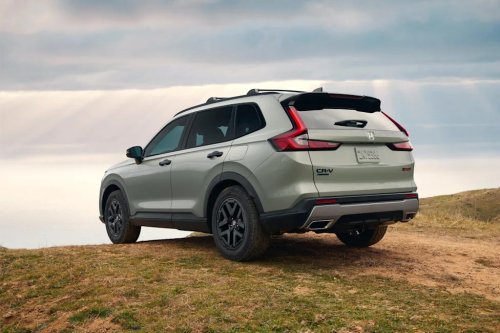
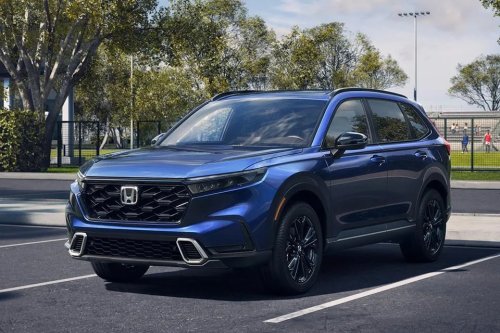
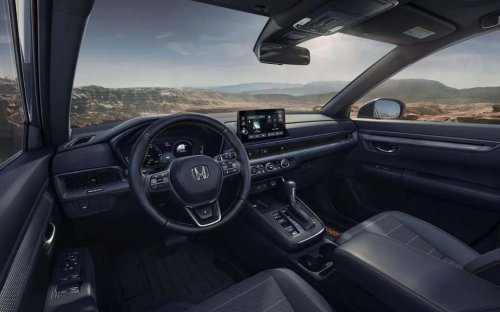
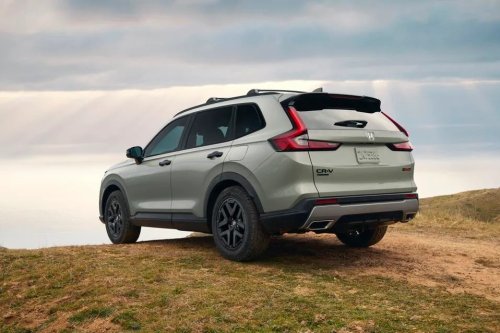
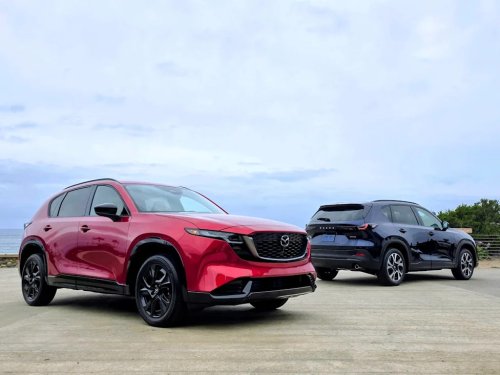
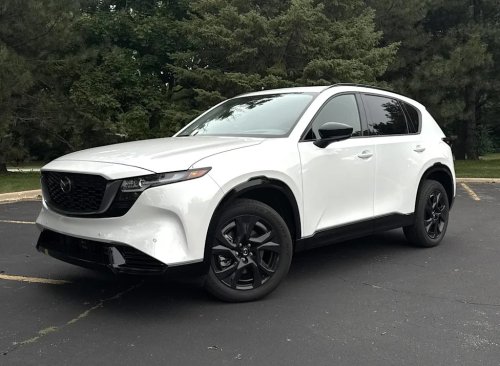
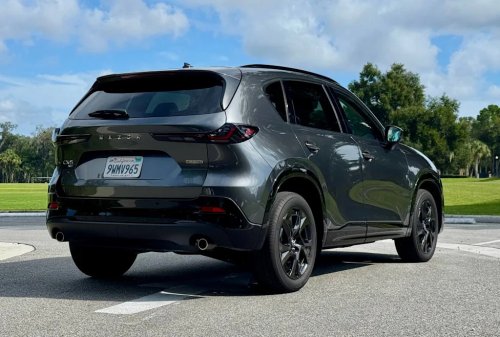
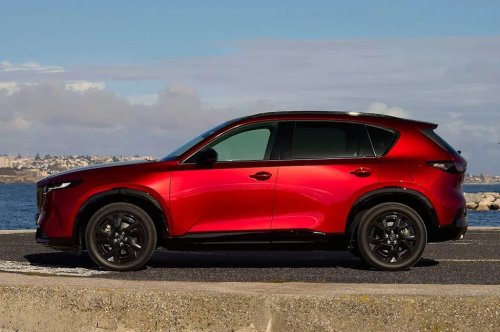
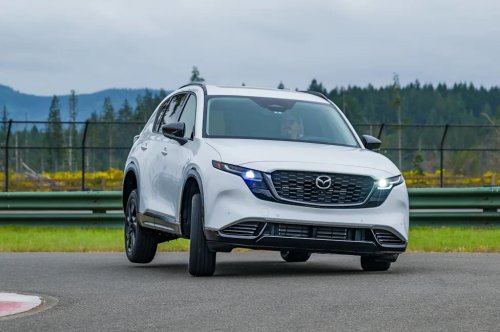
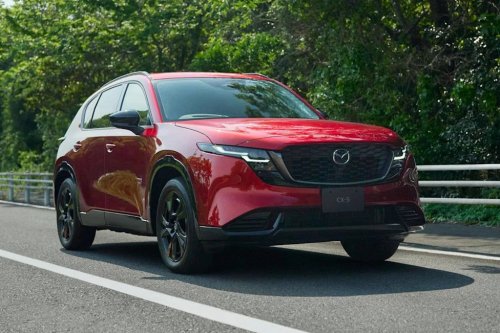
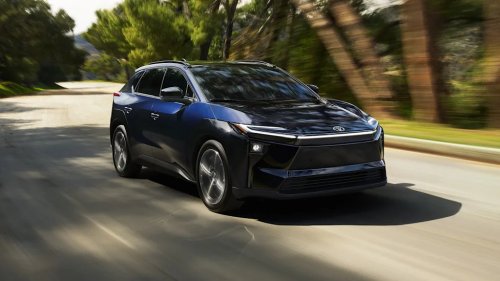
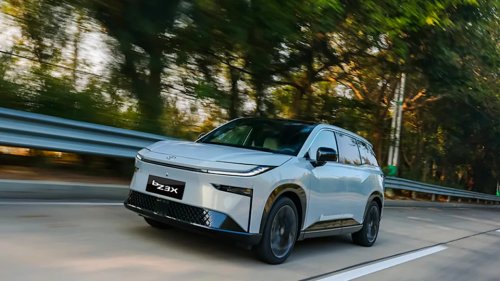
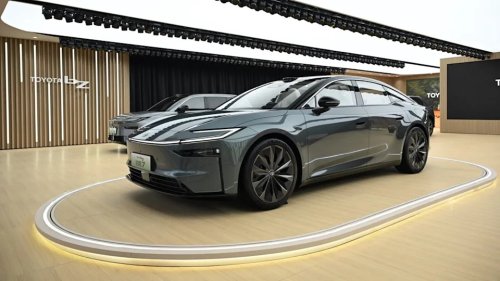
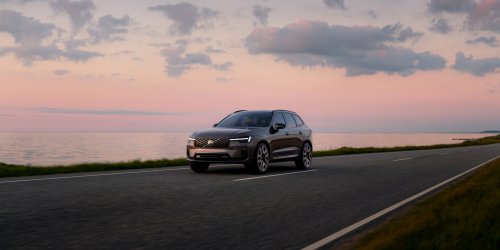
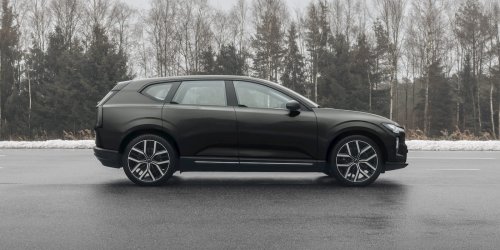
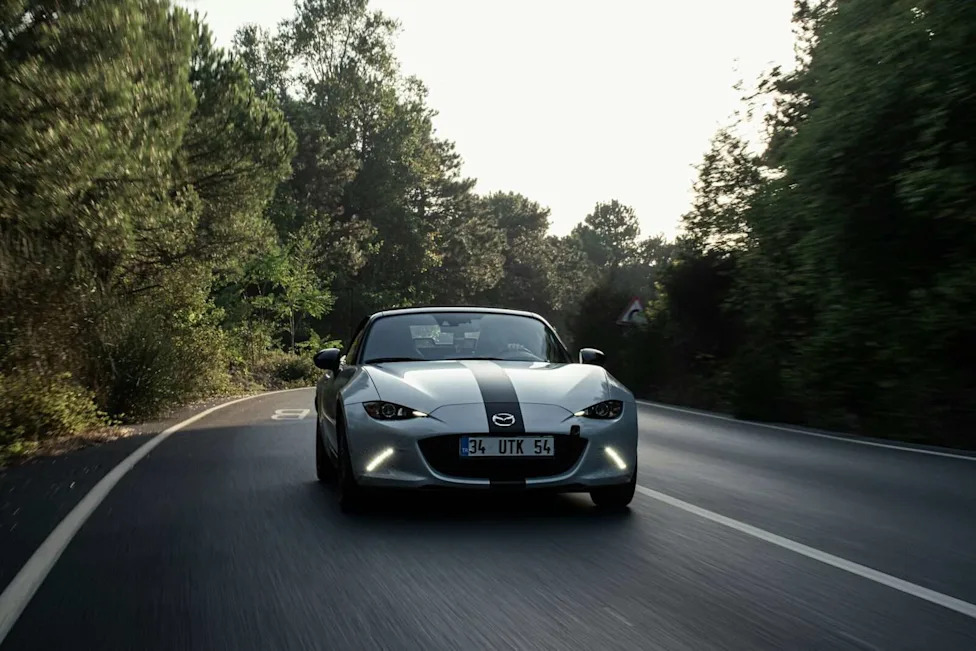
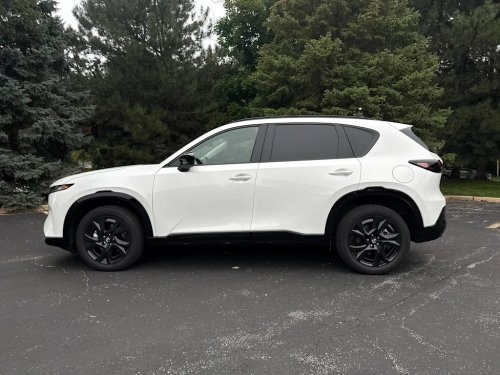
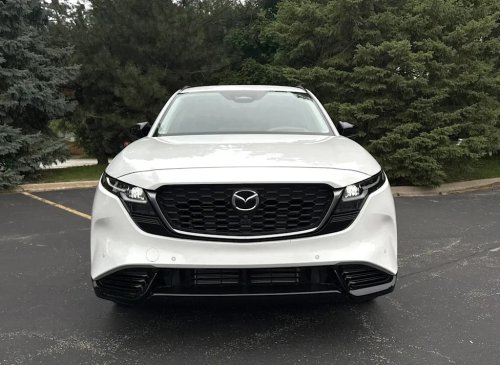
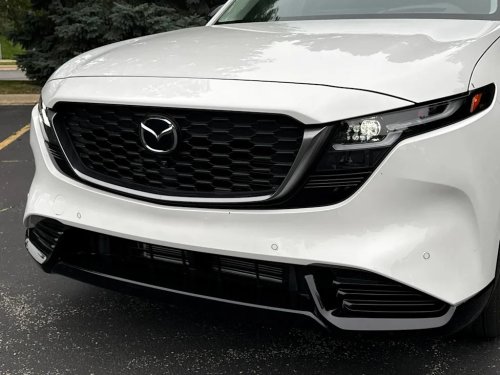
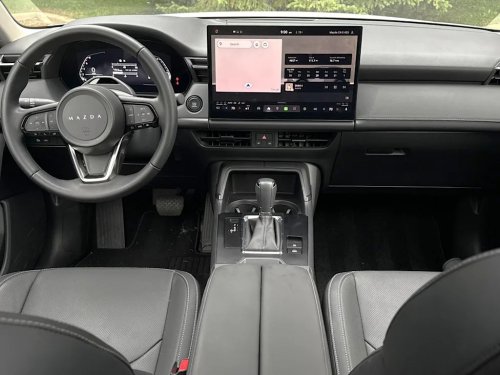
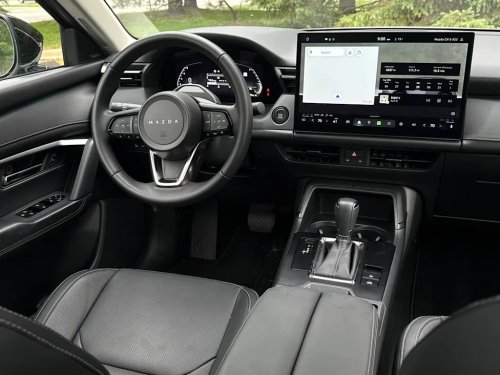
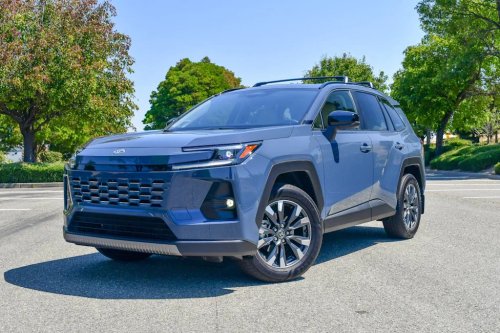
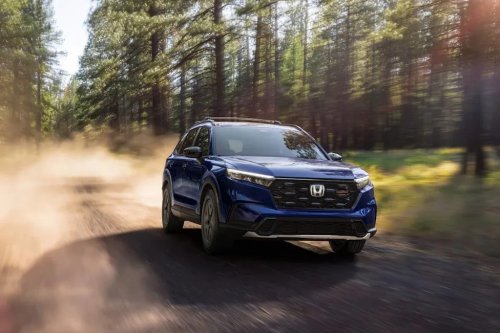
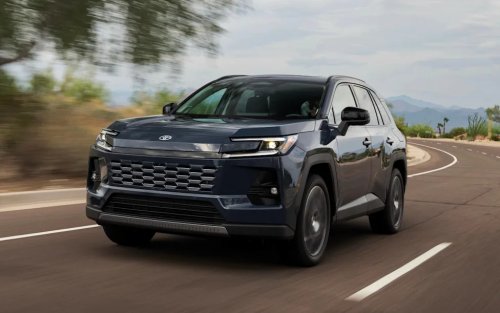
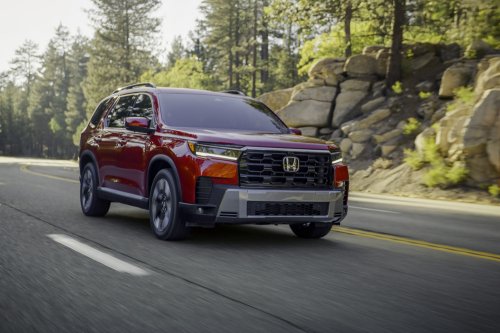
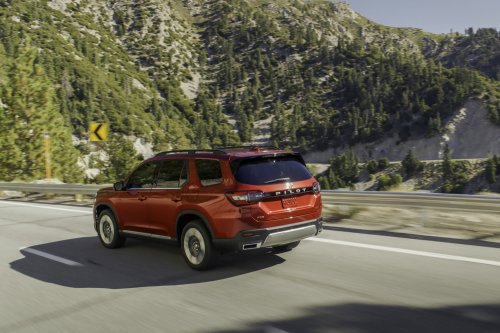
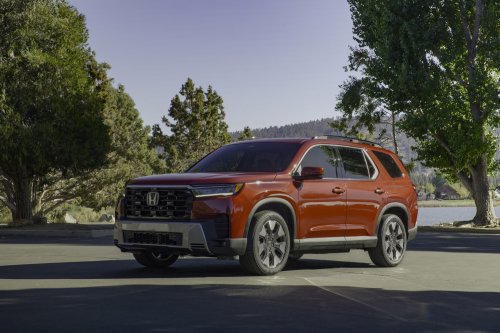
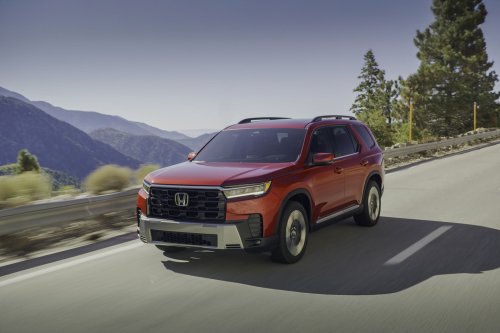
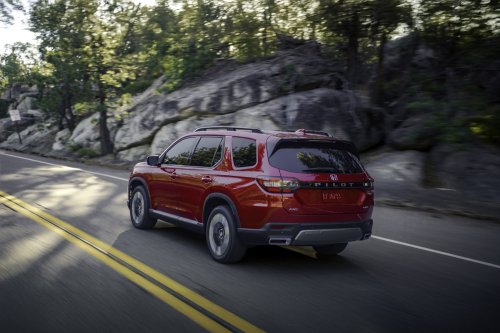
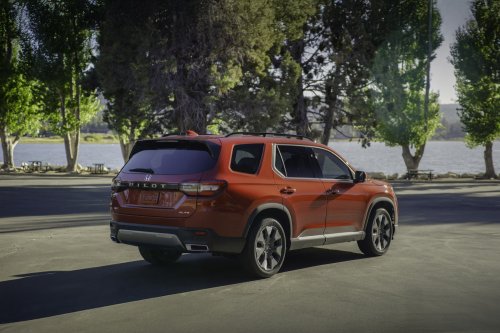
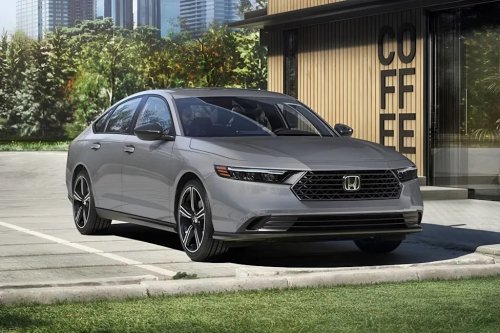
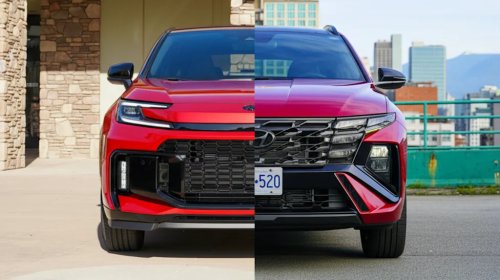
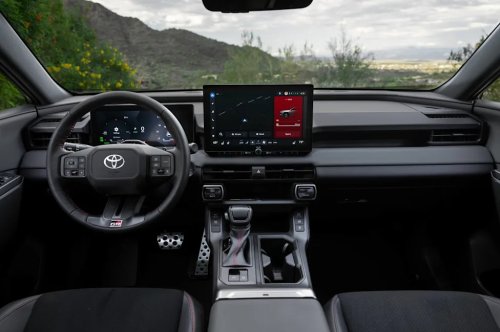
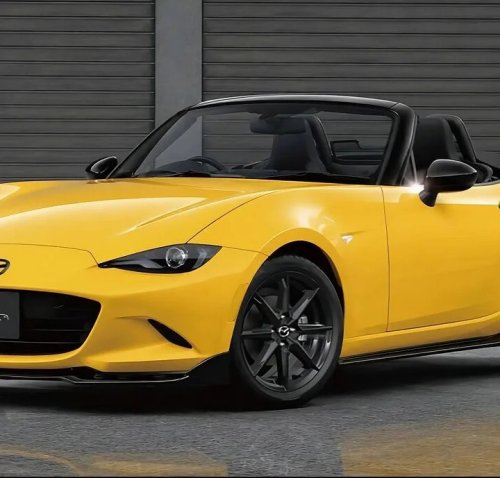
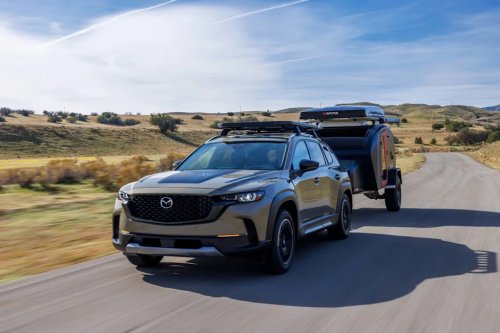
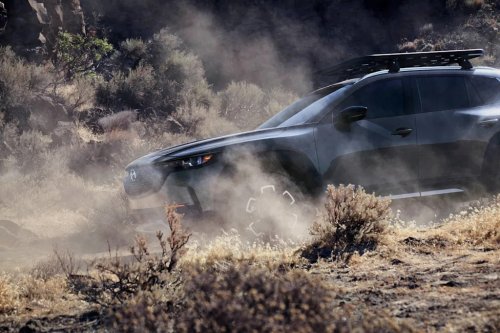
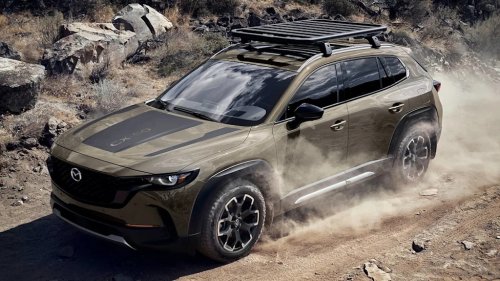
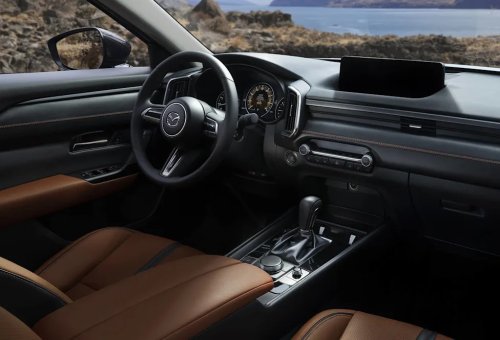
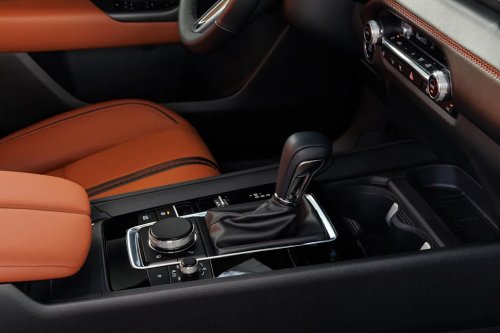
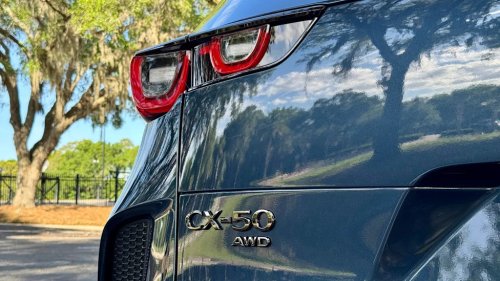
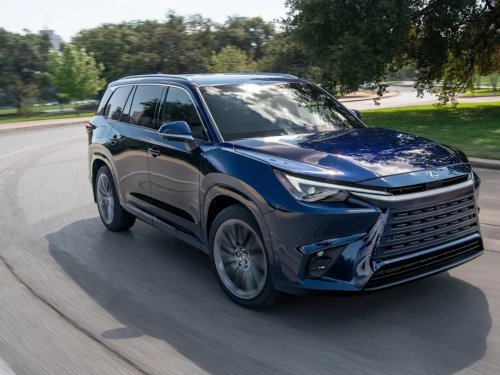
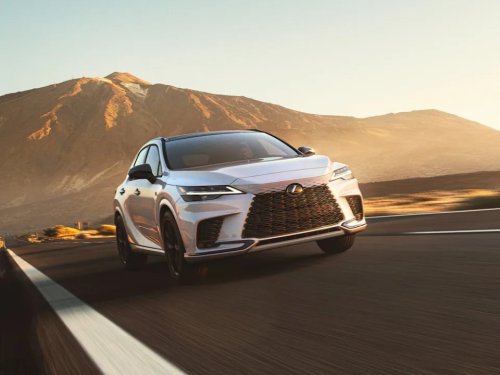
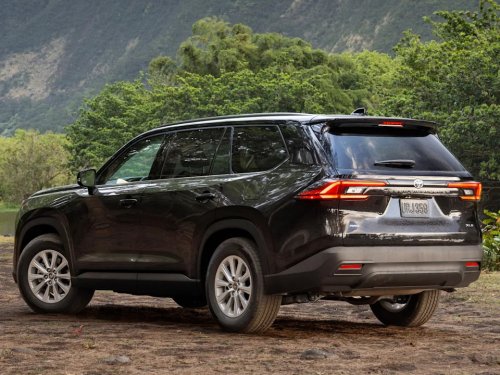
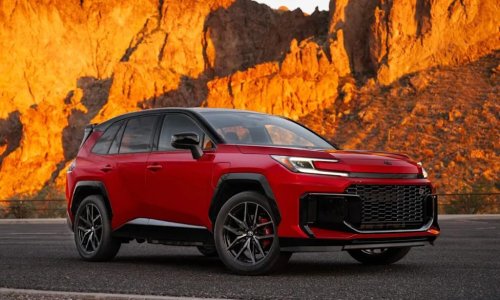
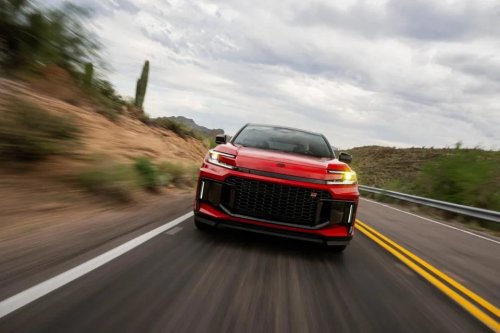
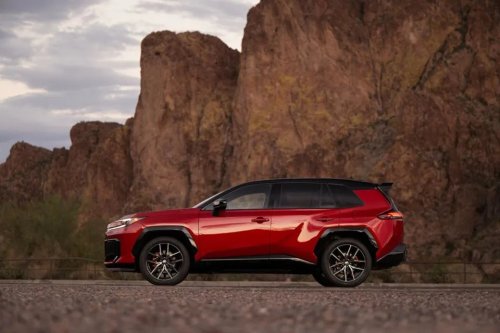
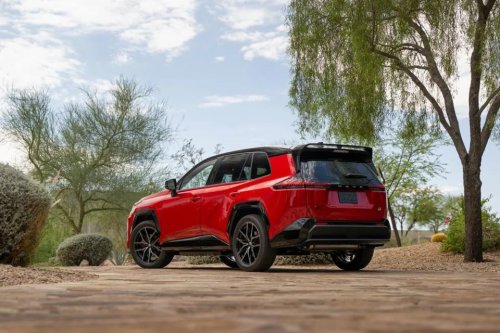
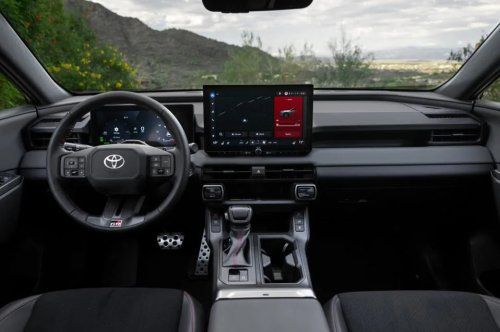
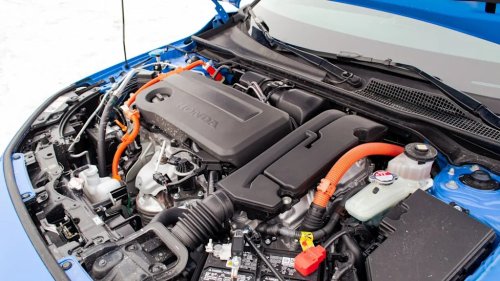
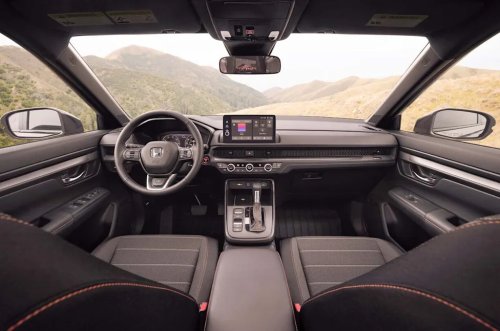
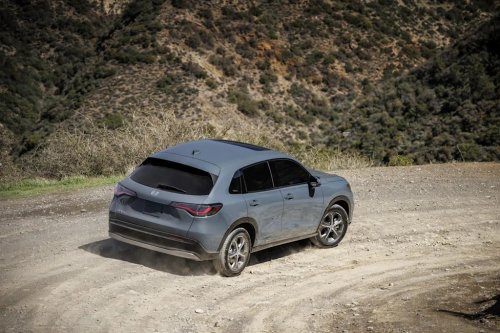
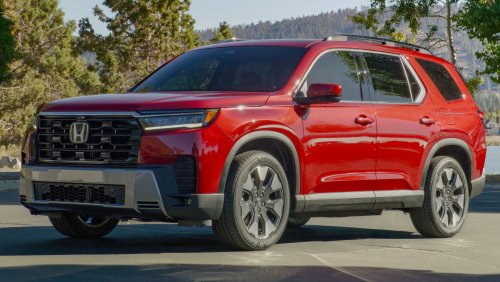
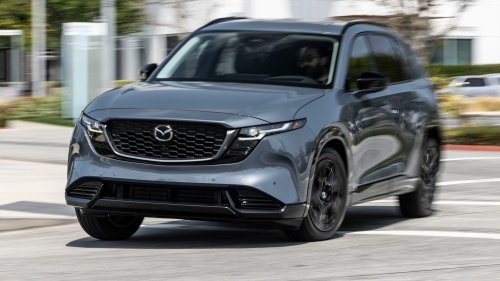
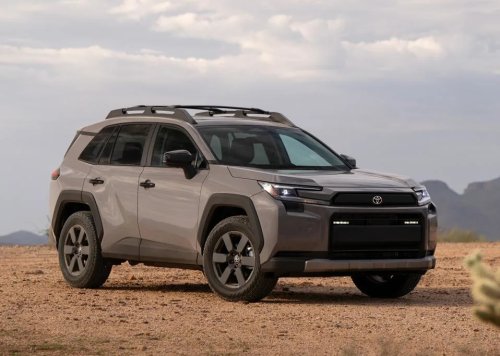
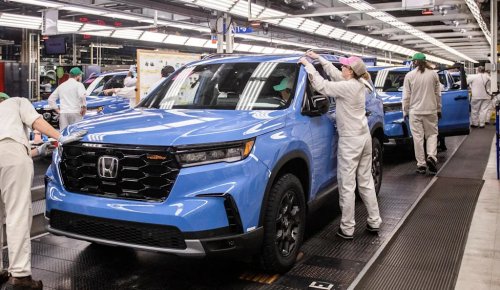
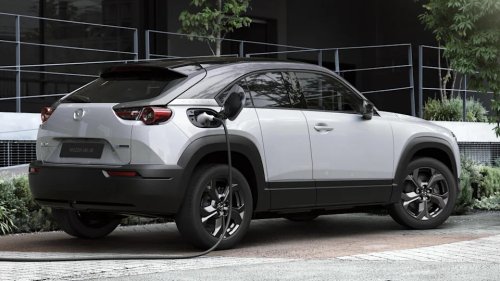
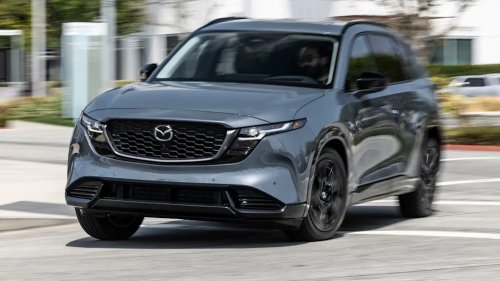
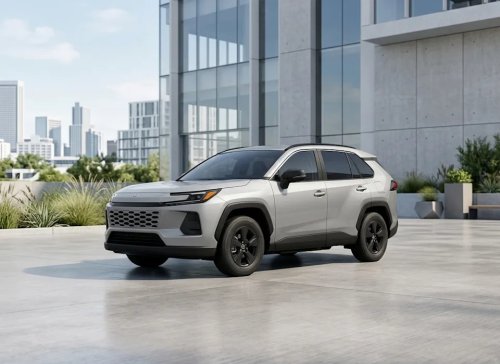
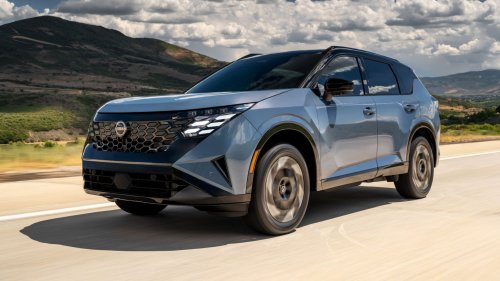
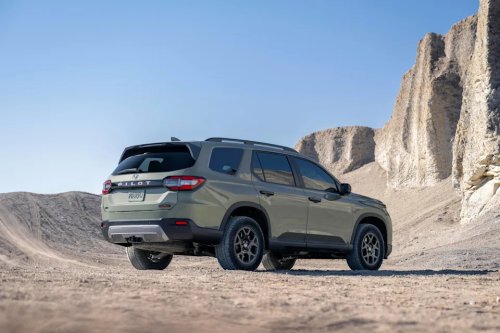
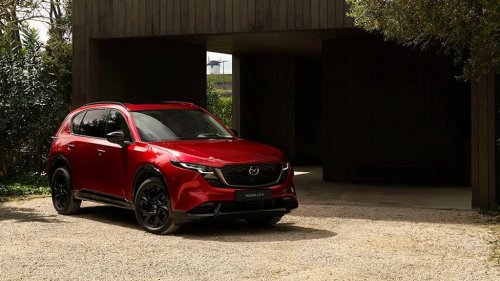
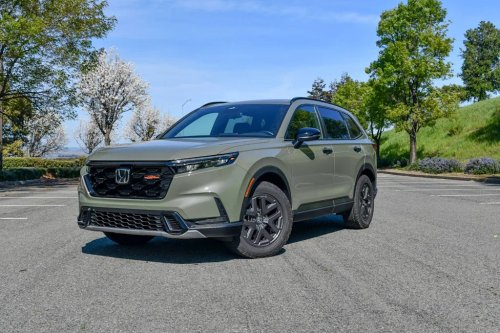
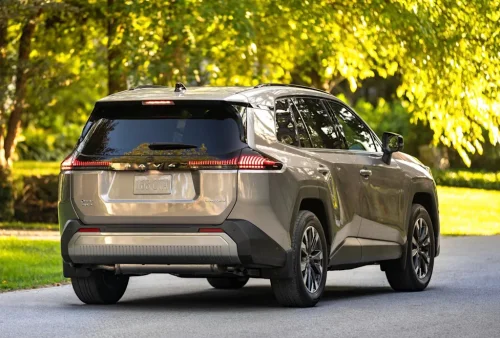
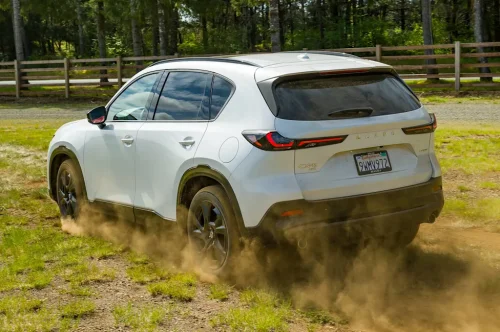
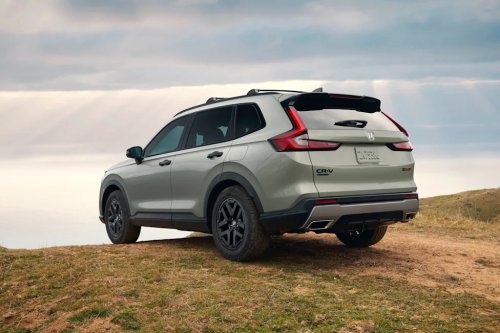
Autoblog and Yahoo may earn commission from links in this article.Fuel economy is one of the main reasons buyers shop the compact SUV class, and the Toyota RAV4, Honda CR-V, and Mazda CX-5 take very different approaches to it. Toyota has gone all-in on hybrid power, Honda offers a hybrid alongside its gas engine, and Mazda sticks with a conventional gas engine for the 2026 CX-5.That difference in strategy produces a clear and wide gap in fuel economy, not the narrow margins seen in many of these comparisons. Measured on EPA combined mpg, the RAV4 comes out well ahead, the CR-V Hybrid follows as a strong second, and the gas-only CX-5 trails by a significant margin.2026 Mazda CX 5MazdaCombined fuel economyThe numbers tell a decisive story. The 2026 RAV4 is now hybrid across every trim, and in front-wheel-drive form, it returns up to 43 mpg combined, with all-wheel-drive models still delivering around 41 to 42 mpg in most trims. That makes it one of the most efficient non-plug-in SUVs in the entire class, and because every RAV4 is now a hybrid, that efficiency comes standard rather than as an upgrade. For a buyer whose top priority is fuel economy, the RAV4's all-hybrid lineup is built precisely around that goal.2026 Honda CR-V TrailSportKristen BrownThe CR-V Hybrid is a strong second, rated around 40 mpg in the city and roughly 37 mpg combined with all-wheel drive, climbing higher in front-drive form. Those are excellent figures that trail the RAV4 by only a few mpg. The catch is availability: the CR-V's hybrid is offered only on higher trims, so the most efficient CR-V costs more to get into than the base gas model. The CX-5, by contrast, is gas-only for 2026 and returns about 26 to 28 mpg combined, a full 15 mpg or so behind the RAV4. That is not a small gap, and it is the single biggest differentiator in this comparison.Why the gap is so wideThe reason for the spread comes down to powertrain choices. The RAV4 uses Toyota's mature hybrid system, which pioneered modern hybrid technology and remains among the most fuel-efficient on the market, prioritizing engine and motor efficiency above all. The CR-V Hybrid takes a slightly different approach, leaning more on its electric motor for a smoother, more EV-like driving feel, which gives up a little outright economy to the Toyota but delivers a more refined drive. Both are genuinely efficient, and the few mpg between them is the smaller part of the story.2026 Toyota RAV4 Limited AWDToyotaThe larger gap is to the CX-5, and it exists simply because the Mazda has no hybrid option for 2026. Its naturally aspirated four-cylinder is smooth and pleasant, and standard all-wheel drive adds capability, but without electrification, it cannot approach the economy of its two electrified rivals. Mazda has announced a CX-5 Hybrid for the 2027 model year, using a Toyota-sourced system, which should close much of this gap. But for the 2026 model year in question, the CX-5 is at a structural disadvantage on fuel economy that no amount of efficient engineering can overcome.2026 Mazda CX-5 2.5 S Premium Plus(C) 2026 Doug Berger | DBPicsAdvertisementAdvertisementWhat the CX-5 offers insteadFuel economy is not the only consideration, and the CX-5 earns its place on other strengths. It has the lowest starting price of the three, comes standard with all-wheel drive, and offers the nicest interior in the segment, with materials and a large available touchscreen that feel a class above its price. It is also the best of the three to drive, with steering feel and chassis balance that the more efficiency-focused rivals do not match. For a buyer who values cabin quality and driving enjoyment over maximum mpg, the CX-5 makes a real case.2026 Honda CR-V TrailSportHondaThe RAV4 and CR-V offer their own non-efficiency strengths too, with the CR-V leading the segment in maximum cargo space and the RAV4 adding a plug-in hybrid option with around 50 miles of electric range for buyers who can charge at home. But on the specific question of fuel economy, those strengths are beside the point. The CX-5's lack of a hybrid for 2026 places it firmly third on the measure this comparison is about, however appealing it is elsewhere.So which one is the most fuel-efficient?The Toyota RAV4. With its all-hybrid lineup returning up to 43 mpg combined, it is the most fuel-efficient of the three by a clear margin, and that efficiency comes standard on every trim rather than as a costly upgrade. No version of the RAV4 gives up much economy, and the front-drive models in particular sit at the top of the class. For a buyer whose primary goal is the lowest fuel bills without plugging in, the RAV4 is the answer, and the gap to its rivals is decisive rather than marginal. The CR-V Hybrid is a close second, offering near-RAV4 efficiency with a smoother, more refined drive. Its main drawback is that the hybrid is limited to higher trims. The CX-5 trails on fuel economy without a hybrid, but it still appeals with upscale quality, sharp handling, standard AWD, and a lower entry price.This story was originally published by Autoblog on Jul 3, 2026, where it first appeared in the Car Buying section. Add Autoblog as a Preferred Source by clicking here.



















 +7 others