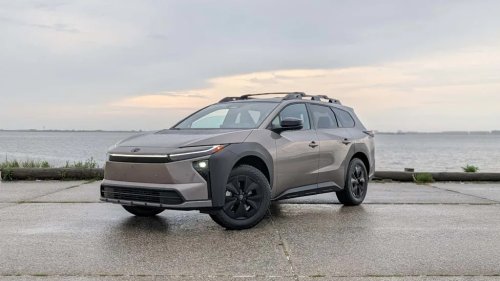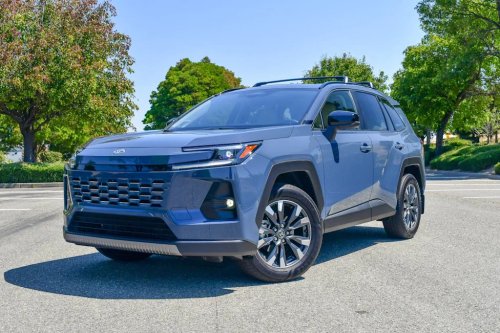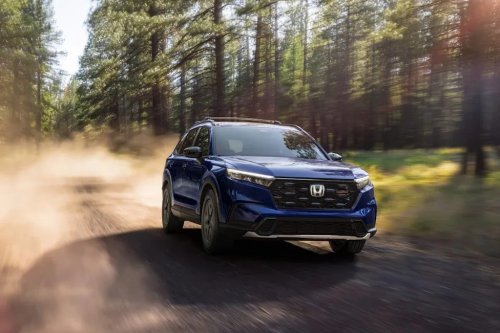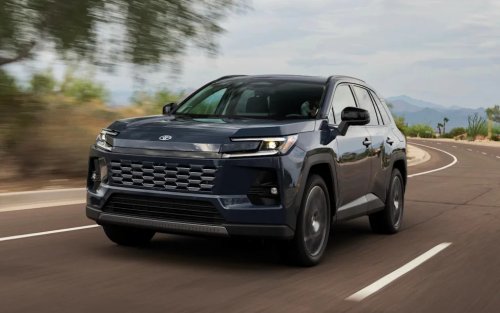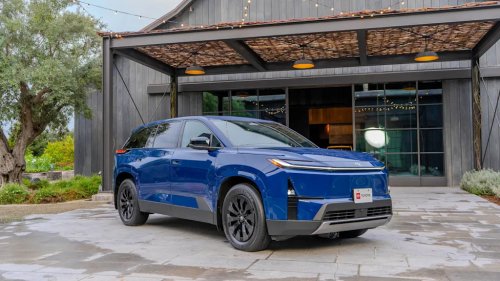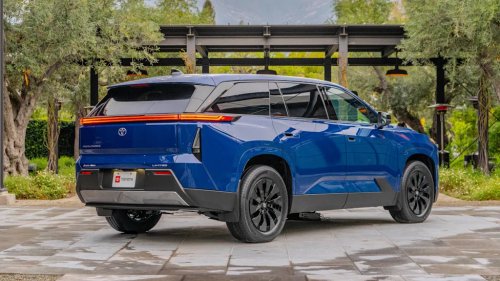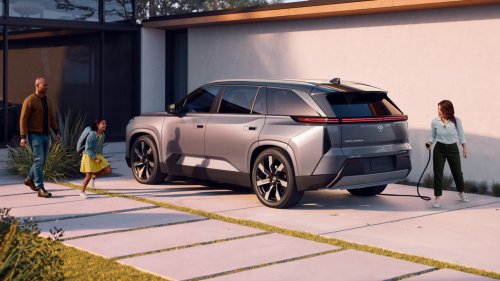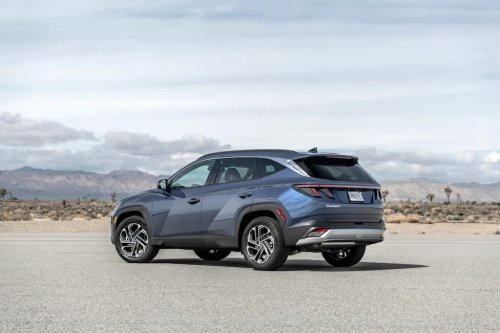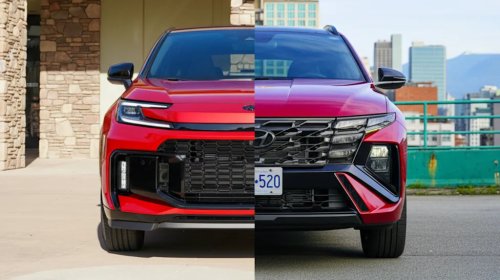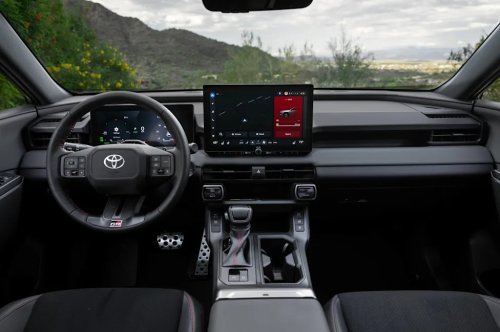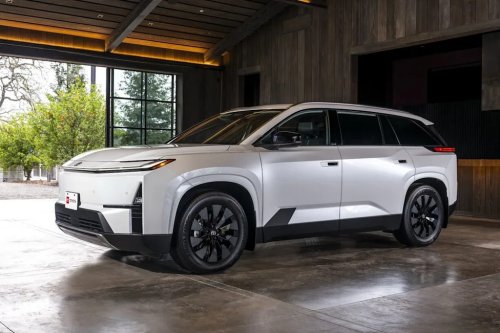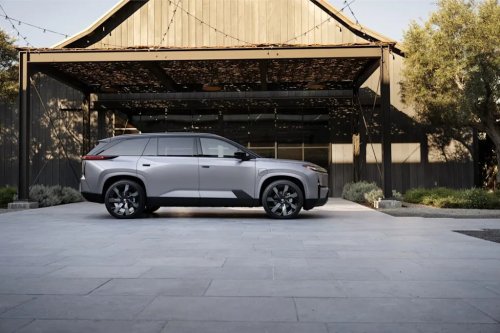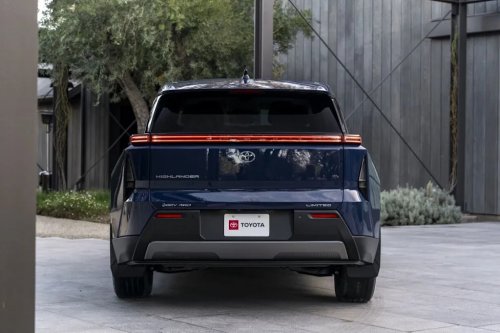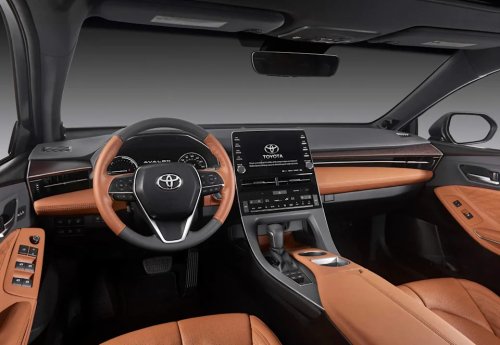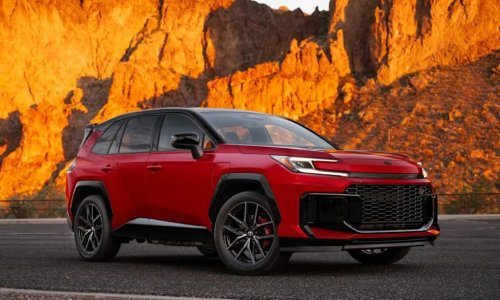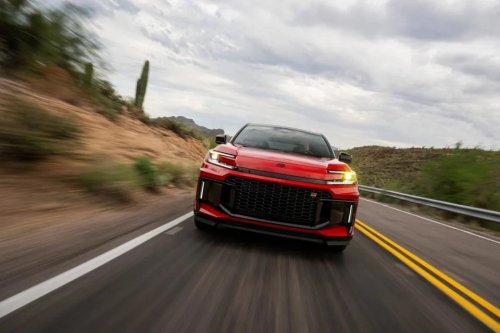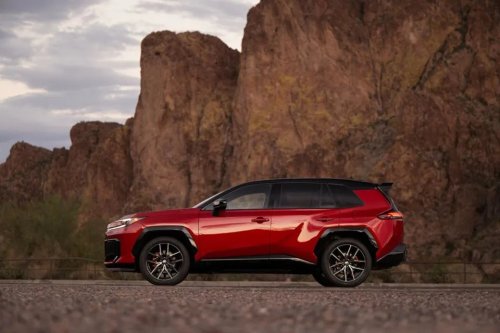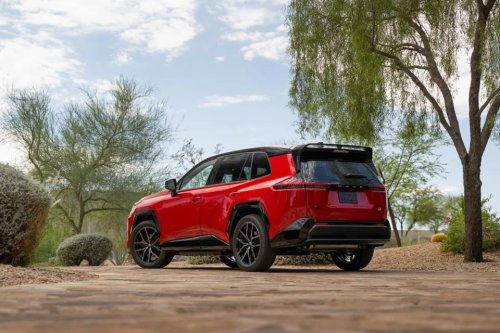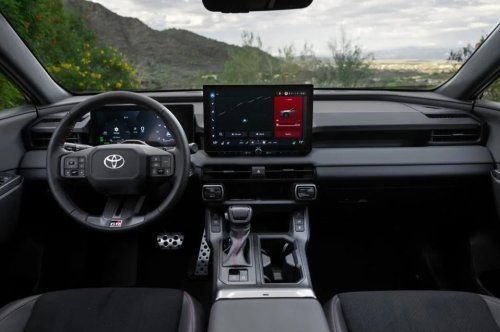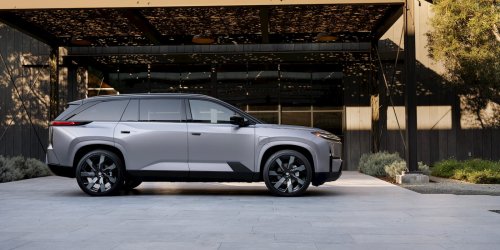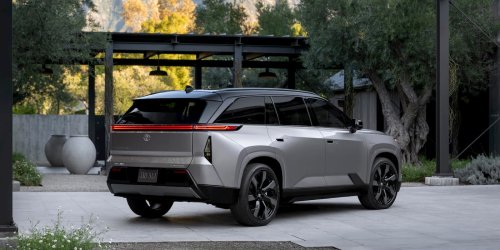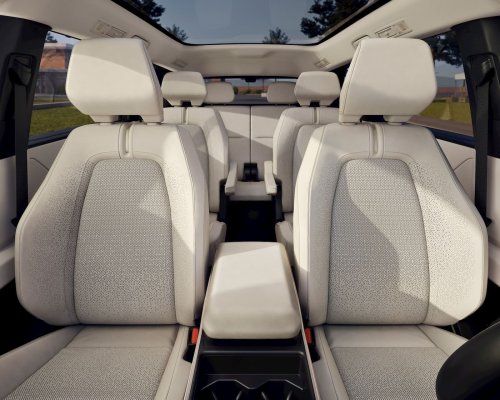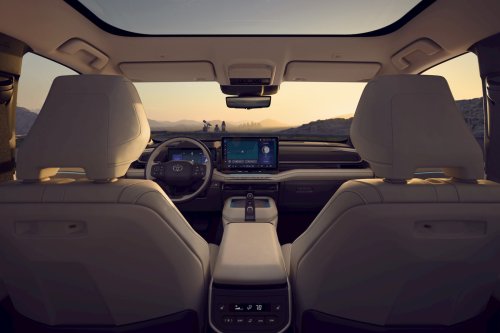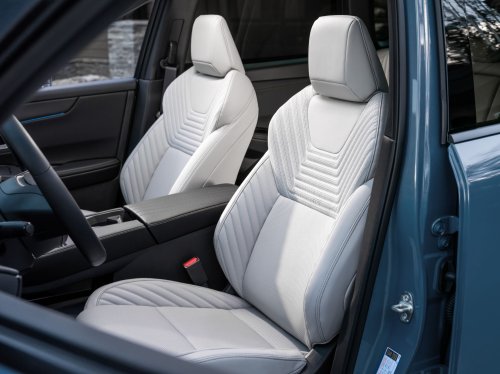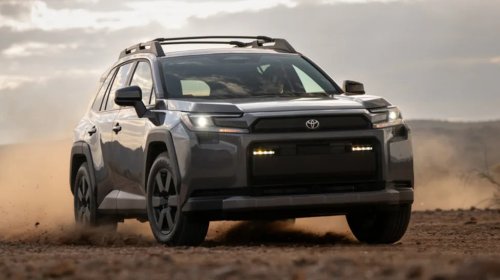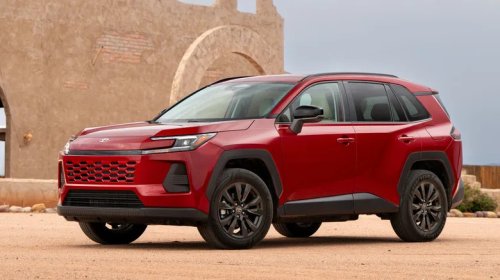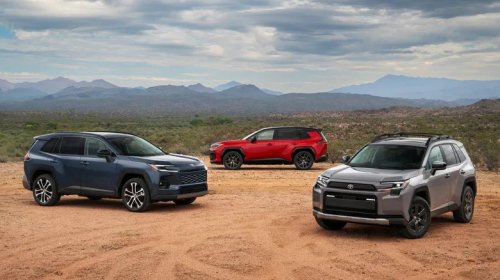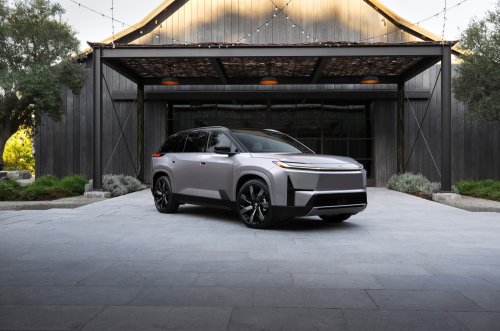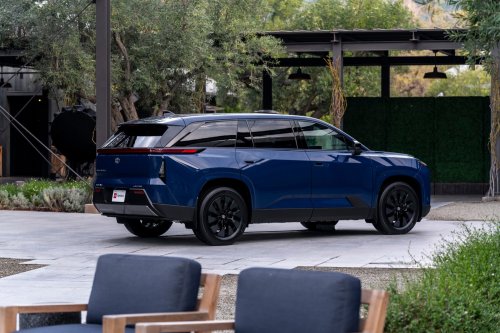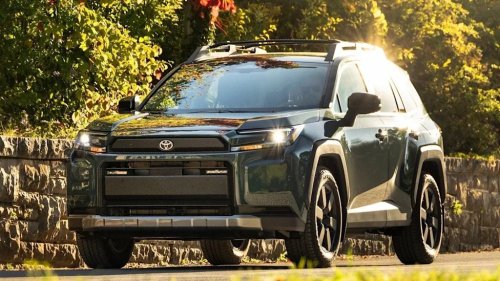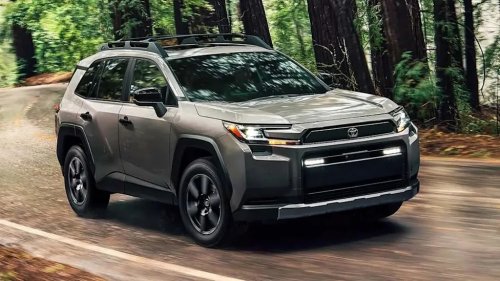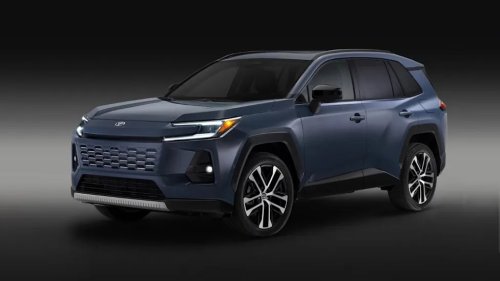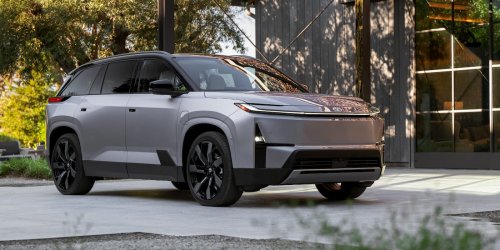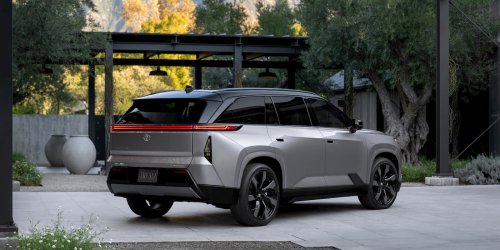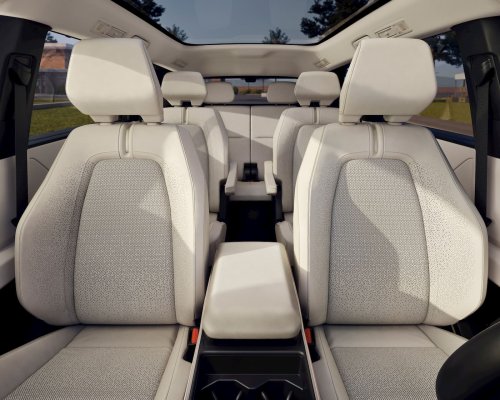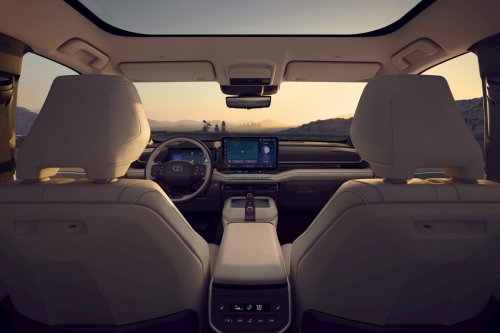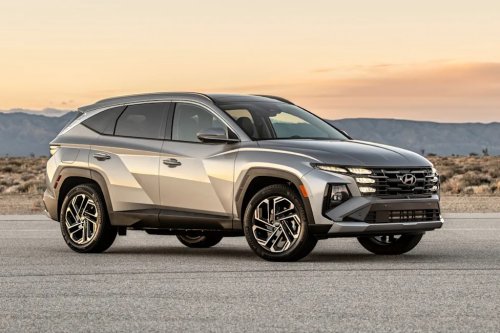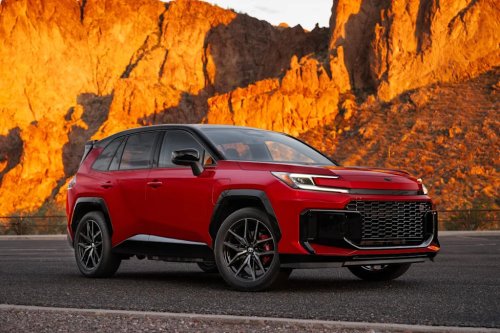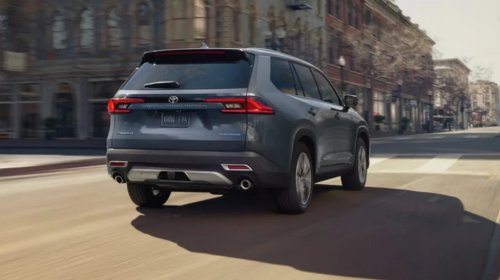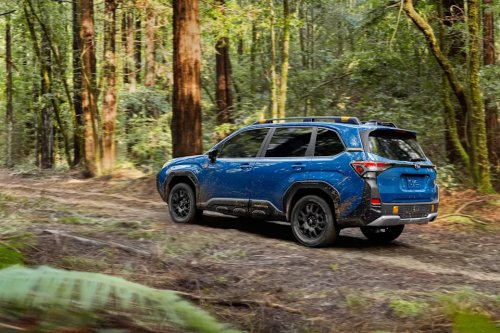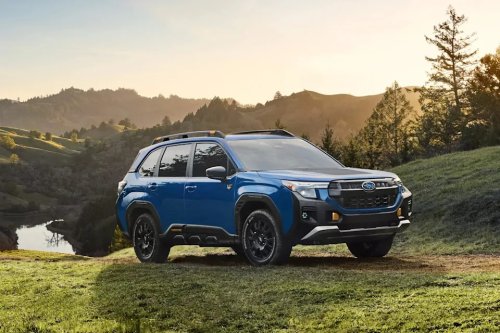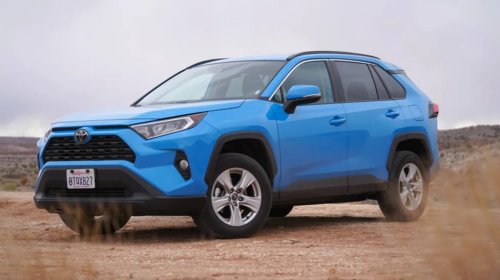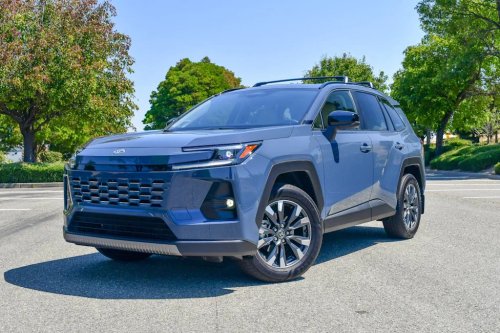
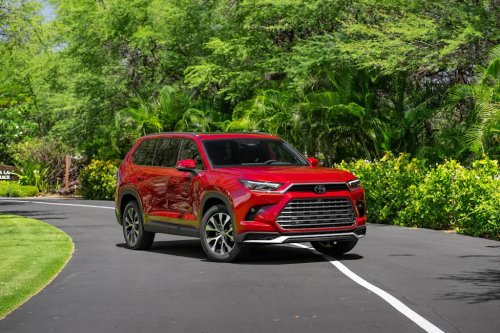
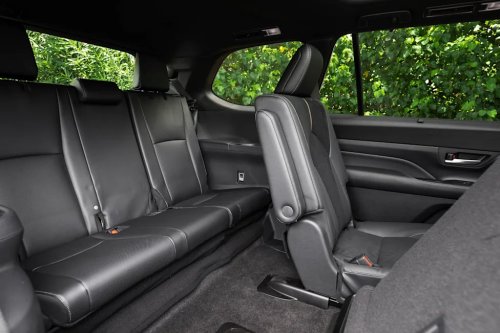
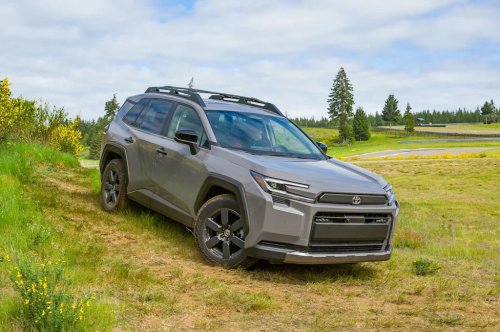
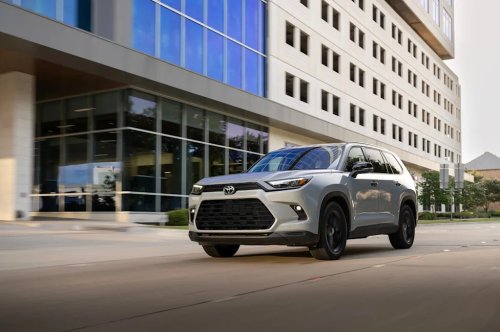
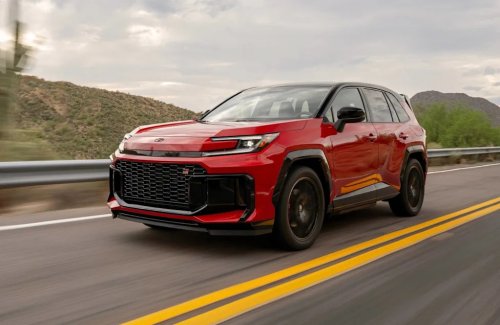



















Autoblog and Yahoo may earn commission from links in this article.Toyota may still be shifting tons of its Camry and Corolla sedans, but its real volume sellers are SUVs, and it has an offering in almost every segment and price point. Judging by sales figures alone, the RAV4 is the default choice for most families, while the Highlander is up there with the market leaders for mid-size three-row SUVs.Both SUVs are solid and reliable family vehicles, and we decided to compare them to see whether stepping up to the Highlander was worth the extra outlay.Toyota RAV4Kristen BrownView the 3 images of this gallery on the original articleAdvertisementAdvertisementThe RAV4 is all-new for 2026, and is now available solely with Hybrid or Plug-In Hybrid (PHEV) powertrains. The hybrid offering comprises of a 2.5-liter four-cylinder engine generating 226 hp in FWD or 236 hp with AWD, while the flagship variant punches out an impressive 320 horsepower from its PHEV powertrain and delivers up to 50-miles of all-electric range.Trim levels range from the entry-level LE, and SE to the off-road focused Woodland Edition and the sportier and more luxurious Limited, XSE, and GR Sport. All 2026 RAV4 models get a 12.3-inch digital instrument cluster paired with a 10.5-inch touchscreen, with higher trims getting a larger 12.9-inch unit. Toyota Safety Sense 4.0 is standard as well, and while pricing can top $50,000 for the Plug-in Hybrid GR Sport, the base model starts from a very competitive $31,900.Toyota HighlanderToyotaView the 3 images of this gallery on the original articleWhereas the 2026 RAV4 is all-new, the Highlander has been around since 2019 and is in its final year of production. Next year it will transform into an all-electric model. While the current model's age does put it at a bit of a disadvantage in terms of tech and styling, there have been a few key updates over the years that have kept the old three-row SUV competitive with its rivals.AdvertisementAdvertisement2026 sees the range lose the base LE trim and a FWD variant, which means a slightly higher base price and four main trims to choose from. A 265-hp 2.4-liter turbocharged inline-four, or a frugal 243-hp 2.5-liter Hybrid powertrain are available.Inside, the Highlander offers 7- or 8-passenger seating configurations across its three rows. And while the XSE and XLE get a small 8.0-inch multimedia display, the rest of the range get a larger 12.3-inch unit, as well as access to several additional luxury features. Toyota's Safety Sense 2.5+ safety suite is standard across the range, but it is not quite as advanced as the RAV4's newer system.RAV4 vs Highlander: Price, Performance, and PowerFeature / Spec2026 Toyota RAV42026 Toyota HighlanderEngine2.5L Hybrid I4 2.5L Plug-in Hybrid I42.5L Hybrid I4 2.4L Turbo I4Horsepower226–236 hp (Hybrid) 320 hp (PHEV)243 hp (Hybrid) 265 hp (Gas)0–60 mph5.5–7.3 sec est7.2–7.5 sec estFuel Economy Combined38-43 MPG Hybrid 36-40 MPG PHEV24 MPG Gas 35 MPG HybridMax Towing1,750–3,500 lbs3,500–5,000 lbsBase Trim$31,900 (LE Hybrid)$46,270 (XLE)Mid-Spec Trim$41,300 (XSE Hybrid)$50,725 (Limited)Top Trim$48,500 (GR Sport PHEV)$55,675 (Platinum Hybrid)While the pricing gap is quite substantial when comparing the base trims, it is important to note that the Highlander is far better equipped and comes standard with all-wheel drive (AWD). An AWD RAV4 in XLE Premium trim starts at $39,095 and is more comparable to the Highlander XLE. The additional $7,175 gets you more power, and a lot more space, but you'll need to opt for the Highlander Hybrid XLE to come close to matching the RAV4's impressive fuel economy figures.Higher spec RAV4 models come with a 320-hp plug-in hybrid powerplant which delivers impressive performance and potentially the best fuel economy if you make use of the 50 miles of all-electric range on a regular basis. The base PHEV RAV4 SE trim starts at $41,500, but the GR Sport is $48,500, and can be specced up to well over $50,000. At this price point, the Highlander makes more sense, especially if you are prioritizing practicality and space. Another plus point in the Highlander's favor is a towing capacity of up to 5,000 lbs.RAV4 vs Highlander: Dimensions and Interior SpaceView the 4 images of this gallery on the original articleDimension2026 Toyota RAV42026 Toyota HighlanderOverall Length / Width / Height181.1 in / 73.0 in / 67.0 in194.9 in / 76.0 in / 68.1 inSeating Capacity5 passengers7 or 8 passengersFirst Row Headroom / Legroom39.5 in / 41.0 in39.6 in / 42.0 inSecond Row Headroom / Legroom39.5 in / 37.8 in39.4 in / 38.7 inThird Row Headroom / LegroomN/A (2-Row)36.1 in / 28.0 inCargo Space (Behind 3rd Row)N/A16.0 cu ftCargo Space (Behind 2nd Row)37.5 cu ft48.4 cu ftMax Cargo Space (Behind 1st Row)69.8 cu ft84.3 cu ftIf you want to seat more than five occupants or regularly carry lots of stuff, the Highlander is the default choice here. While both SUVs offer plenty of space for adults in the first two rows, the Highlander's longer wheelbase allows for a small third row and a far more generous luggage area. The RAV4 has a commendable 37.5 cubic feet of cargo space behind the second row, but it can't match the Highlander's additional storage capacity.Toyota RAV4 vs Toyota Highlander Reliability(C) 2026 Doug Berger | DBPicsView the 2 images of this gallery on the original articleConsumer Reports Reliability RatingToyota RAV4Toyota Highlander202388/100 (previous gen)68/100202454/100 (previous gen)77/100202593/100 (previous gen)56/1002026n/a (new gen)71/100While the RAV4 has not been around long enough to gauge its long-term reliability with any accuracy, much of its powertrain and in-car tech is shared with other Toyota models, and, according to Consumer Reports, the previous generation RAV4 was a top performer in terms of durability throughout its production run. The Highlander has proven to be a very reliable model overall, and it should prove to be a solid vehicle to own and run.JD Power Ratings2026 Toyota RAV42026 Toyota HighlanderOverall Score79 / 100 (Average)82 / 100 (Great)Quality & Reliability77 / 100 (Average)84 / 100 (Great)Driving Experience79 / 100 (Average)78 / 100 (Average)Resale Value88 / 100 (Great)90 / 100 (Great)Dealership Experience76 / 100 (Average)76 / 100 (Average)JD Power shows both models to be above average for their respective classes across all measured segments, but overall, the Highlander has been a slightly better performer.Which One Should You Choose?The Toyota RAV4 is a modern compact two row SUV, while the Highlander is an aging three-row mid-size offering. That said, both make compelling buying propositions based on your needs. The Highlander remains a competent people carrier, with a good level of luxury, performance and economy for its class. Unfortunately, the larger and slightly cheaper Grand Highlander is even more compelling, and it may be the better choice if you are stepping up from a RAV4 to a larger SUV.ToyotaAdvertisementAdvertisementThe RAV4 has always been a class act, and the latest generation continues this tradition with a wide range of trims, two solid engine offerings and impressive pricing and fuel economy figures. But it isn't as spacious or luxurious inside as the Highlander, and top trims push the base price uncomfortably close to larger SUVs within Toyota's stable, as well as some more premium compact offerings from rival manufacturers. If you don't need the extra space that the Highlander, or the Grand Highlander have to offer, the RAV4 is still a great choice, just stick to the mid-tier trims for the best value.This story was originally published by Autoblog on Aug 10, 2026, where it first appeared in the Features section. Add Autoblog as a Preferred Source by clicking here.