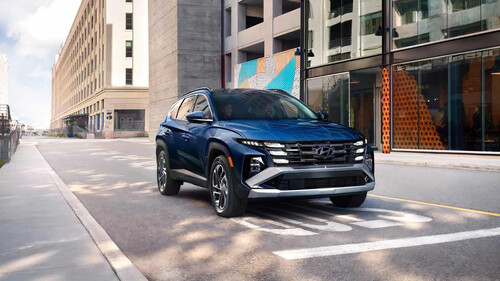
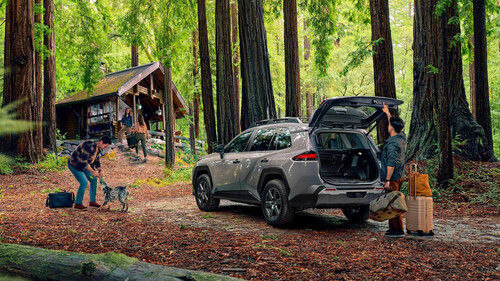
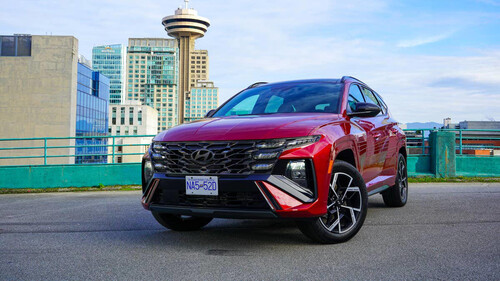
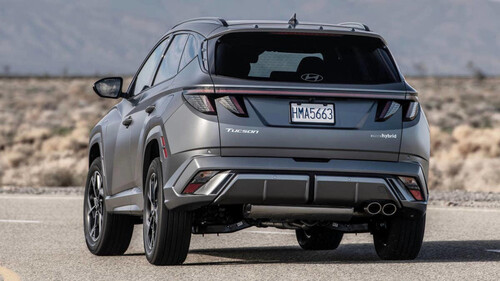
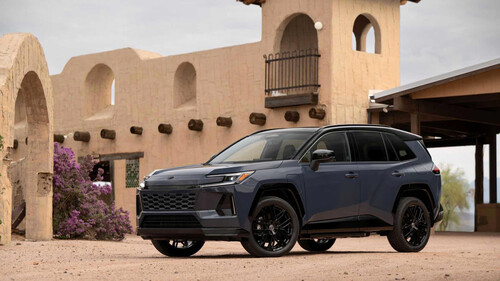
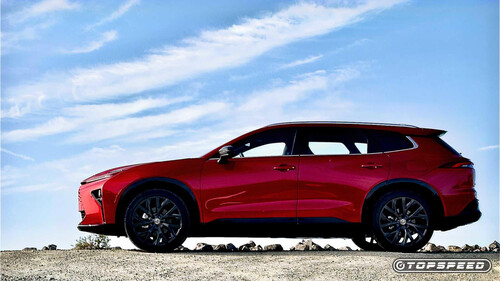
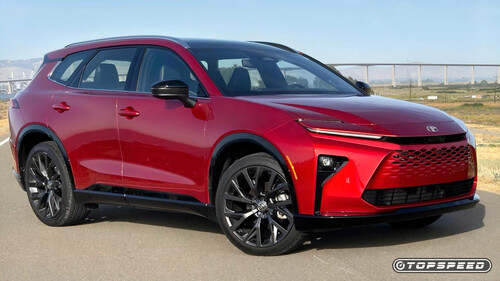
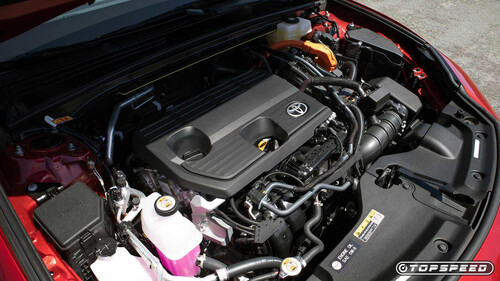
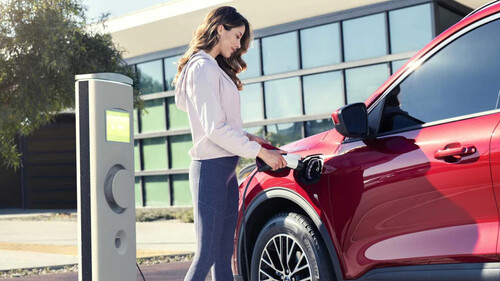
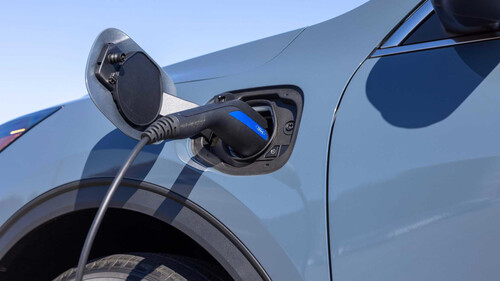
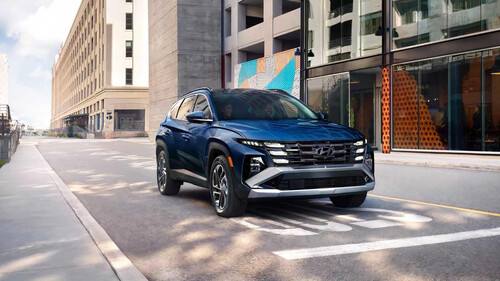
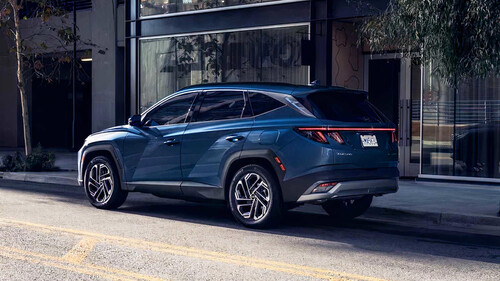
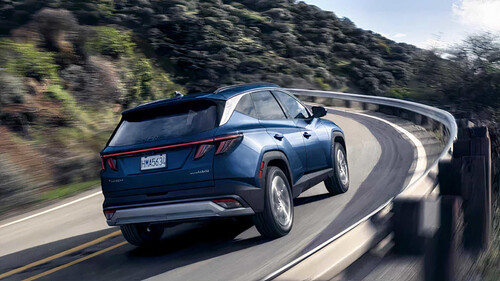
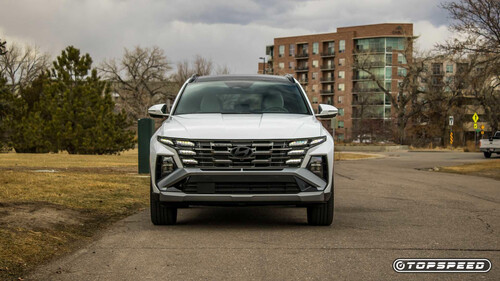
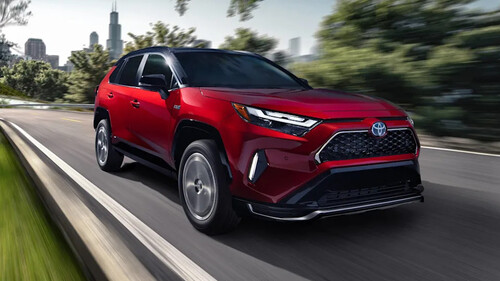
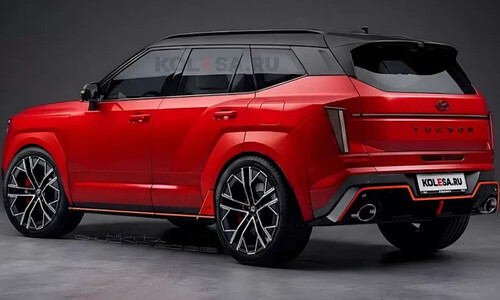
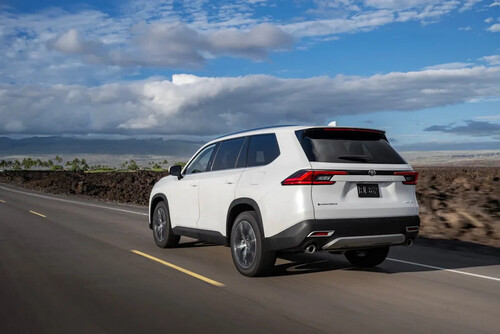
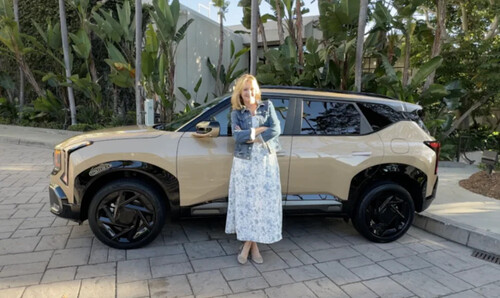
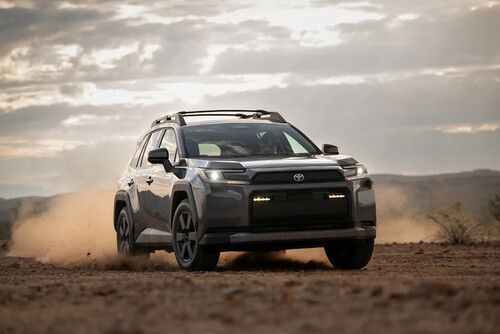
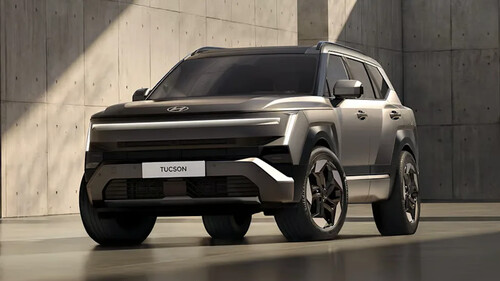
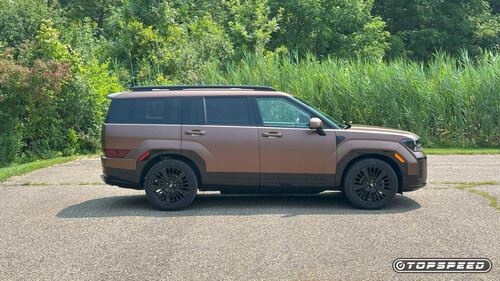
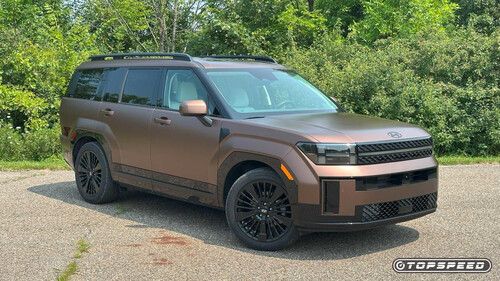
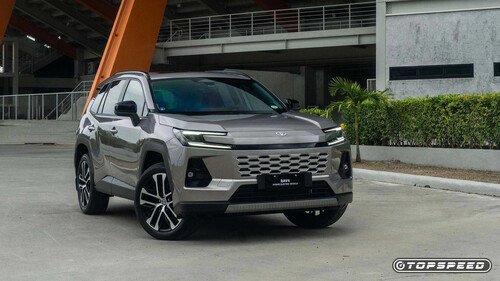
1 / 2Behind the WheelThis photo provided by Hyundai shows the the plug-in hybrid 2026 Hyundai Tucson. (Hyundai via AP)If you're looking to reduce your gas bills but buying an electric vehicle just isn't for you, the 2026 Hyundai Tucson Plug-in Hybrid or 2026 Toyota RAV4 Plug-in Hybrid might be a smart solution. These are hybrid SUVs that drive like a regular gas-powered hybrid but have a rechargeable battery that lets you drive a short distance on all-electric power first. Frequently charging the battery at home for routine driving can significantly reduce your gasoline use. But which plug-in hybrid version of these popular small SUVs is the better choice? Edmunds' auto experts tested them both to find out.Range and Fuel EconomyToyota estimates that the main RAV4 Plug-in Hybrid trim levels will go up to 54 miles on all-electric power, while the sporty GR Sport trim will go 48 miles. In Edmunds' testing, a GR Sport went an impressive 58 miles before the battery ran out. After that, the EPA estimates that the RAV4 Plug-in Hybrid will get up to 40 mpg in combined city/highway driving. Edmunds also found this mpg estimate to be accurate in its real-world testing.Head-to-head, the Tucson Plug-in Hybrid comes up short on both metrics. The EPA says the vehicle can go 32 miles using all-electric power and then 35 mpg combined afterward. The Tucson Plug-in Hybrid slightly exceeded those estimates in Edmunds' testing, but it wasn't enough to overcome the RAV4's big range and mpg advantage.AdvertisementAdvertisementWinner: RAV4 Plug-in HybridPassenger comfort and cargo spaceWhile the regular hybrid Tucson has more cargo space than the RAV4, that advantage disappears with the plug-in hybrid. In fact, Toyota offers just a little more: 33.6 cubic feet behind the rear seats versus 31.9 cubic feet. In real-world testing, however, Edmunds found that both SUVs provide large, relatively boxy spaces that make loading luggage and gear easy.The Tucson's passenger space advantage is more apparent. The specs show that it has 41.3 inches of rear legroom versus the RAV4's 37.8 inches. That's a pretty big gap, and it's one you're bound to notice — both for adults and teenagers, as well as kids in child seats. Edmunds' editors also found the Hyundai's plush and supportive front seats more comfortable than the too firm and too high RAV4's. The Tucson's ride over bumps is more comfortable, too.Winner: Tucson Plug-in HybridTechnology featuresBoth the Tucson and RAV4 achieved sky-high infotainment scores of 9.7 out of 10 from the Edmunds testing team in terms of usability and connectivity features. The RAV4's is also a newer and improved system than what's found in other Toyotas.AdvertisementAdvertisementThat said, the Toyota relies on an internet connection for certain key functions like navigation and voice controls, which means that you'll need to pay for a subscription after the trial period runs out. The Tucson's are integrated into the system and don't require an internet connection, though its navigation search capability isn't as strong.The Hyundai comes standard with a large 12.3-inch center touchscreen, whereas the RAV4 offers two sizes: a 10.5-inch unit for less expensive trim levels and a 12.9-inch screen for fancier trims. Overall, the tech you get in these two SUVs is pretty comparable.Winner: tiePricing and valueThe base prices for both start just over $42,000 and top out at around $50,000, including destination fees. At that top price, the Tucson is as loaded as it can be. To get up to the Hyundai's feature content, you still have to add some options to the RAV4 XSE, and that hikes the price beyond $52,000.AdvertisementAdvertisementThe Tucson also has a higher-quality interior with better-looking and -feeling materials throughout. The RAV4 has taken a step back in this regard for this latest generation. Hyundai's basic and powertrain warranty coverage is also superior to Toyota's.Winner: Tucson Plug-in HybridStyle and varietyToyota offers more versions of its plug-in hybrid than Hyundai does. In addition to the SE and XSE, you can get the outdoorsy Woodland and the sharper-handling GR Sport. Basically, you don't have to sacrifice distinctive style, functionality or driving enjoyment to go with a plug-in hybrid.By contrast, the Tucson is offered in just two trim levels: SEL and Limited. The gas-only Tucson's XRT trim isn't available, and even if it were, it's more of an off-roady appearance package than the more capable Woodland. If you want something a little cooler than the norm, the RAV4 will be more appealing.AdvertisementAdvertisementWinner: RAV4 Plug-in HybridEdmunds saysThis is a very close call, but ultimately, the RAV4's significant all-electric range and fuel economy put a big ol' brick on the scoring scales. The Tucson is more appealing in many ways, but when it comes to the main thing that you'll want from your plug-in hybrids — saving on gas — the RAV4 carries the day._____This story was provided to The Associated Press by the automotive website Edmunds. James Riswick is a contributor at Edmunds.