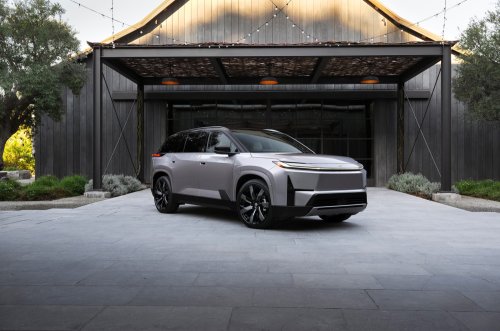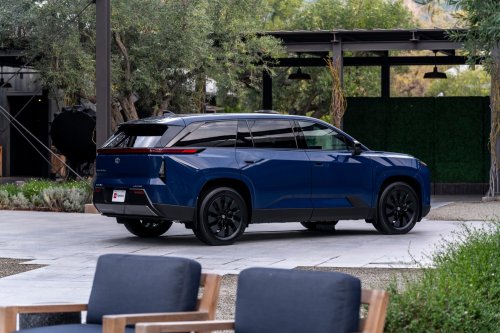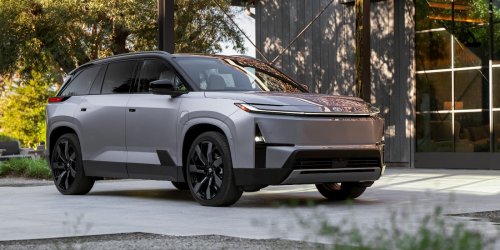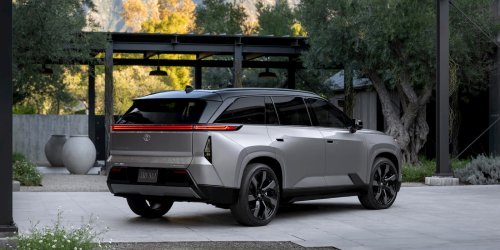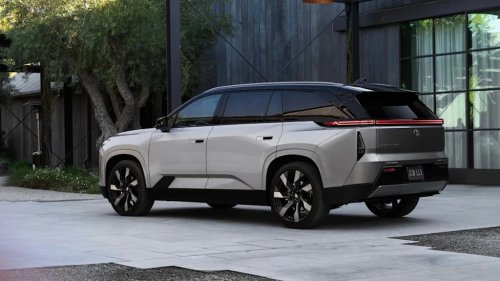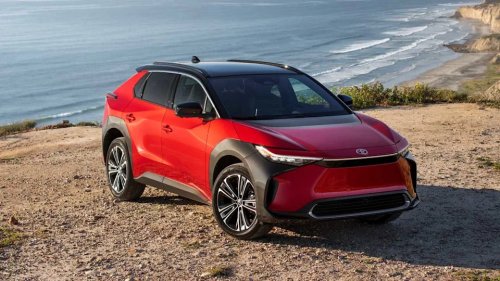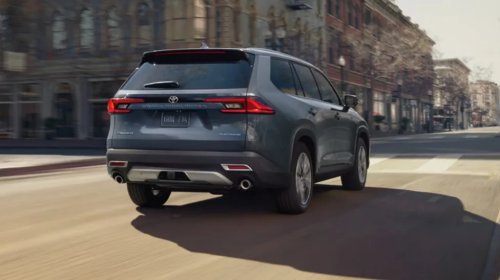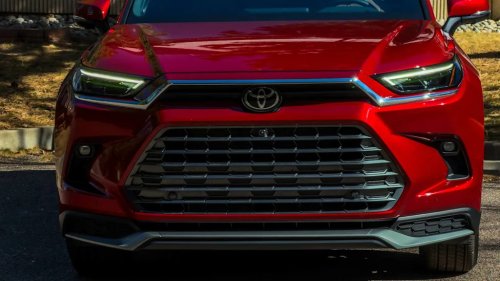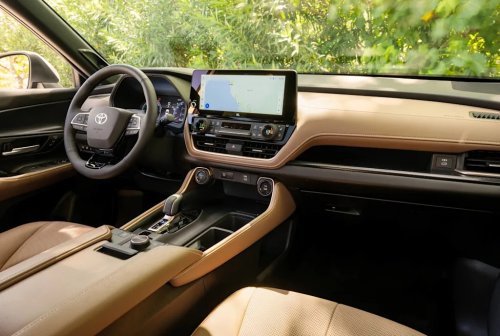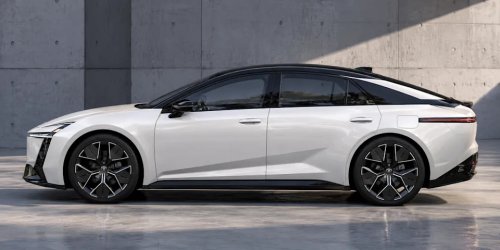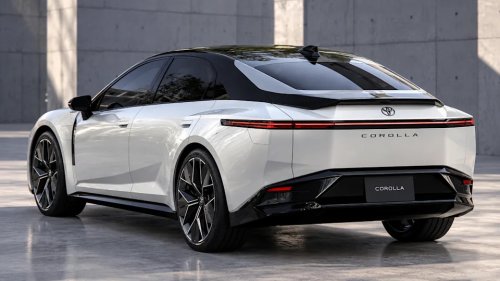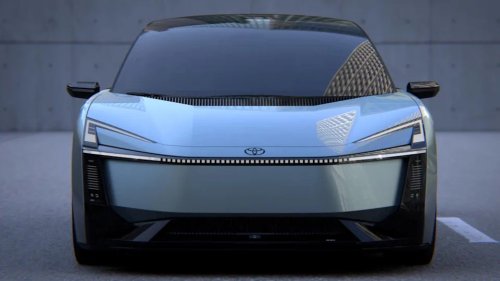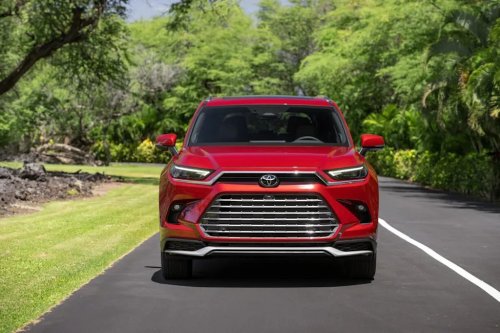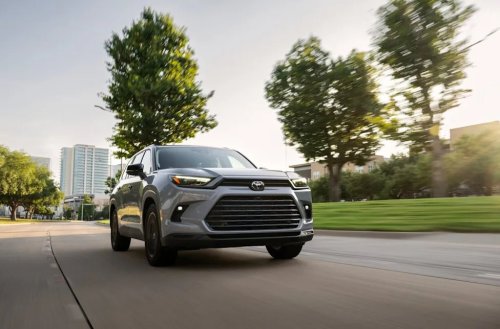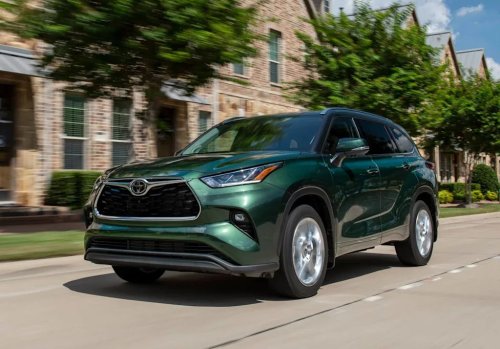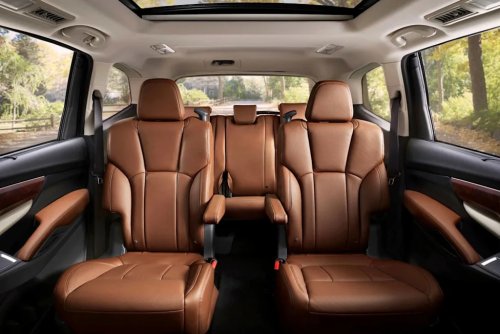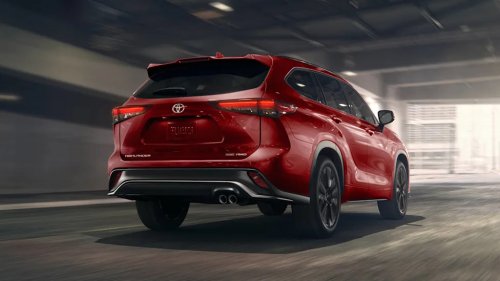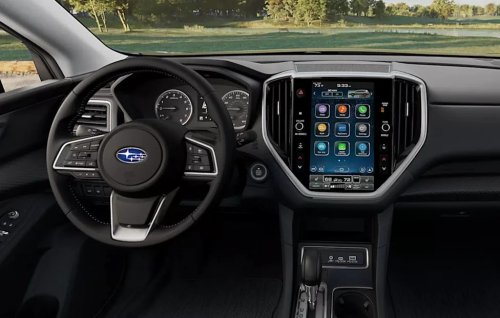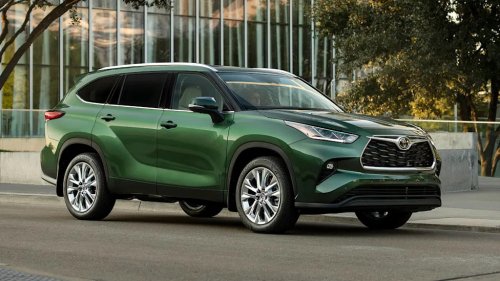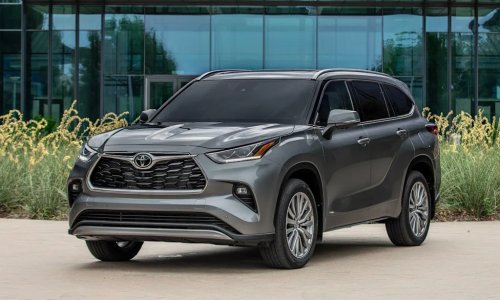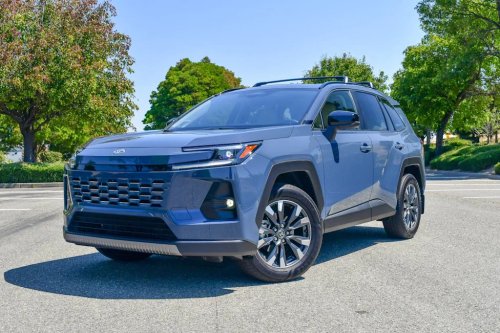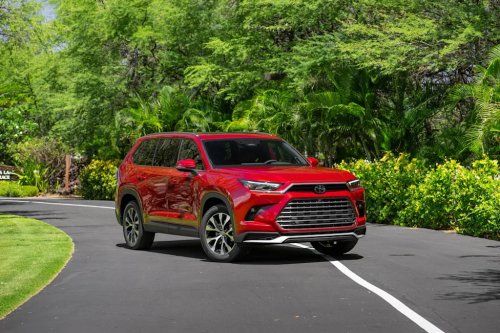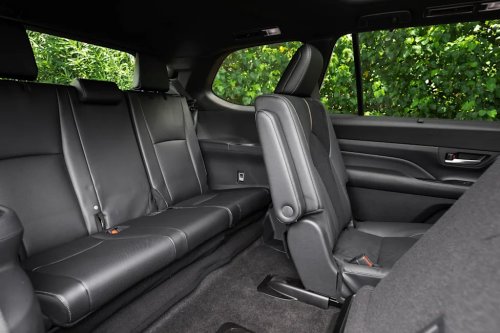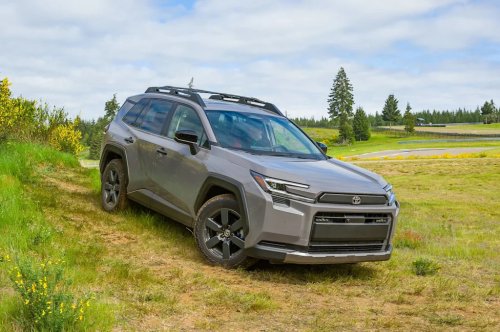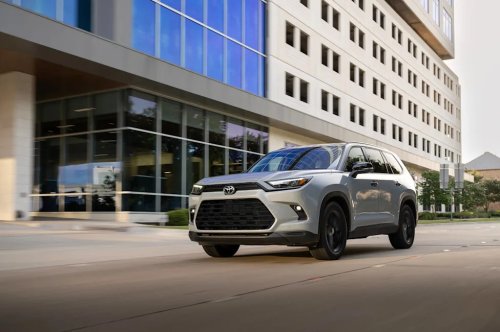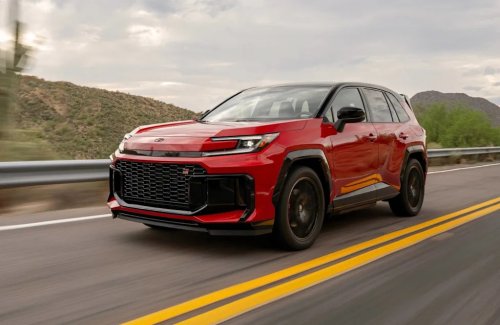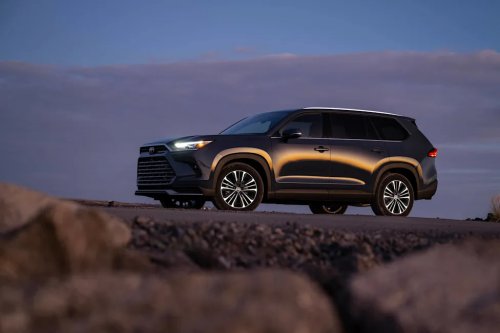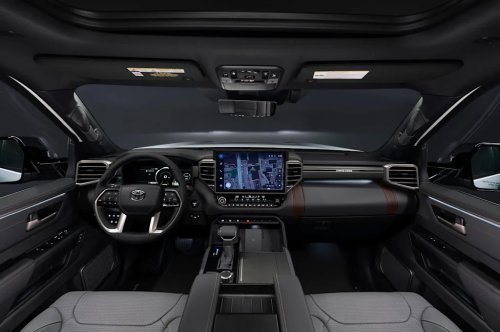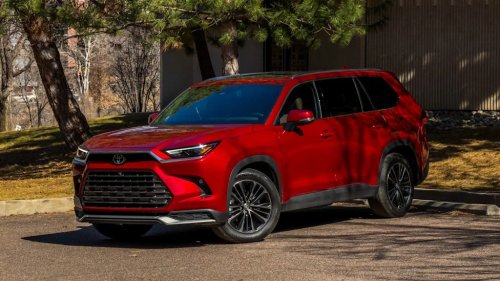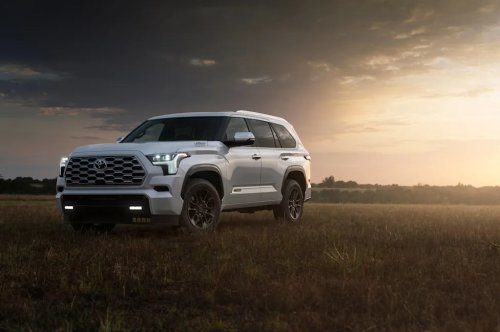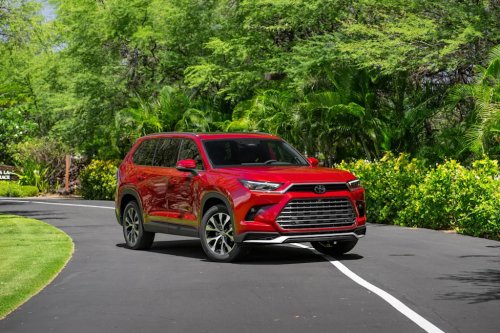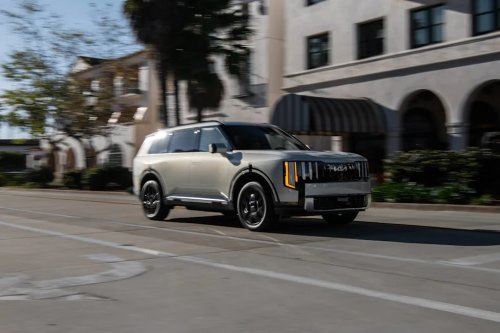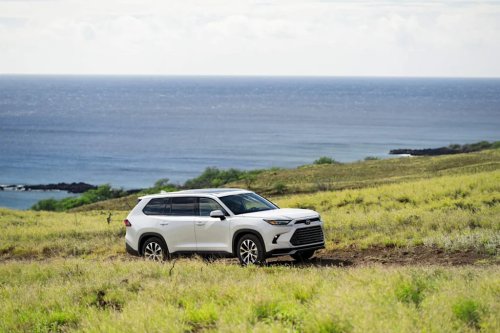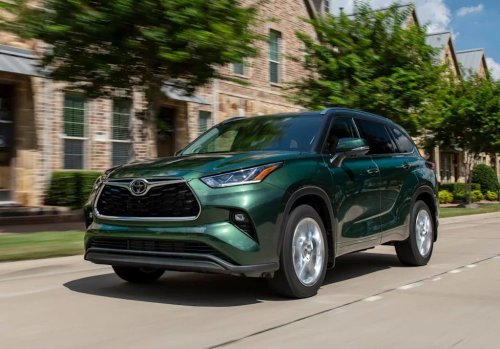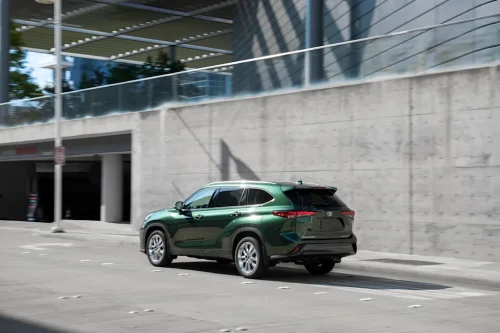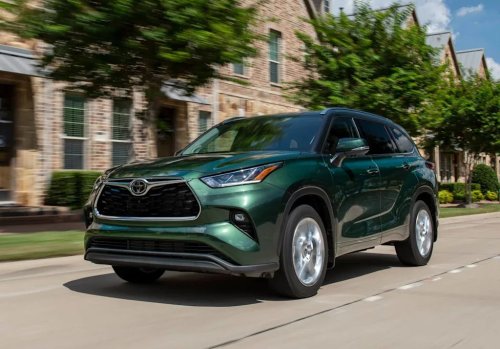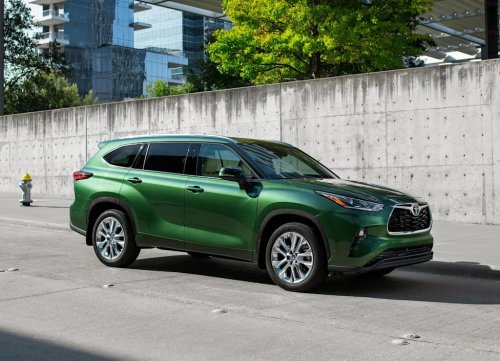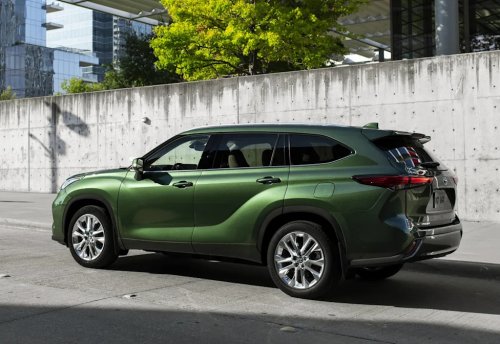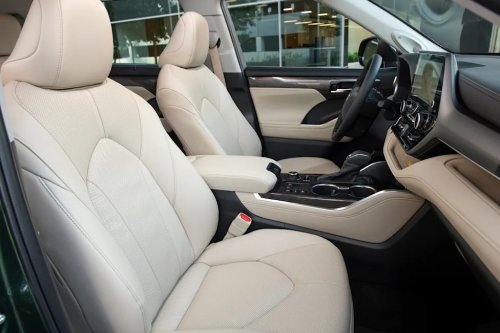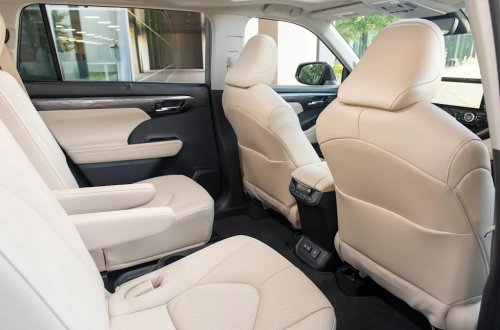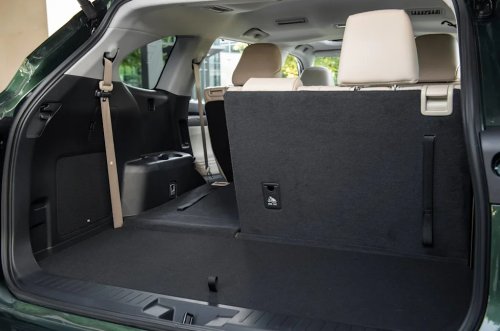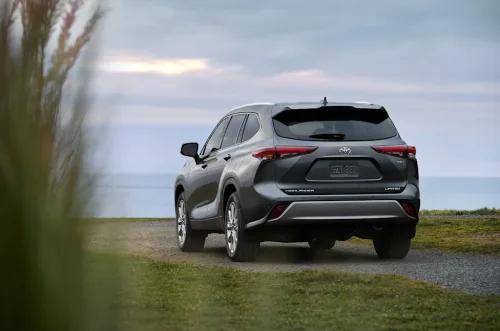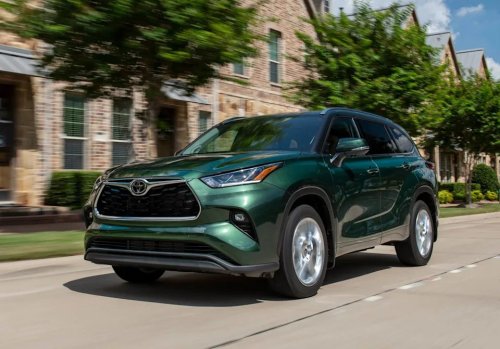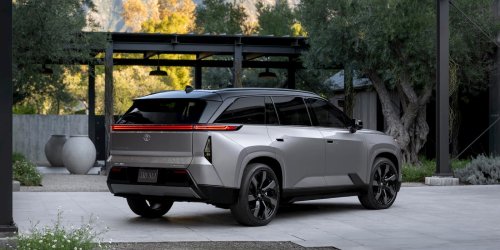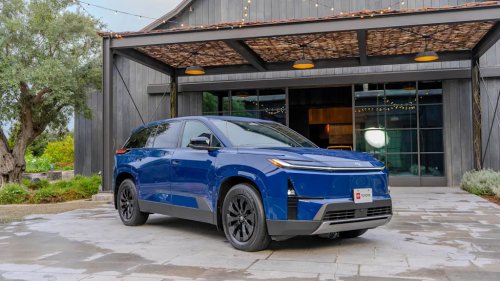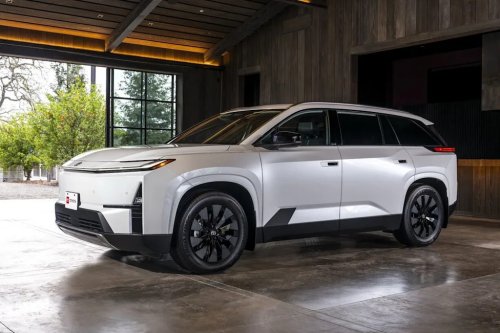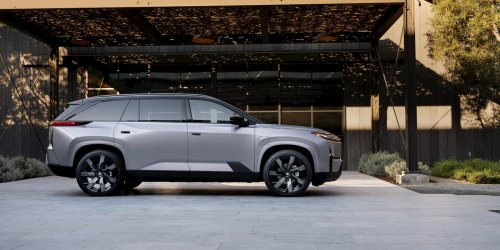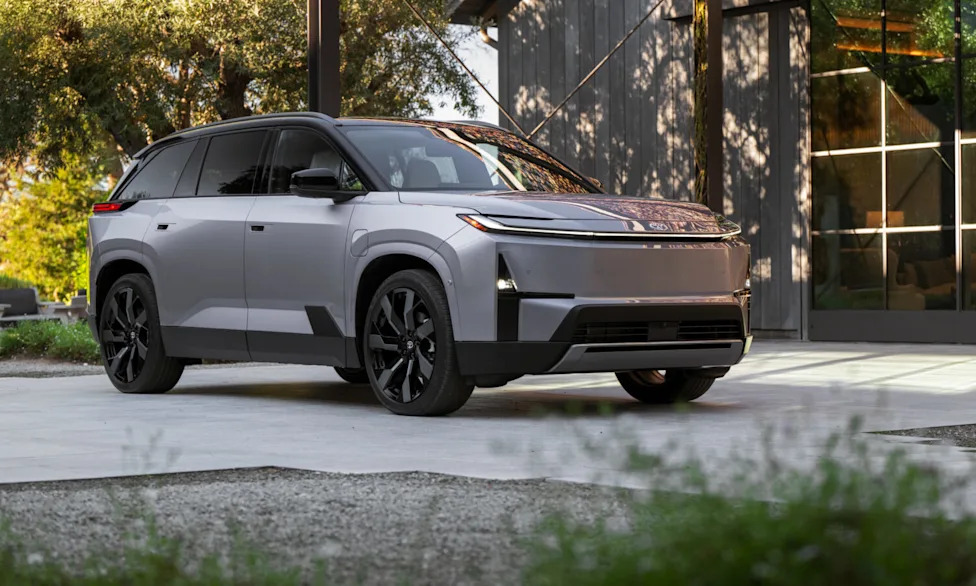



















Toyota's Electric Highlander Misses Its Second Deadline, and This Time Toyota Won't Even Guess a ThirdThe Auto WireJohn LloydTue, September 8, 2026 at 10:30 PM UTCAdd us on GoogleToyota's Electric Highlander Misses Its Second Deadline, and This Time Toyota Won't Even Guess a ThirdToyota didn't just push back the electric Highlander again. It did something more revealing: it stopped attaching a date to the promise.In July, Toyota had a specific number. A spokesperson attributed the wait to some further fine-tuning and estimated roughly eight weeks, sliding the on-sale date from late 2026 into early 2027. Numbers like that are almost reassuring. A defined slip usually means an engineering team already found whatever was wrong and is simply waiting on tooling, validation, or paperwork to catch up.This week, that number disappeared. A new report says the launch is now pushed to "2027 or later," with no month attached and nothing from Toyota to replace the estimate it gave two months earlier. The car got later. The promise got vaguer. Those are two different problems, and the second one is worse.What Actually HappenedThe 2027 Highlander BEV is Toyota's first three-row battery-electric SUV, built at Toyota Motor Manufacturing Kentucky in Georgetown, a plant that has assembled Camrys, Avalons, and RAV4s since 1988 and has never built a battery-electric vehicle before. Toyota's own product page lists XLE and Limited grades, front- or all-wheel drive, a 77.0-kWh or 95.8-kWh battery, and a manufacturer-estimated 320 miles of range on the bigger pack, plus bi-directional vehicle-to-load power that can run tools or a house during an outage.AdvertisementAdvertisementNone of that changed. What slipped is the assembly line underneath it. Kentucky production now starts several months later than the second-half-2026 target Toyota originally set, and the on-sale window has moved from "early 2027" to the far less specific "2027 or later." The current gas and hybrid Highlander isn't affected and keeps rolling down the same line, so nobody's showroom goes empty. It's the electric variant, and only the electric variant, that keeps sliding.That gas-and-hybrid lineup isn't entirely drama-free either. NHTSA opened a formal defect petition on the Grand Highlander's grille design in August, though that's a separate story.Wait, Really? A Vague Delay Is a Bigger Warning Than a Long OneHere's the part that never makes it into a press release: in product development, the specificity of a delay tells you more than its length.When an automaker says "eight weeks," it's usually because engineering has already isolated the failure mode, whether that's a software calibration, a weld spec, or a supplier part that didn't pass validation, and knows exactly how long the fix takes to implement and re-test. That's a scheduling problem, not a mystery. When the number gets replaced by an open window like "later," it typically means one of two things: either the root cause still hasn't been fully pinned down, or the holdup now depends on something outside the plant's direct control, like a supplier, a regulator, or a decision made back at headquarters. Toyota went from the first kind of statement to the second kind in about eight weeks. That's not a company mopping up a known problem. That's a company that thought it had found the problem, and then found another one.Wait, Really? Three Brands Are Still Betting on the Same Unproven LineThe Highlander BEV was never just a Toyota problem. It rides on a version of Toyota's TNGA-K architecture that also underpins the Subaru Getaway, built on the same Kentucky line. We reported in July that a single hiccup at that plant, or at Toyota's newly opened battery plant in North Carolina, wouldn't stay contained to one nameplate. Subaru's Getaway has now slipped again in step with the Highlander, which turns that risk from a theory into a track record: two delays, two brands, one line. When a platform feeds multiple badges, the company that owns the factory sets the timeline for everyone else riding along, whether the other brand likes it or not.The Tell: Toyota's Other Electric SUVs Are Doing Just FineIf this were a story about Americans not wanting a three-row Toyota EV, the rest of Toyota's electric lineup would be struggling too. It isn't. Toyota's smaller bZ crossover was refreshed and has been selling well enough that it's no longer the punchline it was after a rocky 2022 launch, and Toyota has since added the bZ Woodland and an electric C-HR to the U.S. lineup without any of this drama. Those vehicles lean on Toyota's EV experience, but not on Kentucky's newly converted line, not on a battery plant that only recently started shipping product, and not on a second automaker's badge riding along for the launch. Demand for Toyota EVs isn't the problem. The specific combination of a converted factory, a first-year battery supplier, and three brands sharing one build slot is.What It Means for BuyersIf you were cross-shopping the outgoing gas or hybrid Highlander against the electric version, this delay makes the decision easy: the electric one isn't a decision yet. If you're set on the BEV regardless, there's an upside to a company that keeps finding reasons to wait, since fewer of those reasons show up in your driveway after delivery. The downside is that "2027 or later" isn't a date you can plan a purchase, a trade-in, or a tax situation around. Treat it like any first-model-year vehicle out of a brand-new plant: assume the real on-sale date is whatever Toyota says, plus a little more.What to RememberA specific delay is a promise. A vague one is a confession. Toyota spent July telling the world exactly how late the electric Highlander would be. By September, it had stopped trying to guess. That change in language, not the extra months on the calendar, is the number worth watching.AdvertisementAdvertisementJoin our Newsletter, follow our Instagram page, and connect with us on Facebook.