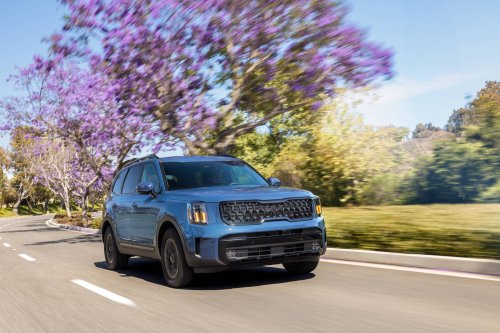
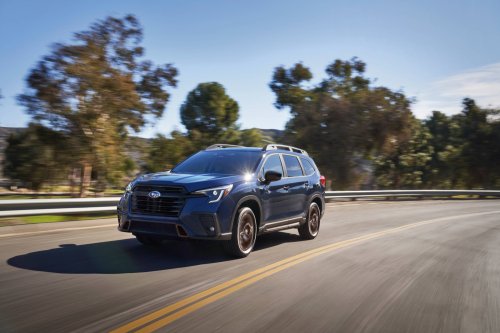
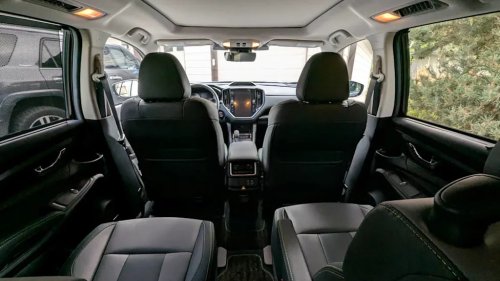
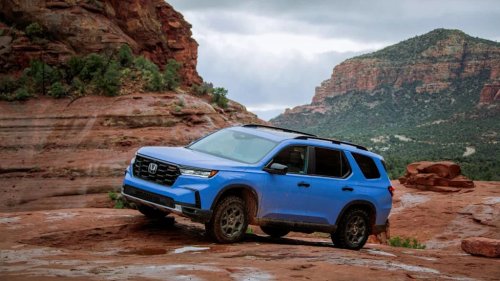
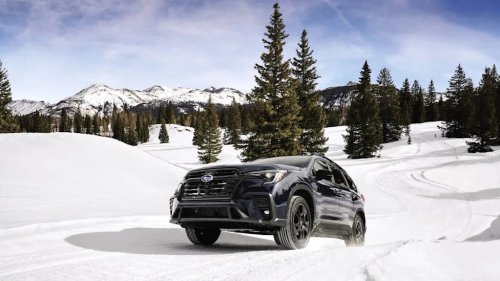
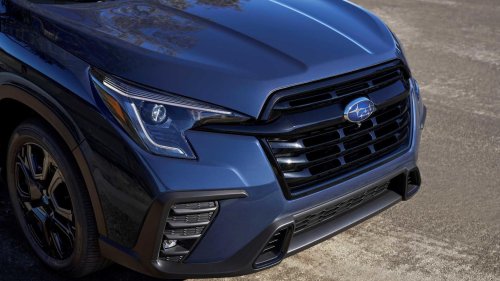
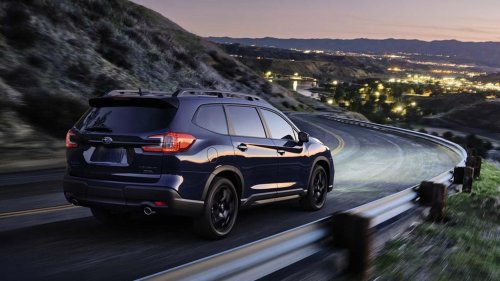
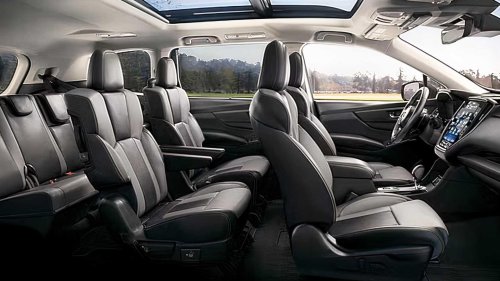
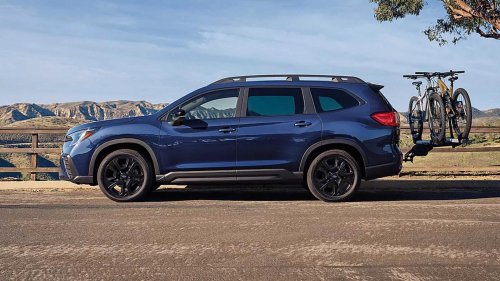
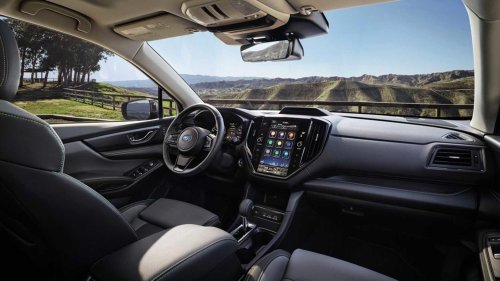
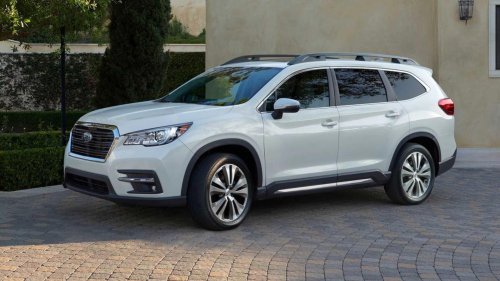
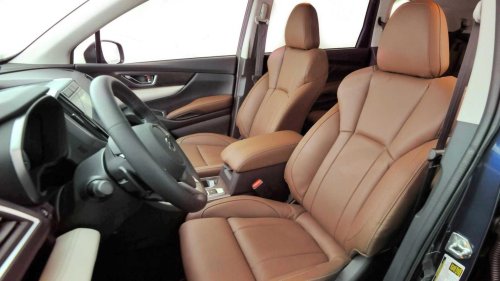
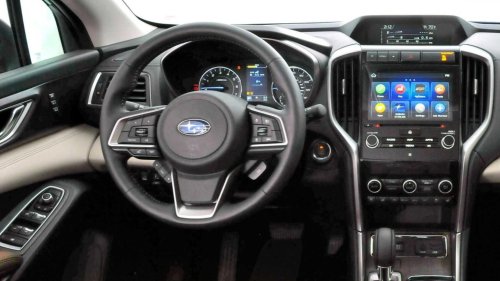
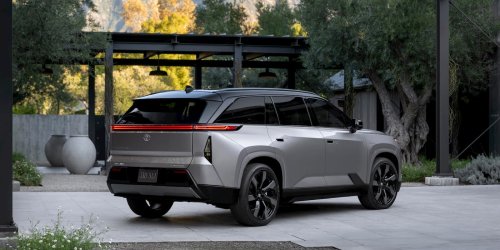
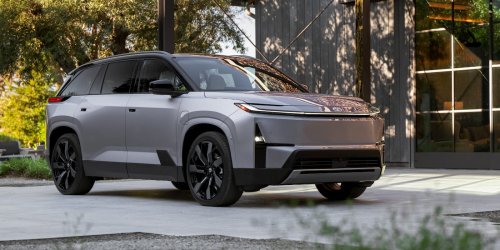
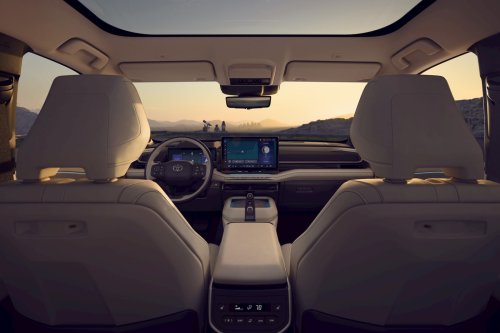
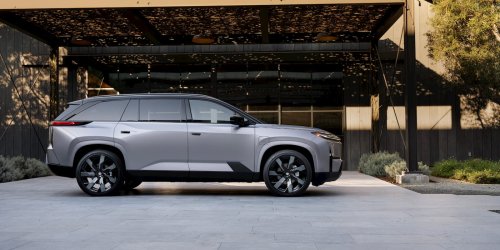
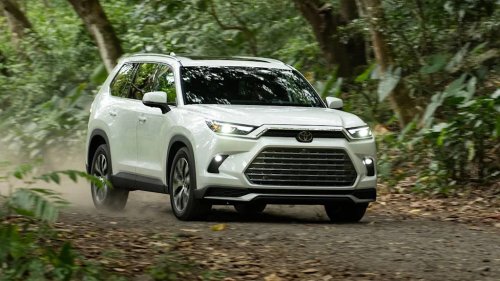
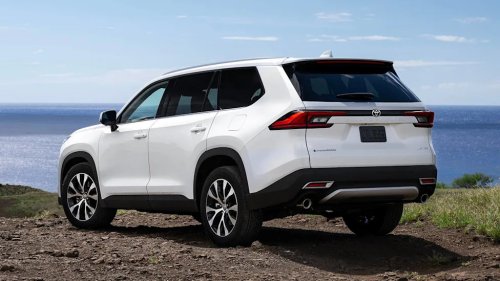
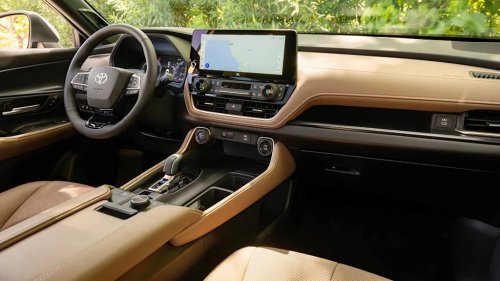
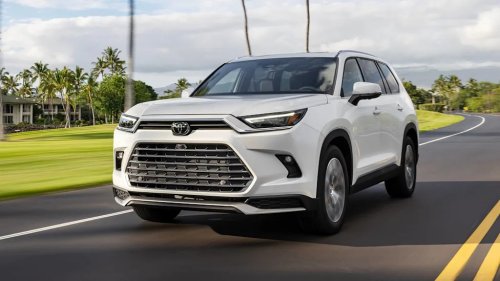
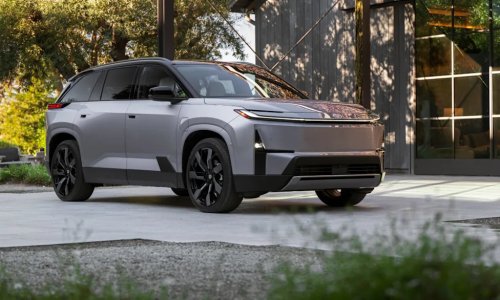
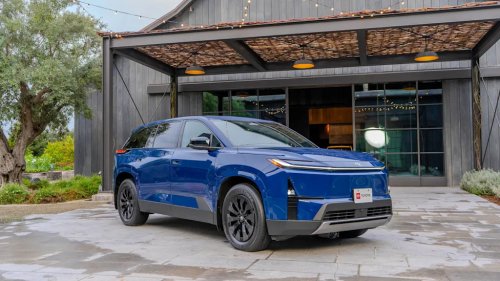
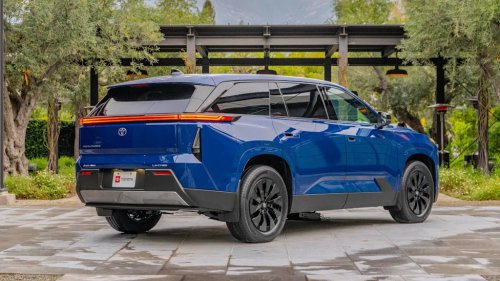
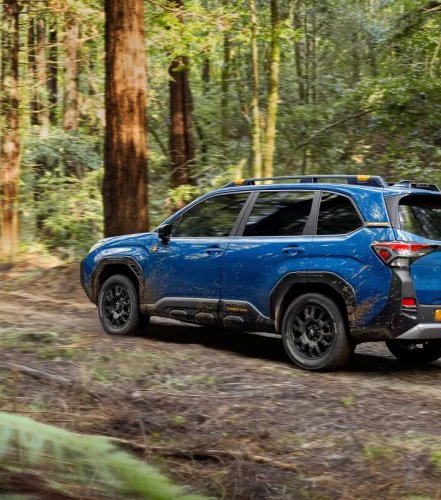
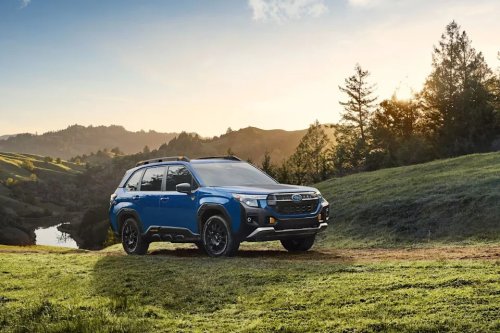
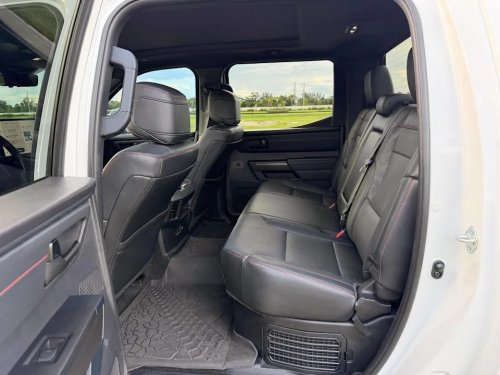
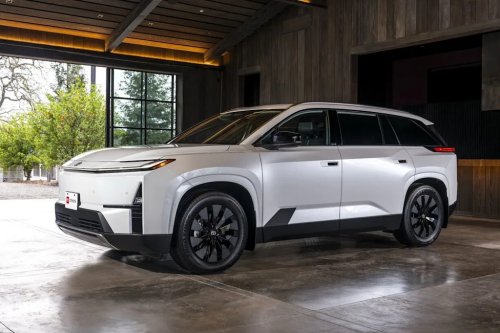
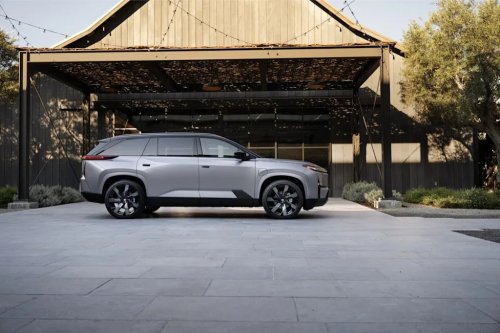
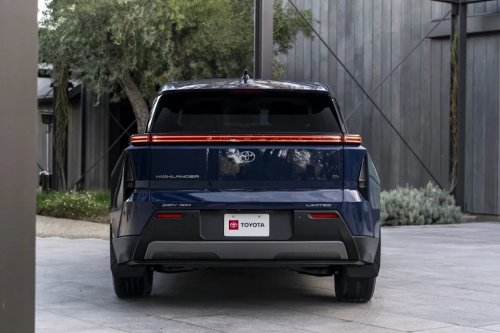
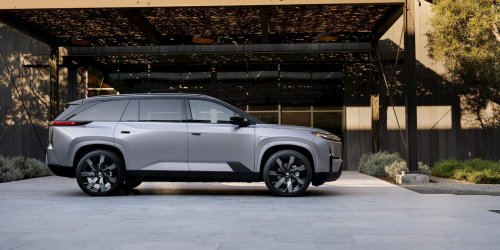
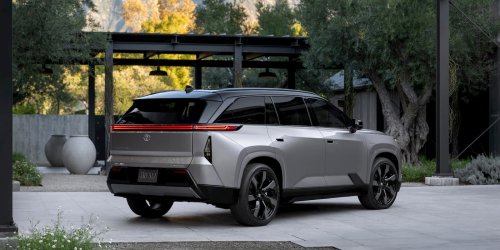
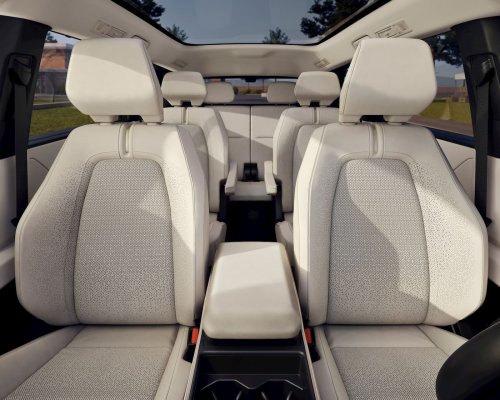
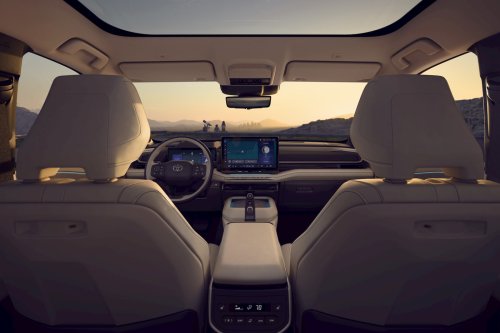
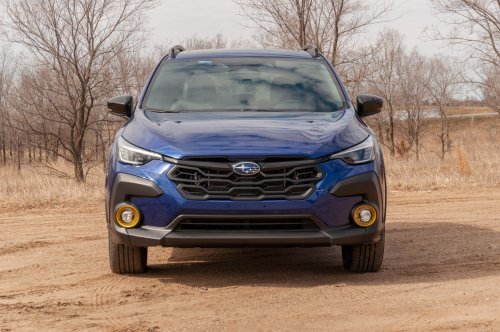
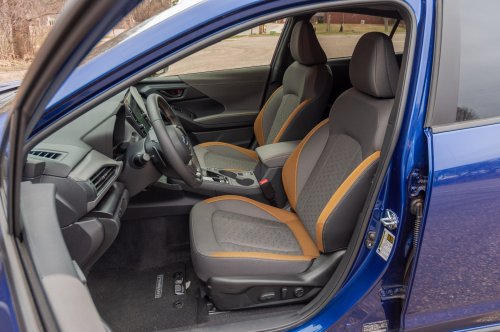
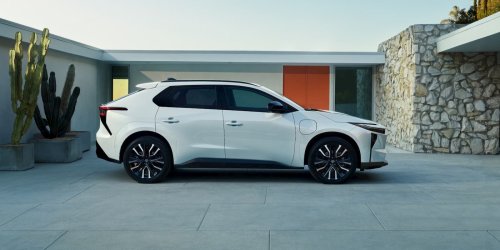
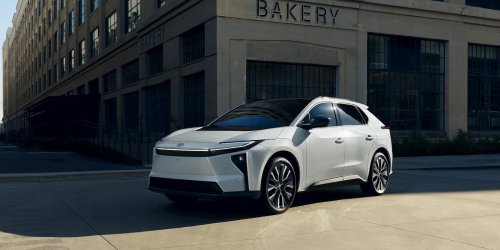
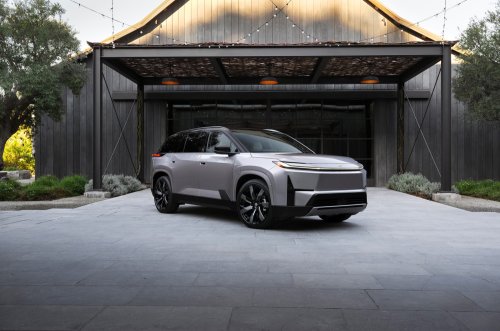
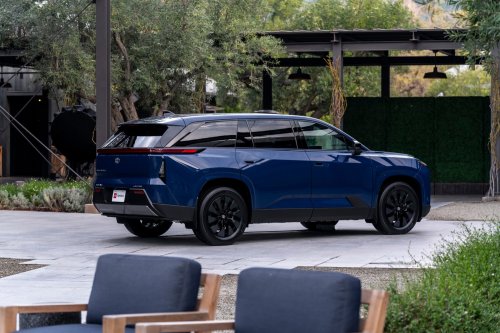
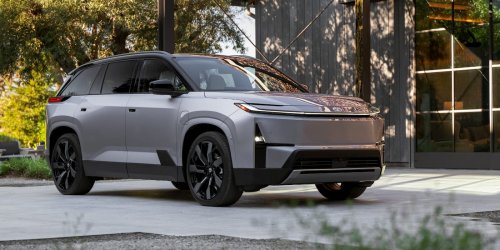
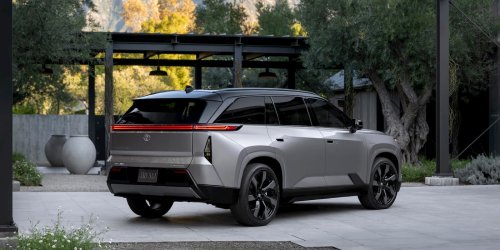
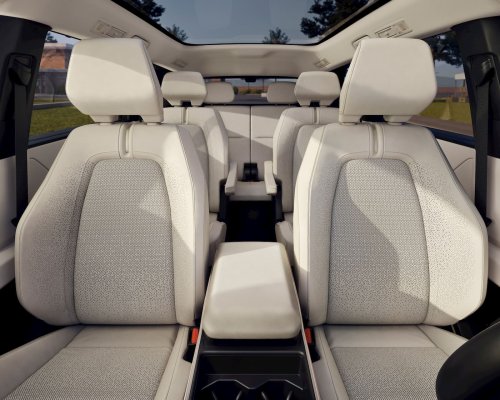
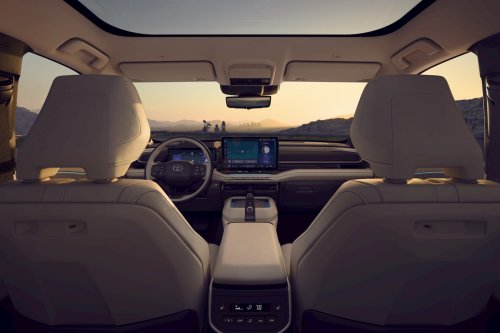
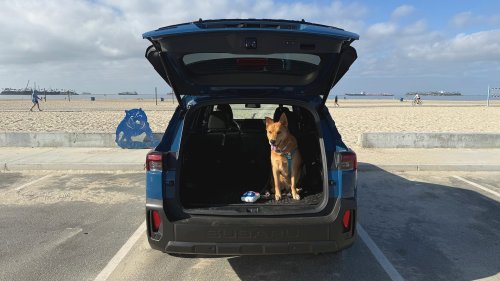
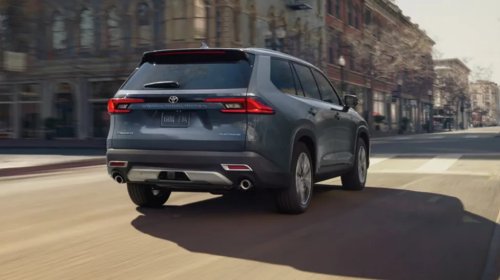
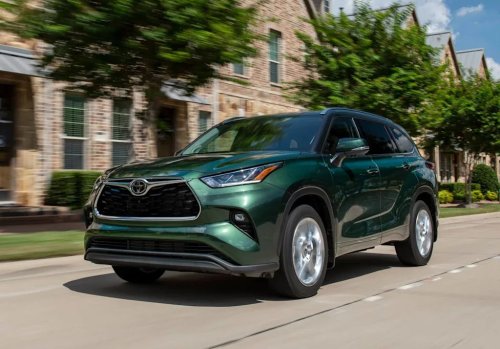
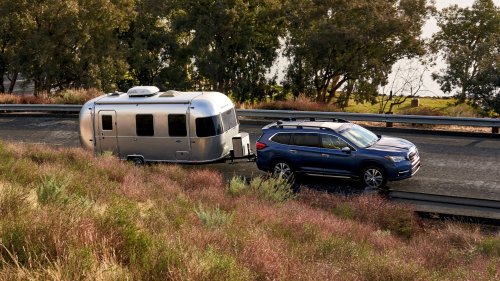
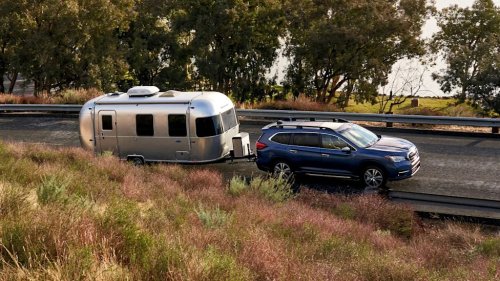
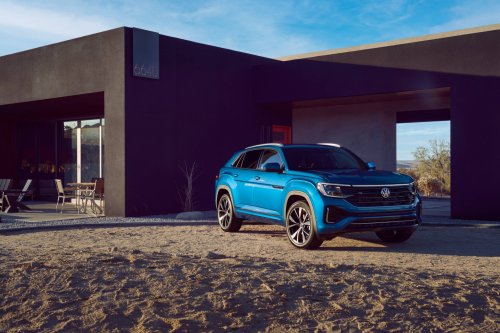
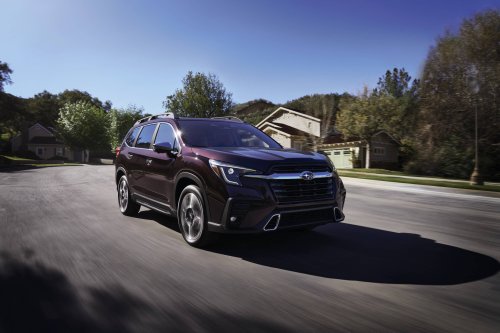
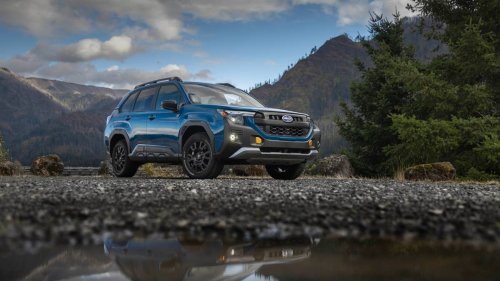
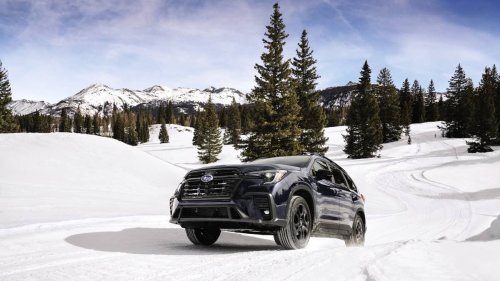
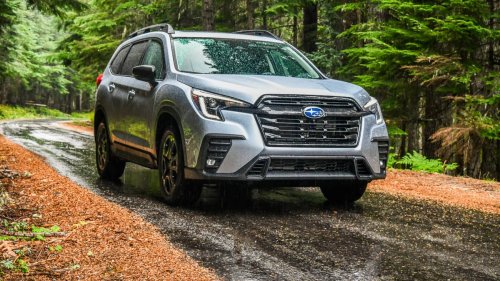
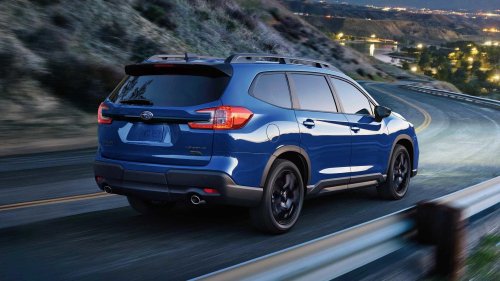
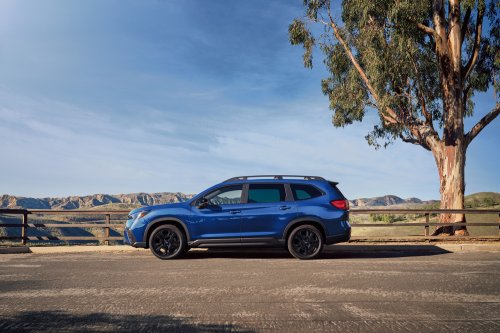
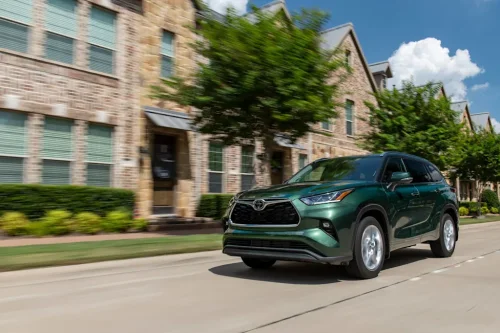
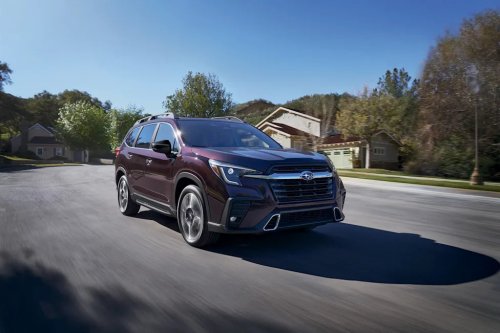
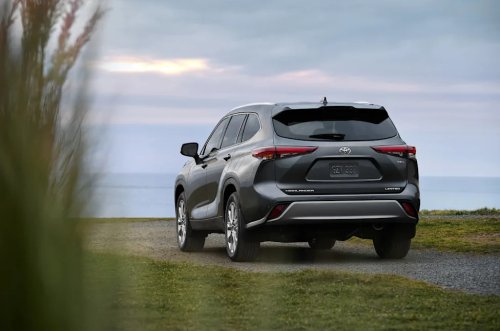
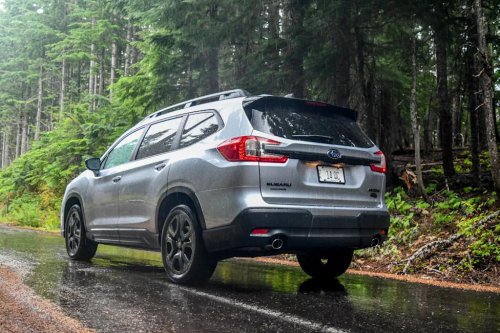
Autoblog and Yahoo may earn commission from links in this article.For a three-row SUV, the seats in back are the whole point, and a single crash test built around them separates these two. One earns the IIHS's highest 2026 honor, while the other misses an award entirely. This verdict between the Highlander and the Ascent is unusually clear for 2026. Subaru's three-row SUV earned a Top Safety Pick+, the top IIHS award, in a year of tougher standards, while Toyota's Highlander earned no award at all, held back by one specific test. Both remain competent family vehicles with plenty of standard safety technology, but on measured crash-test credentials, the Ascent stands clearly ahead.2026 Toyota HighlanderToyotaSafety ratings at a glanceHere is how the two three-row SUVs compare on the ratings that decide the 2026 IIHS awards.Safety measureToyota HighlanderSubaru AscentIIHS 2026 awardNo awardTop Safety Pick+Small overlap frontGoodGoodModerate overlap front (updated)MarginalGoodSide (updated)GoodGoodHeadlightsAcceptable or GoodAcceptable or GoodFront crash preventionStandard, qualifying gradesGood, pedestrian, and vehicle-to-vehicleNHTSA overall rating5 stars5 starsHow they scored in IIHS testingSubaru's Ascent meets every requirement for the highest tier. It earns good ratings in the small overlap and moderate overlap front tests and the side test, clears the higher pedestrian and vehicle-to-vehicle crash-avoidance bars that the plus award demands, and wears acceptable or good headlights across the lineup. Subaru has made this kind of result a habit, and the 2026 Ascent continues it.2026 Subaru AscentSubaruToyota's Highlander comes up short in one crucial area. It earns good ratings in the small overlap front and side tests, so it protects front occupants well in those scenarios, and its headlights rate as acceptable, with a good result on the adaptive units. The stumbling block is the moderate overlap front test, where it earns only a marginal rating. That result alone keeps it out of the awards, even before the newer crash-avoidance criteria come into play.Why the rear seat decides itThe moderate overlap test is the key to this comparison. Since the IIHS updated it, the evaluation includes a dummy the size of a small woman or a 12-year-old in the seat behind the driver, specifically to measure rear-seat protection in an offset frontal crash. The Highlander protected its front occupant well, but readings from the rear dummy, indicating an elevated risk of head, neck, and abdominal injuries, drove its marginal grade.2026 Toyota HighlanderToyotaFor a three-row SUV, that is a pointed concern, because the entire purpose of the vehicle is carrying more passengers, often children in the second and third rows. A test that specifically flags rear-seat protection is exactly the one families should weigh most heavily, and it is where the Ascent's clean sheet separates it from the Highlander.The rest of the safety pictureBoth SUVs come with extensive standard driver-assistance technology: Subaru with its EyeSight suite and Toyota with Safety Sense, and both perform respectably in federal NHTSA crash testing. Neither is a vehicle to be afraid of, and the Highlander's marginal result is a shortfall in one specific scenario rather than a wholesale failure.2026 Subaru AscentKristen BrownAdvertisementAdvertisementStill, safety comparisons are decided on measured outcomes, and here the difference is concrete. The Ascent cleared the updated rear-seat test that the Highlander did not, and it went on to meet the tougher crash-avoidance standards on top of that.So which one is safer?The Subaru Ascent is safer. It earns a 2026 IIHS Top Safety Pick+, meeting the institute's toughest standards, while the Toyota Highlander earns no award this year, held back by a marginal result in the updated moderate-overlap test that evaluates rear-seat protection. The Toyota Highlander is not a dangerous vehicle, and buyers who prefer it for other reasons are not making a reckless choice, but for a family shopping primarily on crash-test protection, the Ascent is the stronger pick, and its rear-seat performance is why.This story was originally published by Autoblog on Jul 21, 2026, where it first appeared in the Car Buying section. Add Autoblog as a Preferred Source by clicking here.



















 +28 others