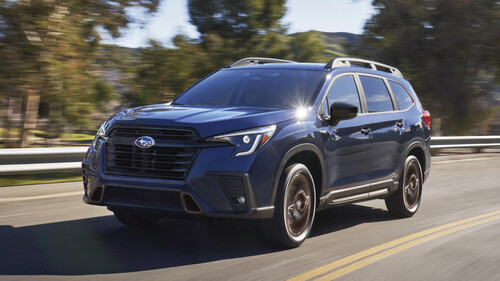
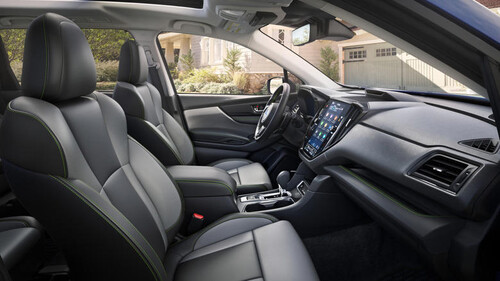
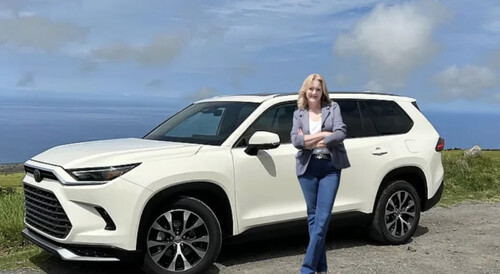
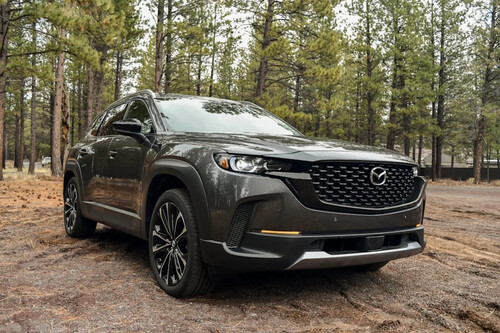
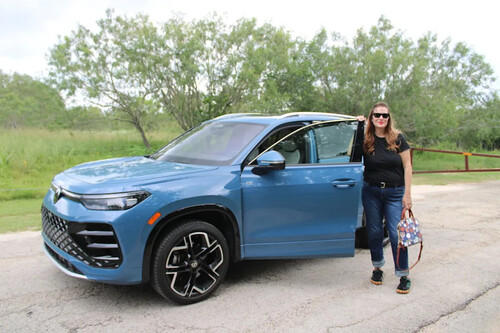
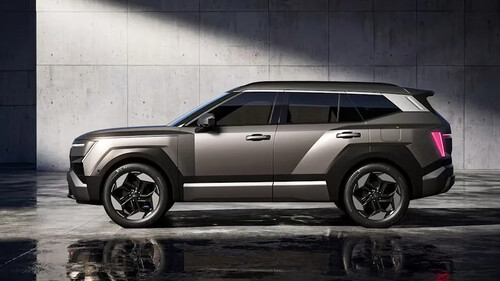
Autoblog and Yahoo may earn commission from links in this article.Many manufacturers have shifted focus to crossovers and SUVs in recent years, and Subaru has done more than most. It has committed a vast chunk of its resources to a range of family-friendly vehicles that cover every permutation of compact and mid-size SUVs you can imagine. Of the 10 distinct models it currently offers, seven are crossovers or SUVs of some description.Of these, the Forester is the best-selling compact SUV in the Subaru range, with the mid-size three-row Ascent trailing quite far behind, although still way ahead of the new brace of electric SUVs it has just launched.AdvertisementAdvertisementFor most families considering a new Subaru SUV, these two models still offer a great mix of practicality, safety and tech in their segments, and we look into the merits of each and examine when it is worth stepping up to the pricier Ascent and when the more compact Forester is the better choice.Subaru ForesterSubaruView the 3 images of this gallery on the original articleModel Years: 2025 – Present (All-new 6th Generation)Main Competitors:Honda CR-V, Toyota RAV4, Mazda CX-52026 Subaru ForesterForester BaseForester WildernessForester Hybrid (Premium)Base MSRP$29,995$36,995$34,730Engine2.5L Flat-42.5L Flat-42.5L Flat-4 + HybridPower180 hp180 hp194 hp (Combined)Torque178 lb-ft178 lb-ft199 lb-ft (electric) 154 lb-ft (gas)0-60-mph8.3 seconds est8.3 seconds est7.9 seconds estFuel Economy city/hwy26/33 mpg24/28mpg34 mpg (est)DrivetrainSymmetrical AWDSymmetrical AWDSymmetrical AWDThe Forester has been around for decades, initially a more compact, performance-oriented vehicle, it has grown into a high-tech family-sized SUV with plenty of practical features. It has always retained the trademark symmetrical all-wheel drive layout, ensuring that its off-road prowess is one of the best in the segment. The latest sixth-generation redesign has introduced comprehensive tech updates and structural changes make it a quieter, and more refined vehicle than its predecessor.AdvertisementAdvertisementThe regular gas models are powered by the familiar 180-hp 2.5-liter flat-four engine. Paired with a CVT transmission, it is efficient and responsive around town, but lacks the power of turbocharged rivals, which is most noticeable on the highway or when fully laden. A big change for the new Forester is the availability of a hybrid model for the first time. While its 194-hp power output is only marginally higher, the extra torque of the electric motor should give the Forester more pep, and potentially improved fuel economy, too.There are 10 different Forester trims to pick from, although this includes gas and hybrid engine options, and in essence there are six different spec levels on offer. The base trim is gas-only, as is the new for 2026 Wilderness, while the Premium, Sport, Limited and Touring can be had with either powertrain option. The base trim is decent value at $29,995 before taxes, and comes with smartphone integration, Subaru's EyeSight tech, and LED steering responsive headlights.Cole AttishaView the 2 images of this gallery on the original articleFor most customers, the extra $2,000 charged for the Sport trim should be a worthwhile expense. You get a larger 11.6-inch infotainment screen, MySubaru Connected Services as well as keyless access and push-button start. Higher trims unlock more desirable options, and luxury features, but top trims can cost well over $40,000, which brings the Forester into the cross-hairs of the larger Ascent models. Hybrid variants of each trim cost on average $3,000 more than the gas models, aside from the top Touring version, which adds just $1,550 to the price.AdvertisementAdvertisementThe new Wilderness option is gas-powered only, though, and while it has no additional performance, it comes with several off-road focused upgrades, like a raised suspension (from 8.7 to 9.3 inches), 17-inch all-terrain tires, hill descent control, 180-degree front-view camera, and cool exterior add-ons to indicate its more rugged nature. The Wilderness is also rated to tow up to 3,500 pounds, while the rest of the range manages just 1,500 pounds.Subaru AscentKristen BrownView the 3 images of this gallery on the original articleModel Years: 2019 – PresentMain Competitors:Toyota Highlander, Honda Pilot, Kia Telluride2026 Subaru AscentAscent Premium (8-Passenger)Ascent Limited (7-PassengerAscent Touring (7-Passenger)Base MSRP$40,795$47,885$51,165Engine2.4L Turbo Flat-42.4L Turbo Flat-42.4L Turbo Flat-4Power260 hp260 hp260 hpTorque277 lb-ft277 lb-ft277 lb-ft0-60-mph6.8 seconds est6.8 seconds est6.8 seconds estFuel Economy city/hwy19/26 mpg19/25 mpg19/25 mpgDrivetrainSymmetrical AWDSymmetrical AWDSymmetrical AWDThe flagship Subaru Ascent is getting on a bit now, but it has undergone a few updates since its introduction in 2019 and remains a solid and capable three-row SUV with the ability to go further off the beaten track than many of its rivals.AdvertisementAdvertisementThe sole engine option here is a 260-hp 2.4-liter turbocharged flat-four paired with a CVT transmission and all-wheel drive. While the Ascent is more responsive and powerful than the Forester, you do pay a penalty at the pumps. Its performance is acceptable for this class, but the engine is vocal, a trait made more noticeable when the CVT transmission keeps the revs up during hard acceleration. However, in normal driving, the Ascent is quiet and refined, and the ride quality is smooth over rough roads.It is also impressive off road, can tow up to 5,000 pounds and will seat up to eight passengers. While it is still classed as a mid-size SUV, the Ascent is noticeably larger than the Forester, and the extra row of seats makes it the default choice for bigger families. Cargo space with all three rows up is just 17.8 cubic feet, but with the third row folded flat, the Ascent has up to 47.5 cubic feet of storage space, well above the Forester's 28.9 cubic feet.SubaruView the 2 images of this gallery on the original articleThe base Ascent Premium starts at $40,795 before taxes, which is a substantial $10,790 more than the base Forester, but you do get all the benefits mentioned above, as well as more standard spec. An 11.6-inch vertical display is standard, as is water-resistant StarTex upholstery, and heated front seats and a power tailgate. This trim, as well as the higher-specced Limited, can be had in either 7-or-8-seater configuration.AdvertisementAdvertisementThe 7-seater replaces the second-row bench with two captain's chairs, which are more comfortable and allow for easier third-row access. There are no packages available for any trim, and standalone options are generally limited to additional USB charging ports, wireless charger slots and all-weather floor liners. The first two should be standard at this level, but cost $561 combined, so should be added to any new build.Considering the Ascent's age and the big jump to the Limited, Touring and Onyx Edition trims, we would stick with the base Premium model for the best value. The Limited adds leather trim, larger alloys and a navigation system, but none are essential and with more modern rivals like the Honda Pilot and Kia Telluride offering better tech and interior luxuries at these prices, base is best here.Forester vs. Ascent: Is the Step Up Worth It?SubaruView the 2 images of this gallery on the original articleThe Forester is the newer, more dynamically capable SUV here. It handles better, has much better fuel economy, and can be had in the new off-road Wilderness spec, which should appeal to many of Subaru's core customers. It is also a good $10,000 cheaper in base trim, and the hybrid model promises to be a frugal and desirable addition to the range.AdvertisementAdvertisementThe more compact dimensions will also be appreciated in parking lots and tight city streets, but the 180-hp base motor can feel underpowered, especially on road trips and when overtaking on the highway. And this is where the Ascent shines, its torquier and more powerful turbocharged motor provides better performance on those long journeys, and it offers more luggage space and the option for up to 8 occupants. It can also tow a lot more, and is capable off the beaten track, even though there is no Wilderness trim on offer here. The Ascent is pricier, but does come better specced, although it betrays its age when it comes to some of the interior layout, and the fact that you need to pay extra for a wireless phone charger even on the range-topping trim.Both make a strong case for themselves, but for many families the choice comes down to which suits their lifestyle best. The Forester remains a great daily-driver, with good in-town performance, great fuel economy, and the ability to tackle the odd weekend trip away. The Ascent, meanwhile, is better suited for those who want the benefits of up to 8 seats, a higher towing capacity, and the added power of the turbocharged engine.This story was originally published by Autoblog on Jul 1, 2026, where it first appeared in the Features section. Add Autoblog as a Preferred Source by clicking here.