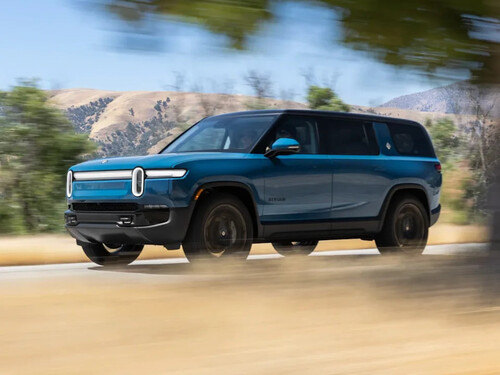
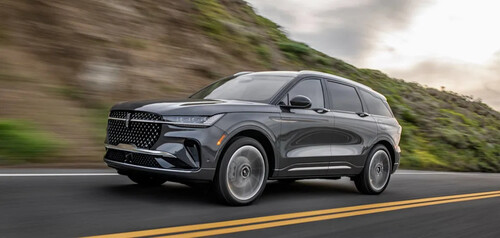
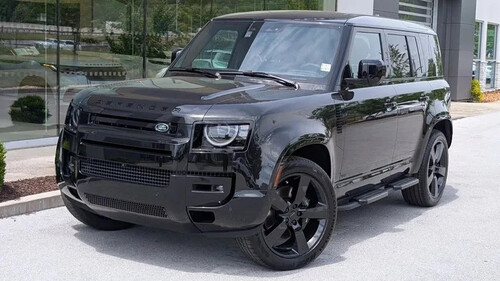
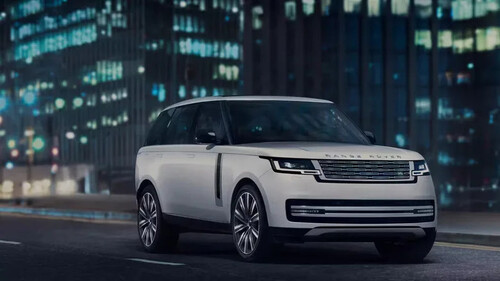
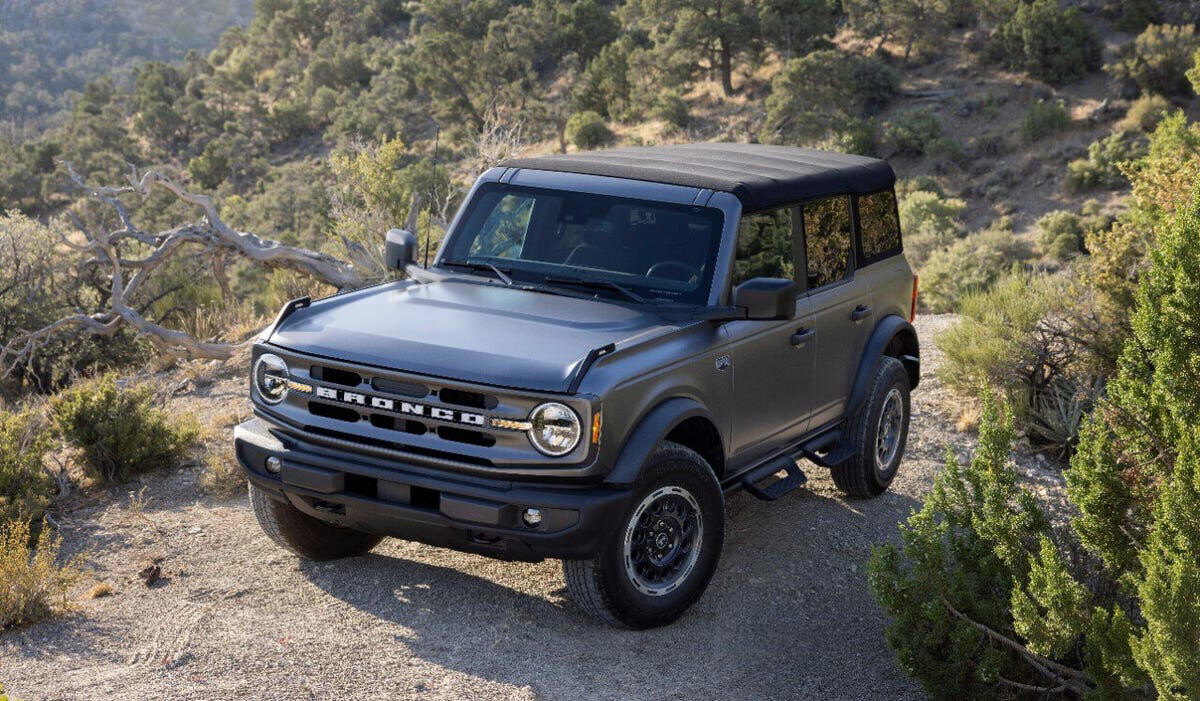
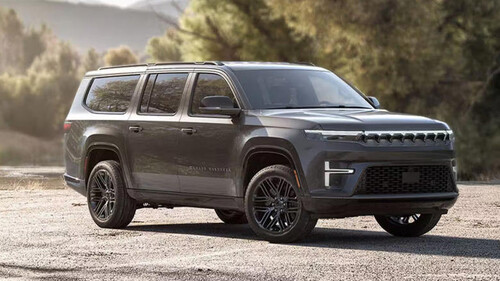
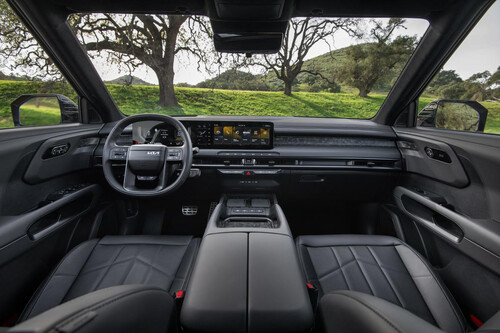
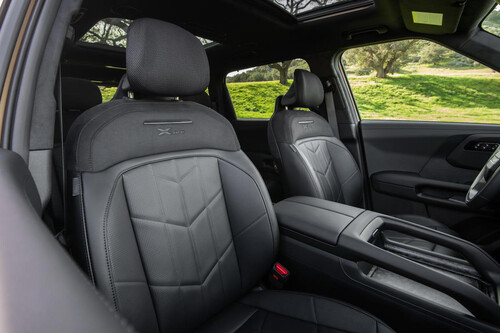
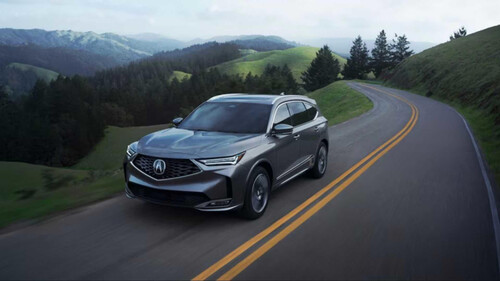
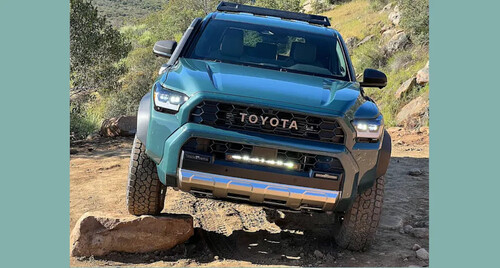
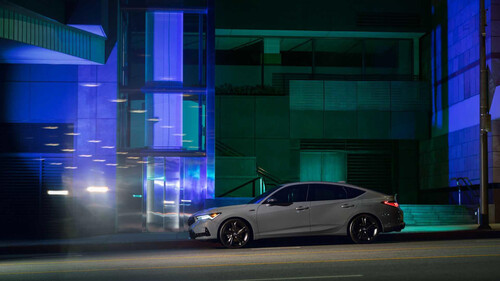
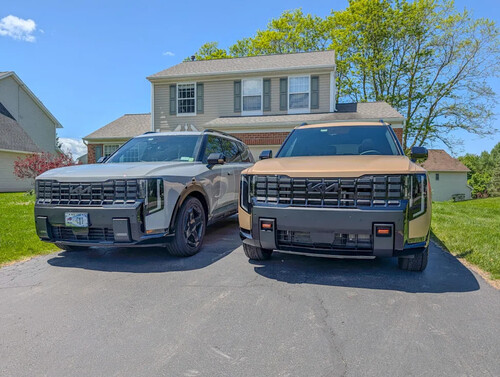
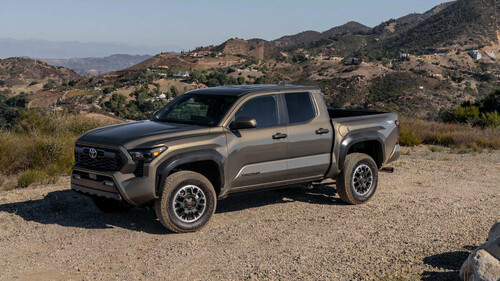
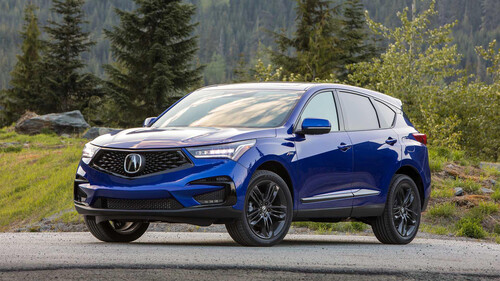
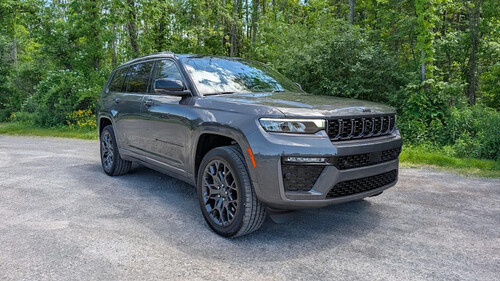
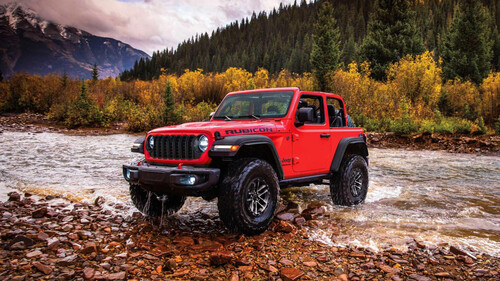
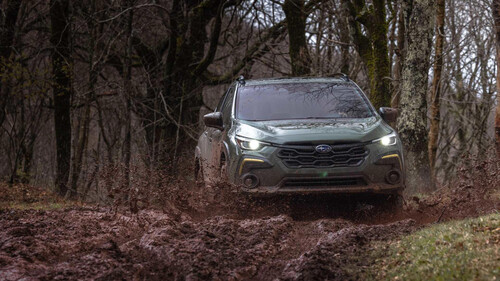
The interior of a 2026 Rivian R1S Quad MotorWhether you prefer an ultra-minimalist interior with few physical buttons or a screen-dominant cockpit, here is how to find the right car for you.Whether we like it or not, the future is here, and part of that reality is living in a world of screens and software updates. Naturally, that evolution extends straight into new car interiors. Instead of the CD players or tape decks many of us grew up with, virtually all new cars now feature a central display that controls media—and ignites the new car touchscreens vs buttons debate. Both are how we adjust the seats, climate control settings, steering wheel, or mirror positions, too.For some drivers, that digital shift to screens is overwhelming and distracting. For others, a tech-forward, software-defined cabin is the ultimate draw—especially as AI voice assistants become more versatile and reliable. Meanwhile, a select group of automakers discovered the perfect ratio for the in-car tech recipe, pairing intuitive physical buttons for core functions with a sleek screen for non-essential settings and media.AdvertisementAdvertisementWhether you're new or a returning member of the car touchscreens vs buttons debate, want an ultra-futuristic interior loaded with displays, a back-to-basics tactile setup, or a balanced hybrid layout, here are our recommendations based on how much tech you want behind the wheel.This story is 100% human-researched and written based on actual first-person knowledge, extensive experience and expertise on the subject of cars and trucks.First, Where Did the Team Screen vs Team Button Debate Come From?The interior featured a variety of textures and materials, making it feel like it belonged in a pricier car – Credit: Kristen BrownIf you haven't been in the driver's seat of a brand-new car lately and you're driving your 2008 Honda Pilot, there's a lot that you're missing. Unless we're talking about the upcoming Slate EV truck, there is no such thing as a car sold in America that doesn't have a central touchscreen. Some automakers, like Lucid or even Tesla, heard the word "screens" and took it to an entirely different level, replacing 100% of the physical buttons and knobs we're so familiar with, with one, two, or sometimes even three screens. Others kept it grounded, implementing smaller displays while retaining physical switchgear. That's because screens create a distinct vibe. On one hand, a responsive, bright screen paired with intuitive software and an attractive user interface can make a cabin feel sleek, futuristic, and premium. But if a screen-dominated interior lacks good software design, it quickly becomes frustrating and dangerous.AdvertisementAdvertisementThat's where the car touchscreens vs buttons debate comes from. Menus buried three layers deep in a central display force drivers to take their eyes off the road. Even Hyundai and Kia—brands that previously pushed digital layouts—have acknowledged that drivers get stressed when basic features lack hard controls, reaffirming their commitment to physical buttons for core functions like volume and climate. When air conditioning controls or volume dials are physical, muscle memory takes over, allowing you to make adjustments without looking away from traffic.Some, like Rivian and Mercedes-Benz, hit the nail on the head with powerful AI-backed voice assistants that can do those for you with a natural voice prompt. You can say something like, "Hey, Rivian. Turn off my seat warmer, but turn on the passenger's seat. And turn off the rear-facing vents." And it'll be taken care of, instead of taking 10 minutes to load, only to tell you it didn't understand you.Team Screens: Minimalistic, Futuristic, In-Car TechMercedes-Benz is one of the few companies that truly mastered a screen-heavy interior – Credit: Kristen BrownIn a way, a screen-dominant interior that's done right feels like walking into a luxury, minimalist, chic hotel. When high-end cabin materials work in tandem with the display—pairing varying textures and welcoming ambient lighting with responsive, clean software—it feels sleek and futuristic. You aren't just driving a car. You're operating a smart, do-it-all computer. Some even do the driving for you. Seriously. That upscale, albeit exclusive feeling is especially pronounced in EVs, like the Mercedes-Benz EQS, Lucid Air, or the Rivian R1S.While EVs sort of popularized the screen-heavy trend to lean into a more futuristic feel, traditional gas-powered cars haven't been left out of the car touchscreens vs buttons argument. Luxury models like the gas-powered Cadillac Escalade (with its wall-to-wall 55-inch display) and the Lincoln Nautilus (boasting a sweeping 48-inch panoramic dash) prove you don't need an EV battery to enjoy an ultra-futuristic, digital-first cabin. AdvertisementAdvertisementTo make these digital layouts usable, brands like Lucid, Volvo, Mercedes-Benz, and Land Rover pin core functions directly to the main screen interface. Controls for climate, heated seats, and defrost remain permanently anchored at the top or bottom of the display, or along the edges, so you don't have to hit a "Home" button or dig through nested menus just to warm up the cabin while driving.And as generative AI voice assistants are slowly but surely becoming standard across the industry—from GM's Google-built systems running Gemini, to Kia's ChatGPT-powered AI Assistant, to Mercedes' MBUX—physical buttons become even less critical. Rivian's in-house voice engine, for instance, is built to understand natural conversational language. Instead of taking your hands off the wheel, you can simply ask it to adjust your passenger's seat temperature, read a text, or search for a destination—letting you control the cabin without looking away from the road. If you want a screen-dominant car, mastering the voice assistant isn't a gimmick—it's an essential workaround that replaces missing physical knobs. Trust me on this one.Our favorite tech-forward interiors are in:Rivian R1S/R1TMercedes-Benz EV SUVs (EQS, EQB, EQE, CLA 250+E)Volvo (EX30, EX40, EX90)Polestar (2, 3, 4)Lincoln (Nautilus, Navigator)Cadillac Escalade (IQ and gas-only)BMW (5 series sedans and wagons, X7, 7 series sedans)Land Rover (Defender, Defender Octa, Range Rover Sport, Range Rover PS400)Team Buttons: New Cars With Tactile and Knob-Focused FunctionsThe view from the driver's seat in the Jeep Wrangler 392 – Credit: Scotty ReissJust like anything trending, not everyone is on the same team. Digging into menus can feel time-consuming to those who aren't quite adjusted to an all-digital landscape and would likely feel a lot more comfortable in something familiar. The appeal of a more basic setup is in its simplicity; controls are right where you want them to be, they're easy to access, and there's no need for a connection to a cloud for a voice assistant to change any settings. You don't need Wi-Fi or even a companion app in most cases, and software updates can be done manually (if they're needed at all) with a USB stick and some files you downloaded from your computer if you really wanted to. AdvertisementAdvertisementMany cars keep their interiors button-based for that reason. They don't need large screens with fancy displays, high-resolution graphics, and fun start-up or shut-down graphics to appeal to their customers. And while most new cars that still have a focus on buttons also have screens, the screens are typically smaller and less prominent and accommodate phone mirroring software (Android Auto or Apple CarPlay).Depending on the car, a more tactile interior can mean a lower price tag, too. After all, you're buying an engine on four wheels over complicated computer systems with expensive software that relies on connectivity. So, there's a win for those who are budget-savvy.If you want something much more basic to keep driving streamlined and less distracting, here are our favorite button-lover interiors:Mazda (CX-30, CX-50)Toyota (4Runner, Tacoma, Tundra, and Land Cruiser)Honda (Civic, Civic Hybrid, HR-V, CR-V, Pilot)Acura (ADX, Integra)Ford (Bronco, Bronco Sport, Explorer)Jeep (Wrangler)Perhaps a Bit of Both? These New Cars Show Off the Best of Both WorldsThe Outback has a new face, but retains a lot of its classic charm – Credit: Scotty ReissThis is the team I'm on in the car touchscreens vs buttons scuffle, personally. I like having my cake and eating it, too. Sometimes I just want a nice, fancy screen (maybe two or three), with analog functions that keep me from messing with a screen too much. Plus, having a well-put-together screen and tactile setup tends to keep the car's cost down to a more attainable level, while still making things feel like you paid more than you really did. Especially when it's wrapped in nice colors, materials, and a thoughtful layout. AdvertisementAdvertisementSome automakers, like Hyundai, Kia, and Subaru, made it a point to announce that they're aiming for this hard-to-achieve middle ground based on customer feedback, and because it pleases people from both sides of the car touchscreens vs buttons fence. A good screen with excellent software makes the techy people happy, and all the common controls being haptic or tactile makes the analog team happy. Literally everyone wins here.These cars have our favorite hybrid interiors:Subaru (2026 Outback, Forester Hybrid, Ascent)Hyundai & Kia (IONIQ 5 & 9, Palisade, Santa Fe, Kia EV6, Sportage, Telluride)Nissan (Rogue, Pathfinder, Armada, Leaf)Honda (Passport)Acura (MDX, RDX)Toyota (CH-R, bZ, RAV4, Grand Highlander, Corolla Cross)Jeep (Cherokee, Grand Cherokee, Grand Wagoneer)No Matter Your Preference, There's a New Car That Has What You NeedThe technology and ease of use were one of the first pushes I felt towards a 2027 Kia Telluride – Credit: Shannon BassettNo matter where you stand in the car touchscreen vs buttons debate, the exterior of a car is important, but I always argue that the interior is just a tad more important because, well, we don't spend 90% of a car's ownership on the outside of the car. You have to be able to enjoy the car as a whole, and the interior is one of the larger pieces of the whole pie.AdvertisementAdvertisementIf you really wanted to like the Mercedes-Benz CLA 250+E but hated the screen-only setup, there's no shame in admitting it. Instead, you should shop for something that makes you happy every time you drive it—not just off the dealer's lot while you're still riding the euphoria wave from buying a new car.Just like finding the right pair of shoes, don't be afraid to try on a few different pairs. Thankfully, there's lots to choose from these days.