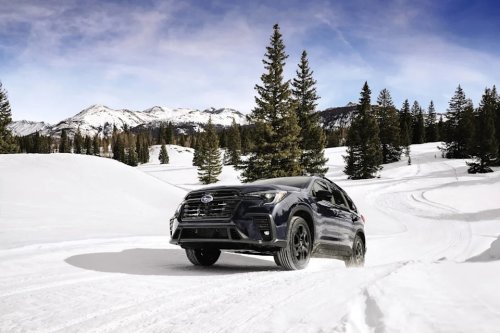
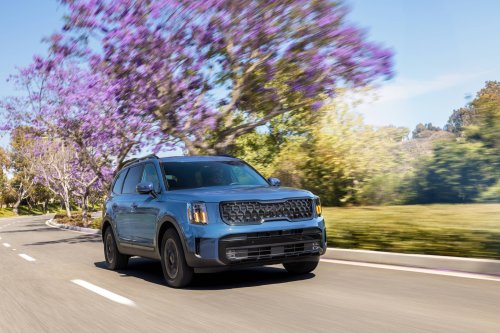
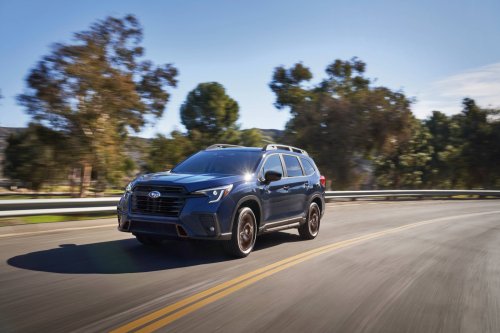
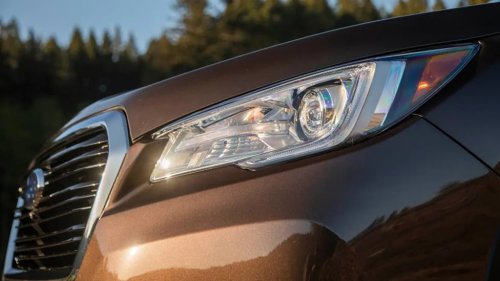
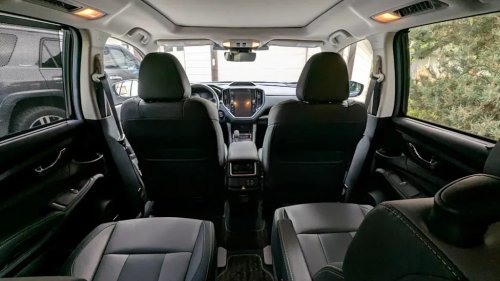
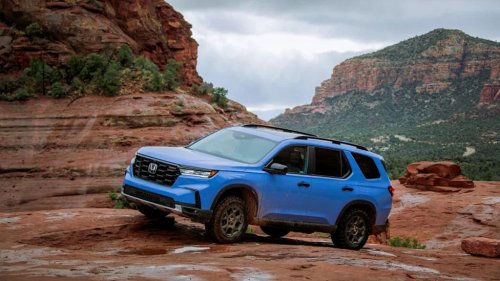
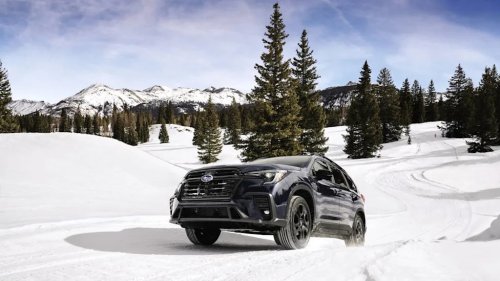
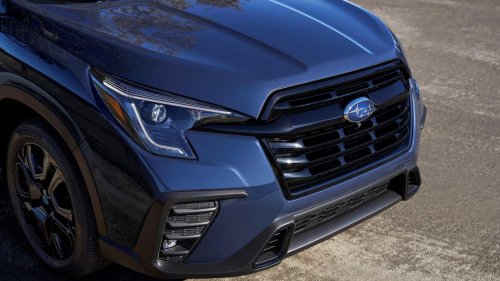
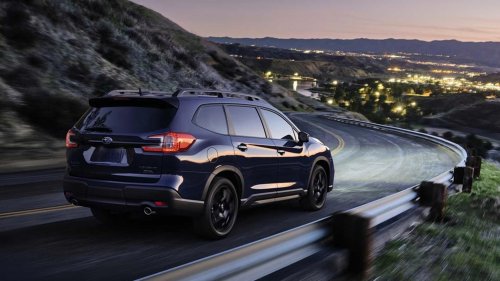
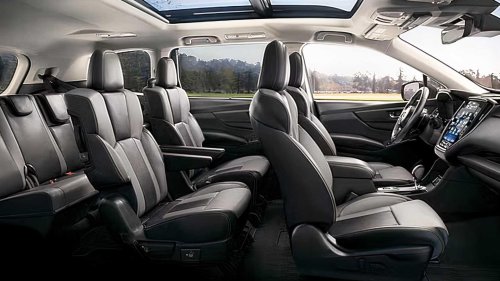
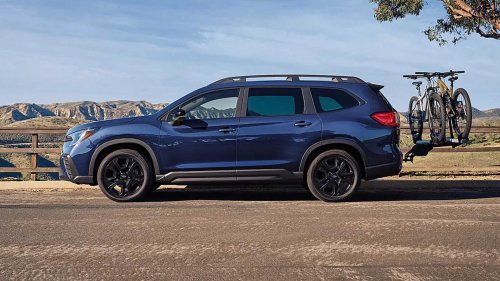
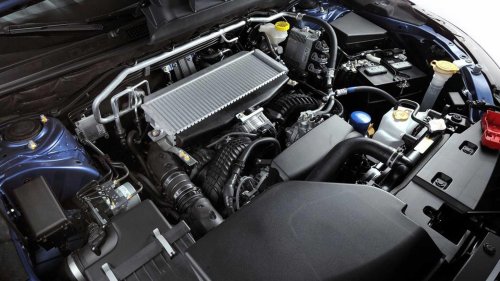
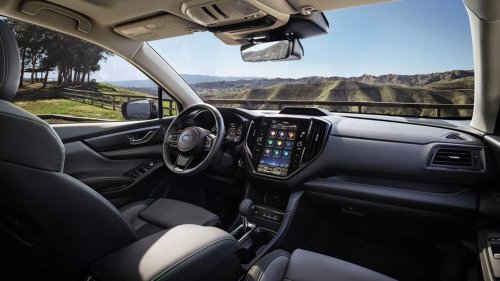
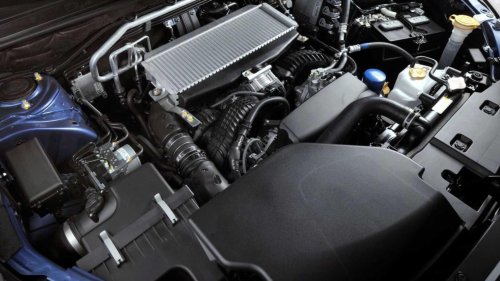
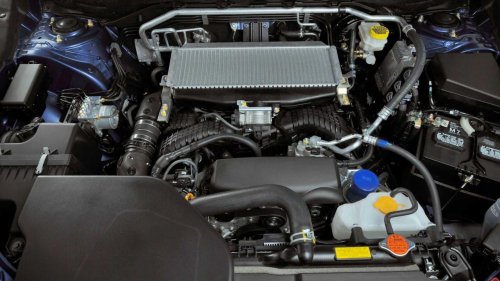
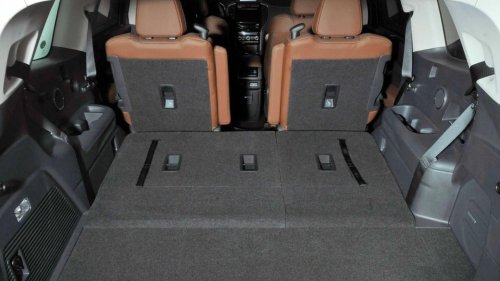
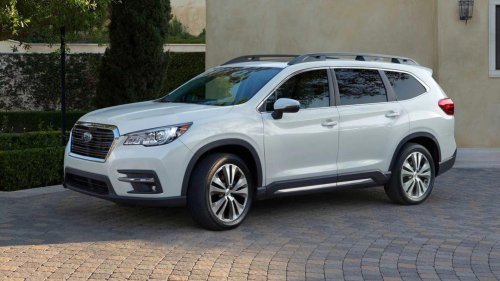
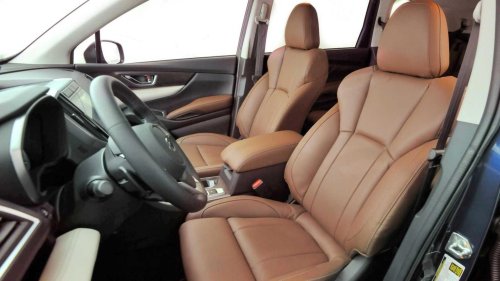
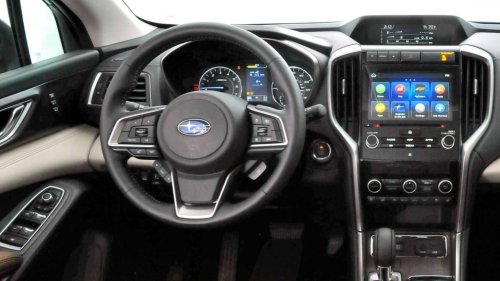
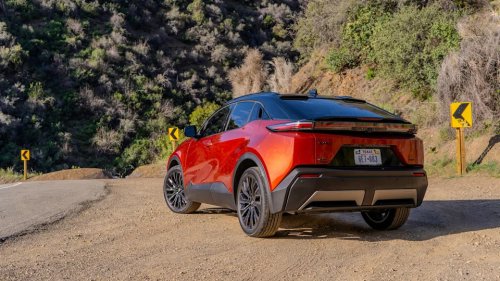
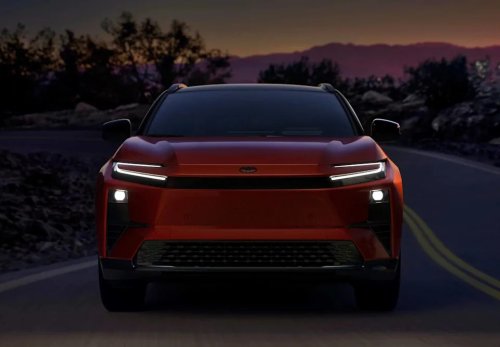
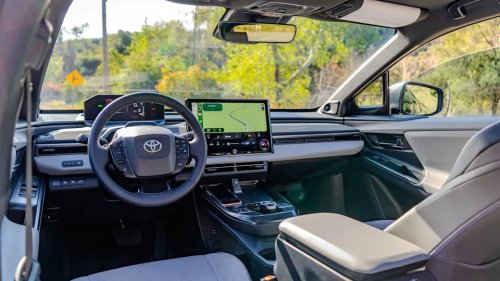
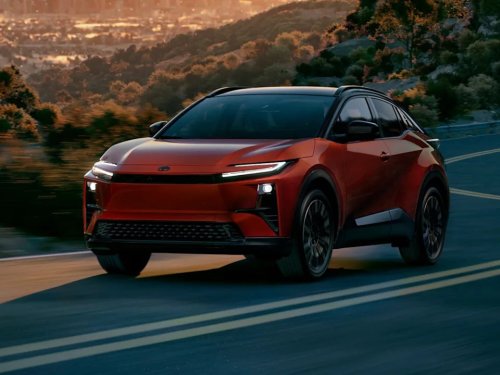
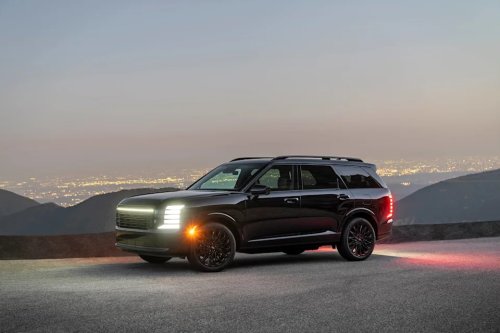
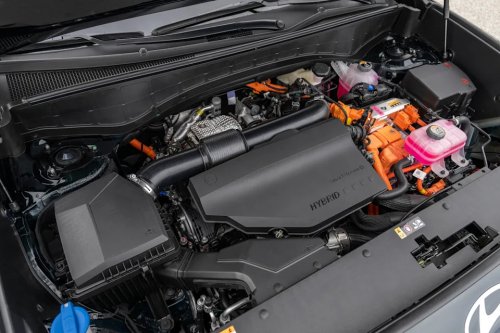
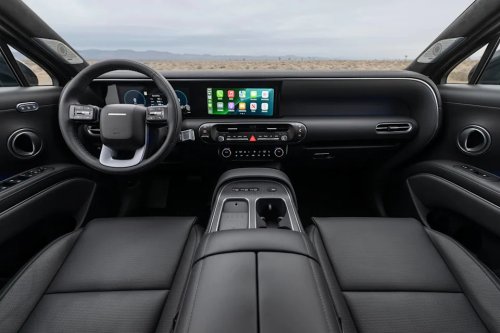
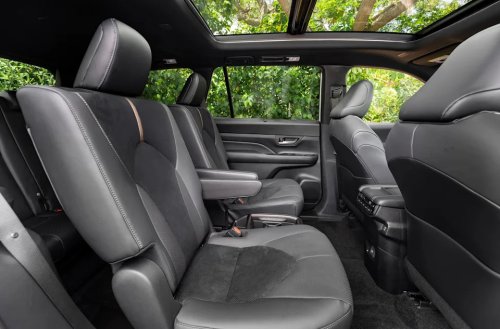
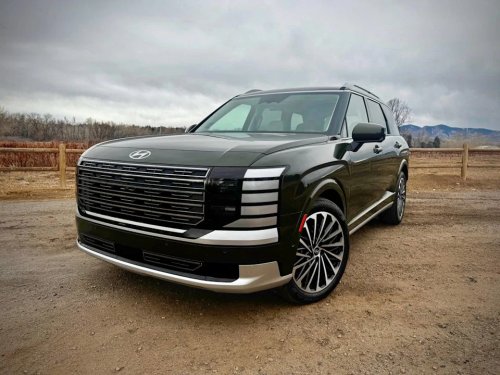
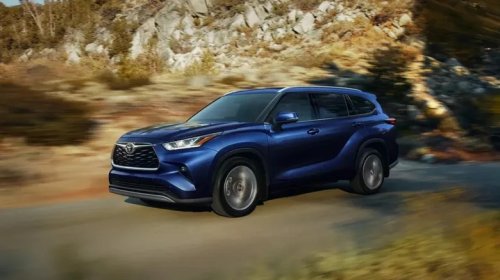
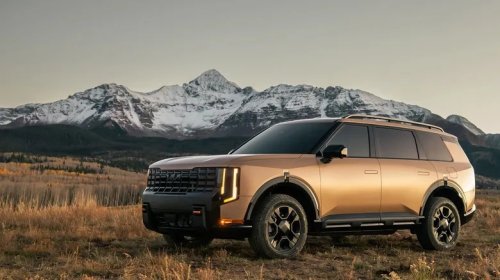
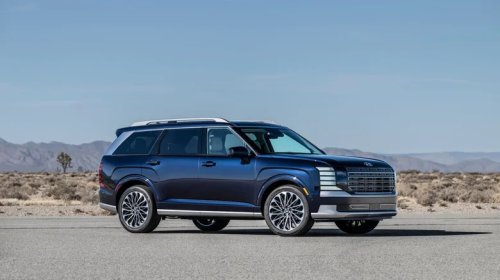
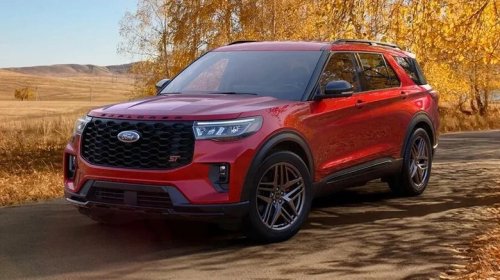
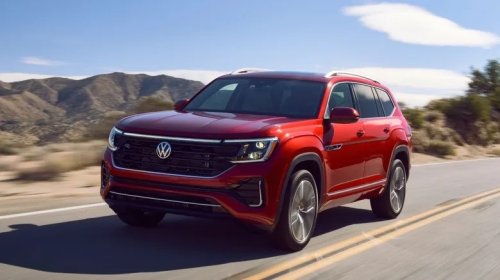
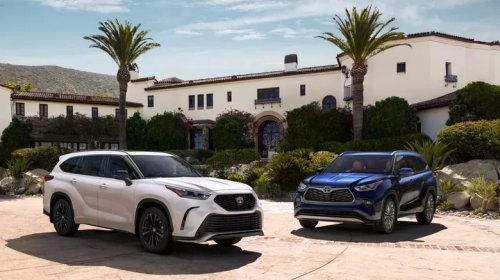
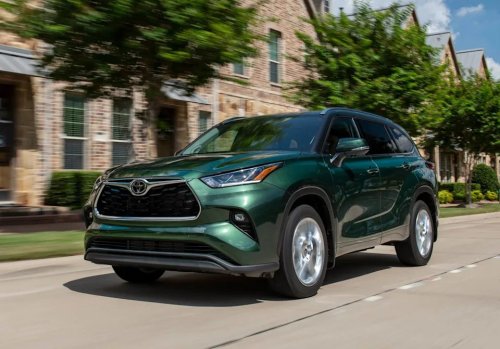
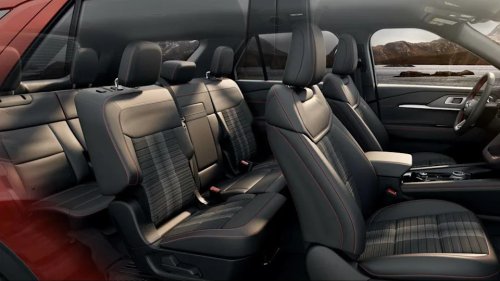
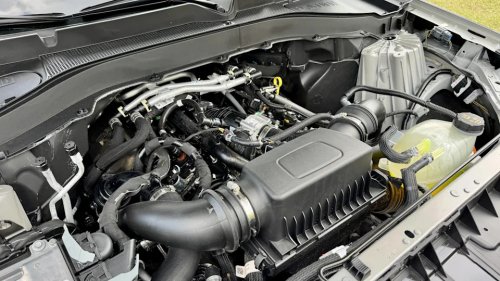
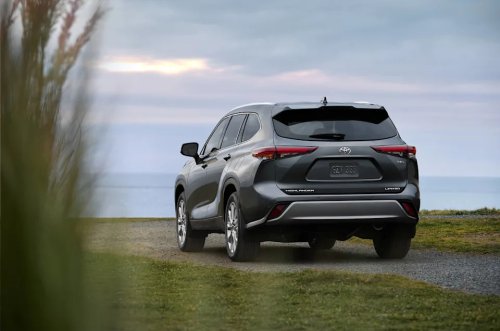
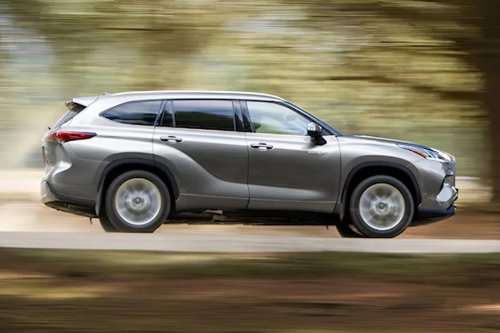
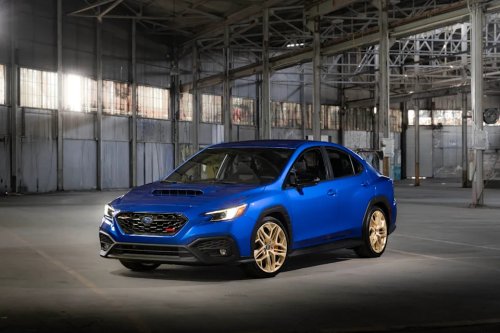
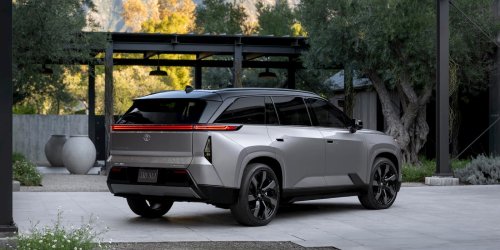
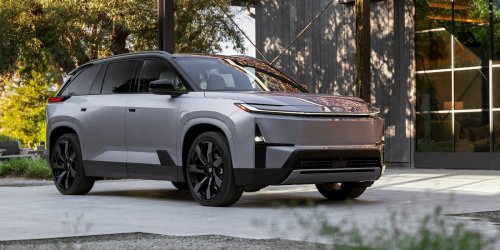
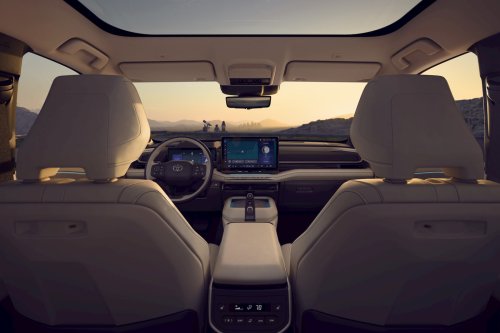
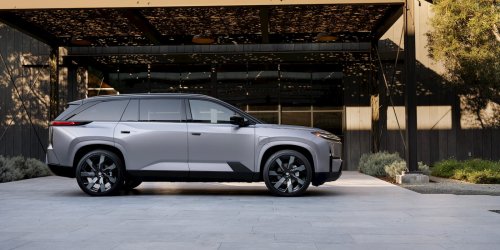
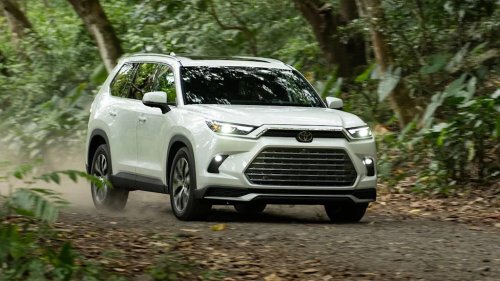
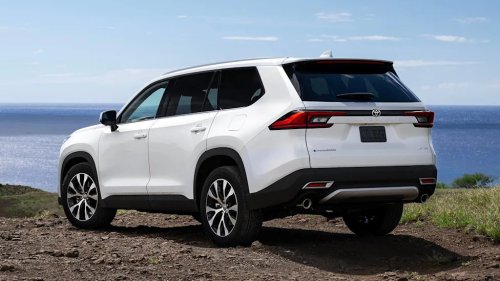
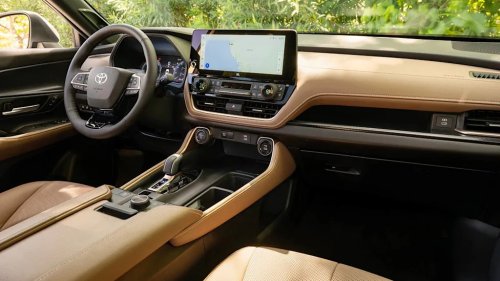
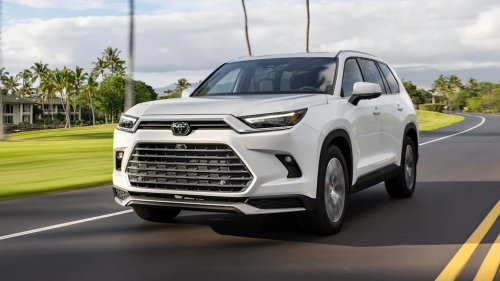
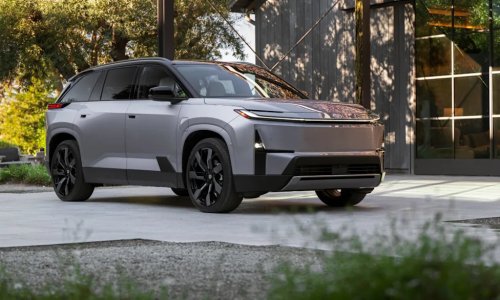
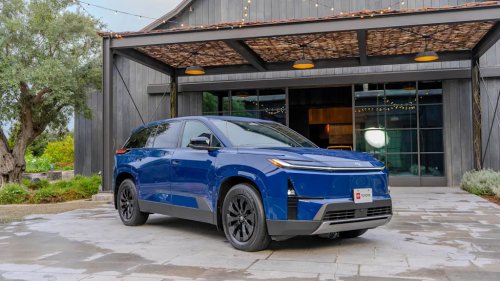
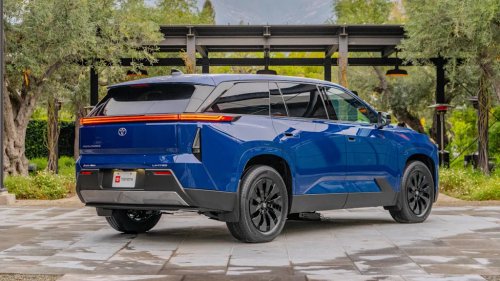
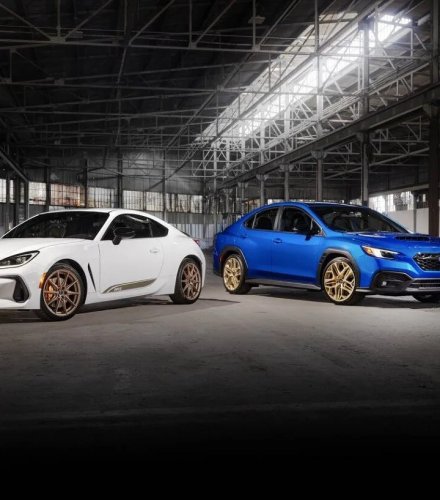
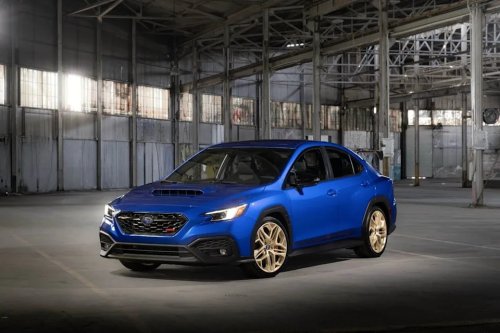
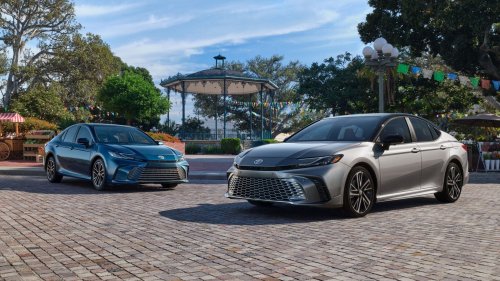
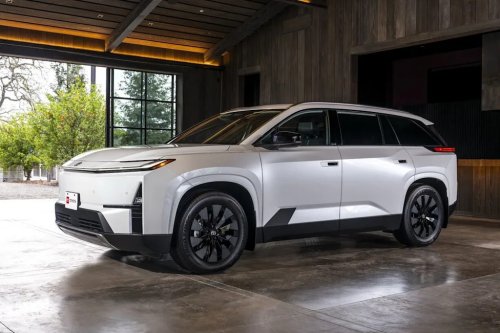
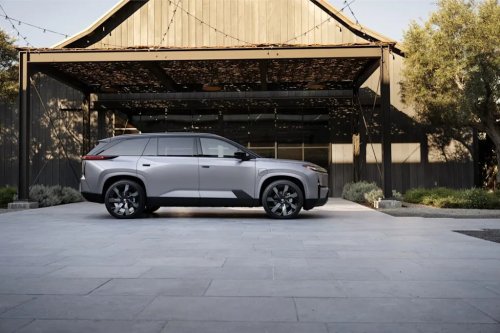
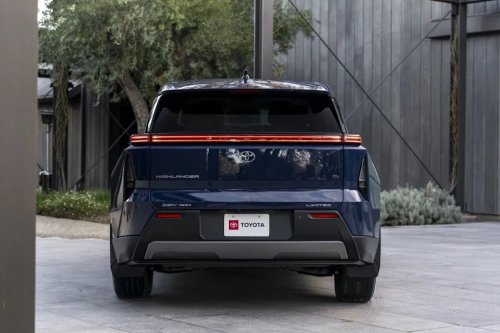
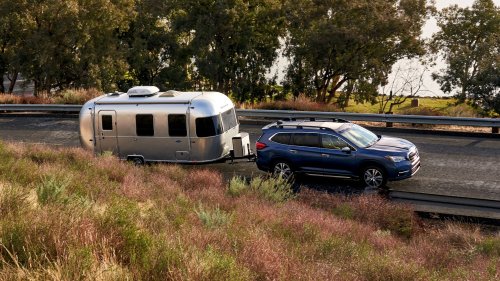
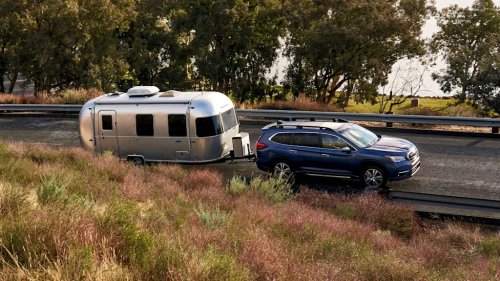
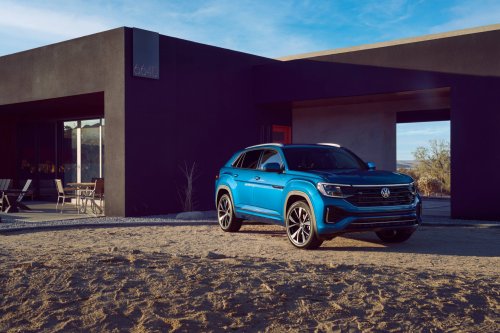
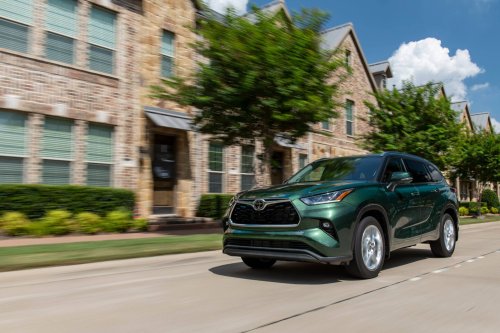
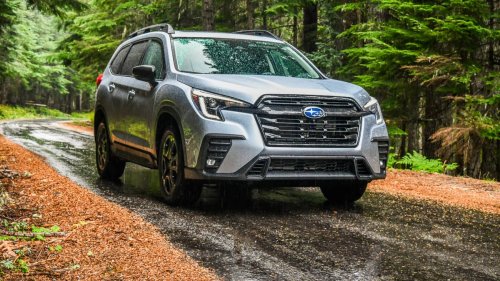
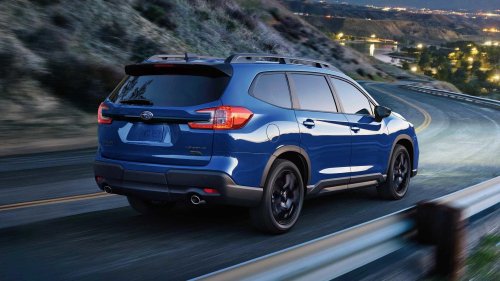
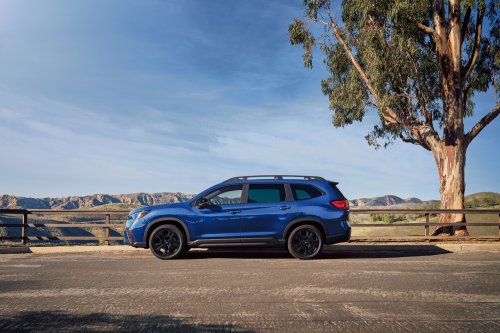
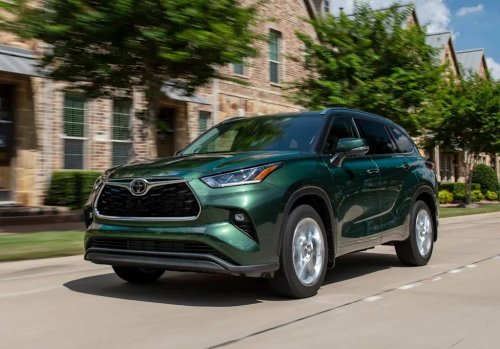
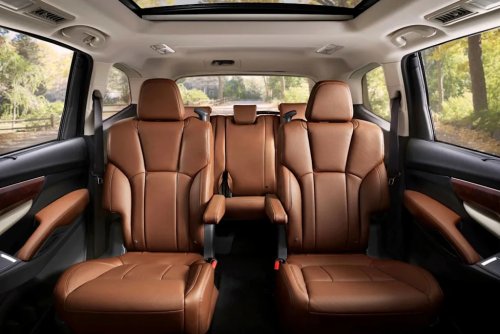
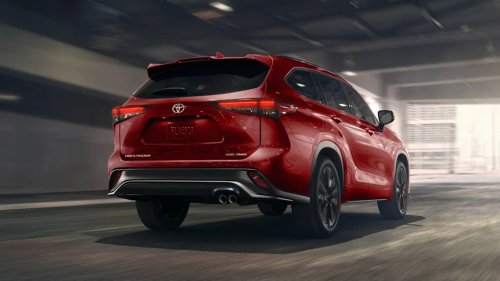
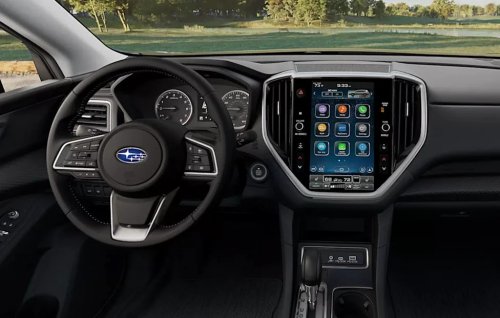
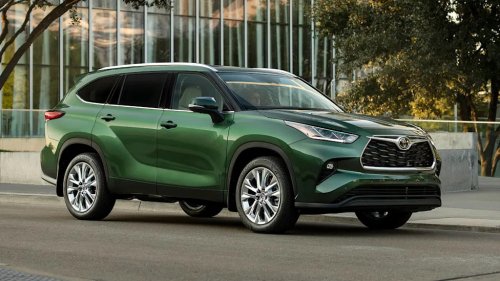
Autoblog and Yahoo may earn commission from links in this article.2026 Toyota Highlander vs. Subaru Ascent: ComparisonThe Ford Explorer may be the best-selling three-row crossover in the land, but the Toyota Highlander (and Grand Highlander) are also among the default choices in its segment. It's totally understandable, though, as it's been around for well over 20 years with its formula refined over the years.That doesn't mean upstarts have no chance in this class. The Mazda CX-9 was proof of that, and the same with the Korean duo of the Hyundai Santa Fe and Kia Sorento. Subaru tried with the ill-fated Tribeca, but the company finally got it right with the Ascent from nearly a decade ago. Admittedly late to the party, it's been a steady seller.ToyotaView the 2 images of this gallery on the original articleSpace and Practicality: Surprisingly CloseIt's easy to assume that the Subaru Ascent will walk over the Toyota Highlander in terms of space and practicality, mainly because of its larger exterior dimensions. But as it turns out, the latter has some packaging tricks up its sleeve to make it more spacious than it appears.AdvertisementAdvertisementOf course, it's a given that the Ascent generally has more interior room. It's 153.2 cu-ft for the Subaru and 139.5 cu-ft for the Toyota. It's a pretty big gap, but that's not the full story. There are measurements where the Highlander either closely matches the Ascent or even marginally surpasses it. In the Highlander vs Ascent space race, front legroom is 42.2 inches and 42 inches for the Subaru and Toyota, respectively, while front headroom is 41.2 inches and 39.6 inches in favor of the Subaru.Surprisingly, the Highlander has marginally more rear legroom at 38.7 inches versus 38.6 inches in the Ascent. The Subaru does have the Toyota beat in headroom and hiproom, but it's just by a few tenths of an inch. Obviously, there's more third-row space in the Ascent, but that's to be expected. But you may be surprised to know that the Highlander has more cargo space behind the second row. Again, marginally, but still impressive given the size difference between the two; it's not bad at all. The Ascent is still bigger, but the Highlander makes better use of the available space.SubaruView the 2 images of this gallery on the original articlePerformance and Economy: One for ToyotaThe Subaru Ascent vs Toyota Highlander performance comparison looks close on paper. Both are powered by 2.4-liter turbo-four engines, although the Subaru has a boxer while the Toyota has a good ol' inline configuration. The Ascent makes 260 hp and 265 lb-ft, while the Highlander puts out 277 hp and 310 lb-ft. Acceleration times are about even, though.AdvertisementAdvertisementWhere the Toyota makes up ground is in efficiency. The Highlander has EPA ratings of 21 MPG city / 29 MPG highway / 24 MPG combined for the front-drive model, and 20 MPG city / 27 MPG highway / 23 MPG combined for all-wheel drive. With the Ascent, it's 20 MPG city / 26 MPG highway / 21 MPG combined for the lower trims, and 19 MPG city / 25 MPG highway / 21 MPG combined for the higher-spec models.But the Highlander has something that the Ascent doesn't, and that's a hybrid option that makes 247 hp. Solely available with all-wheel drive, it does 36 MPG city / 35 MPG highway / 35 MPG combined, while those with larger wheels get ratings of 35 MPG city / 34 MPG highway / 35 MPG combined.ToyotaView the 2 images of this gallery on the original articleTrims and Features: Subaru ScoresToyota got rid of the lower trims of the Highlander for 2026. That means all are well-equipped with all-wheel drive standard. Advanced driver assists are a given at this point, and it's the full suite and not merely a basic package. Autonomous emergency braking with pedestrian detection and road sign assist are all included, along with adaptive cruise control and lane-keeping assist. Wireless Apple CarPlay and Android Auto are also thrown in the mix.AdvertisementAdvertisementHowever, the Subaru matches its rival spec by spec, plus it has several standard features that are either optional or not available in the Highlander. Even in the entry-level model, the Ascent comes with HD radio and satellite radio, along with a Wi-Fi hotspot and auto-leveling headlights. The larger fuel tank compensates for the thirstier engine, and it also comes with a larger touchscreen if you see that as an advantage. For the Toyota Highlander vs Subaru Ascent specs and features section, the latter takes it.SubaruView the 2 images of this gallery on the original articlePricing and TrimsThe Subaru Ascent is available in five trim levels with prices ranging from $40,795 to $51,995. Ascent trims include the Premium, Limited, Limited Bronze Edition, Touring, and Onyx Edition Touring. It's worth pointing out that the Premium and Limited models are available with either seven- or eight-seater versions. Opting for the seven-seater means getting captain's chairs in the middle row, and that comes at no extra charge. The rest are seven-seat only.Moving to the Toyota Highlander, there are seven trims available, with four for the turbo and three for the hybrid. The turbo models consist of the XLE, XSE, Limited, and Platinum, with prices ranging from $46,270 to $53,925. Meanwhile, the electrified models are XLE Hybrid, Limited Hybrid, and Platinum Hybrid and they go from $48,020 to $55,675. Like the Ascent, choosing between seven or eight seats comes at no additional cost.ToyotaView the 2 images of this gallery on the original articleFinal ThoughtsThe clear value winner here is the Subaru Ascent. It undercuts the Toyota by about $5,500, and gets quite a bit more standard features. There's marginally more passenger space, and there's no denying the capabilities of Subaru's all-wheel drive system. It also has the IIHS' seal of approval with a Top Safety Pick+ award, something that the Toyota doesn't have.AdvertisementAdvertisementSo, why then do more people end up at the Toyota showroom? While it's not as comprehensively equipped as the Subaru, we wouldn't call it bare. Also, the Highlander is a tad more refined, and the option of a hybrid powertrain is a major advantage. Its reliability record is hard to beat, and the higher price is offset by better residuals. It may be more expensive, but we'll have to give the nod to the Highlander. It has nearly as much space as the Subaru, and it's not short on features. There's a wider range of available trims, and, of course, the hybrid option.That said, the biggest problem of the Highlander is the bigger and less expensive Grand Highlander. But as the Highlander transforms into an electric three-row crossover, the 'Grand' model takes over the role its smaller sibling vacates. It's still more expensive than the Subaru, but offers an even greater value proposition.This story was originally published by Autoblog on Aug 18, 2026, where it first appeared in the Features section. Add Autoblog as a Preferred Source by clicking here.



















 +34 others