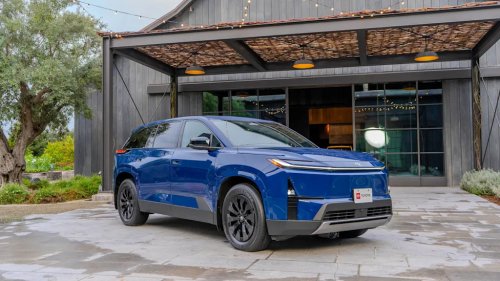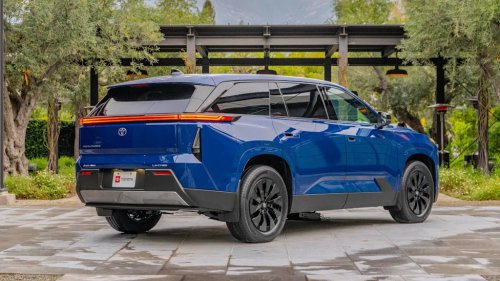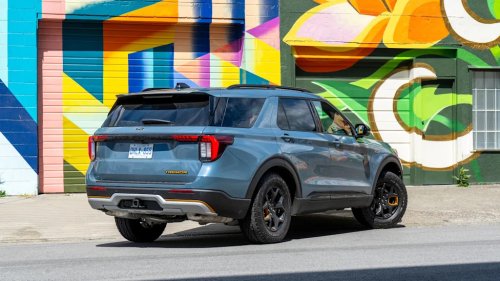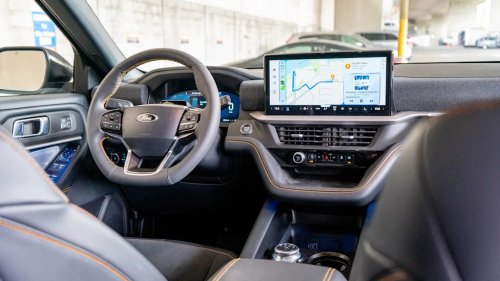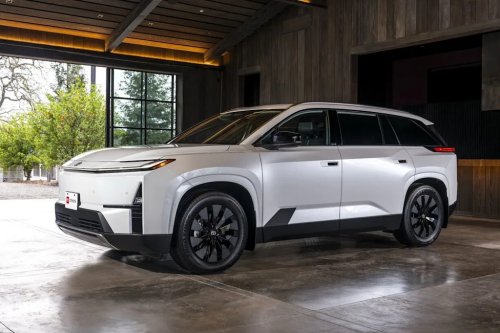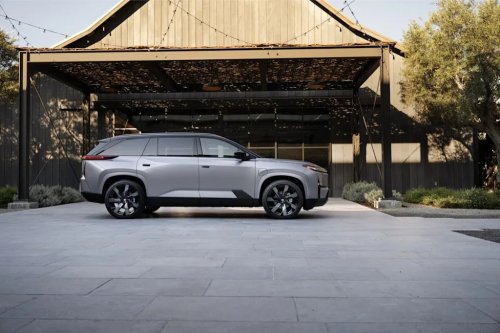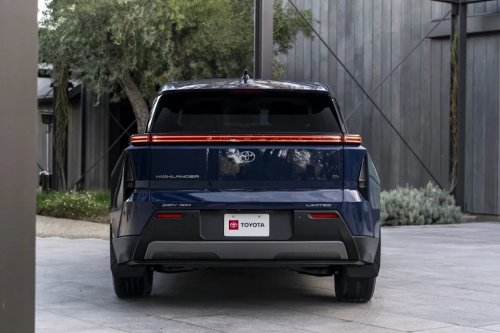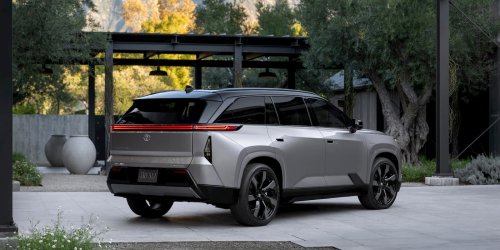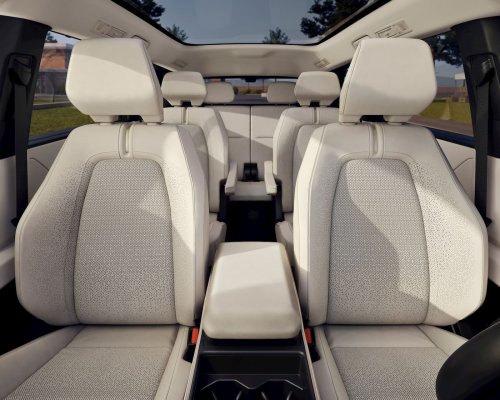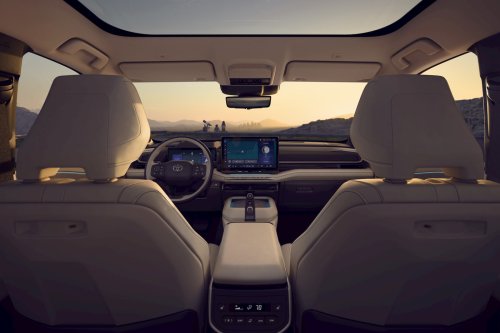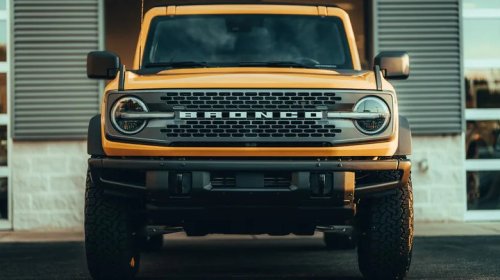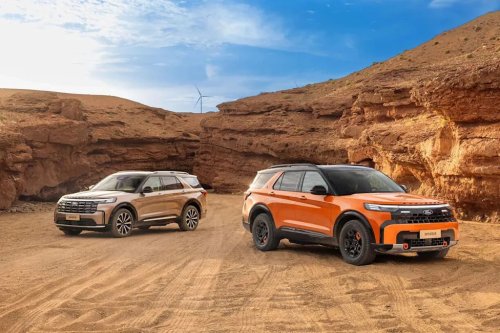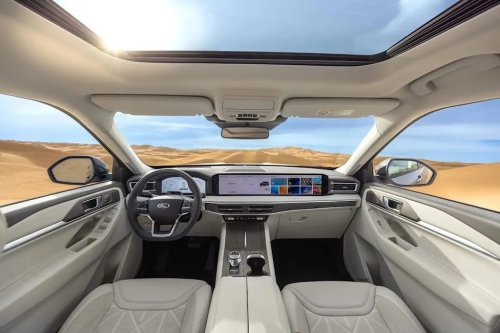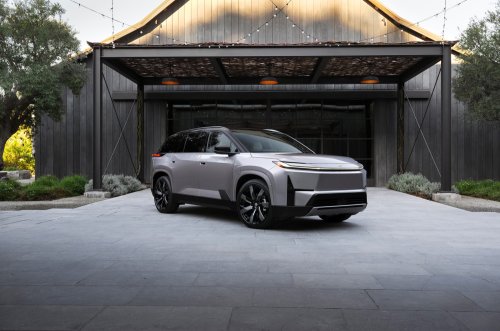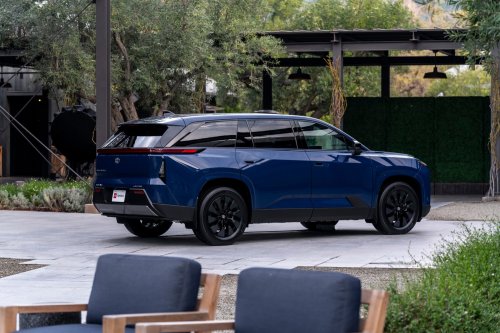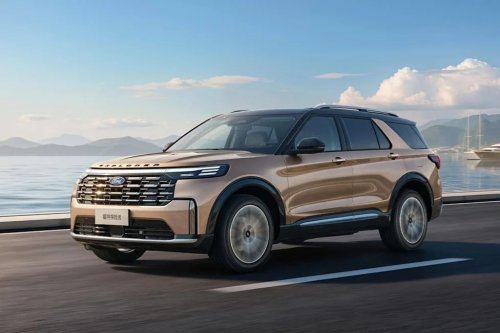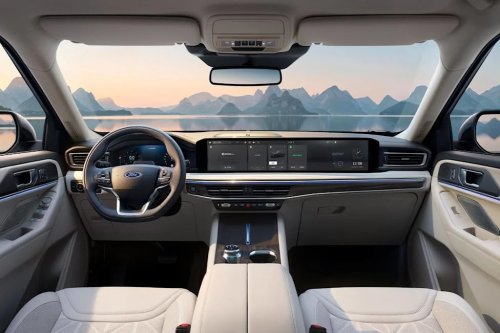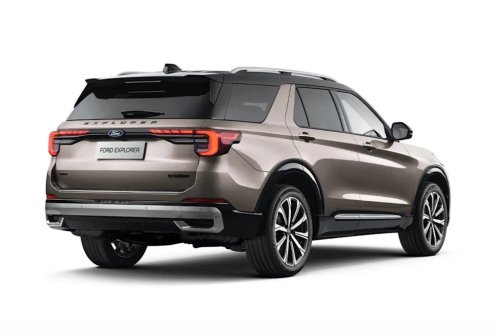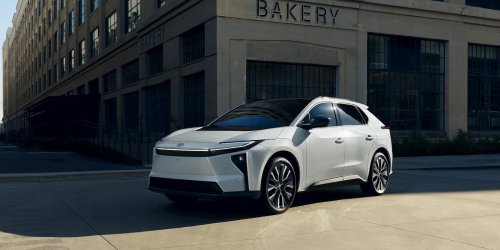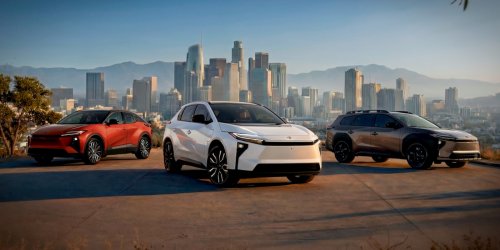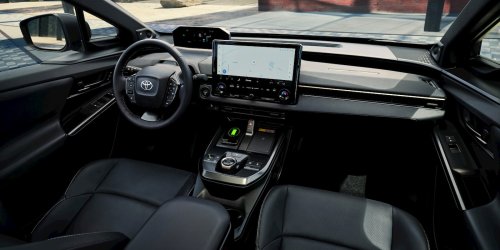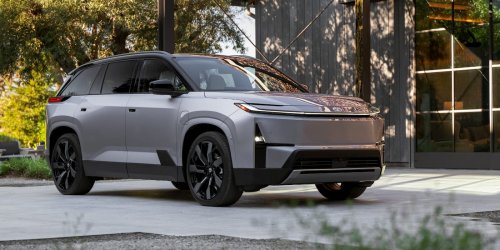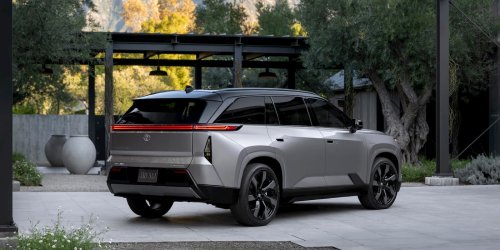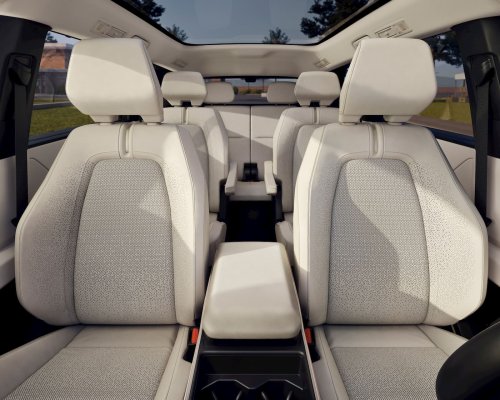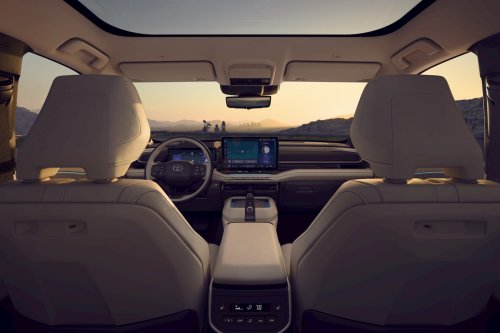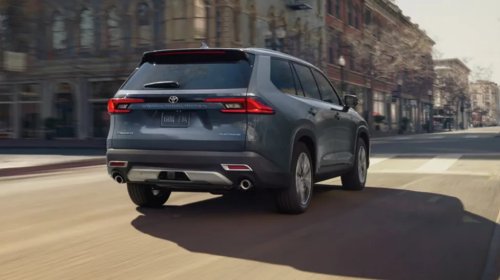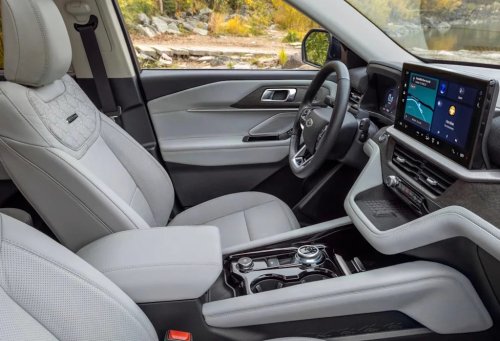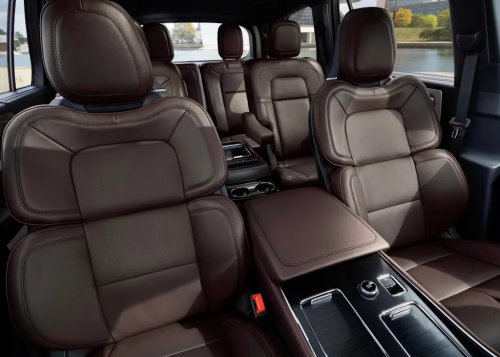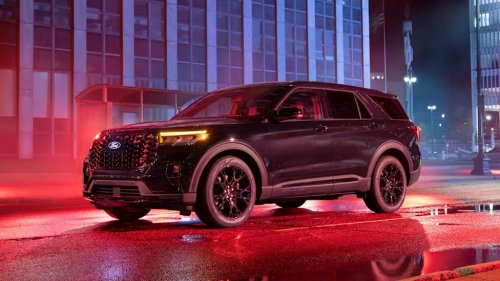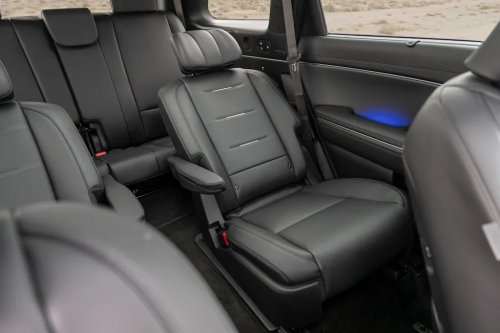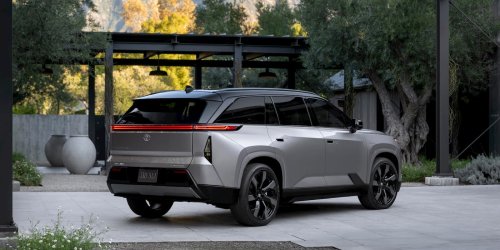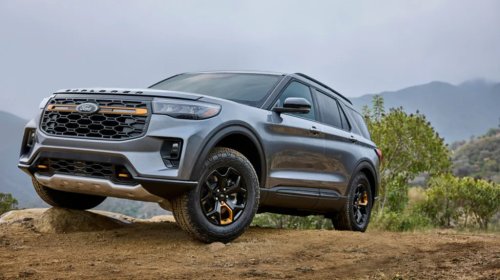
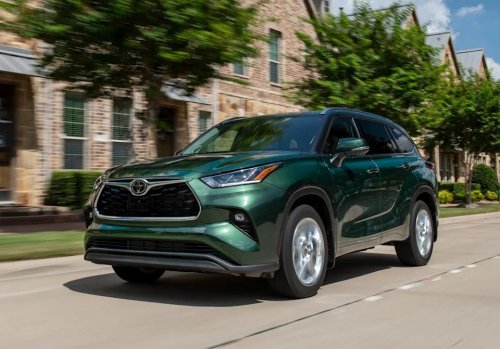
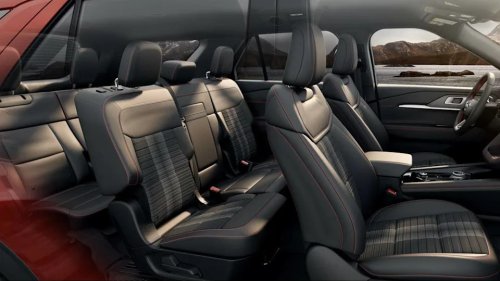
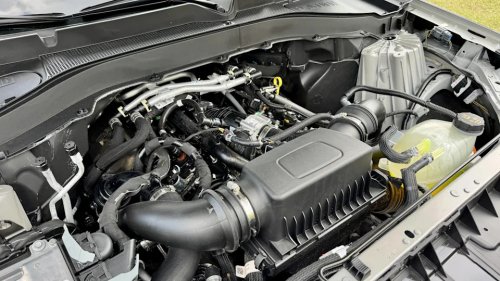
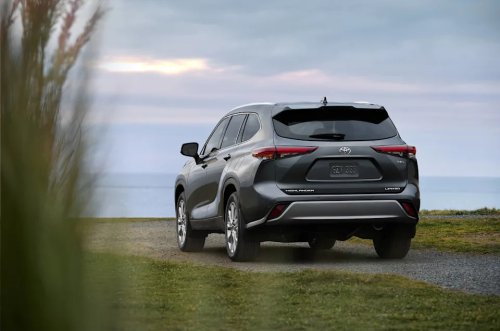
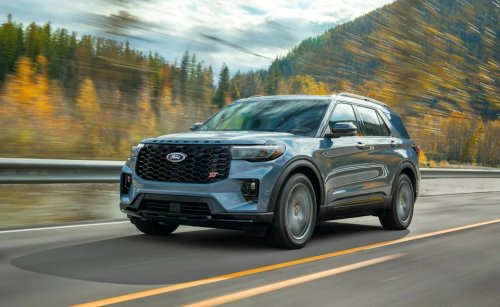
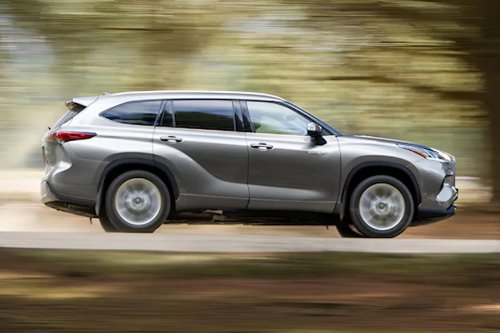
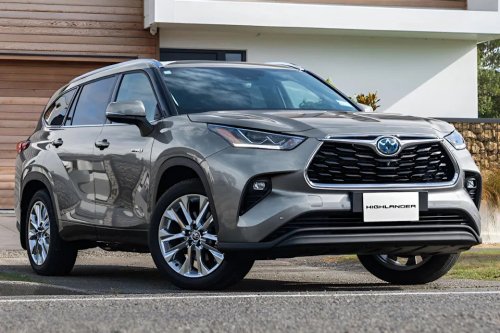



















2026 Toyota Highlander vs. Ford Explorer: Why the Cheaper SUV LosesAutoblogAnton AndresSun, September 20, 2026 at 2:30 PM UTCAdd us on GoogleAutoblog and Yahoo may earn commission from links in this article.2026 Toyota Highlander vs. Ford Explorer: ComparisonThree-row midsize crossovers have become the norm. Sure, the extra row of seats will often stay stowed, but as the saying goes, it's better to have it and not use it than not have it and need it. For those unexpected times you'll need to carry an extra pair of passengers, these SUVs definitely come in handy.At the top of the sales charts is the Ford Explorer, which has consistently been the segment's sales leader for about 15 years. A healthy chunk of fleet sales also helps it keep that title, although there are many more popular choices out there. Case in point, there's the Toyota Highlander.AdvertisementAdvertisementWhile the Grand Highlander effectively takes over its role once it shifts to a full EV, the standard Highlander is still an SUV well worth considering. After all, it's one of the first three-row crossovers in the market, as the original model started offering an extra pair of seats as an option way back in 2004. So, Highlander vs Explorer, which would be worth more of your hard-earned savings? Read on.ToyotaView the 2 images of this gallery on the original articleSize and Practicality: Numbers Don't Tell the Whole StoryIn the Highlander vs Explorer size race, the latter has bigger numbers. The Ford is longer (198.8 in. vs. 194.9 in.), wider (78.9 in. vs. 76.0 in.), and taller (69.9 in. vs. 68.1 in.) than the Toyota. Also, the wheelbase in the Explorer is a fair bit longer (119.1 in vs. 112.2 in.), so it's no surprise that it translates to greater interior volume. The Explorer has a total of 150.3 cubic feet inside, while the Highlander has 139.5 cubic feet.Here's the thing, though: The Highlander makes better use of its smaller footprint. On specific measurements, the Explorer still leads, but its smaller rival comes close in some areas. For starters, the Highlander can carry up to eight, whereas the Explorer is capped at seven. Also, the Highlander has nearly as much cargo space behind the third row (16 cu.ft vs 16.3 cu.ft), and has more behind the second row (48.4 cu.ft vs 47.9 cu.ft).AdvertisementAdvertisementThe Highlander is also within less than an inch of the Explorer in first- and second-row legroom, which speaks to Toyota's packaging efficiency. The Explorer soundly beats the Highlander in third-row legroom, though, as well as total cargo volume with all seats folded down. Still, the Toyota makes better use of its smaller footprint by nearly matching the Ford in several aspects, and you can chalk that down to its front-drive platform.FordView the 2 images of this gallery on the original articlePerformance: A Clear and Obvious WinnerFor Toyota Highlander vs Ford Explorer specs in the powertrain department, the latter has more variety. You start with a 2.3-liter EcoBoost with 300 hp and 310 lb-ft, while higher trims offer or include the 3.0-liter twin-turbo V6, which produces 400 hp and 415 lb-ft. The 2.3 Ecoboost is the standard engine for most trims. The V6, meanwhile, is available in the off-road-oriented Tremor and is standard in the ST.The Highlander doesn't offer either of those engines. The standard engine is a 2.4-liter turbo that makes 265 hp and 310 lb-ft. Opt for the hybrid, and you get a 2.5-liter Atkinson-Cycle mill mated to three electric motors, delivering a combined output of 243 hp. We wouldn't call the Toyota underpowered given those figures, but you'll have more overtaking confidence in the Ford's optional V6.Jared Rosenholtz/AutoblogView the 2 images of this gallery on the original articleEconomy: You Win Some, You Lose SomeBut like many things in life, you can't have two things at once. The Explorer also lacks what the Highlander has: a hybrid option. Well, it did have a hybrid option in the past, but you'll have to be a first responder (or the Pope) to get an electrified Explorer these days. As such, the best economy you can get from the Ford is 20 mpg city / 29 mpg highway / 24 mpg combined for a 2.3 Ecoboost with rear-drive. Add all-wheel drive, and those figures drop to 20 mpg city / 27 mpg highway / 23 mpg combined. As for the V6, you'll do 18 mpg city / 25 mpg highway / 20 mpg combined for an all-wheel drive model. Tremor models, be it the turbo-four or twin-turbo V6, lower those numbers even further.AdvertisementAdvertisementThis is where the AWD-only Highlander starts crawling back some points. Even the 2.4-liter turbo slightly edges out the Explorer EcoBoost with AWD, with the EPA claiming 21 mpg city / 27 mpg highway / 24 mpg combined. As for the hybrid, it gets 35 mpg all the way, whether city, highway, or combined. So, do you want to get up to speed sooner or get a couple of extra mpg? That will depend on your priorities.ToyotaView the 2 images of this gallery on the original articlePricing and Trims: You're Spoiled for ChoiceThe Ford Explorer is available in six trims, two drivetrain choices, and two powertrain options. Explorer variants include the Active 100A, Active, ST-Line, Tremor, Platinum, and ST, with prices ranging from $38,465 to $54,905. Rear-wheel drive is standard on most, with all-wheel drive available as an option, except on the Tremor, which is all-wheel drive only. Active 100A, Active, ST-Line, and Platinum are EcoBoost-only; the Tremor can be specified with the V6, while the ST is V6-only. Do note that the 2027 Explorer Platinum will be available with the larger engine option, but the '27 model year also drops the Active 100A although the Active will have a lower base price.Moving to the Toyota Highlander, you can choose from seven trims: four pure combustion models and three hybrids. The ICE lineup consists of the XLE, XSE, Limited, and Platinum, while the electrified models are Hybrid SLE, Hybrid Limited, and Hybrid Platinum. Gas models range from $46,270 to $53,925, and hybrids range from $48,020 to $55,675. Regardless of trim, all are all-wheel drive, and while the Toyota starts out a lot more expensive than the Ford, the Highlander makes up for that by offering much more standard equipment from the start, and not to mention higher residual values.FordView the 2 images of this gallery on the original articleReliability: A Clear (and Obvious) WinnerWhile some models have let the brand down a bit, Toyotas still do well in owner satisfaction and reliability surveys overall. It's a totally different story for Ford, though, as the marque has had a tendency to be hit-or-miss in these matters. Data does back this up, and this is where numbers don't lie.AdvertisementAdvertisementAccording to RepairPal, the Highlander has a reliability rating of 4 out of 5 overall, while the Explorer is at 3.5 out of 5. The same service also ranked the Toyota seventh out of 26 midsize SUVs. The Explorer, by contrast, ranked 19th out of 26 models in its class. That's not to say the Ford is an outright disaster, but it may require more diligent, preventive maintenance.ToyotaView the 2 images of this gallery on the original articleFinal ThoughtsExplorer vs Highlander, which one to buy? If your budget permits, we say go straight for the Highlander despite the much higher base price. Financially, it's the far less risky choice, and its reliability record speaks for itself. Overall interior volume isn't as big, but carrying capacity and luggage space get close to the bigger SUV. With fuel prices these days, the Toyota's hybrid option is a big plus.That's not to say the Explorer is a terrible choice. If anything, it's a good baseline for what you want and expect in a midsize three-row crossover. The twin-turbo V6 is nice to have, too, and the third-row is more accommodating. It's a decent alternative to the Toyota, and worth considering if you can't shell out extra for the Highlander.AdvertisementAdvertisementBut for the purposes of this comparison, we give our nod towards the Highlander. That said, the Grand Highlander is bigger, more spacious, less expensive, and also has a hybrid option, making it an even stronger value proposition. Either way, Toyota wins this round.ToyotaThis story was originally published by Autoblog on Sep 20, 2026, where it first appeared in the Features section. Add Autoblog as a Preferred Source by clicking here.