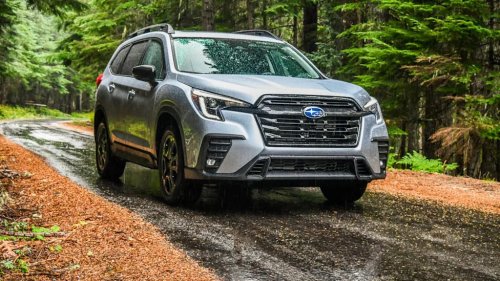
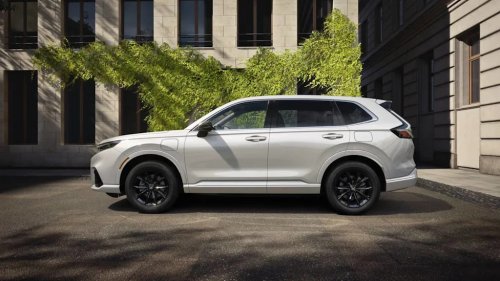
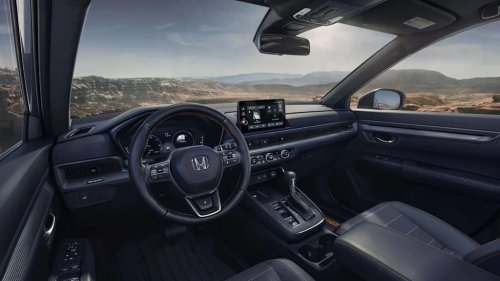
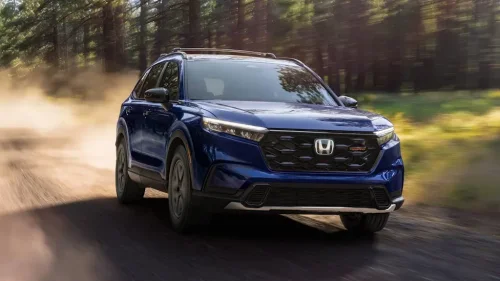
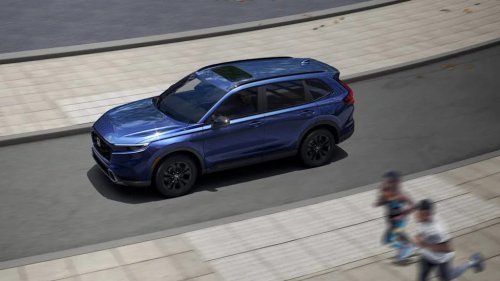
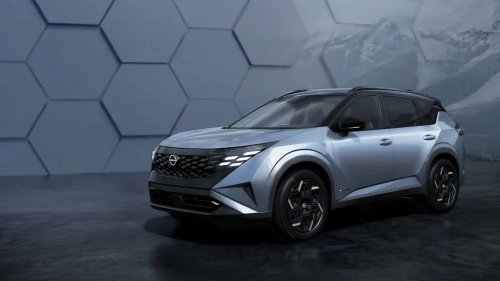
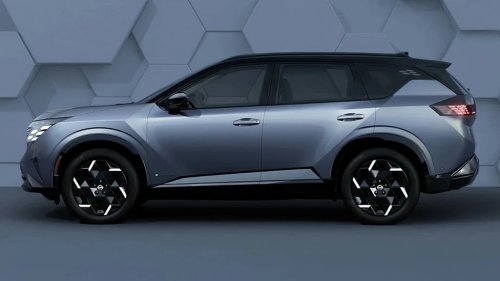
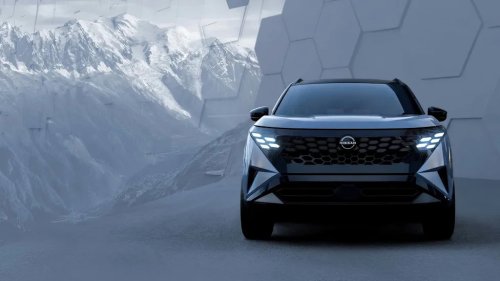
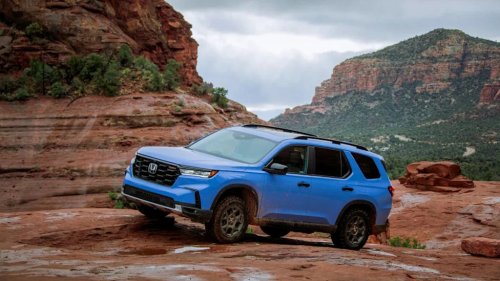
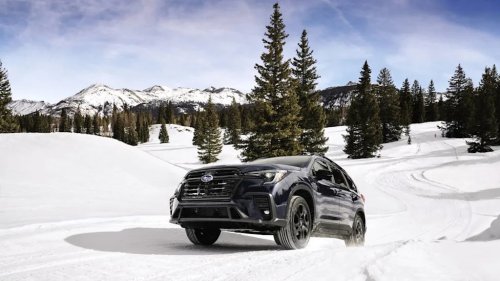
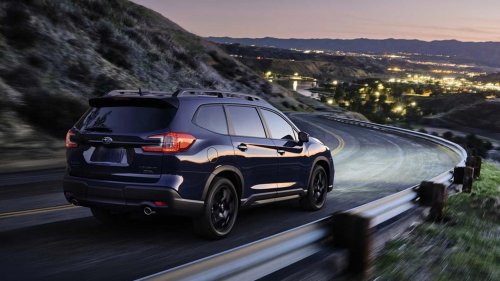
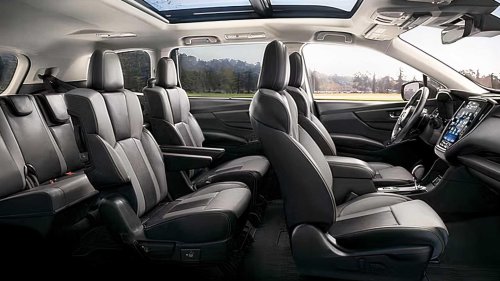
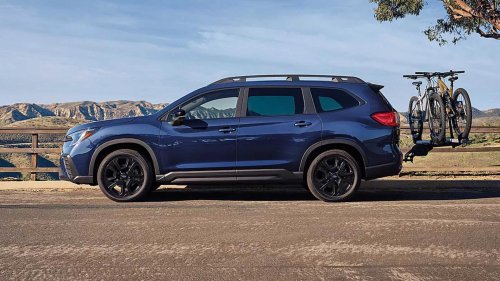
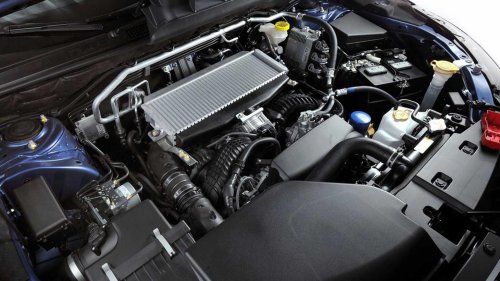
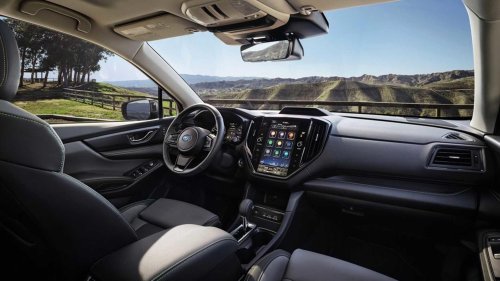
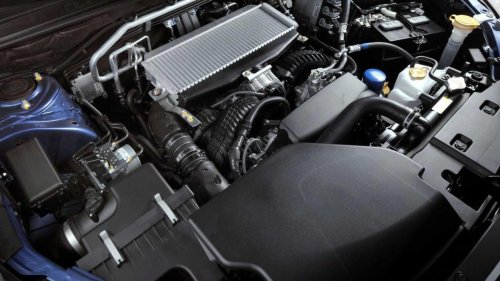
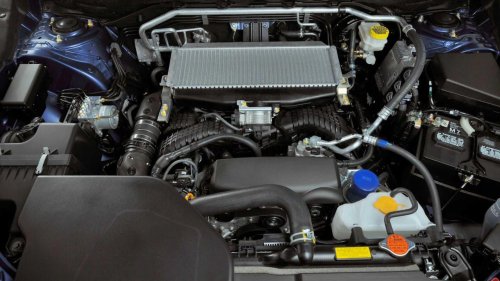
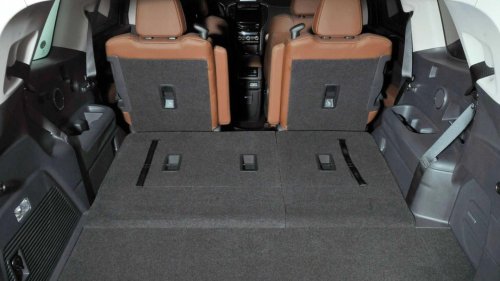
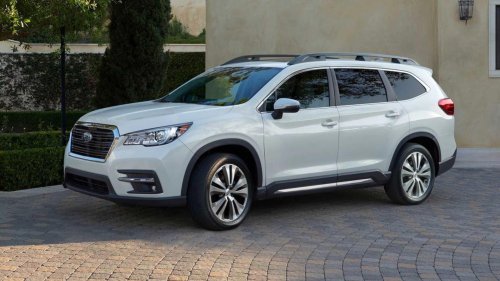
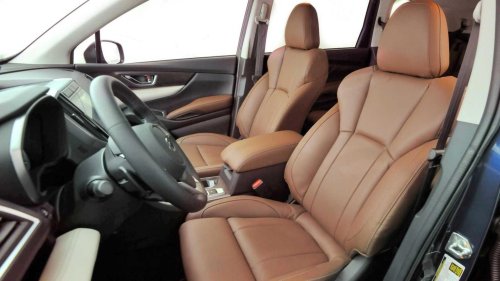
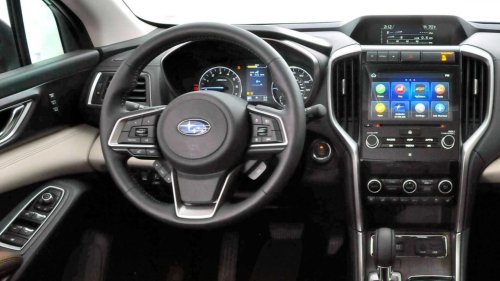
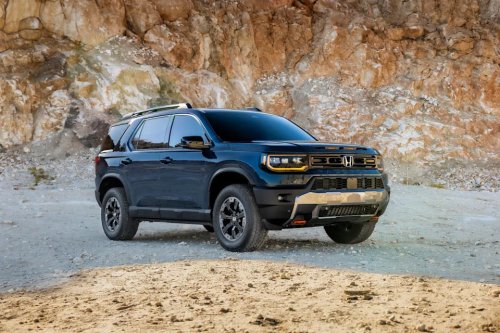
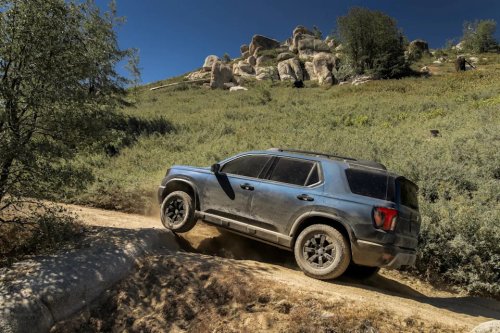
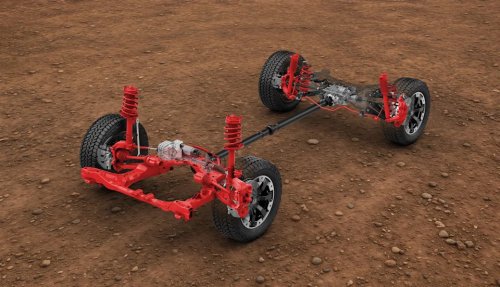
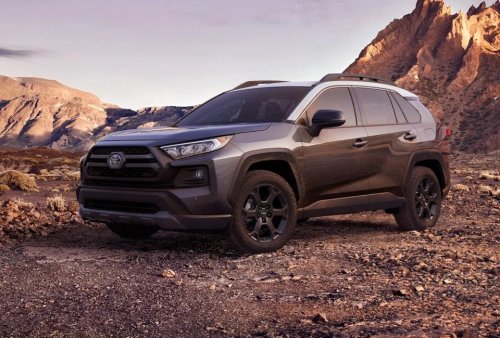
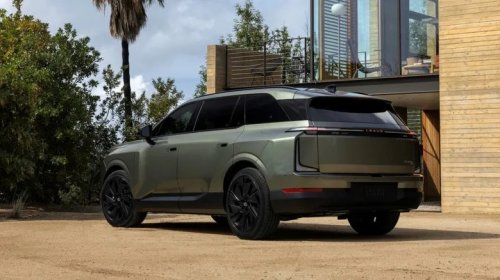
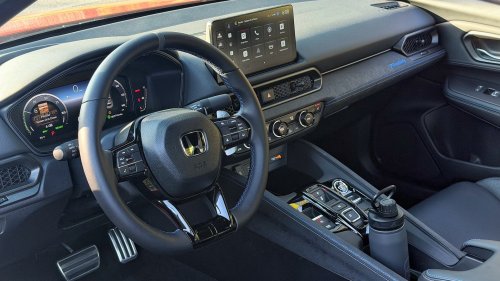
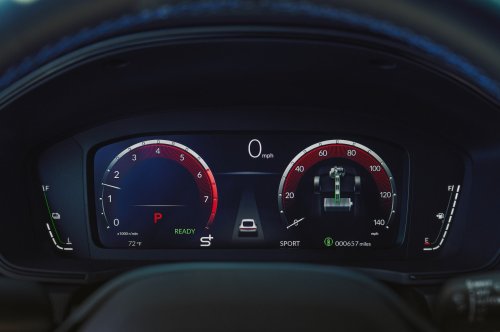
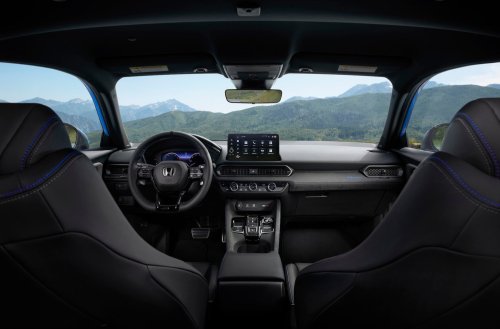
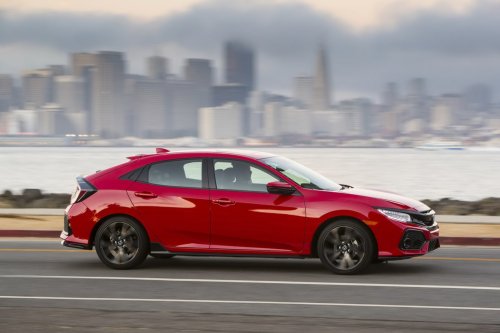
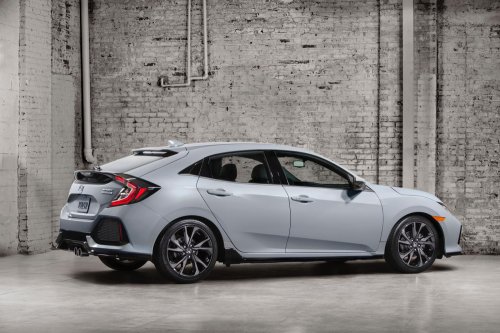
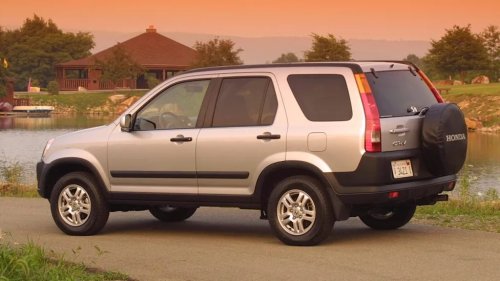
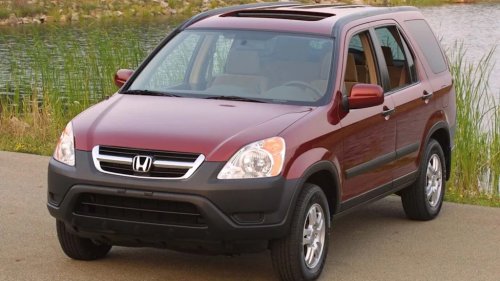
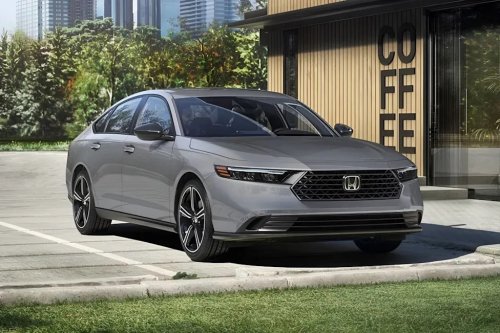
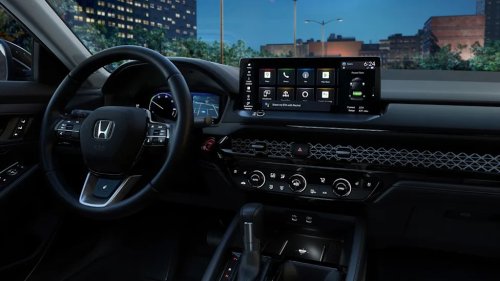
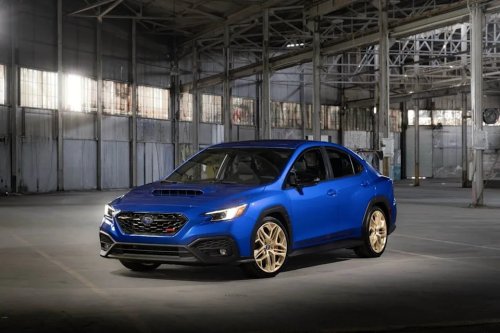
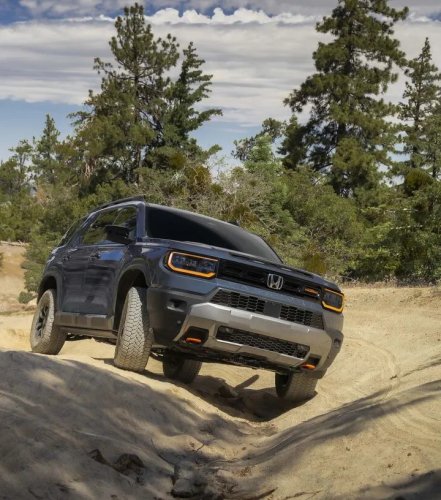
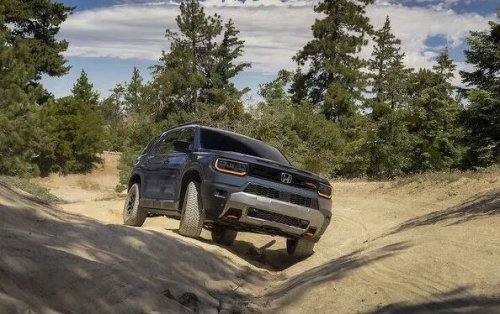
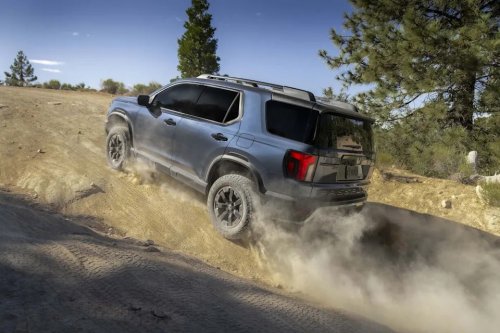
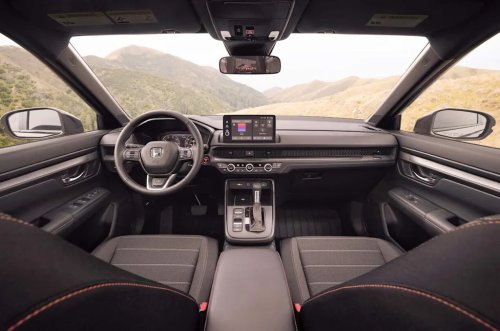
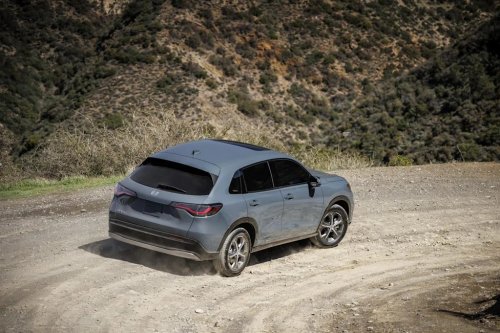
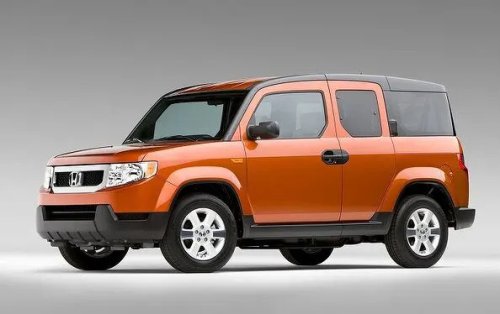
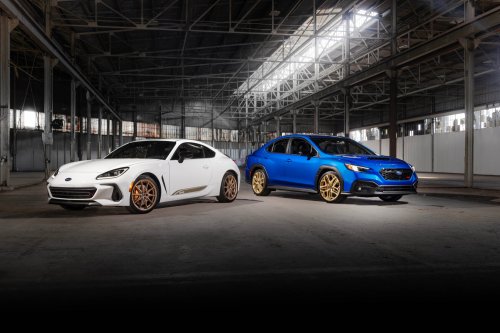
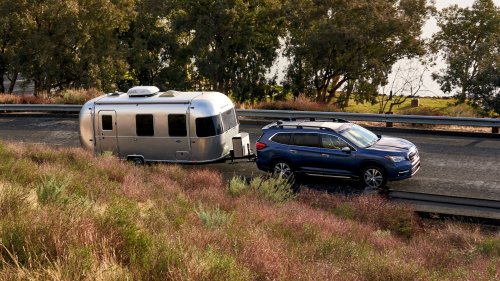
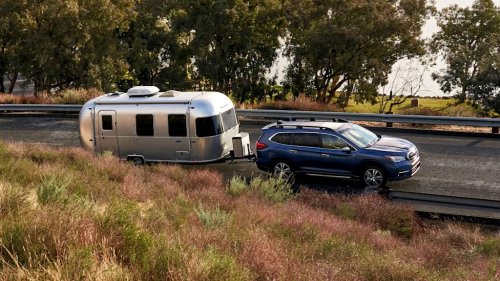
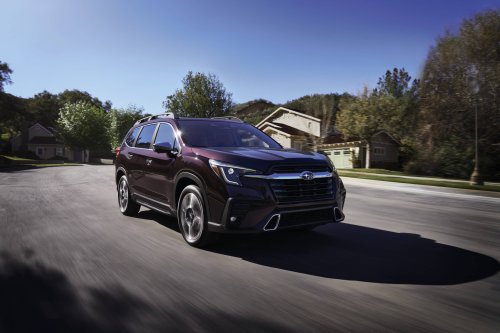
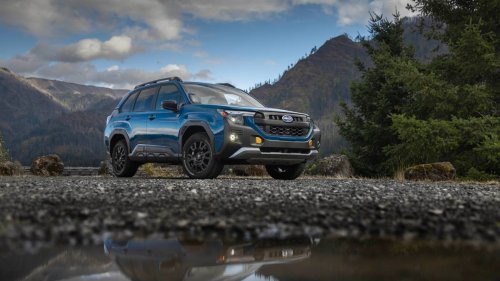
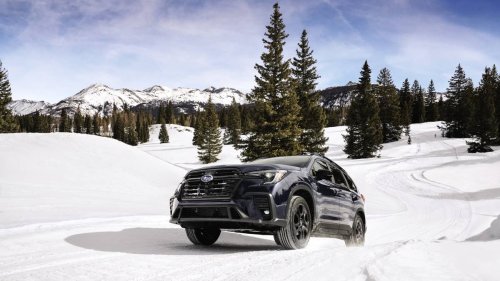
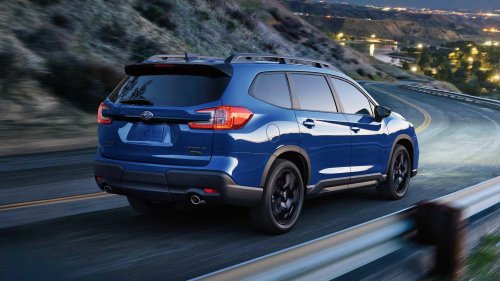
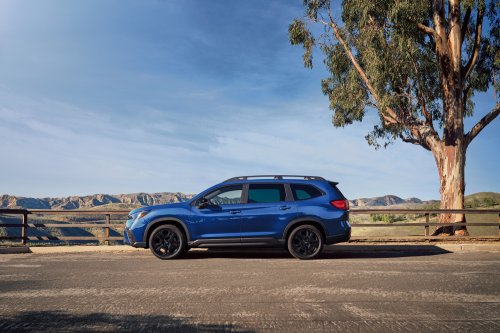
Autoblog and Yahoo may earn commission from links in this article.Subaru Ascent vs Honda CR-V: ComparisonThe American automotive landscape relies heavily on sport utility vehicles. Families across the nation depend on these versatile machines for everything from school runs to cross-country road trips. Two prominent players in this arena are the 2026 Subaru Ascent and the 2026 Honda CR-V. They operate in different size categories, but they frequently end up on the same shopping lists. The Subaru Ascent serves as a midsize three-row hauler. The Honda CR-V holds its title as a compact crossover champion. Both vehicles carry immense weight in their respective segments.In American car culture, Subaru has cultivated a fiercely loyal following. Buyers associate the brand with rugged reliability, winter weather supremacy, and outdoor adventure. The Ascent acts as the ultimate expression of this ethos for large families. Meanwhile, the Honda CR-V has spent decades building an untouchable reputation for dependability and efficiency. It is consistently one of the best-selling vehicles in the United States. While the Ascent targets those who need maximum seating and trail-ready capability, the CR-V focuses on the fundamentals of everyday family transport.Kristen BrownView the 2 images of this gallery on the original articleCurb Appeal and Footprints: Sizing Up the Exterior DesignsWhen comparing the physical footprint of these two vehicles, the size difference is immediately apparent. The Subaru Ascent measures nearly 197 inches long. This substantial length allows it to house three rows of seating. It also boasts an impressive 8.7 inches of ground clearance. That height gives it a distinct advantage over most rivals when tackling deep snow or muddy trails. The Honda CR-V is much more compact. It measures around 185-188 inches long, depending on the trim level. Its ground clearance ranges from 7.8 to 8.2 inches.AdvertisementAdvertisementVisually, the two SUVs take entirely different approaches. The Ascent looks purposeful and conservative. It strongly appeals to Japanese sensitivities that the brand actually wants to sell it in Japan. It features Subaru's signature hexagonal grille, thick lower body cladding, and an upright stance that promises utility. It prioritizes function over high fashion. The Honda CR-V adopts a cleaner and more athletic design language. The long wheelbase and wide stance give it a planted look. Up front, a gloss-black grille connects to sharp LED headlights. In the rear, the CR-V retains its iconic vertical taillights, which now have a highly modern, aggressive appearance.HondaView the 2 images of this gallery on the original articleInside the Cabin: Space, Features, and Family ComfortInterior space is the primary dividing line between these two family haulers. The Subaru Ascent is designed for maximum passenger capacity. It offers seating for up to eight people when equipped with the second-row bench. Buyers can also opt for second-row dual captain's chairs. While the first two rows are incredibly spacious, the third row can be cramped for adults. The Honda CR-V only seats five people, but it maximizes every inch of its cabin. Rear passengers enjoy a class-leading 41 inches of legroom. This makes it exceptionally accommodating for bulky child seats and tall adults alike.In terms of features, both vehicles deliver modern amenities, though they execute them differently. The 2026 Ascent highlights its cabin with a standard 11.6-inch vertical touchscreen. It runs Subaru's STARLINK software with wireless smartphone integration. The Ascent Premium trim includes water-resistant StarTex upholstery, making it perfect for muddy kids and pets. The 2026 CR-V interior emphasizes a clean layout. A honeycomb trim piece stretches elegantly across the dashboard to hide the air vents. Honda equips every CR-V with a new 9-inch touchscreen and wireless charging pad. Higher trims like the Sport Touring Hybrid add luxury touches, such as a Bose premium audio system.HondaView the 2 images of this gallery on the original articlePower and Efficiency: Powertrains and Fuel Economy Head-to-HeadUnder the hood, the Subaru Ascent relies on a single powertrain configuration. It utilizes a turbocharged 2.4-liter boxer four-cylinder engine. This setup produces a stout 260 horsepower and 277 pound-feet of torque. The engine pairs with a continuously variable transmission and Subaru's standard symmetrical all-wheel drive. The power is more than adequate for merging onto highways. It also grants the Ascent a robust 5,000-pound towing capacity. However, some drivers might find the throttle mapping a bit touchy at low speeds.AdvertisementAdvertisementThe Honda CR-V takes a multi-pronged approach to propulsion. Buyers can choose a 190-horsepower turbocharged 1.5-liter engine, a 204-horsepower hybrid setup, or an innovative hydrogen plug-in hybrid model. The CR-V favors smooth comfort over outright speed. When it comes to fuel economy, the Honda absolutely dominates the Subaru. The CR-V Hybrid achieves up to 40 miles per gallon in combined driving. The non-hybrid models still manage a respectable 30 miles per gallon combined. The heavy, all-wheel-drive Ascent only returns around 22 miles per gallon combined, and it lacks a fuel-saving hybrid option entirely.HondaView the 2 images of this gallery on the original articleThe Bottom Line: Pricing, Specs, and Overall ValuePricing structures for these two SUVs reflect their differences in size and capability. The 2026 Honda CR-V starts at an accessible $30,920 for the base LX trim. Fully loaded models like the Sport Touring Hybrid push past $42,000. The unique hydrogen fuel cell model rings in at an estimated $50,000. The 2026 Subaru Ascent demands a higher cost of entry. The Ascent lineup begins at $40,795 for the Premium trim. The range tops out at $51,995 for the fully loaded Onyx Edition Touring.Determining the overall value depends heavily on buyer priorities. The CR-V EX-L is widely considered the best value at $35,400. It includes leather seating and a larger digital gauge cluster without the hybrid price premium. The Ascent Premium trim offers incredible value for families needing three rows. For just under $41,000, it includes standard all-wheel drive, advanced safety systems, and a power liftgate.Feature2026 Subaru Ascent (Premium)2026 Honda CR-V (EX-L)Starting Price$40,795$35,400Engine Output260 horsepower190 horsepowerDrivetrainStandard AWDFWD or AWDCombined Fuel Economy22 MPG30 MPG (FWD)Seating CapacityUp to 8 passengers5 passengersMax Towing Capacity5,000 lbs1,500 lbsBasic Warranty3 years / 36,000 miles3 years / 36,000 milesWhich SUV Deserves Your Driveway?At the end of the day, choosing between the 2026 Subaru Ascent and the 2026 Honda CR-V requires a realistic assessment of your daily lifestyle. The Ascent is a purpose-built tool for larger families. It shines when hauling a boat to the lake, traversing snowy mountain passes, and fitting the entire neighborhood carpool. The standard all-wheel drive and high ground clearance give it true all-weather confidence. The major sacrifice is fuel efficiency, which trails far behind the segment leaders.AdvertisementAdvertisementThe Honda CR-V remains the benchmark for compact family transport. It lacks the third row and heavy towing capability of the Subaru, but it excels in almost every other metric. The hybrid options provide phenomenal fuel savings. The rear seat offers incredible legroom, and the ride quality feels highly refined. For a standard family of four, the CR-V simply makes the most financial and practical sense. It delivers a polished driving experience that makes daily commuting an absolute breeze.HondaView the 2 images of this gallery on the original articleThis story was originally published by Autoblog on Jun 18, 2026, where it first appeared in the Features section. Add Autoblog as a Preferred Source by clicking here.