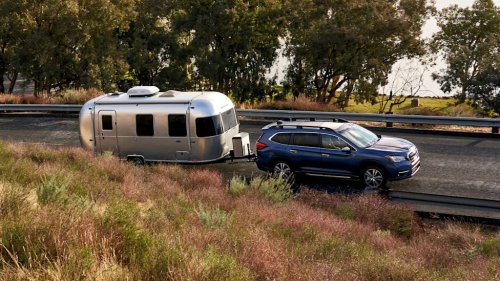
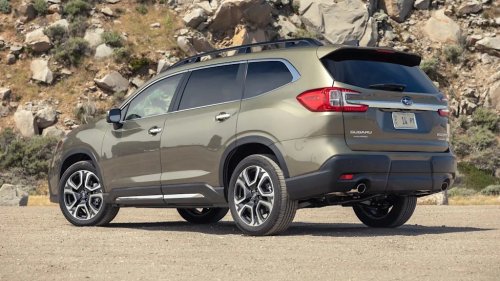
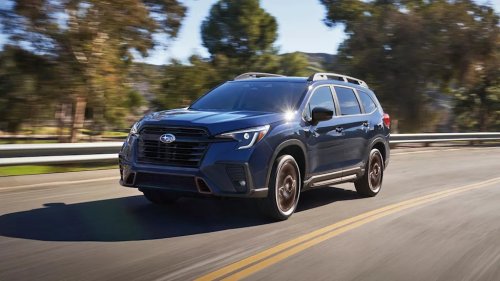
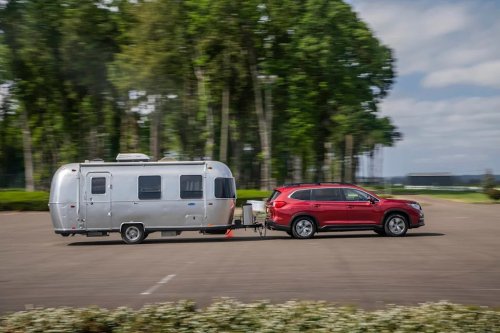
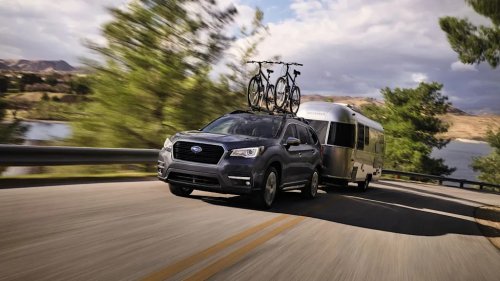
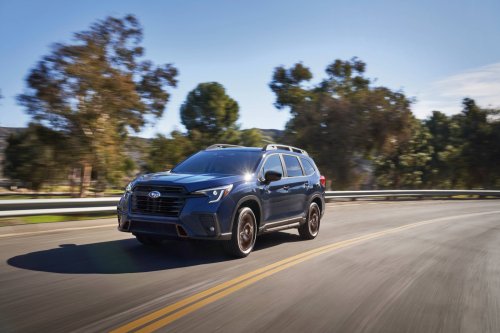
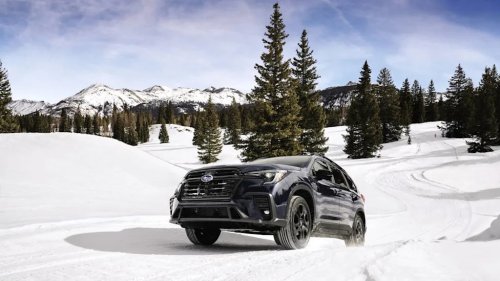
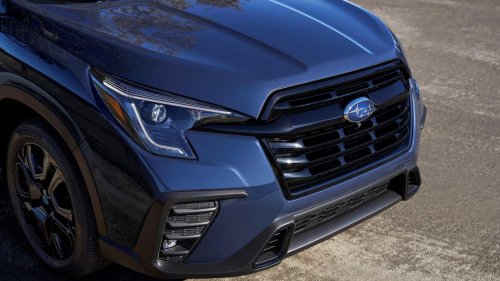
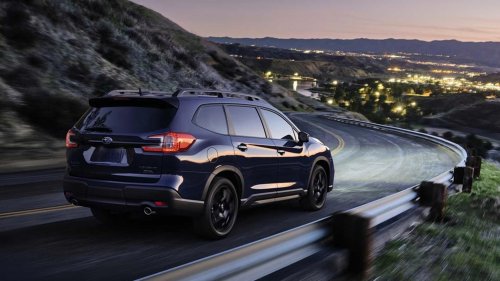
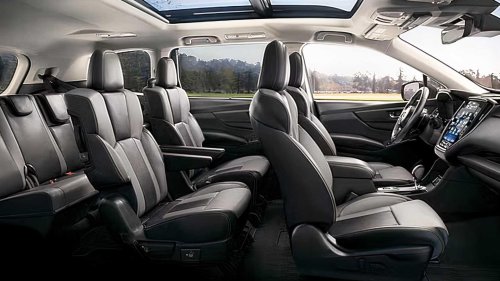
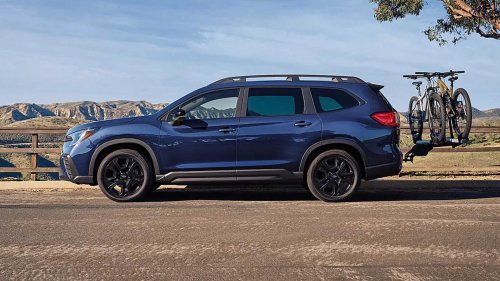
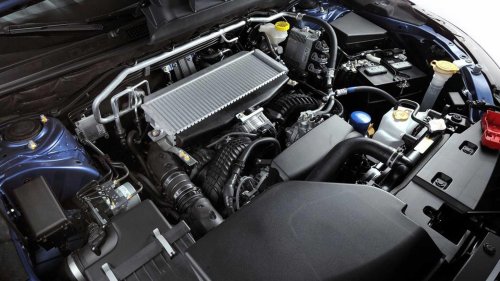
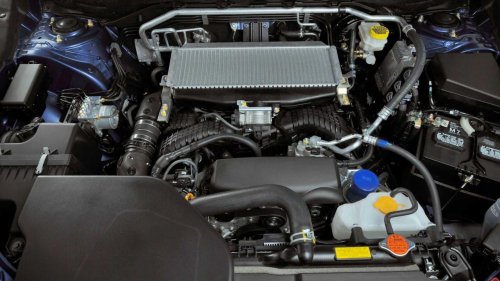
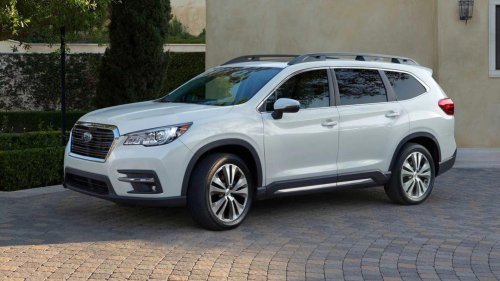
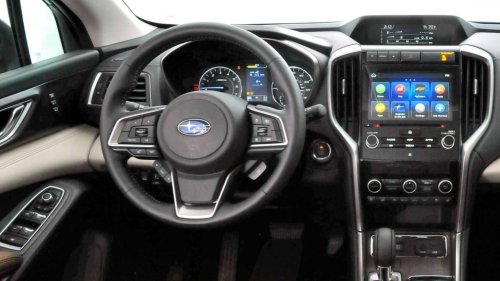
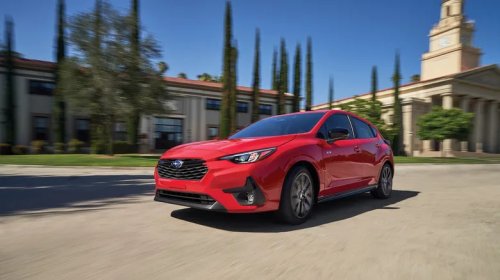
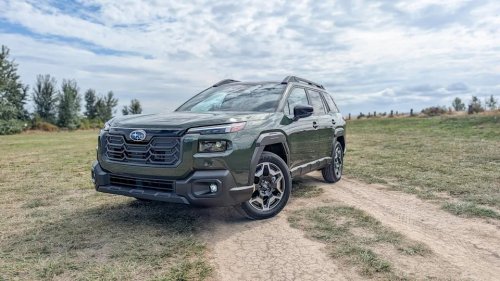
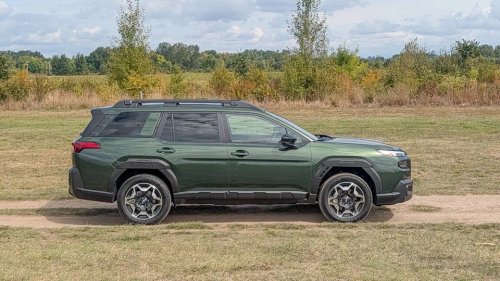
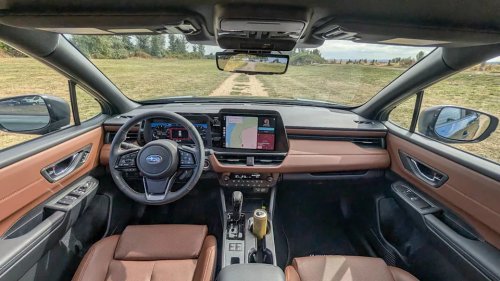
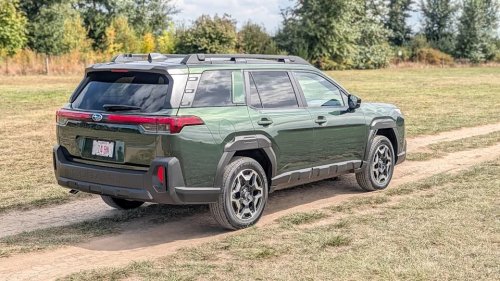
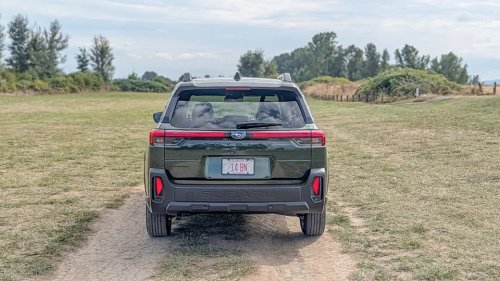
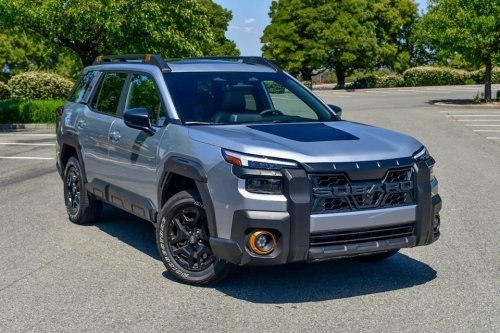
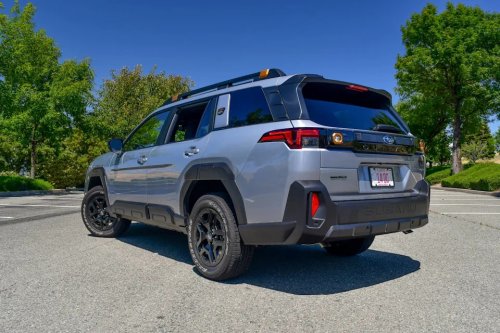
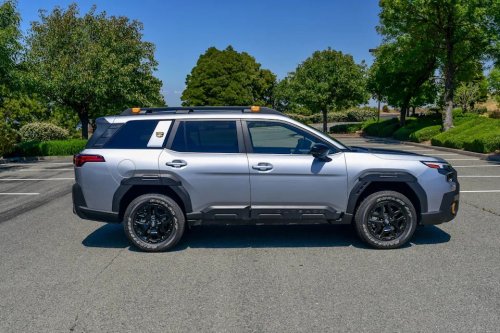
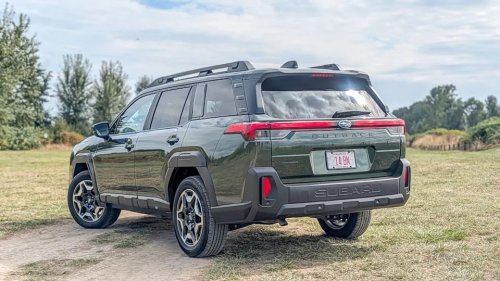
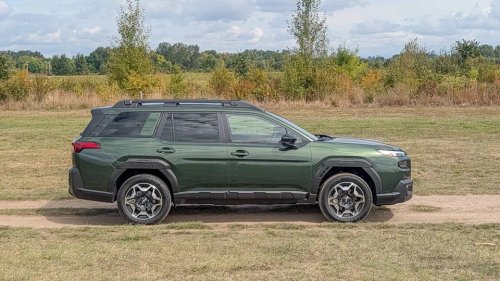
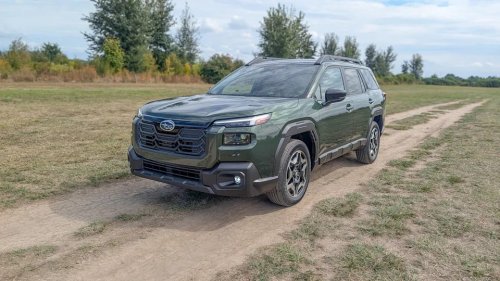
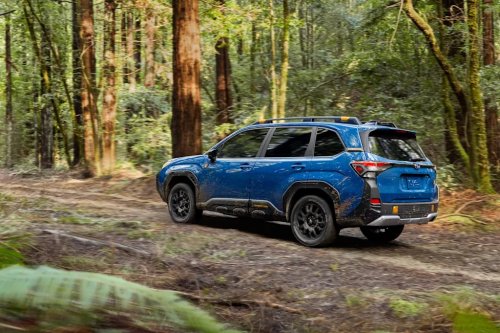
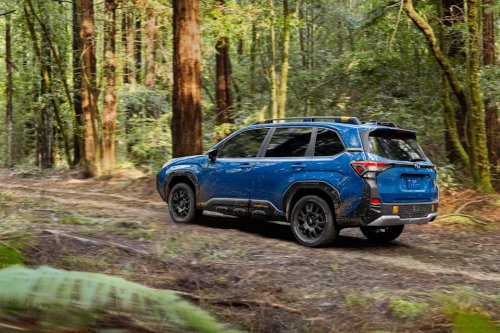
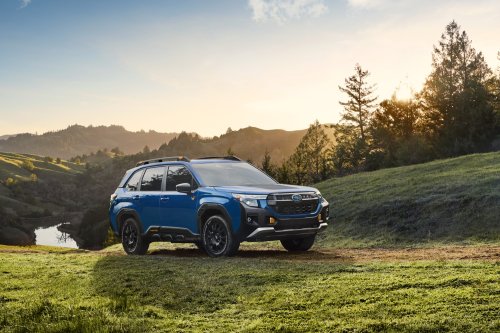
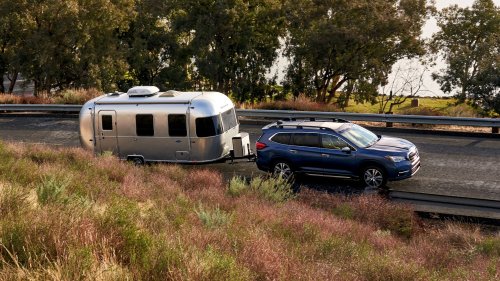
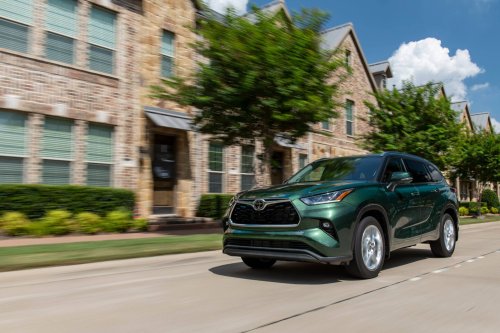
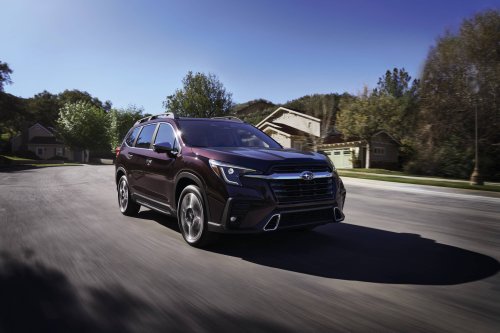
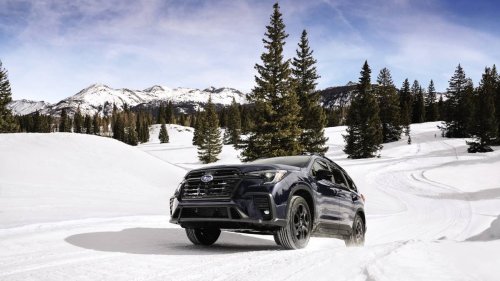
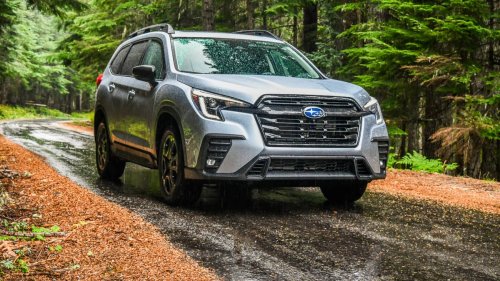
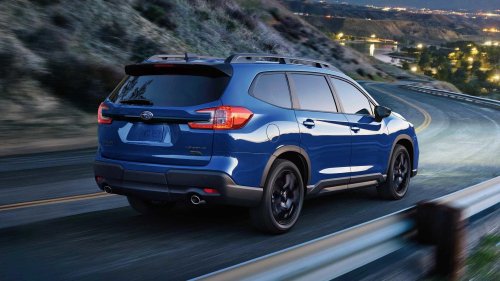
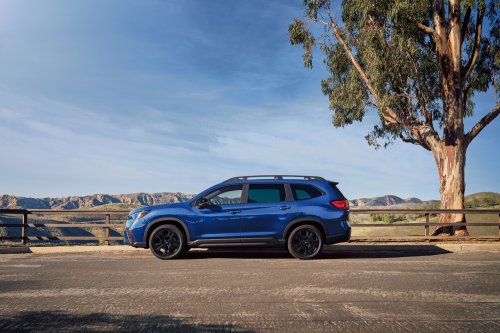
How Much Can You Tow With a Subaru Ascent?SubaruThe Ascent is Subaru's largest SUV, a three-row vehicle that competes with models such as the Toyota Highlander and Hyundai Palisade. It's a safety star with seating for seven or eight and the same unique Subaru charm that has made older stablemate SUVs like the Forester and Outback so popular. Among other things, the Ascent's longer wheelbase, extra bulk, stout turbocharged 2.4-liter engine, and standard all-wheel drive make it a pretty capable tow vehicle—but just how capable is it?How Much Can the Subaru Ascent Tow?Previously, the answer to that question was either 2,000 pounds or 5,000 pounds, depending on trim level. For the 2025 model year, the Ascent shed its Base model, positioning the Premium trim at the entry level, which means all Ascents now have the potential to tow the full 5,000.That could be enough to cover a small camper, a small boat, a couple of ATVs, motorcycles, jet skis, or snowmobiles, and covers a good cross-section of the equipment available at your local rental facility.MotorTrend - MotorTrendWhat Equipment Do I Need?Subaru is careful to specify that the Ascent's maximum towing capacity is attainable only with the proper equipment—namely, a Class III tow hitch with 2-inch receiver, and the appropriate four- or seven-pin plug wired in to your vehicle's electrical system to control the brake lights and turn signals of whatever you're pulling. All of the above can be obtained from a number of sources, but Subaru recommends scheduling installation of an official Subaru hitch before taking delivery at your dealer.AdvertisementAdvertisementWhichever solution you choose, every Subaru Ascent comes equipped with Subaru Trailer Stability Assist (TSA), a fully automatic feature of the Vehicle Dynamics Control stability system that adjusts braking and engine power to tame potentially dangerous trailer motions.SubaruKnow Before You TowA few important things to keep in mind when towing with your Subaru Ascent:GVWRYour gross vehicle weight rating, or GVWR, is the safe maximum total weight of a vehicle, including passengers, cargo, and trailer tongue weight (more about this below). An Ascent's GVWR is 6,000 pounds; since the SUV weighs around 4,500 pounds all by itself, depending on equipment, you're left with a safe margin of around 1,500 pounds of added weight. Weight is the name of the game in towing; having a good idea what kind of mass you're tugging around is where a safe tow begins, every time.Tongue WeightTongue weight is the amount of force pressing down on your hitch when your trailer is attached. Too little can make a trailer squirrely; too much can throw steering and braking out of whack. Traditional wisdom dictates that your tongue weight should be between 10 and 15 percent of your total towing weight (trailer plus load). Subaru advises that an Ascent with a Class III hitch has a safe maximum tongue weight of 500 pounds—10 percent of its towing capacity, in other words. Don't forget to factor it into your GVWR before you start your journey.MotorTrend - MotorTrendTrailer LoadingKnowing the weight of your cargo is only one part of towing safely; just as important can be the way in which that weight is distributed. Generally speaking, a safe approach is to follow the 60/40 rule—60 percent of the load's weight in front of the trailer's axle(s) and 40 percent behind it. If a load's weight is concentrated too far back, your trailer can sway or pull your Ascent around on the road; if it's too far forward, you'll quickly surpass your safe maximum tongue weight.BrakingTowing a load can change the braking characteristics of your Ascent in ways you may not anticipate. A loaded tow vehicle may be slower to react, and its brakes can quickly overheat and become unpredictable if not used properly. Keep your eyes up, plan ahead, brake gradually, avoid riding the brakes, and use lower "gears" via the shift paddles (allowing the CVT to imitate a regular automatic transmission) to slow the vehicle or control its speed, especially on downhill grades.MotorTrend - MotorTrendTire PressureOften overlooked but always vitally important is proper tire pressure. Over- or underinflated tires can lose needed traction more easily, overheat faster, go flat more readily, reduce handling ability, and ride poorly. In general, you'll be fine setting your Ascent's tires to the maximum cold pressure, which is listed on a sticker in the driver's doorjamb. This number varies with wheel size and curb weight, so be sure to check it carefully. The same goes for your trailer tires. Their maximum cold PSI is found on the tire sidewall.Fuel EconomyLast but certainly not least, as it does with any vehicle, towing with the Ascent will negatively impact its fuel economy, and as anybody who's ever tugged a trailer can tell you, gassing up with a load in tow can be a hassle. Be ready, plan ahead, and take all of the above into account. A loaded trailer magnifies every issue your vehicle may have, and you'll be surprised by the compound effect even the most minor aspects of towing can have on your mileage.SubaruAdvertisementAdvertisement