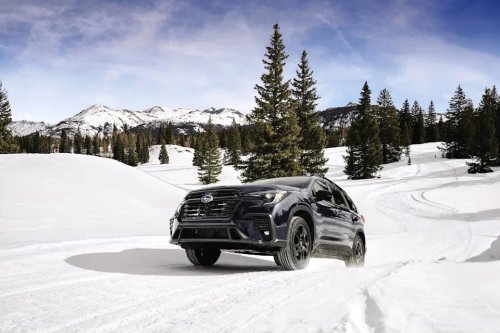
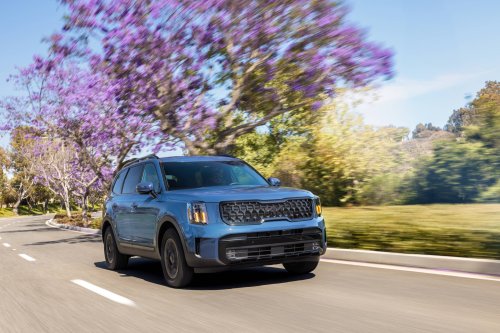
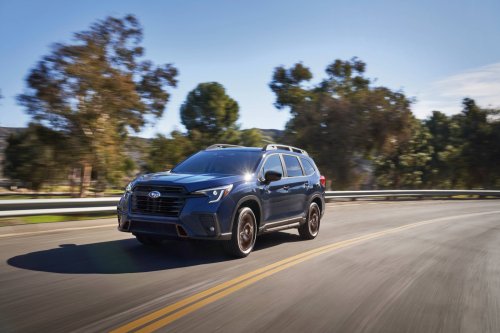
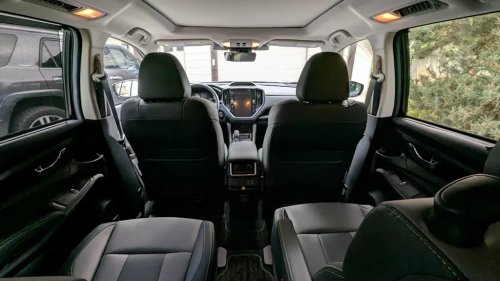
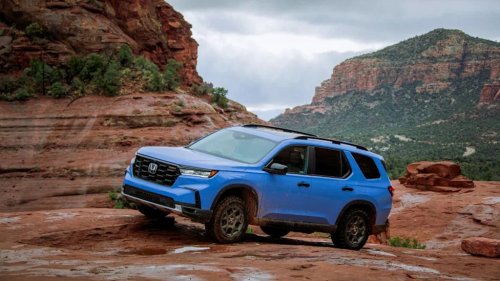
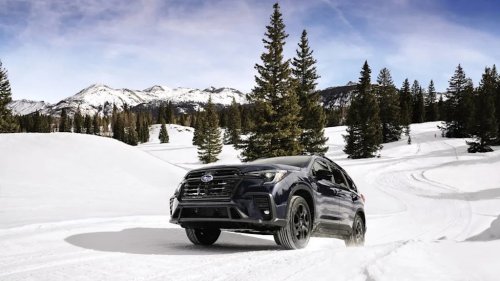
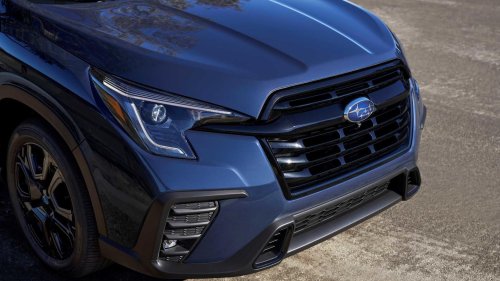
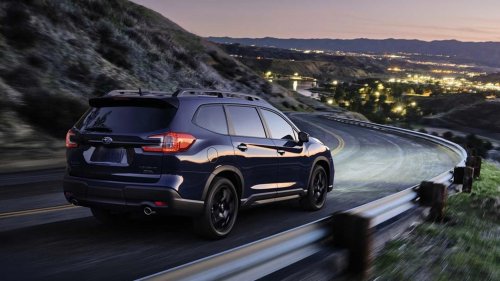
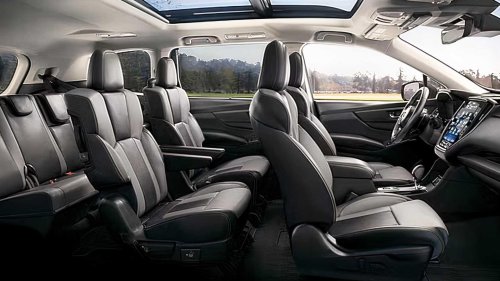
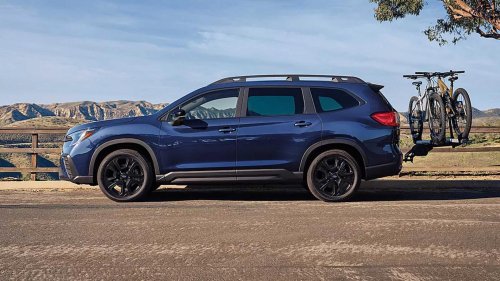
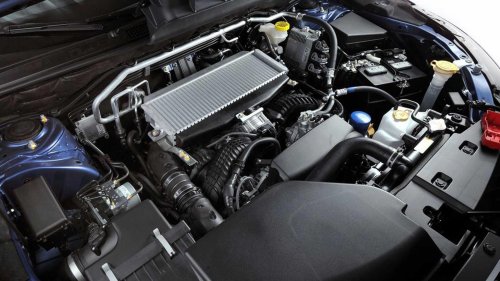
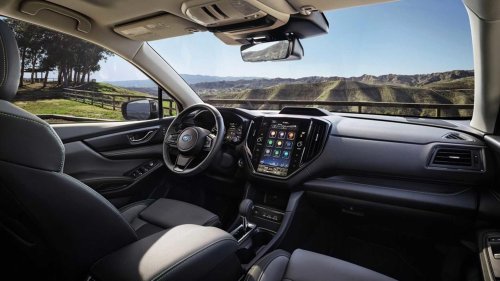
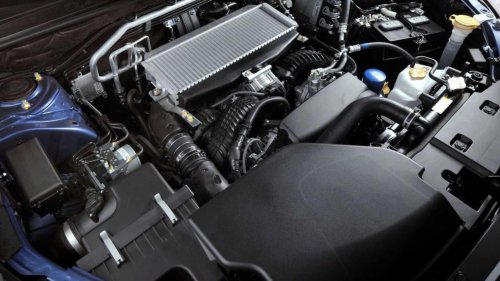
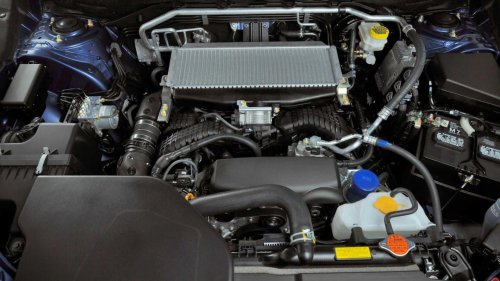
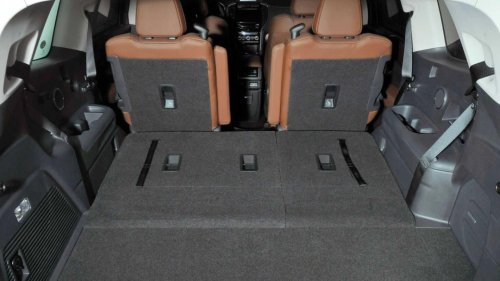
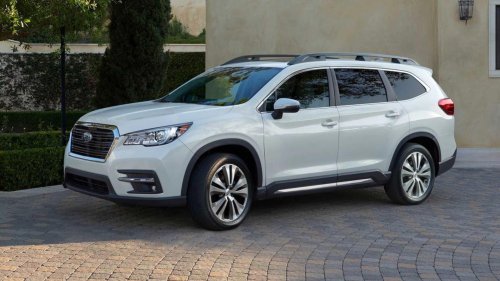
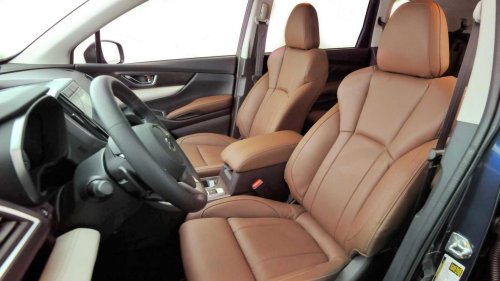
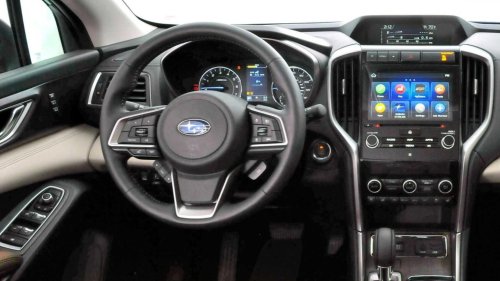
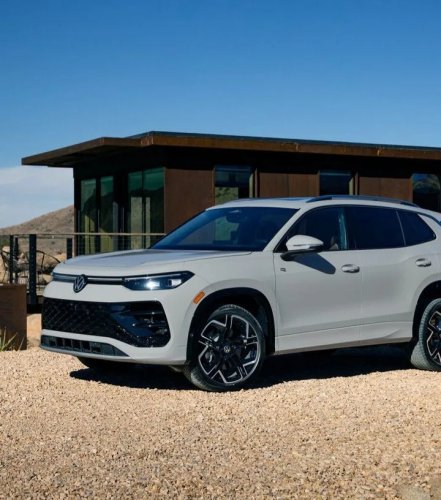
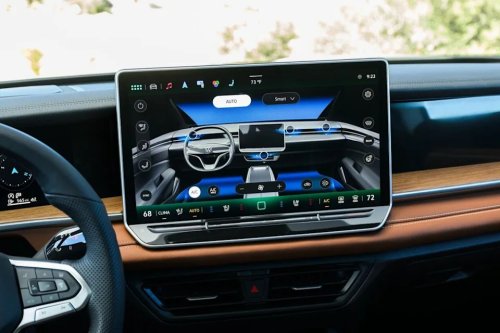
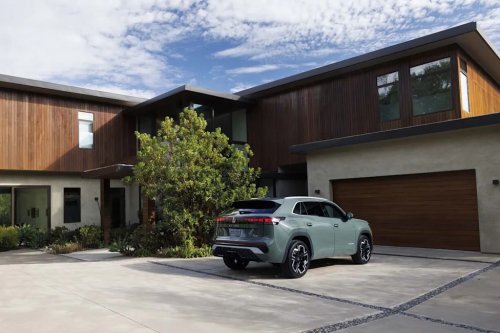
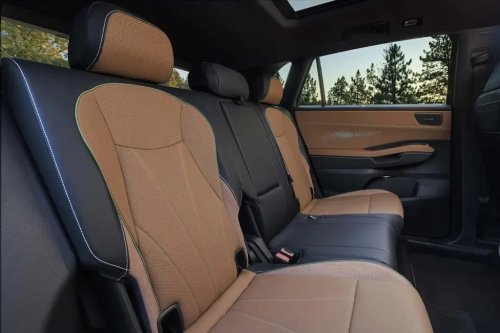
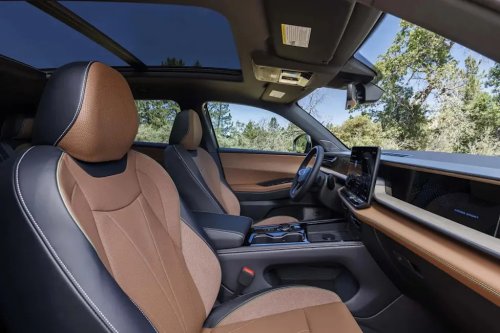
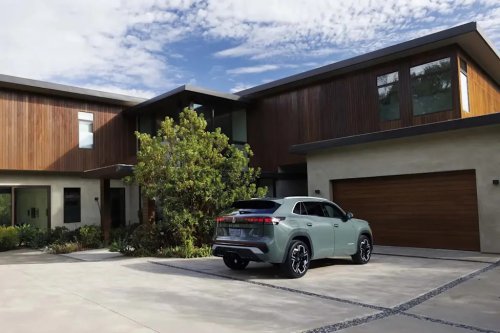
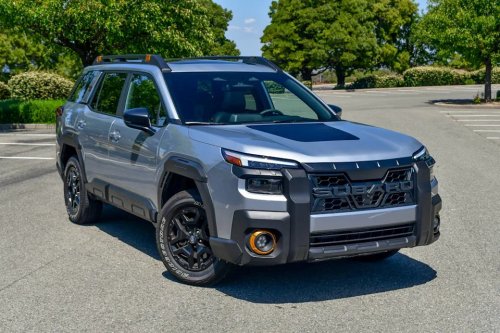
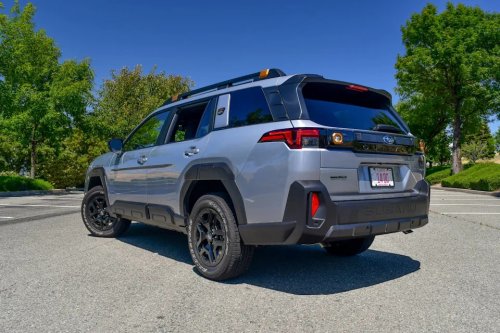
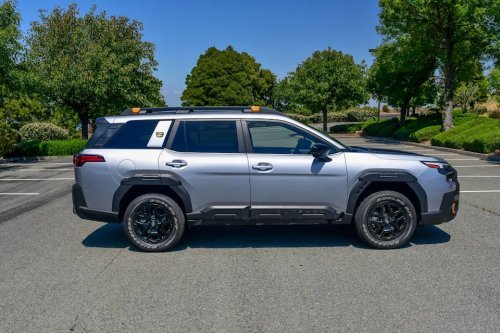
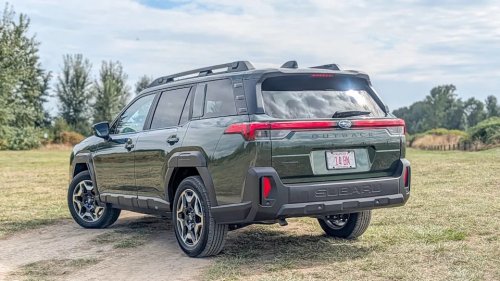
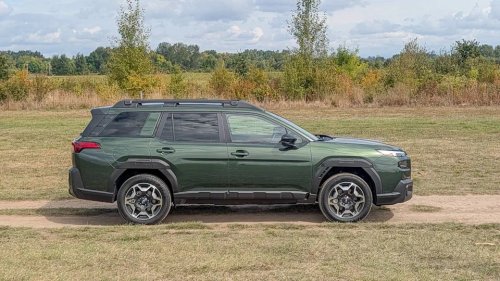
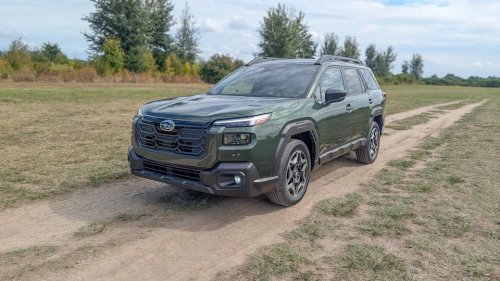
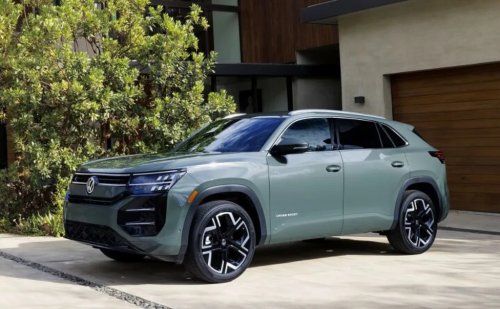
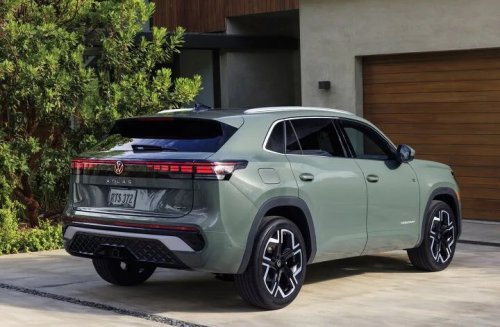
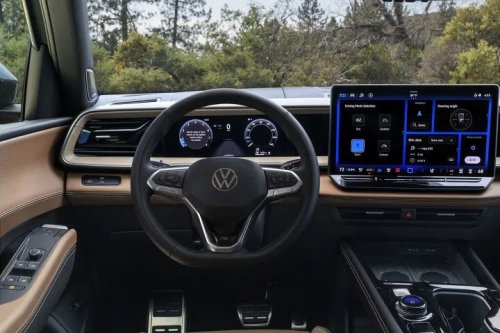
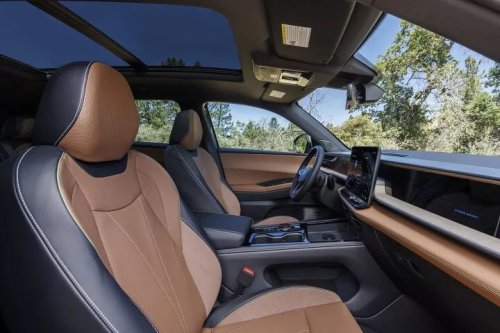
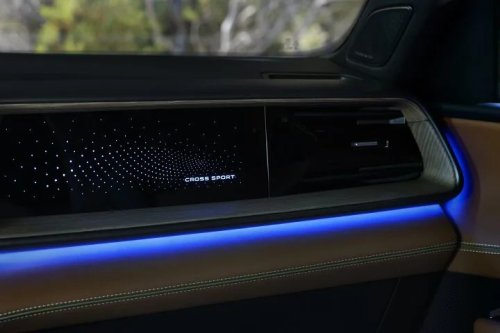
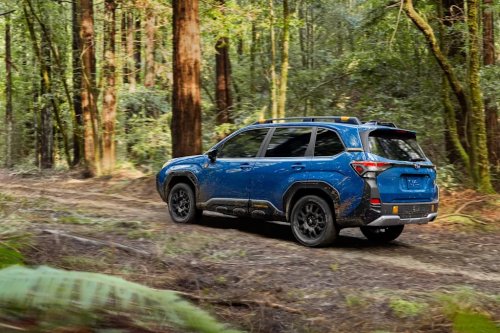
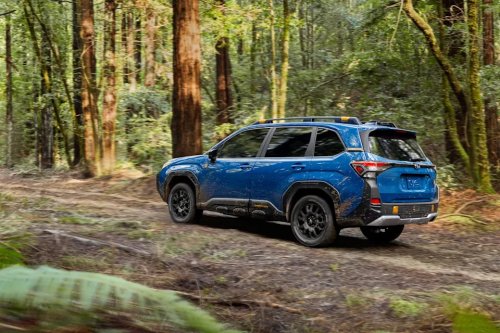
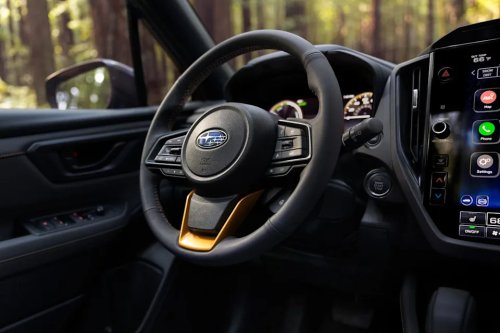
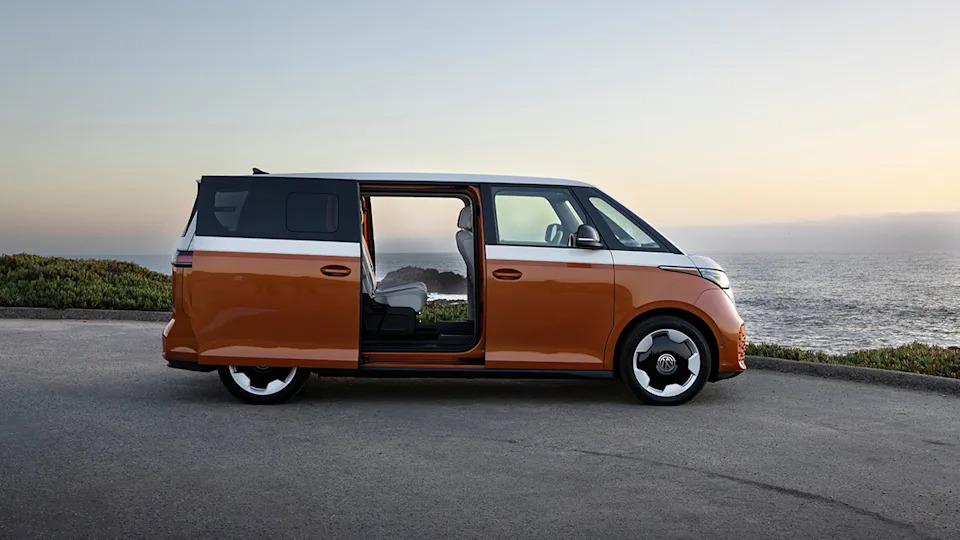
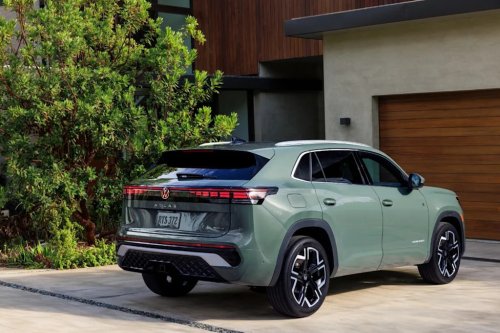
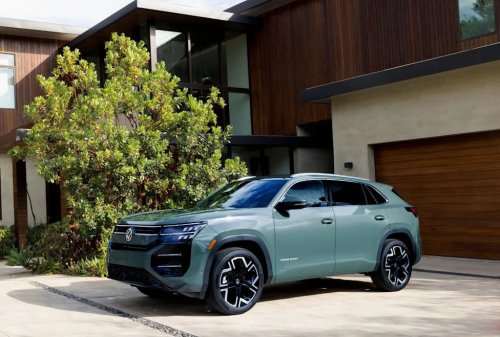
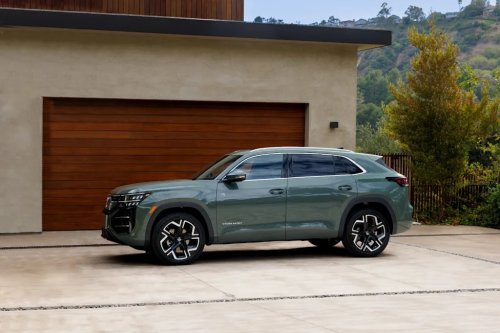
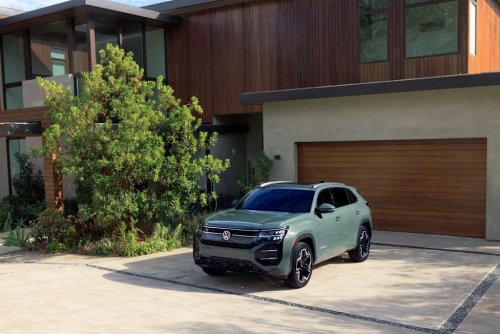
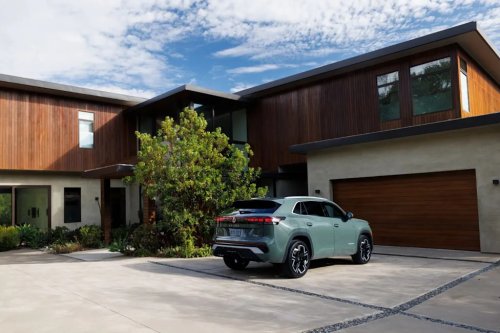
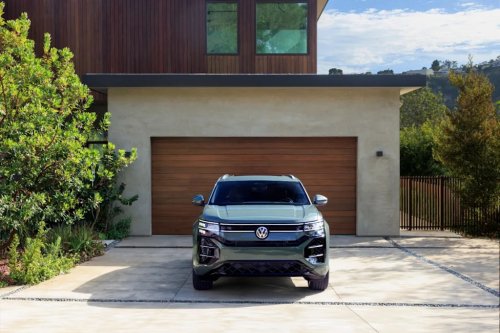
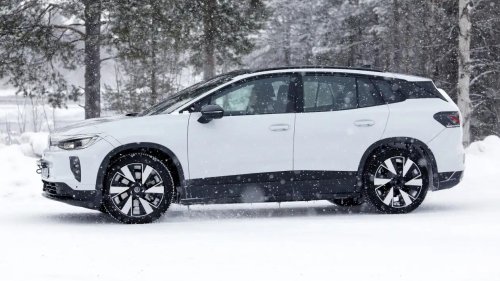
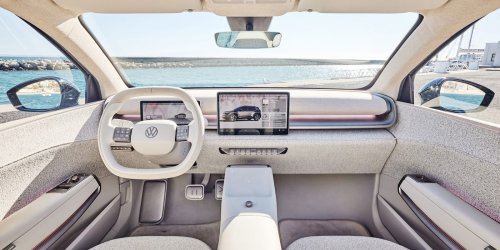
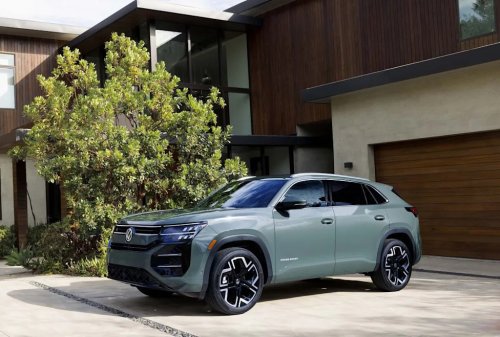
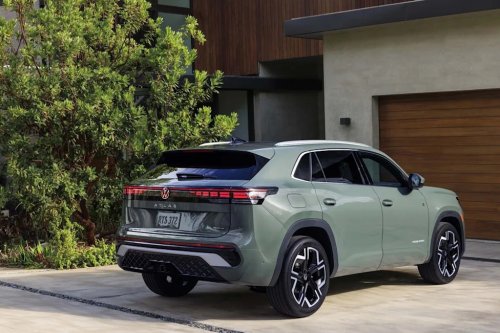
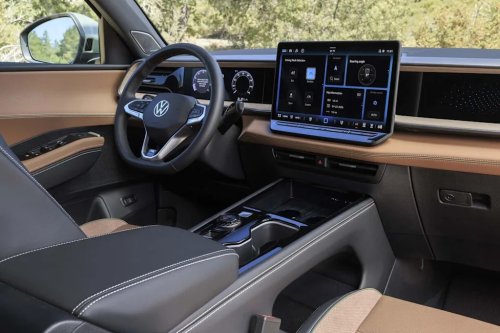
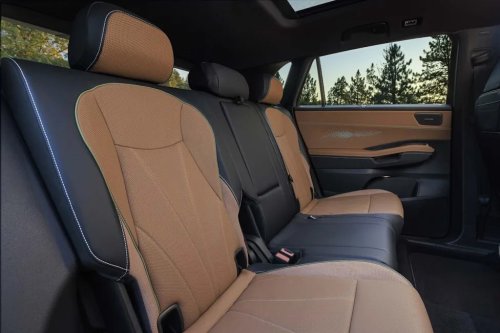
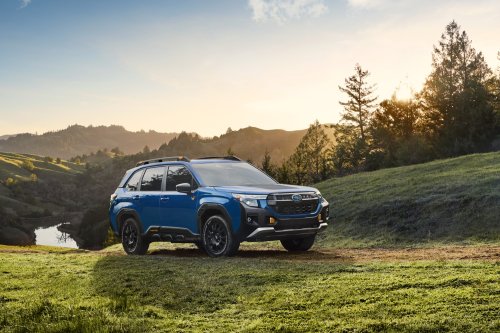
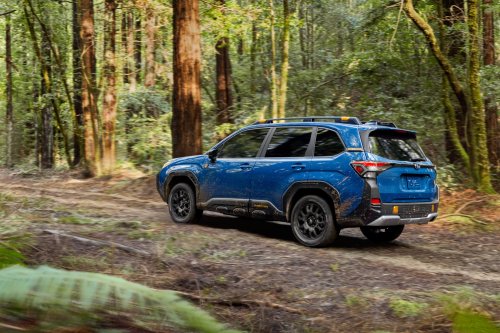
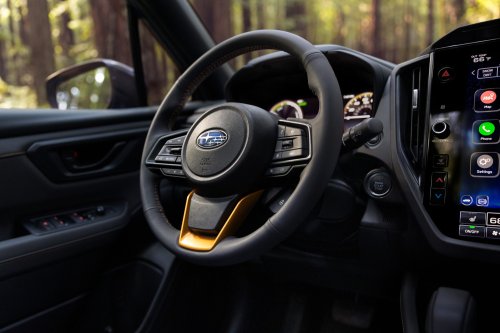
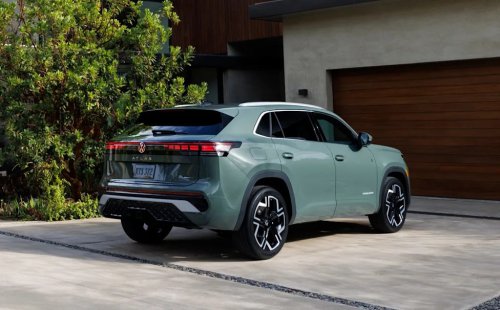
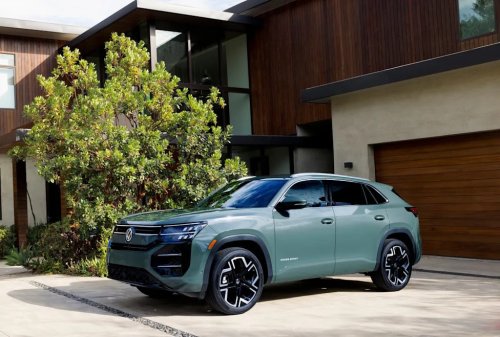
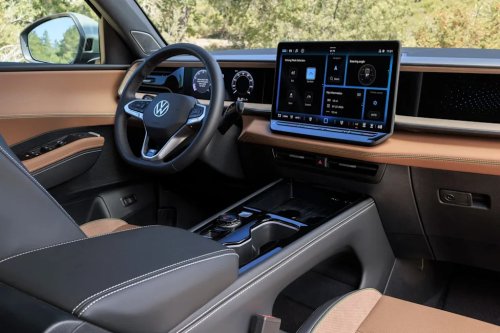
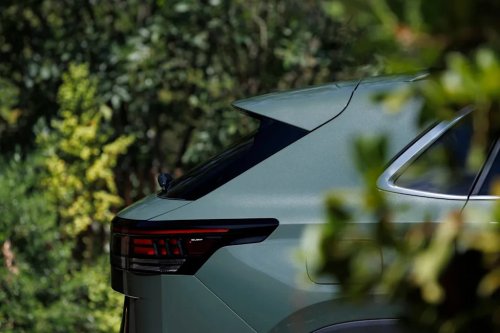
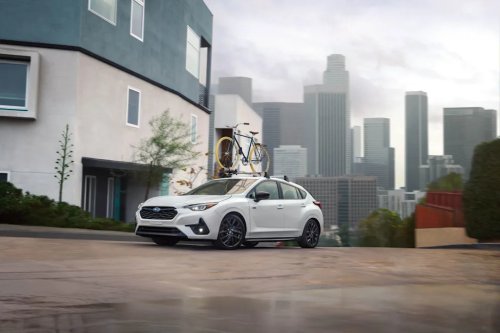
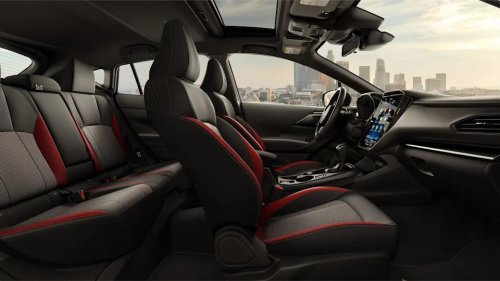
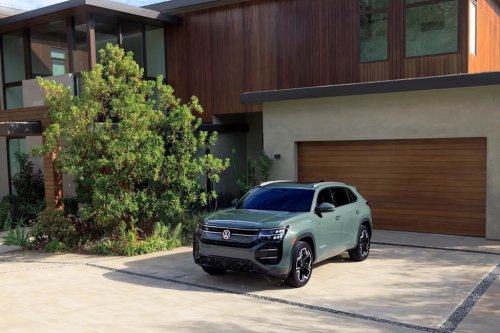
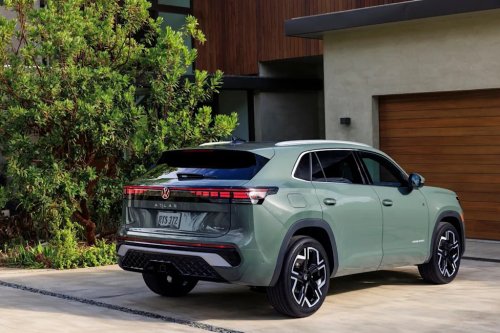
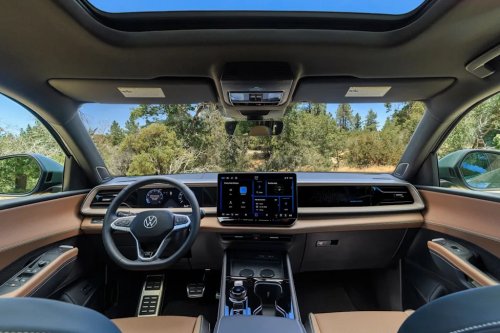
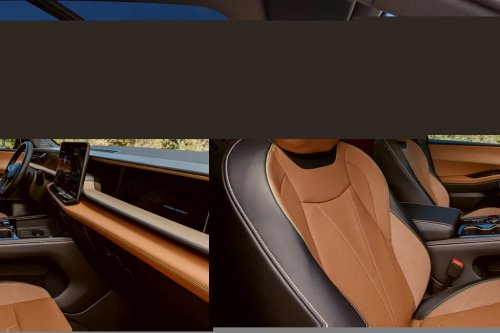
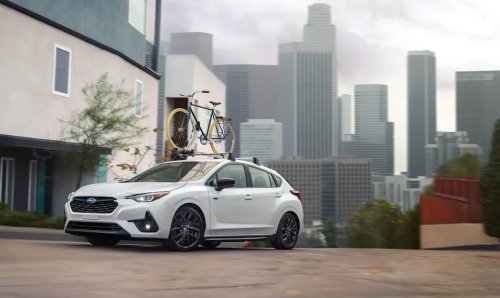
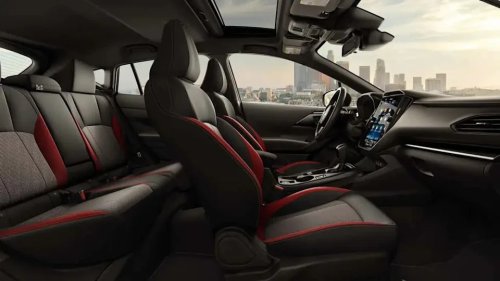
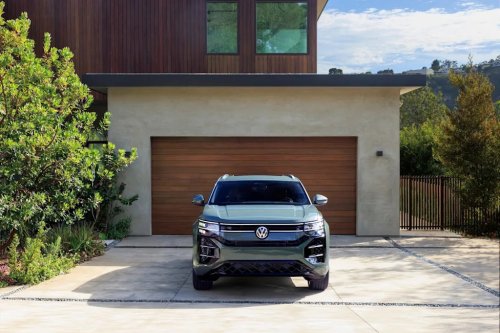
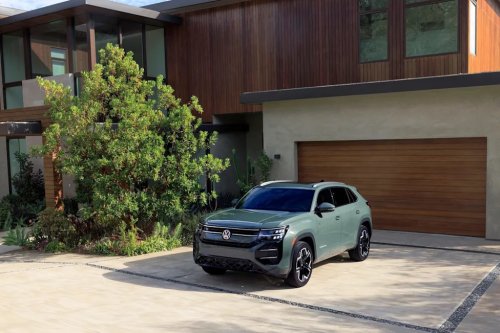
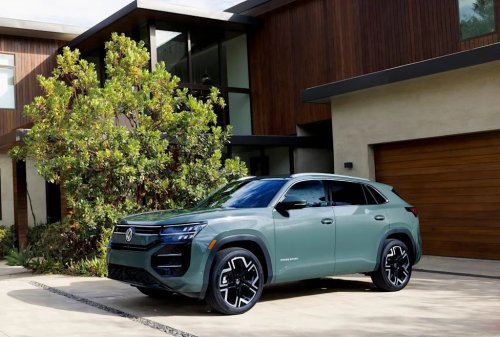
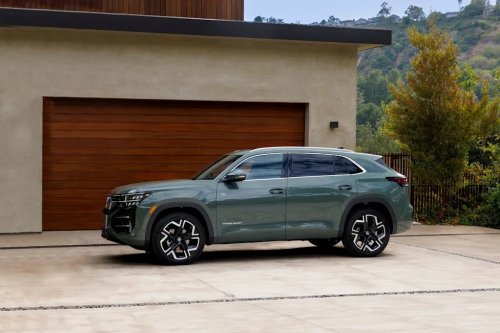
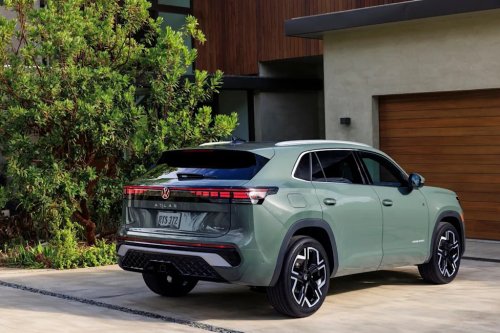
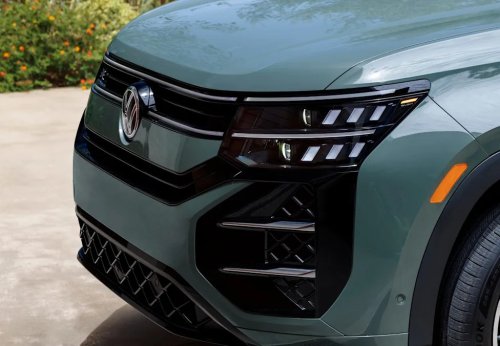
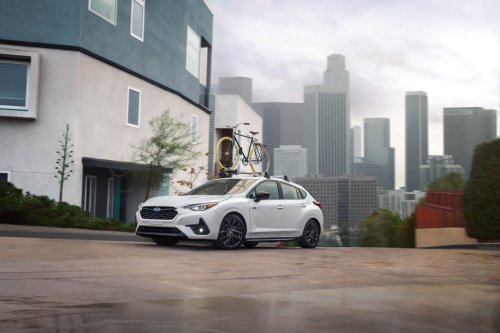
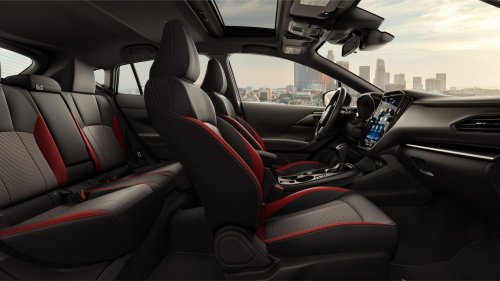
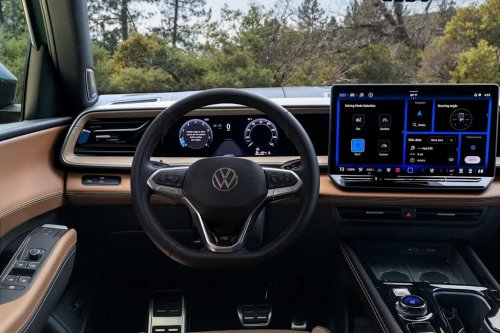
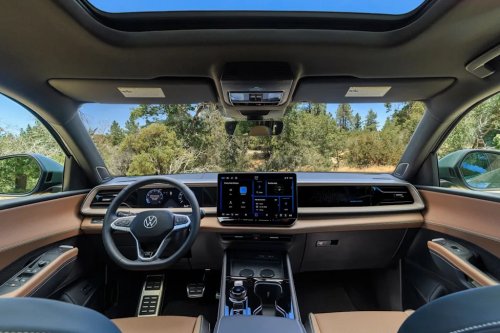
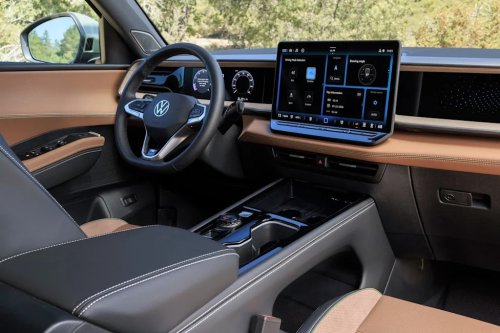
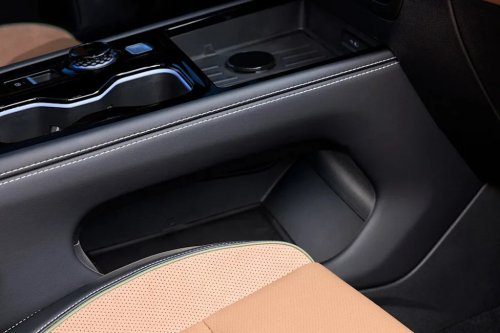
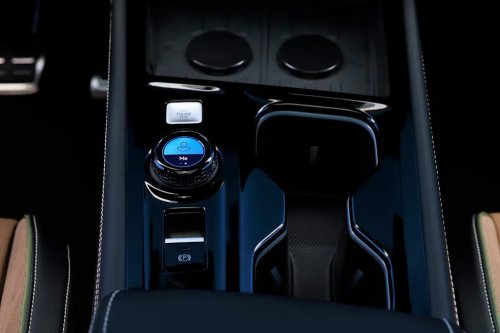
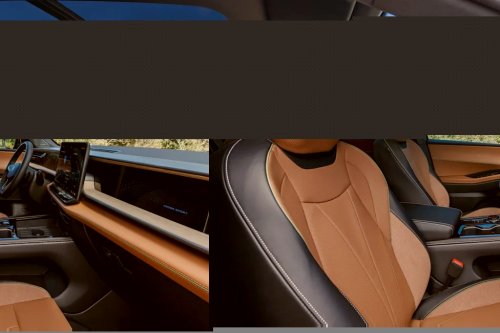
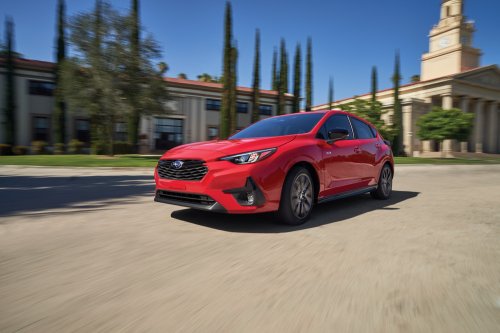
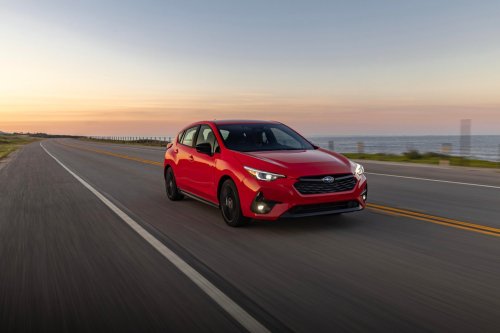
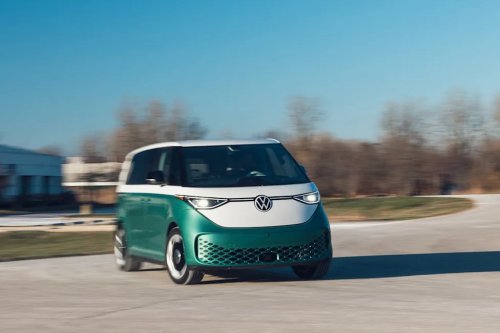
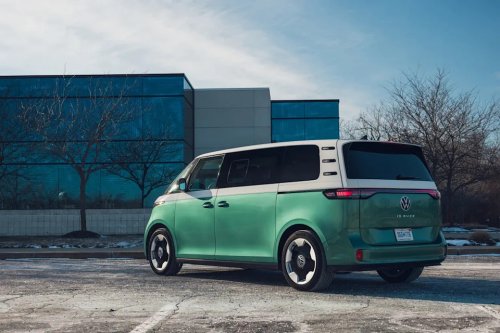
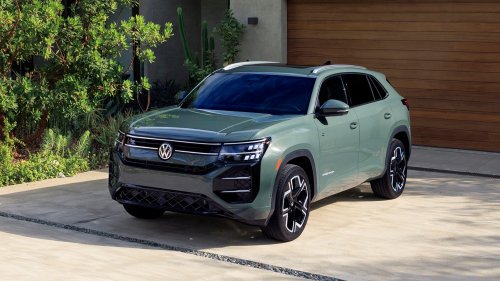
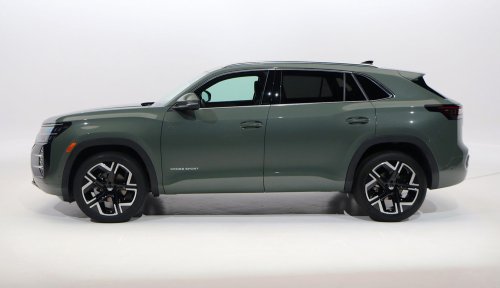
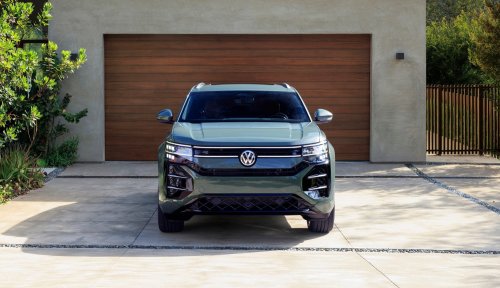
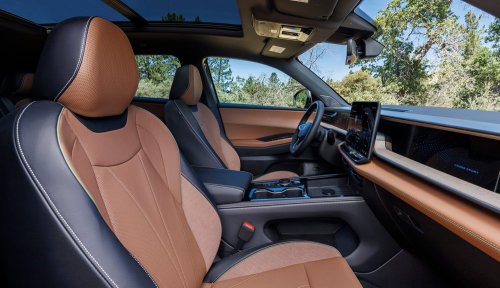
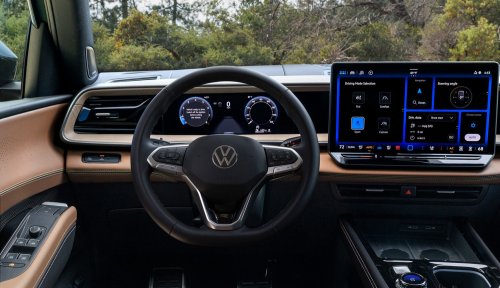
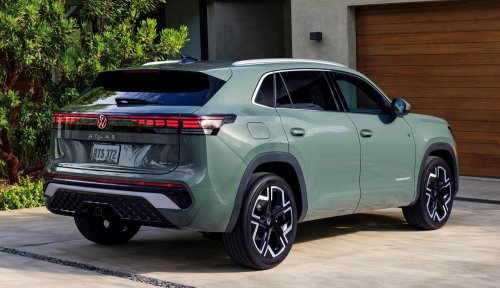
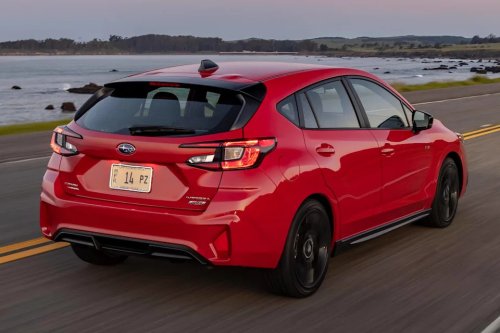
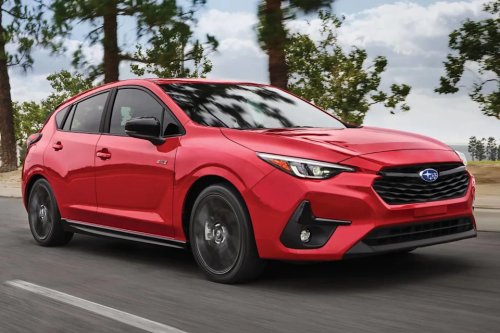
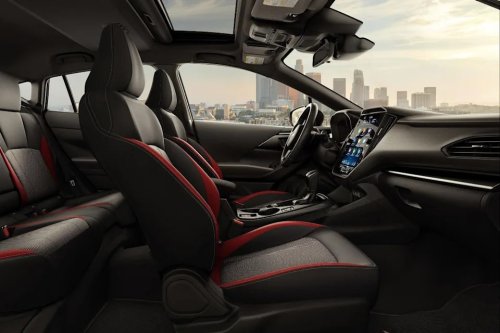
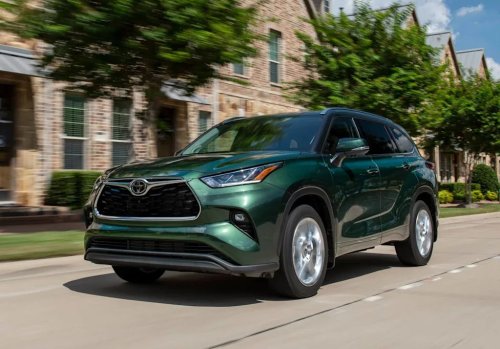
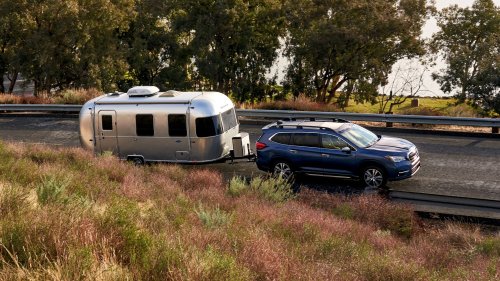
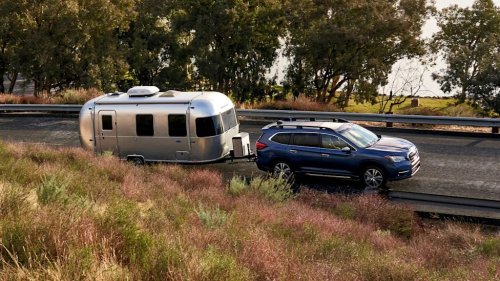
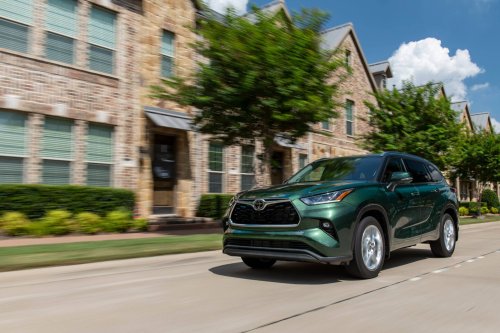
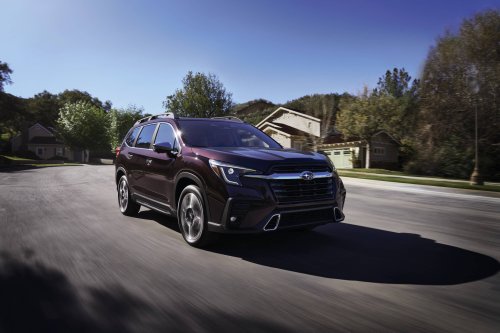
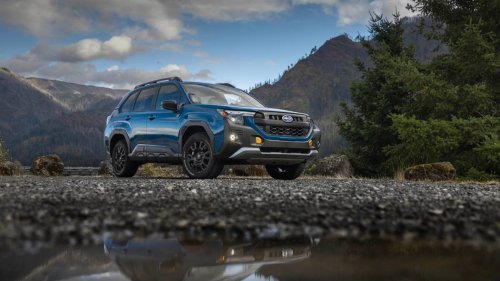
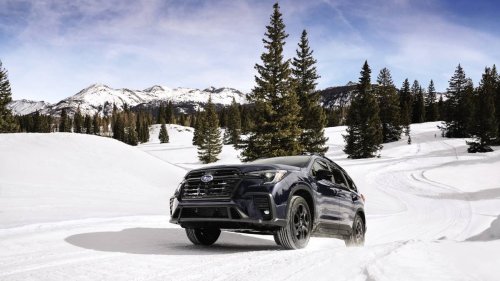
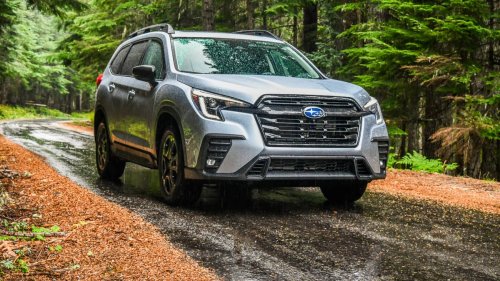
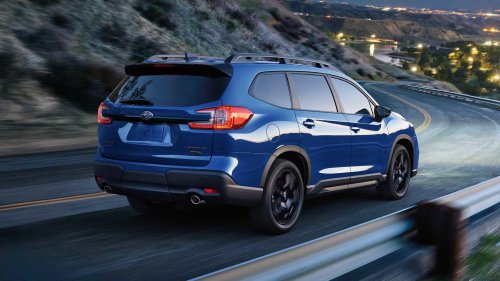
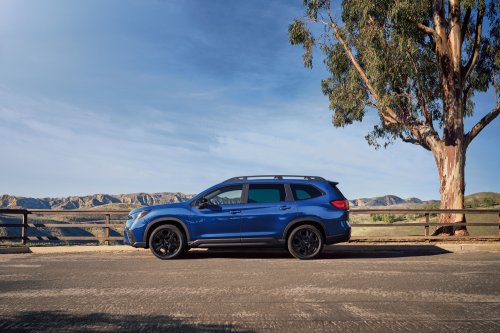
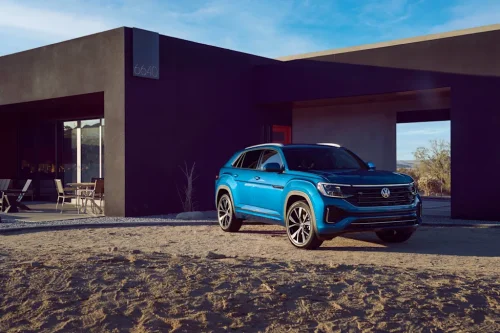
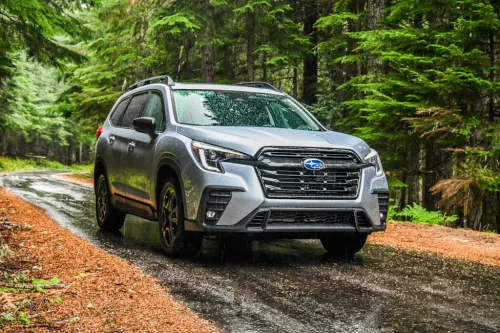
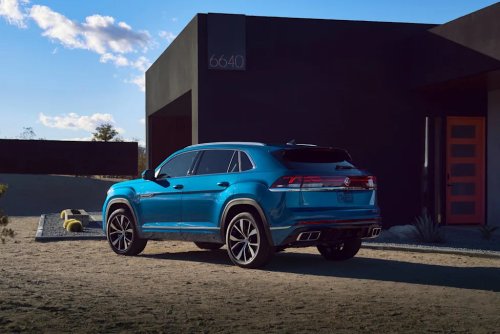
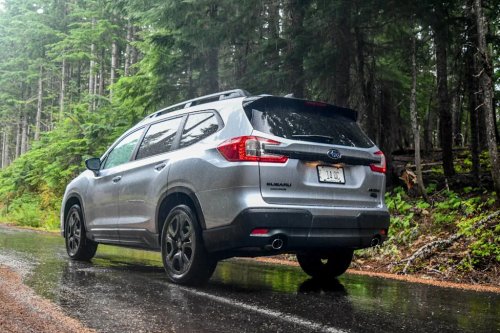
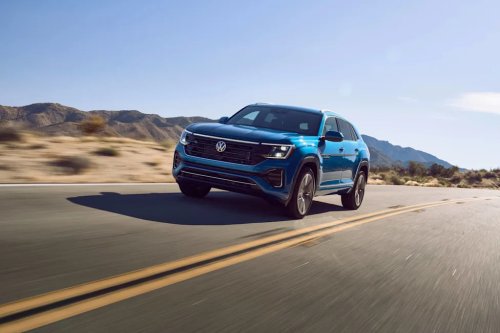
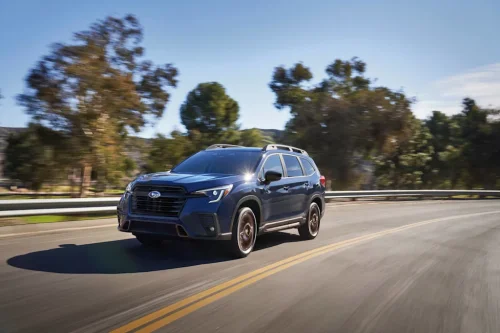
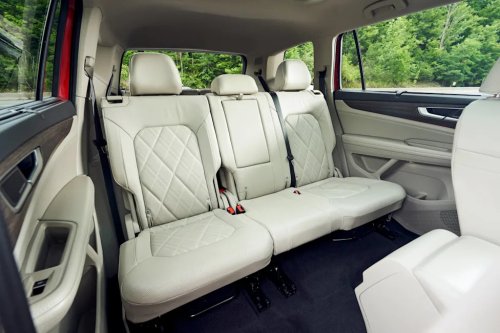
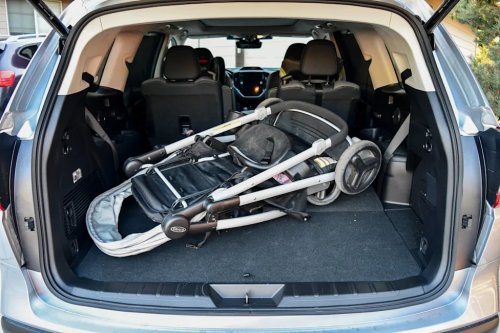
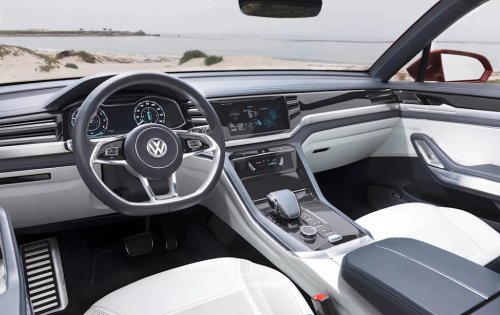
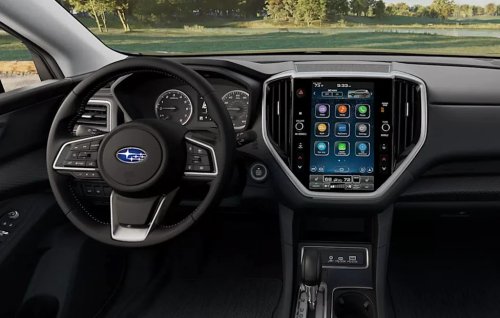
Autoblog and Yahoo may earn commission from links in this article.Space is the entire pitch of a three-row SUV, so a cargo gap this wide is hard to ignore. Volkswagen's Atlas and Subaru's Ascent measure within inches of each other on the outside, yet one swallows far more gear than the other once the tailgate is up.2026 Volkswagen Atlas Cross SportVolkswagenPark the Atlas beside the Ascent, and the two look like near-twins, matching within a few inches on length and offering almost identical passenger volume. Both seat up to eight and chase the same growing families. The difference lies in how each uses its space, and Volkswagen's boxier packaging turns an outside near-tie into a decisive win at the cargo bay. Here is the full picture, cargo, and everything around it.2026 Subaru AscentKristen BrownSpecs and pricingSpecificationVolkswagen AtlasSubaru AscentEngine2.0L turbo I42.4L turbo flat-4Power269 hp260 hpTorque273 lb.ft277 lb.ftDriveFront- or all-wheel driveStandard all-wheel driveBehind third row20.6 cu ft17.6 cu ftBehind second row55.5 cu ft47.5 cu ftMaximum cargo96.6 cu ft75.6 cu ftSeatingUp to 8Up to 8Starting priceAbout $40,000About $40,000Pricing opens in nearly the same place, with both SUVs starting around $40,000. What separates them is philosophy: Volkswagen sells the Atlas as a big, boxy hauler with an available premium bent, while Subaru builds the Ascent around standard all-wheel drive and all-weather security. Those priorities echo through every category below, starting under the hood.Powertrains and performanceVolkswagen gives the Atlas a 2.0-liter turbocharged four making 269 horsepower and 273 lb.ft of torque, paired with a conventional eight-speed automatic and a choice of front- or all-wheel drive. Subaru counters with a 2.4-liter turbocharged flat-four rated at 260 horsepower and 277 lb.ft, sent through a continuously variable automatic and standard symmetrical all-wheel drive. On paper, the two are closely matched, and both tow around 5,000 pounds when properly equipped, enough for a modest trailer or a couple of jet skis.2026 Volkswagen Atlas Cross SportVolkswagenIn daily driving, the differences are more about character than pace. Atlas buyers get crisper, more decisive shifts from the traditional automatic, while the Ascent's CVT keeps the engine in its efficient band but can drone under hard acceleration. Fuel economy lands in similar territory for both, in the low-to-mid 20s combined, so neither holds a meaningful efficiency edge. Neither is quick, yet each has ample muscle for hauling a full load of people and their belongings.2026 Subaru AscentKristen BrownAdvertisementAdvertisementHow they driveBehind the wheel, the Atlas feels like the larger, more substantial vehicle, with a composed, quiet highway gait and light, easy steering that make it relaxing to pilot on a long haul. Its size is most noticeable in tight parking lots, where the Ascent's slightly trimmer feel and superb outward visibility make it the easier of the two to place.2026 Volkswagen Atlas Cross SportVWSubaru trades a little big-SUV solidity for the everyday confidence of standard all-wheel drive, which pays real dividends in rain, snow, and on loose gravel. Its ride is comfortable and unruffled, and the commanding view out is a longtime Subaru strength. Buyers who log highway miles may lean toward the Atlas's hushed demeanor, while those in harsh climates will value the Ascent's standard traction more than any dynamic nuance.2026 Subaru AscentSubaruCargo and passenger spaceCargo is where this comparison is decided, and the Atlas wins at every stage. With all three rows in use, it offers 20.6 cubic feet behind the third row, against the Ascent's 17.6, roughly three cubic feet that translates into an extra cooler or the stroller you would otherwise have to wedge in sideways. Fold the third row and the gap widens to 55.5 cubic feet versus 47.5. Drop both rear rows and the Atlas opens up a cavernous 96.6 cubic feet, dwarfing the Ascent's 75.6 by about 21 cubic feet, the difference between one trip and two on moving day.2026 Volkswagen AtlasVolkswagenVolkswagen's upright roofline, squared-off cargo walls, and wide load floor are the reason, making the Atlas one of the roomiest haulers in the mainstream three-row class. Passenger space is closer, since both seat up to eight and offer genuinely usable third rows, but the Atlas again feels a touch airier in back and makes third-row access a little easier. For a household that regularly fills every seat and still needs to bring the gear, that combination is hard to beat.2026 Subaru AscentKristen BrownAdvertisementAdvertisementInterior, features, and valueInside, the Atlas leans toward comfort and near-premium flourishes, with available massaging front seats, a large panoramic roof, a crisp digital gauge cluster, and a spacious, upscale-feeling cabin. Subaru answers with value and peace of mind: standard all-wheel drive, the standard EyeSight suite of driver aids, and a strong safety reputation that includes a current IIHS Top Safety Pick+ result for the Ascent. Subaru's resale strength and loyal all-weather following are real ownership advantages, and the Ascent wants for little as a no-drama family hauler.2026 Volkswagen Atlas Cross SportVolkswagenVolkswagen makes the stronger play for buyers who want the biggest cargo hold and a plusher top trim, backed by a competitive warranty. Subaru appeals to those who put traction, crash-test credentials, and long-term value at the top of the list. Both are sensible, well-rounded choices, so the deciding factor often comes down to whether maximum space or standard all-weather capability matters more to a given family.2026 Subaru AscentSubaruSo which one has more cargo space?Volkswagen's Atlas has more cargo space, and the margin is not subtle. It leads the Ascent behind the third row, behind the second row, and at maximum, where its 96.6 cubic feet outmuscles the Subaru's 75.6 by around 21 cubic feet. For buyers who shop primarily on hauling room, the Atlas is the clear winner and one of the roomiest options in its class. Subaru's Ascent remains a genuinely strong choice, especially for its standard all-wheel drive, winter capability, and top-tier safety rating, and it is far from cramped in its own right. But on the specific question of cargo space, the Atlas is the bigger, more flexible hauler by a wide margin.This story was originally published by Autoblog on Jul 25, 2026, where it first appeared in the Car Buying section. Add Autoblog as a Preferred Source by clicking here.



















 +56 others