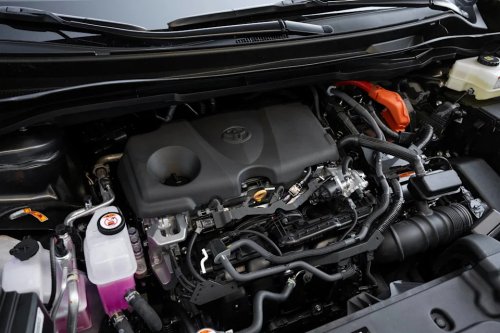
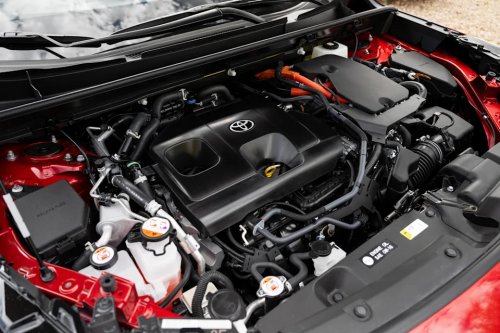
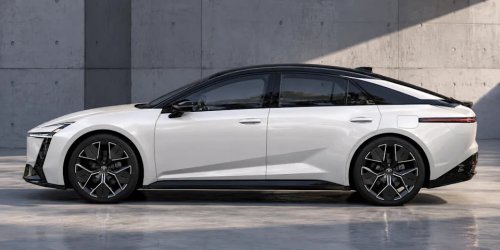
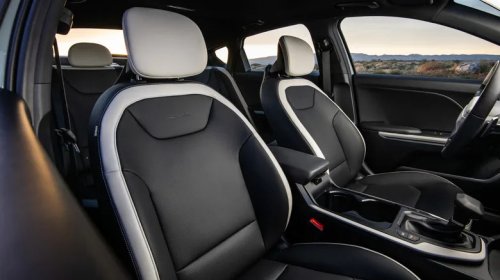
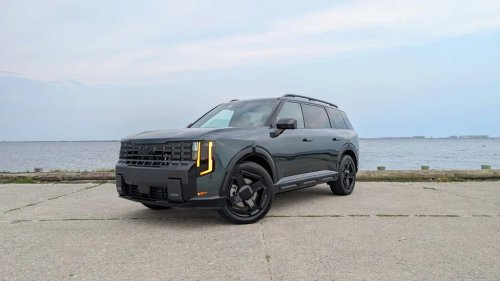
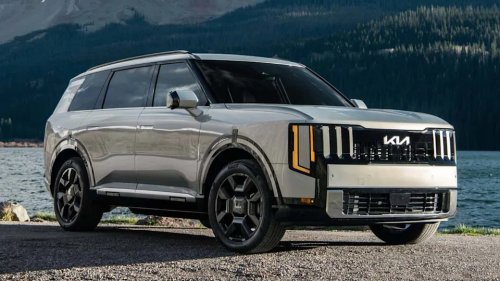
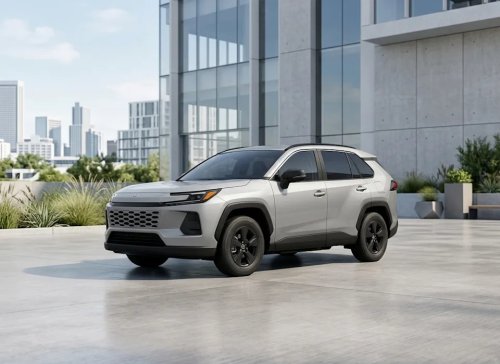
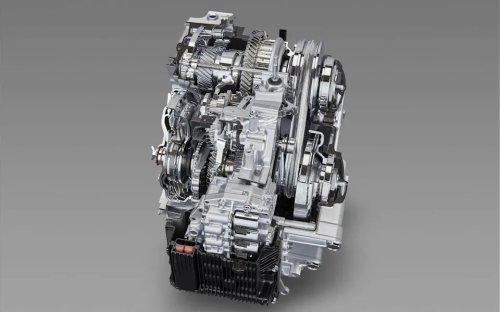
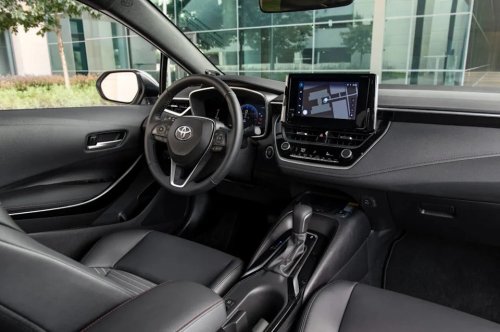
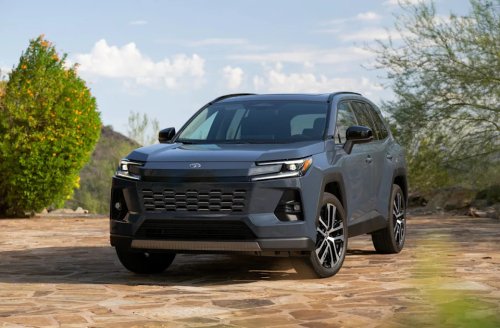
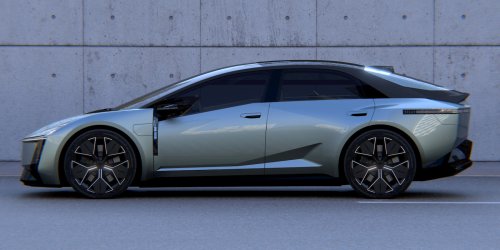
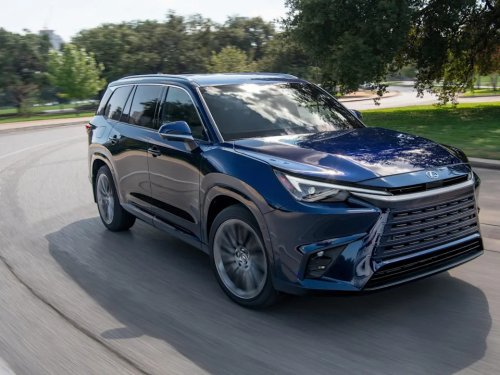
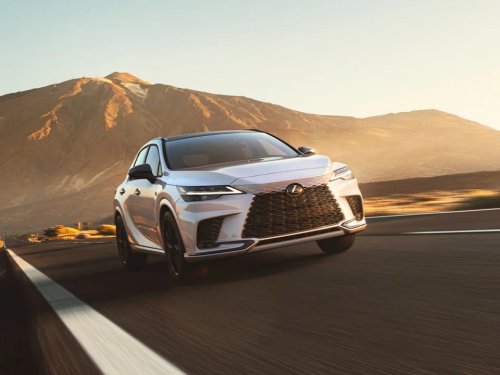
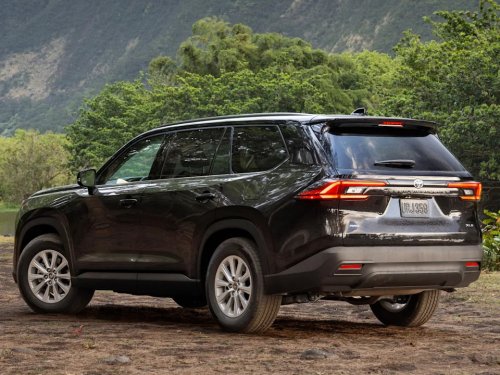
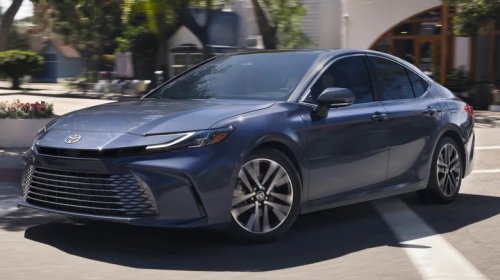
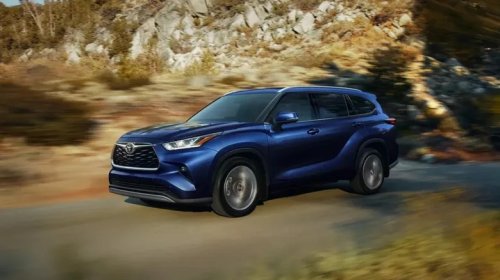
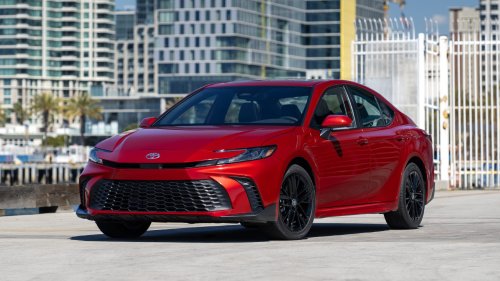
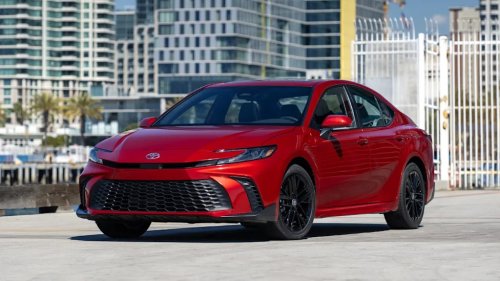
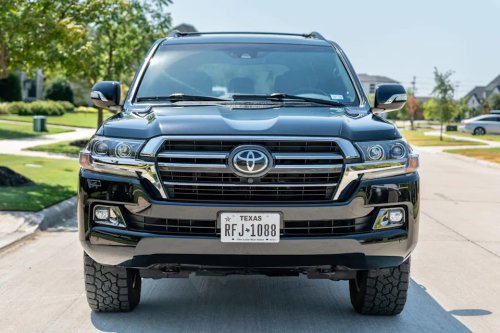
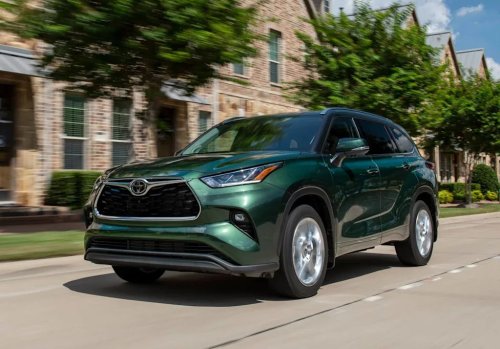
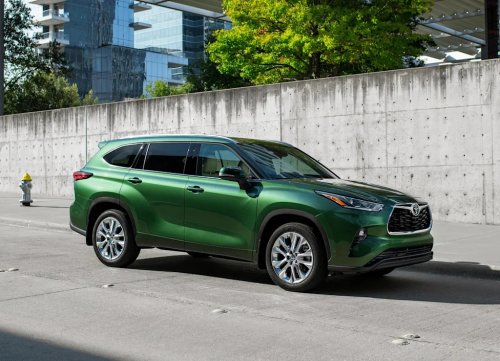
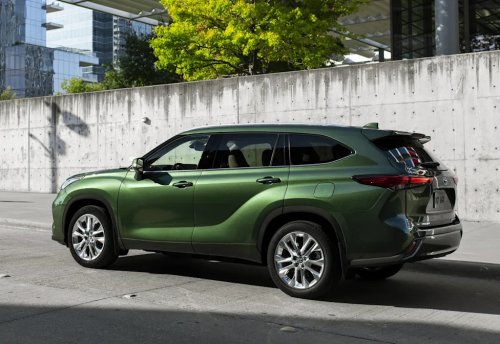
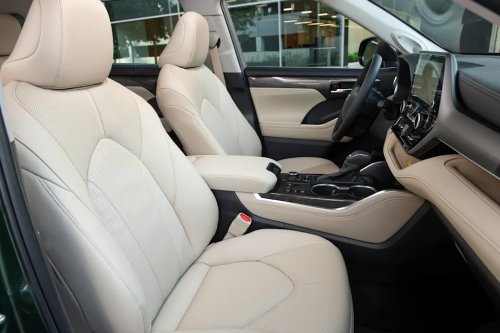
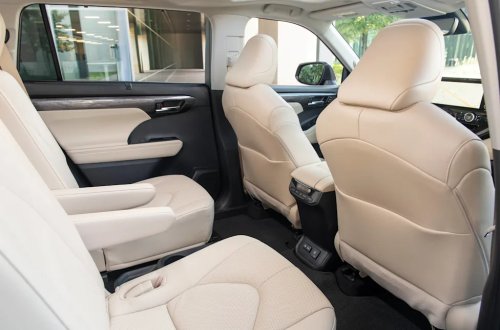
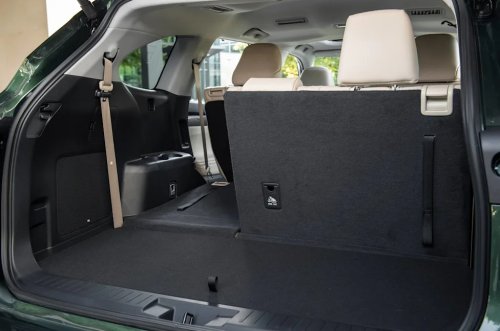
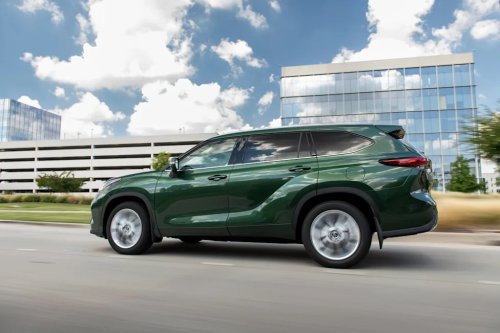
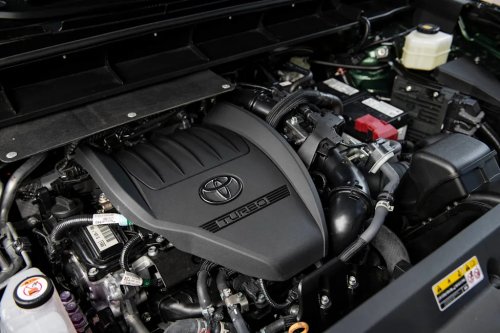
Autoblog and Yahoo may earn commission from links in this article.The Last (Gas)pThe 2026 Toyota Highlander will end its gas-only run at the end of this year, yet even as it says goodbye, it makes a strong case for itself as one of the most sensible three-row SUVs for sale. It's the last chance to buy the gas (or hybrid) version before Toyota's electric Highlander arrives for 2027.2026 Toyota Highlander Limited ToyotaAlthough the current Highlander still outsells many competitors, it's clear that its popularity has waned. Toyota sold 56,208 Highlanders in the U.S. in last year, a dramatic 37.3% year-over-year drop. Much of that precipitous decline reflects consumer preference toward the larger Grand Highlander, whose sales jumped 90.7% to 136,801 units.AdvertisementAdvertisementMy tester was a 2026 Highlander Limited with a base price of $50,725. Standard feature highlights included 20" chrome-finished alloy wheels, LED projector headlights with LED-DRLs and LED fog lights, heated power outside mirrors with turn signal, power folding, reverse tilt-down with memory feature and puddle lights with integrated Highlander logo, 12.3" touchscreen with 11 JBL speakers, 12.3" digital gauge cluster, leather-trimmed front- and second-row seats with heated and ventilated front seats, tri-zone automatic climate control, wireless Apple CarPlay/Android Auto, and a wireless smartphone charging deck.Including options and the $1,595 destination fee, the total price came to $54,792.Exterior Styling - 8.0/10The Grand Highlander didn't borrow anything from the Highlander's look. The Highlander's front fascia looks more dated with the headlight clusters distinctly separated from the ellipsoid grille. The body is also more rounded, epsecially the front fenders and rear haunches, the latter of which resembles the ones found on the Toyota Sienna minivan. The styling has largely held up well, but the front end could've used a refresh a couple of years ago.View the 4 images of this gallery on the original articleThe back end looks aggressive with the huge rear fender bulges, and the uptick behind the C-pillar also lends to this look. The thin taillights mimic the shapes of the headlights, and the lack of a refresh created a missed opportunity to give the Highlander full width taillights, a popular trend these days. Overall, the Highlander has managed to look good, if not fresh, for its final season of life. It's not an SUV that will look really old anytime soon.How Good is the Interior? - 8.5/10The third-generation Highlander has always been a very practical family SUV, and nothing changes about that in its final year. In terms of comfort, tech, user-friendliness, and quality, the Highlander remains superb. It pulls off what Toyota does best: creating a high-quality interior that's attractive and functional. It's only when you try to put adults in the third row that it becomes a bit of a letdown. The front seats are supportive and well-cushioned, making longer stints in the saddle pretty easy. Limited trim adds leather that's soft but appears to be durable, as well as heated and ventilated front seats.AdvertisementAdvertisementView the 4 images of this gallery on the original articleThe second row gets great Captain's Chairs. Other creature comforts that came standard on my test vehicle included a head-up display, wireless charging, and a panoramic view monitor. Across the trim line, you'll find good physical controls for audio and climate, as well as a traditional shift knob, and it's a recipe for minimal distraction. The controls don't look as modern as the ones found in the Grand Highlander, but we prefer them over touchscreen versions.Technology is solid, if not impressive. Toyota errs on the side of functional graphics versus dazzling versions, and that's on par with the sensible cabin. The same sized instrument display matches the 12.3" touchscreen, and both are crisp and easy to read. Responsiveness to inputs is very good but not quite on par with Ford's SYNC 4. There are still tradeoffs. The regular Highlander is not the roomiest vehicle in the class, and while the packaging works for most families, buyers who want more space or a more spacious third row may find the Grand Highlander easier to live with. Then, there's the tight cargo space with all seats in place. The 2026 Toyota Highlander offers 16.0 cubic feet of cargo space behind the third row, not especially capacious. At least, there's 48.4 cubic feet with the third row folded, and a maximum of 84.3 cubic feet with all rear seats folded down.Driving Experience - 8.0/10The gas versions of both the Highlander and Grand Highlander both use the same 2.4-liter turbocharged four-cylinder good for 265 horsepower and 310 lb-ft of torque. For gas models, the Highlander gets a Direct Shift 8-speed electronically controlled automatic transmission. For 2026, every Highlander gets standard all-wheel drive for four-seasons traction. 265 horses for a three-row SUV isn't going to wow anyone, but the Highlander is all about comfort and competence rather than performance.0-60 mph happens in about 7.2 seconds, not especially quick but also not sluggish. Shifts are smooth, if not quick. I'm just glad it doesn't get a CVT like its hybrid sibling. When it comes to handling, don't go into corners hot, but at least the Highlander is balanced and predictable. Steering is light but accurate with nary a hint of feedback coming through the column. Braking is progressive with no apparent mushiness during my test drive. On the road, the 2026 Highlander is still what Toyota SUVs usually are: calm, compliant, and geared more toward comfort than excitement.AdvertisementAdvertisementThe gas version might not be the most efficient (24 mpg combined for the turbocharged gas model and 35 mpg combined for the hybrid model), but the gas model can easily out-tow the hybrid (5,000 pounds vs. 3,500 pounds). So, if you need to pull stuff, go with the gas model.Final Verdict - 8.0/10The 2026 Toyota Highlander is still a strong SUV buy, even though it's near the end of its life. Toyota built a capable, practical, and comfortable family vehicle, and that third row is convenient in a pinch. It's easy to recommend if you value reliability, standard AWD, and a traditional SUV experience before the badge goes electric. For most buyers, the hybrid is the sweet spot, while the gas model makes sense if you want simplicity and towing power. If you want the classic Highlander formula before it disappears, this is the year to act. You might even get yourself a pretty sweet deal during the Highlander's swan song.This story was originally published by Autoblog on Jul 29, 2026, where it first appeared in the Reviews section. Add Autoblog as a Preferred Source by clicking here.



















 +77 others