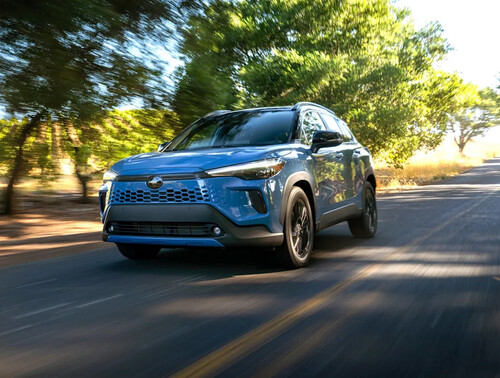
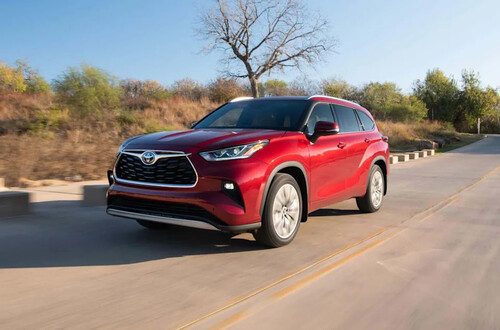
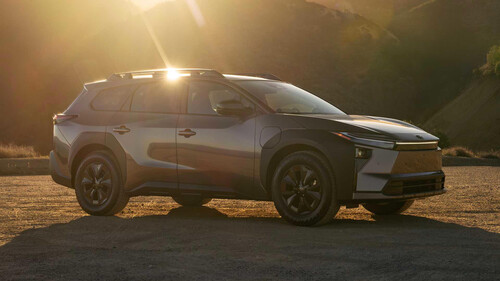
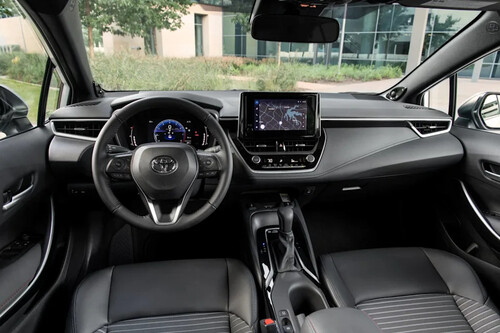
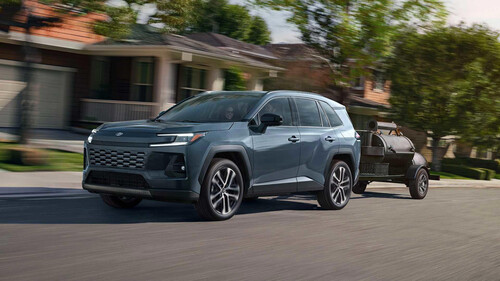
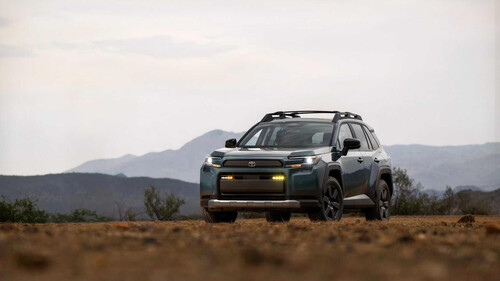
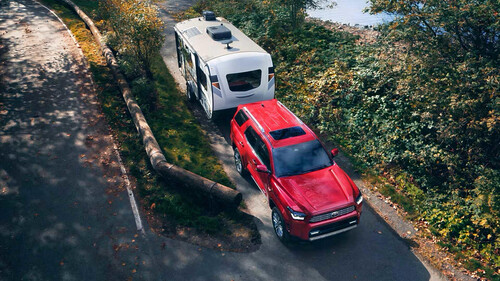
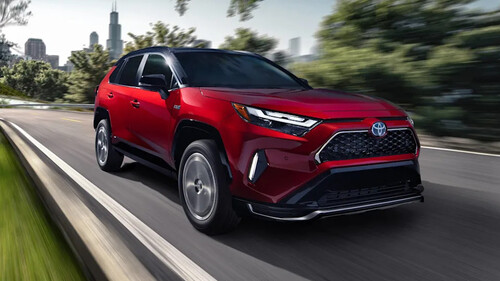
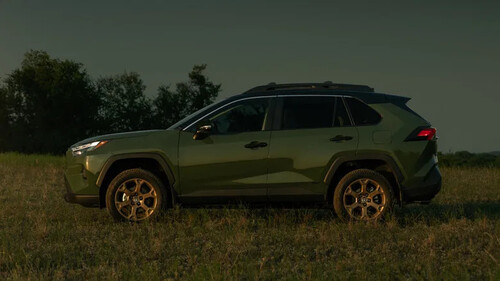
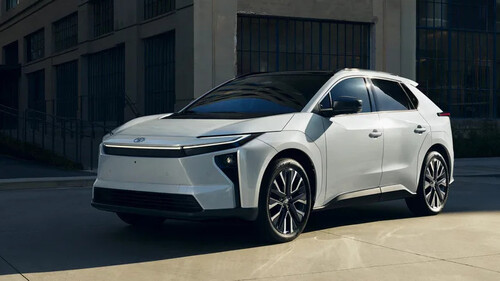
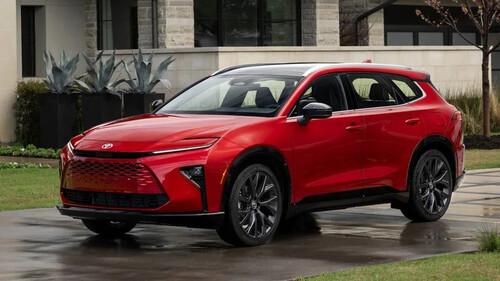
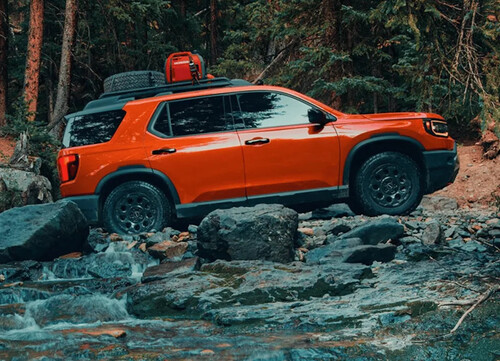
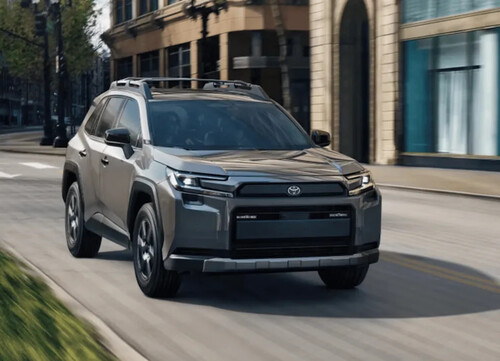
Toyota CVT Transmission Reliability: Are They Actually Dependable?AutoblogJohn TallodiThu, September 24, 2026 at 5:28 PM UTCAdd us on GoogleAutoblog and Yahoo may earn commission from links in this article.Continuously Variable Transmissions (CVTs) differ from traditional automatic gearboxes by replacing fixed gears with a system that continuously adjusts gear ratios on the fly. Instead of feeling stepped gear shifts, the transmission smoothly adapts to maintain the engine's optimal operating range.Toyota equips several of its sedans, SUVs, and hatchbacks with CVTs primarily to maximize fuel economy, reduce carbon emissions, and deliver smooth and seamless acceleration. However, CVTs across the automotive industry often carry a mixed reputation for long-term durability. To gauge whether Toyota's CVTs buck this trend, we evaluate reliability metrics and owner feedback from J.D. Power, Kelley Blue Book (KBB), and RepairPal.Toyota's CVT TransmissionsToyotaView the 3 images of this gallery on the original articleAdvertisementAdvertisementToyota does not use a single "one-size-fits-all" CVT across its lineup. Instead, the automaker utilizes three distinct variations depending on whether the vehicle is gas-powered or hybrid.Standard Belt CVTThis is Toyota's traditional Continuously Variable Transmission. It uses a steel belt running between two variable-diameter pulleys. Hydraulic pressure alters the width of the pulleys to constantly adjust transmission ratios, maintaining engine efficiency.Direct Shift-CVTUsed in newer gas-powered models like the Corolla, Toyota solved a common CVT flaw, sluggish off-the-line launch and heavy belt wear, by adding a mechanical launch gear. The car takes off using a traditional 1st gear until roughly 15 mph before smoothly transferring power over to the pulley belt system at higher speeds.Electronic CVT (eCVT)Found across Toyota's hybrid lineup, the eCVT is fundamentally different: it has no belts, chains, or pulleys at all. Instead, it uses a planetary gearset to combine power directly from the internal combustion engine and dual electric motor-generators. Because it manages gear ratios through electric motors rather than mechanical belt friction, it eliminates traditional CVT wear points.What CVT System Does Your Toyota Have?West Edmonton Mall ToyotaModelCVT Transmission TypeToyota Corolla/Corolla Cross (Gas)Direct Shift-CVTToyota Corolla Hybrid / Cross HybrideCVTToyota Camry/ Prius/RAV4/Sienna (current generation models)eCVTToyota Crown / Crown SigniaeCVT (HYBRID MAX trim uses a 6-speed Automatic)2014-2019 Toyota CorollaStandard Belt CVTAre Toyota CVT Transmissions Reliable?CVT transmission failures are not a major issue for Toyota vehicles. While competitors have struggled with belt slipping, overheating, and premature transmission destruction, Toyota's engineering adjustments have made its CVTs among the most dependable on the market.AdvertisementAdvertisementOlder CVT-equipped Toyota models, like the 2018-2019 C-HR subcompact SUV tended to suffer from premature CVT wear issues, but modern Toyota's equipped with direct-shift and e-CVT systems are proving to be far more robust.Reliability Survey DataToyotaReliability and owner satisfaction surveys typically engage owners on how they have found their vehicles to perform across several different areas over time.While Toyota vehicles in general tend to perform well above average in terms of overall reliability, we investigated some of the most popular models to see whether there were any complaints regarding the transmission systems.Toyota Corolla (Gas & Hybrid)Survey Source202620252024J.D. Power (Quality & Reliability)81/100N/A79/100Kelley Blue Book (Consumer Rating)4.0/5.0N/A4.4/5.0RepairPal (Reliability Rating)4.5/5.04.5/5.04.5/5.0Owners reported few mechanical breakdowns, with the most common complaint being noisy "engine droning" during aggressive acceleration, which is a common trait of CVTs, rather than a mechanical defect.Toyota PriusSurvey Source202620252024J.D. Power (Quality & Reliability)N/AN/A75/100Kelley Blue Book (Consumer Rating)N/A4.1/5.04.8/5.0RepairPal (Reliability Rating)4.0/5.04.0/5.04.0/5.0Long-term owners and high-mileage taxi operators frequently report the eCVT lasting well beyond 200,000 miles. Because the system relies on planetary gears rather than high-friction belts, catastrophic transmission failures are extremely rare.Toyota RAV4 HybridSurvey Source202620252024J.D. Power (Quality & Reliability)77/10080/10080/100Kelley Blue Book (Consumer Rating)N/A3.6/5.04.6/5.0RepairPal (Reliability Rating)4.0/5.04.0/5.04.0/5.0Now that all RAV4 models are hybrids or plug-in hybrids, they all come with an eCVT transmission. Owners praised the seamless transition between the gas engine and electric motors, and drivetrain durability earned consistently high marks.Toyota CVTs Are Built DifferentToyotaView the 2 images of this gallery on the original articleAdvertisementAdvertisementNot everyone is a fan of CVTs, but they do make a lot of sense for daily drivers that spend the majority of their time in stop-start traffic. Early CVTs certainly had their issues, but Toyota has avoided the traps that plague some other automakers by fundamentally changing how its CVTs function.By adding a physical launch gear to its gas-powered Direct Shift-CVTs, Toyota reduced high-torque strain on pulley belts and made them more responsive in the process.Meanwhile, their hybrid eCVT designs eliminate wear-prone belts altogether in favor of heavy-duty planetary gearsets. As long as routine fluid maintenance is performed according to manufacturer guidelines, a modern Toyota CVT should last as long as the rest of the vehicle.This story was originally published by Autoblog on Sep 24, 2026, where it first appeared in the Features section. Add Autoblog as a Preferred Source by clicking here.