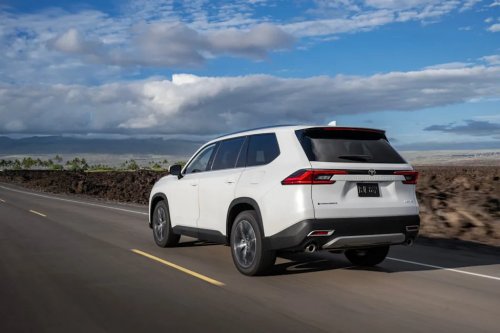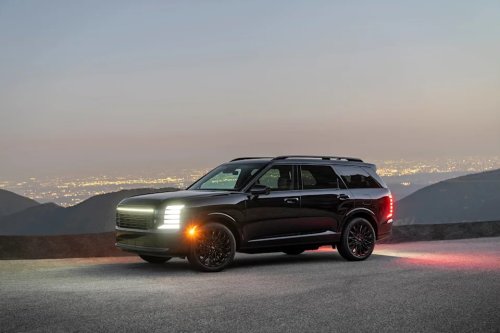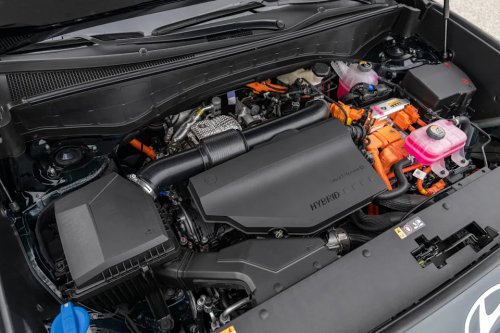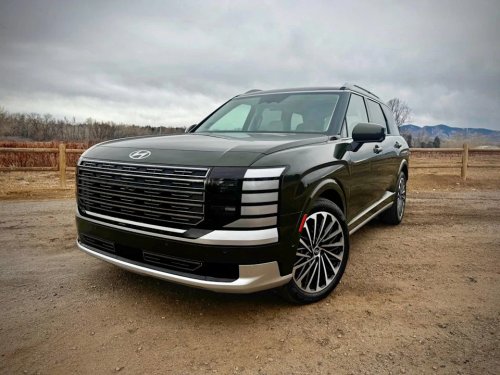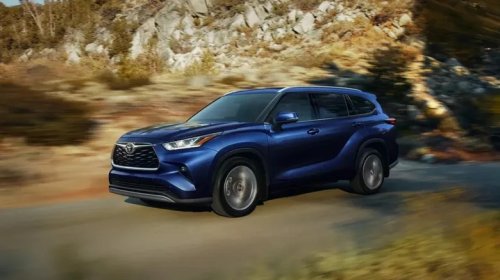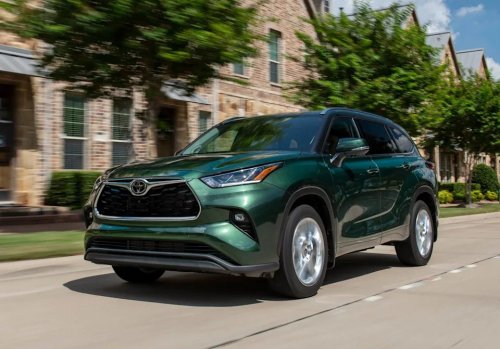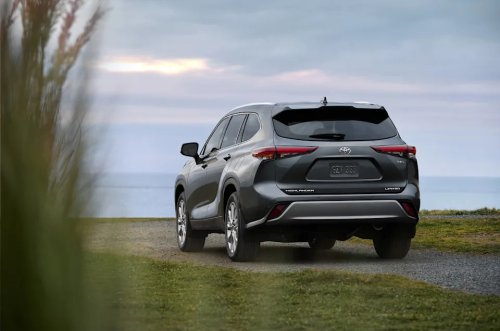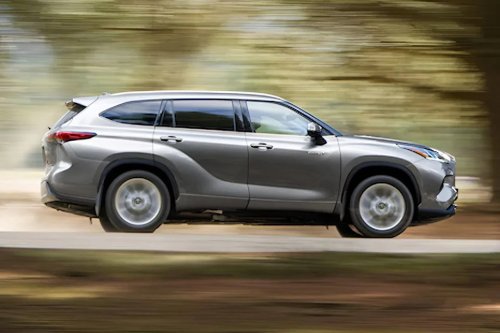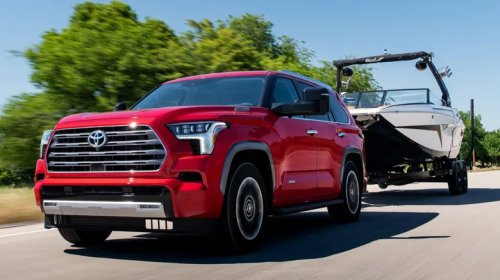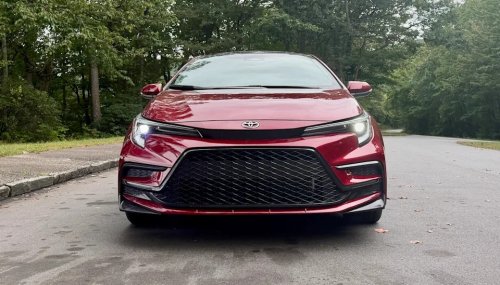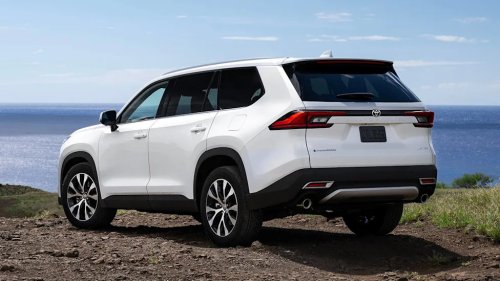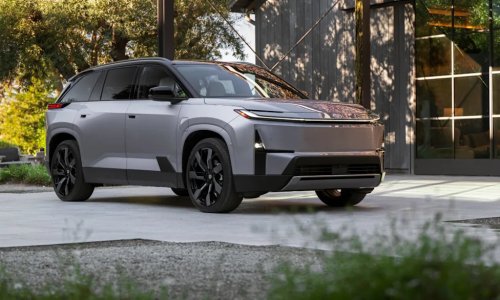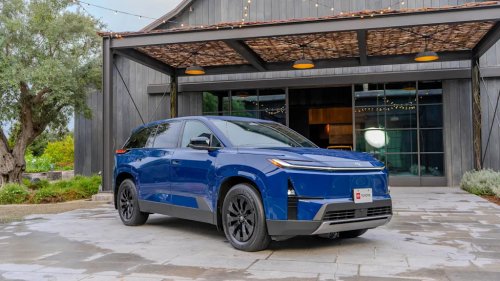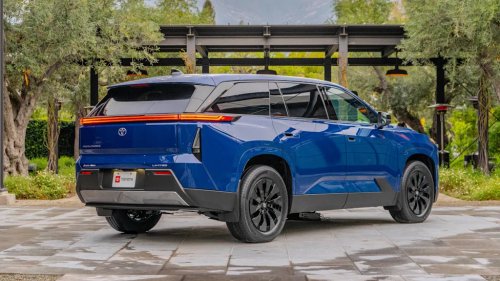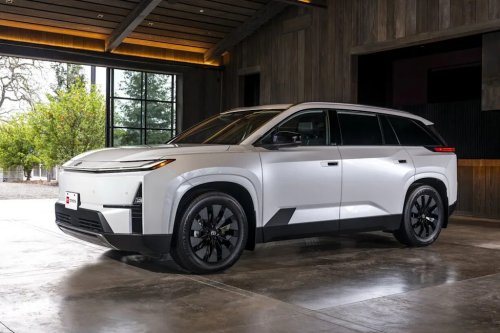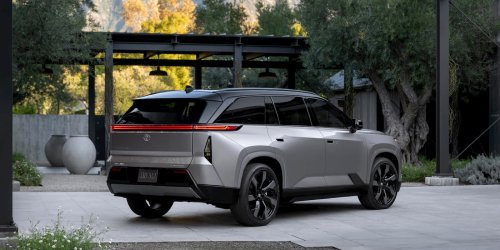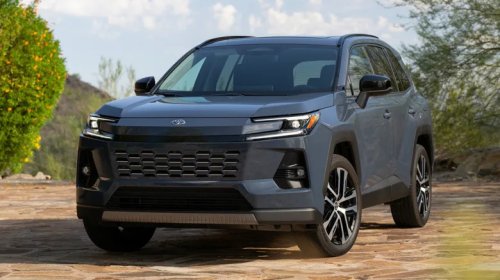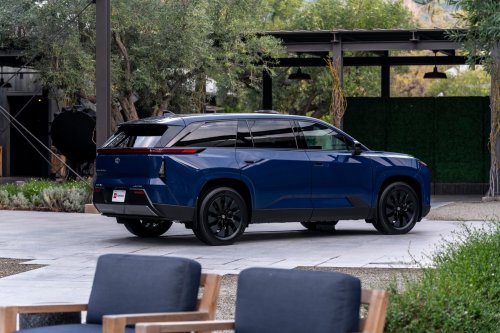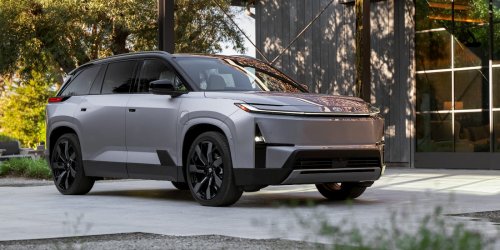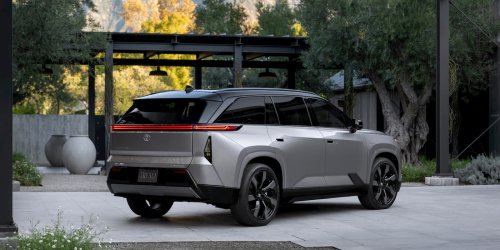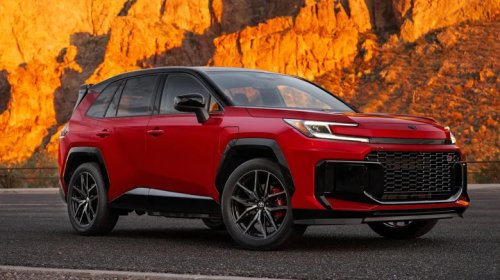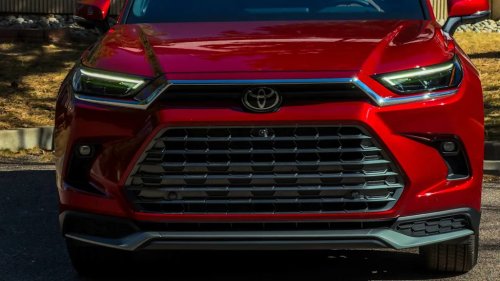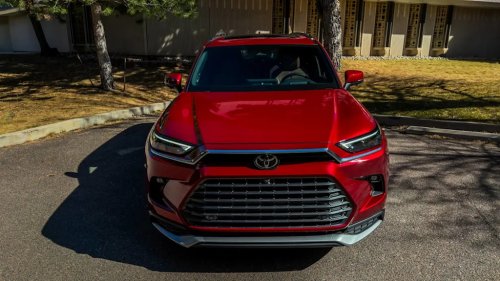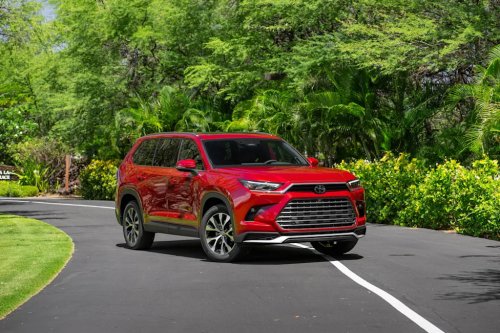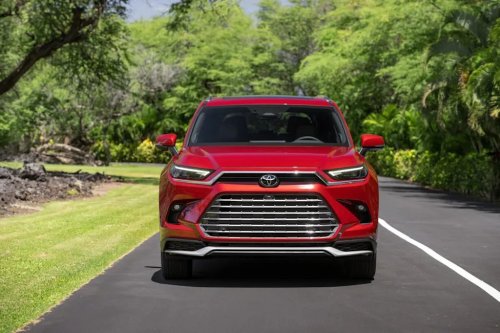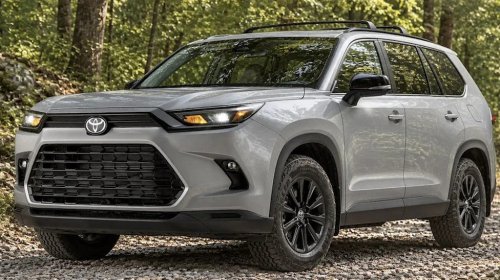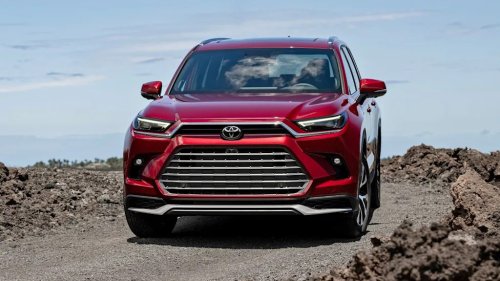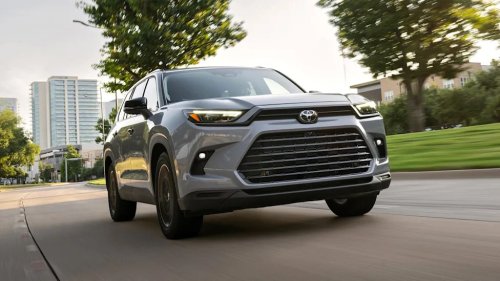



















Toyota's Grand Highlander Skipped the Screen Door on Its Grille, and Now the Feds Are Asking WhyEvery three-row family SUV needs a face aggressive enough to look like it could tow a boat, even if it never will. Toyota gave the Grand Highlander one of the biggest, most wide-open grilles in the segment. Now the federal government wants to know if that face is letting rocks fly straight through to the radiator.That's the surface story. The real one is about how little it actually takes to get Washington's attention, and about a piece of automotive engineering that used to be considered basic and boring: the screen behind the grille.On July 20, 2026, a single petitioner sent the National Highway Traffic Safety Administration a formal request under 49 CFR Part 552, the federal rule that lets any member of the public ask NHTSA to open a defect investigation. A month later, on August 20, NHTSA's Office of Defects Investigation opened the file as DP26006. That "DP" prefix matters. It stands for Defect Petition, the lowest and most fragile rung on NHTSA's investigative ladder. It isn't a Preliminary Evaluation. It isn't an Engineering Analysis. It isn't, despite what plenty of headlines implied, a recall. It's the agency agreeing to read the mail before deciding whether to do anything at all. Historically, most petitions filed by private citizens get denied outright, often once ODI staff runs the numbers and decides the complaint volume doesn't support a full probe.AdvertisementAdvertisementAccording to NHTSA's own petition summary, the complaint centers on model-year 2024-2026 Grand Highlanders broadly, not just the hybrid. The petitioner argues the front grille has large open apertures with no protective screen between the grille and the vehicle's heat exchangers, namely the main radiator, the air conditioning condenser, and, on hybrid models, the added inverter radiator that cools the electric motor's power electronics. During ordinary highway driving, the petition claims, road debris has been punching through and damaging those components, leading to coolant leaks and, in NHTSA's own words, "sudden loss of propulsion." That phrase is doing more work than most of the coverage let on. A blown radiator hose that dumps coolant onto the shoulder is an inconvenience. A stalled hybrid SUV in traffic is a different kind of problem, and it's the phrase NHTSA chose to use in an official filing, not a worst-case anecdote pulled from a forum.Here's the detail that got lost in translation. The widely repeated figure of 87,000 affected vehicles came from hybrid registration data, and most coverage treated this as a hybrid-specific problem. But pull the gas-powered Grand Highlander's own NHTSA safety record, and the identical campaign number, DP26006, shows up there too. Whatever is happening with this grille, it isn't limited to the model with the extra cooling loop. That's worth remembering the next time a recall or investigation gets attached to a single trim in a headline. The paperwork underneath sometimes tells a broader story.Grilles didn't always work this way. For most of the last century, the space between a car's grille and its radiator did real, unglamorous work protecting the cooling system from exactly this kind of damage, sometimes with a literal wire mesh stone guard bolted behind the plastic. That detail quietly disappeared as grilles got bigger, blacker, and more sculptural, treated as a styling surface first and an airflow path second. Hybrid variants complicate that further. An inverter radiator is one more heat exchanger competing for the same finite opening, which tends to push designers toward more open apertures rather than less. Nobody sets out to delete a stone guard. It just stops making the cut once a design team is fighting for cooling area and a showroom-ready face at the same time.There's a quieter cost angle here too. A radiator or condenser cracked by road debris typically falls under comprehensive coverage rather than collision, since insurers classify it as a road hazard rather than an at-fault accident. That distinction matters for premiums and claims history, and insurers pay close attention to which model generations generate a pattern of comprehensive claims tied to a specific part. It's the same dynamic playing out with advanced driver-assist sensors, where the actual repair bill often has less to do with the crash itself than with what has to be recalibrated afterward. A grille that can't stop a rock from reaching the hybrid inverter cooler is the kind of design detail that shows up years later in a used Grand Highlander's ownership costs, long after anyone remembers a petition was ever filed.AdvertisementAdvertisementIt also lands during a stretch where Toyota's recall ledger has been unusually busy for a brand built on the idea that it doesn't have one. The automaker is still working through a parts shortage tied to a Tacoma suspension recall, and it has now run through three separate blank-display fixes on the Camry Hybrid inside a year. None of that means the Grand Highlander petition will go anywhere. But it means Toyota's margin for a fourth open file, however minor, is thinner than it was two years ago.For now, nothing requires Toyota to change a single stamped piece of sheet metal. NHTSA hasn't found a defect. It has agreed to look at fourteen complaints and decide whether looking further is worth the agency's time. If the petition is denied, this becomes a footnote. If it's granted, it becomes a Preliminary Evaluation, then possibly an Engineering Analysis, and only much later, if ever, a recall. Owners don't need to do anything right now beyond watching for coolant smell, dashboard warnings, or a hybrid system that hesitates.What's worth remembering either way is simpler than the case number. A grille used to be a filter. On the Grand Highlander, for now, it's just a hole.Join our Newsletter, follow our Instagram page, and connect with us on Facebook.