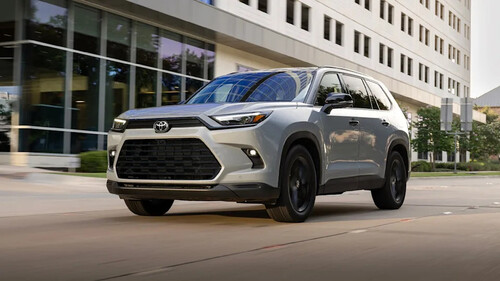
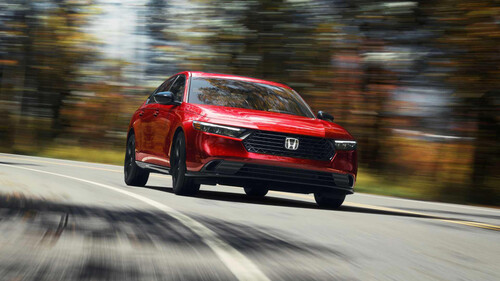
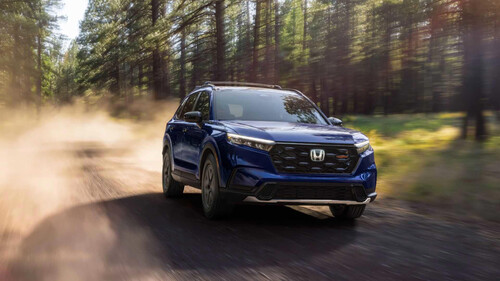
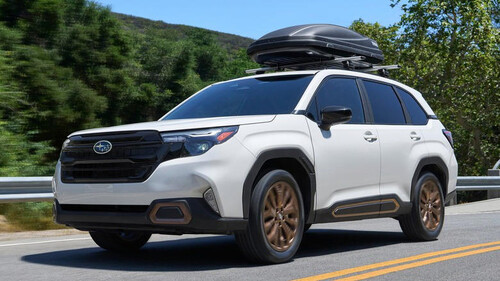
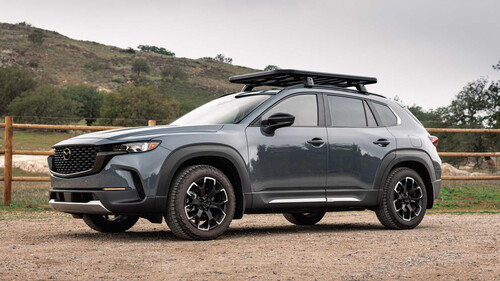
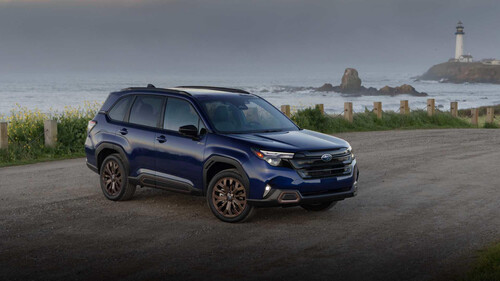
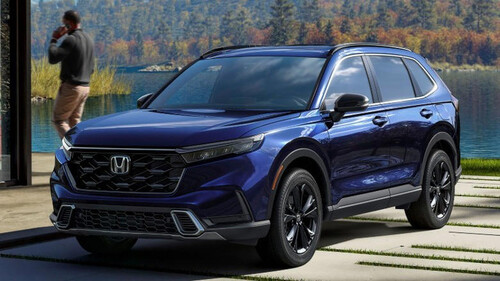
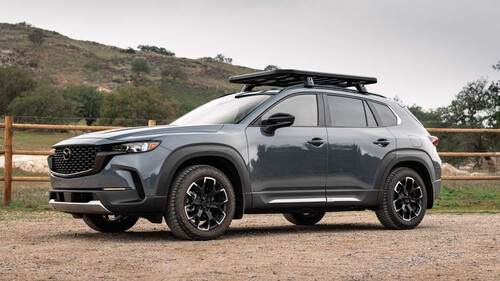
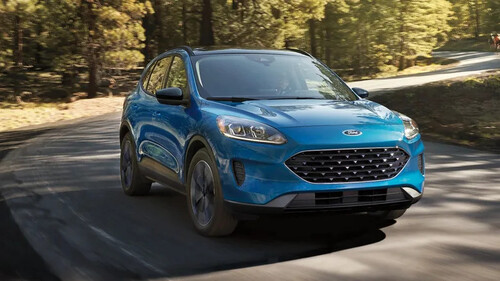
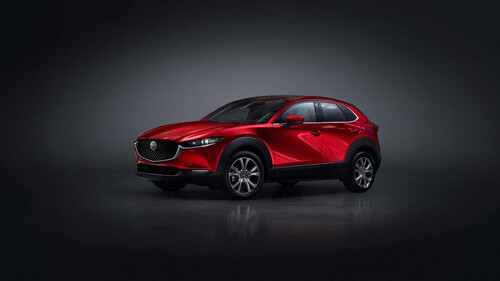
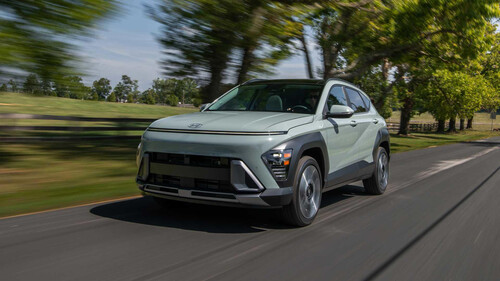
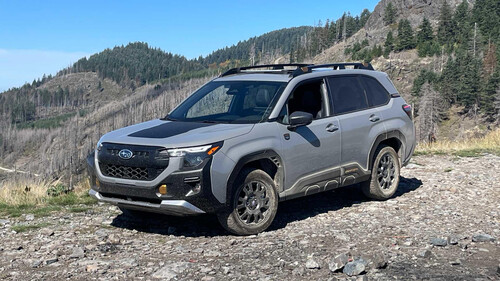
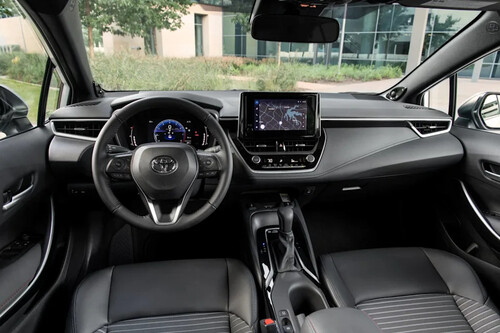
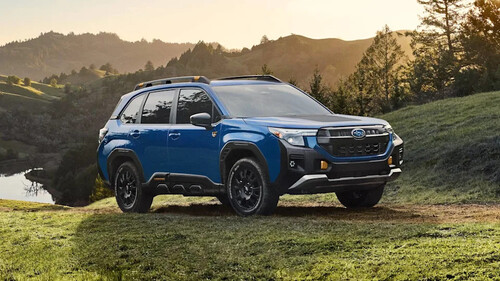
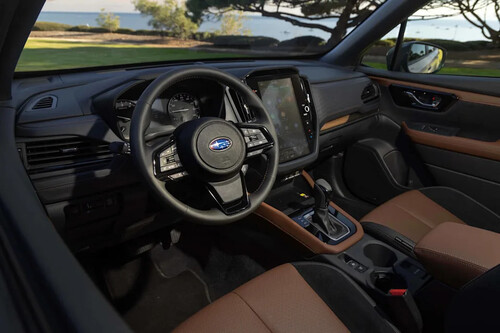
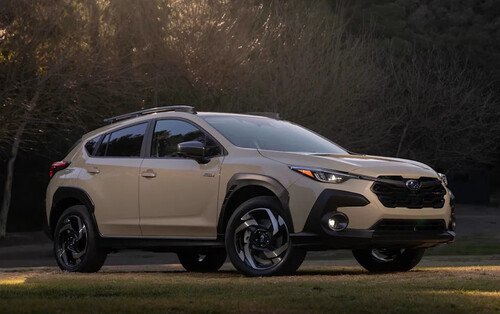
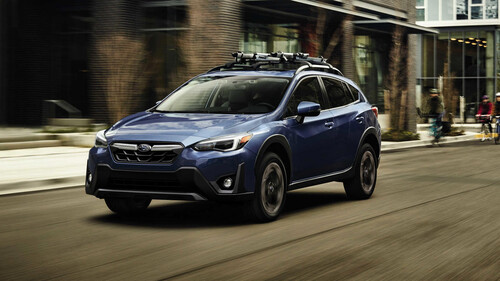
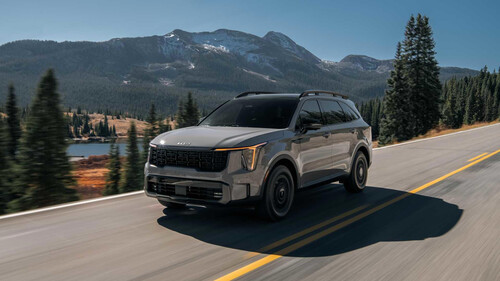
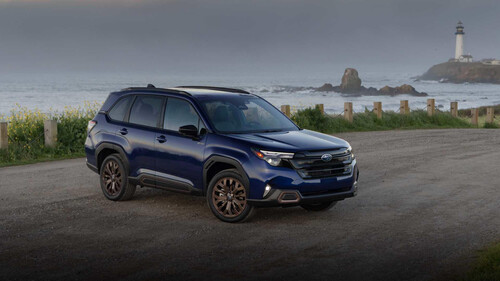
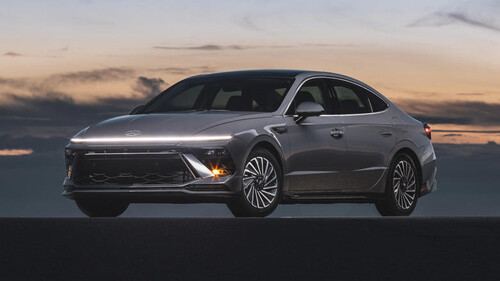
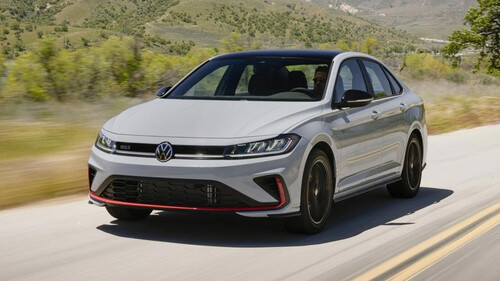
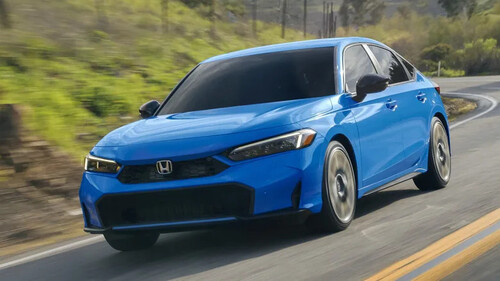
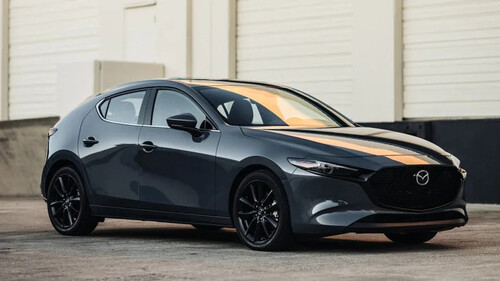
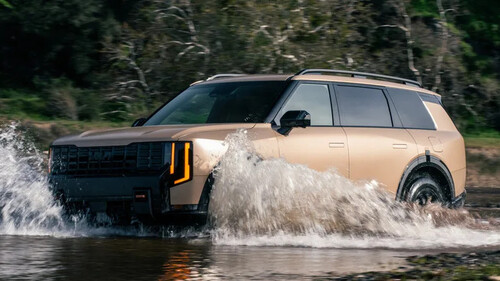
Toyota As you may know, the Toyota RAV4 is quite an in-demand compact SUV, and it received a significant redesign for 2026. The segment, however, is fairly crowded with entries like the Honda CR-V, Mazda CX-50, Hyundai Tucson, and more, all offering their fair share of value to buyers. So, let's find out how the new RAV4 stacks up against them in terms of price and equipment levels. Depending on which 2026 RAV4 (Toyota sells hybrid and plug-in hybrid versions) you're looking at, pricing and trim levels vary. For example, the hybrid RAV4 starts at $31,900 for the base LE trim while the base SE plug-in hybrid starts at $41,500, excluding the $1,595 destination and handling fee. Even though there are a total of six trim levels for the hybrid RAV4, Toyota limits that choice to four in the plug-in hybrid version. Stepping up from the hybrid's LE trim is the $34,700 SE, which then progresses to the $36,100 XLE Premium, $39,900 Woodland, and the $41,300 XSE. Rounding out the non-PHEV RAV4 lineup is the top-spec Limited trim with an MSRP of $43,300. If you decide not to go with a base SE, your options in the PHEV portfolio are the $45,300 Woodland, $47,200 XSE, and the range-topping $48,500 Toyota RAV4 GR Sport. How the competition is priced Honda Among the most reliable and fuel-efficient small SUVs available is the 2027 Honda CR-V, which starts at $31,520 for the base LX gas-only model (excluding the $1,550 destination charge), with the entry-level gas-electric CR-V (the Sport Hybrid trim) costing nearly $5,000 more. The cheapest hybrid Mazda CX-50 (the Preferred trim) starts at $34,750, although the Japanese brand does offer a gas-only model with an MSRP just under $30,000. Another compact Japanese entrant that sits around the sub-$30,000 ballpark is the gas-only Subaru Forester. Should you want the hybrid, however, $34,730 is the starting MSRP for the cheapest one (the Premium trim). Destination and handling charges for the Mazda and Subaru are $1,595 and $1,450, respectively. Next up is the Korean duo, the Hyundai Tucson and Kia Sportage. Both compact SUVs are available in gas-only, hybrid, and plug-in hybrid versions, with the Tucson range starting from $29,700 for the gas-only SE model and going up to the top-spec $48,900 plug-in hybrid Limited. Rather confusingly, the hybrid Tucson also starts with the SE nomenclature, although it's priced at a $1,600 premium. As for the 2027 Sportage, the entry-level gas-only LX starts at $28,990, undercutting the aforementioned Tucson SE (gas-only version) by a small margin. The base hybrid Sportage also shares the LX name but is priced much higher, starting at $30,590. If you're interested in the plug-in hybrid model, your choice is limited to the $40,590 X-Line and $47,390 X-Line Prestige. All prices mentioned exclude the destination and handling fee, which, for the Hyundai is $1,600 and $1,495 for the Kia. It's worth noting that out of all the hybrid SUVs here, the CR-V appears to be the most expensive, with the Sportage being the least. Let's talk features and standard equipment Toyota Just so the comparison is fair, we'll take the entry-level hybrid models of each of the compact SUVs. That'd be the RAV4 LE, CR-V Sport Hybrid, CX-50 Hybrid Preferred, Forester Premium Hybrid, Tucson Hybrid SE, and the Sportage Hybrid LX. As standard, all of these compact SUV trims come with LED headlights, wireless Apple CarPlay and Android Auto, remote keyless entry, dual-zone climate control, and adaptive cruise control. As for safety features, forward collision warning, lane keeping assist, and auto-emergency braking are all standard equipment in these models. It's worth pointing out that all-wheel drive is standard only on the entry-level Forester and CX-50 hybrids, though it's available as an optional extra on all the other SUV trims mentioned here except the Sportage LX. A power liftgate and panoramic roof are standard in the base CX-50 hybrid, as is an eight-speaker audio system. The rest of the SUVs here feature a six-speaker setup. While the CR-V, Forester, and CX-50 offer heated seats and a power-adjustable driver seat, the rest of the compacts are pretty stingy in that department. Also, if wireless phone charging is required, the feature is only available in the entry-level Forester and CX-50. Feature discussion aside, as a complete package, however, Car and Driver ranks the CR-V as the best pick among hybrid compact SUVs, followed by the all-new Toyota RAV4. If you're wondering about the Mazda CX-50, the publication ranks it as the fifth best, with the Tucson and Sportage hybrids ranked third and fourth, respectively.