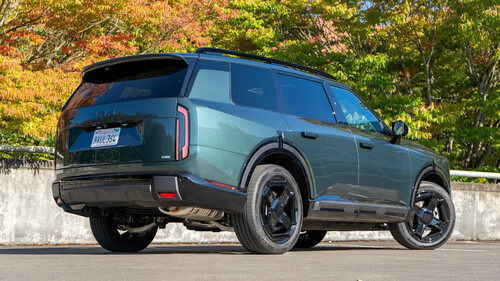
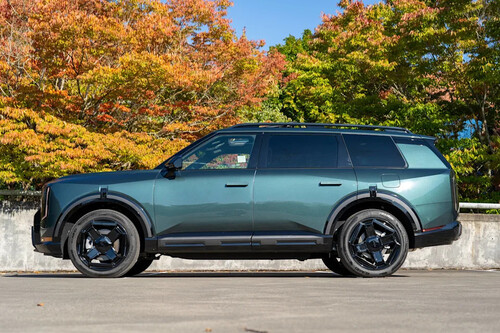
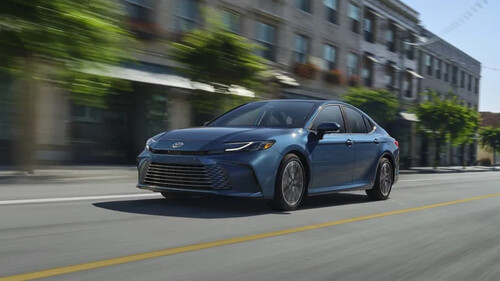
I've kept my finger on the pulse of hydrogen vehicles for a while now, from a full overview that dives into the state of hydrogen fuel-cell vehicles to paying a visit to Millennium Reign Energy in Dayton, Ohio. Frankly, the segment hasn't moved forward much, at least as far as passenger cars go, but that doesn't mean hydrogen isn't a viable alternative to fossil fuels. Instead of competing with battery-electric vehicles as a mainstream form of clean transportation, the future of hydrogen is likely in specialized roles where batteries won't get the job done as efficiently.HyundaiHydrogen rollout is slow at every levelHydrogen-powered vehicles are essentially in the same state they were a few years ago, with few sales, regional limitations, and a serious lack of refueling infrastructure. There's just three FCEV passenger cars on the market, the Toyota Mirai, Hyundai Nexo, Honda CR-V e:FCEV. All three models suffer from high prices, each starting at over $50,000, and see several years between updates. Other automakers, including BMW, are currently working on their on FCEVs.HondaThere's no denying that FCEV adoption has moved at a snail's pace, and part of the problem lies in the refueling infrastructure, or lack thereof. As of 2024, there were just 54 public refueling stations nationwide, the vast majority of which are located in California. On top of that, some users have reported that the refueling stations are often out of order or throw an error code while refueling.Acquiring hydrogen through green methods remains an issue as well. Fortunately, sustainable hydrogen fuel production may be right around the corner. Currently, hydrogen fuel production is heavily dependent on fossil fuels, but researchers at MIT have managed to develop a process that utilizes aluminum and seawater to create hydrogen.Tony Pulsone, MIT MechEThinking about selling your car? Get an instant cash offer online now. Click here to get started.Hydrogen and EVs are separated by refueling infrastructureIt's clear that battery-electric vehicles are the alternative of choice when it comes to alternative fuels and sustainability. The Tesla Model Y and Model 3 have proven to be dominant not just in the United States, but around the world. EVs have had some help though, with government subsidies and private investments fueling adoption. It's clear, however, that refueling infrastructure remains arguably the largest obstacle standing in the way of FCEV adoption.As it currently stands, Tesla's supercharging network has more than 3,000 locations hosting nearly 38,000 individual charging ports throughout the United States. While that's impressive on its own, Tesla's network accounts for just half of all DC fast changing ports nationwide. That's not to mention the sheer convenience of home charging offered by EVs.While FCEVs may offer quicker refueling times, as little as five minutes, and water as the sole emission, they're up against an alternative that's more convenient and potentially affordable in terms of passenger cars. For all its pitfalls when compared to EVs, however, FCEVs have several advantages that leave hydrogen-powered vehicles well-positioned to fill major specialized niches.U.S. Department of EnergyShopping for a new car? Click here to get a great deal on your next vehicle. Powered by Carvana, no haggle pricing, 100% online.FCEVs have commercial and military applicationsWhile hydrogen-powered vehicles lack the support to become a mainstream alternative to gas-powered cars, don't count hydrogen out altogether. Rather than becoming the everyday vehicle for millions of drivers, hydrogen could play a more specialized role in the future of transportation. While battery-electric semi-trucks are entering commercial production and regional deployment, hydrogen might be a better option in some situations.HyuindaiLong-haul truckers and trucking companies typically prioritize payload, range, downtime, and refueling speed, all of which are areas where battery-electric trucks fall short. Waiting for a truck to charge means a loss in revenue, and hauling heavy loads reduces range. Hydrogen could prove to be a viable solution to all four factors, but the alternative fuel largely relies on building out refueling infrastructure.Automakers have already identified this niche and have begun implementing hydrogen-powered trucks. Earlier this year, Hyundai deployed its first hydrogen fuel cell truck fleet in South America. Toyota also announced plans to add 40 hydrogen-fuel cell Class 8 trucks to its fleet in southern California. Notably, Toyota's trucks can refuel in 20 minutes and offer a 500-mile range.I've previously broached the topic of hydrogen as a fuel source for public transit, and not much has changed in that area, either. Hydrogen bus trials are showing mixed results. Not only are battery-electric buses cheaper to operate in terms of refueling, but an extensive charging infrastructure is already in place. Some hydrogen bus trials are yielding positive results, though. Cologne, France, for example, is home to the largest hydrogen bus fleet in Europe, with more than 100 buses on the road. The city utilizes hydrogen produced as an industrial byproduct to refuel.While the viability of hydrogen outside of commercial use is hit or miss, the fuel source could prove useful in military applications. As Honda proved in its Pikes Peak run, during which the automaker used an FTcase created by ZEI, hydrogen could be ideal in situations where fuel needs to be transported.Daimler TruckWhile the Department of Defense under the Obama administration focused on solar power, the Pentagon has since looked to hydrogen fuel cells as an alternative power source. At Joint Base Pearl Harbor-Hickam in Hawaii, for example, a 600-kW fuel cell microgrid is already in operation. Hydrogen as fuel is created via electrolysis, which extracts hydrogen from water. The United States Army is currently conducting research into improving the life of fuel cells, catalysts and cleaning systems to make obtaining hydrogen more sustainable.Final thoughtsToyotaWhile hydrogen may not be viable in passenger cars, it could fill a niche in logistics and long-haul trucking. Without an extensive refueling network, however, any real FCEV efforts will be largely limited to specific regions, like California, or company campuses, like Hyundai's Metaplant America in Georgia. Some areas in Europe with access to a reliable supply of hydrogen, like Cologne, could field a fleet of hydrogen-powered public transit vehicles as well.Thanks to the support of private companies and government subsidies alike, battery-electric vehicles have become the go-to alternative to fossil fuels. Unless a private company, like Toyota or Hyundai, or the military is willing to back a massive expansion of hydrogen refueling infrastructure, I wouldn't expect to see FCEV market share trend upwards anytime soon.