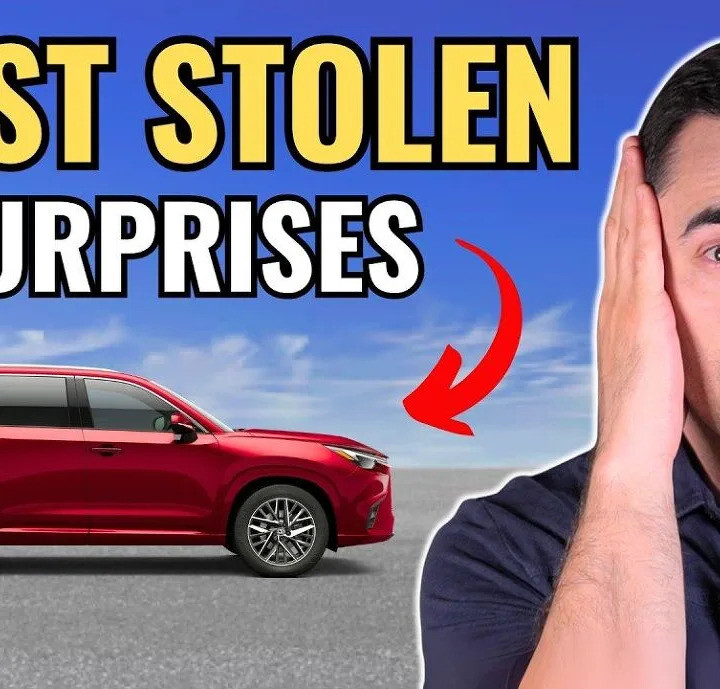
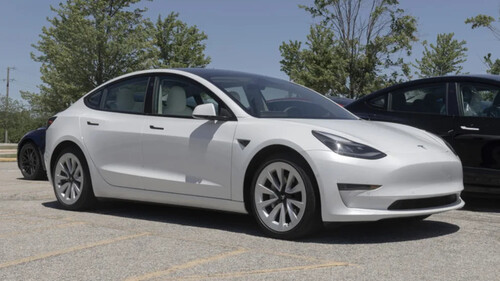
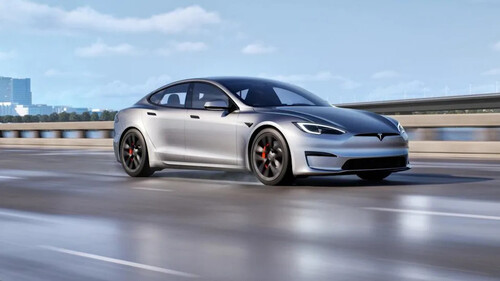
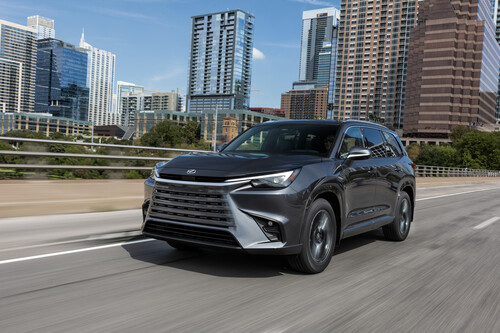
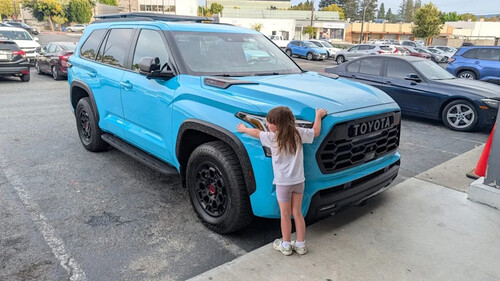
these are the cars that are easiest for thieves to stealThese are the top 10 most stolen cars, trucks, and SUVs across the United States and Canada.We go through the most stolen vehicles for 2026 and share the best ways to prevent car theft. We also explain the auto theft crisis, what is being done to reduce car theft, and what you can do to protect your car and reduce auto insurance rates.We also share the least stolen cars with the lowest theft rates. If you are wondering how to prevent car theft and how to protect your car from being stolen, then make sure to watch this video.Most Stolen Cars and Theft Rates: What You Need to KnowAuto theft remains a significant industry concern across North America. While total theft volume dropped by roughly 20% recently-marking the largest single-year decline in four decades and bringing total thefts below 1 million vehicles for the first time since 2021-overall losses still account for over a billion dollars in insurance claims.However, raw volume figures do not tell the whole story. Understanding the distinction between total theft volume and theft frequency (the percentage of insured vehicles stolen) reveals which vehicles carry the highest risk and why thieves target them.1. Most Stolen Cars by Volume: US vs. CanadaUnited States (NICB Data)The most stolen vehicles in the US by raw volume are predominantly compact cars, full-size pickup trucks, and high-volume sedans:1st: Hyundai Elantra2nd: Hyundai Sonata3rd: Honda Accord4th: Chevrolet Silverado 15005th: Honda Civic6th: Kia Optima7th: Ford F-1508th: Toyota Camry9th: Honda CR-V10th: Kia SoulCanadaIn Canada, the top 10 most stolen vehicles by total volume reflect popular family crossovers, luxury SUVs, and work trucks:1st: Toyota RAV4 (over 2,000 stolen)2nd: Ram 15003rd: Honda CR-V4th: Ford F-1505th: Honda Civic6th: Jeep Wrangler7th: Chevrolet Silverado / GMC Sierra 15008th: Toyota Highlander9th: Toyota Tundra10th: Lexus RX2. Theft Rate vs. Total Volume: The Metrics That MatterFocusing solely on raw volume can obscure true risk. High-volume bestsellers like the Toyota RAV4 appear at the top of lists simply because millions of them are on the road. Looking at theft frequency (the percentage of active insured units stolen) shows a vastly different risk profile.Low Relative Theft Frequency:Honda Civic: 0.26%Honda CR-V: 0.37%Toyota RAV4: 0.38%High Relative Theft Frequency:Toyota Highlander: 0.90%Lexus RX: 1.14% (3x higher risk than a RAV4)Toyota Tundra: 1.52% (4x higher risk than a RAV4)Mercedes-Benz G-Class: 2.73%Land Rover Defender: 2.95%Toyota Grand Highlander: 4.29%Lexus TX: 14.89% (nearly 1 in 7 insured models stolen)In heavy-duty pickup categories (e.g., GMC Sierra 2500/3500, Chevrolet Silverado 3500), theft frequencies run 6 to 10 times higher than average, carrying an average insurance claim payout near $67,000. In Canada, vehicles valued over six figures saw theft rates increase by 47%.3. Why Specific Vehicles Are TargetedThe motivations and mechanisms behind auto theft differ by region:United States: Low-Level Opportunistic TheftUS theft statistics are driven heavily by lower-tier crimes targeting older vehicles equipped with traditional key ignitions or weak immobilizer systems (such as non-push-button Hyundai and Kia models). These vehicles are generally stolen for joyriding or localized transportation.Canada: Organized Crime and ExportCanadian theft is predominantly run by organized crime syndicates targeting high-value Japanese luxury crossovers, SUVs, and trucks (specifically Lexus, Toyota, and Land Rover products).Global Demand: High overseas demand, strong resale value, and part interchangeability make these models primary targets.Port Access: Vehicles are stolen via electronic key cloning or CAN bus injection, packed into shipping containers, and exported through major maritime hubs like the Port of Montreal.4. The Least Stolen Vehicles: EVs and VolvosThieves almost entirely ignore electric vehicles (EVs) and specific European luxury brands:Tesla Model 3 & Model Y: Sitting at the very bottom of theft claim frequency lists, the Model 3's theft rate is roughly 1% of the industry average.Volvo Lineup: Consistently records the lowest theft risk among luxury gas/hybrid vehicles.Why Thieves Avoid EVsPersistent GPS & Camera Tracking: Features like Tesla Sentry Mode record surroundings continuously while cellular GPS provides real-time location tracking directly to the owner's phone.Lack of Key Fob Relays: Keyless phone-as-a-key architecture makes traditional relay attacks ineffective.Low Export Appeal: Limited overseas charging infrastructure and software-locked components reduce demand in illegal export markets.5. How to Protect Your Vehicle and Reduce Insurance CostsIf you own or plan to purchase a high-risk vehicle, factory security measures may not be enough. Four key strategies can help prevent theft and lower insurance premiums:Aftermarket Digital Immobilizer (e.g., IGLA): Integrates into the vehicle's CAN bus computer network and requires a custom PIN code (entered via existing steering wheel or dash buttons) before the engine will start. This stops key cloning, relay attacks, and CAN bus injection completely.Tracking and Recovery Systems (e.g., TAG): Uses hidden wireless transponders throughout the vehicle paired with a private recovery team that works directly with police. Many insurance providers in high-theft regions offer discounts for installing tracking systems or charge higher premiums without one.Faraday Signal-Blocking Pouch: A metallic-lined pouch ($15–$20) that blocks radio signals from smart key fobs, neutralizing driveway signal relay attacks.Mechanical Steering Wheel Lock: Serves as a visible physical deterrent. Because thieves prioritize speed and low risk, visible mechanical locks often convince them to move on to an easier target.Become an AutoGuide insider. Get the latest from the automotive world first by subscribing to our newsletter.