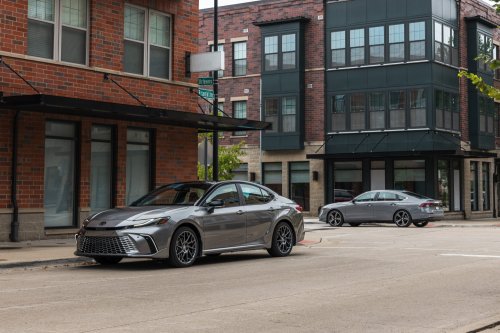
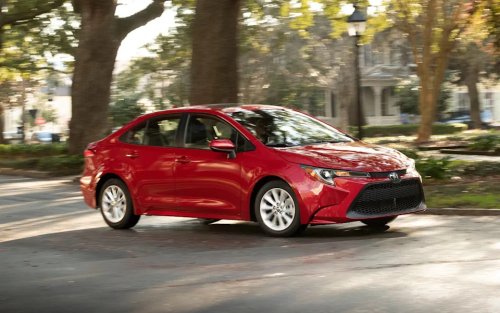
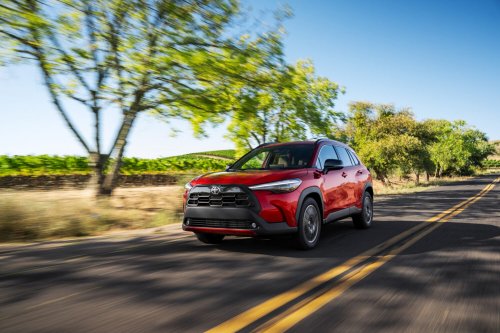
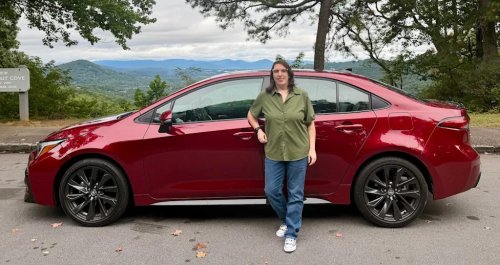
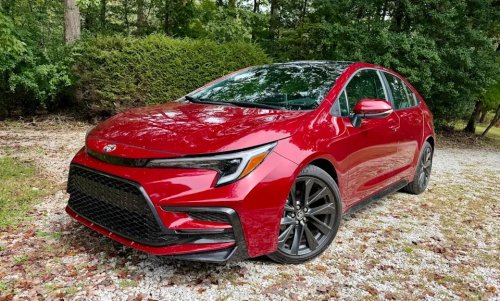
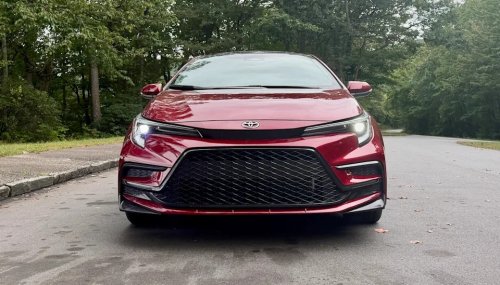
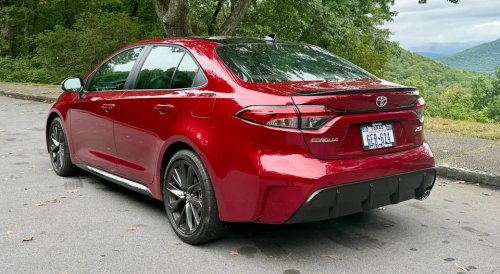
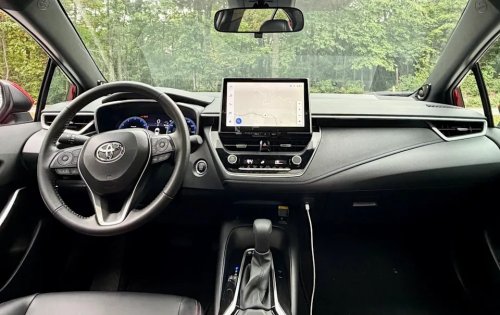
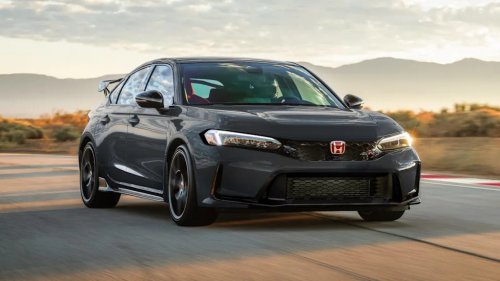
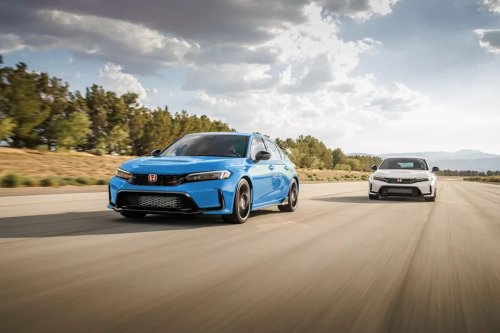
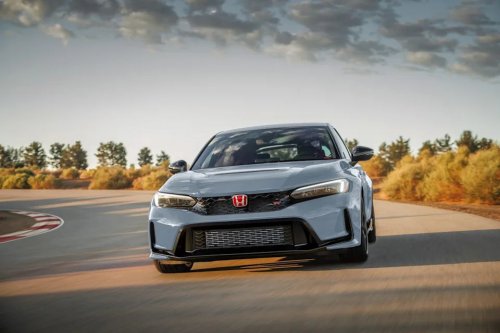
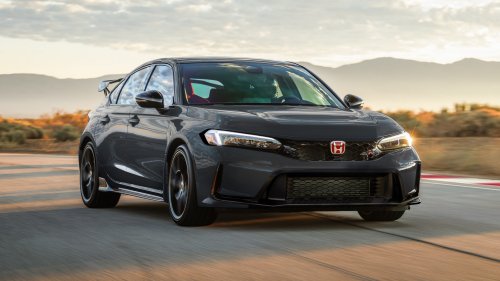
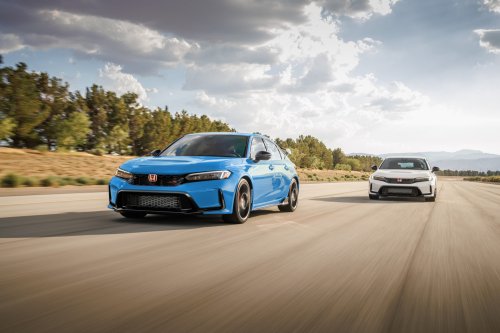
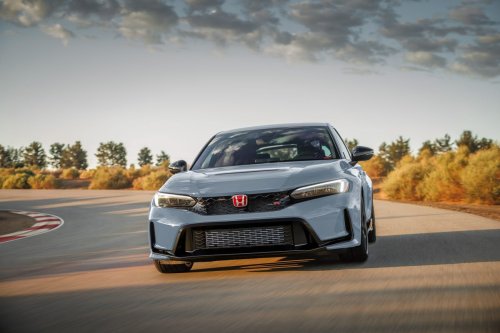
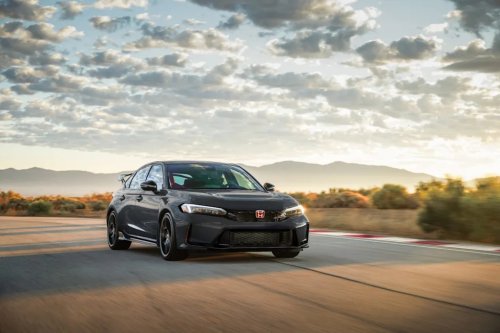
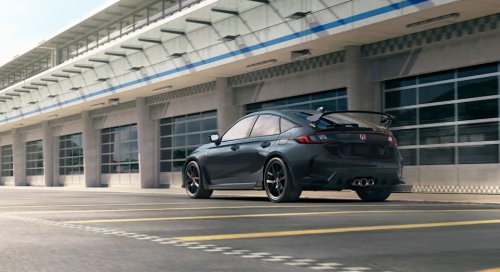
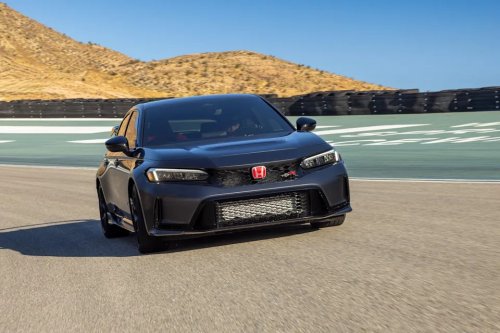
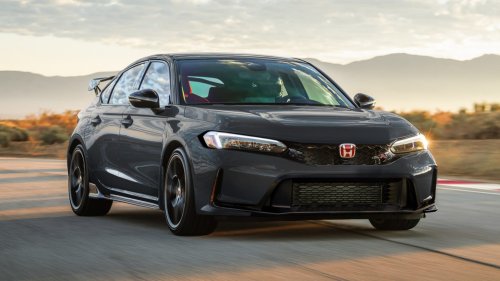
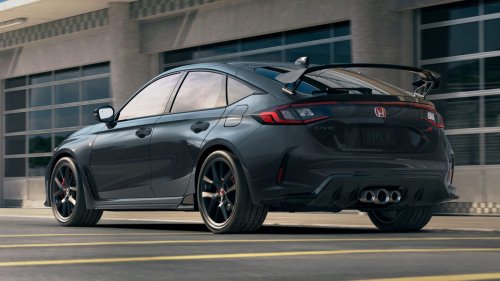
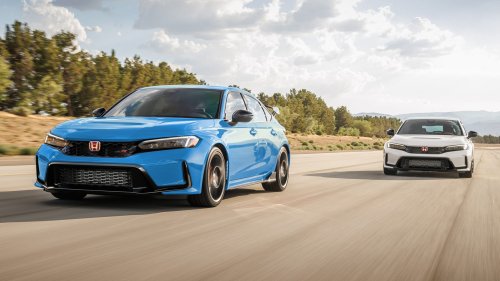
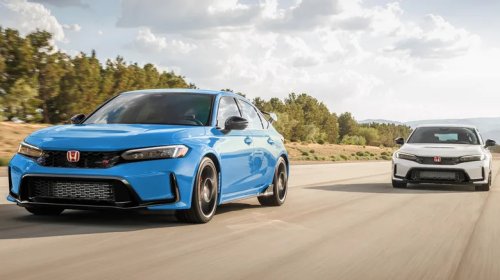
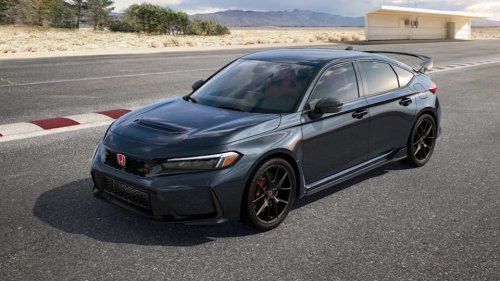
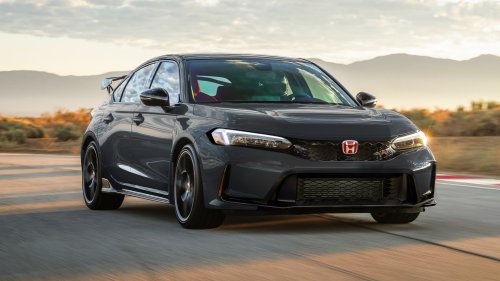
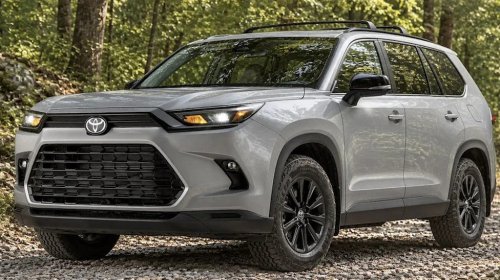
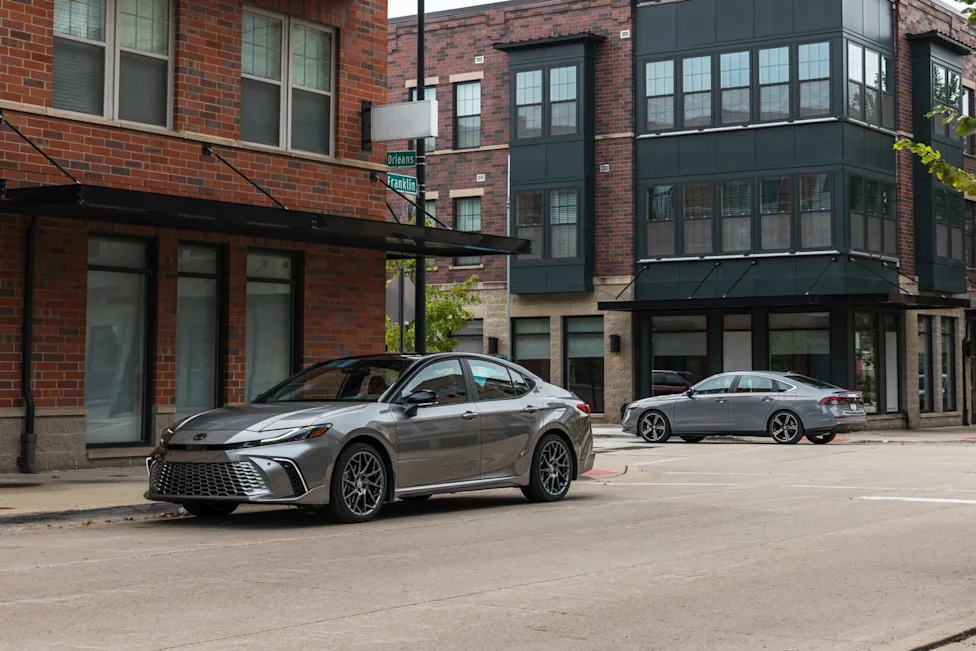
Honda and Toyota Lead U.S. Sedan Sales SurgeMichael Simari - Car and DriverMany sedan models are experiencing sales increases in the United States.Through the first three quarters, U.S. sales numbers for Honda and Toyota's car lineups are outpacing their SUV lineups in terms of year-over-year growth.The trend is also similar among several luxury brands, with a few Acura, BMW, and Lexus sedan models also up.SUVs and trucks still represent the vast majority of new-car sales in the United States, but many sedan models are experiencing sustained sales growth in 2026. Through the first three quarters of this year, several major automakers—including Toyota and Honda—recorded larger sales growth among their car lineups than among their truck and SUV lineups. The shift was most notable at Honda: the brand's sedans, hatchbacks, and sports cars posted a 15.6 percent increase over last year, while Honda's SUVs and trucks were up by just 0.3 percent. Honda said that the third quarter of 2026 was its best quarter for passenger-car sales since 2020.Which Sedan Models Are Doing Well?Among the bestselling sedans, the Toyota Camry and Honda Accord posted the largest increases, with Camry sales up 11.2 percent to 260,684 units sold and Accord sales up 32.7 percent to 145,520 units sold. The smaller Toyota Corolla (195,141 units sold) and Honda Civic (195,135 units sold) models were up by 8.4 percent and 5.4 percent, respectively.This growth is not limited to these two Japanese brands, either. Hyundai and Kia, Korean automakers that have kept sedans in their lineups even as many of their American rivals entirely eliminated that body style from their U.S. showrooms, also posted increases for their sedans. Hyundai Elantra sales were up by 11 percent, even though the compact sedan is late in its current life cycle and is due to be replaced by a redesigned model for 2027. Hyundai and Kia's mid-size sedans, the Hyundai Sonata and Kia K5, also posted double-digit sales increases through the first three quarters.Other notable models posting increases include the Mazda 3 (up 42.3 percent) and luxury models such as the BMW 3-series (up 37.3 percent), Lexus IS (up 51.7 percent), and Acura Integra (up 37.3 percent). Nissan was left out of the fun: the Sentra and Altima were both down by double-digit percentages. The brand's trucks and SUVs posted a 14.4 percent increase through the first three quarters, while its cars were down 25 percent.Why Is This Happening?We suspect this uptick in consumer interest in sedans is largely powered by an increased focus on affordability. Buyers are seeking economic relief from ever-inflating new-car prices, while also looking to save money at the pump as gas prices reach new highs. Sedans cost less than SUVs in most cases: the Honda Accord and Civic, for instance, both have base prices under $30,000, while the Honda CR-V compact SUV starts at just over $32,000. Sedans also get better average fuel economy than SUVs. To use the same Honda examples, hybrid versions of the Civic and Accord are both rated at over 48 mpg combined, while the CR-V Hybrid manages 40 mpg—an impressive number for an SUV, surely, but not as high as its siblings.To see if this shift continues, we'll continue examining the numbers over the coming months as fourth-quarter sales figures come in. And we'll see if automakers respond to these changes in consumer behavior if this sedan resurgence continues on a longer-term basis.➡️ Skip the lot. Let Car and Driver help you find your next car.Shop New Cars Shop Used CarsGift Guide: Best Ride-On Electric Cars for KidsFuture Cars Worth Waiting For: 2025–2029



















 +65 others