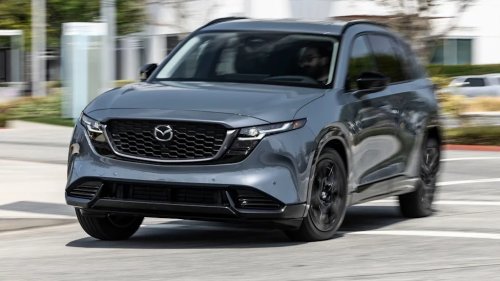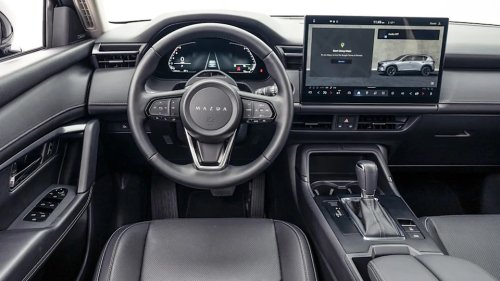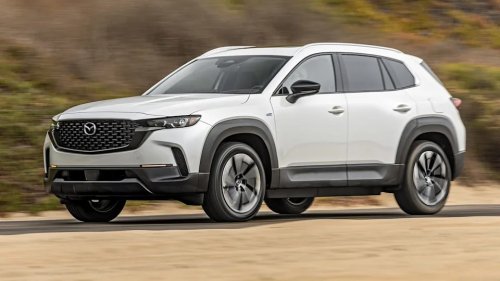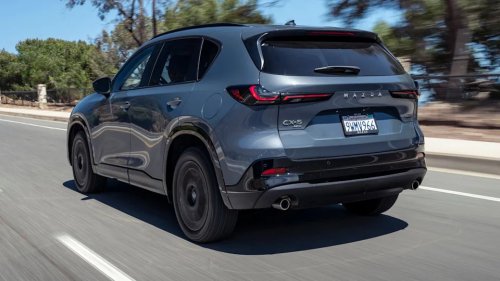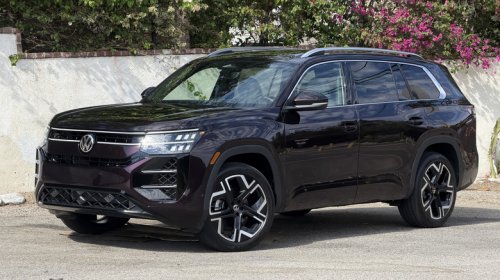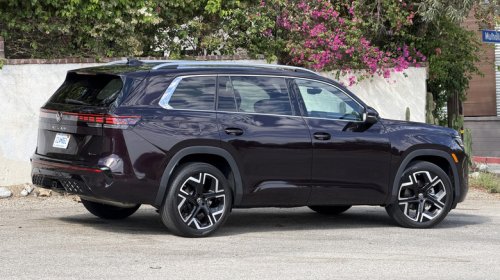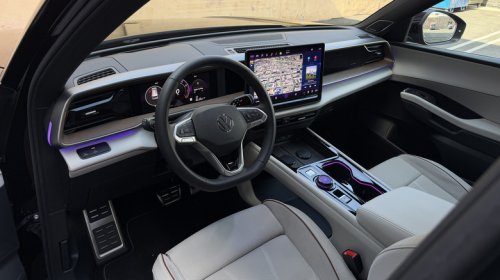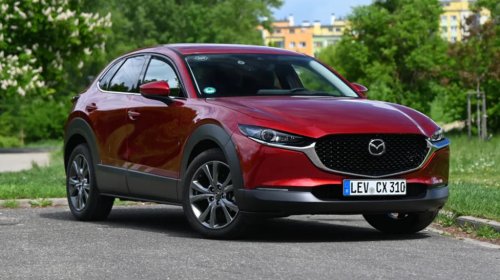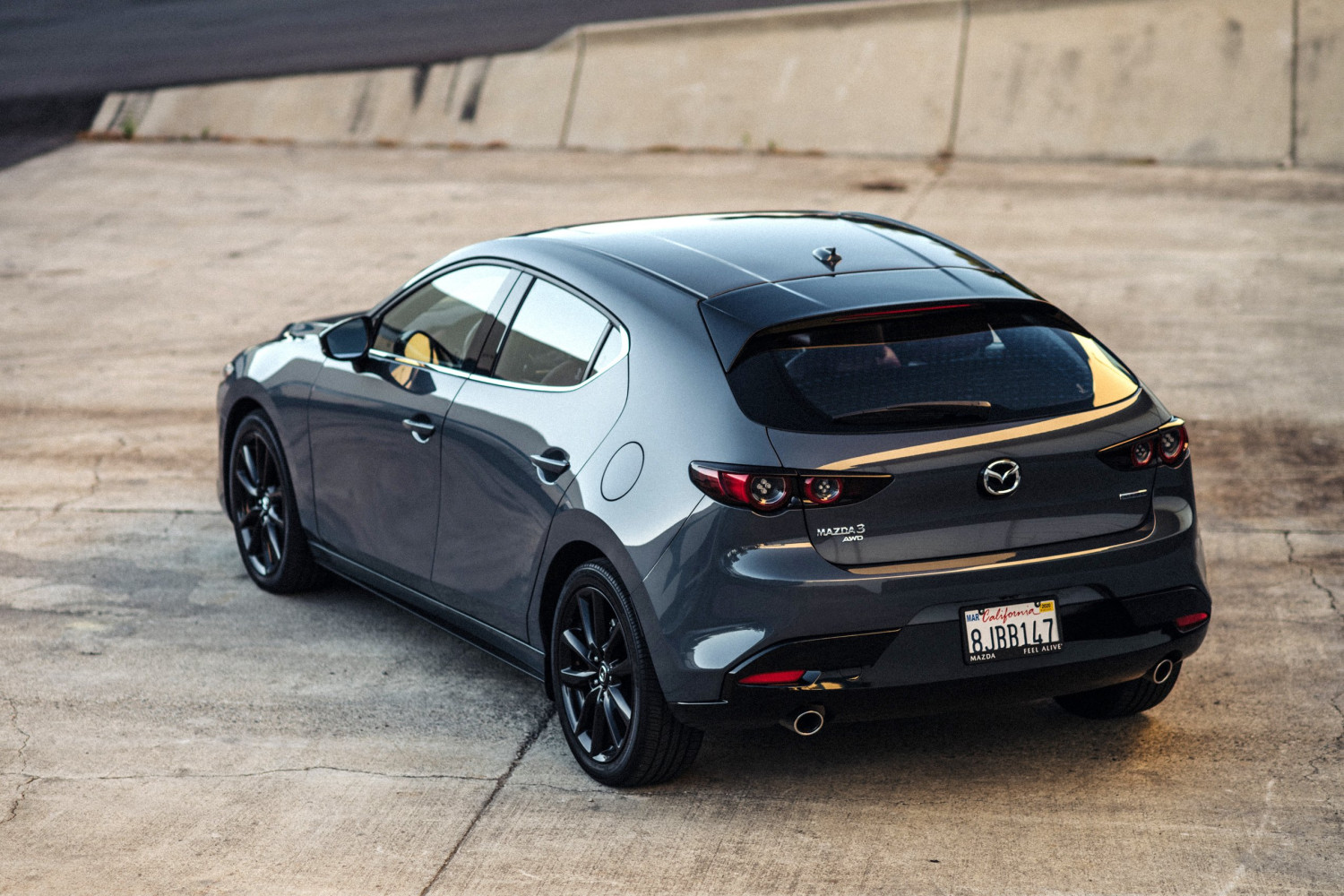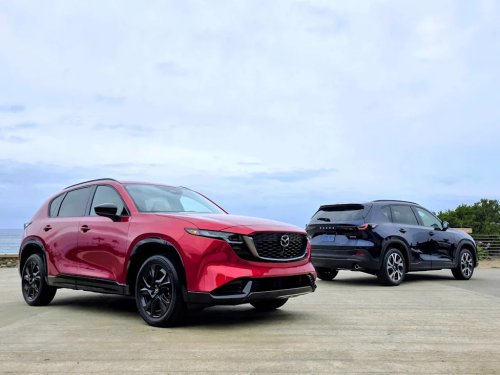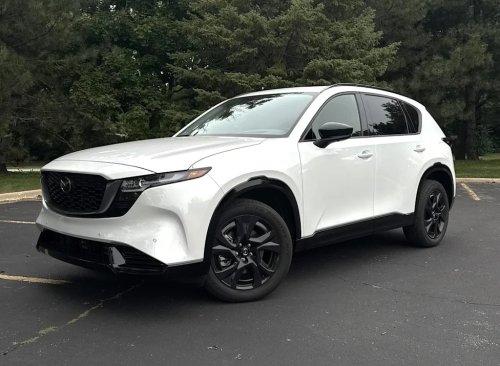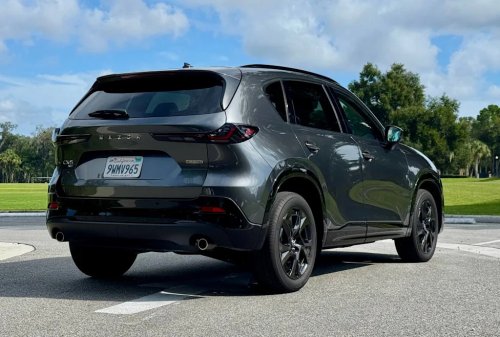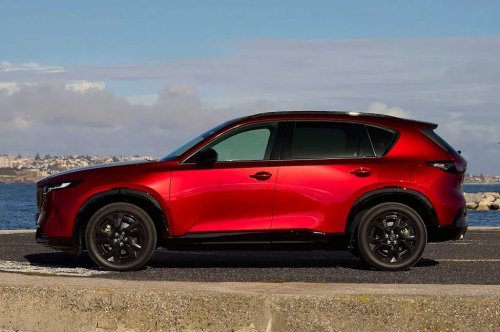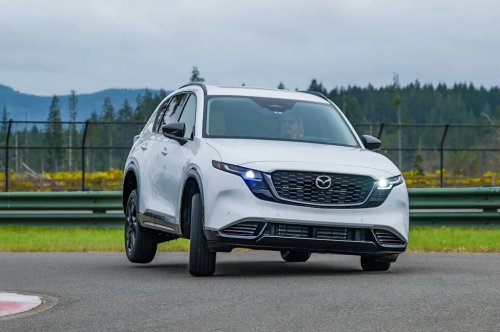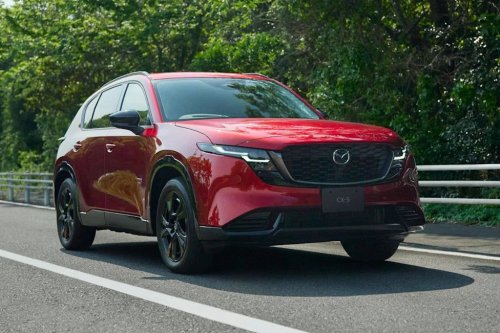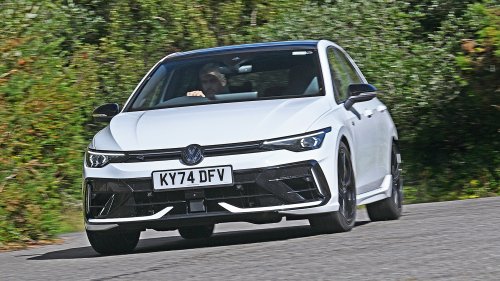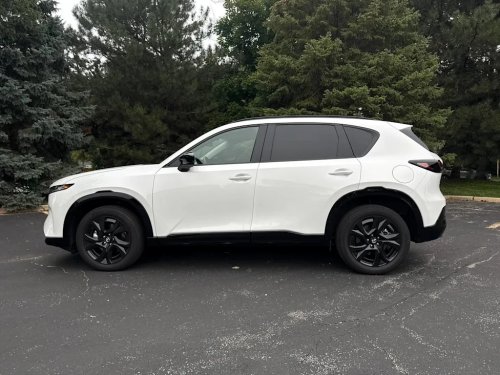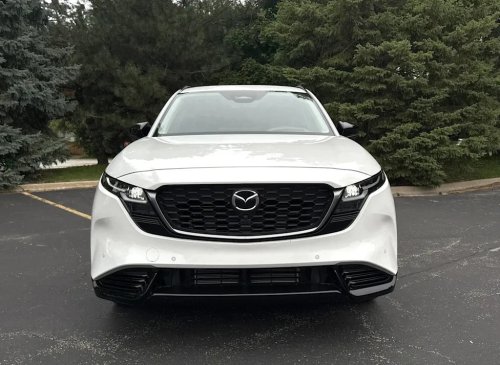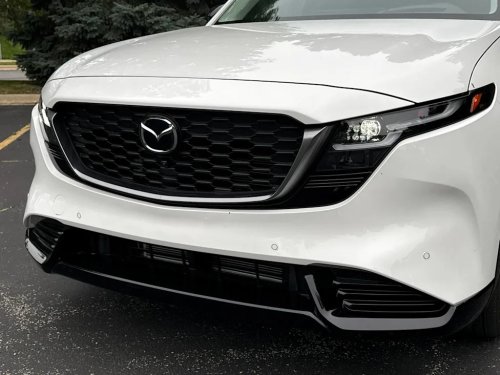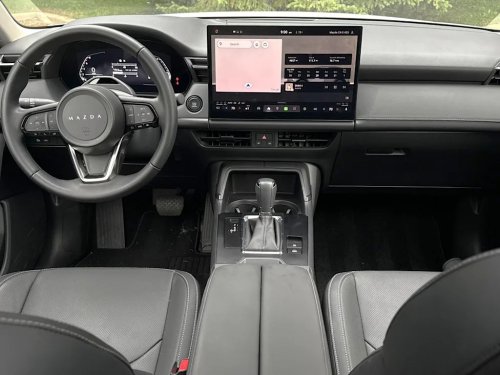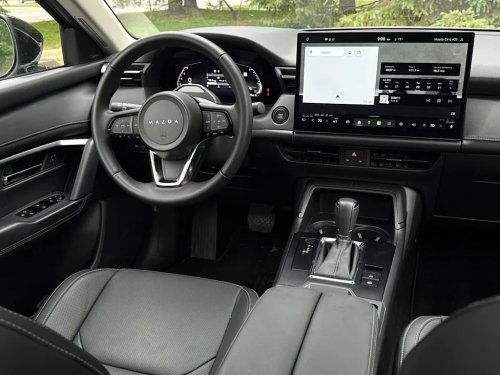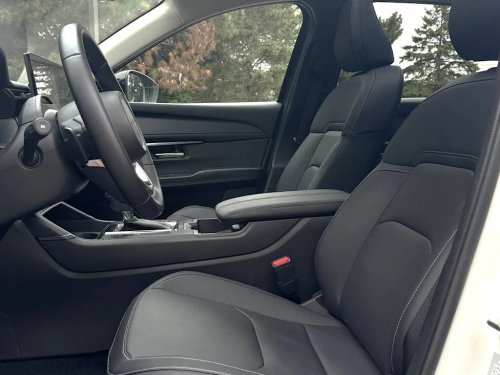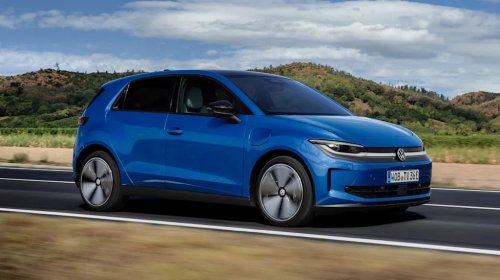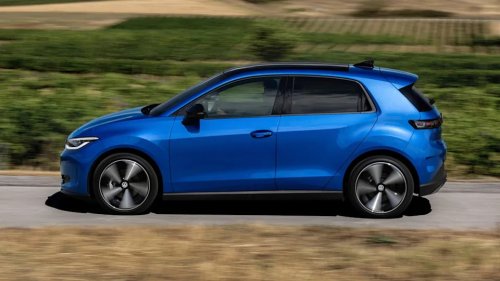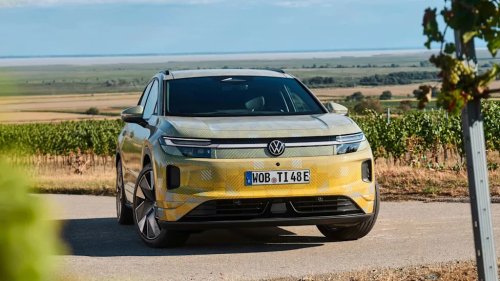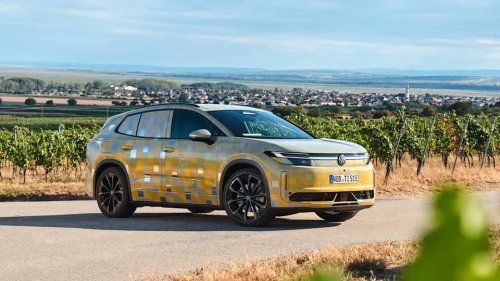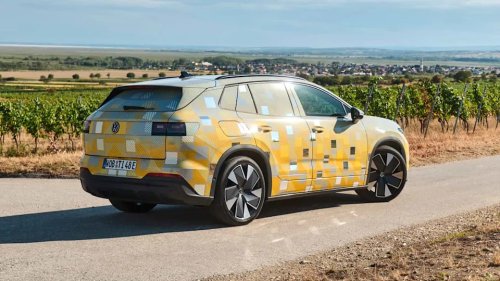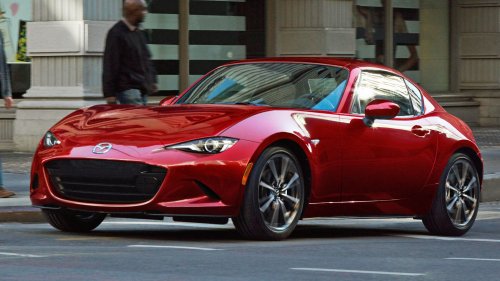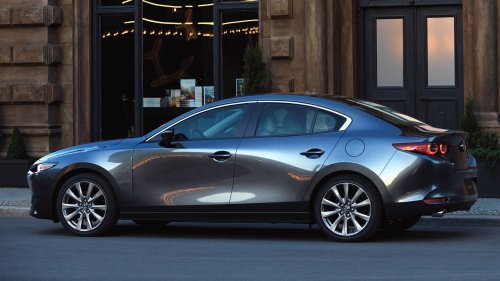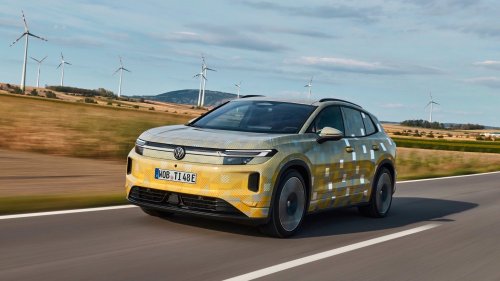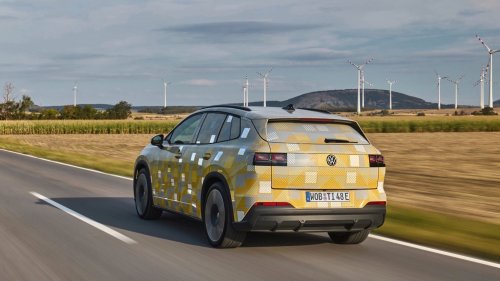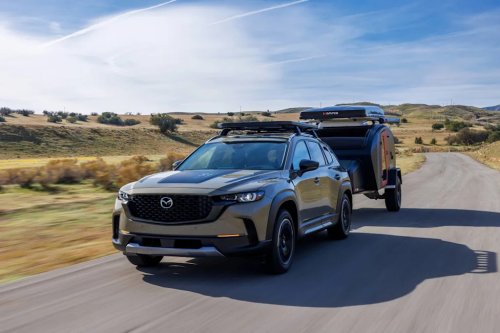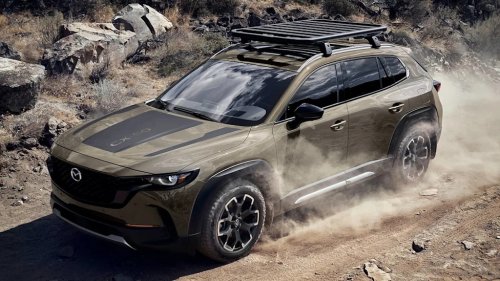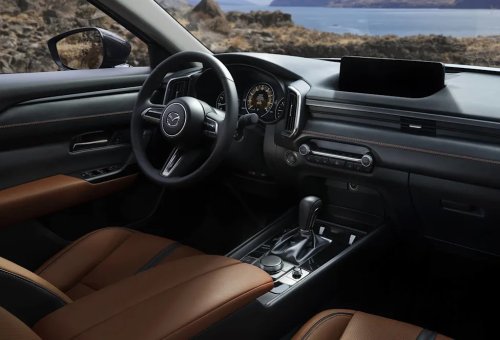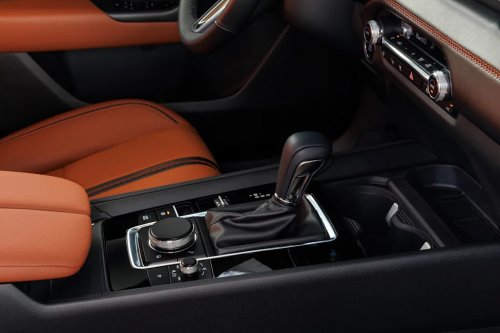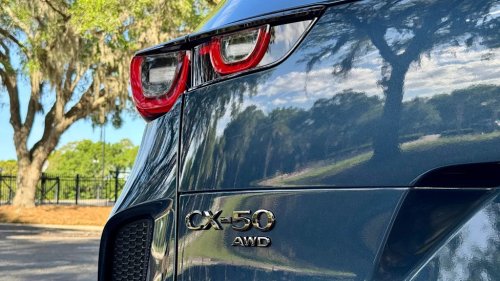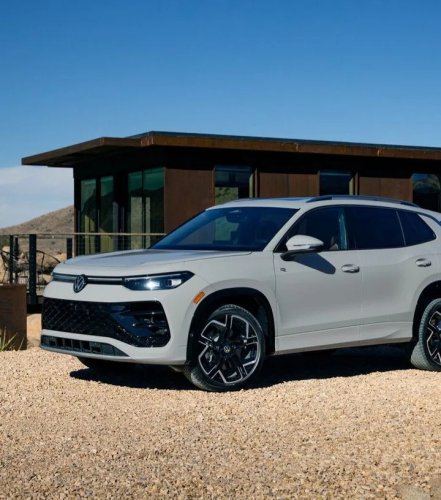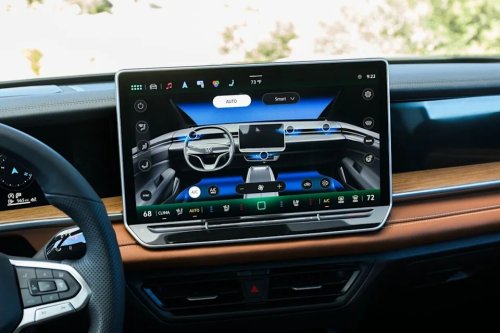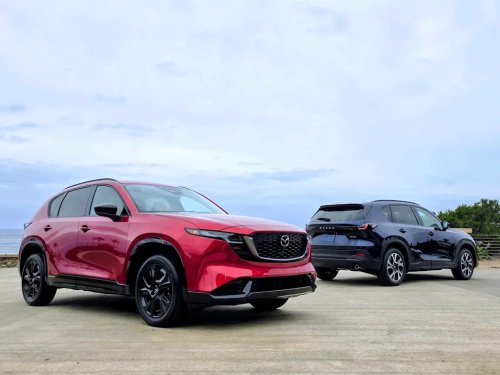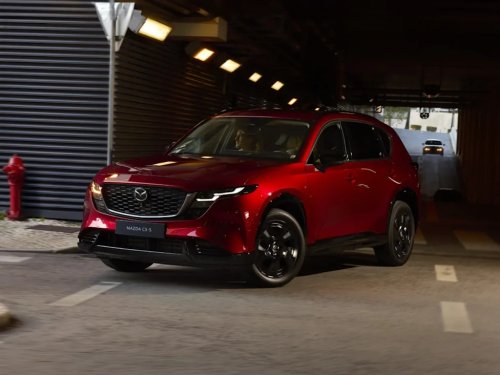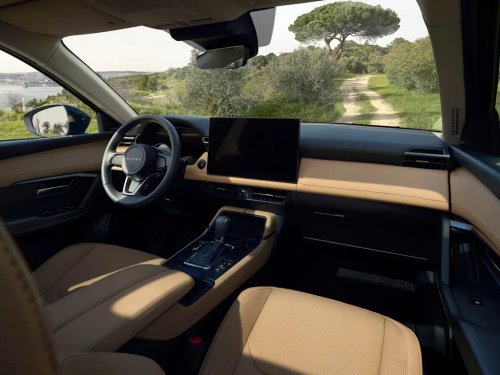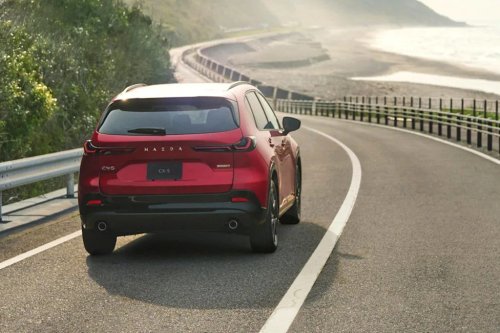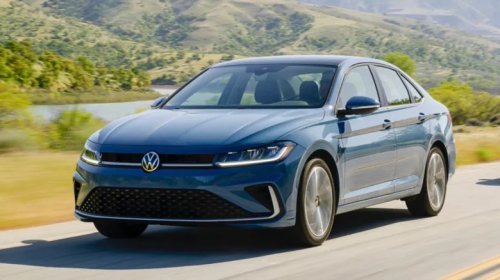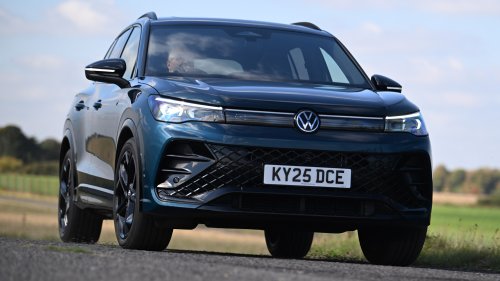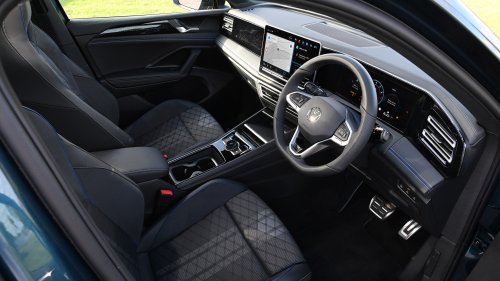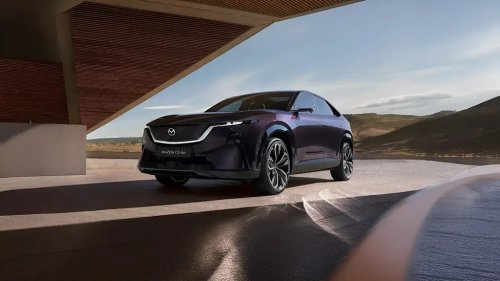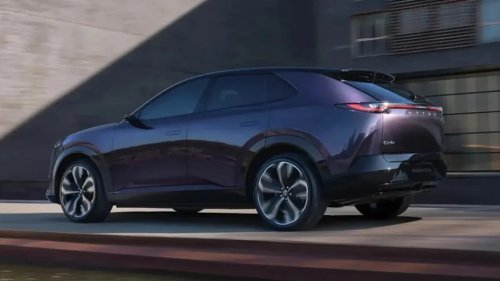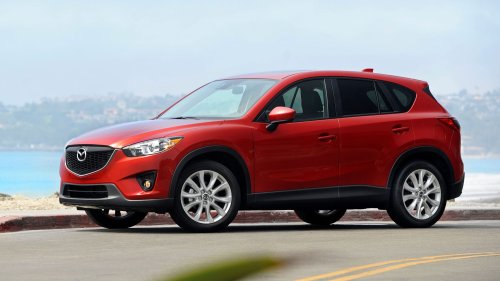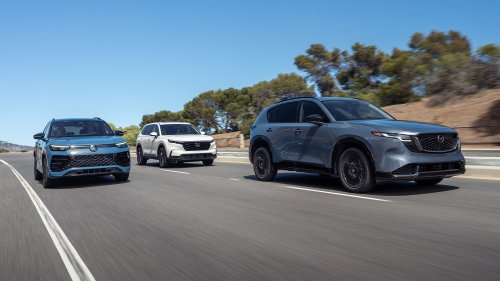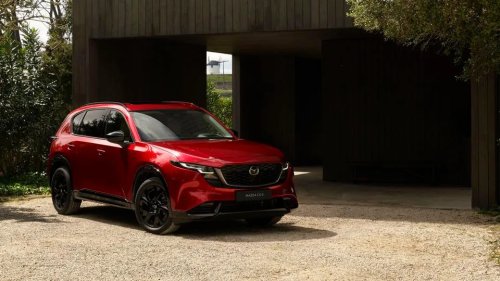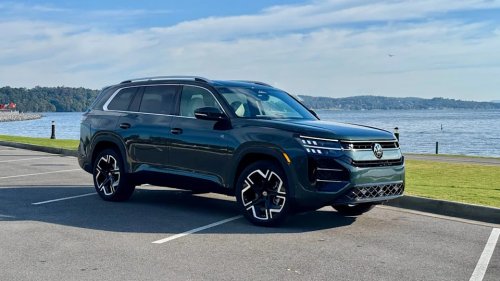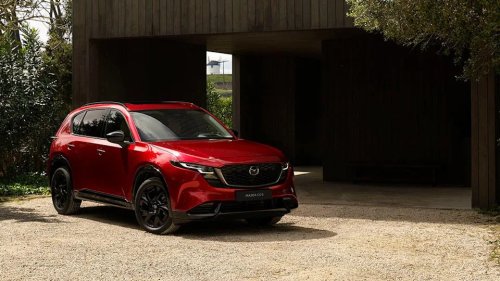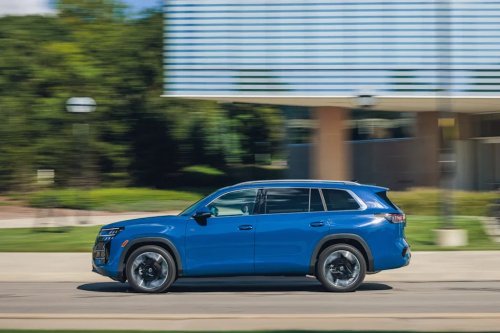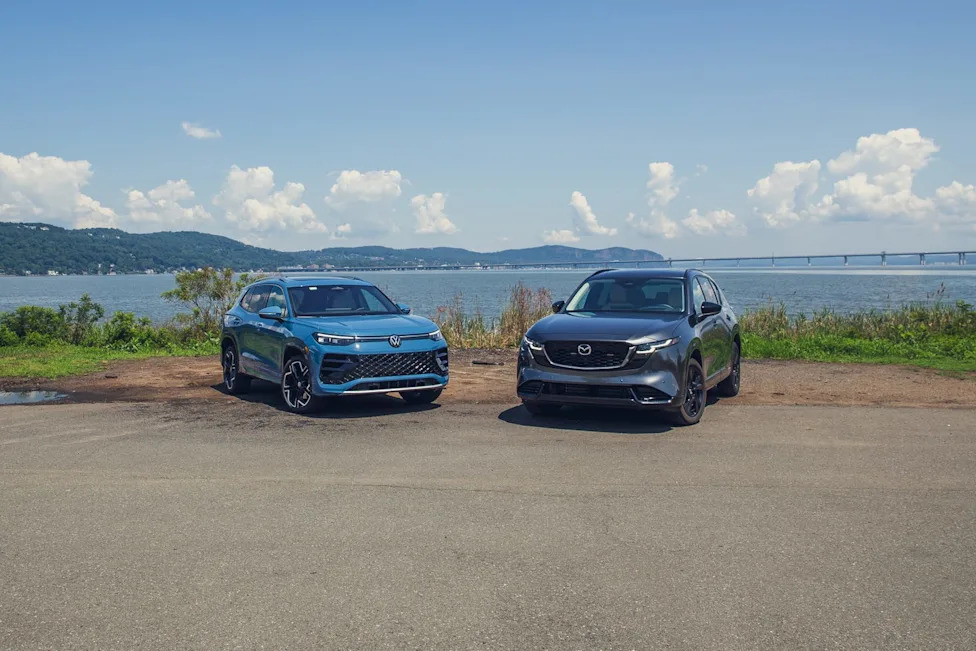
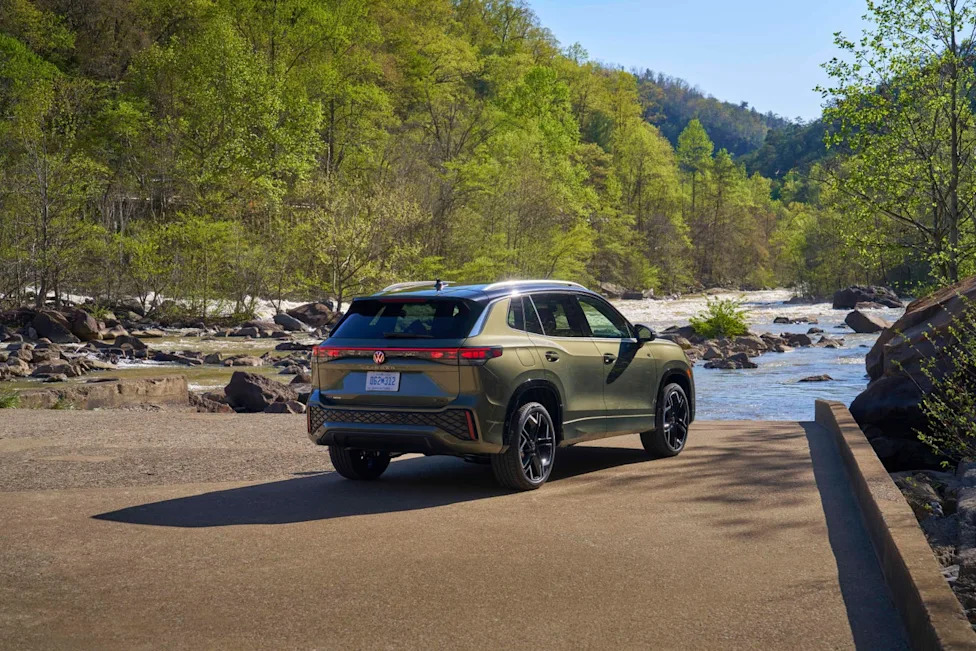
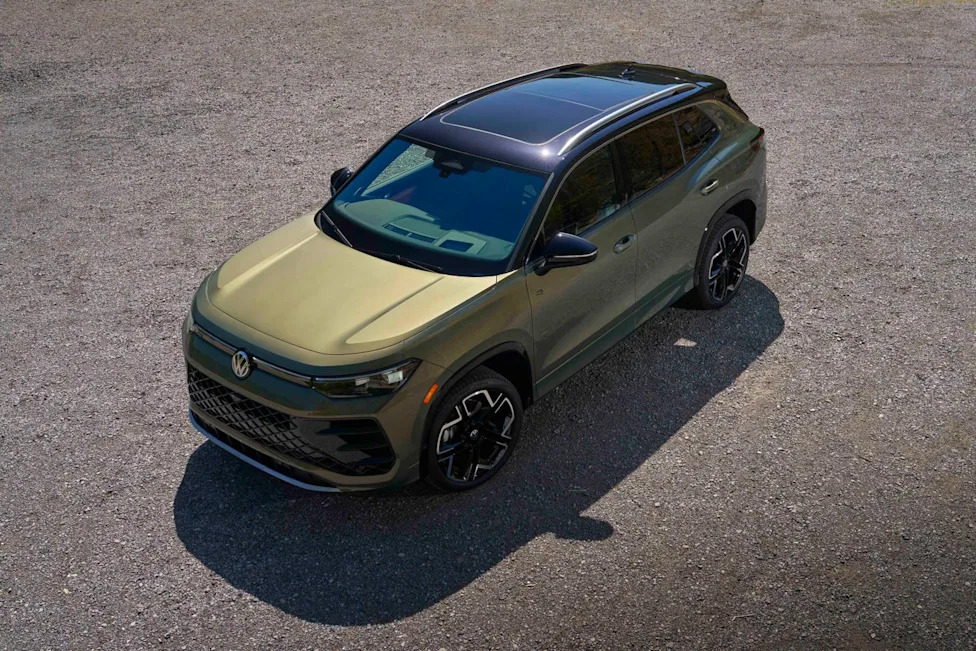




















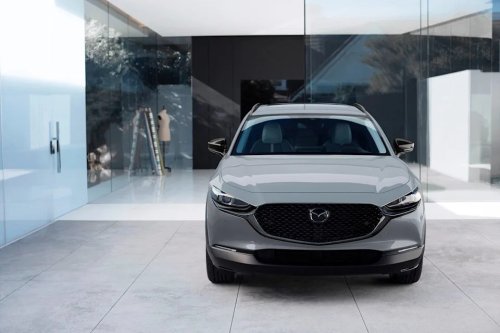
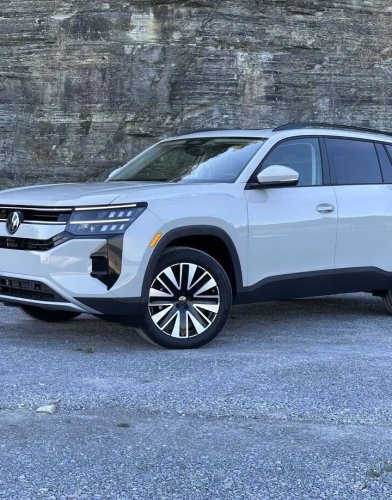
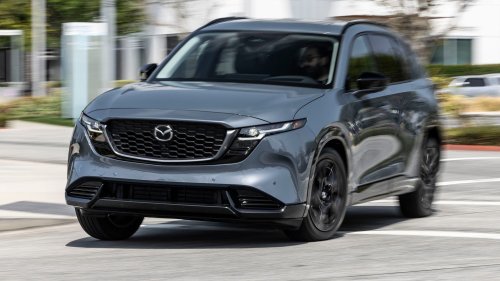
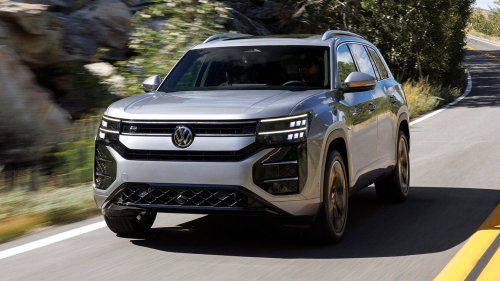
2026 Mazda CX-5 vs. Volkswagen Tiguan ComparisonJoey Capparella - Car and DriverIf the Honda CR-V and Toyota RAV4 are the Sabrina Carpenter and Taylor Swift of the compact-SUV world, then the Mazda CX-5 and Volkswagen Tiguan are more like Olivia Rodrigo and Billie Eilish. Sure, they're slightly less popular, but they each offer a distinctive personality while still hewing to the basic formula that defines their segment.Both the VW and the Mazda are now in their third generations, with the latest Tiguan having debuted for the 2025 model year and the new CX-5 arriving for 2026. We decided to compare these two models, which have traditionally offered more to driving enthusiasts than your average compact crossover. Is that still the case, or have they given in to the practical demands of the class and abandoned their special feel?VolkswagenWhat We TestedWe gathered the top trim levels of both models. For the 2026 Mazda CX-5, that's the Premium Plus configuration. Mazda no longer offers the previous model's more powerful turbocharged four-cylinder engine, so the 187-hp naturally aspirated 2.5-liter inline-four is the sole choice on all CX-5s for now (until a hybrid arrives next year). The 2026 Volkswagen Tiguan's most expensive trim is the SEL R-Line Turbo, which does come with extra grunt. Its 268-hp turbocharged 2.0-liter four-cylinder outpaces the base 201-hp turbo four on other Tiguans, and it's the most powerful engine available in this segment overall. The Mazda's as-tested price of $41,080 was quite a bit less the VW's $45,410 sticker (prices and test results are for similar vehicles from previous tests).Exterior and InteriorStyle might not be the top consideration for practical vehicles like these, but we still think most compact-SUV shoppers want their car to have some curb appeal. To our eyes, both the Mazda and the Volkswagen are better looking than most of their rivals. The new CX-5 looks much like its predecessor, only with more modern headlights and taillights. Handsome proportions and upscale detailing remain, making it look more expensive than it is. The Tiguan has a more bloblike shape, but it too has an athletic stance. LED lighting for the front end and distinctive-looking taillights keep it from appearing too generic.Mazda CX-5 2.5 S Premium Plus AWDHIGHS: Pleasant ride quality, spacious rear seat, attractive styling.LOWS: Turbo engine option is no more, downgraded interior materials, fussy touchscreen controls.VERDICT: The CX-5 remains a strong choice in this segment, but it isn't as much of a standout as its predecessor was.AdvertisementAdvertisementMazda stretched the CX-5's wheelbase for 2026, and the rear seat and cargo area are more capacious than before. Our backsides say rear-seat comfort is about the same between the Mazda and VW, and cargo space is a close race as well, though the Tiguan offers a bit more volume with its rear seats folded.Both models feature large touchscreen infotainment systems that dominate the dash. This top-spec Mazda's measures 15.6 inches, while the VW R-Line's comes in at 15.0 inches. Nearly all functions are integrated into these screens, which we don't love in either case. Fiddling with the climate control, for instance, is finicky in both SUVs, as you have to use onscreen controls rather than physical buttons and knobs to adjust the temperature. Between the two screens, we found the VW's to be slightly more logically arranged and responsive.The Volkswagen also comes out on top in terms of materials quality and dashboard design. It features tasteful woodlike accents and metal trim. While the CX-5's interior looks equally luxurious, many of its dashboard surfaces are hard to the touch, a downgrade from the previous CX-5's upscale-feeling plastics and softer-touch materials.Powertrain and PerformanceWhile we drove the 268-hp R-Line Turbo for this comparison, it's worth mentioning that the base 201-hp Tiguan is more closely matched to the Mazda. An all-wheel-drive Tiguan SEL got to 60 mph in 8.5 seconds in our testing, trailing the CX-5's 8.0-second result.Volkswagen Tiguan R-Line Turbo 4MotionHIGHS: Peppy turbo engine, near-luxury-grade interior feel, responsive handling.LOWS: Ride quality may be too firm for some, overreliance on touchscreen controls, pricey.VERDICT: The Tiguan offers a solid package overall, and its turbocharged engine takes it to an even higher level.AdvertisementAdvertisementMazda told us that the previous CX-5 Turbo accounted for only 13 percent of sales, which probably explains why the boosted powertrain hasn't returned for this new generation. (If you seek a speedier Mazda SUV, the similarly sized CX-50 still offers that same turbo engine.) The naturally aspirated 2.5-liter has its work cut out for it with the now larger and heavier CX-5. Fortunately, throttle response is good, and the six-speed automatic transmission responds promptly to calls for downshifts. But you do have to rev out this engine to get adequate passing power. The Tiguan, by contrast, has the instant torque you'd expect from a modern turbo engine, and the R-Line Turbo's 6.7-second sprint to 60 mph is impressive.Driving ExperienceWe enjoy driving both of these models more than many other compact SUVs, but it's clear that the Volkswagen is the sharper of the two. The new CX-5 has a more syrupy feel, with a softer suspension tune than in the previous model. That's not entirely a bad thing, however, because we preferred its composed ride quality to the Tiguan's firmer demeanor. The Mazda soaks up road imperfections deftly, while the Tiguan's stiffer suspension and larger wheels return harsher impacts.The Tiguan has quick and accurate steering, which makes it more entertaining to pilot on twisty roads. The Volkswagen also corners surprisingly flat, while the Mazda demonstrates more body roll, despite the CX-5 actually exhibiting more grip around our skidpad: 0.83 g to the Tiguan's 0.80 g. The CX-5 is still engaging enough to pilot thanks to its well-tuned steering, but the Tiguan—at least in this sportiest trim level—has surpassed it in terms of the fun-to-drive factor.VolkswagenAnd the Winner Is . . .The Volkswagen Tiguan takes the win here on the strength of its optional powertrain, pleasant interior, and eager driving dynamics. The Mazda CX-5 is still a good choice in this segment, and Mazda has wisely solved one of the old model's demerits by expanding its rear seat and cargo area. But the new CX-5 is not as much of a dynamic standout as its predecessor was—or as much as its sibling, the CX-50, still is. And in the absence of its previously optional turbocharged engine, competitors such as Volkswagen have successfully swooped in to entice the compact-SUV shopper who's looking for a bit more from their practical daily driver.AdvertisementAdvertisement➡️ Skip the lot. Let Car and Driver help you find your next car.Shop New Cars Shop Used CarsYou Might Also LikeGift Guide: Best Ride-On Electric Cars for KidsFuture Cars Worth Waiting For: 2025–2029