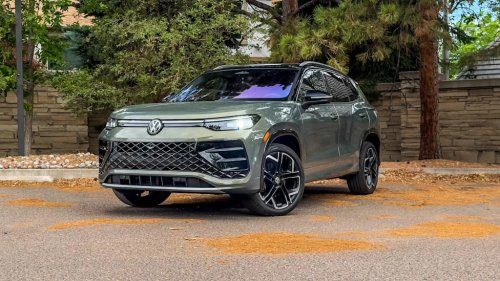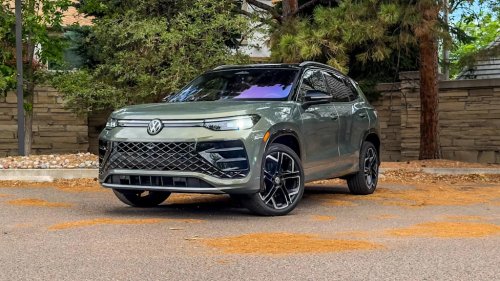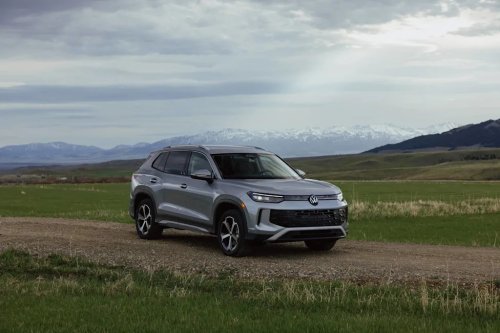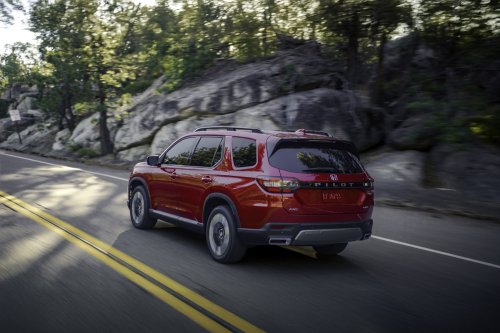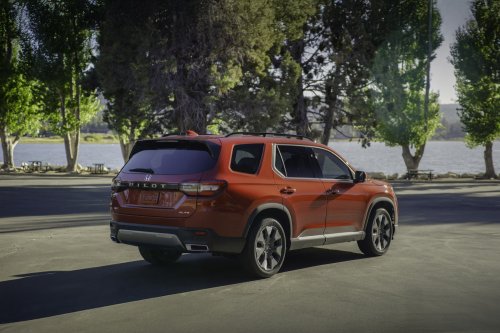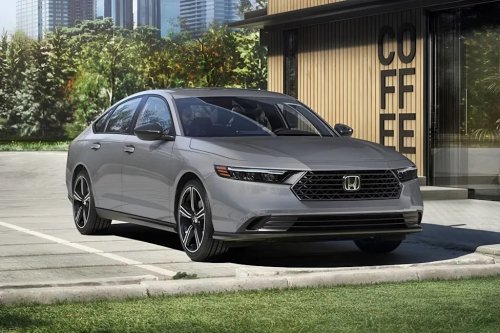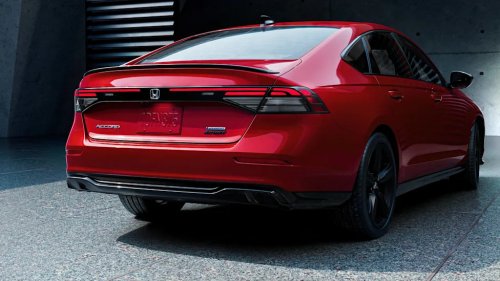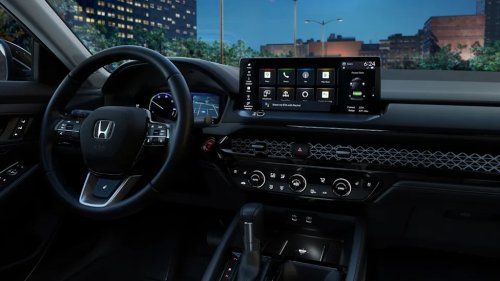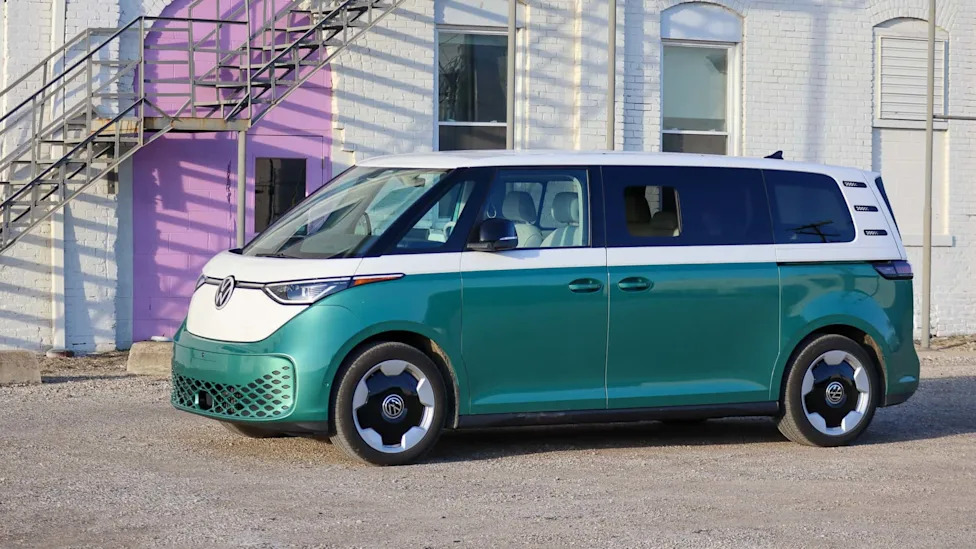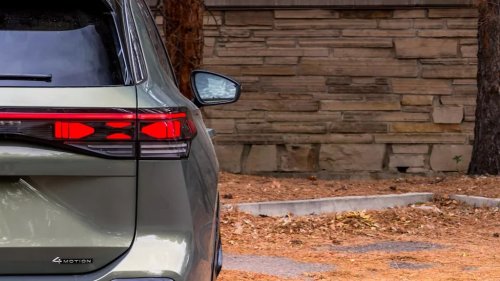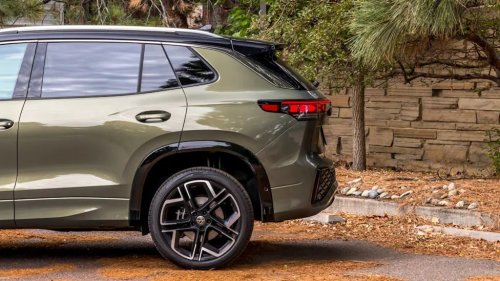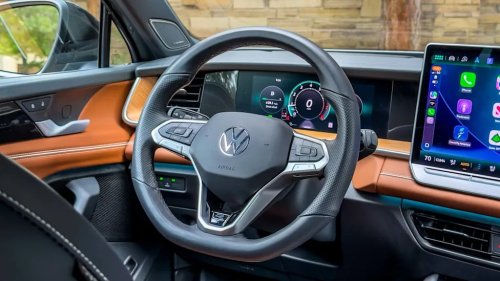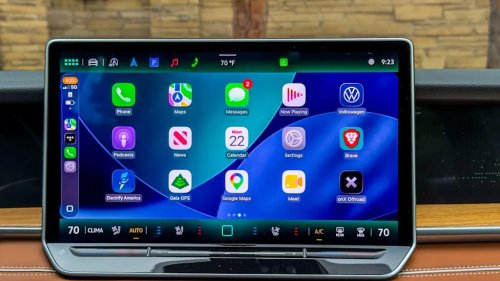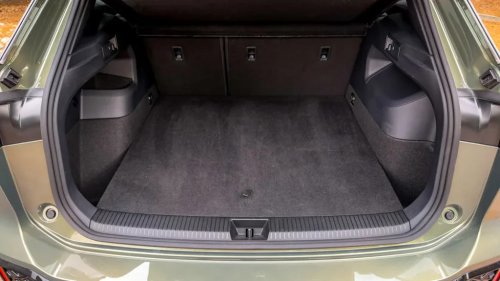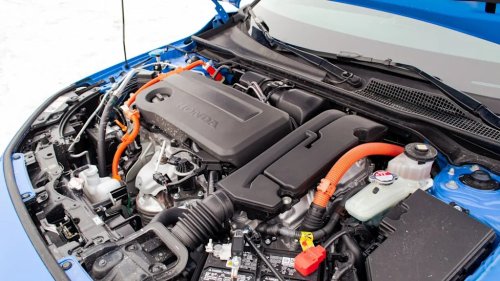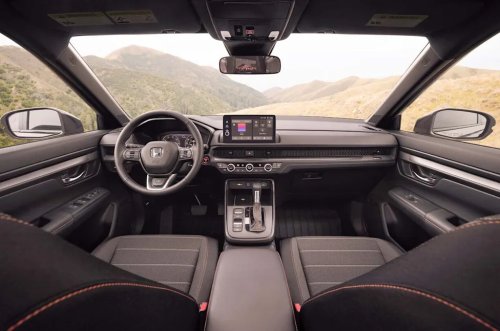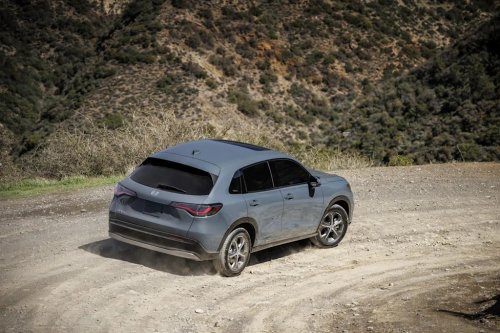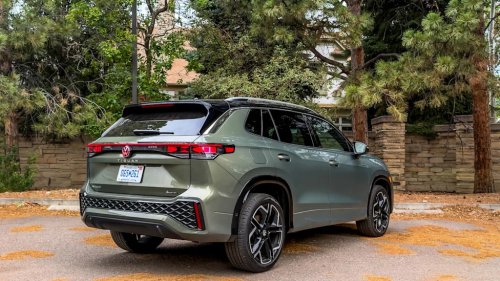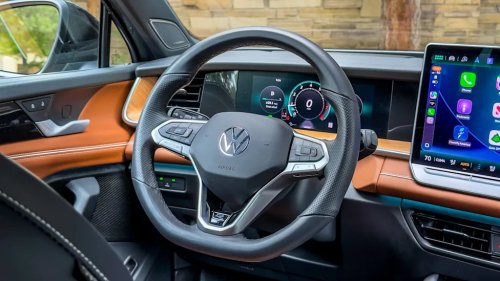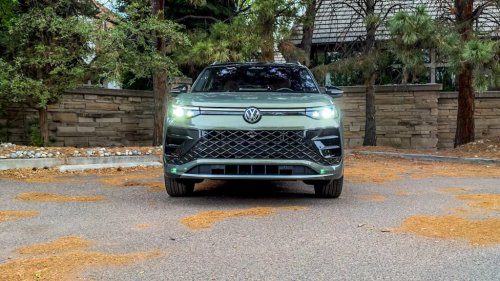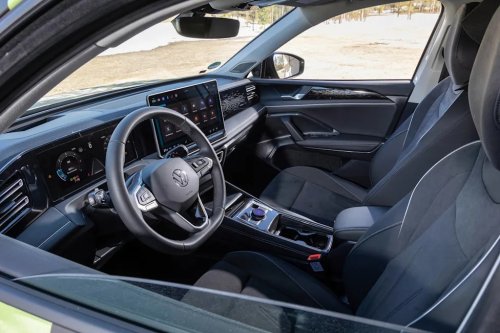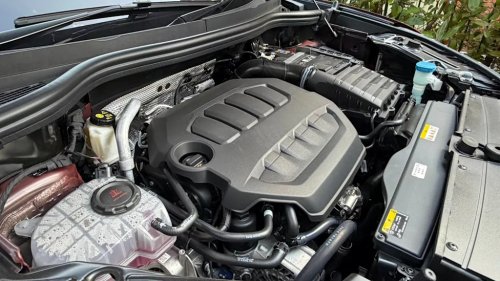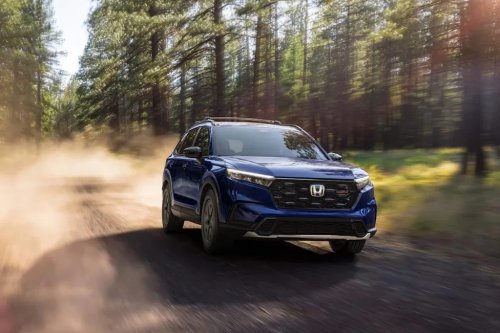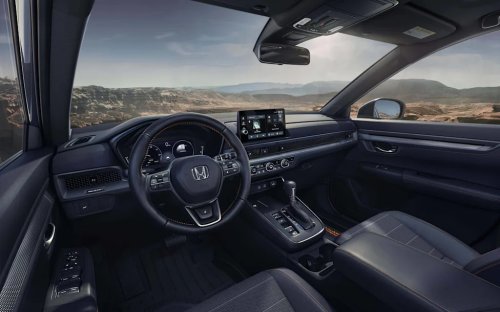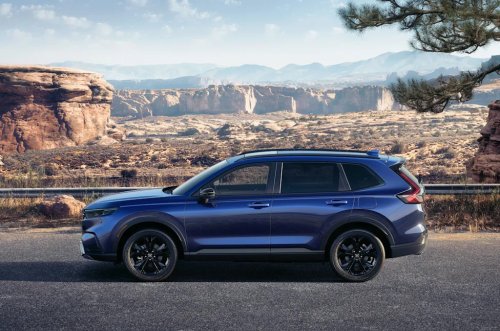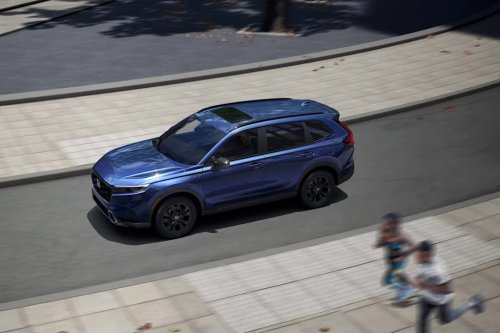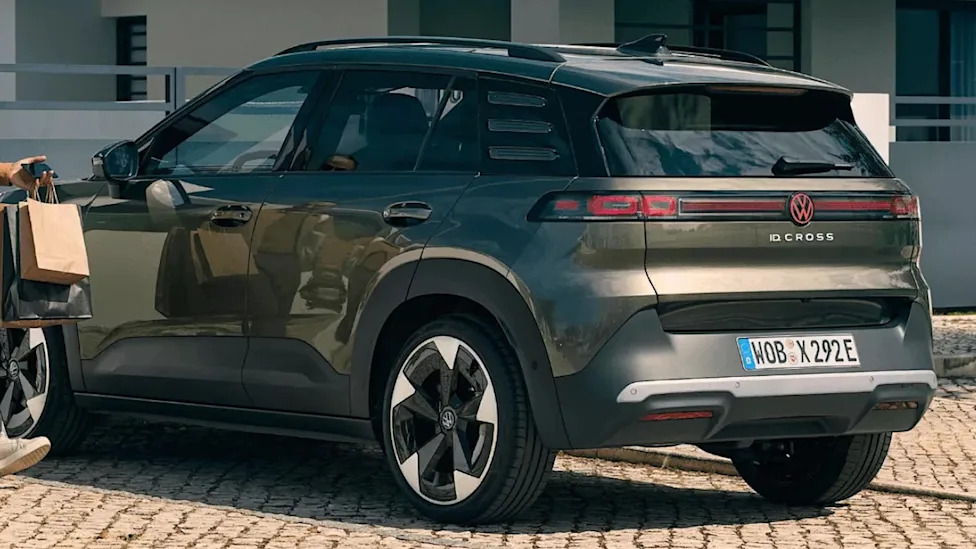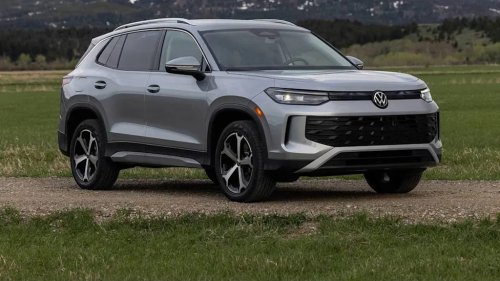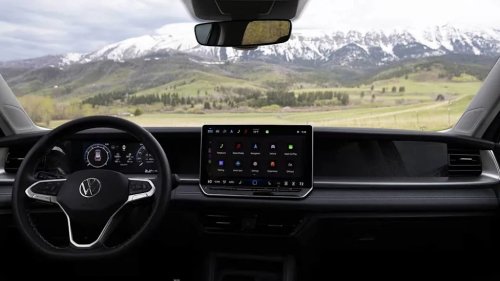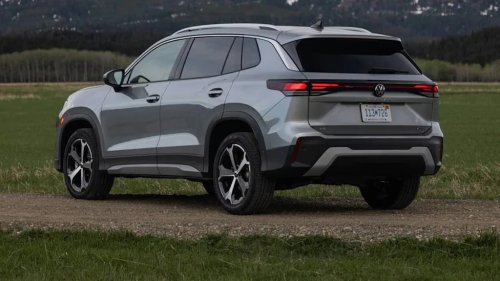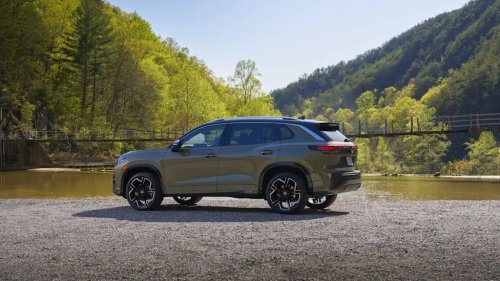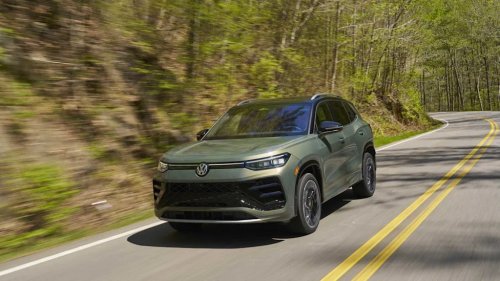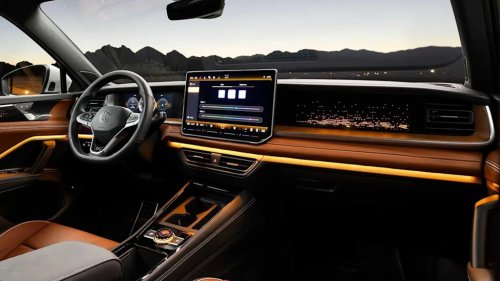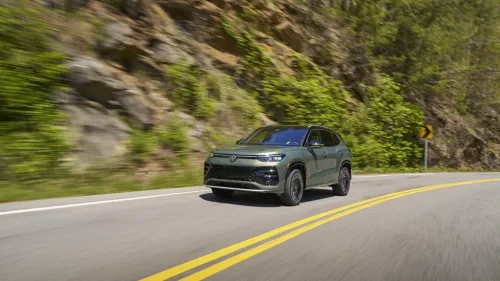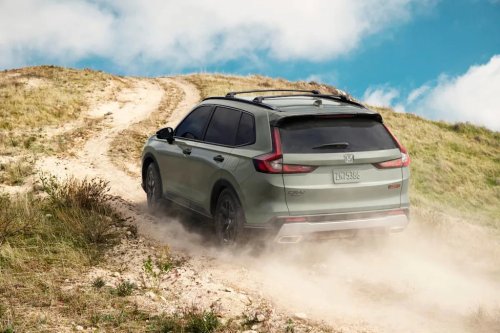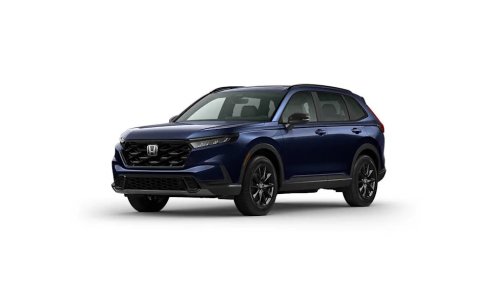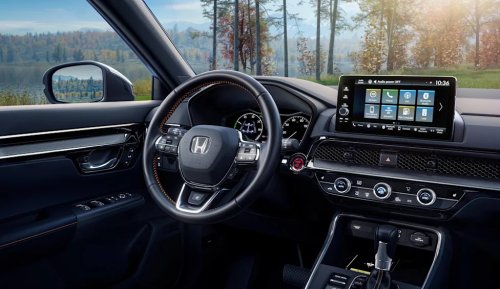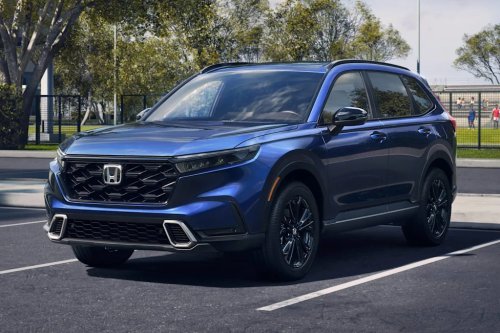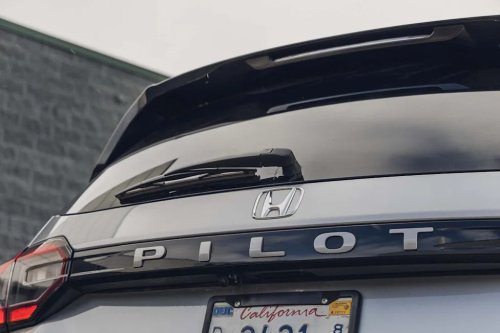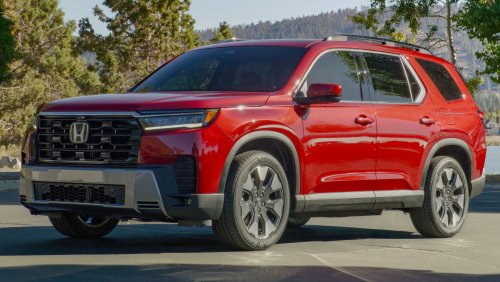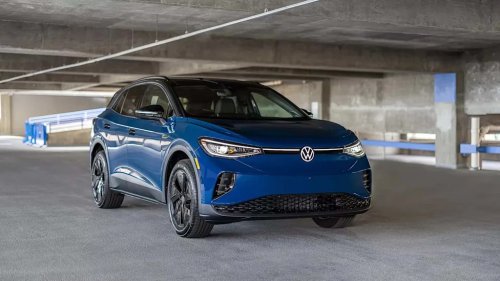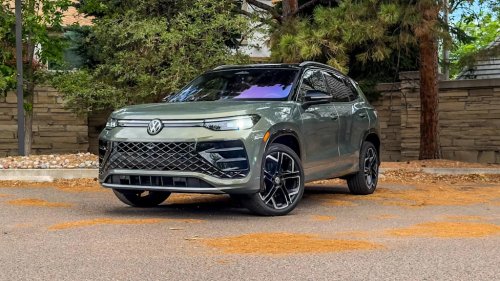
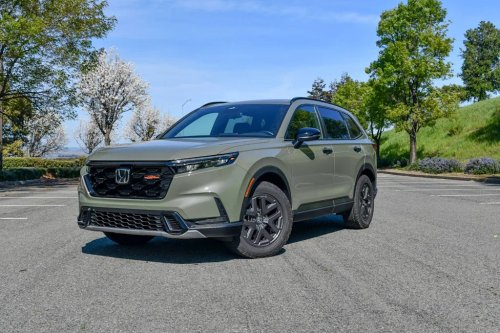
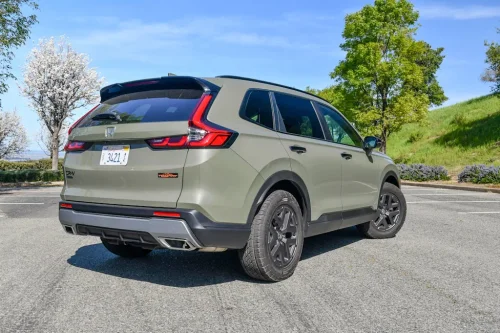
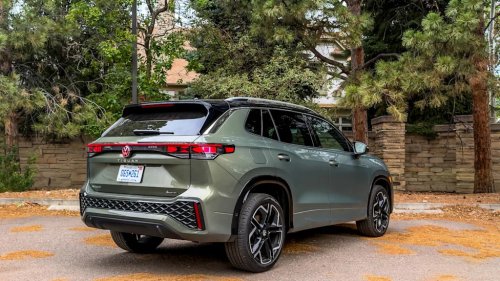
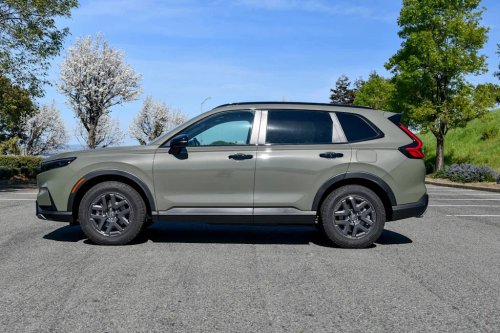
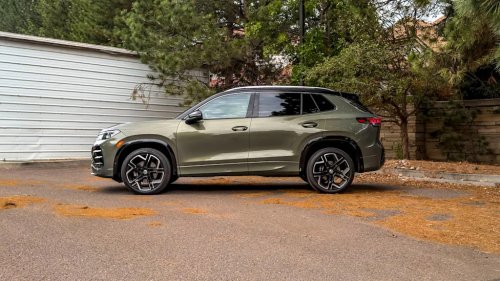
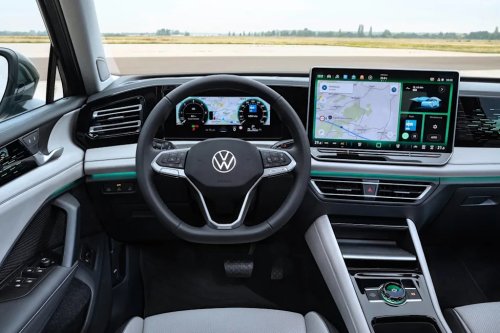
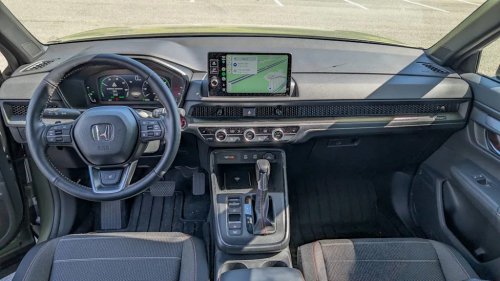



















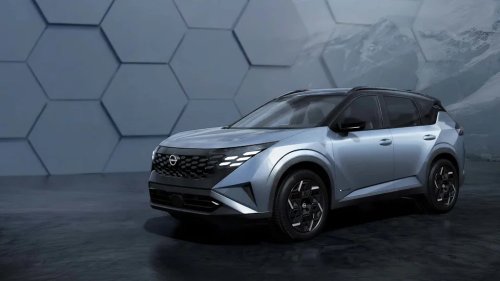
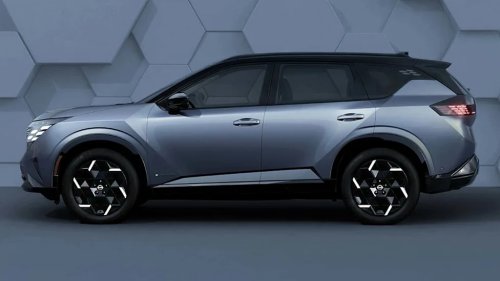
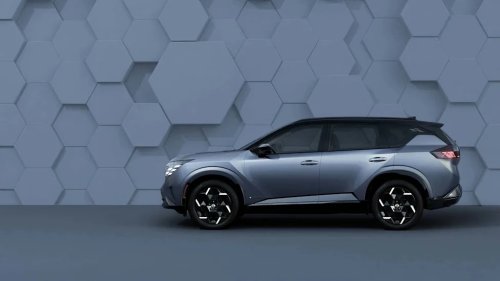
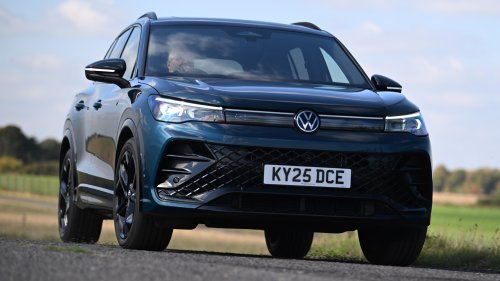


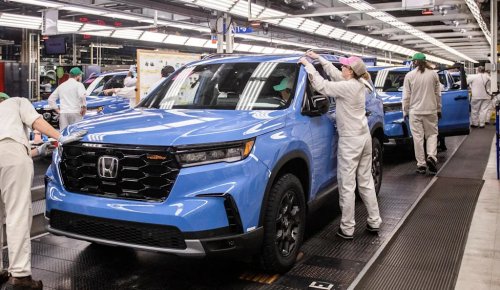


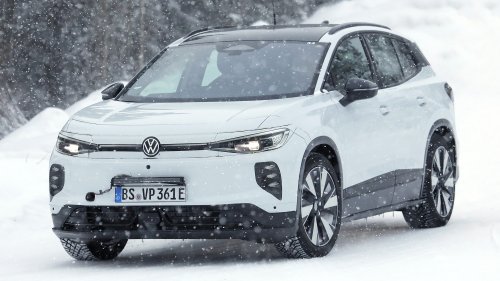
Autoblog and Yahoo may earn commission from links in this article.Usually, a safety matchup crowns a clear winner; this one delivers a shared shortfall instead. Neither Volkswagen's Tiguan nor Honda's CR-V earned a 2026 IIHS award, and the reason is identical for both.2026 Volkswagen Tiguan RChase BierenkovenMeasured against the 2026 IIHS scale, the Tiguan and CR-V both come away empty-handed. Honda's CR-V slid from a previous Top Safety Pick+ to an Acceptable overall verdict, and Volkswagen's Tiguan also missed the winners' list. In a compact class stuffed with Top Safety Pick+ models, that leaves these two on the outside looking in, and the cause traces back to the same evaluation. What follows is the full safety picture, plus how the two stack up everywhere else that matters.2026 Honda CR-V TrailSport HybridKristen BrownSafety ratings at a glanceHere is how the two compare on the ratings that decide the 2026 IIHS awards, alongside their federal scores.Safety measureVolkswagen TiguanHonda CR-VIIHS 2026 awardNo awardNo awardSmall overlap frontGoodGoodModerate overlap front (updated)Short of GoodPoorSide (updated)GoodGoodHeadlightsAcceptable or GoodAcceptable or GoodStandard automatic emergency brakingStandardStandardNHTSA overall rating5 stars5 starsHow they scored in IIHS testingHonda's CR-V still does well in parts of the battery. It earns good ratings in the small overlap front test, which simulates striking a pole or tree, and in the side test. Where it falls apart is the moderate overlap front test, updated to include a rear-seat dummy, where it earned a poor rating, its lowest grade, over the injury risk measured for a back-seat passenger. That single result knocks it out of award contention despite otherwise solid scores.2026 Honda CR-V TrailSport HybridKristen BrownVolkswagen's Tiguan lands in similar territory. It too missed a 2026 award because of that updated moderate-overlap test, coming up short of the good rating the award now requires, even though it protects front occupants capably in the small overlap and side evaluations. Both SUVs, in other words, look after front passengers reasonably well but stumble on the same measure of rear-seat protection in a frontal crash, which is precisely the area the IIHS has been pressing automakers to improve.2026 Volkswagen Tiguan RChase BierenkovenAdvertisementAdvertisementThe test they both failedThis shared weakness is worth understanding. When the IIHS updated its moderate-overlap front test, it added a dummy the size of a small woman or 12-year-old behind the driver to gauge how well a vehicle shields rear occupants in an offset frontal impact. Many models that aced the old version have struggled with the new one, and both of these are among them.2026 Honda CR-V TrailSport HybridKristen BrownThat makes this a genuinely even matchup, if a discouraging one. Rather than one SUV clearly protecting families better, both share the same weakness, with the CR-V's poor rating sitting a grade below the Tiguan on that specific test. Neither result is what a family shopping for a safe compact SUV wants to see, and it is the single biggest reason neither can claim the safety crown here.2026 Volkswagen Tiguan RChase BierenkovenBeyond crash tests: driving and spaceSafety is the headline, but these two differ elsewhere in ways worth weighing. Volkswagen's redesigned Tiguan uses a turbocharged 2.0-liter four making around 201 horsepower, paired with an eight-speed automatic and available all-wheel drive, and it drives with a planted, quasi-premium feel that has long been a VW strength. Honda's CR-V offers a turbocharged 1.5-liter with about 190 horsepower or a hybrid rated near 204, mated to a continuously variable transmission, and it prioritizes smoothness and efficiency, with the hybrid returning strong fuel economy.2026 Volkswagen TiguanVolkswagenSpace is a CR-V calling card. Honda gives it one of the roomier cabins and cargo holds in the segment, with a usable rear seat and a well-shaped load bay, while the Tiguan counters with a more upscale interior ambiance and solid, if slightly smaller, practicality. Both ride comfortably and come well equipped with standard driver aids, so day to day, each is a pleasant and sensible compact SUV, regardless of the crash-test story.2026 Honda CR-V TrailSport HybridKristen BrownAdvertisementAdvertisementWhere the safer options areBecause neither earns an award, buyers who put crash-test protection first should know the class has better choices. Several compact SUVs earned a 2026 Top Safety Pick+, including the Mazda CX-50, Hyundai Tucson, and Subaru Forester, each of which cleared the updated rear-seat test that tripped up both the Tiguan and CR-V. For a safety-led purchase, those are the names to shortlist.Both the Tiguan and CR-V still come with standard automatic emergency braking and other driver aids, and both perform well in federal NHTSA testing with 5-star overall results, so neither is unsafe in absolute terms. On the tightened IIHS scale, though, they are no longer segment leaders, and that is the distinction that matters most for a safety-focused shopper.So which one is safer?Neither stands out, and that is the honest answer. Both the Volkswagen Tiguan and the Honda CR-V miss a 2026 IIHS award, and both do so because of the updated moderate-overlap test that measures rear-seat protection, where the CR-V in particular earned a poor rating. There is no clear safety winner between them. If a decision must be made purely on published crash data, the fact that both share the same weakness makes it close to a wash, with each trailing the class leaders. The more useful takeaway is that a buyer prioritizing safety would do better to look at the compact SUVs that actually earned the top award for 2026 rather than choosing between these two on protection alone.This story was originally published by Autoblog on Jul 25, 2026, where it first appeared in the Car Buying section. Add Autoblog as a Preferred Source by clicking here.