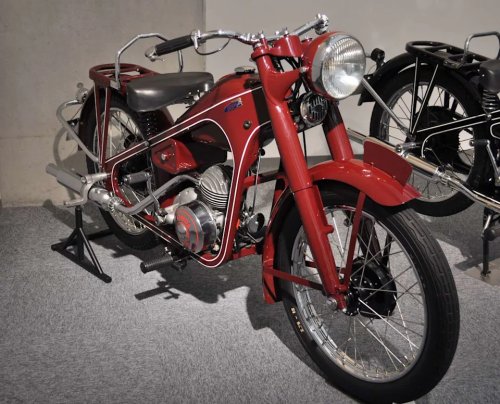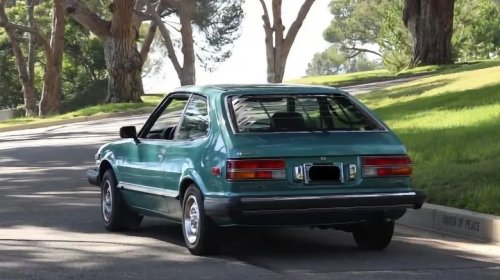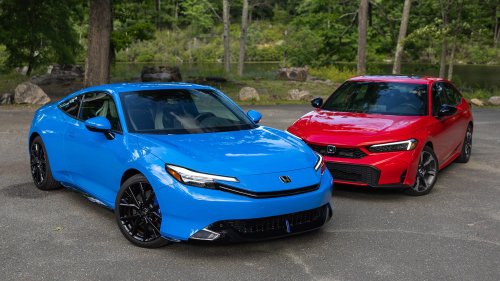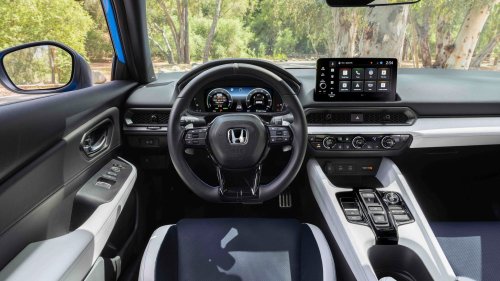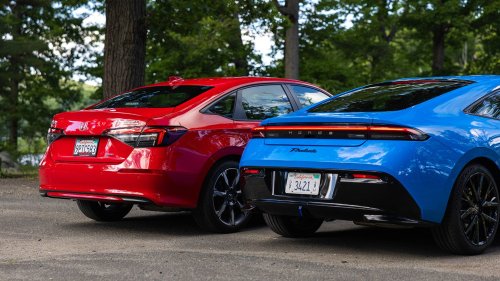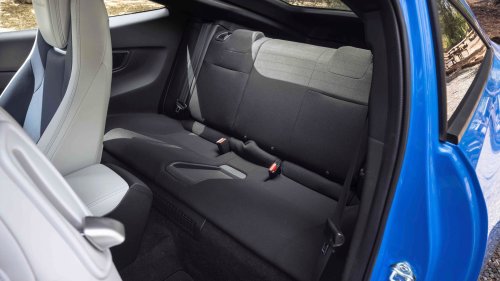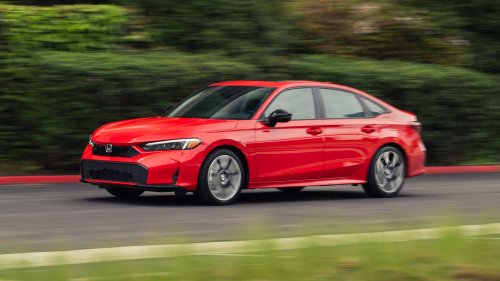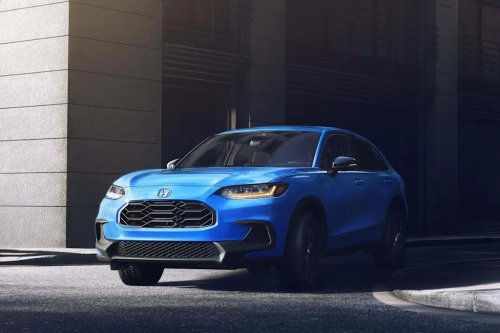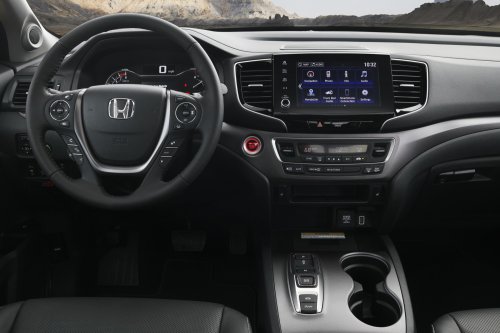
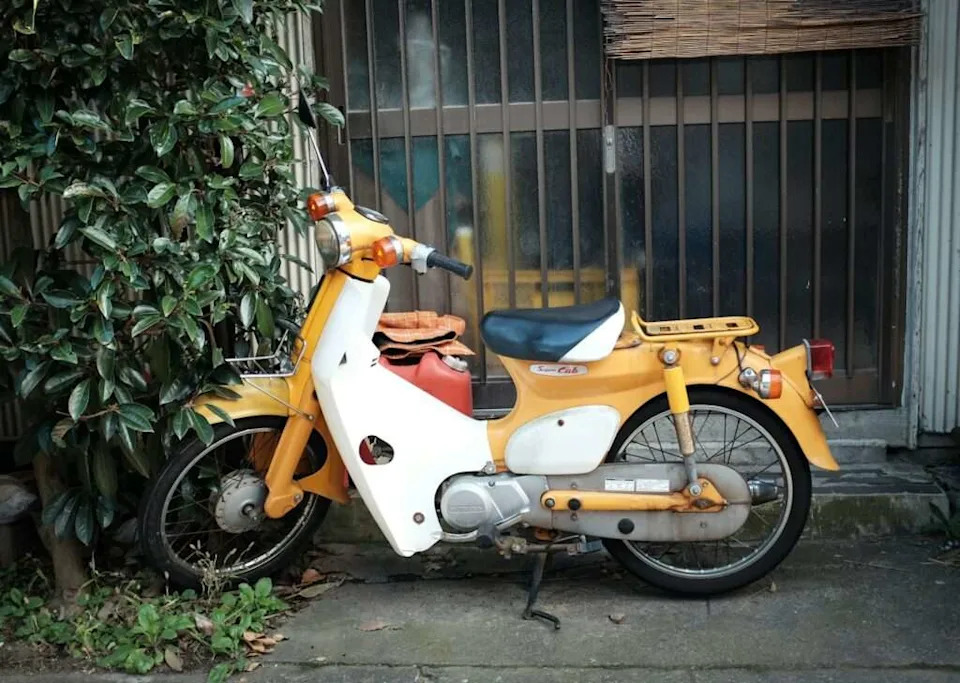



















Today in Automotive History: September 24, 1948 — Honda Is Founded With 1 Million Yen and a Bicycle EngineThe Auto WireEve NowellThu, September 24, 2026 at 1:30 PM UTCAdd us on GoogleHonda was founded on September 24, 1948. That day, Soichiro Honda incorporated Honda Motor Co., Ltd. in Hamamatsu, Japan, with 1 million yen in starting capital. The company had no car. It did not even have a motorcycle of its own design yet. What it had was a small engine that bolted onto a bicycle. Postwar Japan needed cheap transportation, and that engine delivered it.The date deserves more than nostalgia. The company born that day beat America's 1975 emissions standards without a catalytic converter. It became the first Japanese automaker to build cars in the United States. Today, it builds most of the Hondas and Acuras Americans buy on American soil. And in 2026, it is rewriting its own playbook. Honda has pulled back from its biggest electric-vehicle plans and is betting on hybrids instead.What Happened When Honda Was Founded in 1948Honda's own corporate history tells the story plainly. After World War II, Soichiro Honda sold the piston-ring company he had run. He then took an extended break and tinkered with salt-making machines and looms. On September 1, 1946, he opened the Honda Technical Research Institute in Hamamatsu. He started with about 10 machine tools and a dozen or so associates.AdvertisementAdvertisementThe first product was simple and clever. Honda's team took small surplus engines built for military radio generators. They fitted those engines to bicycles. That work led to the Honda A-Type auxiliary bicycle engine in 1947. On September 24, 1948, Soichiro Honda formally incorporated the operation as Honda Motor Co., Ltd. in Itaya-machi, Hamamatsu.The pieces that made Honda a real manufacturer came fast. In August 1949, the company launched the Dream D-Type, its first full motorcycle. That same year, Soichiro Honda met Takeo Fujisawa. Fujisawa took over the business side while Honda focused on engineering. By Honda's account, each man felt the other brought something he lacked. That split between engines and money became the company's operating model for decades.Photo: Hiroshi Tsubono / UnsplashWhy Honda Mattered at the TimeHonda sold affordable mobility to a country that badly needed it. But the bigger story is that Honda was an outsider. In May 1961, Japan's Ministry of International Trade and Industry (MITI) proposed a policy to limit competition. The plan would have restricted new companies from entering the auto business. Honda did not build cars yet, so the rule threatened to lock it out.Soichiro Honda's reaction, recorded in Honda's heritage archive, was blunt: "To hell with the Specified Industry Promotion Law!" The company rushed prototypes to its 1962 dealer meeting and the Tokyo Motor Show. It wanted a track record before any rule took effect. The bill never passed. Honda launched the T360 mini truck in August 1963 and the S500 sports car that October.Honda's First Move Into AmericaHonda had already reached the United States by then. The company opened American Honda Motor Co. in September 1959 in Los Angeles with eight employees. Its breakout product was the Honda 50, the U.S. version of the Super Cub. It cost $250.AdvertisementAdvertisementIn December 1962, the "You meet the nicest people on a Honda" campaign changed how Americans saw motorcycles. The ads showed ordinary people running errands and having fun. That was Honda's first big lesson in the American market: sell practicality, not image.Photo: Hakan Nural / UnsplashThe Engine That Beat the 1975 Emissions RulesHonda changed the car business for everyone in the early 1970s. The Clean Air Act amendments of 1970 set strict emissions standards for 1975 cars. Much of the industry argued it could not meet them on time. Honda answered with an engine.On October 11, 1972, Honda formally introduced its CVCC (Compound Vortex Controlled Combustion) engine. That December, Honda sent test vehicles to the EPA's lab in Ann Arbor, Michigan. According to Honda, one car finished a 50,000-mile durability run. It became the first to pass the 1975 emissions requirements. It needed no catalytic converter, because the engine itself burned cleaner.The Civic CVCC arrived in America for the 1975 model year. By Honda's count, it ranked first in fuel economy for four straight model years, from 1975 through 1978. For regulators, it proved that engineering could meet tough rules. That argument still echoes in every emissions fight. The California 2035 gas car order and the Volkswagen diesel scandal both showed that in very different ways.From Importer to American ManufacturerOn November 1, 1982, Honda began building the Accord at its Marysville Auto Plant in Ohio. No Japanese automaker had built cars in the United States before. Three years later, the Plaza Accord drove the yen sharply higher. The rest of Japan's automakers soon followed Honda into American factories.AdvertisementAdvertisementThe scale today is hard to overstate. In January 2023, Honda marked its 30 millionth vehicle built in the U.S. Its plants sit in Ohio, Indiana, Alabama and Georgia. Honda said almost 17,000 associates worked at those auto production sites. It also said America built more than two-thirds of the Hondas and Acuras it sold here in 2022. The footprint keeps growing, including a $472 million expansion in Alabama this month.Photo: Eli Clouse / UnsplashHow Honda's Founding Still Affects Buyers and the Industry TodaySeventy-eight years later, the company that started with bicycle engines touches almost every part of the American car market. Here is how.What It Means for Car BuyersThe biggest effect is where Honda builds and what it builds next. Honda makes much of its U.S. lineup in North America. That gives it more room than import-heavy brands when trade rules shift. Even so, Honda listed U.S. tariffs among the reasons for its 2026 reset.On March 12, 2026, Honda canceled the Honda 0 SUV, the Honda 0 Saloon and the Acura RSX electric models. It warned that EV-related losses could reach 2.5 trillion yen across several fiscal years. At its May 14, 2026 business briefing, Honda promised 15 next-generation hybrids globally by March 2030, mostly for North America.AdvertisementAdvertisementHonda also plans to cut hybrid system costs by more than 30% versus its 2023 models. It will shift spare capacity at its Ohio auto plants to gas and hybrid vehicles. It has also indefinitely suspended its planned EV supply chain in Canada. If you shop for a Honda in the next few years, expect far more hybrids than full EVs. Our look at Honda's cost overhaul explains what that could mean for pricing and repairs.What It Means for DriversHonda's size means its safety questions reach millions of people. Recent examples include Civic owners reporting seat belt problems to NHTSA and a federal case over counterfeit Honda airbags. On the positive side, Honda earned the first five-star rating on the FIA Road Safety Index. A company that began by selling motorized bicycles now manages recalls, software and crash safety on a global scale.What It Means for AutomakersHonda's history reminds the industry that outsiders can win. Its own government nearly shut it out of car-making in 1961. It has also stayed independent. When merger talks with Nissan collapsed in February 2025, the two companies kept working on narrower projects. That includes a shared software and electronics deal.The sales engine still runs, too. American Honda crossed 1 million U.S. sales in eight months this year. Still, this spring Honda reported its first annual loss since it went public in 1957. The EV write-downs drove most of that damage.The Bottom LineSoichiro Honda put motors on bicycles because that was what people could afford. The same instinct built the Super Cub, the CVCC Civic and the Marysville Accord. Honda's 2026 hybrid pivot bets that it still knows what ordinary drivers will buy. Like GM's founding in 1908, this date matters because the company born that day still shapes what sits on dealer lots.AdvertisementAdvertisementSo here is the question: Is Honda's retreat from big EV plans the same kind of smart contrarian call it made with the CVCC? Or will it leave Honda behind? And what is the best Honda you have ever owned or driven? Share your take.The post Today in Automotive History: September 24, 1948 — Honda Is Founded With 1 Million Yen and a Bicycle Engine appeared first on The Auto Wire.