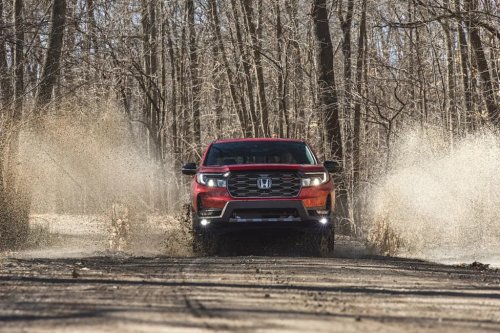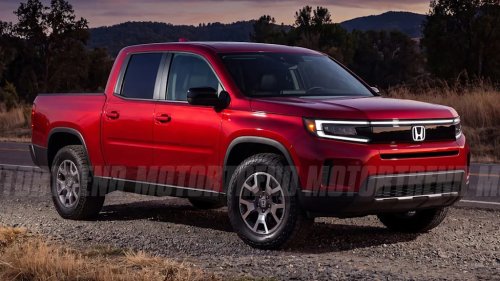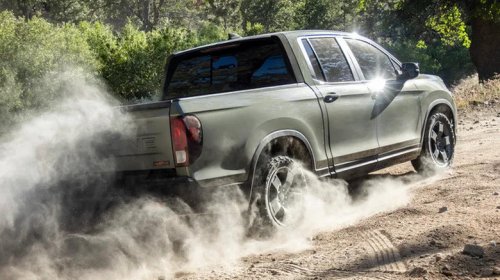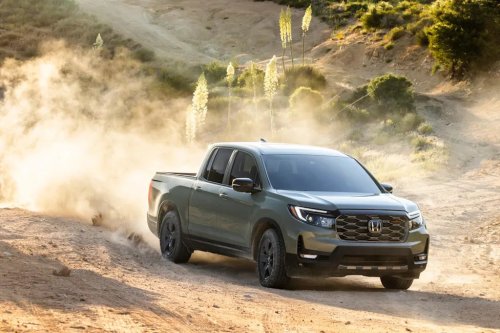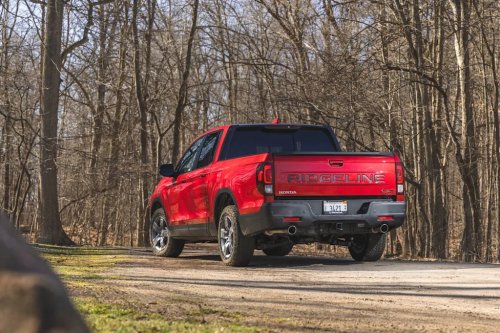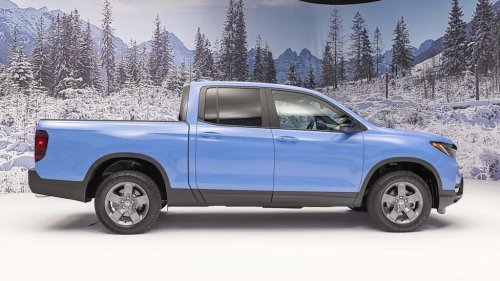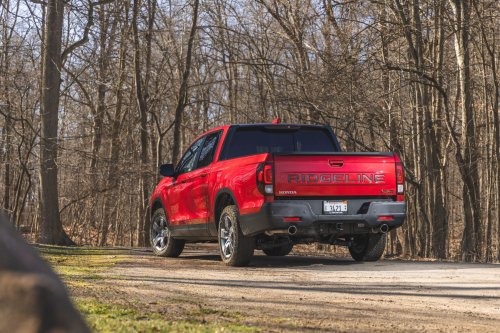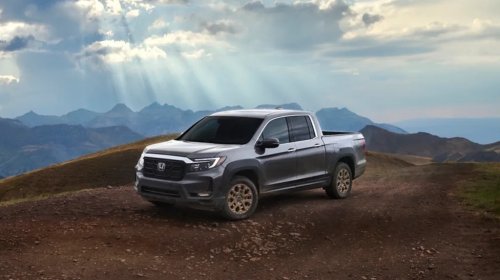
















The Feds Quietly Closed Their Honda Ridgeline Backup Camera Case Without Ordering A Single RepairThe Auto WireJohn LloydTue, September 22, 2026 at 4:00 PM UTCAdd us on GoogleFederal regulators just closed the book on the Honda Ridgeline backup camera problem, and the paperwork matters more than it sounds. On Tuesday, September 22, 2026, the National Highway Traffic Safety Administration ended its engineering analysis into rear-view camera failures on 129,092 Ridgeline pickups that Honda had already recalled back in 2022, and it closed the file without ordering a single additional repair.Nothing about your truck changed overnight. What changed is who pays when the screen goes black.Who the Honda Ridgeline backup camera recall coversThe closed investigation covers the population tied to Honda's November 2022 campaign, recall 22V-867, which addressed a rear-view camera tailgate wire harness that could fatigue and break on 2017 through 2019 Ridgeline pickups. NHTSA put the affected count at 129,092 trucks.The tailgate harness flexes every time the gate drops. That is exactly where the 2022 recall was aimed.Two groups should pay attention. First, owners whose trucks already had the recall remedy performed and whose camera has quit again since. Second, anyone shopping a 2017 to 2019 Ridgeline on the used market, where an intermittent camera is easy to miss on a ten-minute test drive.AdvertisementAdvertisementWorth separating out: Honda ran a second, different campaign in 2024, recall 24V-321, covering roughly 187,000 model year 2020 to 2024 Ridgelines for a similar tailgate harness fatigue problem. That one is untouched by this week's closure and is still a free dealer repair. Check your VIN rather than assuming your model year is in the clear.What actually changed this weekNHTSA opened a recall query in 2024 after owners reported Honda Ridgeline backup camera failures on trucks that had already received the 2022 fix, then upgraded the review to an engineering analysis in February 2025. That upgrade is normally the step before the agency pushes for a second recall.It never got there. The agency's Vehicle Research and Test Center surveyed owners, inspected selected trucks and ran durability testing on the wiring harness. It found no camera failures it could trace to harness damage, concluded the repaired part was not expected to fail within a reasonable vehicle lifespan, and determined that most of the reports it collected involved other failure modes. File closed, no further action.Why a dead Honda Ridgeline backup camera costs real moneyFederal rules treat the rear-view display as required equipment, not a convenience feature.A rear visibility system is not a luxury in the eyes of the federal government. Under FMVSS 111, light vehicles built on or after May 1, 2018 have to have one that works, which sweeps in the 2019 Ridgeline and part of the 2018 build. In states that inspect required safety equipment, a display that stays black can be the difference between a pass and a fail. Everywhere else, it is one more thing a buyer uses to talk your asking price down.AdvertisementAdvertisementOut of warranty, this is not a cheap fix either. A tailgate harness, a camera module and the labor to pull the tailgate apart add up fast, and it is the kind of bill that tends to arrive right after coverage expires. With the investigation closed, there is no federal backstop coming for the durability theory. The cost sits with the owner.It is the same pattern we keep running into: a defect that is obvious to the owner and invisible in the regulatory file. Ram owners found out when an engine collected 22 control-module reflashes and zero recalls, and Jeep owners found out when a software bug quietly disabled a tire-pressure warning.What Ridgeline owners should do nowOut of warranty, a camera and harness job is a shop estimate, not a recall notice.Run your VIN through NHTSA's free recall lookup first. Open recalls are repaired at no charge, and the 2024 Ridgeline campaign is still live.If your Honda Ridgeline backup camera failed after the 2022 remedy was performed, go back to the dealer and ask them to re-perform campaign 22V-867 under the original recall. A remedy that did not hold is the manufacturer's problem before it is yours.Keep every receipt. If coverage is ever extended or a reimbursement program opens, paperwork is the only thing that gets your money back.File a complaint with NHTSA if it fails again. Closed investigations are not permanent, and complaints are the data that reopens them.Check your state inspection rules before you decide to live with a black screen.Buying a used Ridgeline? Test the backup camera hardTest it properly, not casually. Put the truck in reverse with the engine cold, again after a few miles, and once more after opening and closing the tailgate, because a fatigued harness fails intermittently long before it fails for good. Do it in daylight and at night. An image that flickers, goes to static or drops out after a bump is the failure mode, not a quirk.AdvertisementAdvertisementThen price it in. On the newer trucks here the camera is required equipment, and a seller who shrugs and says it just needs a plug is describing a job that involves taking a tailgate apart.The bottom lineNHTSA looked hard at the Honda Ridgeline backup camera and decided the repaired harness holds up. That is a defensible engineering call. It is also a cost transfer. For anyone outside warranty whose camera quits anyway, the remedy just became a repair order instead of a recall notice. Check the VIN, keep the receipts, and speak up if it happens twice, because that is what reopens a file.For more on how the paperwork decides what you pay, browse our car recall coverage, read how Toyota found a 21,000-vehicle EV defect by accident, and see why Europe wrote rules for the in-car cameras America only installs.The post The Feds Quietly Closed Their Honda Ridgeline Backup Camera Case Without Ordering A Single Repair appeared first on The Auto Wire.