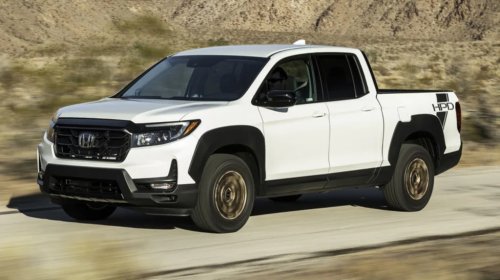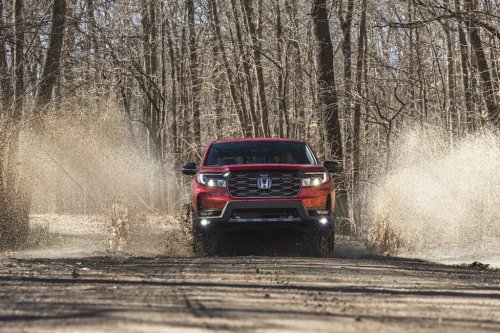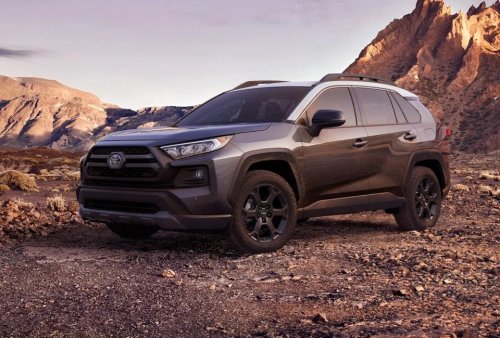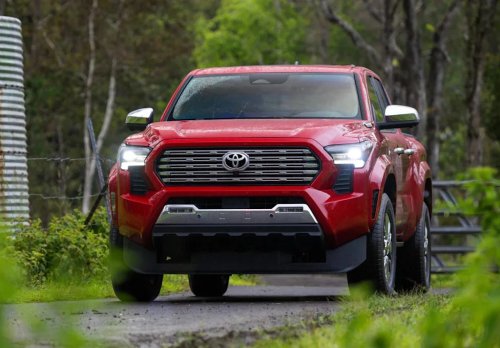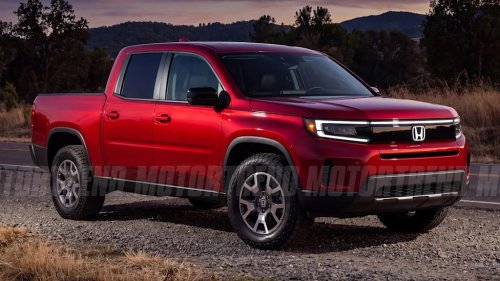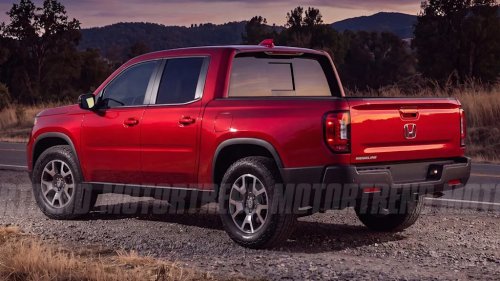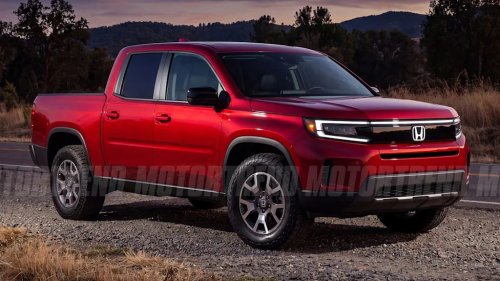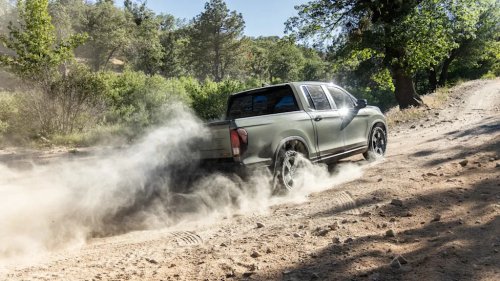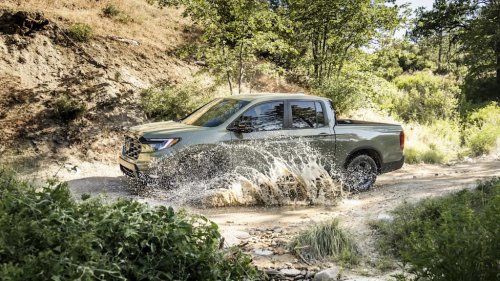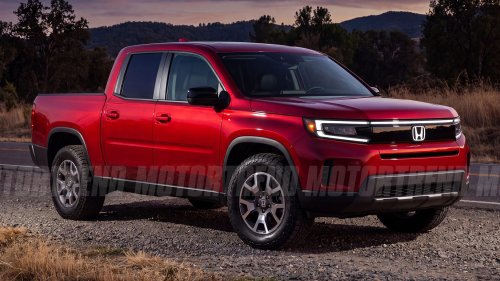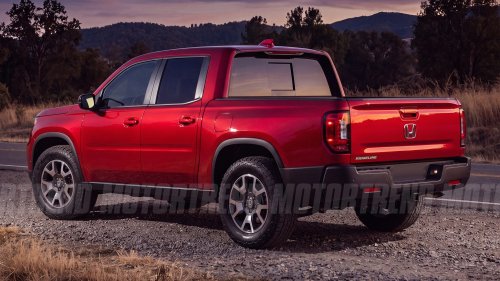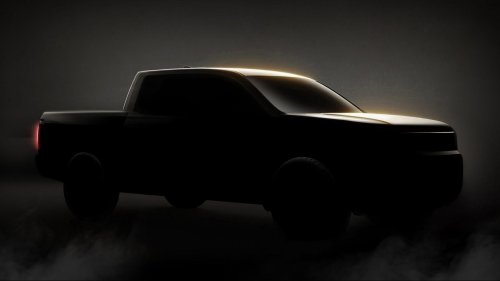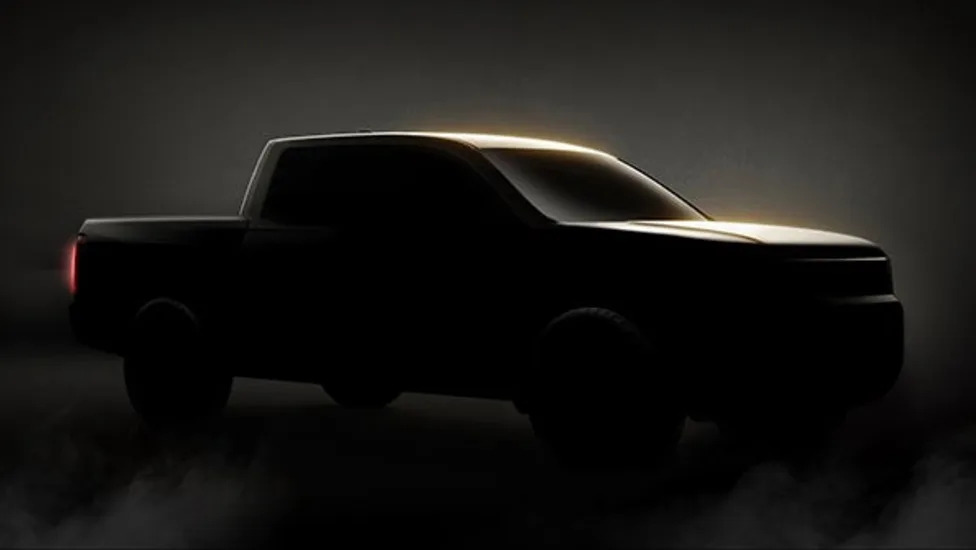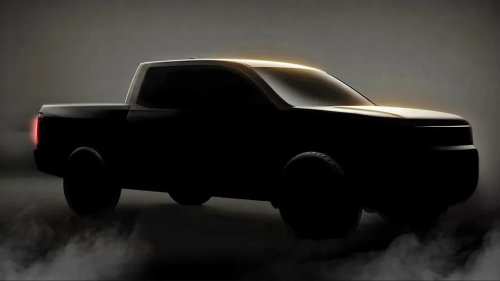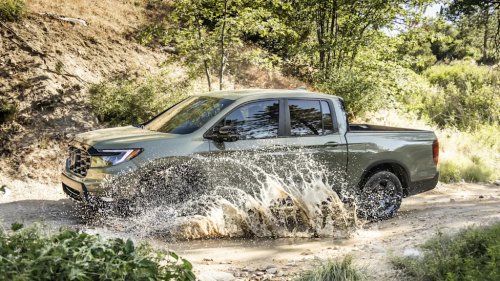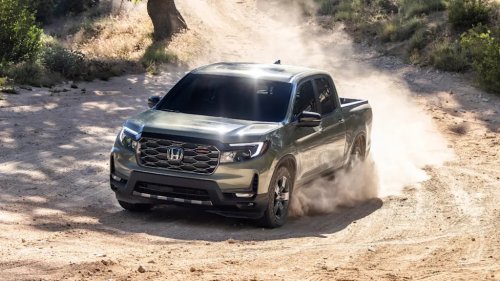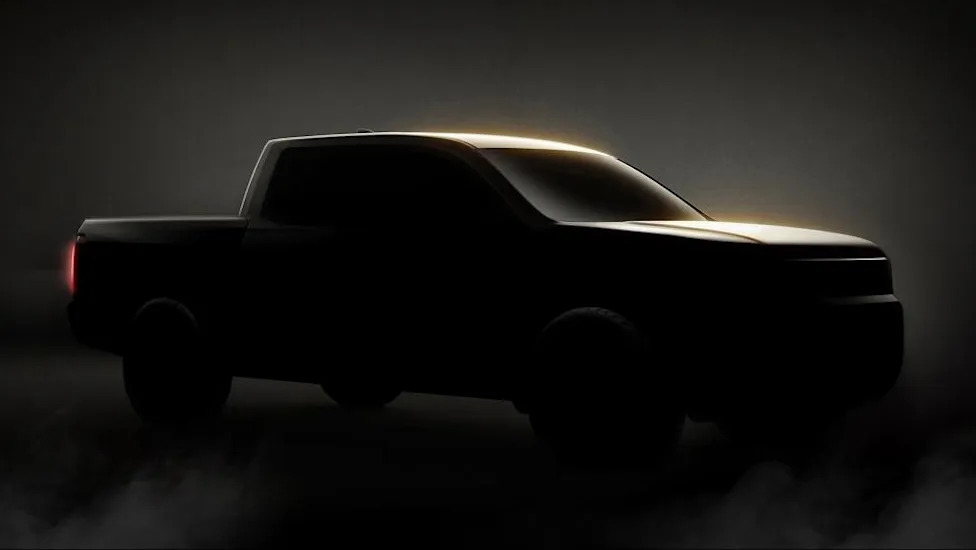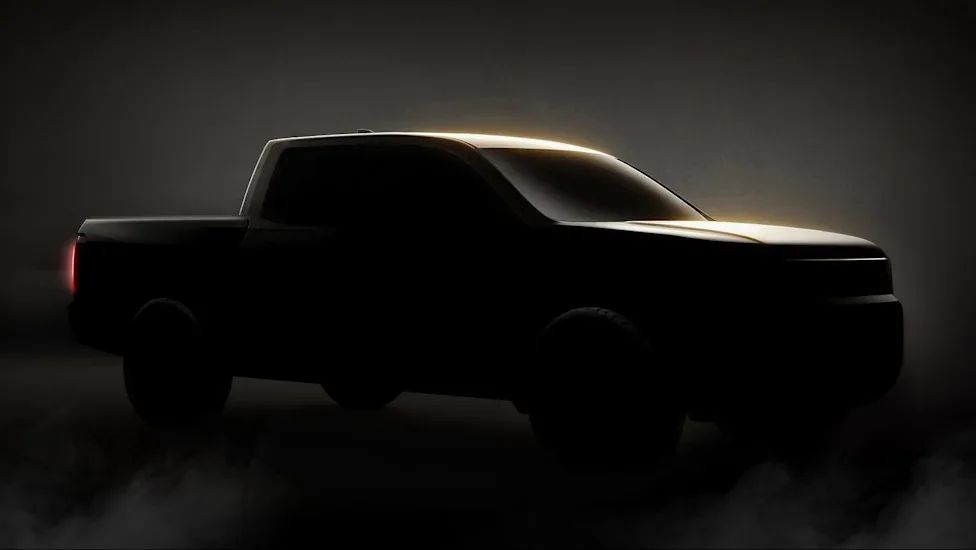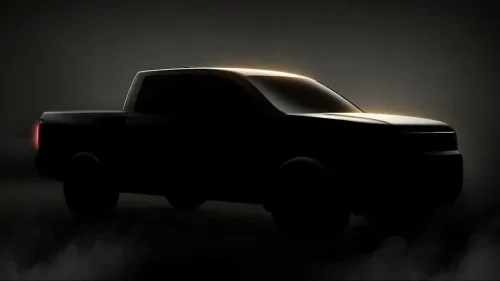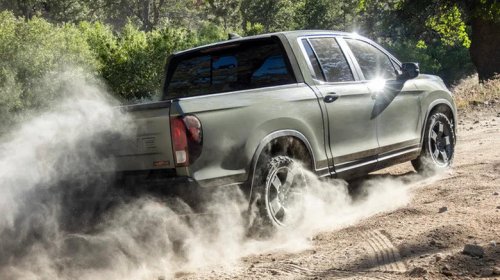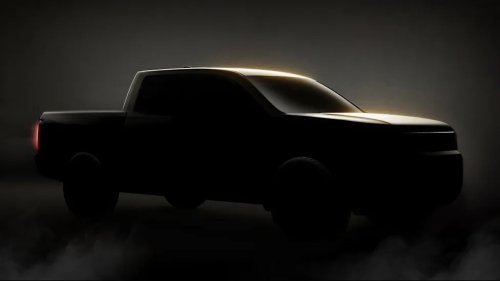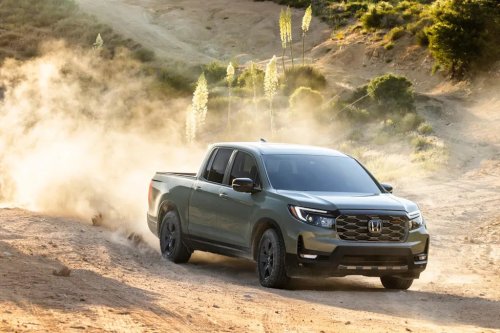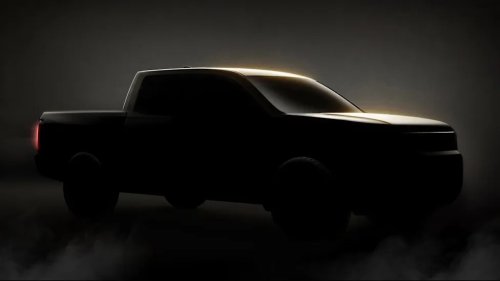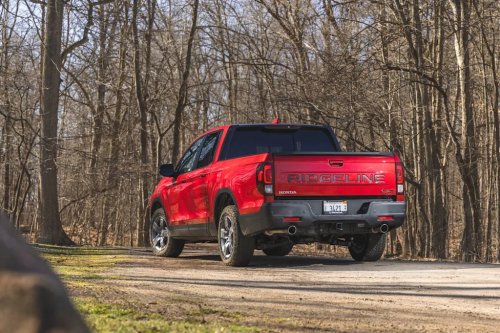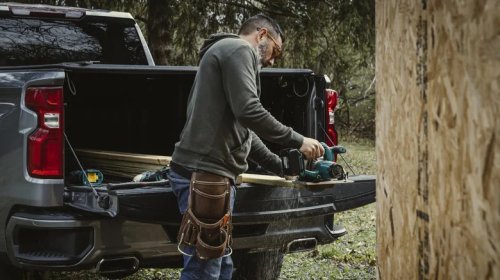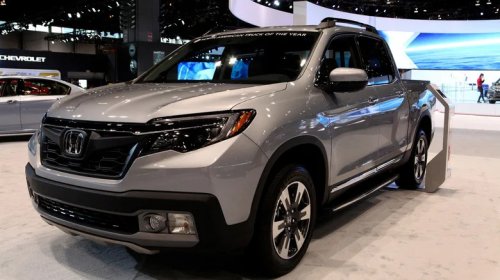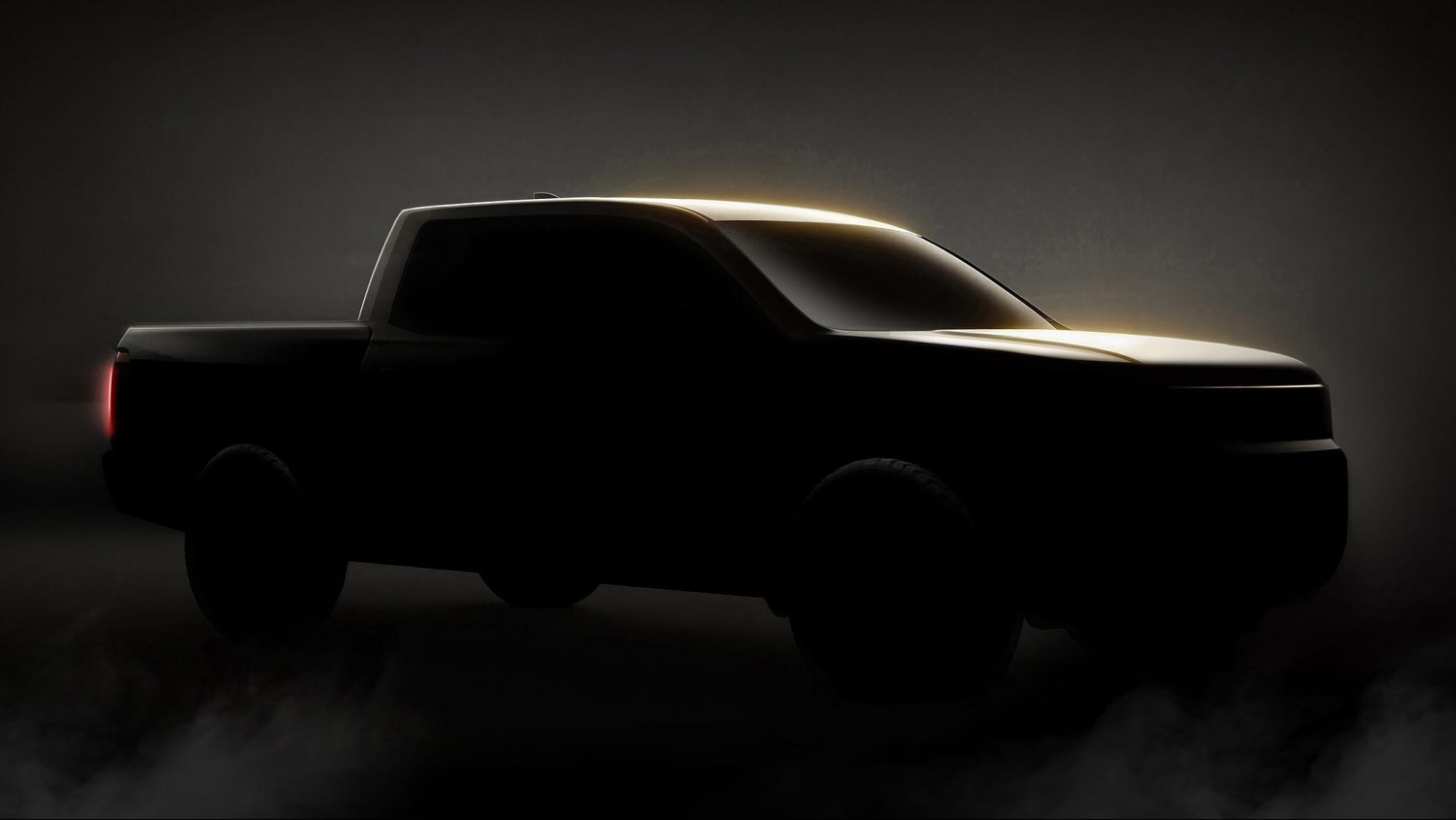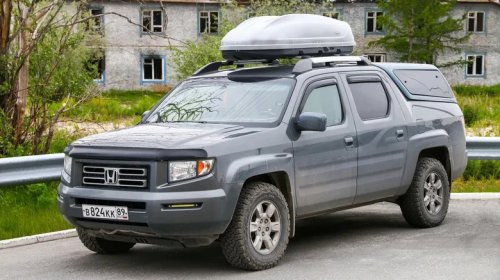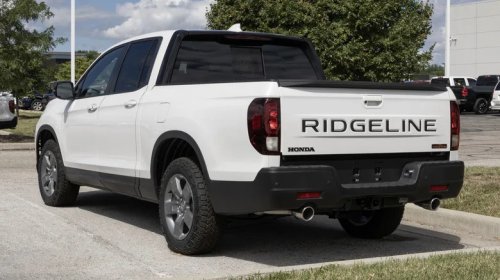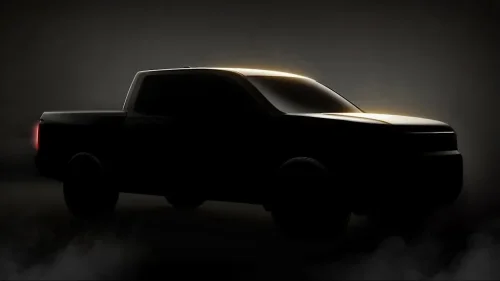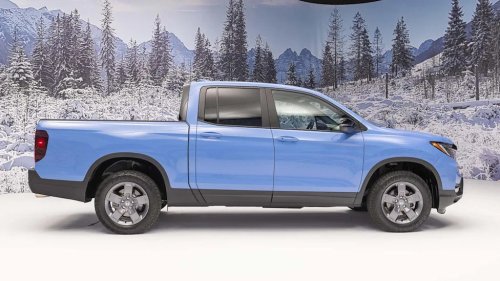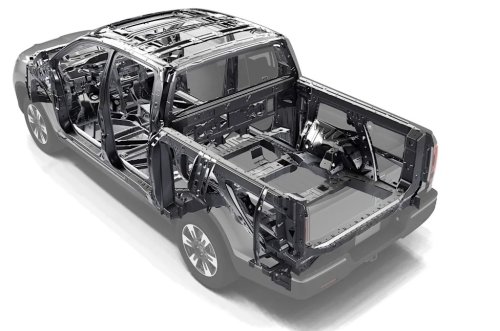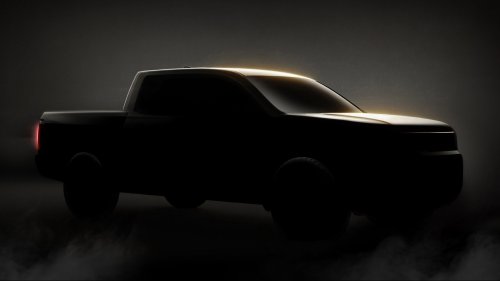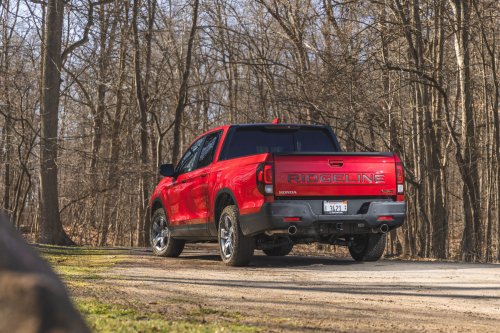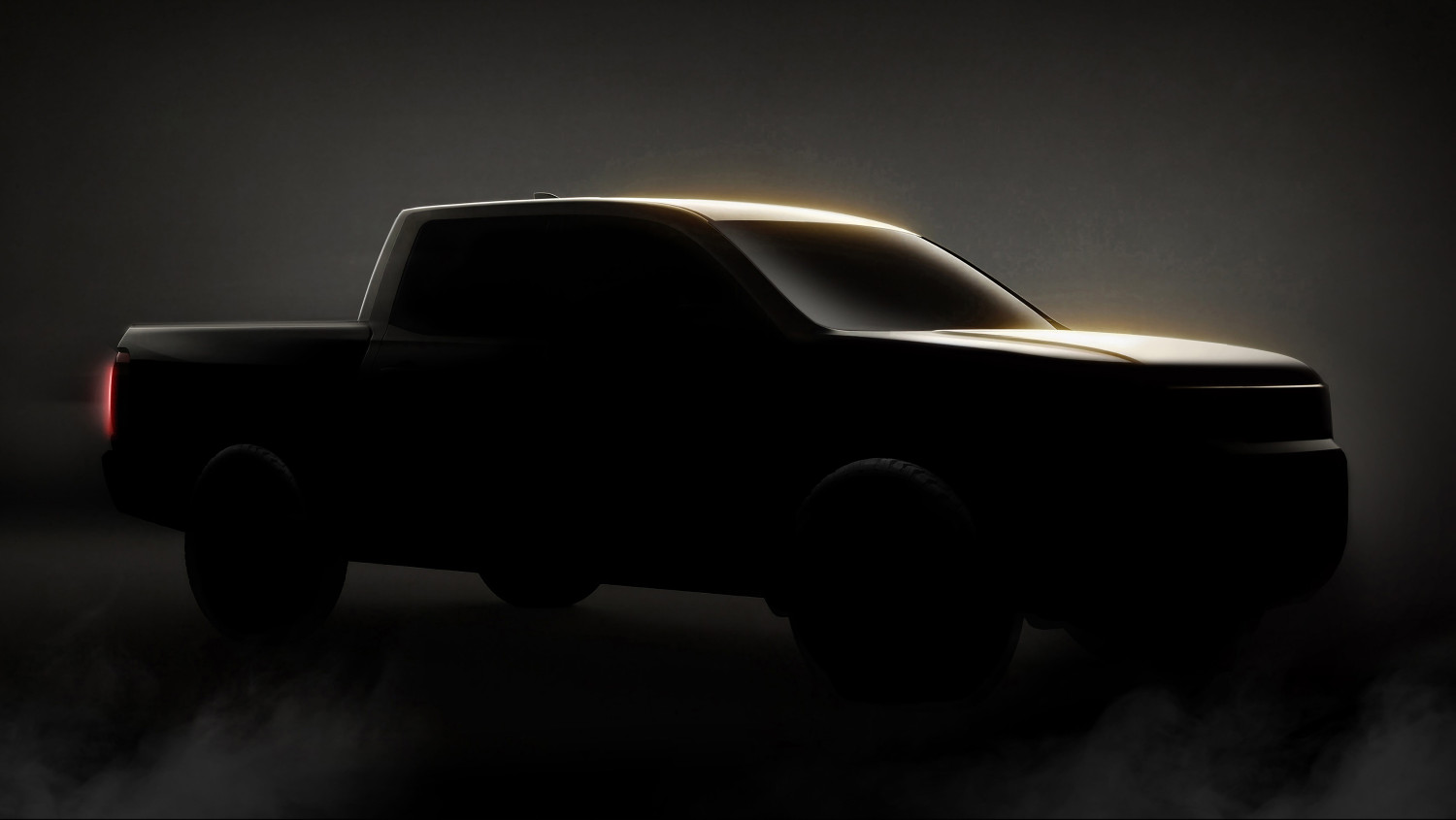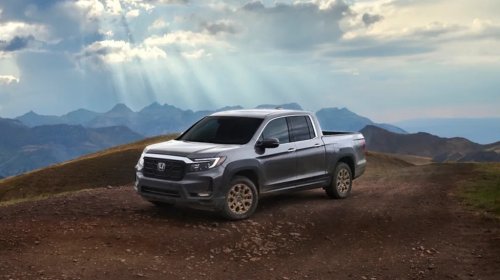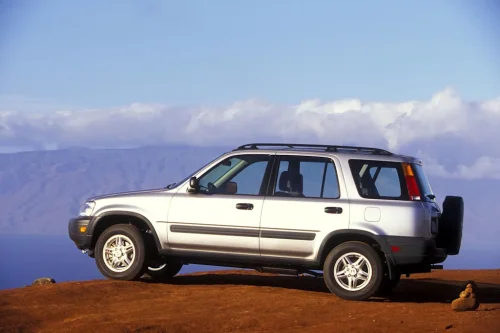
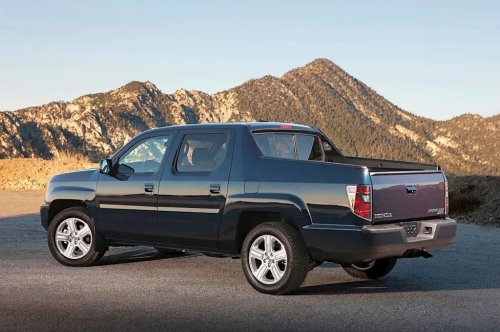
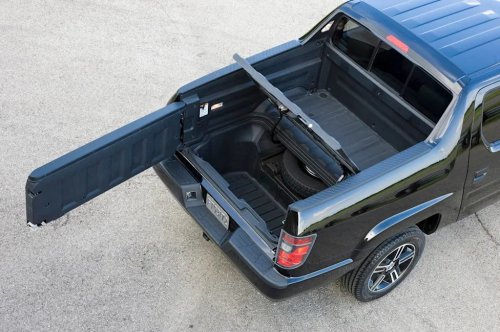
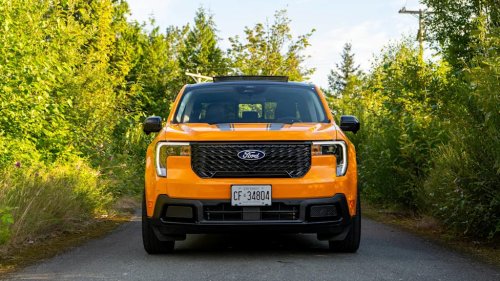



















Autoblog and Yahoo may earn commission from links in this article.In 2005, Honda brought a new kind of truck to the market. Normally, trucks used a body-on-frame construction, as the stiffer frame with a body sat on top allowed trucks to tow and haul more – something most automakers thought a majority of truck buyers wanted. The Ridgeline, instead, used a unibody chassis, like a car, where the body and frame are one. It gave up the benefits of the body-on-frame truck in exchange for something that most didn't offer 20 years ago: comfort. In doing so, the Ridgeline started an entirely new kind of truck segment it still dominates today.How Honda Got There1997 Honda CR-VHondaThe idea, loosely, traces back to the Honda CR-V. There are tons of parallels here. SUVs started to get popular in the late 1980s, and truly came into their own during the following decade. At the time, many automakers thought SUV and truck buyers were sort of the same person, but with one wanting more spacious seating and a covered cargo area sat on top of a truck's frame. Some did, but others wanted a more car-like experience. This led to car-based, unibody SUVs like the CR-VAdvertisementAdvertisementThe same concept, give or take a decade, led to the Ridgeline. Honda's early unibody SUVs are the progenitor of the Ridgeline, trading some of the inherent benefits of a truck, like payload and towing capacity, for a more civilized experience.Getting Trucks Into Honda Owners' Driveways Was A Serious ChallengeWieckView the 2 images of this gallery on the original articleThe Ridgeline's ties to SUVs don't stop there. In 2001, it was with an extended Acura MDX platform that Honda began development. The choice is fitting – Honda wanted to pull in buyers looking at pickups who currently owned sedans, vans, or SUVs, but weren't quite ready to make the plunge.At the time, Honda said the Ridgeline was going to "give the 18% of Honda owners who also own pickups a chance to make their garages a Honda-only parking area."AdvertisementAdvertisementThe brand still wanted to cater to truck buyers, boasting about the Ridgeline's highly reinforced "ladder-like" frame. It had to, and could still, tow and haul. In 2006, those figures translated to 5000 pounds and 1550 pounds, respectively.The Ridgeline Approached Trucks Like An SUVWieckHandy features have always been a fast, simple way to sell buyers on a new SUV. Wide-angle mirrors for supervising children, new airbags, and the like are geared towards the family-oriented buyer. Honda applied the same trick to the Ridgeline, offering features other trucks of the day simply didn't have.That meant a tailgate that opened outwards as well as down, an in-bed trunk, fully independent suspension, and a larger cabin. Other trucks at the Ridgeline's $27,500 2006 price point just didn't offer the same. For the day, its 255-horsepower V6 also delivered a decent 21 mpg highway.Decades Later, Rivals Are Only Just Catching On2026 Ford Maverick Lariat HybridCole AttishaView the 2 images of this gallery on the original articleAdvertisementAdvertisementThe car-based truck thing never really took off outside the Ridgeline. But in recent years, an appetite for usable, smaller trucks with greater efficiency, smart features, and a car-based architecture has led to the Ridgeline's first true alternatives. While models like the Tacoma have traditionally been the Ridgeline's chief competition, smaller trucks like the Ford Maverick and Hyundai Santa Cruz aim to fill the same gap.Both ditch the truck-based frame for a car-like unibody construction, offering more efficient powertrains and clever features. The Maverick's litany of trims, hybrid engine, and low price have helped it become the compact truck of choice. The Santa Cruz seeks to offer some of the same novel features as the Ridgeline, like its in-bed trunk. This feature in particular, as well as the Ridgeline's multi-position tailgate, has spread to scores of other trucks, including staples like the F-150.The current Ridgeline's long run ends soon, with a new model on the way.This story was originally published by Autoblog on Aug 17, 2026, where it first appeared in the Features section. Add Autoblog as a Preferred Source by clicking here.