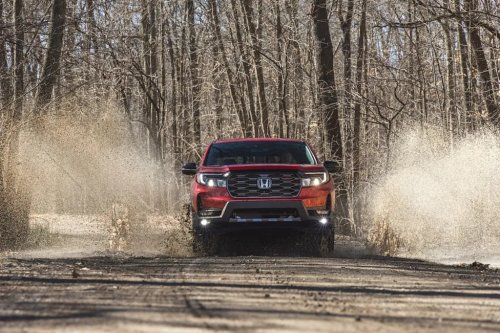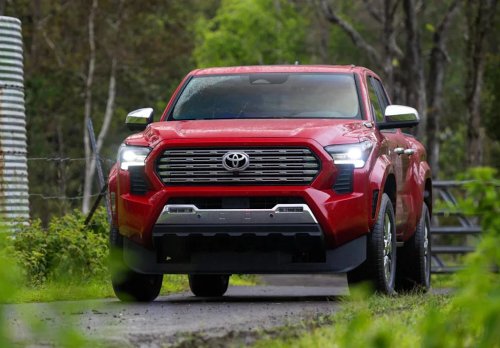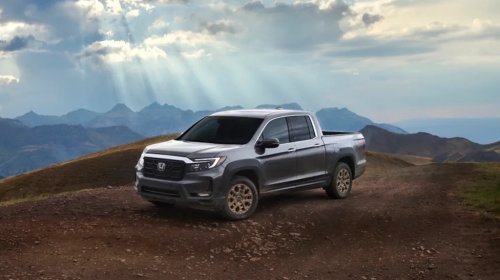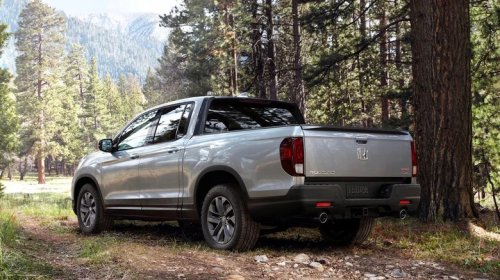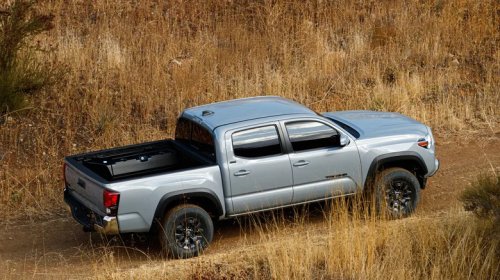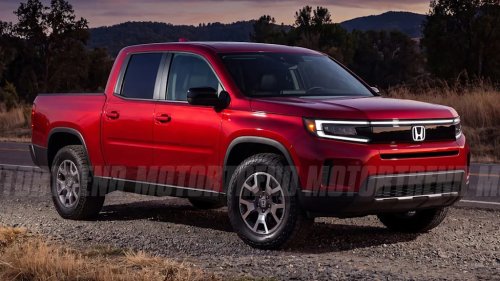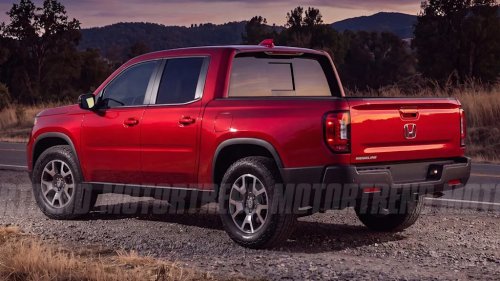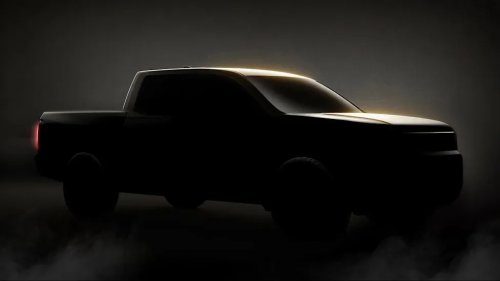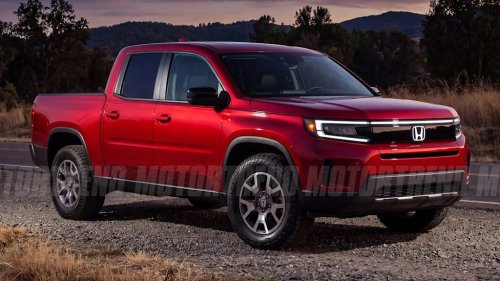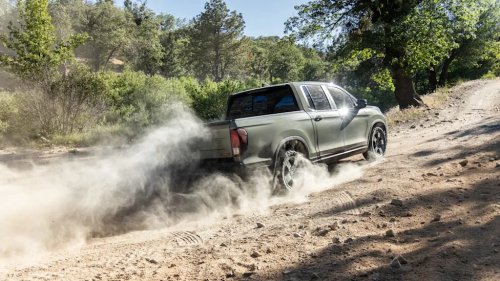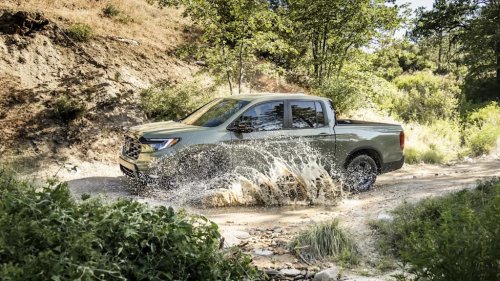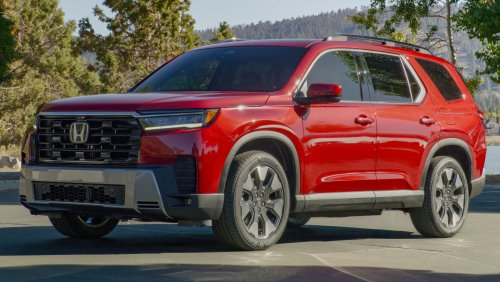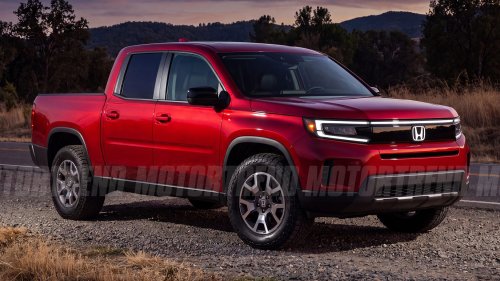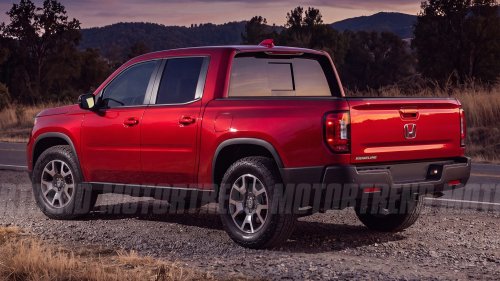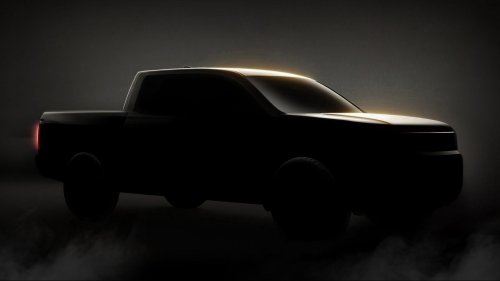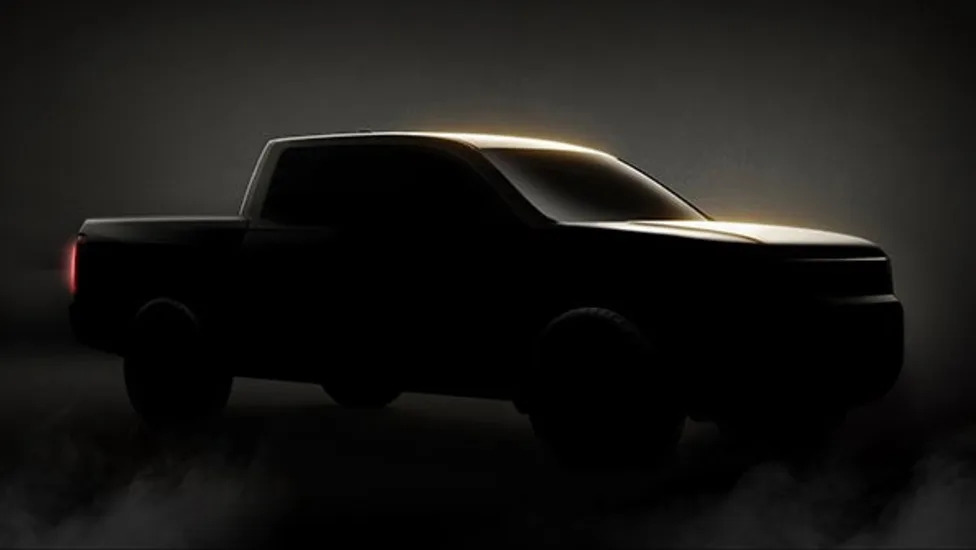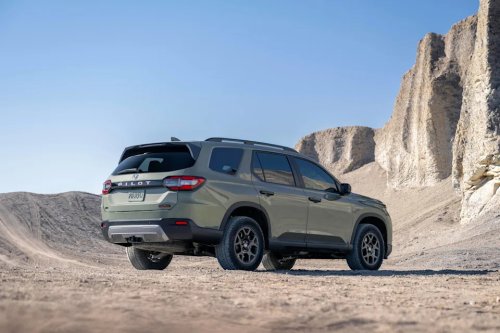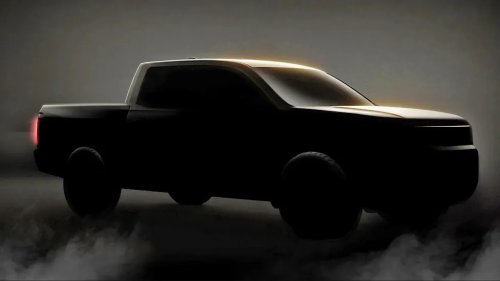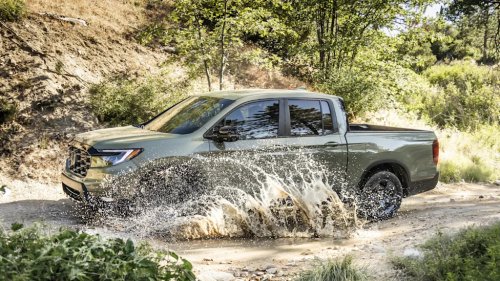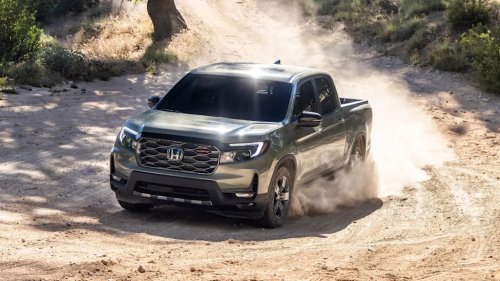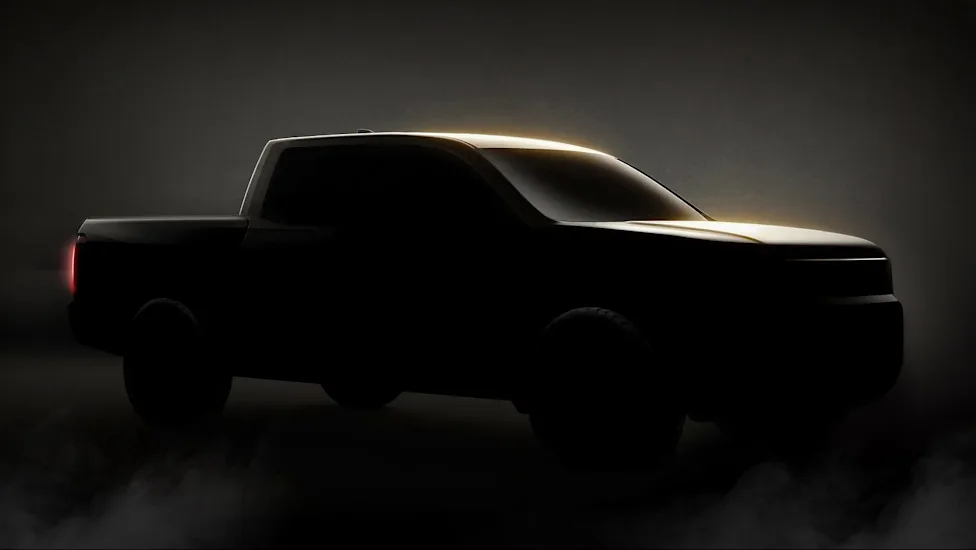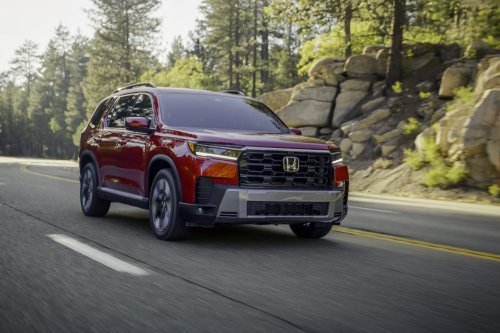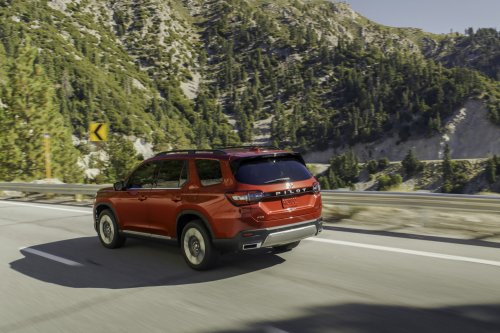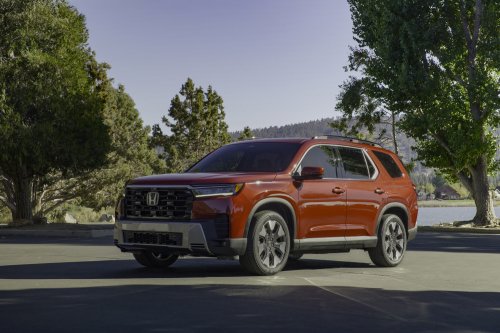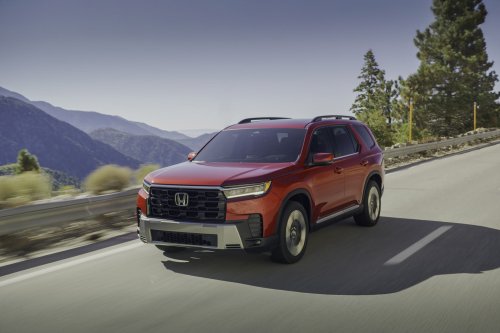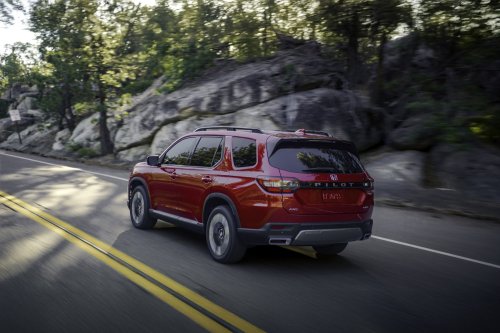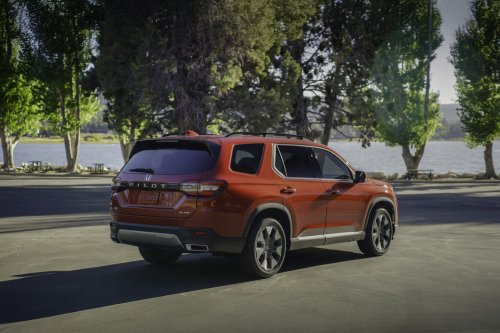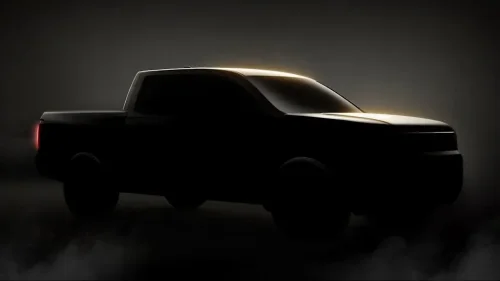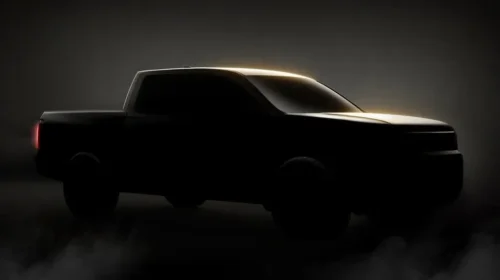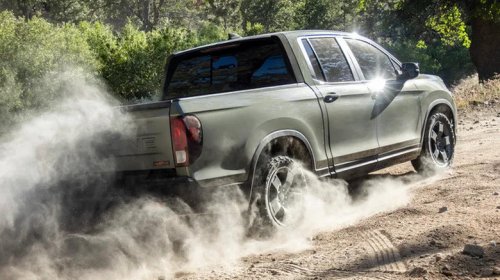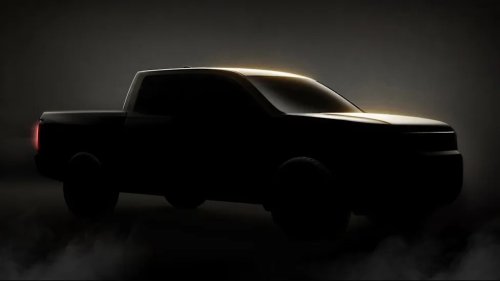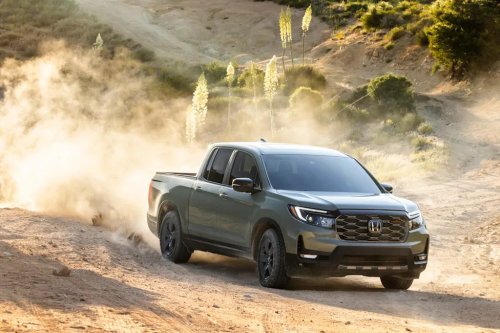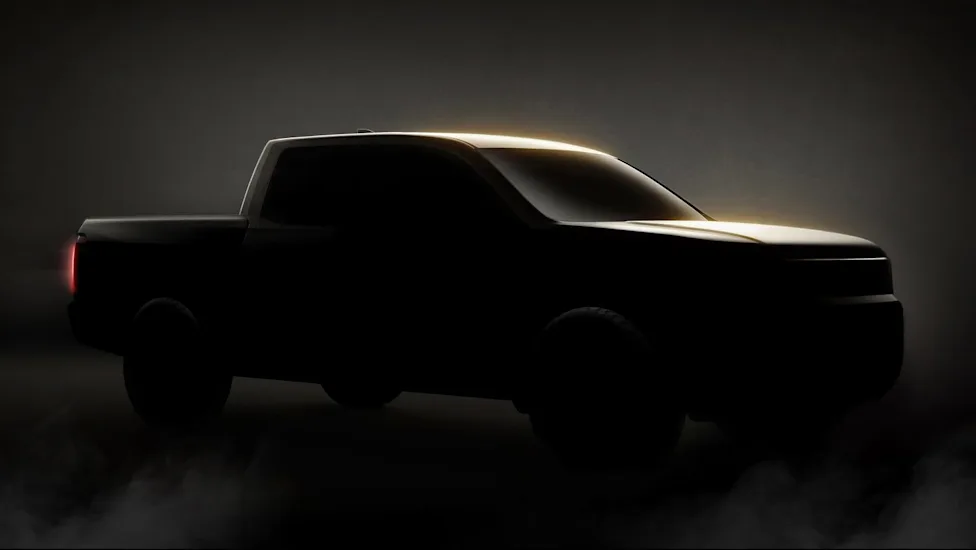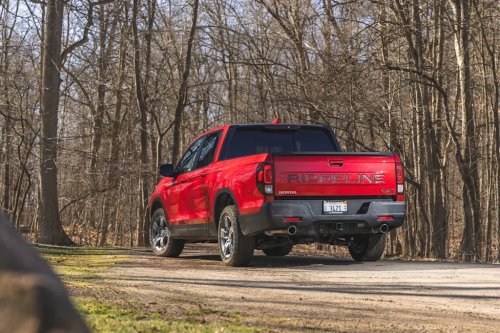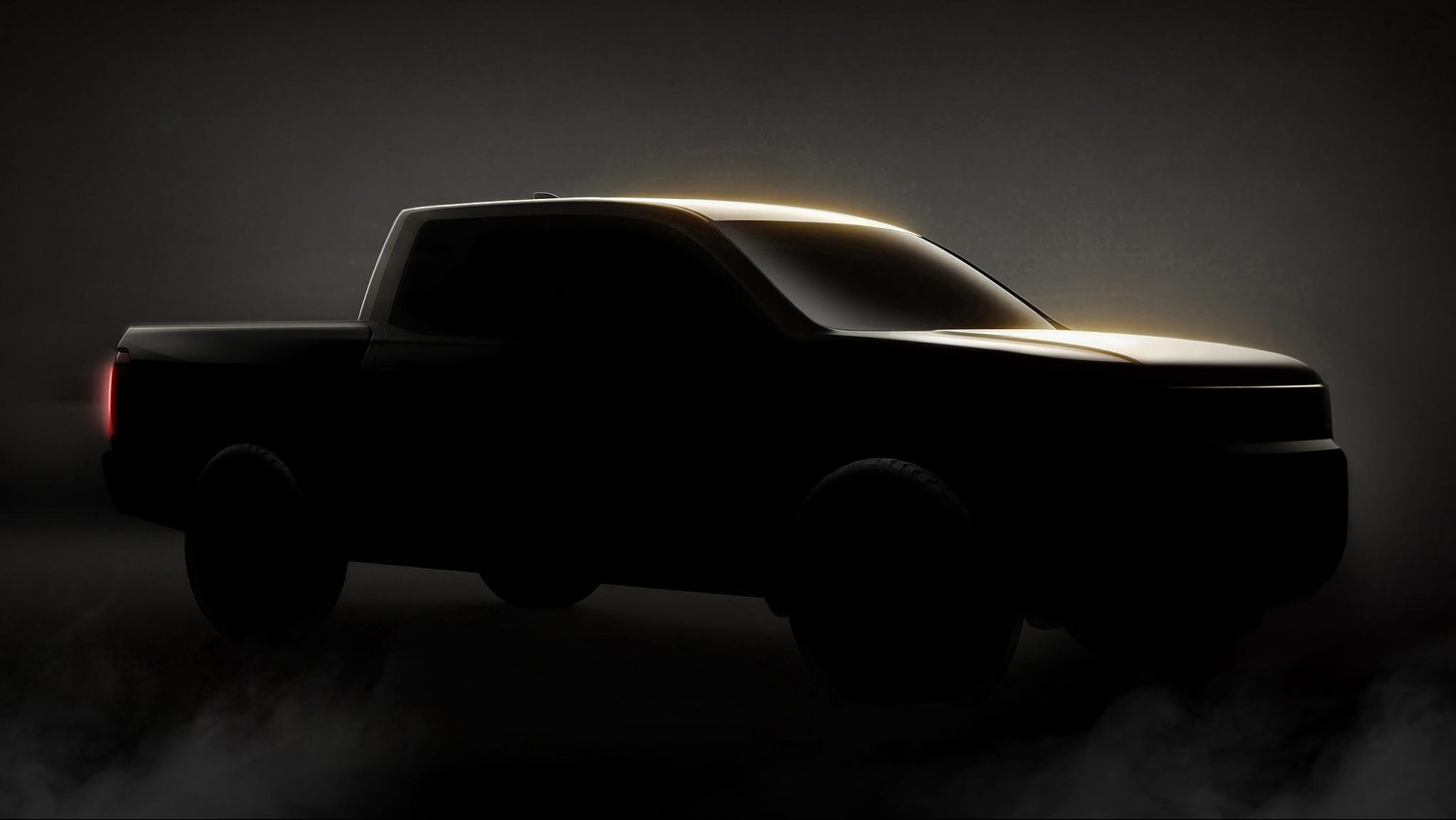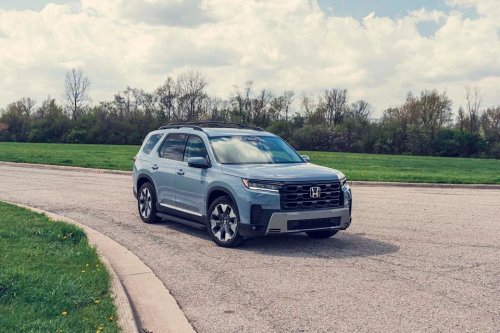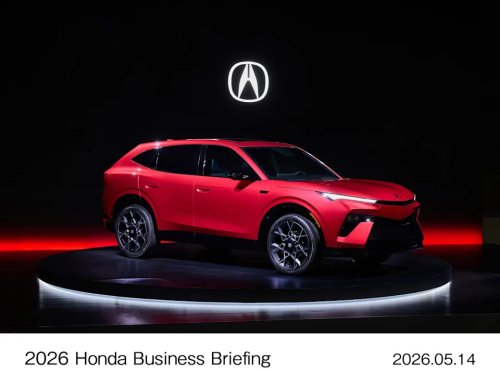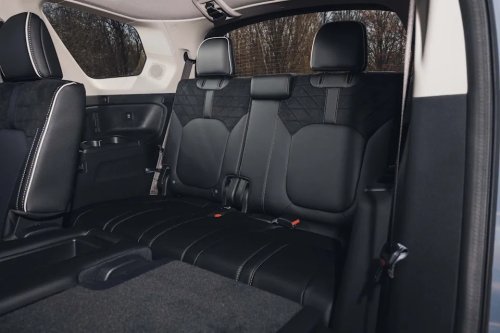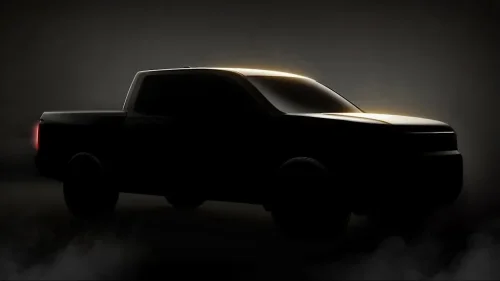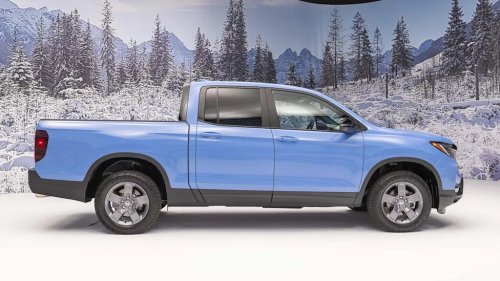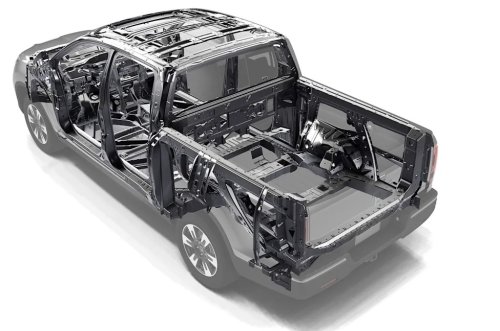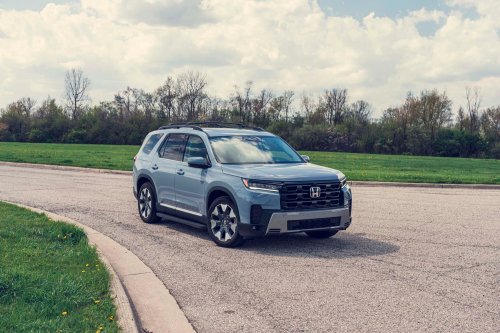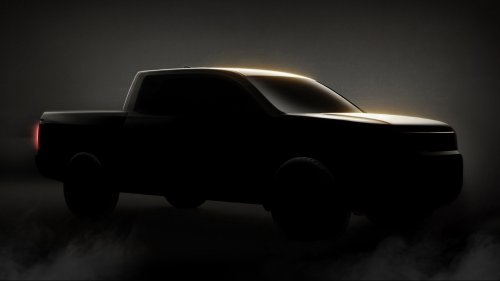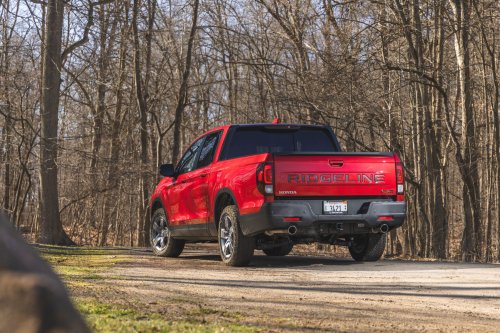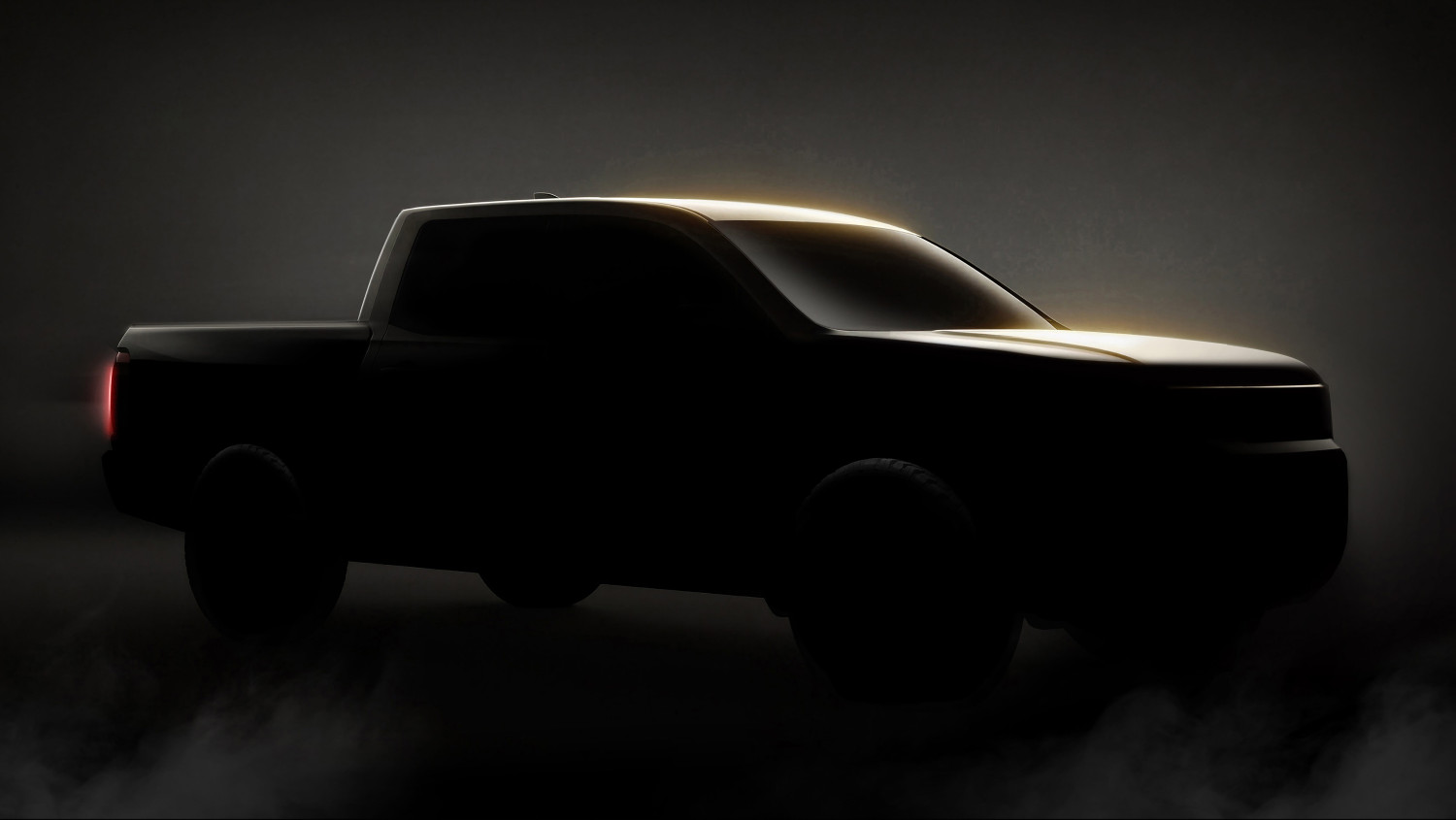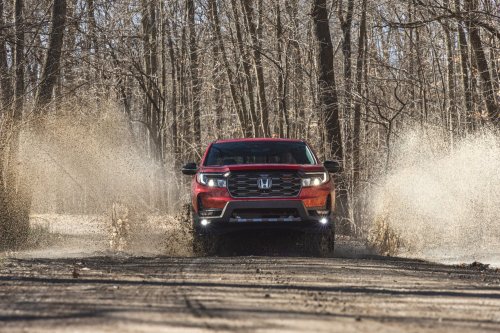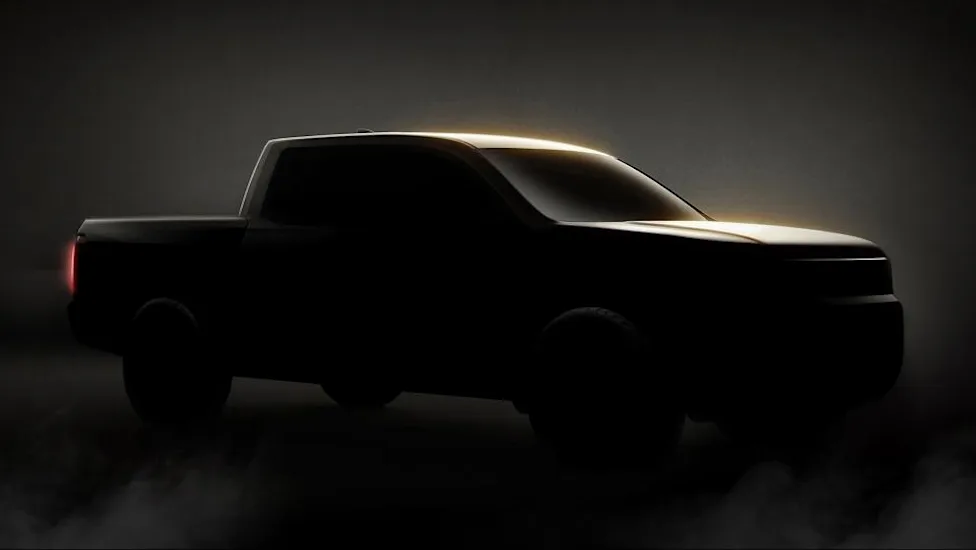



















Honda dropped this 2028 Honda Ridgeline teaser... but won't share any other details.©2026 American Honda Motor CoThe Honda Ridgeline has been on sale in the U.S. for roughly 20 years, and it remains one of the segment's outliers—a midsize pickup that's built and drives like a comfortable unibody SUV rather than a traditional body‑on‑frame truck. With its replacement on the horizon, Honda is pausing production of the current second‑generation model to retool the Alabama plant in preparation for a heavily updated all-new Ridgeline in 2028—expect revised styling and an emissions‑compliant hybrid V6 under the hood.While the automaker isn't ready to discuss specifics, I've dug through Honda statements and supplier reports to assemble a clear picture of what this next‑generation unibody pickup is likely to look like and—more importantly—what buyers can expect from its chassis and powertrain.The 2028 Honda Ridgeline will continue to compete in a segment with heavy hitters including the Toyota Tacoma, Ford Ranger, Chevrolet Colorado, GMC Canyon, Nissan Frontier, and Jeep Gladiator. Each of those projects a strong visual presence, a tell-tale message that they are prepared for rugged business. Unfortunately, today's Ridgeline has a long‑running perception among some truck shoppers that it looks too soft, car‑like, or ahem… not truck enough. Expect Honda to address this on the 2028 Ridgeline with much more aggressive styling—along the lines of the TrailSport Elite package offered on the Passport. Think contrasting body cladding, meaty AT tires, underbody skid plates, even painted recovery hooks.AdvertisementAdvertisementUnder the skin, the new Ridgeline will continue with its unibody architecture shared with the Pilot and Passport, with independent front (MacPherson strut, coil springs and a stabilizer bar) and rear (multi‑link, with coil springs and a stabilizer bar) suspension. While other trucks in the segment stick with body-on-frame architecture, solid rear axles, and leaf (or coil) springs, Honda believes its current architecture better fits its audience and their "daily driver," not "work truck," use case. You can also expect Honda to reinforce the chassis for better rigidity and towing capabilities, for numbers slightly exceeding those on the Pilot and Passport.Much has been said about the Ridgeline's faithful single-overhead-cam (SOHC), naturally-aspirated, 3.5-liter V6 engine, which won't meet emission requirements in 2027—it's going away. Honda uses a 2.0‑liter Atkinson‑cycle inline-4, paired with a traction motor and a generator motor, in its hybrid Accord and CR-V with excellent results. Expect Honda to employ similar technology (and carry over core pieces like motor design, inverter, and control-electronics architecture) and to debut an all-new gasoline-electric hybrid 3.0-liter V6 for the Ridgeline.Simple math says that if we use Honda's current 2.0‑liter inline-4 powertrain as a baseline, a 3.0‑liter Atkinson‑cycle V6 with a two‑motor hybrid (traction + generator) would very plausibly land around 300–320 horsepower and 320–350 lb‑ft of torque in total system output. That's a nice 10 percent boost in power, with a healthy jump in torque and a marked reduction in emissions—acceleration and fuel economy will be noticeably improved.And let's discuss towing. Today's Ridgeline offers a reasonable 5,000-pound towing capacity, which is solid. It's good enough for a small to mid-size travel trailer, a couple of jet skis, or a sports car on an open trailer. The new powertrain will ease towing, especially in higher elevations where the electric motors can supplement the naturally aspirated V6. Don't expect Honda to bump capacity much, even though most body‑on‑frame rivals like the Colorado, Ranger, Frontier, and Gladiator advertise max tow ratings between about 7,000 and 7,700 pounds. Honda knows its audience—realizing they are seeking a "lifestyle" truck—and most of them are not in the market primarily for a tow vehicle.AdvertisementAdvertisementSo, it looks like the new 2028 Honda Ridgeline will address the styling and powertrain in a big way, while refining what everyone already likes about the pickup: interior space, utility, and driving dynamics. Add in a likely step-up in tech and comfort, and it's hard to see Honda's next unibody pickup as anything but a strong favorite in the midsize truck race.This article was originally published on Forbes.com