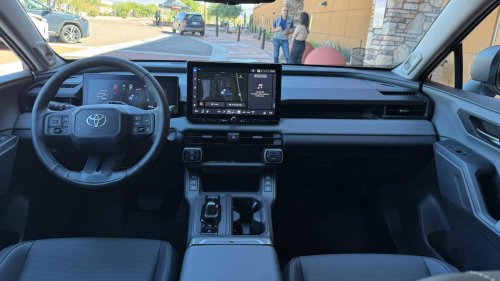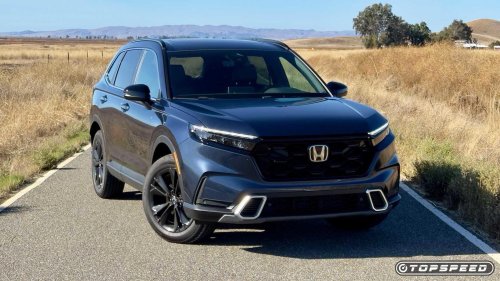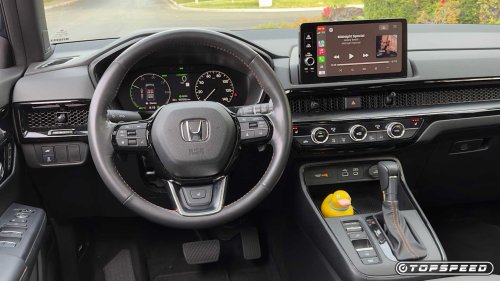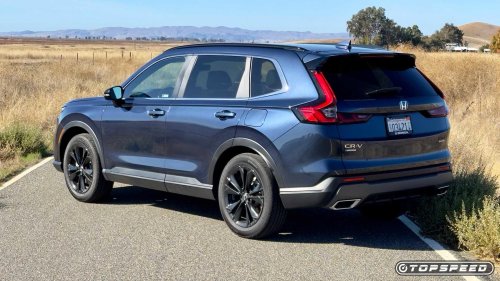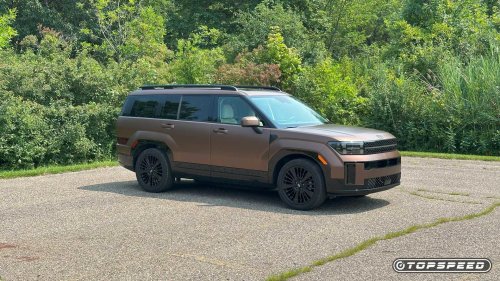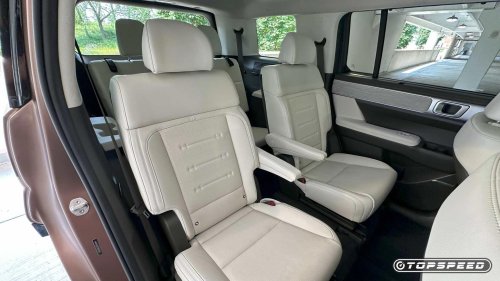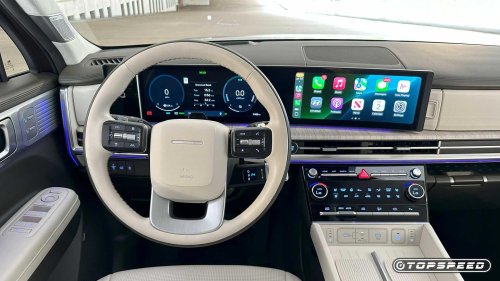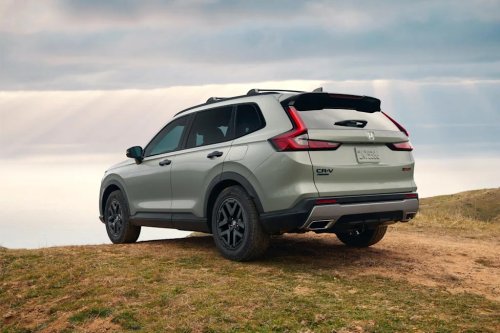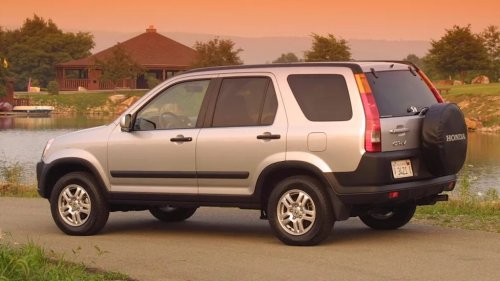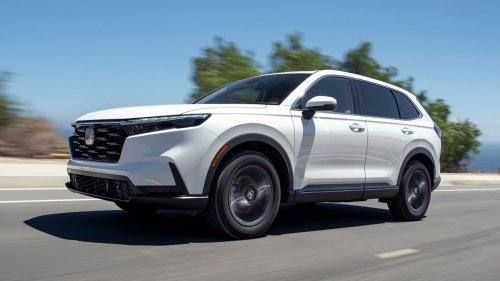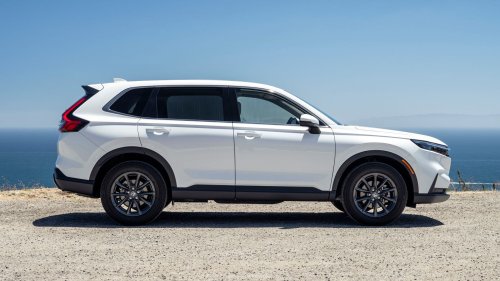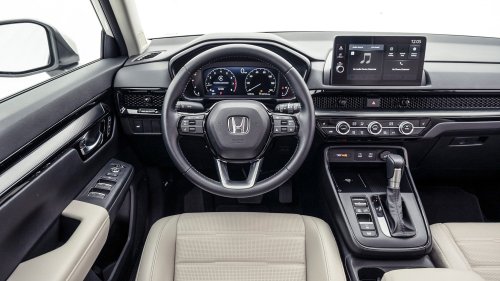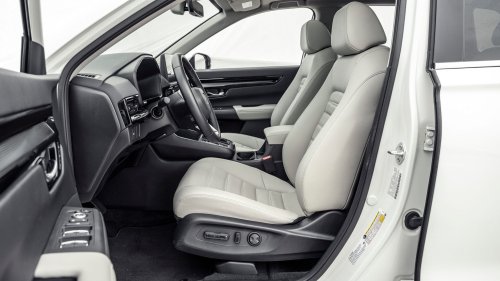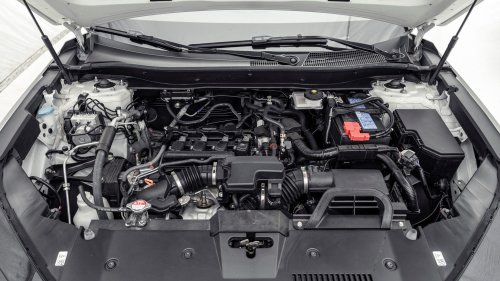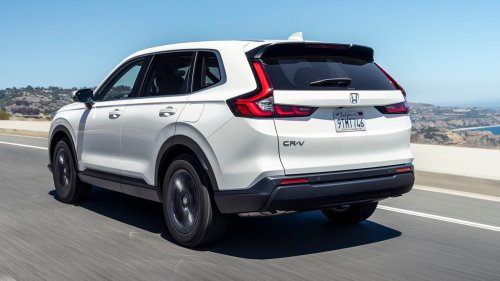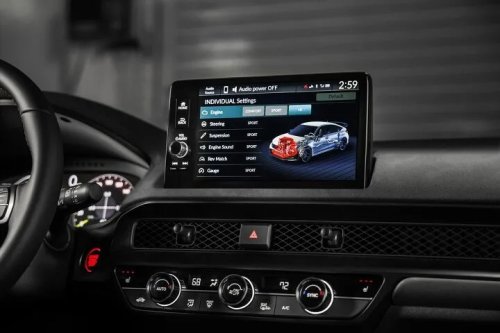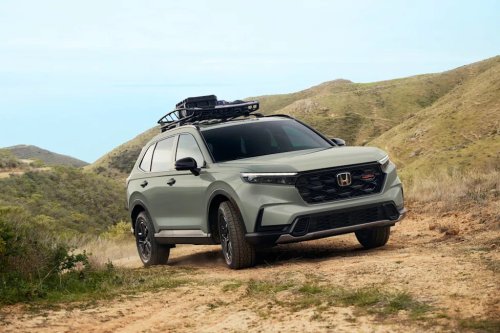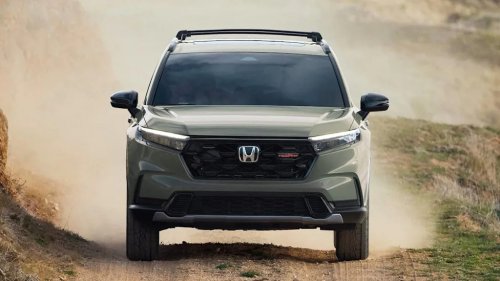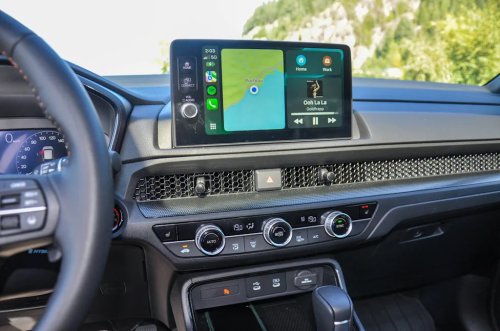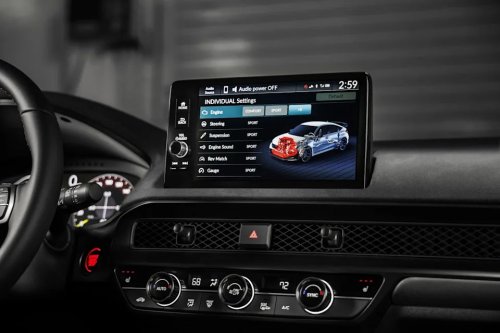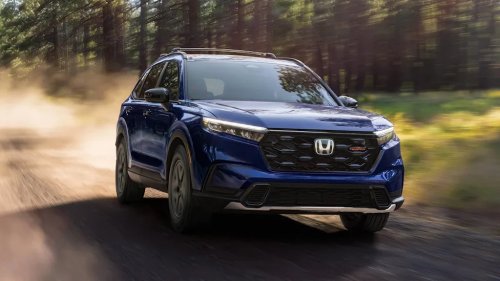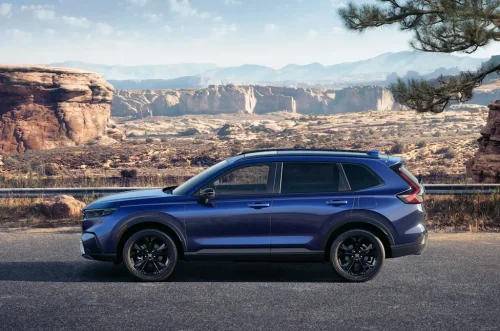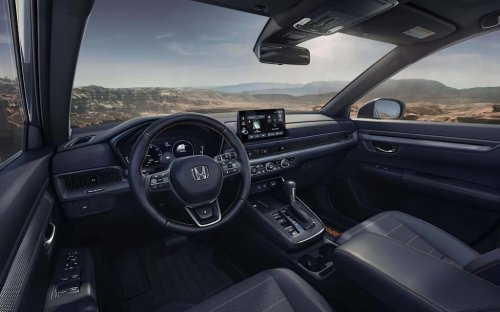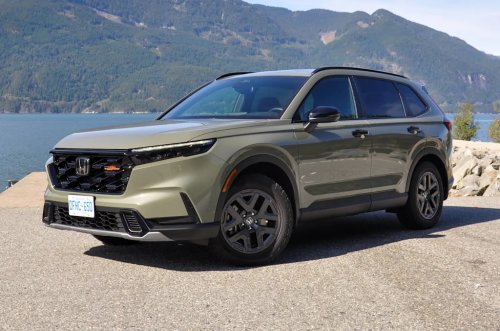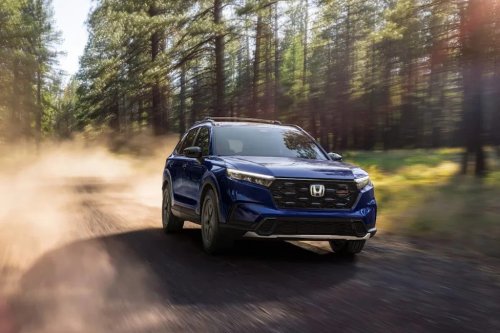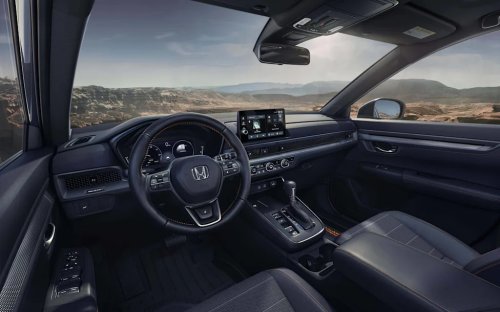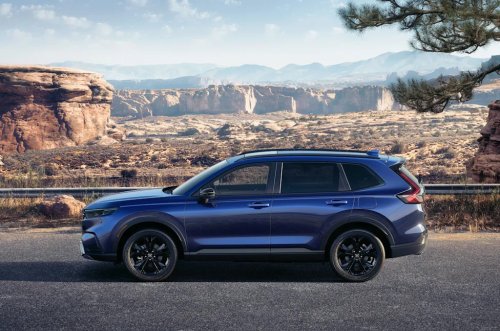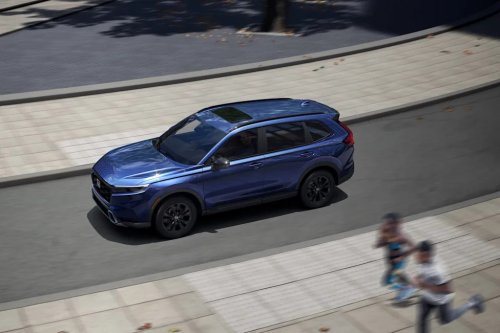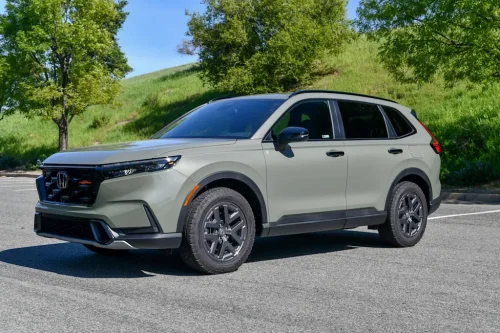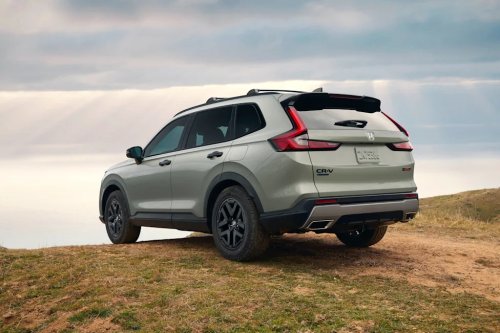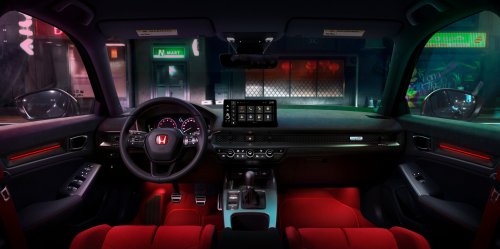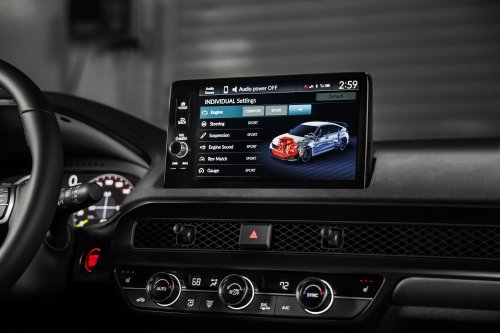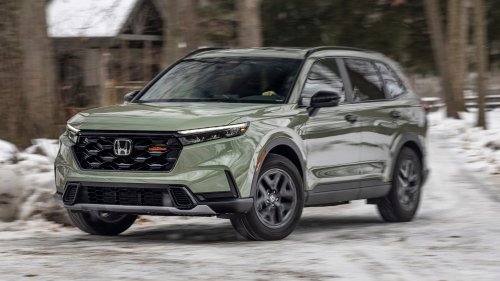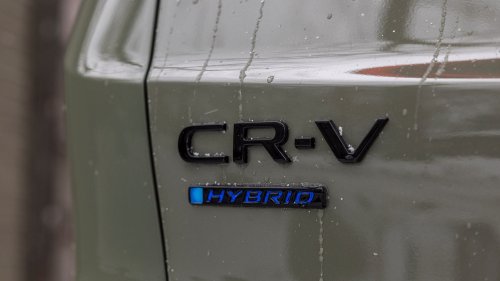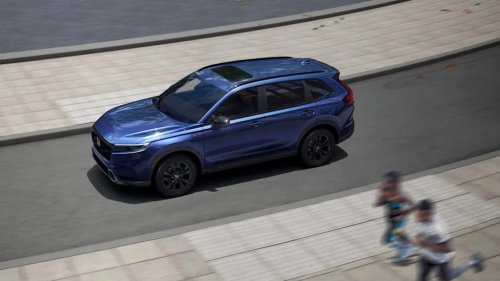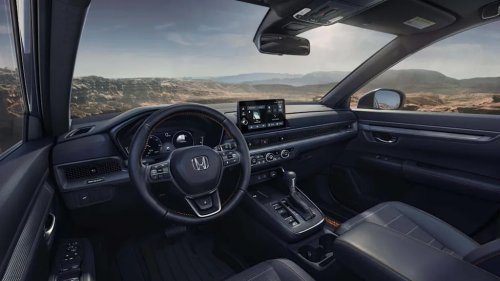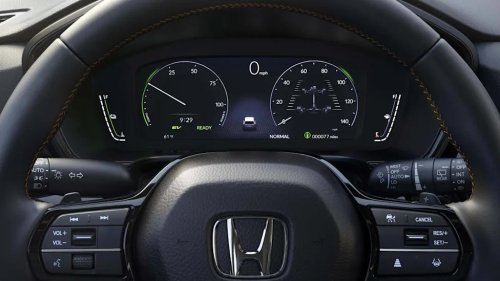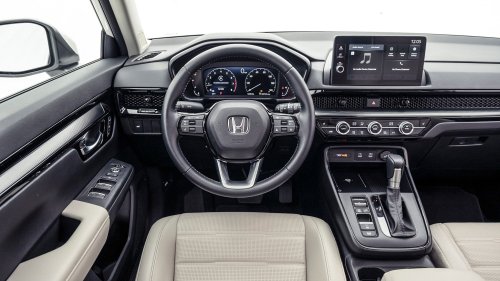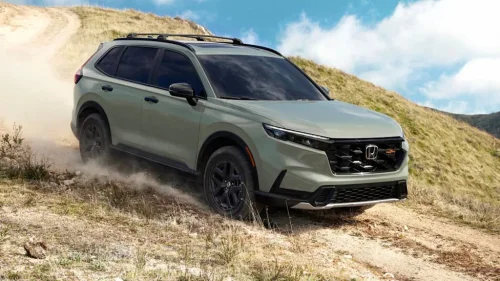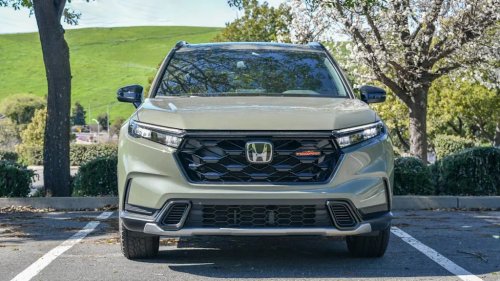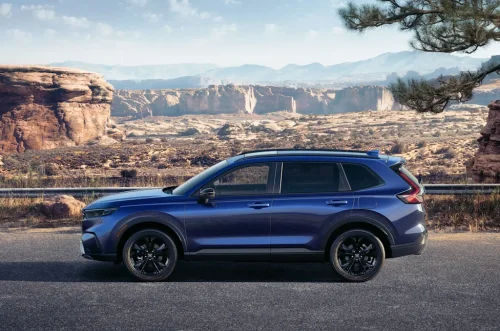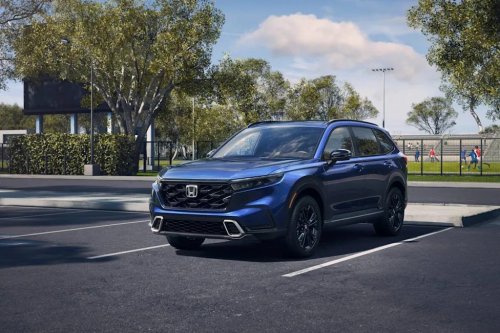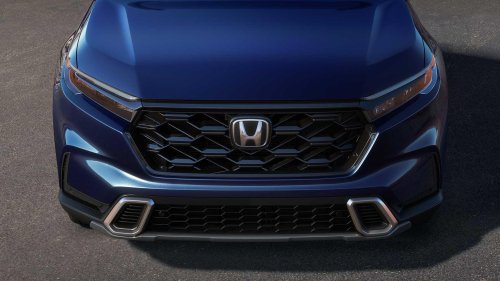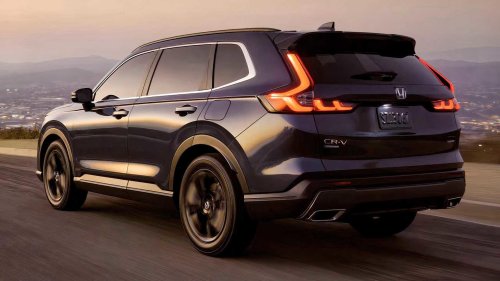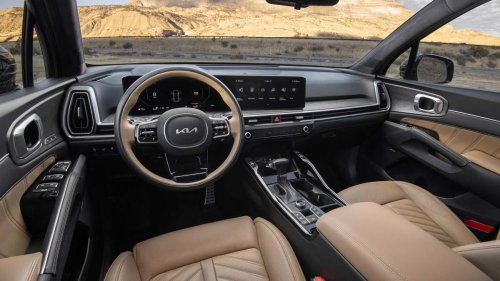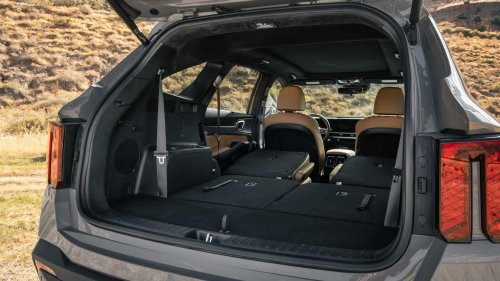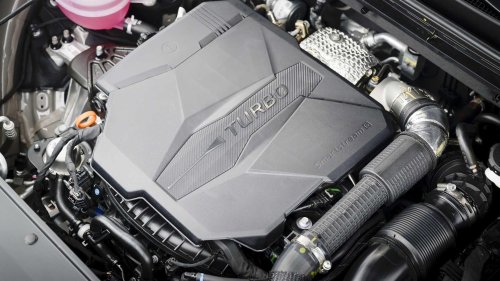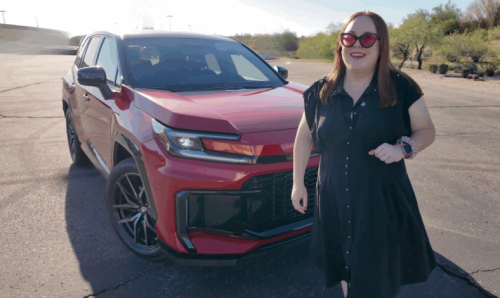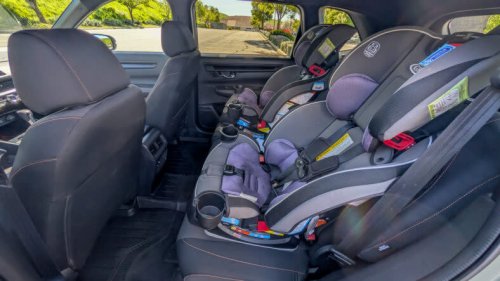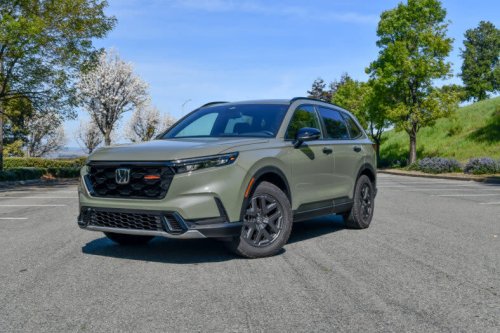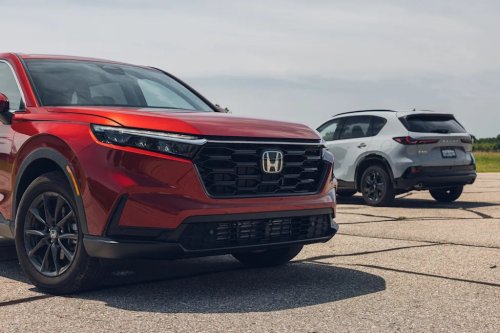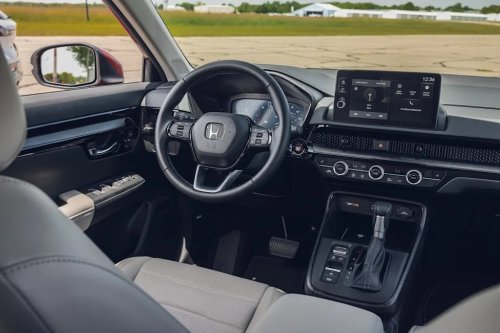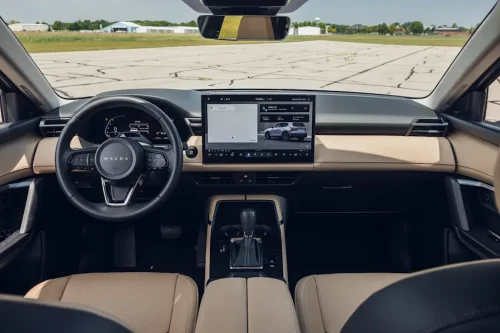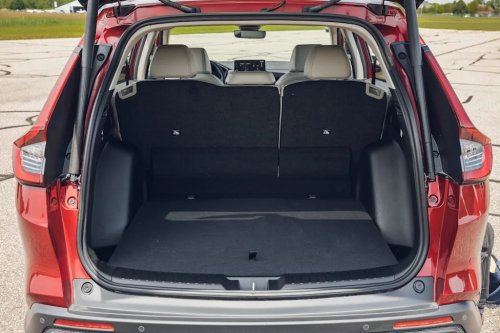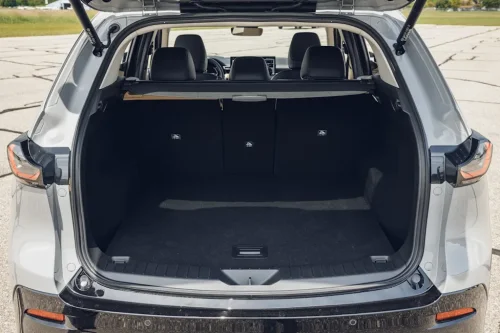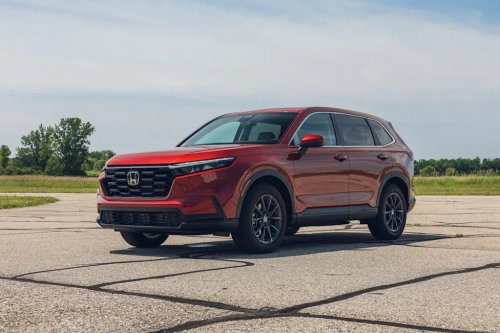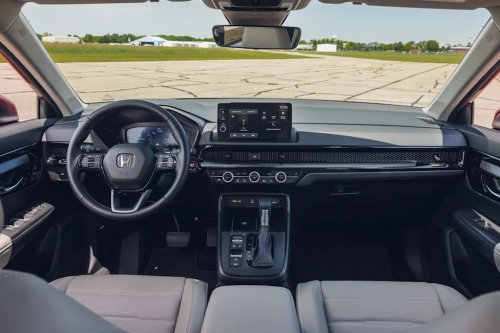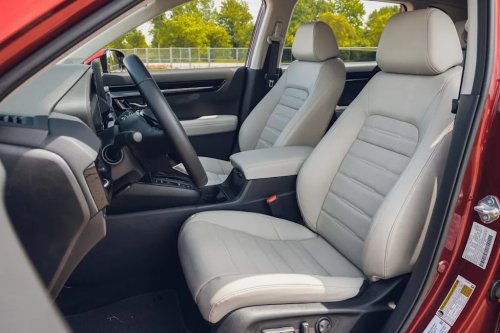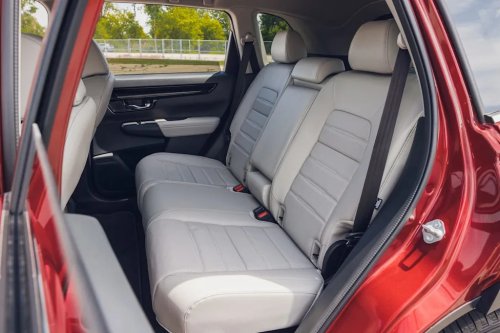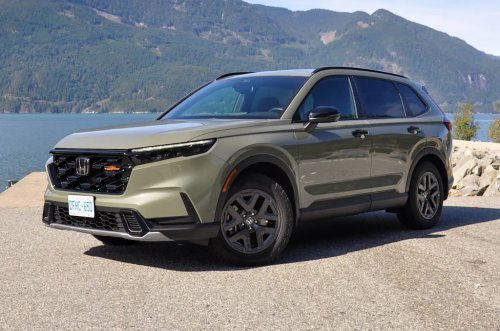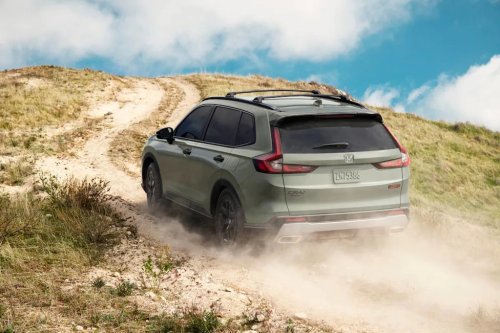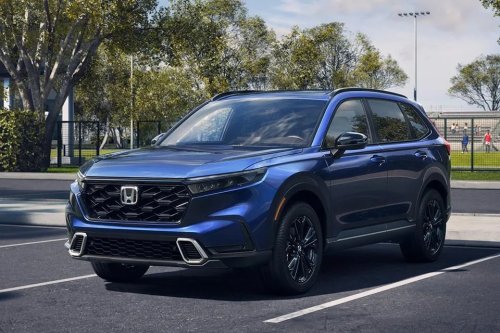

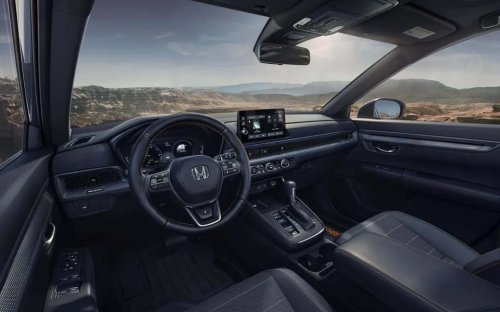
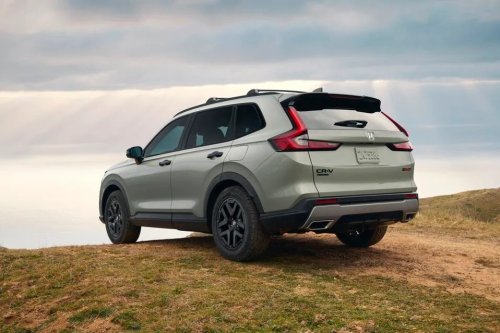



















Test-Driving The 2026 Honda CR-V HybridForbesMichael Harley, ContributorUpdatedTue, September 15, 2026 at 4:18 AM UTCAdd us on GoogleThe 2026 Honda CR-V Sport Touring Hybrid©2026 HondaIf you are in the market for a compact crossover that offers attractive styling, roomy packaging, low-stress drivability, strong efficiency, and an ownership proposition that includes reliability and resale value, take a close look at the 2026 Honda CR-V.Honda introduced the Civic-based CR-V in the United States for the 1997 model year (when "crossover" was barely part of the consumer vocabulary). The first model combined unibody construction, independent suspension, an available automatic Real Time four-wheel-drive system, and an unusually clever interior—it even had a removable cargo-floor picnic table. Powered by a 126-horsepower 2.0-liter four-cylinder, it was a compact, upright alternative to truck-based SUVs—one that focused on ride quality, efficiency and daily usability.Over six generations, the CR-V has steadily expanded in size, refinement and ambition. Today, the 2026 Honda CR-V model is 7.2 inches longer, 4.6 inches wider and rides on a wheelbase stretched by 3.1 inches, yet it stands barely more than half an inch taller. And curb weight, which is an accurate indicator of growth, has increased by nearly 750 pounds. Nonetheless, it's a very successful package. According to Honda, U.S. CR-V sales have approached 6 million units since its 1997 launch, and the model has been the brand's best-selling vehicle every year since 2017.The 2026 Honda CR-V Sport Touring Hybrid cargo areaFor 2026, Honda's sixth-generation CR-V remains faithful to that formula, but with a more compelling split personality. Buyers can choose a conventional turbocharged gasoline engine or a fuel-efficient hybrid that delivers under-the-foot responsiveness without requiring owners to plug it in or worry about range anxiety.AdvertisementAdvertisementThe lineup includes seven trim levels for 2026. The three lower-priced trims feature the standard 190 horsepower turbocharged engine, with the LX as the entry-level model at just over $30,000. Bump up to the EX model for more convenience and comfort equipment, while the EX-L adds a leather-trimmed interior. The Sport Hybrid has a two-motor hybrid under the hood and a base MSRP of just over $35,000. The TrailSport Hybrid has standard AWD, all-terrain tires, and more rugged exterior details for those who want light off-road capability. The Sport-L hybrid adds a leather-trimmed interior, while the range-topping Sport Touring Hybrid comes with Bose audio, a heated steering wheel, a hands-free power rear liftgate, and more.I tested the Sport Hybrid model, which uses a 2.0-liter Atkinson-cycle 4-cylinder direct-injection engine. Two electric motors supplement the power, drawing from a lithium-ion battery pack (a small buffer battery estimated at 1.1 kWh—Honda does not publish exact specifications). Output is 204 horsepower and 247 pound-feet of torque, and the system earns EPA ratings of up to 40 mpg city and 34 mpg highway in front-drive form. (Honda also offers Real Time AWD, which costs 1 mpg city, 2 mpg highway, and 1 mpg combined, which is a relatively modest trade-off for buyers in snowy climates or those who value extra wet-road traction.)2026 Honda CR-V TrailSport Hybrid dashboardThe five-place passenger cabin is modern and inviting, with a traditional, ergonomically friendly appearance—unlike many vehicles in the segment, which are chock-full of confusing flat-panel touchscreens, the CR-V sticks with a pair of ideally placed digital displays (one for the primary instrument cluster, the other for the infotainment). The shifter lever, steering wheel stalks, and window controls follow the same sensible layout. Honda deliberately avoids the overdesigned theatrics now common in the segment, and it is welcome.The driver and front passenger have a commanding view of the road, as do those in the second row—it's an adult-sized second row too, with 41 inches of legroom. The rear seats split-fold 60/40 and offer recline. They have head restraints on the outboard positions. According to Honda, maximum cargo volume reaches 76.5 cubic feet with the rear seats folded, aided by a low, wide cargo opening. (Note the cargo area is slightly smaller on the hybrid model due to the packaging of the battery.)AdvertisementAdvertisementConsumers expect a long list of safety features, and Honda delivers. Every 2026 CR-V includes "Honda Sensing," which bundles Collision Mitigation Braking with forward-collision and pedestrian detection, Road Departure Mitigation, Adaptive Cruise Control with Low-Speed Follow, Lane Keeping Assist, and Traffic Sign Recognition. The CR-V also includes a rearview camera, blind-spot information with cross-traffic monitoring, and a driver-attention monitor. It's a comprehensive list, perfect for a family-oriented vehicle.In practice, the hybrid's advantage is more than its window-sticker fuel-economy number. While a continuously-variable transmission (CVT) is tuned to optimize engine rpm and economy—it isn't a performance gearbox—electric-motor torque arrives immediately, so the CR-V responds cleanly to throttle inputs in the low- and mid-speed situations that dominate suburban and urban driving (in actual driving, the hybrid feels more decisive pulling into traffic or making a short pass than the 1.5-liter turbocharged four-cylinder used in the LX, EX and EX-L, which is rated at 190 horsepower) If you want to read a number, the 0-60 mph sprint takes just over 7 seconds—that's plenty quick for most drivers.2026 Honda CR-V TrailSport HybridOn the road, the Honda CR-V drives outstandingly well. The hybrid engine is peppy and the gearbox rows through its artificial "gears" eagerly (toggle the drive mode through Normal, ECON, Sport, and Snow to alter its response to suit your tastes or road conditions). While the suspension is soft and biased toward ride comfort, I expected it to be paired with equally light steering. However, that wasn't the case—the steering had a nice weight to it, which translates to a secure feeling from behind the wheel.The 2026 Honda CR-V uses Active Noise Cancellation (ANC). This electronic system uses the cabin microphone/audio system and the vehicle's speakers to produce carefully timed "anti-noise" sound waves to "cancel out" unwanted noises. While it won't work miracles, it notably reduces the drone of the hybrid engine and powertrain (it won't mask the sound of your child crying). The cabin is appreciatively quiet, and conversations among fellow passengers are effortless.AdvertisementAdvertisementOwnership of a Honda CR‑V has its benefits. The compact crossover has earned a strong long-term record for reliability, supported by a large owner base, widespread dealer/service coverage, and relatively predictable ownership costs. Kelley Blue Book rates the current CR‑V's owner-reported reliability at 4.6 out of 5 (the CR‑V Hybrid scores 4.0 out of 5).Resale value has always been a major CR‑V strength. iSeeCars estimates the conventional CR‑V retains about 70.3% of its original value after five years, equating to roughly 29.7% depreciation (better than the average compact SUV). The CR‑V Hybrid is projected to retain about 65.0% after five years, although KBB still characterizes its resale as comfortably above average.When it was launched, the first-generation Honda CR-V was marketed as a new kind of "soft-roader" that was versatile enough for an active lifestyle, but without the drawbacks of a truck-based SUV that was common in the late 1990s. Honda promised carlike maneuverability, efficiency, and ease of long-term ownership in a five-passenger crossover (even though the term wasn't even commonplace). Today's 2026 CR-V holds to those values, offering a polished, spacious, and efficient package with a hybrid system that makes daily driving easier, not more complicated. In a nutshell, Honda hasn't forgotten its plot.This article was originally published on Forbes.com