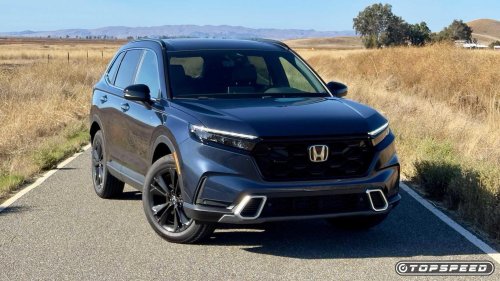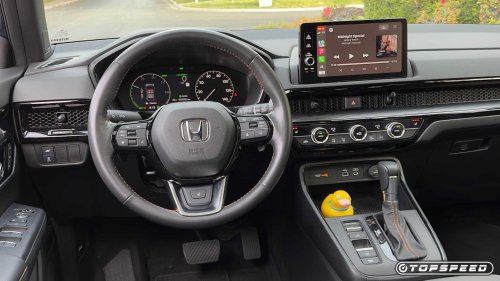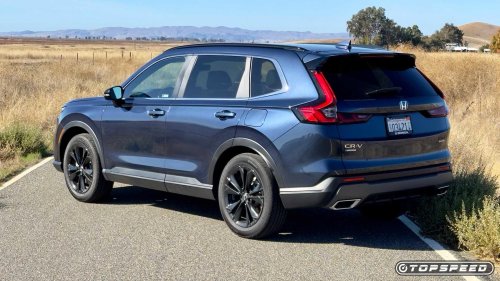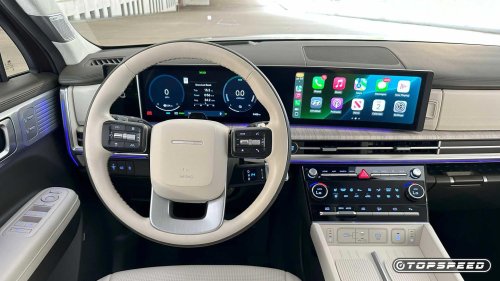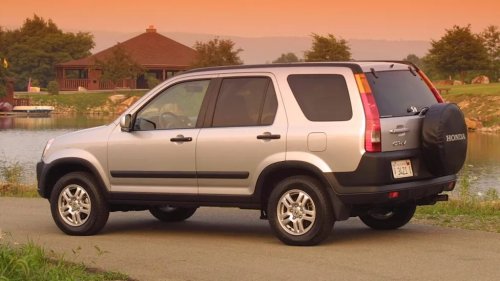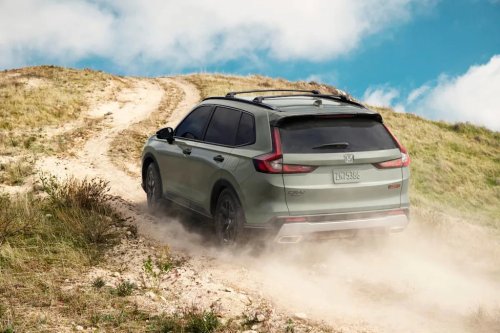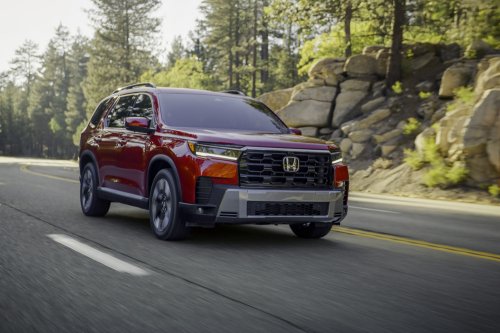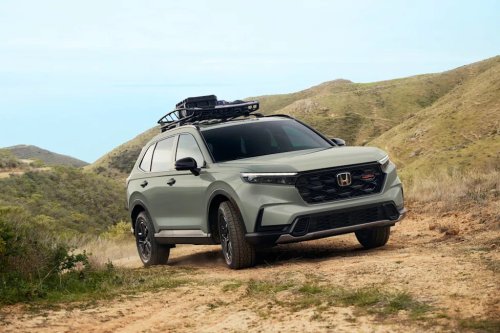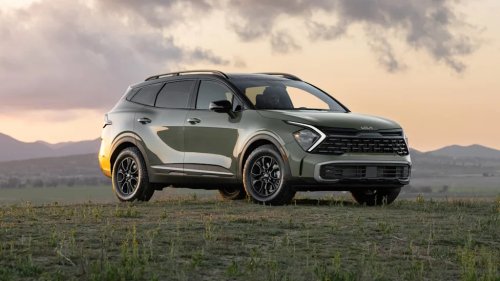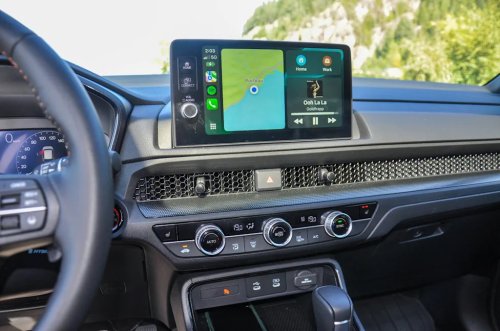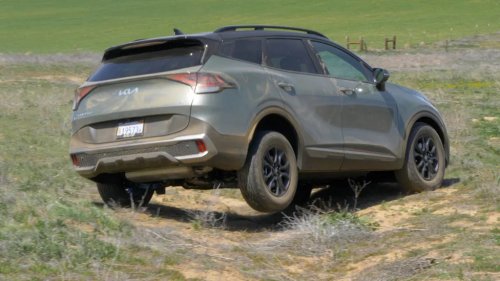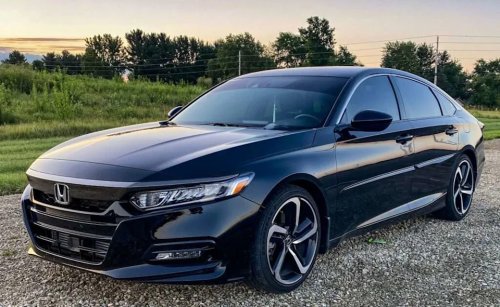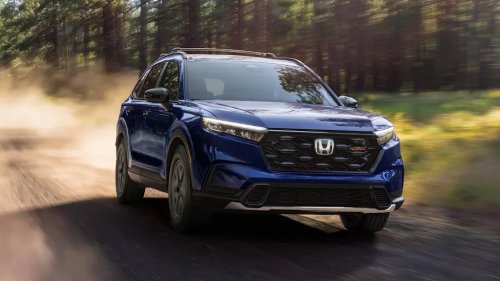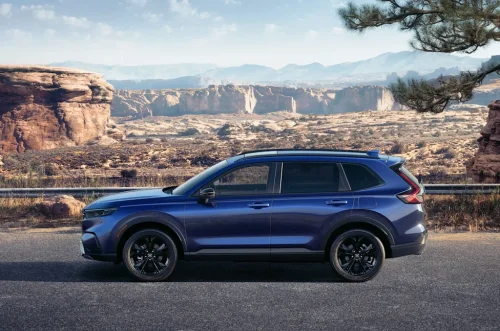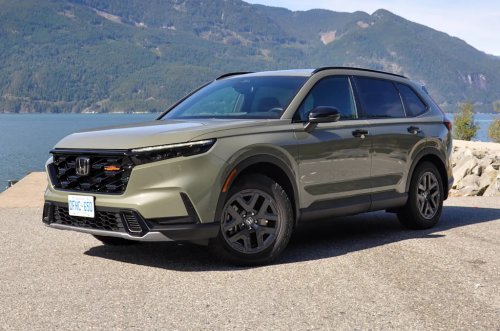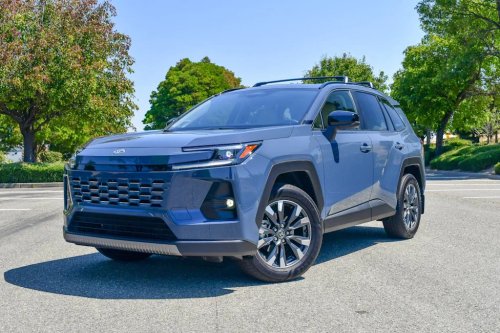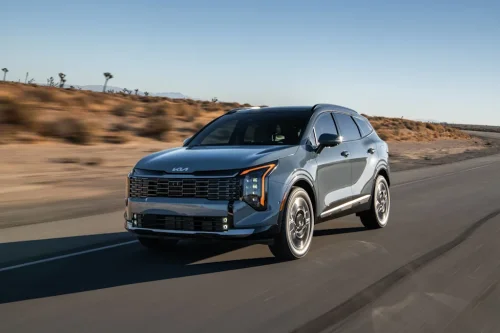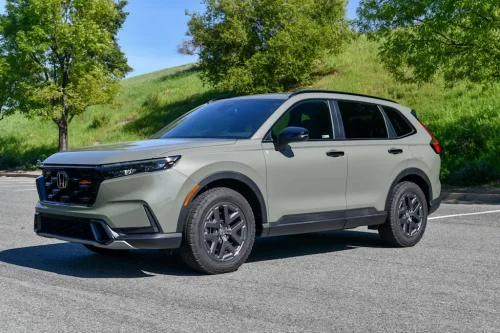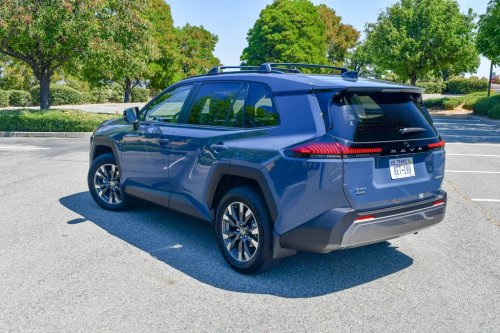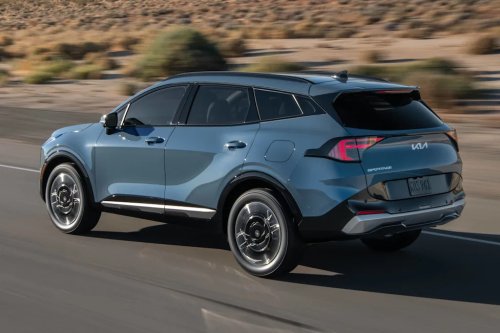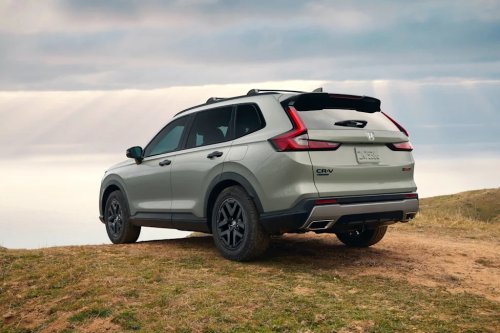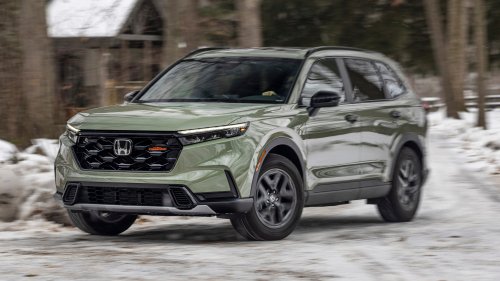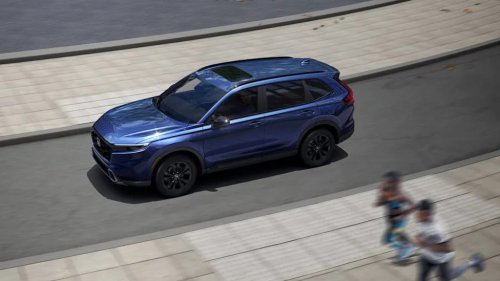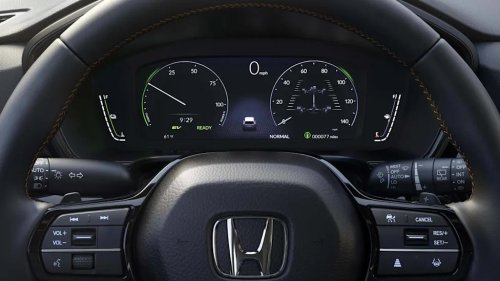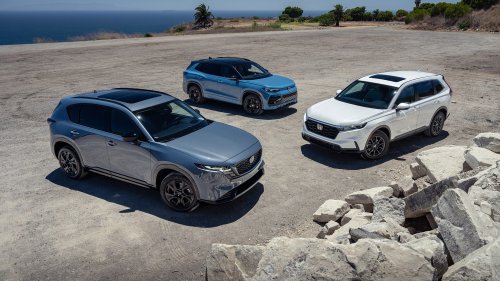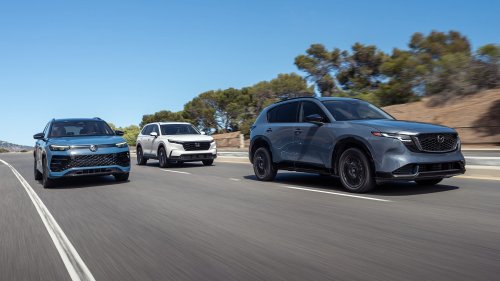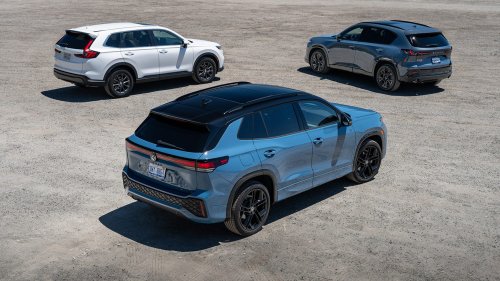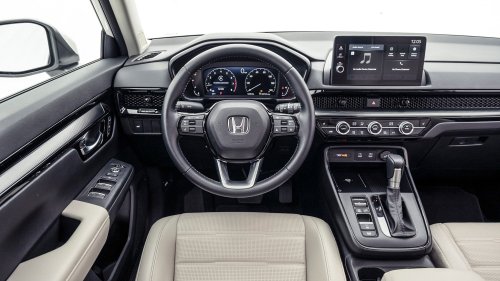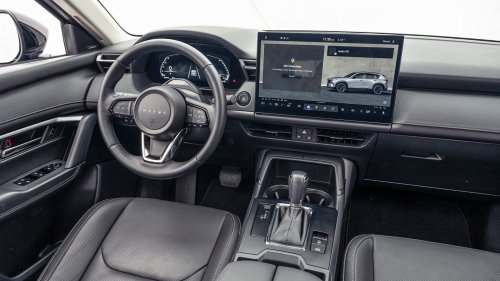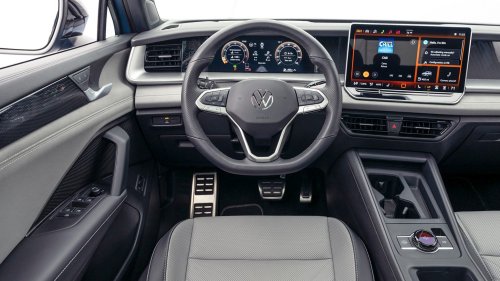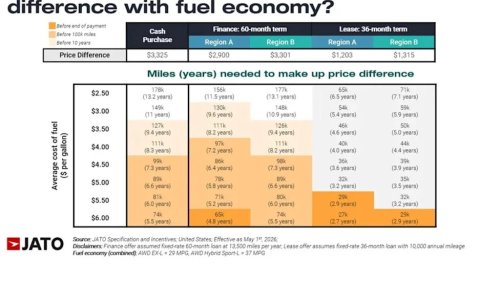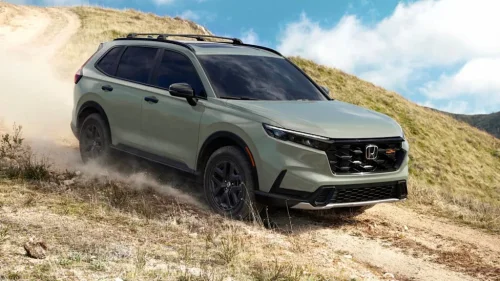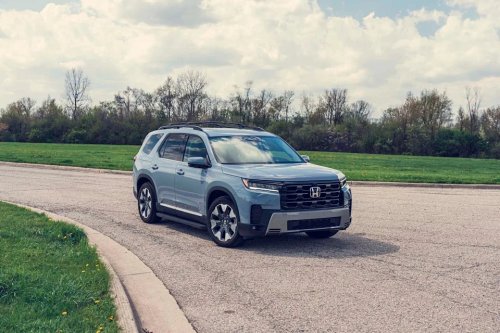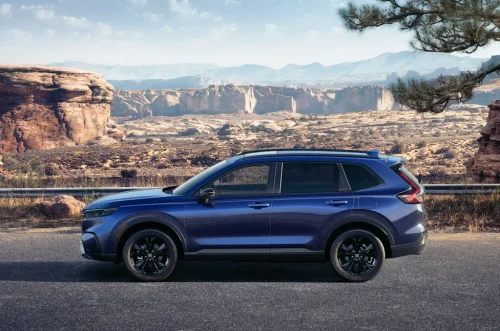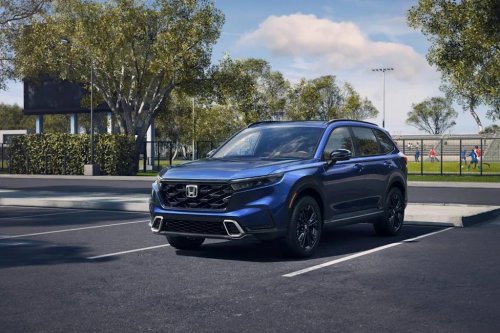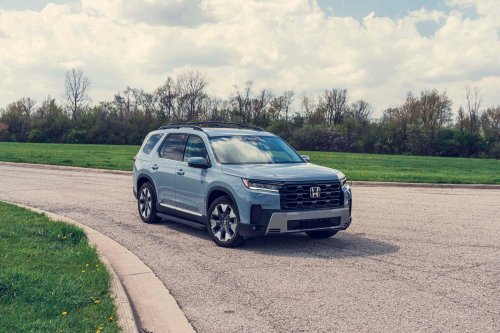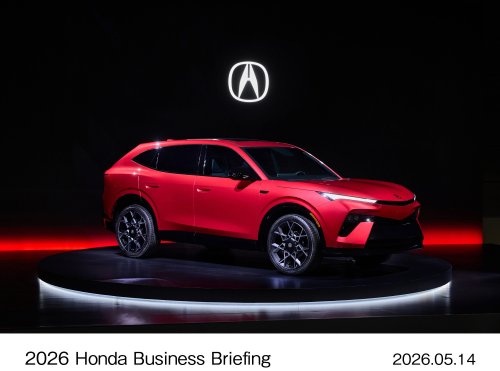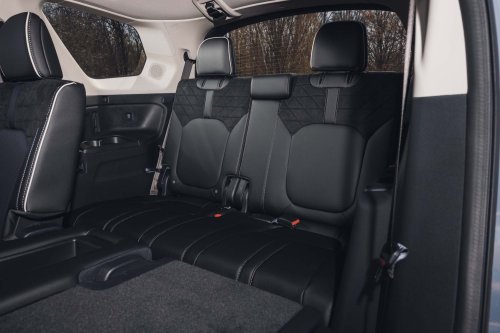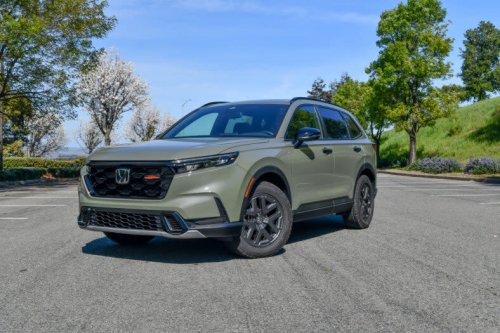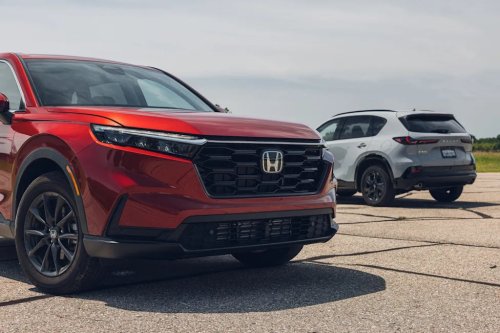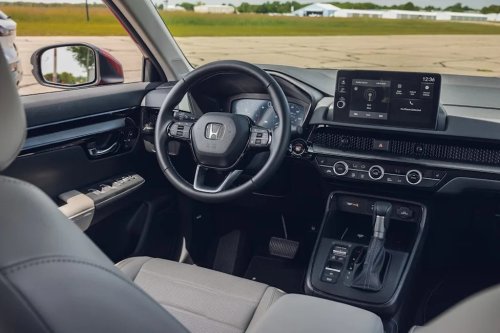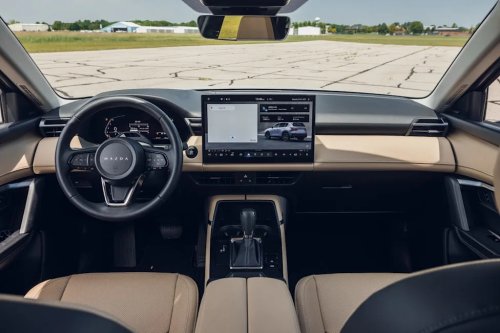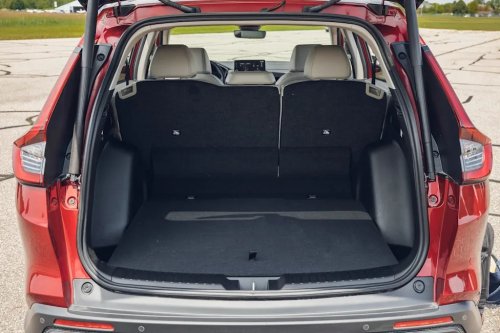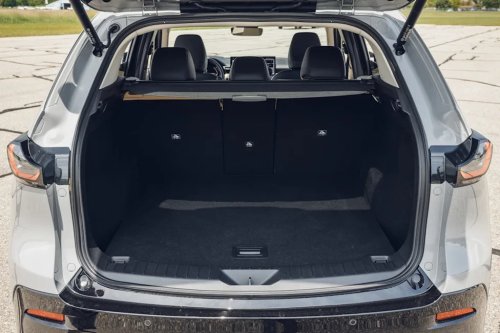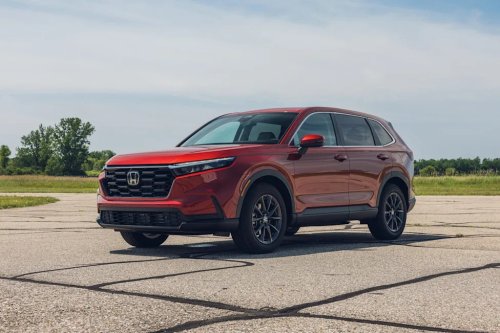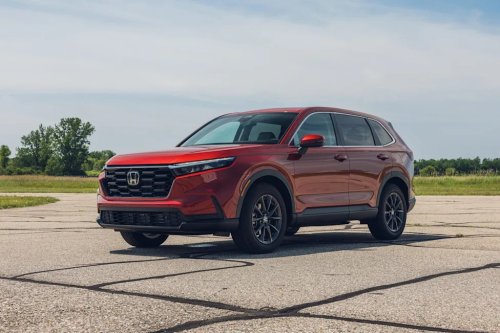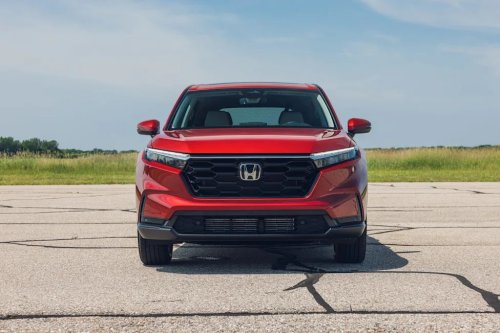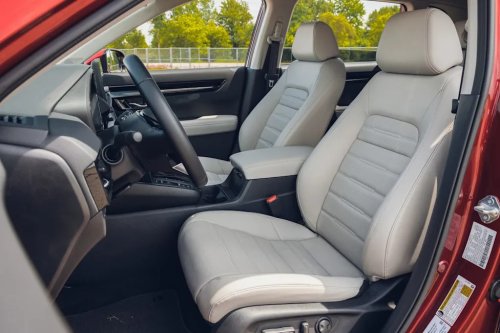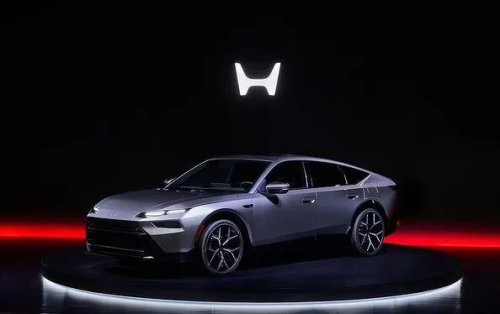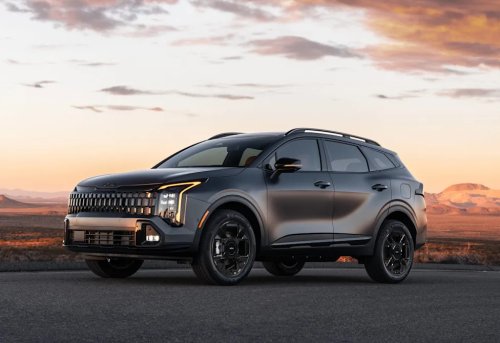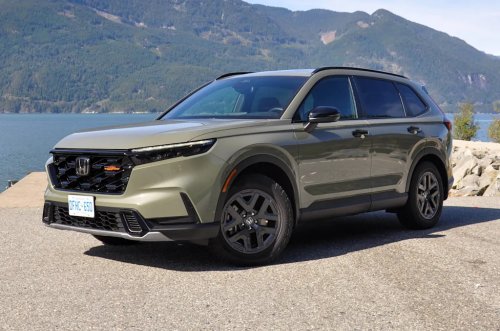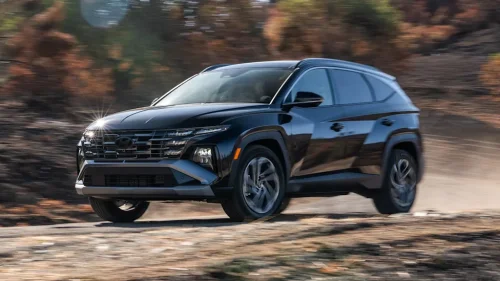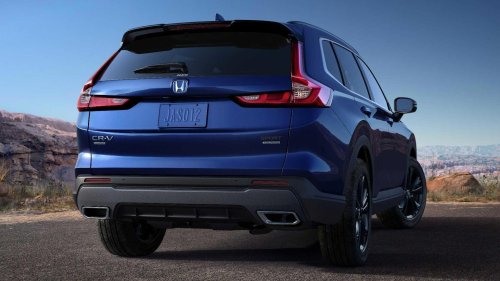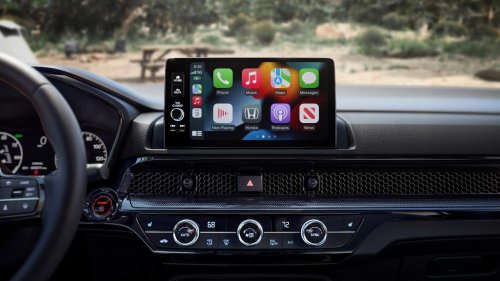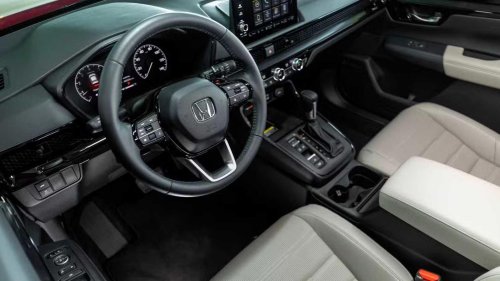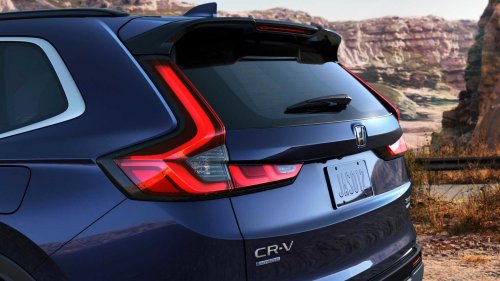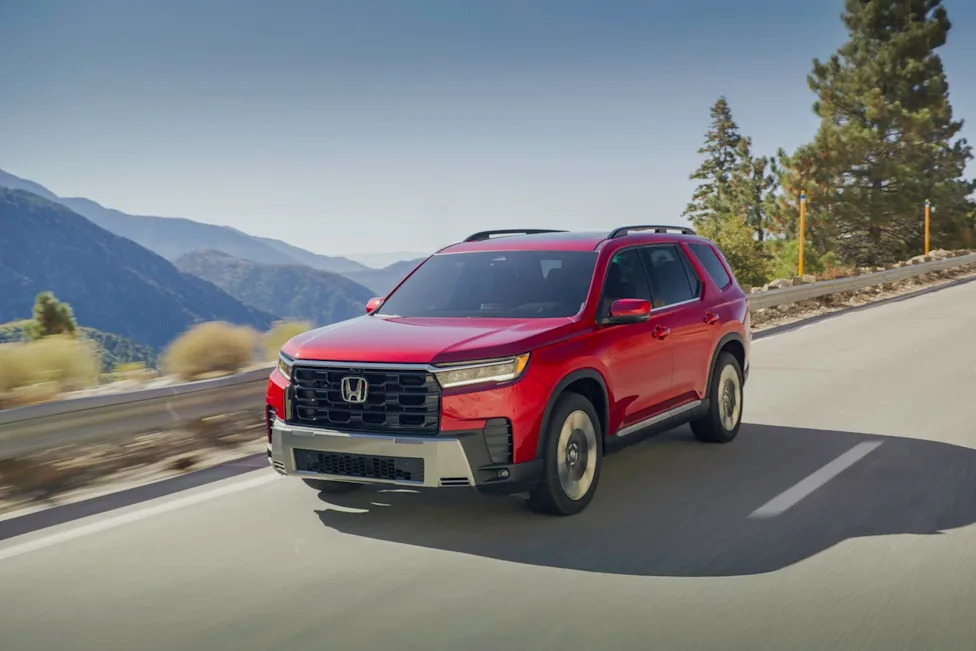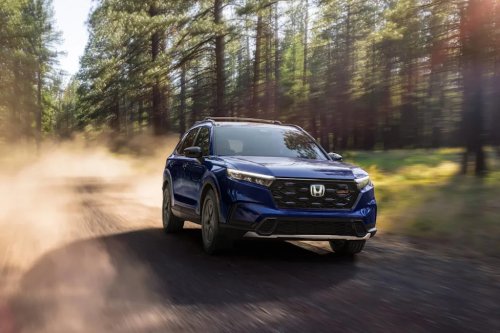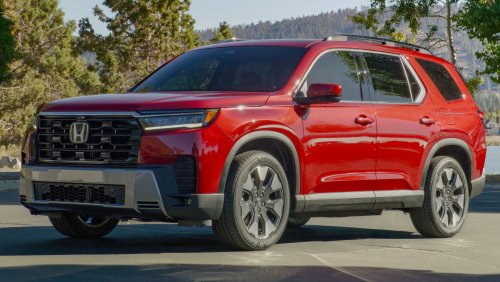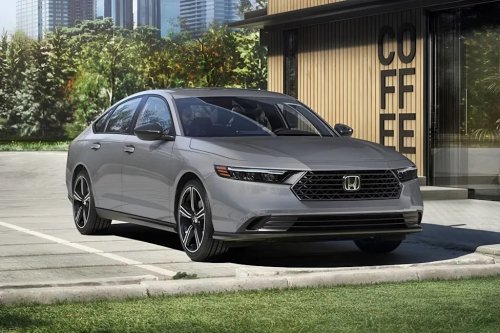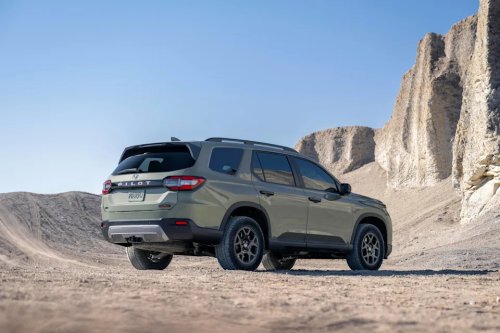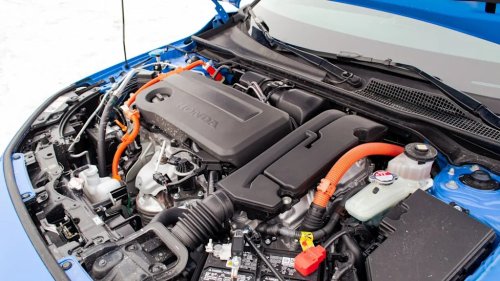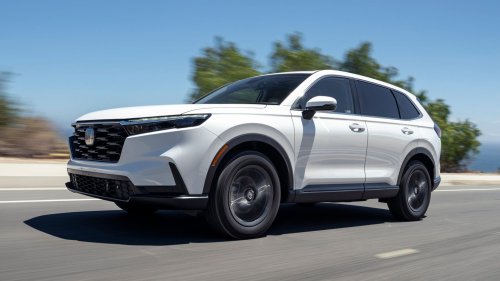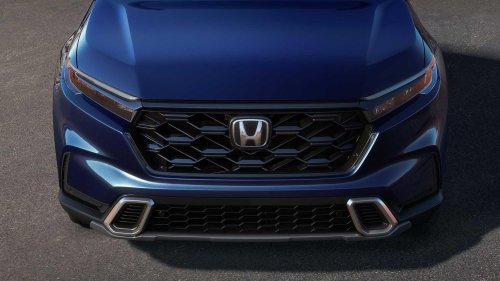
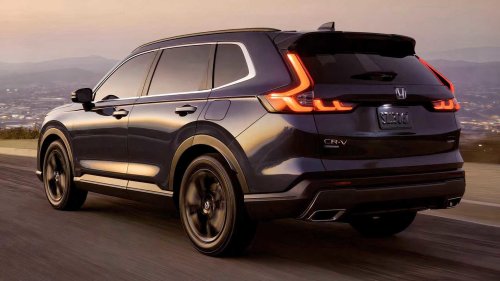
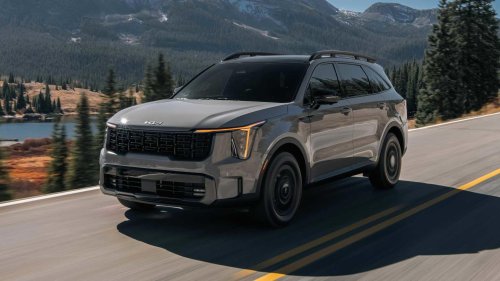
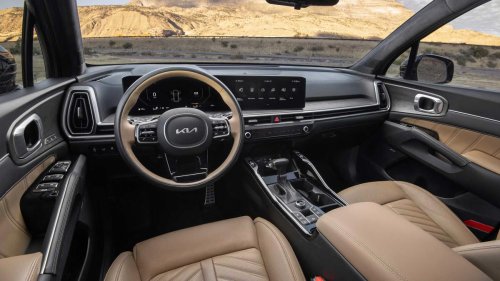
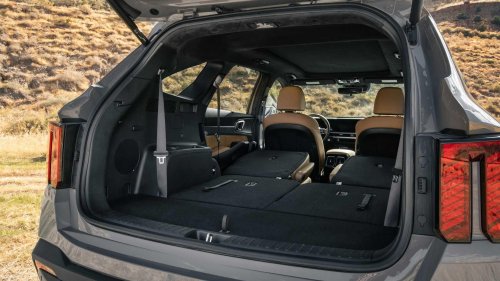
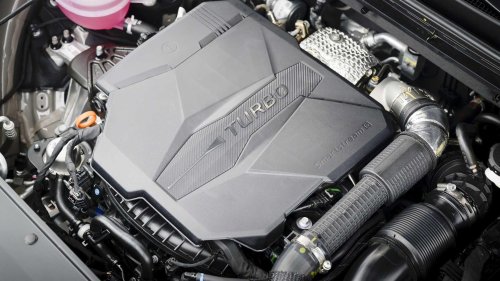


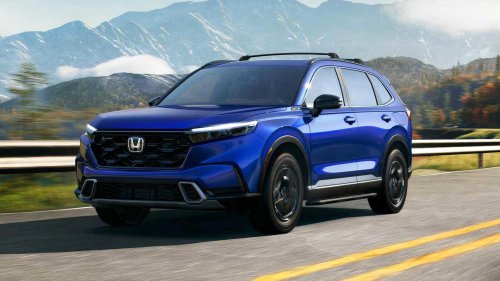



















Over the last five years, the hybrid SUV segment in the U.S. has transitioned from a niche alternative to a popular option in the automotive market. This surge in popularity is driven by a massive expansion in automaker offerings. Over the last decade, hybrids have grown into a diverse lineup of subcompact, midsize, and three-row utility vehicles that fit every lifestyle. Consumers are increasingly drawn to these models because modern hybrid powertrains now offer seamless, highly reliable performance that requires no adjustment to daily driving habits or charging infrastructure.Furthermore, buyers are starting to pivot away from both traditional internal combustion engines and pure battery-electric options. This is due to volatile global events that have driven gasoline prices to new heights and federal electric vehicle tax incentives have been phased out. Ultimately, hybrid SUVs have captured the market by delivering the exact blend of spaciousness, all-wheel-drive capability, and immediate pump savings that American drivers demand, without any of the range anxiety or premium cost hurdles associated with full electrification. How Honda Pioneered Hybridization Honda Honda pioneered the American hybrid landscape with the 1999 launch of the original Insight. This two-door liftback leveraged a lightweight aluminum body and a compact Integrated Motor Assist system to achieve record-breaking fuel efficiency that even modern hybrids fail to match. Over the decades, the company’s engineering focus shifted from this early parallel hybrid setup toward more sophisticated multi-motor architectures, specifically the evolution into the current e:HEV two-motor system.This modern approach uses a traction motor to drive the wheels directly in most scenarios, while a second motor acts as a generator, creating a driving feel that mirrors the smooth, instantaneous torque of an electric vehicle. Beyond these mechanical strides, the brand has executed significant upgrades to its cabin, moving away from the hard plastics and utilitarian layouts of the early 2000s toward a more premium design philosophy. The CR-V Hybrid Is Honda's Golden Goose HondaThe Honda CR-V Hybrid has consistently been a competent SUV that offers many near-luxury features at an affordable price. Depending on the trim, these include dual-zone climate control, hands-free tailgate, a Bose premium audio system, and more. This is paired with a hybrid powertrain that promises to run for years with minimal maintenance while saving you thousands in fuel costs.The 2026 model year CR-V Hybrid range starts at $35,630 for a base Sport variant in front-wheel drive guise. The $38,800 Trailsport Hybrid, available exclusively with all-wheel drive, is based on the entry-level model, but with a more adventurous aesthetic. The Sport-L is essentially a more premium extension of the base model, increasing the price to $38,725. The Sport Touring sits at the very top of the range with a $42,250 starting price before options. These prices exclude Honda's $1,450 destination fee. The Kia Sorento Hybrid Offers Better Value Kia The 2026 Kia Sorento Hybrid remains the cheapest three-row HEV SUV that you can buy in the U.S. today, with its $38,890 starting price. The range consists of the base EX and flagship X-Line SX Prestige, which increases the price to $47,190. Despite its lower starting price, the EX is an impressively comprehensive package, as it includes dual-zone climate control with rear vents, electrically adjustable and heated front seats, and SynTex upholstery for the seats.You also get the brand's 12.3-inch touchscreen infotainment system with navigation and the conventional 4.0-inch LCD for the analog instrument cluster. The six-speaker audio system is standard, together with wireless Android Auto and Apple CarPlay, and a wireless smartphone charger.CarBuzz Upgrading to the SX Premium adds extra electronic adjustments and ventilation to the front seats, while the second-row outbound seats benefit from heating functions. You also get a heated steering wheel, memory functions for the driver's seat, and a panoramic sunroof with a power sunshade. This is optionally available for the EX for $1,300. Genuine leather upholstery, and more premium materials for select trimmings round off the more upmarket interior experience.This trim benefits from the 12.3-inch curved instrument display and the 12-speaker Bose audio system. All-wheel drive costs an extra $1,800 for the EX, but it is standard on the SX Prestige. Snow White Pearl is the only optional color, which will add $495 to the price. Kia applies a $1,415 destination fee to all Sorento models. No Shortage Of Interior Space Kia The 2026 Kia Sorento Hybrid offers a highly adaptable three-row cabin, balancing passenger comfort with flexible storage capacity. Up front, occupants enjoy a generous 40.3 inches of headroom, which adjusts to 38.7 inches when equipped with the panoramic sunroof, and 41.4 inches of legroom. The second row provides 39.1 inches of headroom, or 37.9 inches with the sunroof, alongside 40.7 to 41.7 inches of legroom, depending on how the adjustable seats are positioned.In the third row, dimensions wrap up with a tighter but functional 36.8 inches of headroom and 29.6 inches of legroom. Cargo capacity varies drastically depending on your seating configuration. Keeping all three rows upright leaves a compact 12.6 cubic feet of space behind the rear seats, folding the 50/50-split third row expands that area to between 38.5 and 45.0 cubic-feet depending on the second-row slide position, and dropping both rear rows yields a maximum cargo volume of 75.5 cubic feet. Kia's Punchy Turbo HEV Kia The Sorento Hybrid features a turbocharged 1.6-liter four-cylinder engine connected to a six-speed automatic transmission, with a parallel hybrid motor integrated between. The system produces a combined 227 horsepower and 258 pound-feet to your choice of the front or all four wheels.The two-wheel drive model covers a 0 to 60 MPH sprint in 8.4 seconds, while the all-wheel drive model cuts down to 7.2 seconds. Both drivetrains are limited to 127 MPH and can tow 1,654 pounds via an unbraked trailer. When operating independently at low speeds, the electric motor generates 59 horsepower and 195 pound-feet. Honda-Rivaling Fuel Consumption Figures KiaThe 2026 Kia Sorento Hybrid benefits from an impressive collection of EPA-estimated efficiency ratings. The front-wheel drive model returns 36/37/37 MPG on the city/highway/combined cycle and covers 655 miles on a single tank, which measures 17.7 gallons. It also gets a bit of help from the 1.0 kWh lithium-ion battery pack.The EPA also indicates that you'll save around $2,750 on gas every five years and that you'll spend around $1,600 every year. It will cost you $2.70 to drive 25 miles and $71 to fill the tank up. The all-wheel-drive model's consumption estimates decline to 32/35/34 MPG, while the range decreases to 602 miles. You'll save $2,000 on gas every five years and spend $1,750 every year. You can also expect to spend $2.93 to drive 25 miles. The Sorento Gets The Respect It Deserves KiaJ.D. Power ranks the Sorento range collectively, with an 82/100 consumer-verified overall rating. This consists of an 82/100 score for quality and reliability and 83/100 for the driving experience. You also benefit from an 88/100 resale value and 74/100 dealership experience. It also gets a 7.4/10 retained value and 7.5/10 safety score from iSeeCars.The NHTSA confirms that the Sorento Hybrid range is subject to one recall relating to a loss of headlight and taillight functions due to a faulty Body Domain Control Unit. The brand will resolve this issue with a BDC software update at the dealership, at no cost to the owner. The CR-V Hybrid Is A Tough SUV To Beat HondaJ.D. Power gives the 2026 Honda CR-V an 85/100 score for resale. Joining this is an 83/100 driving experience, 84/100 quality and reliability, and 81/100 dealership experience score, bringing its overall consumer-verified rating up to 83/100. iSeeCars holds a similar sentiment, highlighting that it will lose 43 percent or $14,755 of its value after five years, resulting in the Japanese HEV SUV earning an 8.0/10 retained value score.The 2026 Honda CR-V offers a practically spacious interior design that lets you make the most of its passenger and cargo utility. Occupants in the front enjoy 41.3 inches of legroom, 40.0 inches of headroom, which decreases to 38.2 inches if you specify the sunroof. You also get 55.6 inches of hip room, and 57.9 inches of shoulder room. Rear passengers benefit from a generous 41.0 inches of legroom, 38.2 inches of headroom, 52.6 inches of hip room, and 55.9 inches of shoulder room. For storage, the CR-V features 39.3 cubic feet of trunk space, which expands to a massive 76.5 cubic feet with the rear seats folded flat.