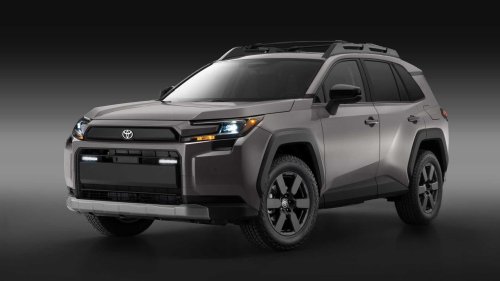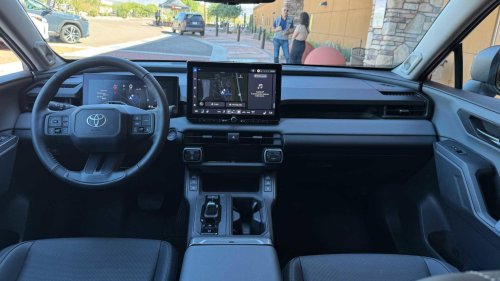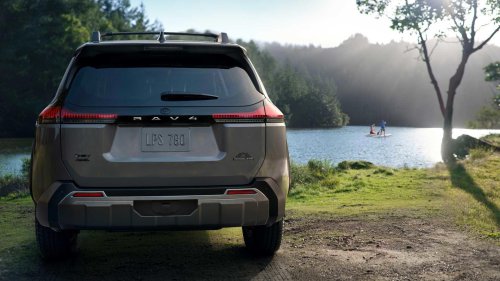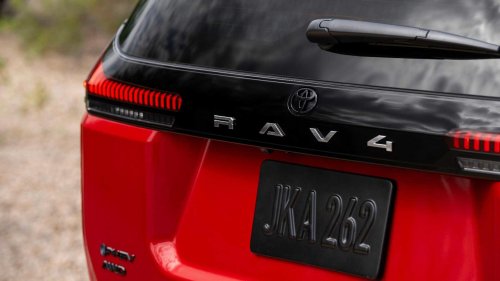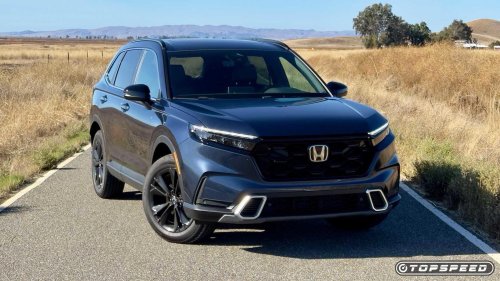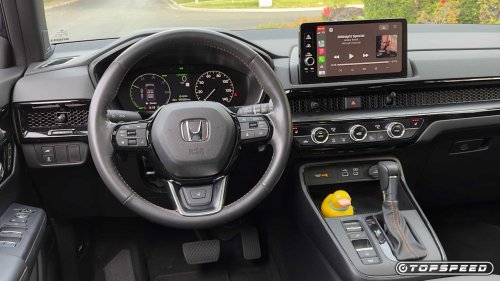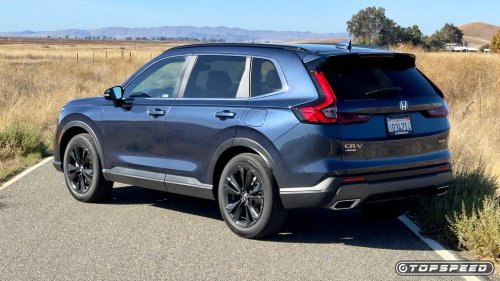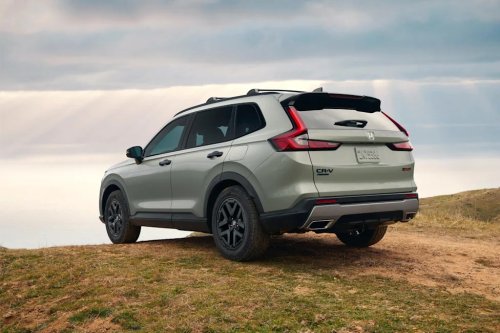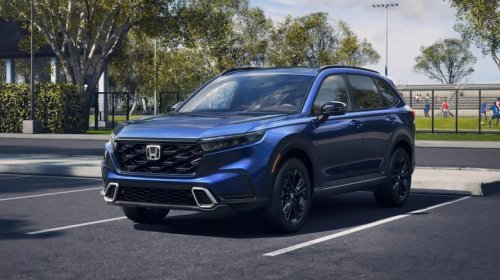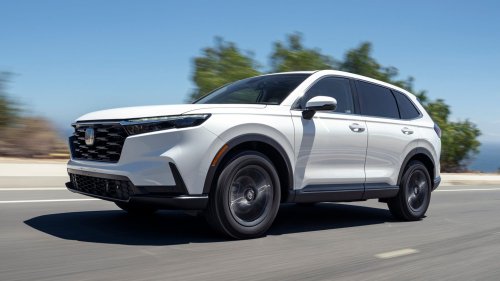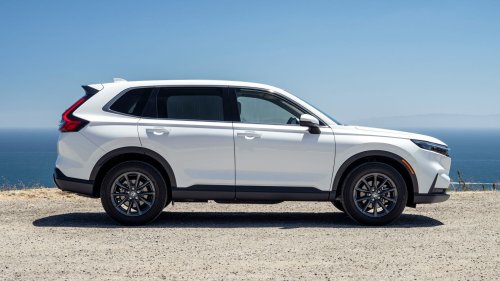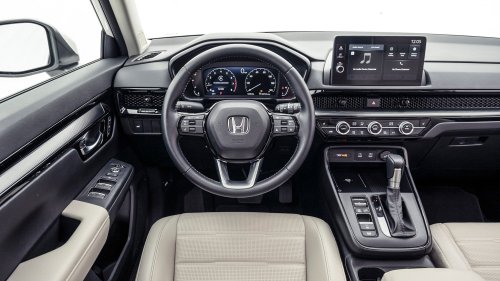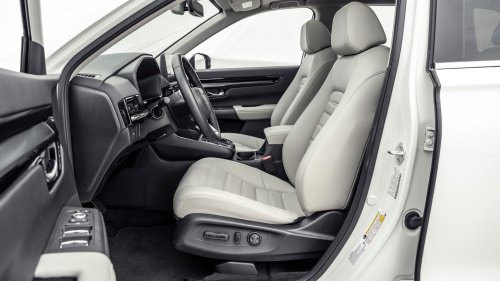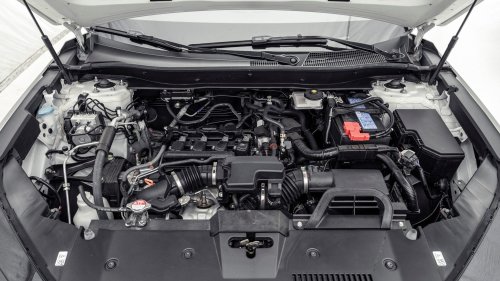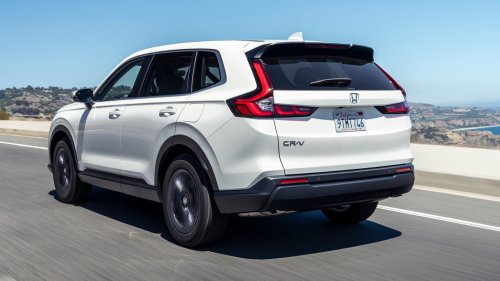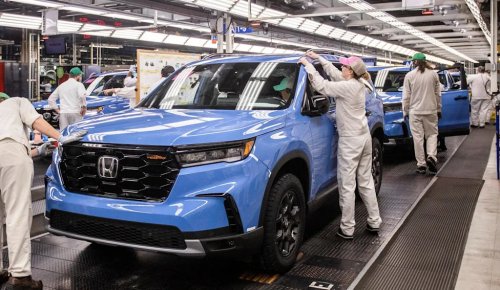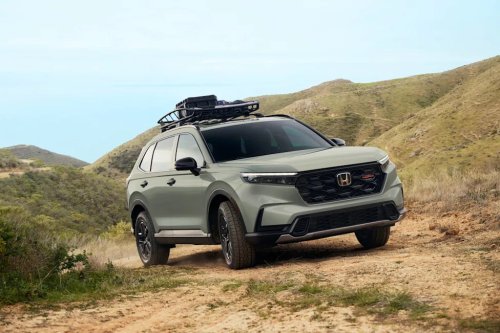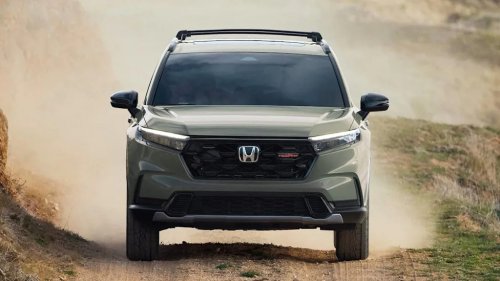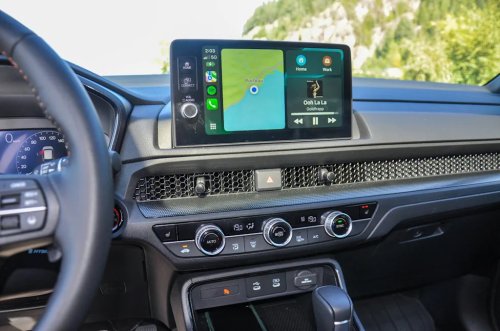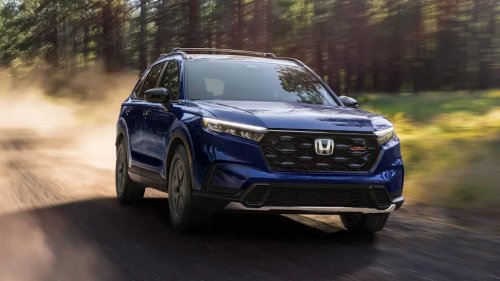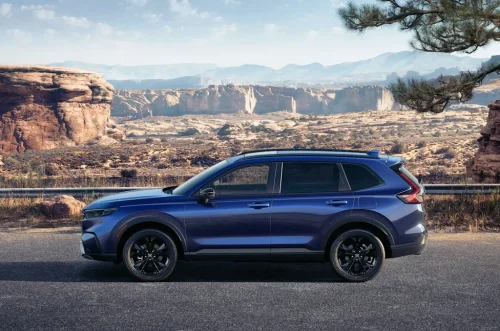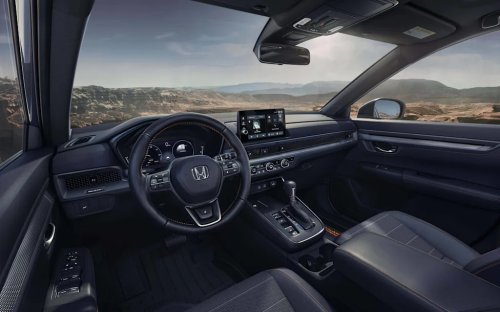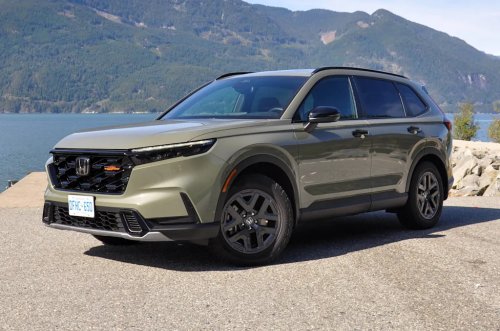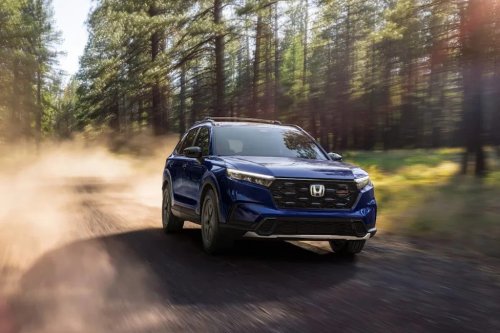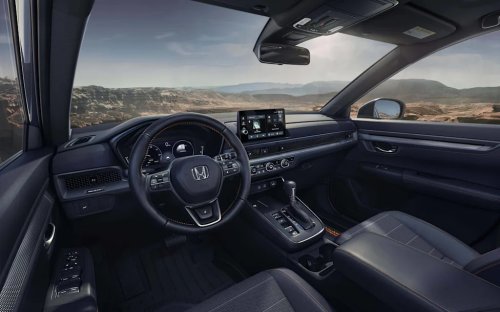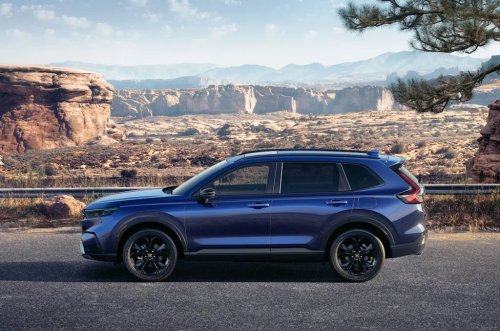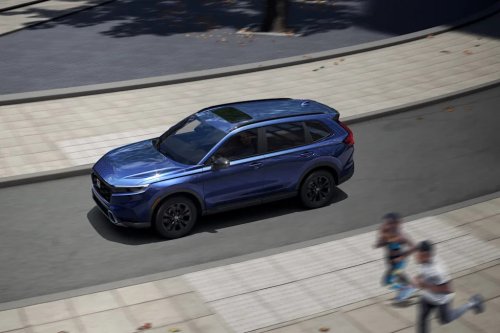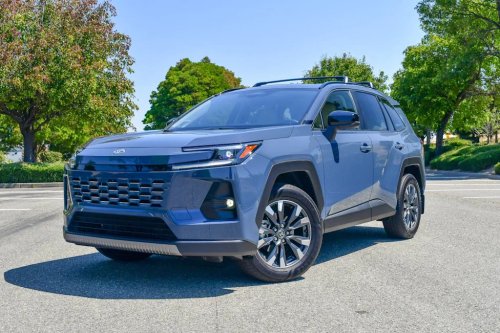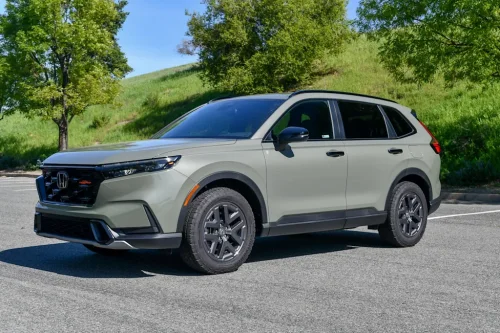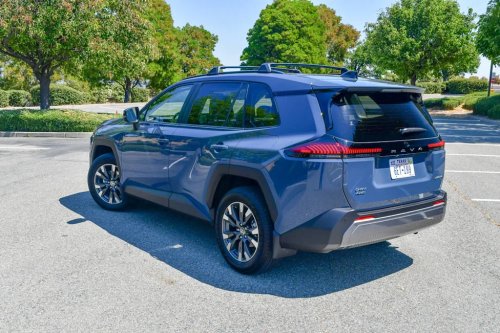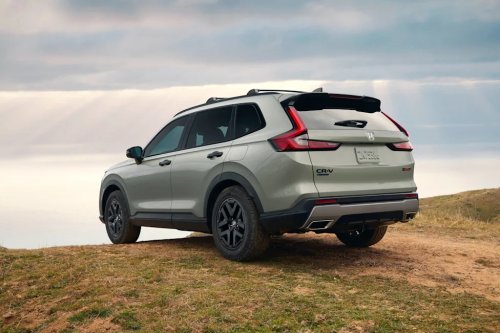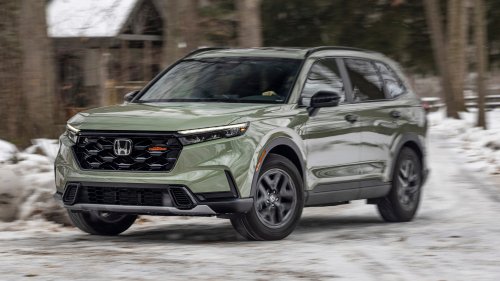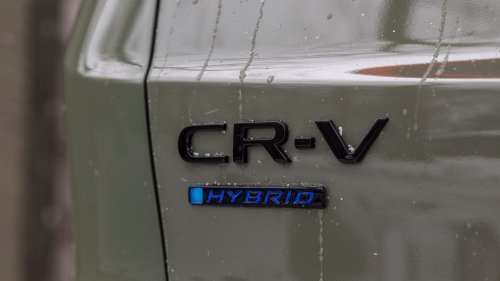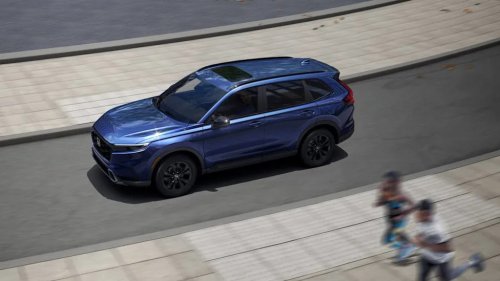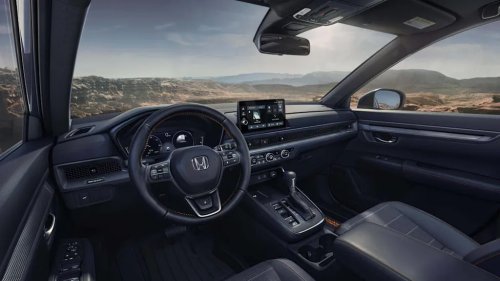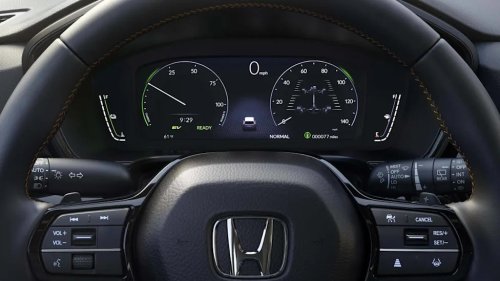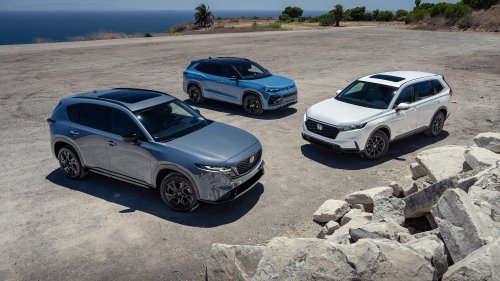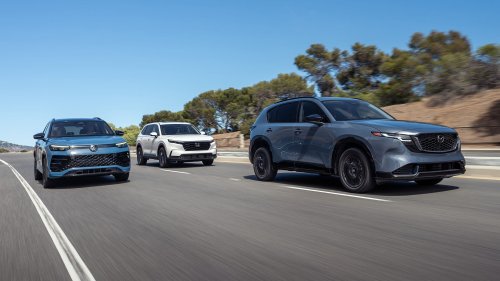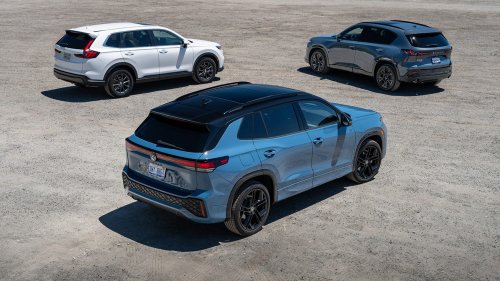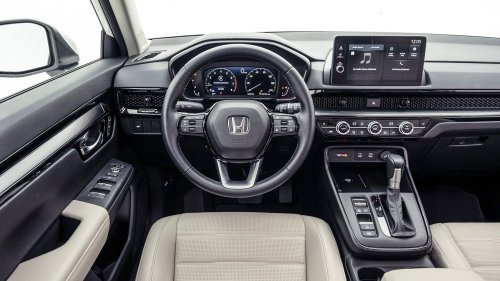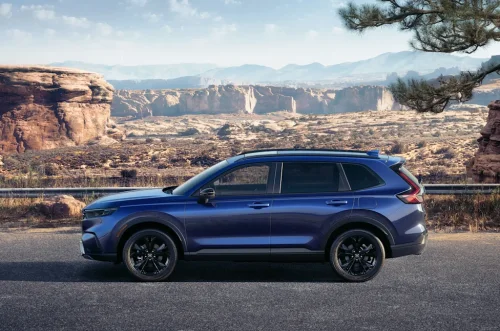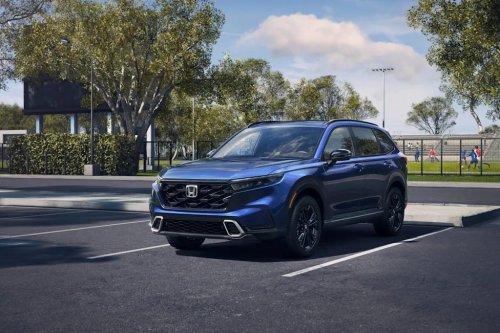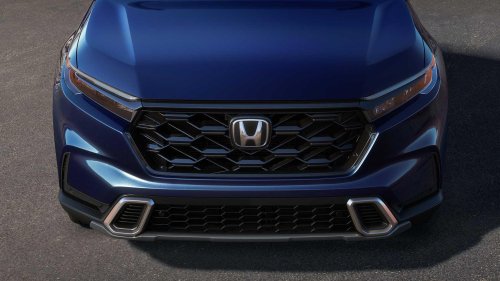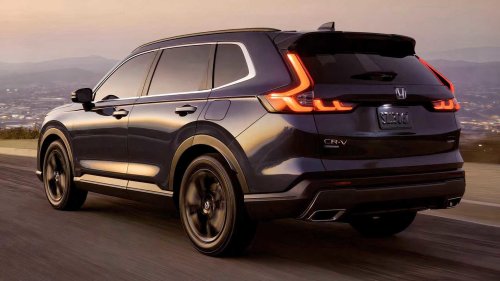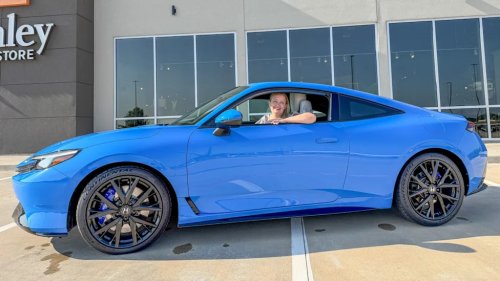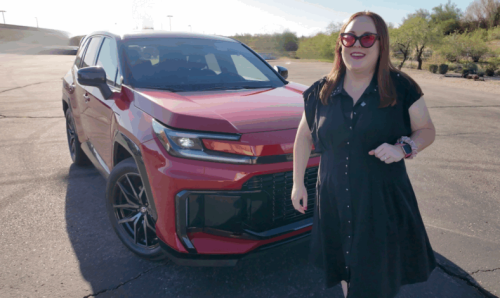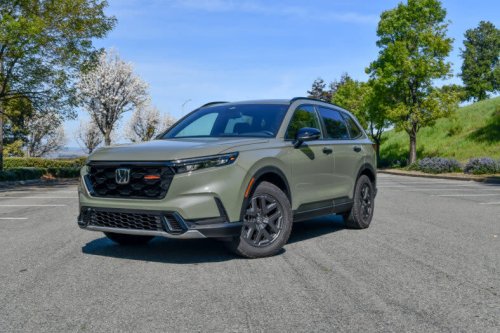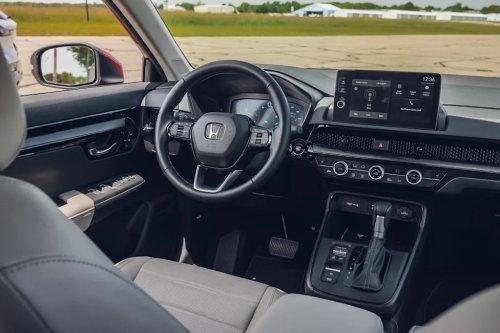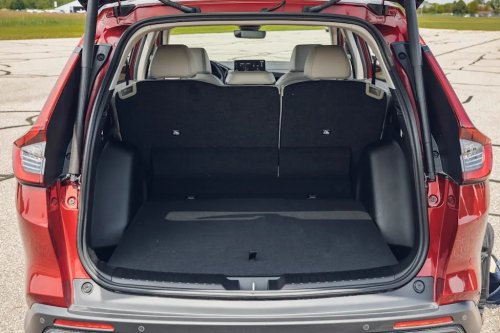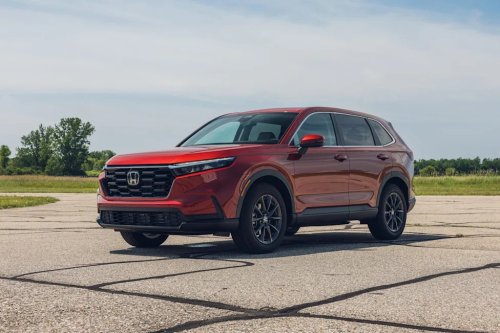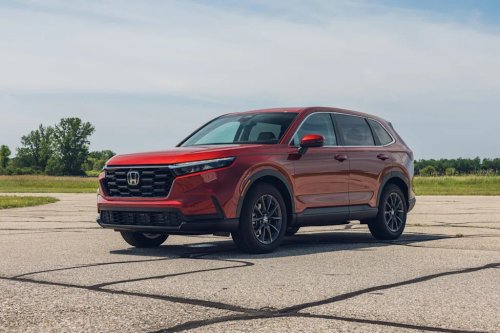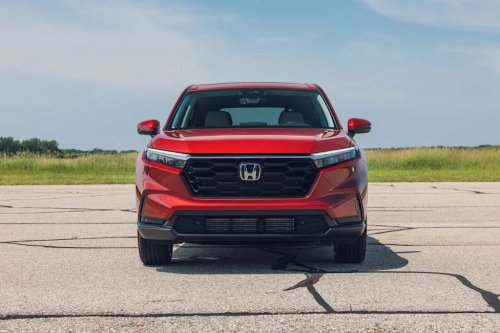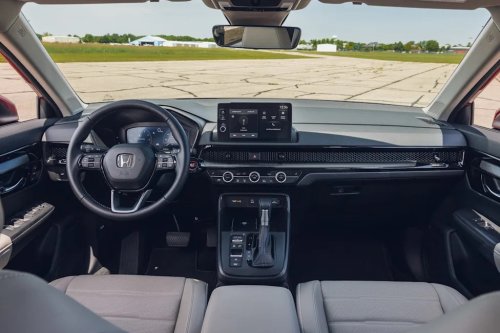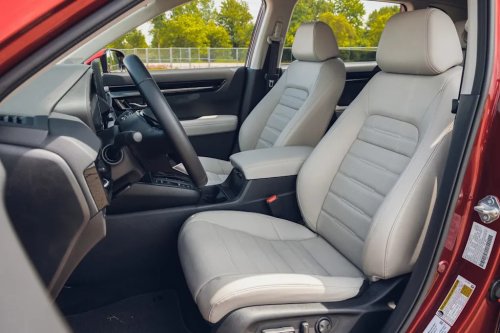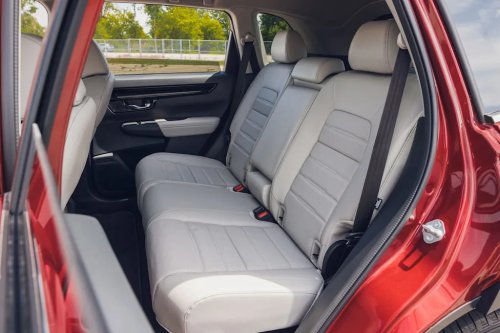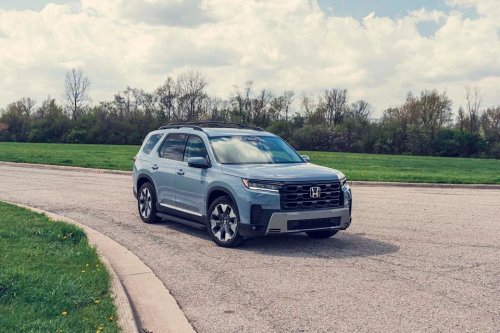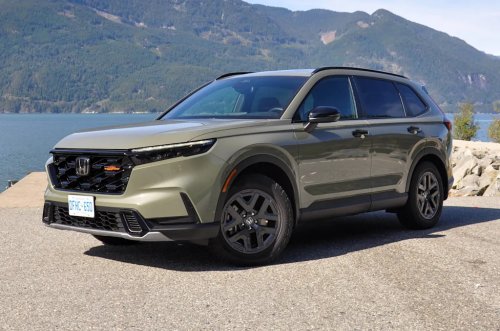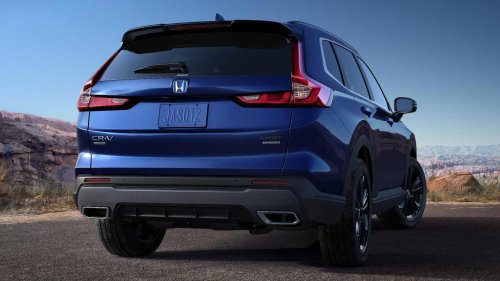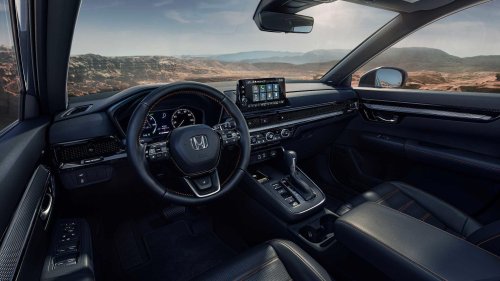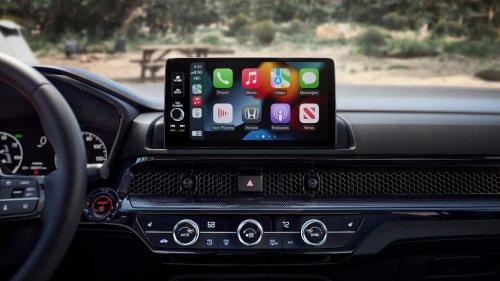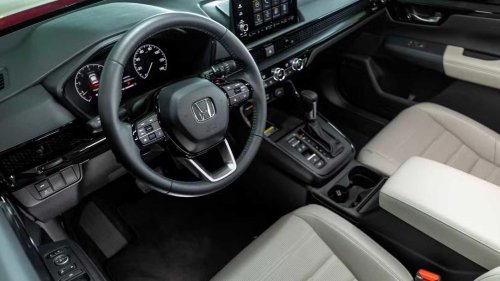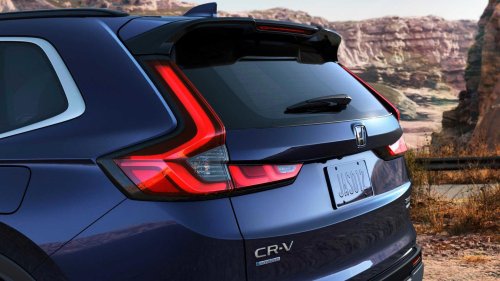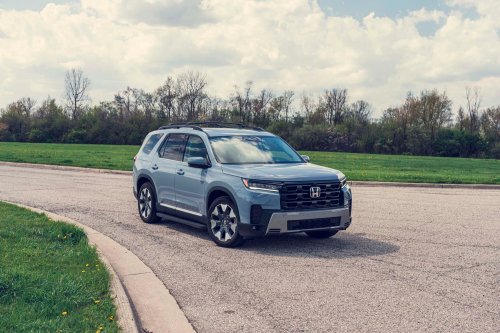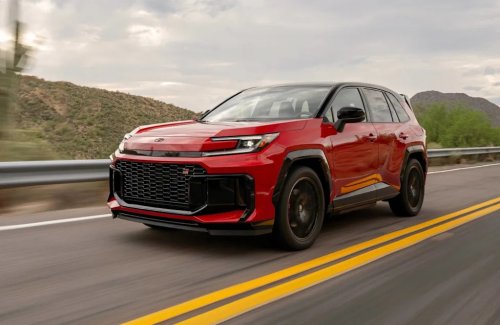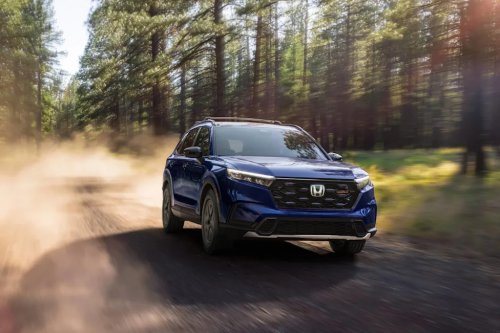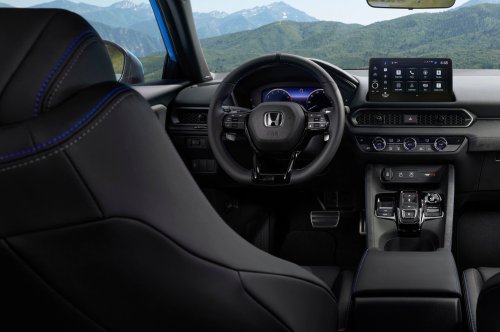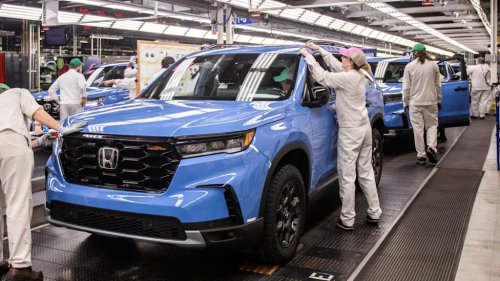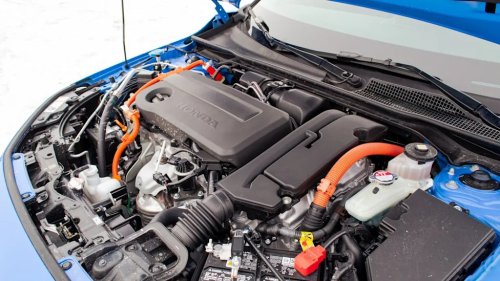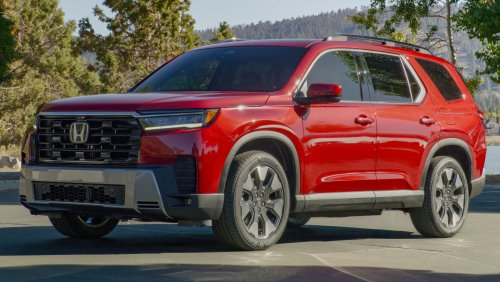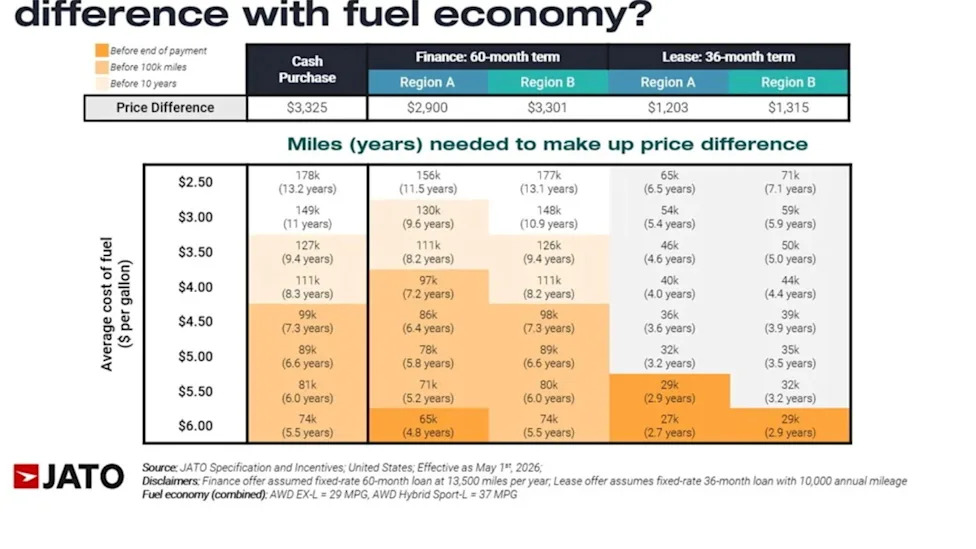
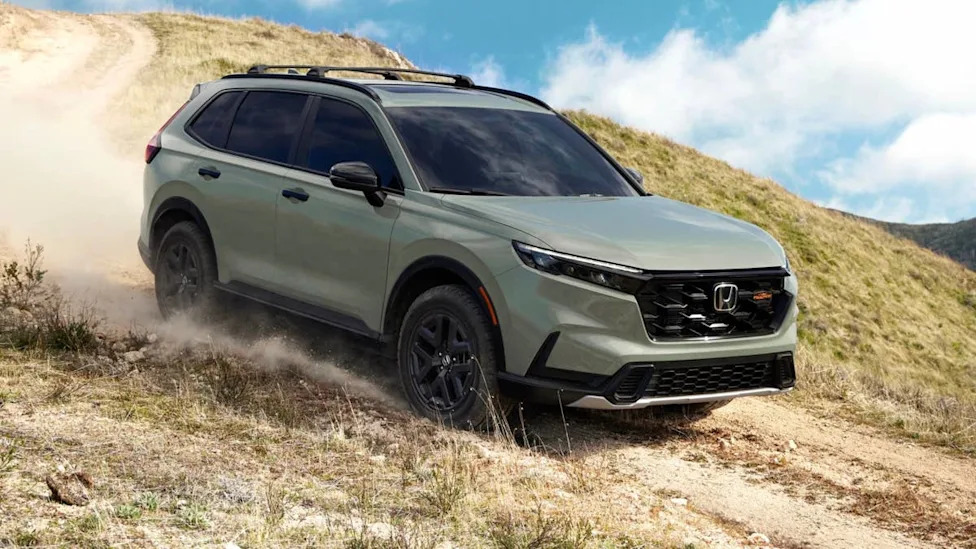
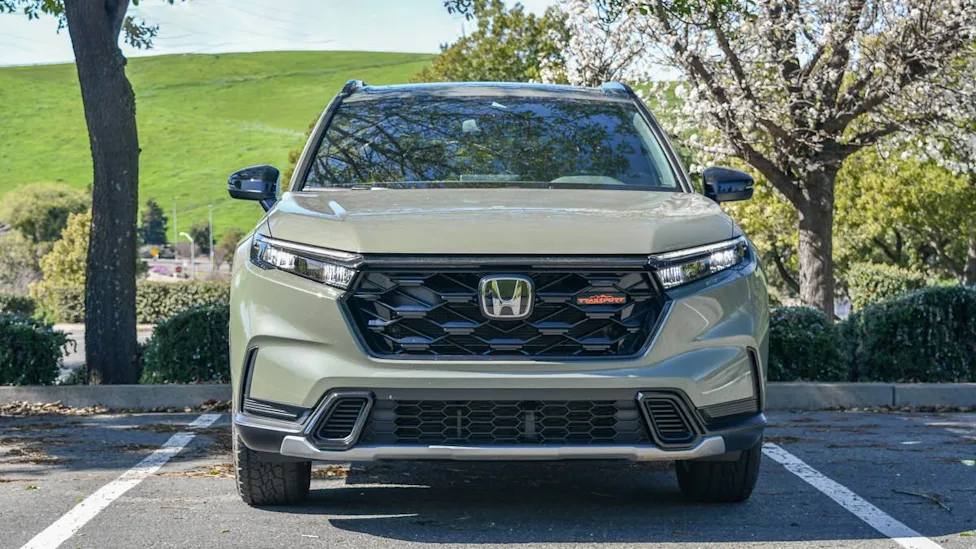



















Autoblog and Yahoo may earn commission from links in this article.Gas Changes The MathThe ongoing conflict in the Middle East, which has pushed gas prices higher, has put electrified vehicles such as hybrids in the spotlight due to their improved fuel efficiency. At the same time, because hybrids are usually more expensive than their gas-only counterparts, it has also raised questions about the break-even point between the two powertrain options.A study from JATO provides insight into how rising gas prices affect the break-even point of hybrids, at least in the case of the Honda CR-V. The CR-V is the automaker’s best-selling model in the U.S., with the study comparing the AWD Sport-L Hybrid and the gas-only AWD EX-L. The hybrid starts at $40,225 and delivers 37 mpg combined, representing a $3,325 price gap and a 9-mpg advantage over the gas-powered trim.JATOBreak-Even Comes SoonerBefore gas prices skyrocketed, the national average was nearly $3 per gallon. Based on JATO’s table, the hybrid would need about 149,000 miles to reach its break-even point, or roughly 11 years of regular ownership. But now that gas prices have climbed to around $4.5 per gallon, the study suggests it would take only 99,000 miles, or about 7.3 years, to offset the price difference.AdvertisementAdvertisementThat shows how fuel savings in hybrids become more valuable as gas prices rise.The study also highlighted how incentives can play a major role in determining the break-even point. Gas prices also vary by state. In California, for instance, higher gas taxes have pushed prices above $6 per gallon. These are among the factors buyers should consider when weighing the break-even point.HondaThe Hybrid Discussion ContinuesNot all models, however, are available with both hybrid and gas-only powertrains. The Honda CR-V’s main rival, the Toyota RAV4, is sold only as a hybrid in the U.S., meaning determining a break-even point may not be as straightforward as this study shows.Aside from fuel efficiency, hybrids also provide a different driving experience, as their electric motors deliver instant torque. That can make them feel more responsive than their direct gas-only counterparts. As for reliability, debates continue to surround hybrids. Some argue that they are less reliable because the added hardware means more parts that can break, while others say hybrids have become far more dependable than they were years ago.Kristen BrownView the 3 images of this gallery on the original articleAdvertisementAdvertisementThis story was originally published by Autoblog on May 26, 2026, where it first appeared in the News section. Add Autoblog as a Preferred Source by clicking here.