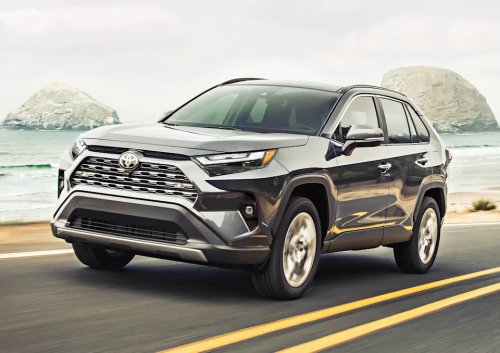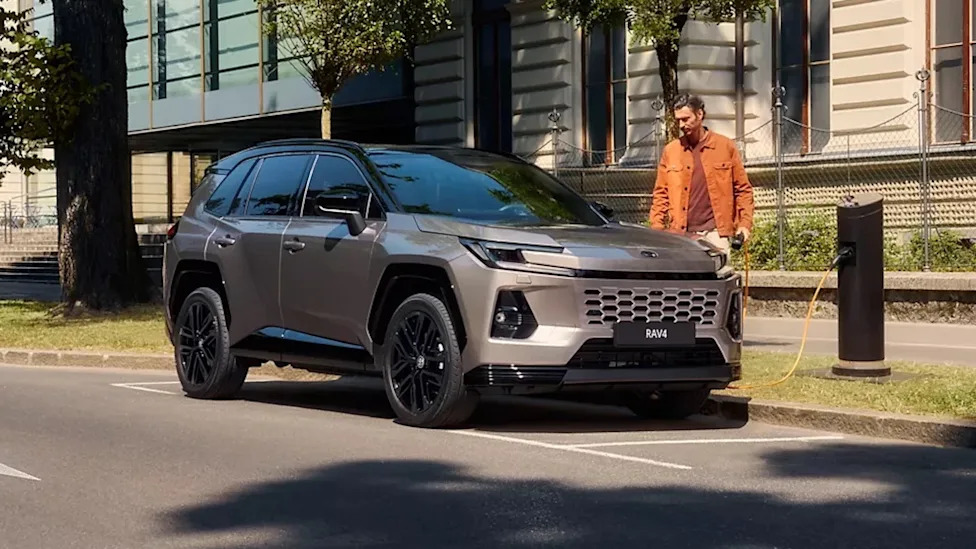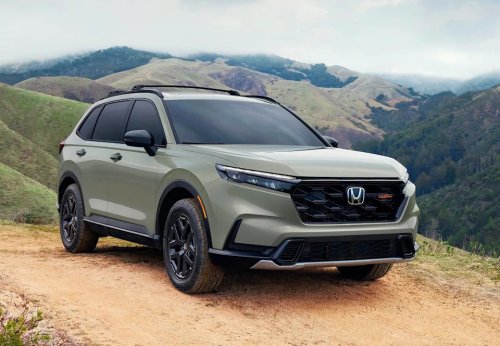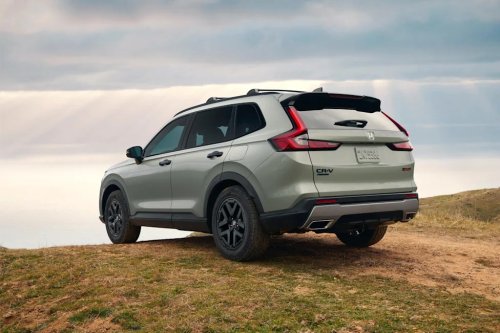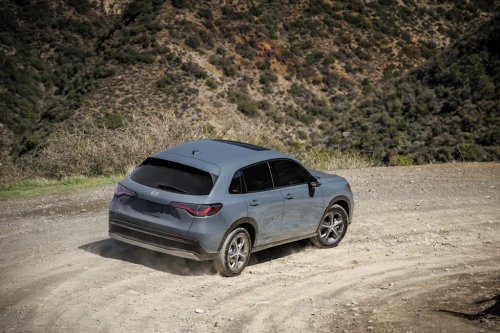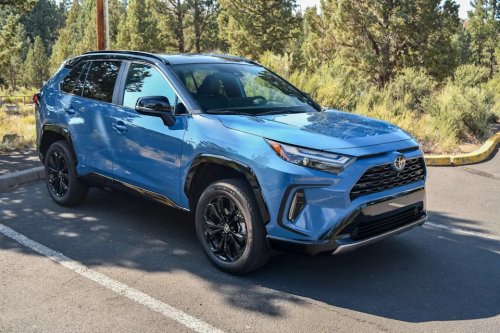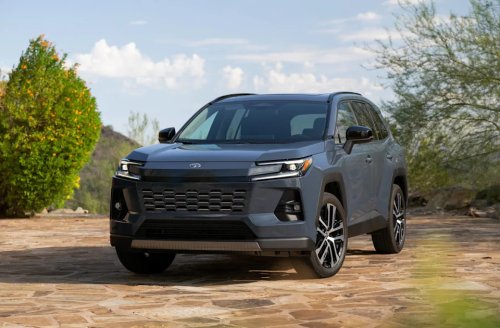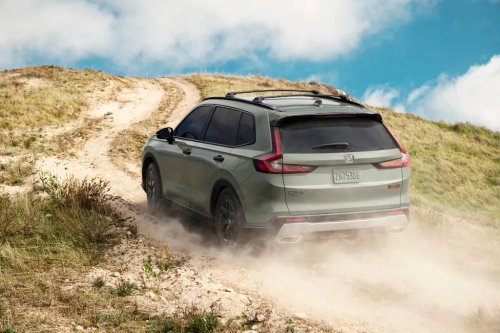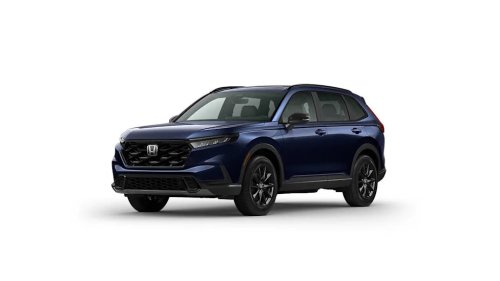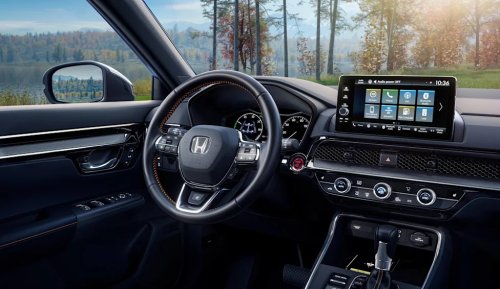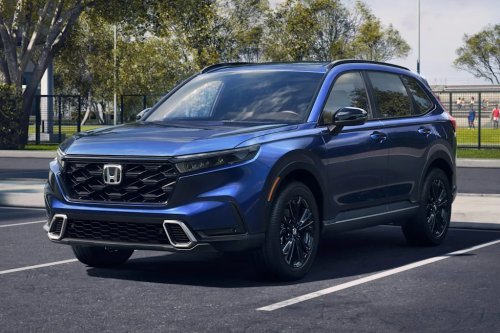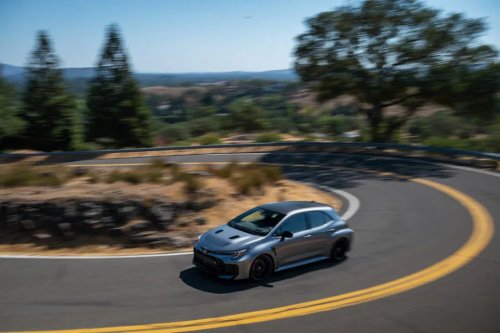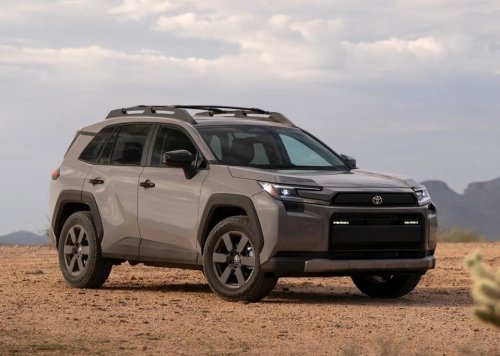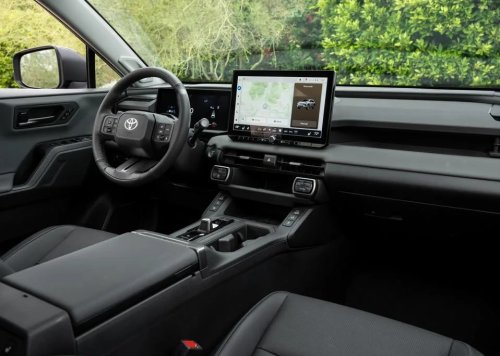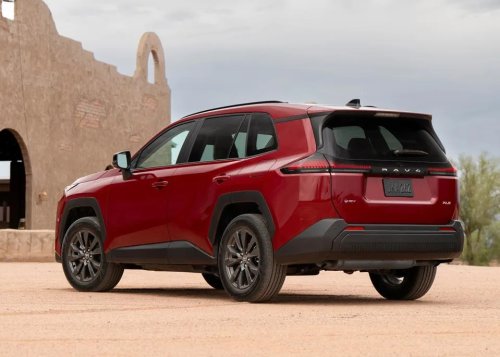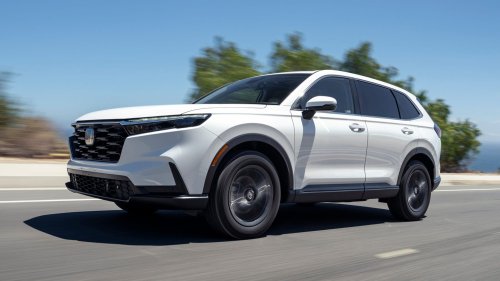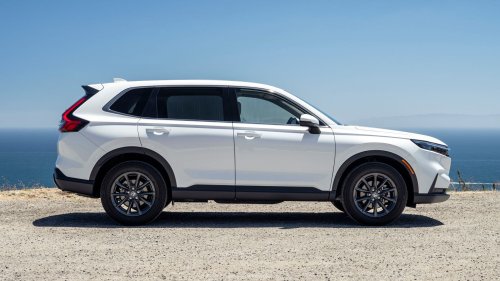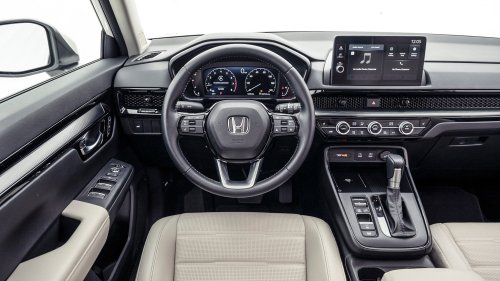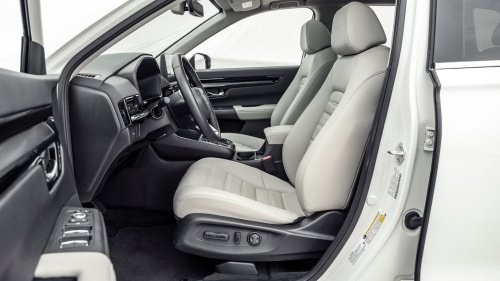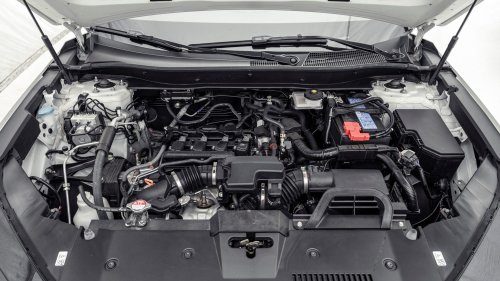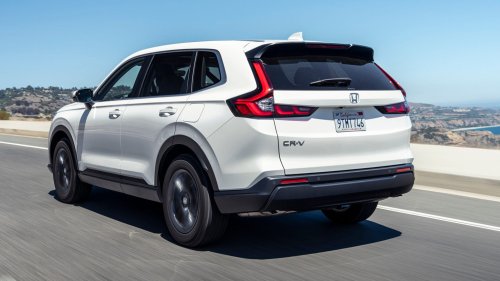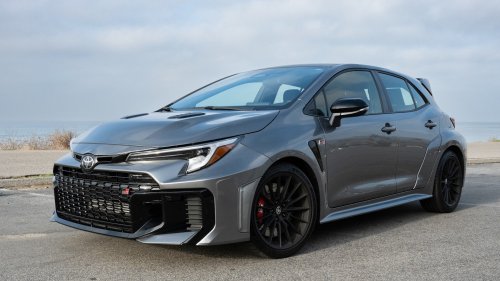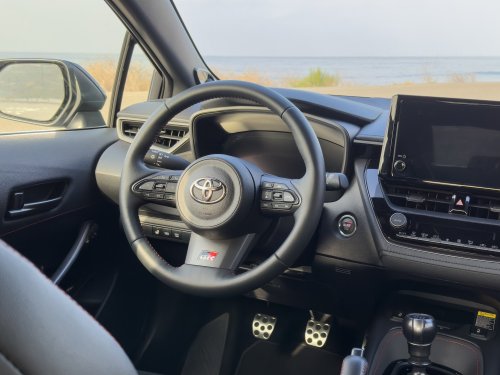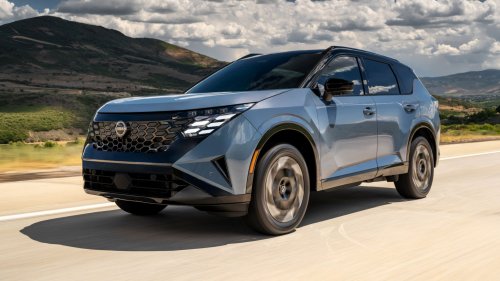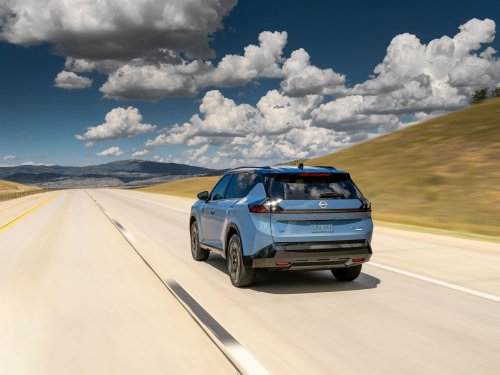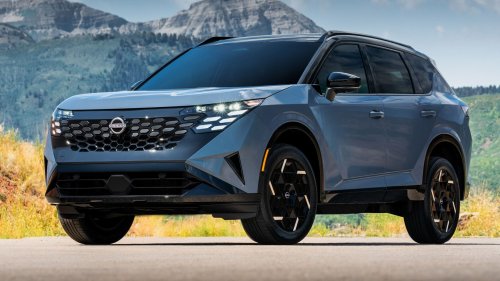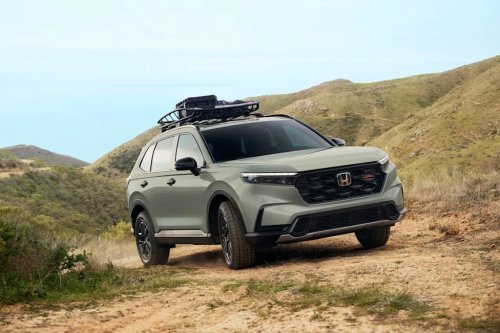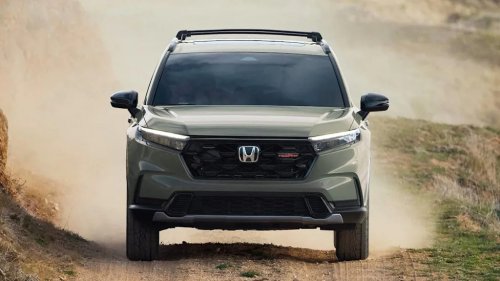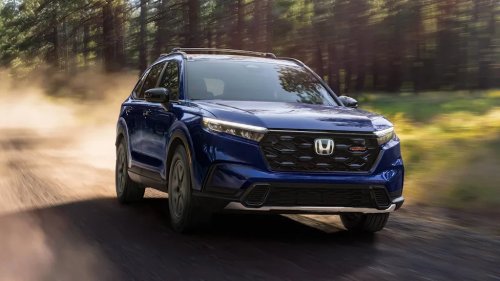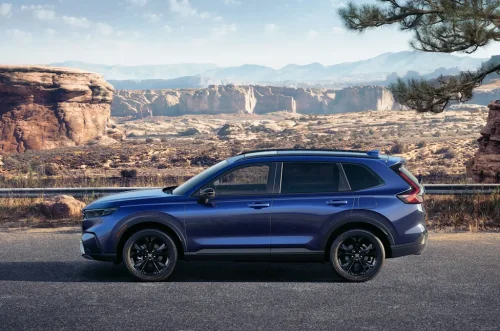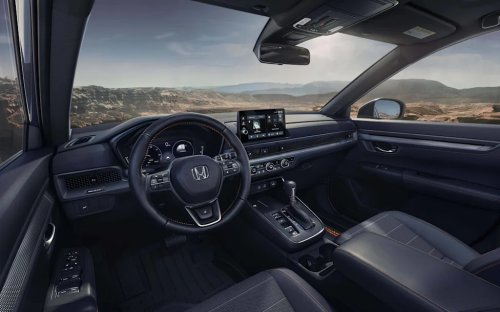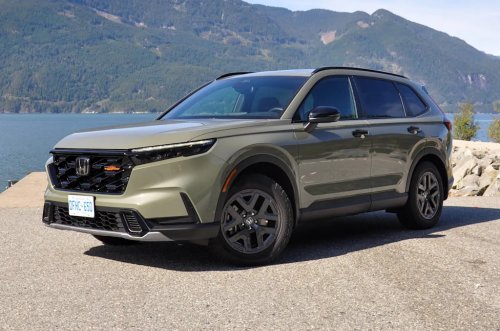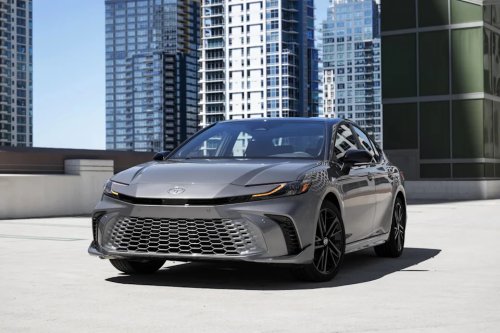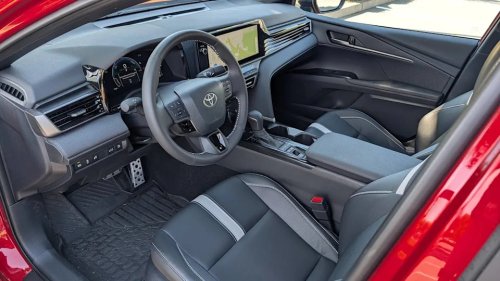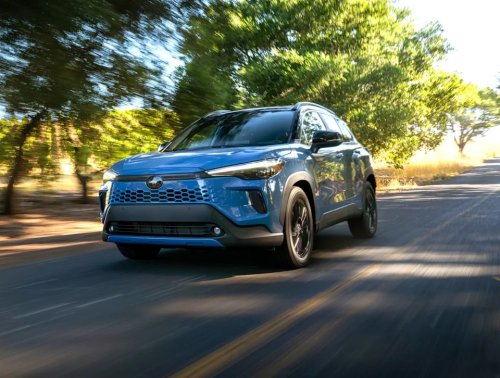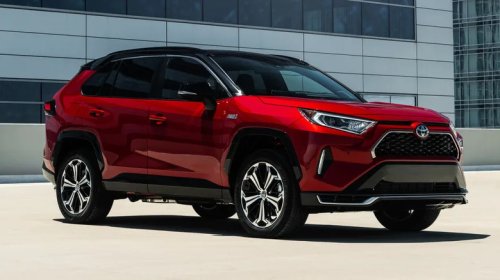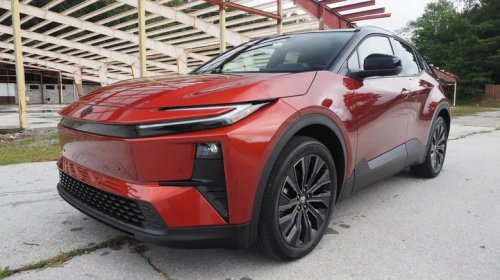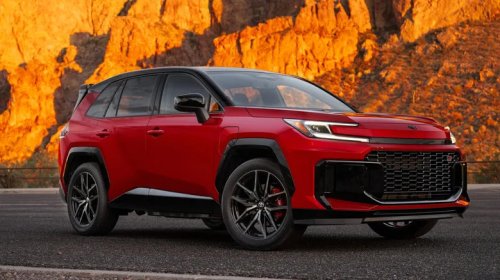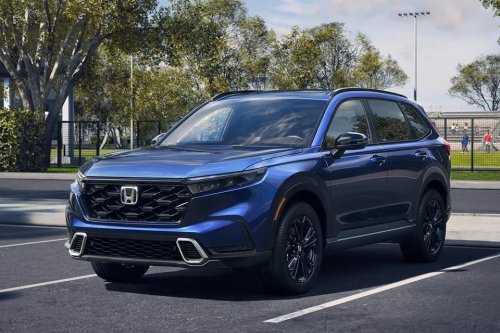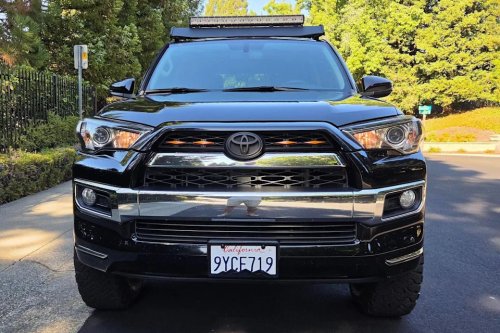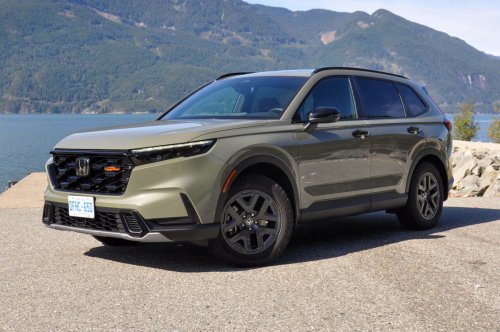
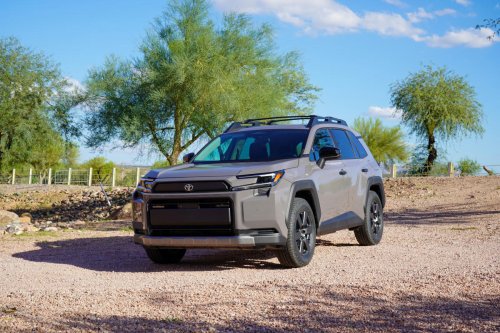
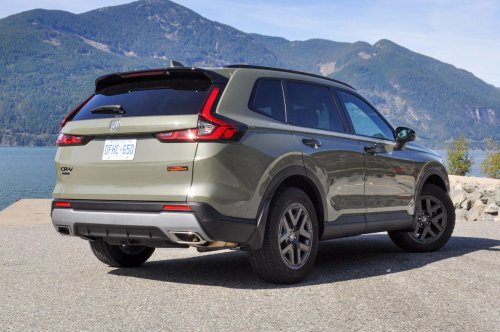
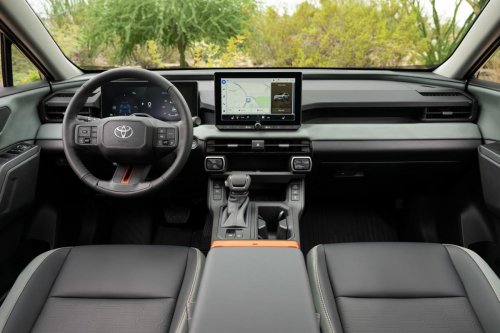
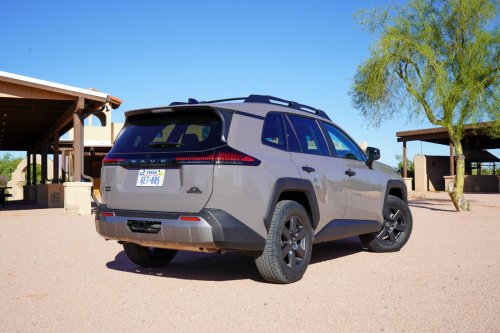
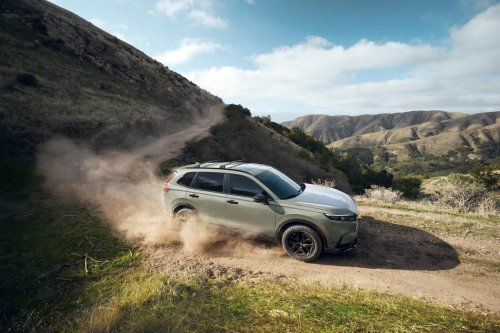
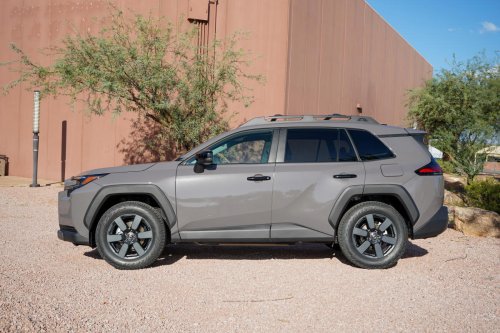
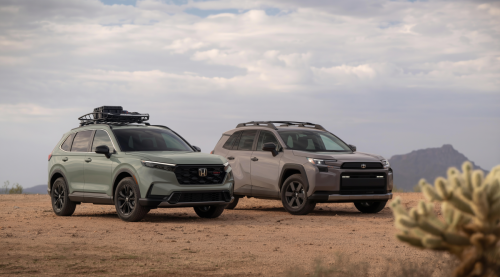
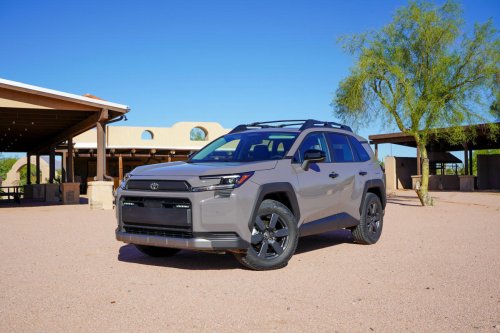



















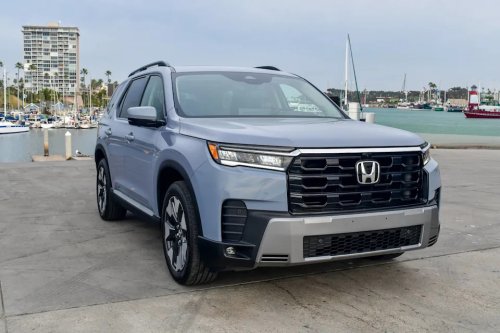
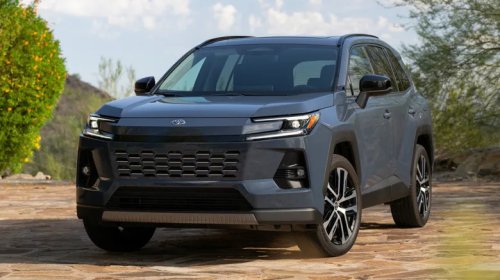
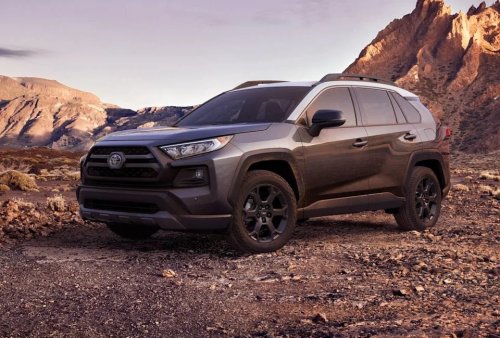

Compact crossovers have become experts at selling fantasy. Add a tougher grille, a set of all-terrain tires, a few outdoorsy badges, and suddenly, a sensible commuter car looks like it holds its own alongside Jeep Wranglers and Ford Broncos on rugged trails. The trick here, of course, is figuring out which ones are merely dressed for the part and which ones can actually walk the walk. That is what makes the 2026 Toyota RAV4 Woodland and 2026 Honda CR-V TrailSport Hybrid such compelling rivals. On paper, they target the same buyer: someone who wants a compact SUV with hybrid efficiency, standard all-wheel drive, family-friendly practicality, and just enough off-road credibility to handle dirt roads, ski-hill runs, and the occasional escape from suburban life. In reality, they both appeal to uniquely different sets of wants and needs. After driving both, the conclusion is more definitive than their similar packaging might suggest. One is the better all-around compact hybrid SUV, whereas the other does a better job of living up to its own adventure-ready promise. This is how the 2026 Toyota RAV4 Woodland and 2026 Honda CR-V TrailSport Hybrid stack up in pricing, cabin space, cargo room, efficiency, towing, driving impressions, and real-world off-road credibility.Need New Tires? Save Up To 30% at Tire RackFind the perfect tires for your exact vehicle and driving style. Click here to shop all top-tier brands, including Michelin, Bridgestone, and more, directly at Tire Rack. Pricing and valueThe 2026 Honda CR-V TrailSport Hybrid starts at $38,800, while the 2026 Toyota RAV4 Woodland HEV starts at $39,900, giving the CR-V an immediate competitive edge here. The more interesting question, however, is what each one does with that money. The Toyota gives you more visible hardware for the role: all-terrain tires, Woodland-specific trim, standard AWD, and a more convincing rugged identity overall. The Toyota offers 236 combined horsepower, 41/35 mpg, and a 3,500-pound tow rating, which puts it ahead of the CR-V's 38/33 mpg rating and its meagre 1,000-pound tow rating. Plus, the Toyota is well-endowed, with 8.5 inches of ground clearance, compared to the Honda's 8.2 inches. Honda's value proposition leans away from off-road hardware and utilitarian capability. You are paying for a vehicle that still feels very much like a CR-V first and foremost, which is not a bad thing. It has the familiar Honda strengths—space efficiency, strong ergonomics, and a polished road-going character—plus the TrailSport look and some light rough-road credibility. It just does not have the same ruggedness-based justification as the Toyota. Power, efficiency, and towingOn paper, the Toyota is the more impressive machine. The RAV4 Woodland hybrid makes 236 horsepower, while the CR-V TrailSport Hybrid makes 204 total system horsepower. Fuel economy is also very close, but Toyota still holds an edge at 41 mpg city and 35 mpg highway, versus the Honda's 38 city, 33 highway, and 35 combined in TrailSport Hybrid AWD form. Then there is towing, which is not even a close fight. The Honda is rated at 1,000 pounds, while the Toyota can pull 3,500 pounds. That is the difference between carrying a bike rack and towing a wake boat. In a segment where so many “rugged” trims are mostly cosmetic, the Toyota's towing figure gives the Woodland real-world SUV credibility that the CR-V somewhat lacks. So if your priorities are capability, versatility, and numerical superiority, the RAV4 Woodland undoubtedly wins this section. Cabin space and cargo roomThe 2026 Honda CR-V TrailSport Hybrid boasts 103.5 cubic feet of passenger volume, 41.0 inches of rear legroom, and 36.3 cubic feet of cargo space behind the second row in TrailSport Hybrid trim, expanding to 71.8 cubic feet with the rear seats folded. Honda also explicitly markets the CR-V as roomier than the RAV4 in terms of passenger and cargo space. The 2026 Toyota RAV4 Woodland HEV has just 98.9 cubic feet of passenger volume, 37.8 inches of rear legroom, and up to 37.8 cubic feet of cargo capacity behind the rear seats, expanding to 70.4 cubic feet with the rear seats folded. The Toyota is competitive, and even beats the Honda in seats-up cargo capacity, but the CR-V is still the more naturally spacious vehicle overall. On-road mannersThe two SUVs drive very similarly overall, with the RAV4 winning out in terms of sheer power, but the CR-V's steering is better. The CR-V TrailSport Hybrid never suddenly transforms into a canyon-carving revelation with Type R genes in its DNA, but it has a neatness to its response that makes it feel a bit more sorted and even a bit more expensive than it is. Honda itself leans into that idea, touting the CR-V's steering precision and handling confidence as key differentiators. In my initial review, the Honda distinguished itself with stronger road manners, better comfort, and a general sense that if most of your life happens on pavement, it is the more complete daily driver.The Toyota, on the other hand, is neither clumsy nor fussy. In fact, my initial RAV4 Woodland review makes clear that I felt that it drives almost identically to the standard RAV4. But I also noted the expected compromises: the all-terrain tires make it a bit noisier on pavement, and the ride is a touch coarser. That sort of tradeoff is forgivable when the payoff is real added capability, but it is still a tradeoff worth considering. In other words, the Toyota feels like a ruggedized compact SUV that retains civility, whereas the Honda feels like a civilized compact SUV with just enough rugged seasoning for an occasional weekend adventure through the woods, or for some extra confidence when trekking up to your local ski hill. Off-road credibilityThe 2026 Honda CR-V TrailSport Hybrid gets 8.2 inches of ground clearance, which is respectable for a compact crossover, and Honda outfits it with all-terrain tires and its Real Time AWD with Intelligent Control System, a reactive setup that sends torque rearward when it detects slip or changing conditions. It is useful on loose surfaces and in bad weather, but it still feels like a road-focused system first and foremost. The TrailSport trim's off-road upgrades over a standard CR-V Hybrid are fairly modest, too, centring mostly on those all-terrain tires, TrailSport-specific styling, and adventure-flavoured trim details rather than a major hardware rethink. The 2026 Toyota RAV4 Woodland is more convincing. It has 8.5 inches of ground clearance, giving it a small but meaningful ride-height advantage, and Toyota backs that up with a more purpose-built electrified AWD setup. Like other Toyota hybrid AWD applications, the system uses a dedicated rear electric motor rather than simply relying on a mechanical rear-drive connection, and in Woodland trim, it is paired with added traction-focused drive logic that better suits mud, snow, sand, and rougher access roads. More importantly, the Woodland package adds capability-focused equipment over a standard RAV4, including 18-inch black wheels with all-terrain tires, unique bumpers, a skid-plate treatment, overfenders, Rigid Industries LED fog lights, and a standard tow hitch, along with other trim-specific utility touches. In other words, the Honda looks adventurous; the Toyota is engineered to actually be more adventurous. Final VerdictNeither of these compact hybrid SUVs is a bad choice, which is part of what makes this comparison so difficult. They are aimed at broadly the same buyer, promise roughly the same lifestyle competencies, and deliver similar day-to-day usefulness. The 2026 Honda CR-V TrailSport Hybrid is the more polished road car. Its steering feels better, its cabin is roomier in the ways that matter, and it carries itself with the sort of composure that makes it easy to recommend to a wide audience. If your life is mostly paved roads, family duty, commuting, road trips, and the occasional gravel turnout or snowy ski-hill access road, the Honda is the more rounded daily companion. It feels like the crossover that better understands how most people will actually use a vehicle like this.The 2026 Toyota RAV4 Woodland, however, is the one that better lives up to its own premise. It has more power, better city fuel economy, dramatically greater towing capability, slightly more ground clearance, and a more convincing overall off-road package. Its hybrid AWD setup, added trail-oriented hardware, and more purposeful trim-specific upgrades make it feel like more than just a styling exercise. In a segment crowded with soft-roaders wearing hiking outfits, the RAV4 Woodland is one of the few that actually packs the right boots. So perhaps the simplest way to put it is this: the CR-V is the crossover I prefer, but the RAV4 Woodland is the better adventure trim. The Honda is the smarter pick for buyers who want comfort, space, and polish above all else. The Toyota is the one to buy if you genuinely plan to lean into your outdoorsy side, whether that means traversing rough access roads, towing weekend toys, or simply wanting a compact hybrid SUV whose rugged aesthetic is backed by real capability. And because that off-road gap is sort of the whole point here, the Toyota takes the win in this comparison. The CR-V TrailSport Hybrid may be the more refined everyday companion, but the RAV4 Woodland is the one that best delivers on what this kind of vehicle is really intended to be.