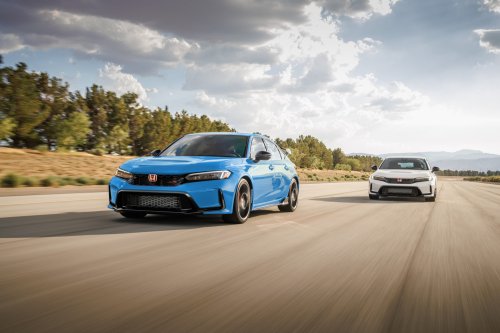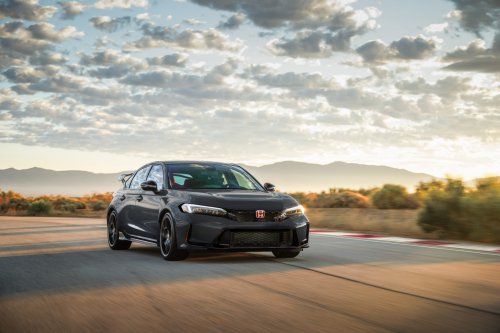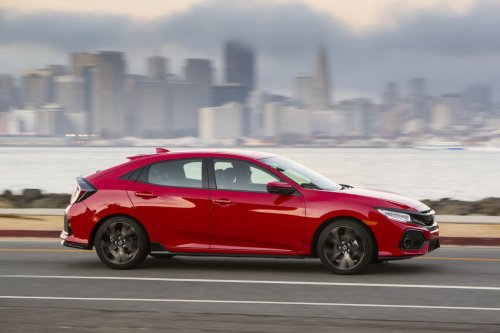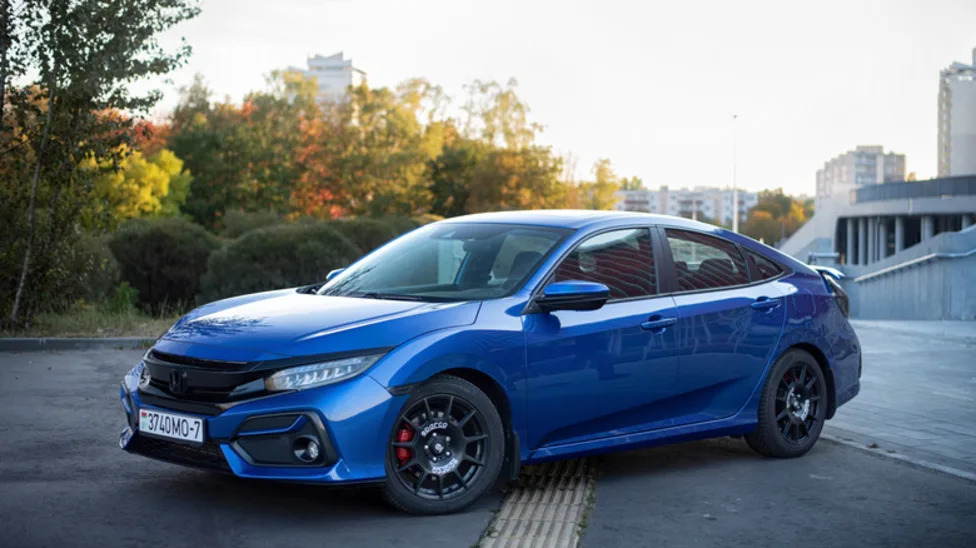
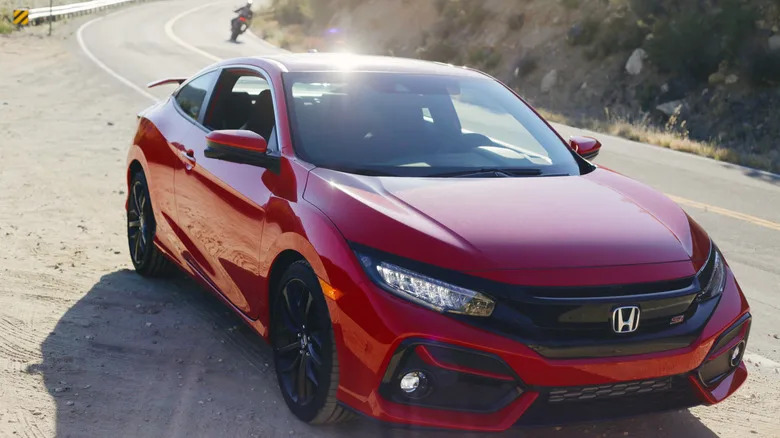
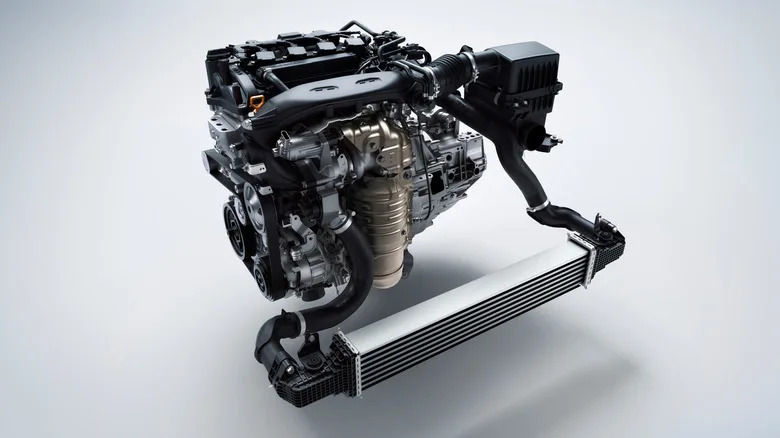



















A blue Honda Civic Si sedan sitting on aftermarket Sparco wheels. - Vitali Adutskevich/ShutterstockThere's no shortage of Honda engines that have captured the hearts and minds of enthusiasts. The B-and K-Series are high-revving naturally aspirated wonders, and even respond well to intake and exhaust modifications, along with more aggressive camshafts. Then there's the brand's J35, a sturdy 3.5-liter V6 known as one of the most reliable engines of all time.Besides being a lot of fun, these engines see hundreds of thousands of miles with little more than basic maintenance. In contrast, Honda's turbocharged L-Series 1.5-liter inline-four, prominently found in the Civic Si since 2017, raises alarm bells: good power for its displacement thanks to forced induction, but known for tricky reliability.Could this be the worst Honda engine ever built? It's complicated; there are certainly quirks to look out for, but it could just be a matter of how people drive them. Let's mix the compressed air of consumer opinion with some engineering fuel and ignite discussion surrounding as to why it's a bit of a black sheep.AdvertisementAdvertisementRead more: 8 Underrated V8 Engines That Deserve More AttentionThis is why people roll their eyes at this lil' guyA 10th-generation 2020 Honda Civic Si bathed in sunny SoCal light on a mountain road. - Peter Nelson / JalopnikThe turbocharged L15 1.5-liter inline-four (coded as the L15B7) that kicked off in the 2017 Honda Civic SI made 205 horsepower and 192 lb-ft of torque, more than any showroom Si before it. We'll skip discussing what made the 2017 Civic Si fun, and instead cut right to the chase: These are the main issues that people have had with this engine over the years.Oil dilution is one issue that occurs when the engine doesn't warm up enough to evaporate unburned fuel moving past the piston rings. This reduces oil's effectiveness because internal components may not receive sufficient lubrication. This dynamic is worsened by the fact that the engine has direct injection, meaning the injector squirts fuel directly into the combustion chamber instead of through the intake ports. Cold-start conditions, prolonged idling, cold weather, and short trips exacerbate this direct injection problem.Regarding direct injection, another issue is the fact that the intake valves don't get cleaned by fuel. The positive crankcase ventilation (PCV) and exhaust gas recirculation (EGR) systems vent into the intake ports, causing carbon soot buildup, affecting performance with problems like uneven running or poor throttle response.AdvertisementAdvertisementAnother notable design flaw of turbocharged L15's design has to do with its head gasket. The block is an open-deck design meant to let coolant flow freely around the cylinders, including a very small passageway in between them. The sealing surface between the gasket and block is relatively thin and can be more prone to leakage, especially with increased boost pressure from aftermarket tuning.Other key Honda L15B7 problems and remedies2022 Honda Civic Si 1.5-liter turbo engine - HondaOther problems that can pop up in a Honda L15B7 engine include wastegate actuator loosening or failure. Non-head-gasket-related coolant leaks, excessive oil consumption, and worn timing chains can also occur.However, there are some easy ways to avoid the issues we've listed. Because oil dilution is a known problem, changing the oil according to manufacturer recommendations can help prevent excessive fuel contamination causing issues. Taking it on longer trips to burn off any fuel in the oil and cut down on timing chain wear also helps. Good ways to protect against carbon buildup include periodically cleaning the intake valves and ports, monitoring coolant levels, and checking external leaks to catch potential problems early. Utilizing carbon-cleaning gasoline additives and ensuring the engine is properly warmed before heavy acceleration can help as well.While some consider the L15B7 Honda's worst engine, it could just be a matter of keeping an eye on things and treating it right. Proper care ultimately helps preserve turbo responsiveness and solid fuel economy.AdvertisementAdvertisementWant more like this? Join the Jalopnik newsletter to get the latest auto news sent straight to your inbox, and add us as a preferred search source on Google.Read the original article on Jalopnik.