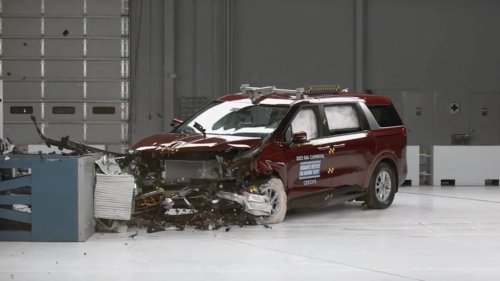
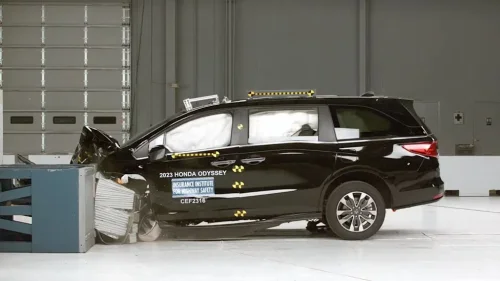
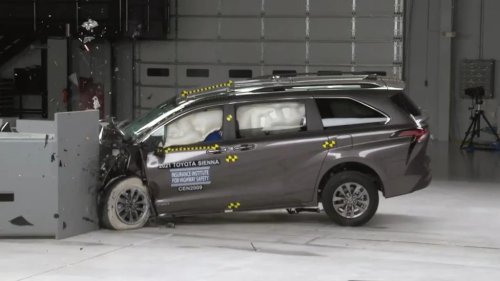
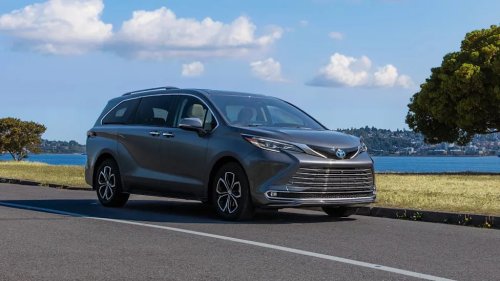
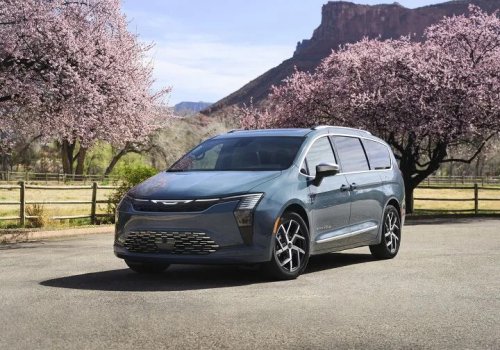
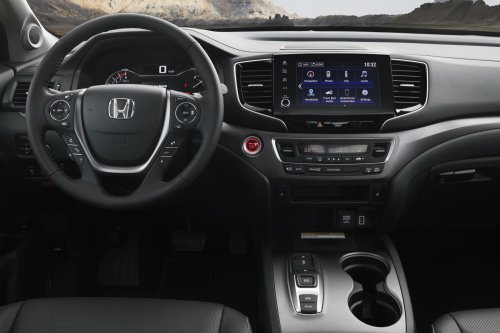
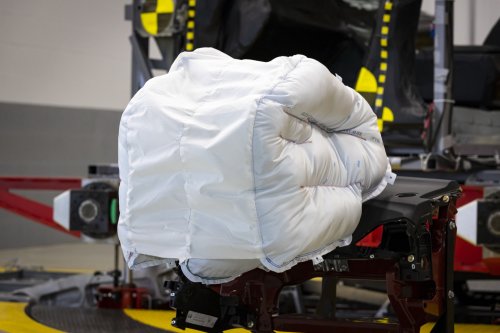
Autoblog and Yahoo may earn commission from links in this article.For Americans, the minivan has long been the ultimate automotive expression of family. Buyers trade aggressive styling for maximum space, while assuming these rolling living rooms offer comprehensive safety for their most precious cargo. But a deep dive into the latest Insurance Institute for Highway Safety (IIHS) and National Highway Traffic Safety Administration (NHTSA) crash data reveals a disturbing reality: the automotive industry is failing the very passengers these vehicles are built to protect.When stacking up the Chrysler Pacifica, Honda Odyssey, Kia Carnival, and Toyota Sienna, determining the safest minivan is an exercise in choosing the lesser of four evils. Looking past the marketing, you must dig into the engineering, crash telemetry, and safety system reliability that dictate how these vehicles handle themselves in case of the worst.IIHSThe Rear-Seat CompromiseThe glaring issue across the segment lies in the second row. The IIHS recently updated its moderate overlap front crash test, placing a dummy the size of a 12-year-old child or small woman in the second row to measure rear-occupant protection. The results were an industry-wide embarrassment. Not a single minivan earned a "Good" or "Acceptable" rating in this critical metric, locking the entire class out of the current Top Safety Pick awards.IIHSThe Honda Odyssey sits at the absolute bottom of the pack with a dismal "Poor" rating. Crash telemetry showed extreme forces on the rear dummy's head and neck. Worse, the rear seatbelt allowed the dummy to come dangerously close to striking the front seatback.AdvertisementAdvertisementThe Chrysler Pacifica and Kia Carnival fared only slightly better, earning "Marginal" ratings. In both vehicles, the rear seatbelts exerted excessive force on the passenger's chest, drastically raising the risk of life-threatening injuries. The Pacifica's test run was further marred by a side curtain airbag that completely failed to deploy. Meanwhile, the Carnival subjected the rear dummy's neck to substantially higher stress loads than its competitors.IIHSThat leaves the Toyota Sienna. It is not perfect; it also scored a "Marginal" in the updated rear-seat test because the rear dummy "submarined"—sliding beneath the lap belt, which improperly transfers crash forces to the abdomen; however, all other systems seemed to work as designed. The Sienna is the only vehicle in this shootout equipped with second-row seatbelt pretensioners and force limiters—vital technology for mitigating chest injuries. Furthermore, it is the only minivan to retain a top-tier "Good" rating in the updated, higher-speed side-impact crash test (the Pacifica and Carnival managed only "Acceptable"). Combined with a flawless 5-star overall rating from the NHTSA and its AWD availability, the Sienna outscores its rivals on aggregate safety metrics.The Safest MinivanToyotaIf you are buying a family hauler today, the Toyota Sienna is objectively the safest minivan on the market. It survives the stringent IIHS testing gauntlet with the fewest structural and restraint system failures while providing the active safety net of available AWD. However, automakers have a clear engineering mandate: it is time to stop treating second-row safety as an afterthought and bring rear-seat restraint technology up to the standard that front-seat occupants have enjoyed for a decade.This story was originally published by Autoblog on Jun 6, 2026, where it first appeared in the Features section. Add Autoblog as a Preferred Source by clicking here.