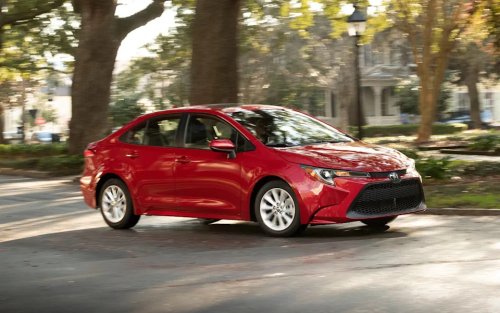
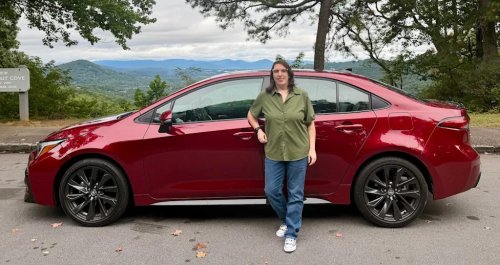
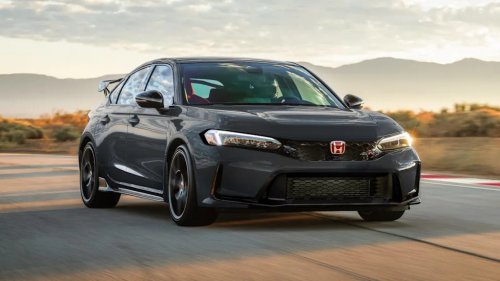
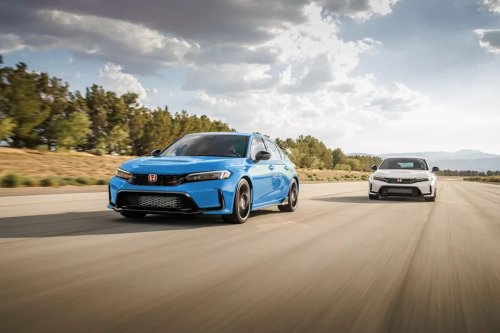
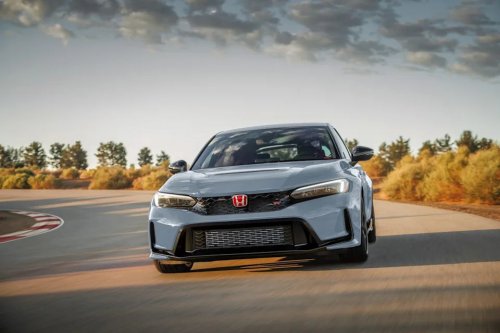
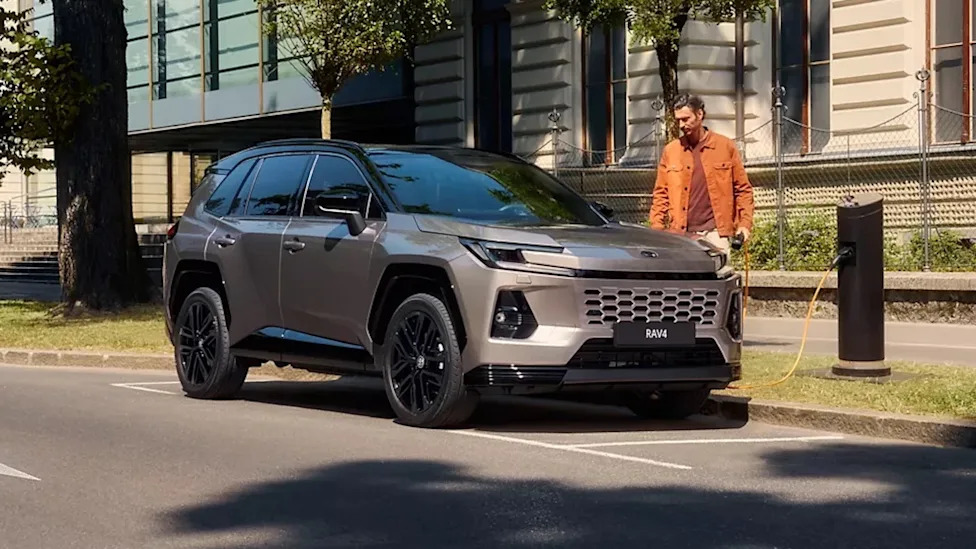
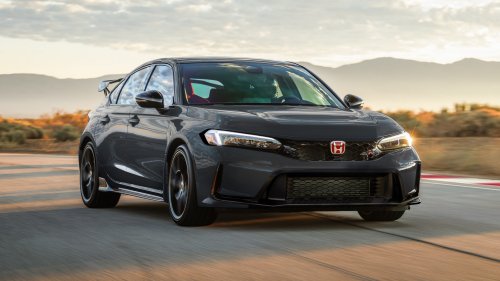
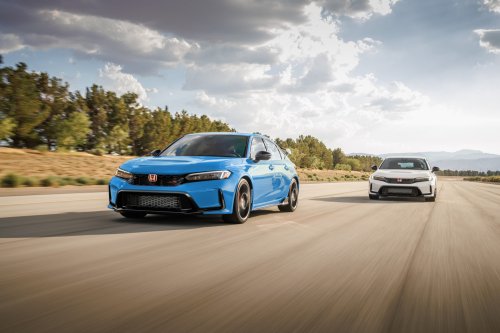
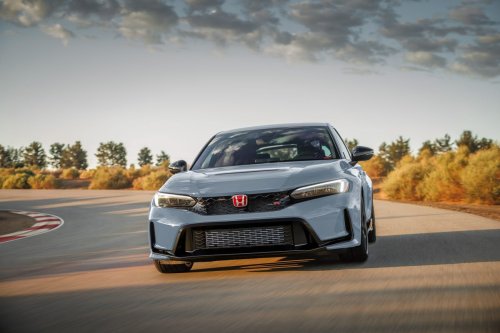
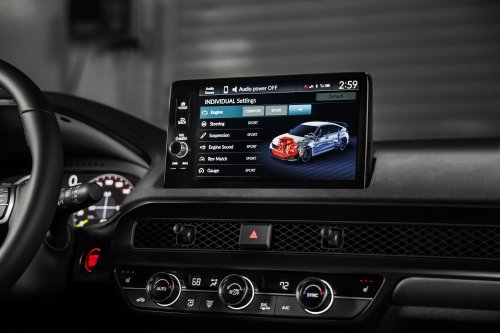
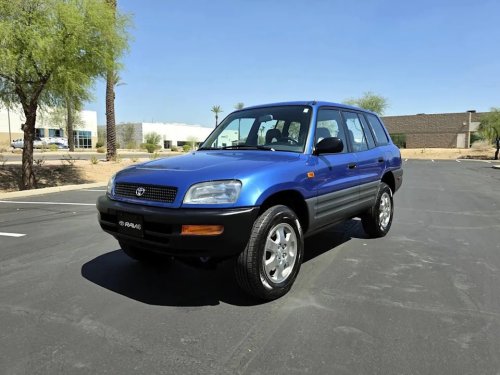
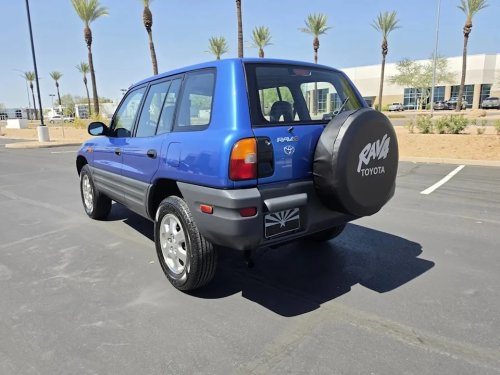
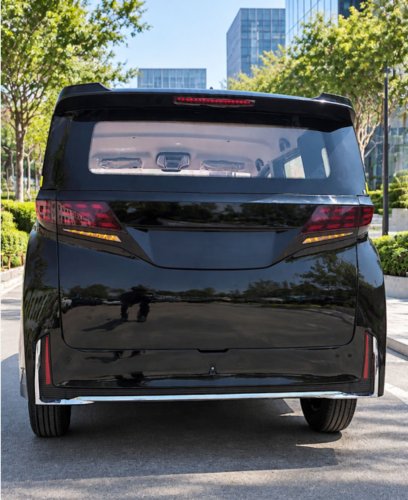
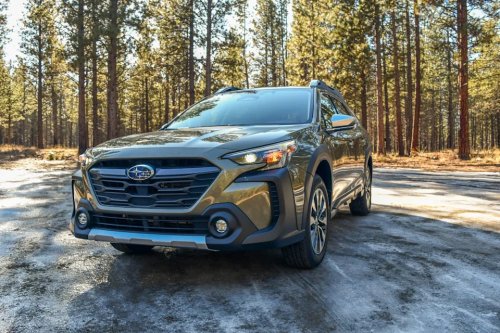
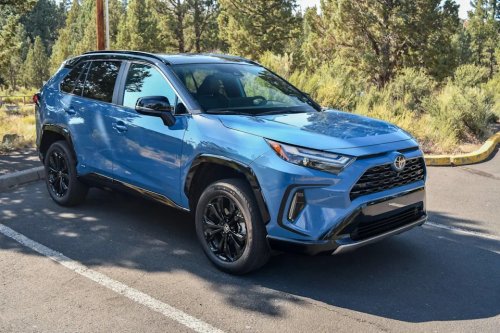
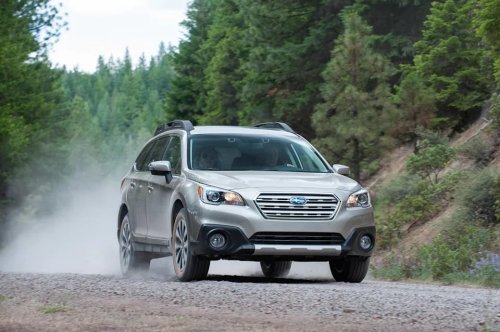
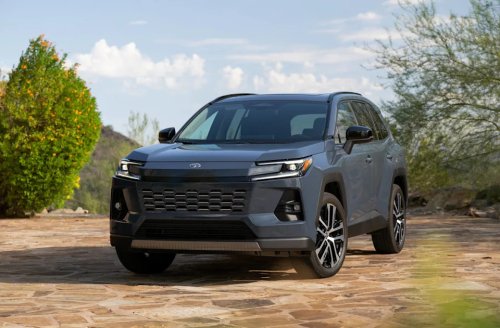
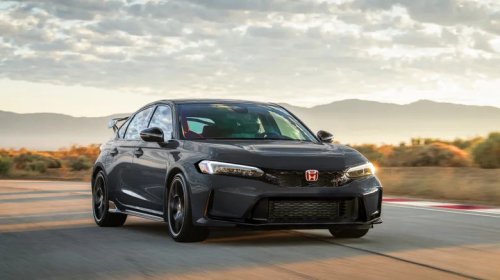
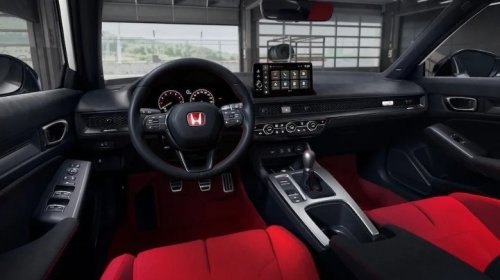
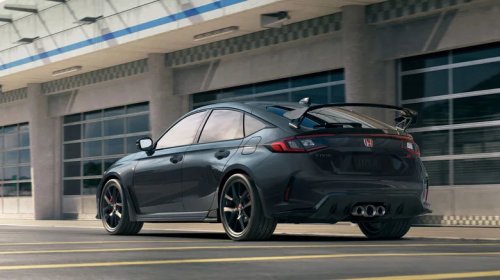
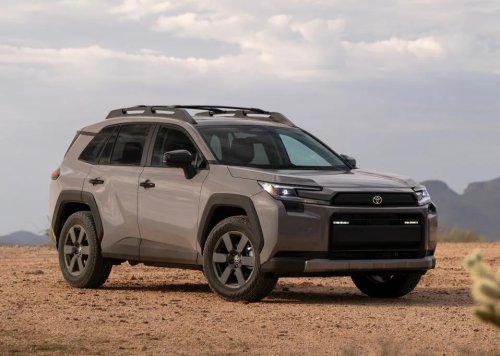
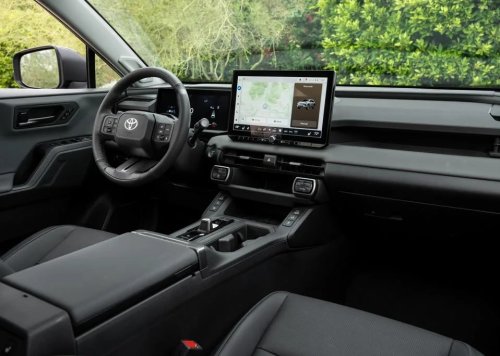
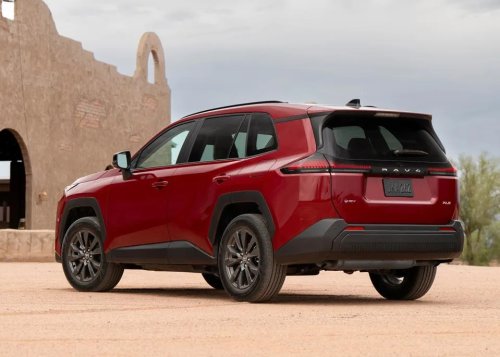
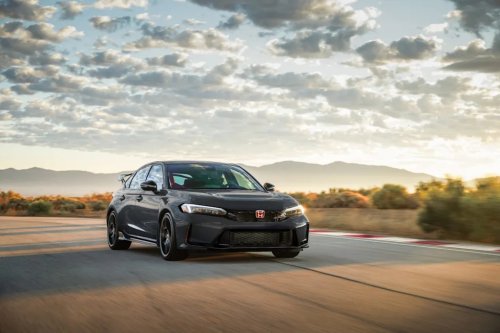
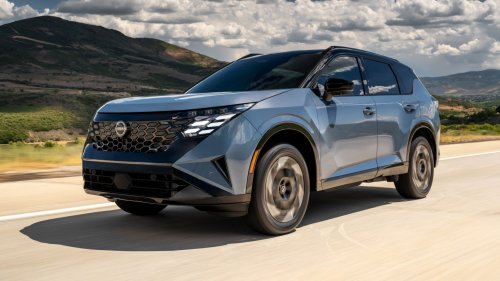
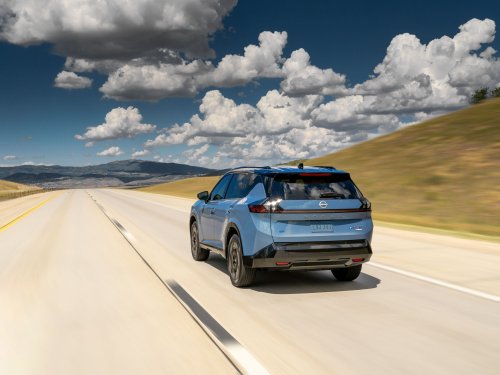
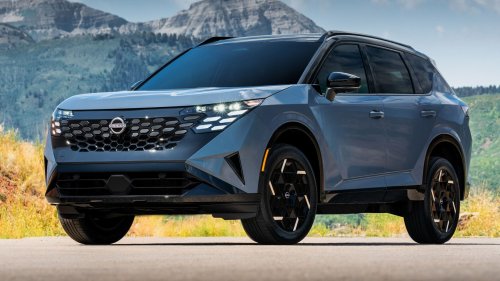
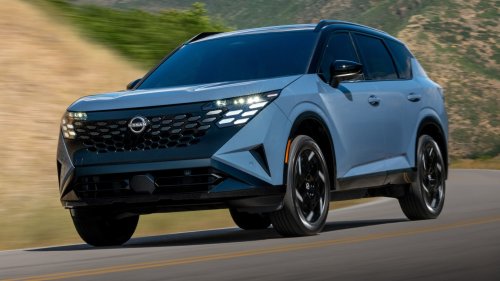
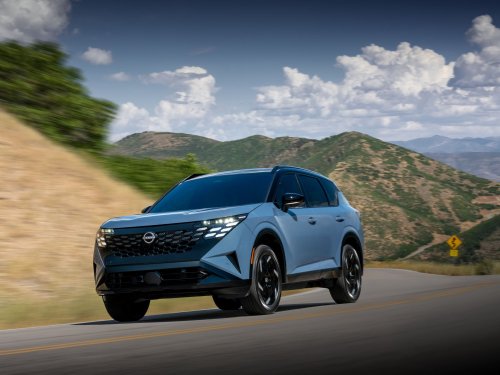
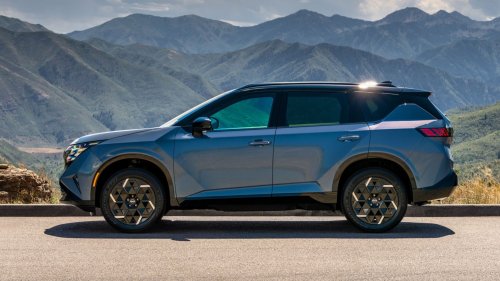
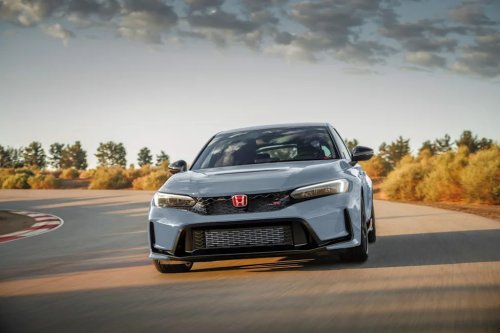
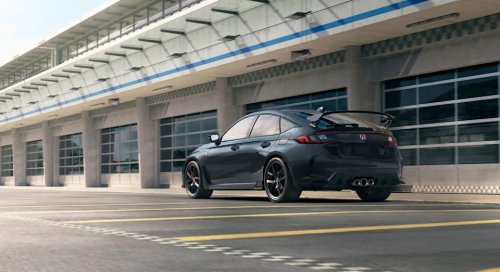
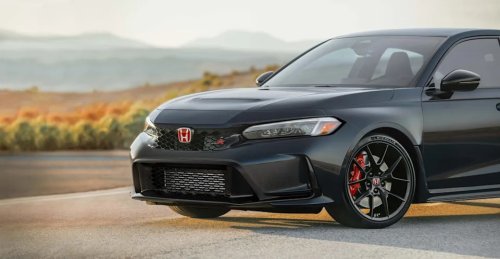
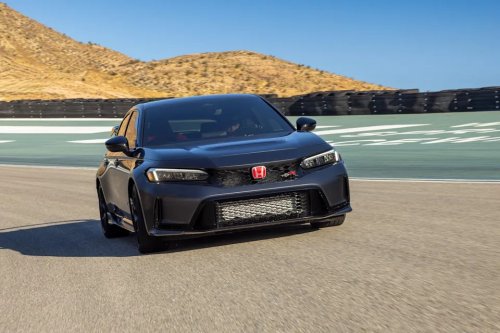
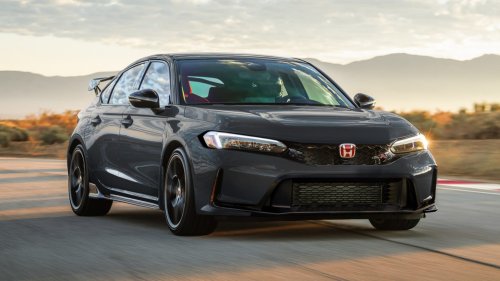
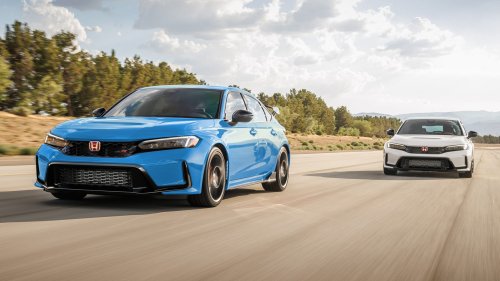
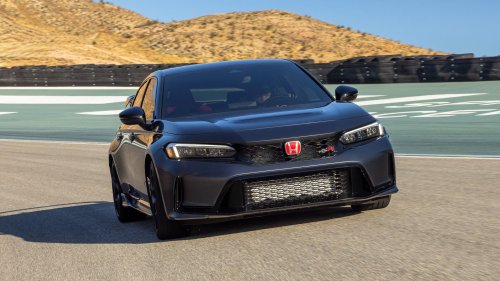
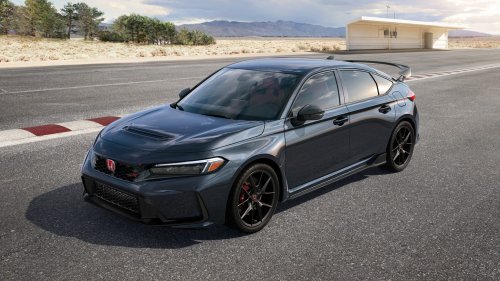
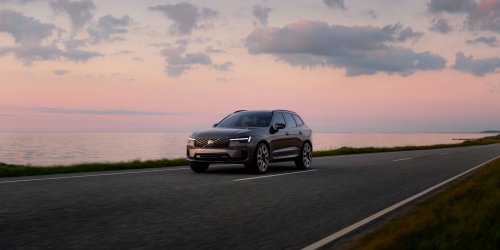
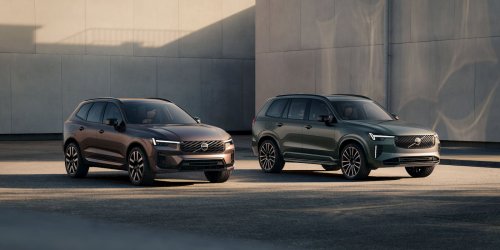
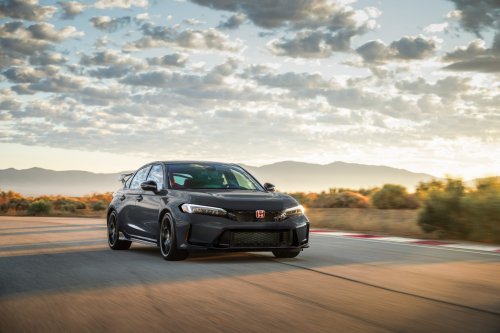
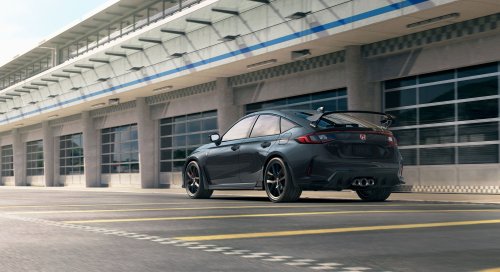
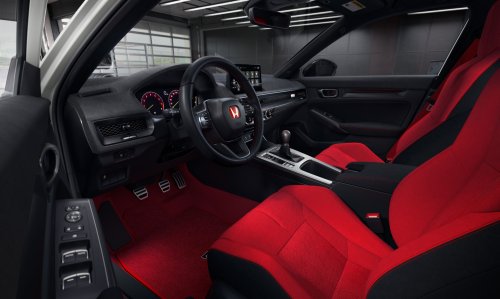
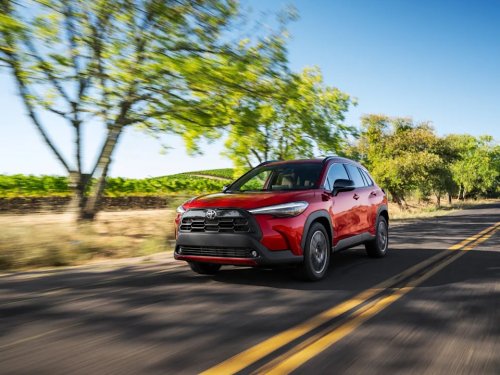
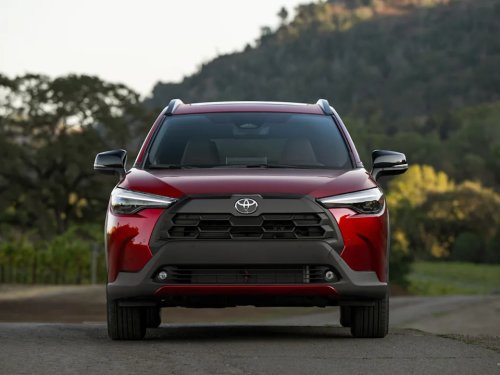
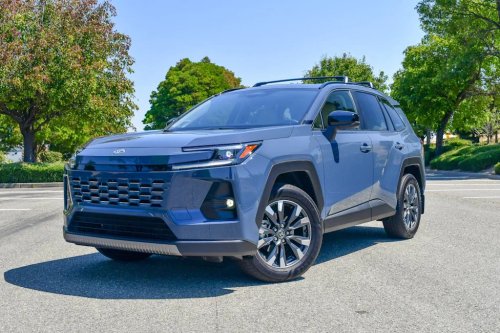
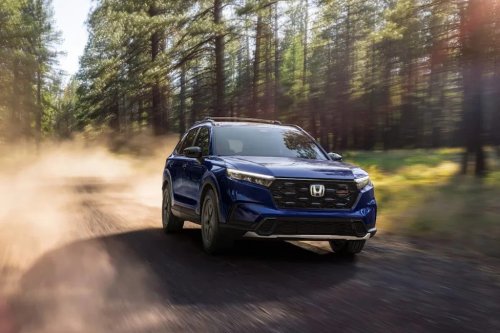
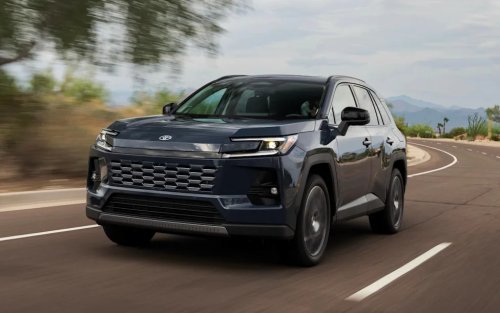
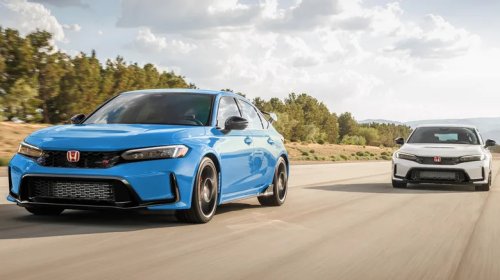
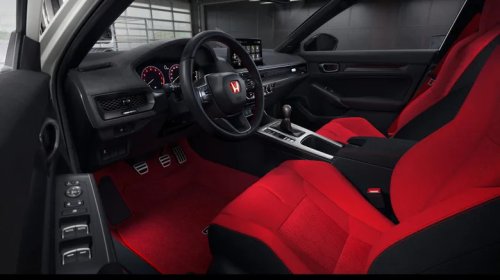
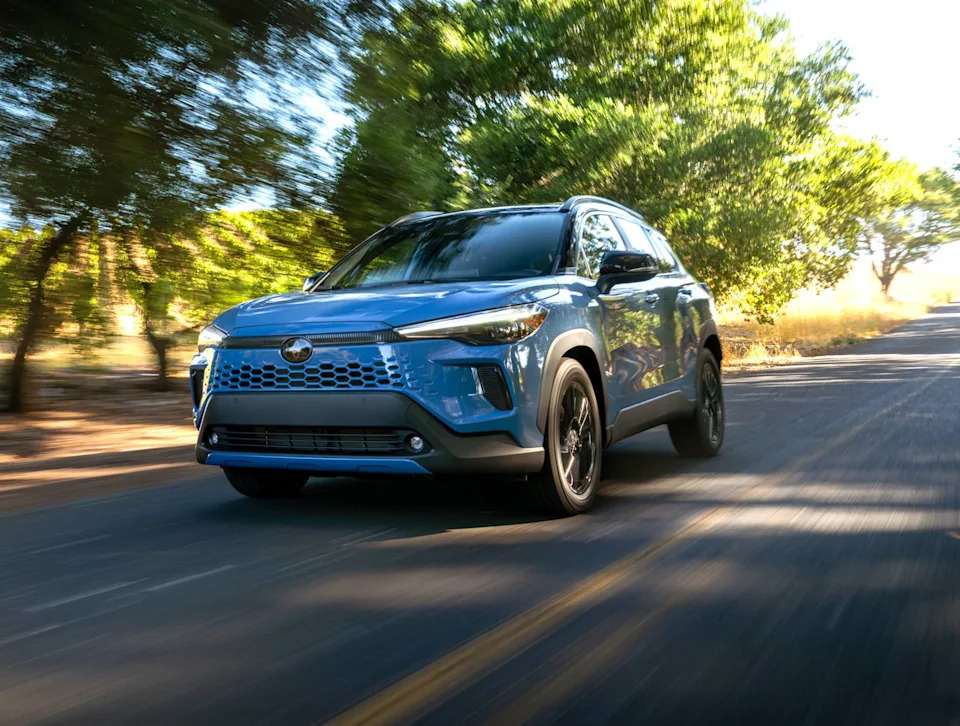
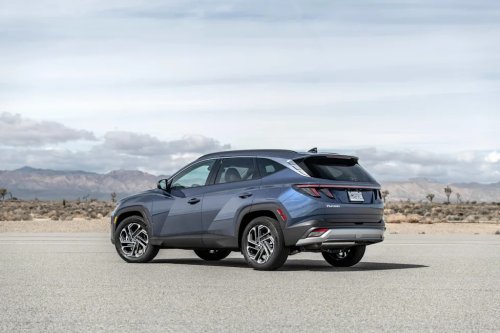
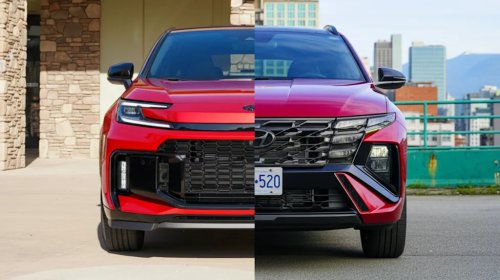
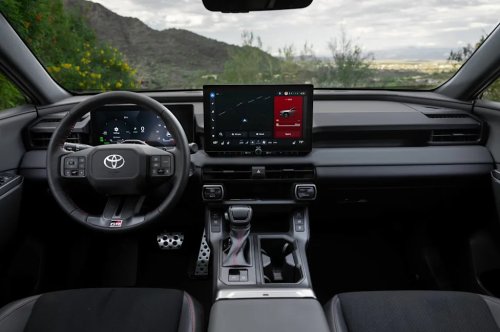
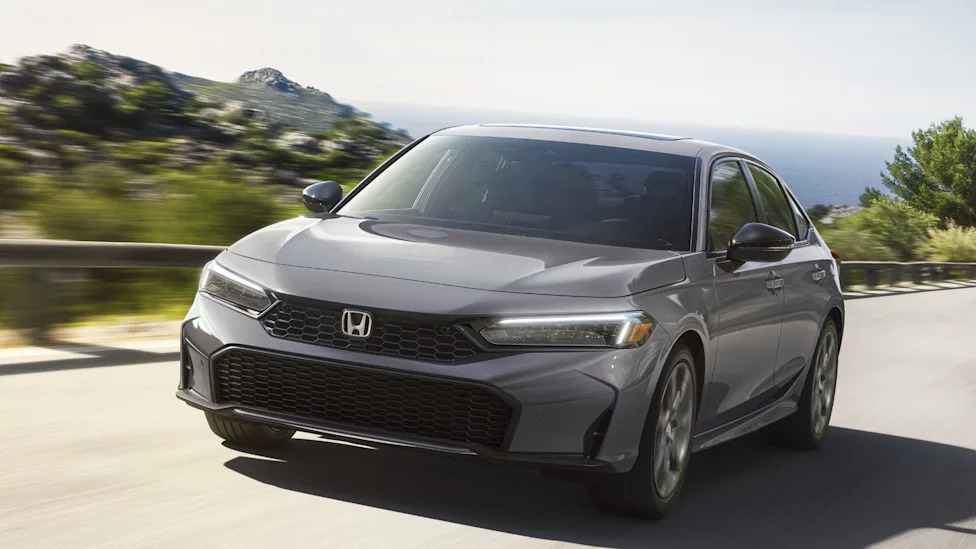
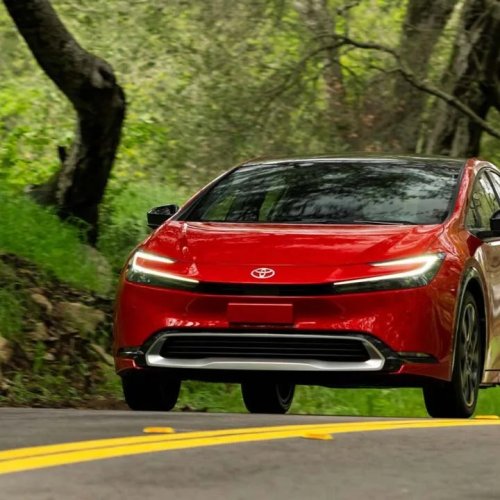
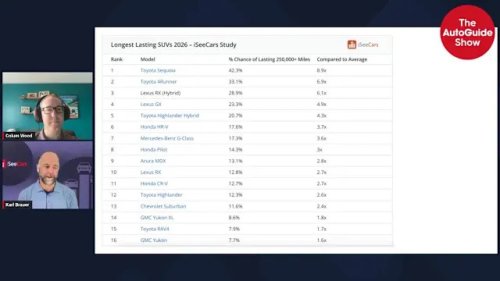
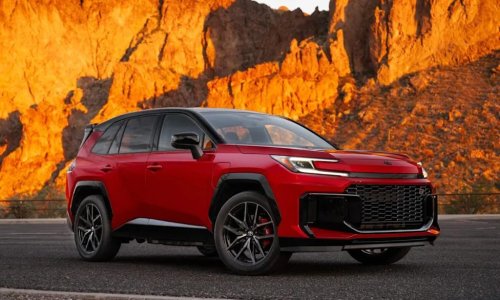
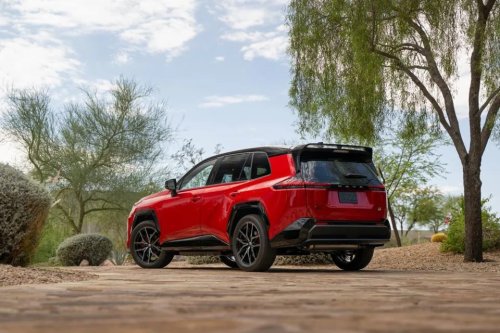
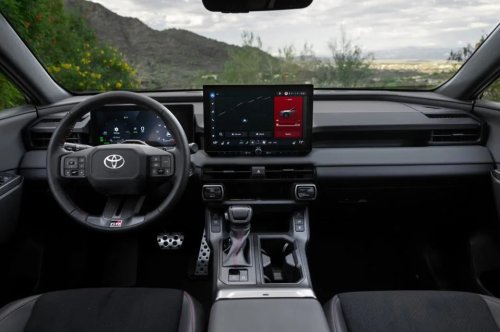
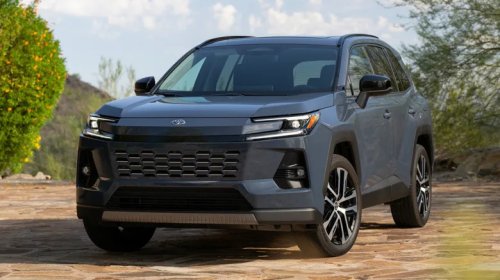
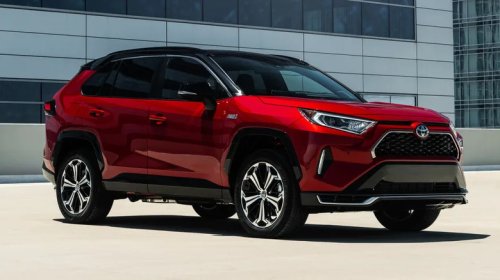
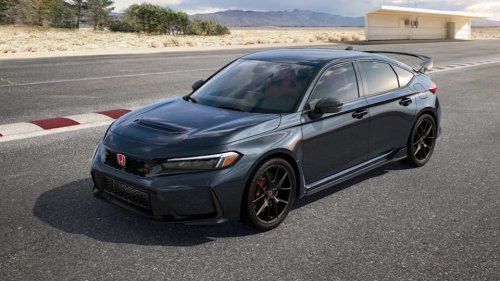
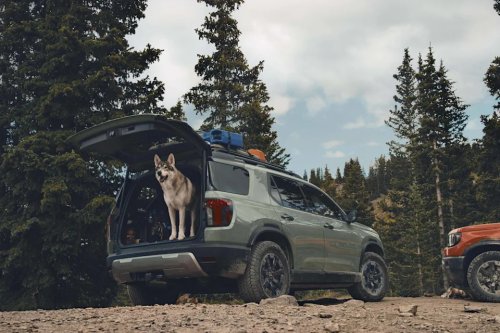
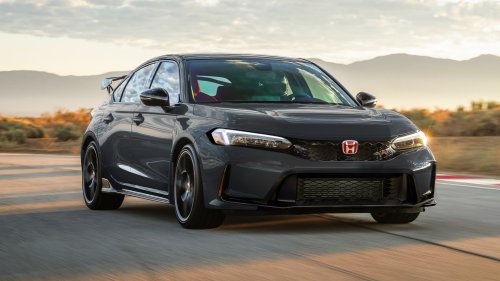
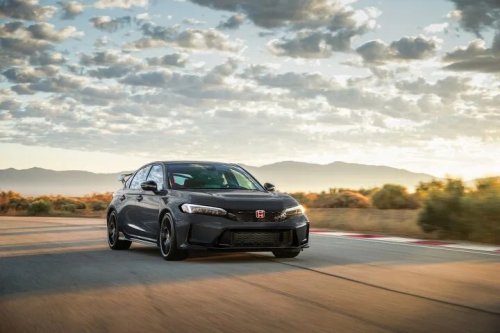
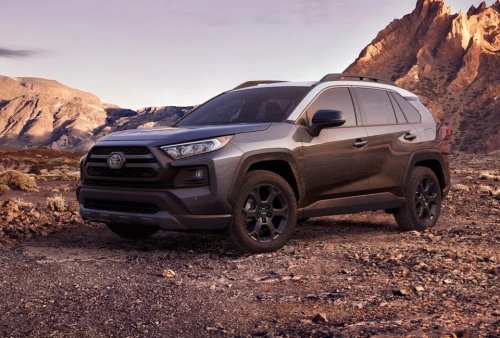
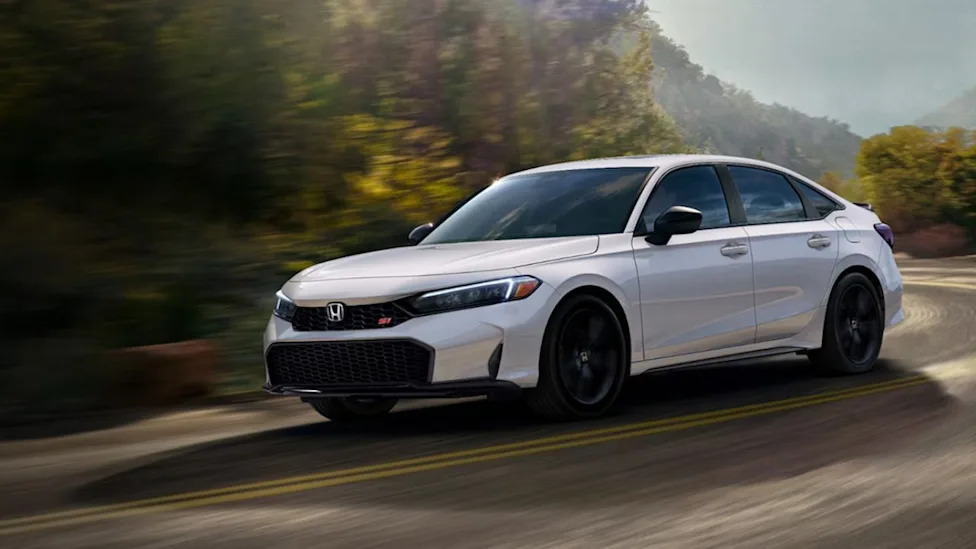
Image Credit: therealkatiebby / TikTok.Buying a new car has never been a simple decision, but in today's market it has become something closer to a full-blown financial strategy session. With average new vehicle prices still hovering well above $40,000 and monthly payments that can easily exceed the cost of a mortgage in some parts of the country, even practical-minded buyers are finding themselves second-guessing what used to be a fairly routine transaction. Add a trade-in with a failing engine into the mix, and things get complicated fast.That's precisely the situation one woman found herself in recently, and her very public deliberation on TikTok tapped into something a lot of drivers are feeling right now. She owns a Jeep Grand Cherokee, she self-identifies as a lifelong "Jeep person," and yet here she is, staring down a $47,000 Toyota RAV4 and wondering whether the whole thing makes any sense at all. Carvana had offered her $7,000 for the Jeep, she still owed about $1,000 on it, and the engine was beginning to call it quits. Not exactly an ideal negotiating position.Her hesitation was straightforward and entirely reasonable: a brand-new RAV4 at that price point would run her something in the neighborhood of $700 a month, and she was not shy about expressing her feelings on the matter. The alternative she floated was a used Honda Civic around the $10,000 mark.AdvertisementAdvertisementOn the surface, the gap between those two options looks enormous. In practice, the math behind each choice is worth working through carefully, because there is more room in between those two extremes than it might appear.The video struck a nerve for good reason. This is a dilemma that plays out in driveways and dealership lots every day, and it rarely has a tidy answer. Whether you are a seasoned car buyer or someone who has only recently started paying attention to what vehicles actually cost to own over time, the tension between buying new and buying smart is one worth taking seriously.The Jeep Grand Cherokee: A Loyal Companion With Real Ownership CostsThe Jeep Grand Cherokee has earned a devoted following for a reason. It is a capable, comfortable SUV that handles reasonably well on and off pavement, and for buyers who want something with genuine character, it delivers. However, loyalty to the brand does not erase the cost of ownership, and the Grand Cherokee's long-term ownership numbers are worth knowing.According to RepairPal, the average annual repair cost for a Jeep Grand Cherokee runs close to $670, which places it firmly in the higher-cost tier among midsize SUVs. That figure alone is not disqualifying, but when combined with an engine that is on its way out, the calculus shifts quickly.AdvertisementAdvertisementAn engine repair on a vehicle still carrying a loan balance is the kind of scenario that turns a manageable situation into a financial headache. Carvana's $7,000 offer, assuming the condition is accurately represented, may well be the cleanest exit available.The Toyota RAV4: Reliable, But at What Price?The Toyota RAV4 has been one of the best-selling vehicles in the United States for several years running, and its reputation for reliability is well-founded rather than simply marketed. RepairPal puts the RAV4's average annual repair cost at around $430, a meaningful step down from the Grand Cherokee and one of the lower figures in the SUV segment. Mechanics routinely recommend both new and used RAV4s, and the model's resale value holds up well over time, which matters if your situation ever calls for selling or trading again.The issue here is not the vehicle. It is the price of entry. At $47,000 for a new model with the appearance package she described, the payment structure simply does not work for everyone. That is not a knock on the RAV4; it is a reflection of where new vehicle prices have landed and how much pressure that places on monthly cash flow.There are situations where buying new makes perfect sense, particularly when long-term reliability and warranty coverage are priorities. But the buyer has to be able to absorb the payment comfortably, and $700 a month is a real number that demands honest consideration.The Honda Civic: Unglamorous, Underrated, and Worth a Second LookImage Credit: Honda.The Honda Civic does not generate much excitement at car shows, and it is not trying to. What it does do is deliver consistently strong reliability, reasonable running costs, and the kind of low-drama ownership experience that makes a lot of financial sense for buyers who want transportation without surprises.AdvertisementAdvertisementThe Civic has ranked among the most reliable compact cars on the market for years, and a well-maintained used example in the $10,000 to $15,000 range can cover a lot of ground before it needs serious attention.The honest caveat with a $10,000 used car of any make is that condition matters enormously. A Civic at that price with clean service records and documented history is a solid buy. One at the same price with vague maintenance records and high mileage is a different proposition entirely. Spending a few hundred dollars on a pre-purchase inspection by an independent mechanic is not optional at this price point; it is the only way to know what you are actually buying.What the Math Actually SaysWorking through the numbers in order tends to clarify the decision. The first step would be confirming the Jeep's engine diagnosis with an independent mechanic before accepting any offer, simply to establish whether the problem is real and how much it would cost to address. If repair costs exceed the vehicle's remaining value, accepting the Carvana offer becomes straightforward. After paying off the remaining loan balance, there would be roughly $6,000 in hand to apply toward a replacement.From there, the options are broader than new versus a $10,000 used car. A used RAV4 with two or three years on it carries most of the same reliability benefits as a new one, at a price that changes the monthly payment picture considerably. A lightly used Civic, Camry, Corolla, or Accord in the $18,000 to $22,000 range represents the kind of middle ground that often makes the most sense financially, offering modern features, documented maintenance histories, and manageable payments without the full depreciation hit of buying new.AdvertisementAdvertisementAs one commenter on the original video put it plainly: drive the cheapest car your ego will allow. It is a blunt way of putting it, but the underlying point is sound. The best vehicle for any buyer is the one that does the job without compromising everything else in the budget to do it.If you want more stories like this, follow Guessing Headlights on Yahoo so you don't miss what's coming next.




















 +20 others