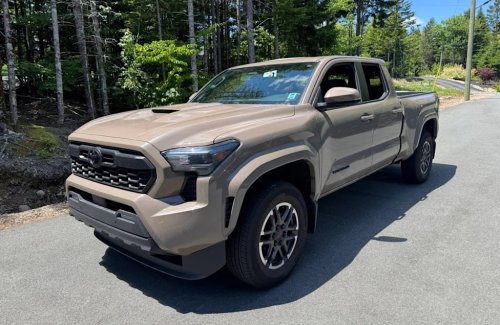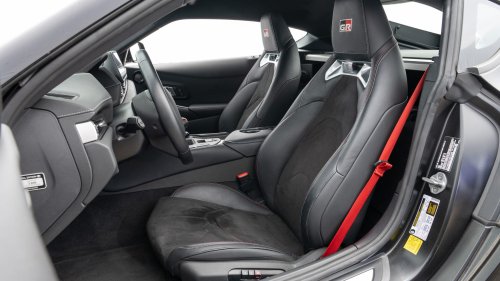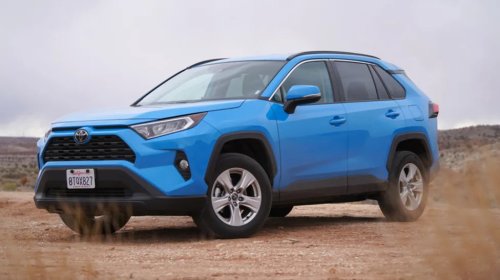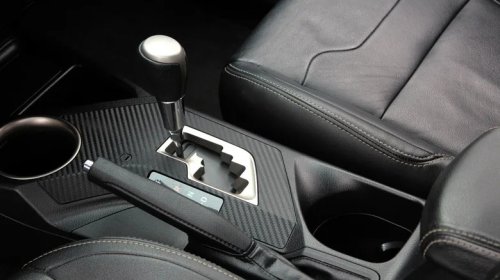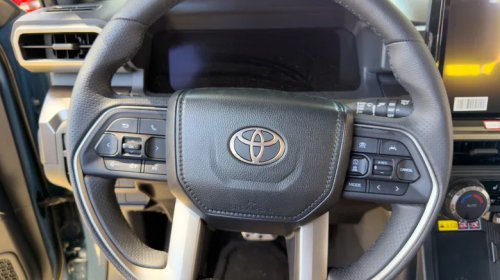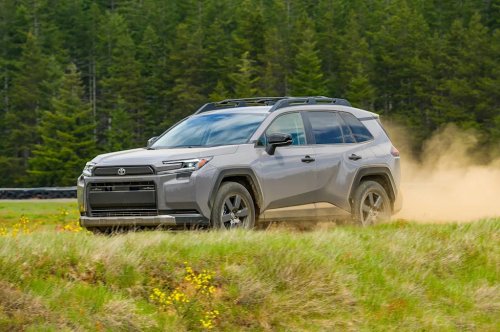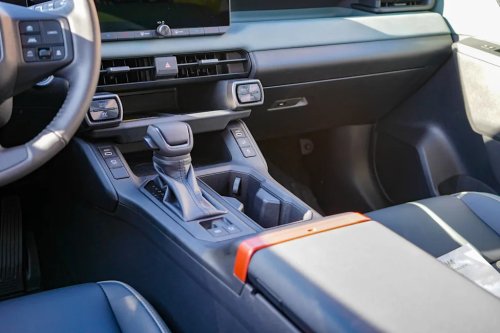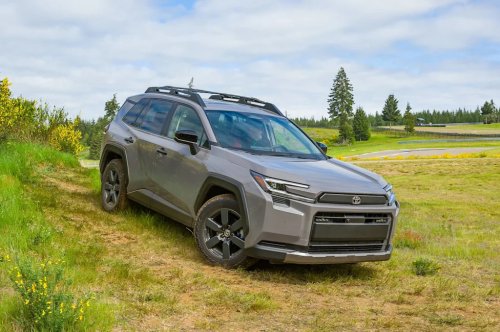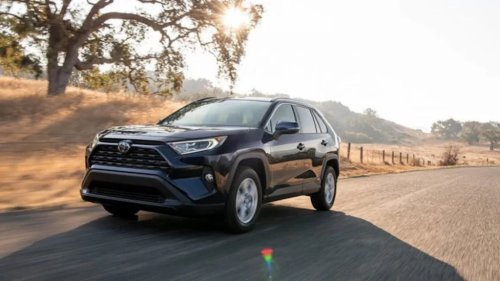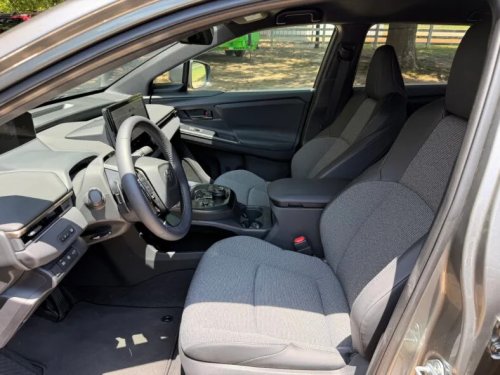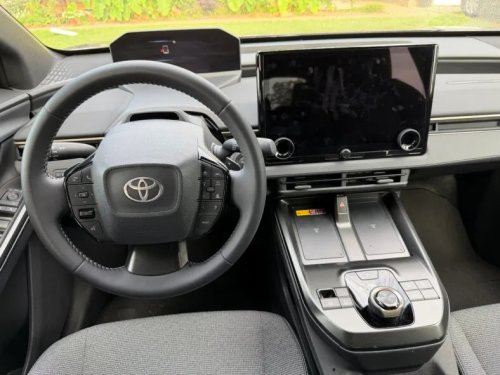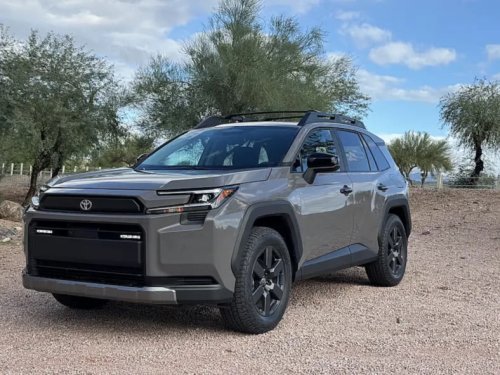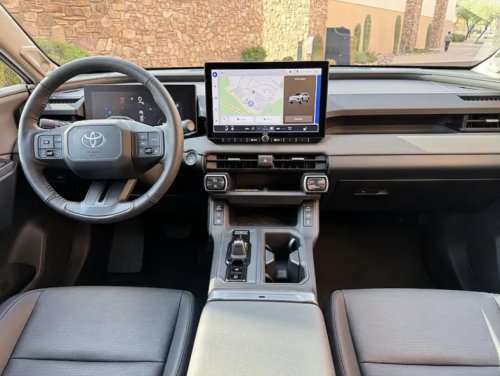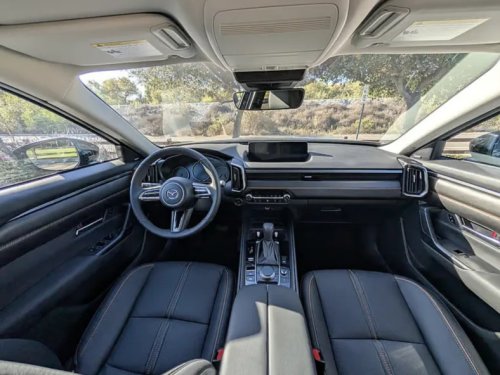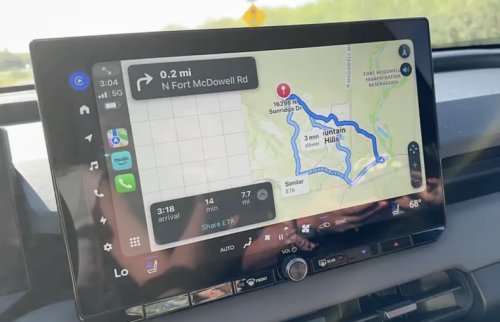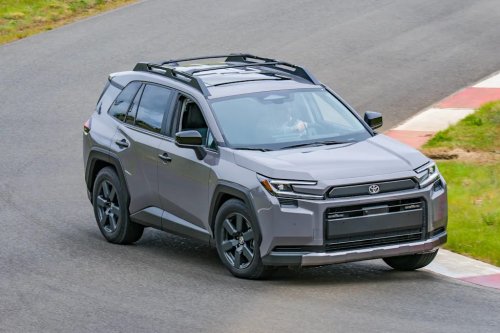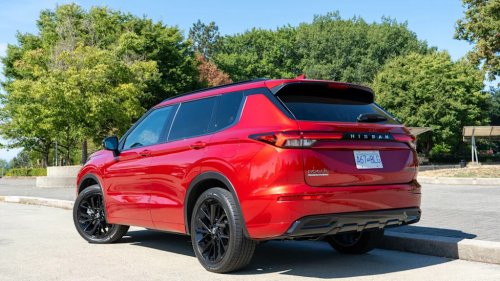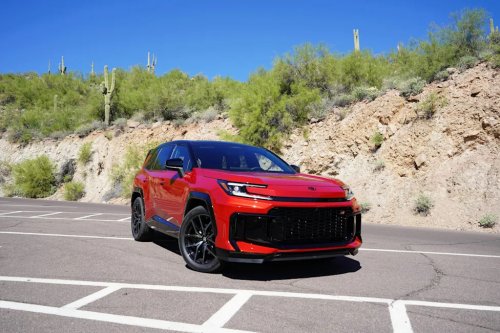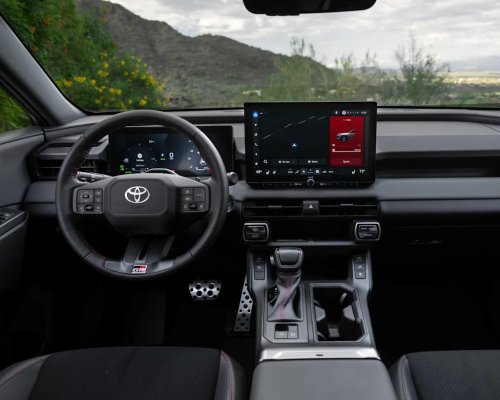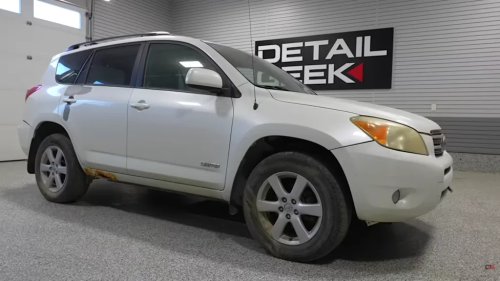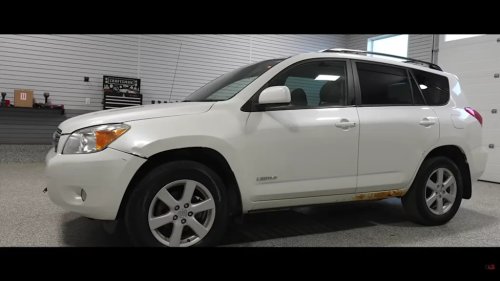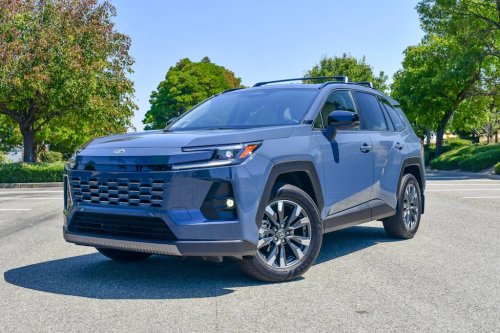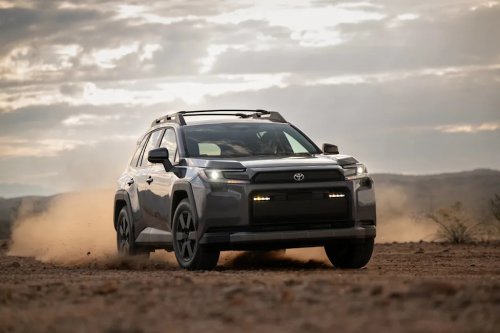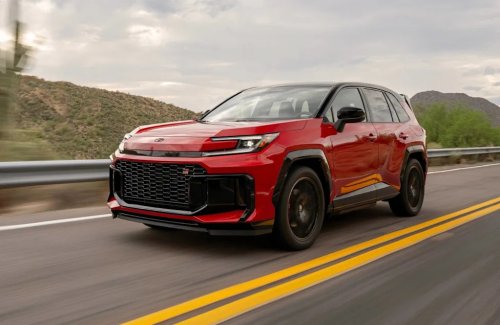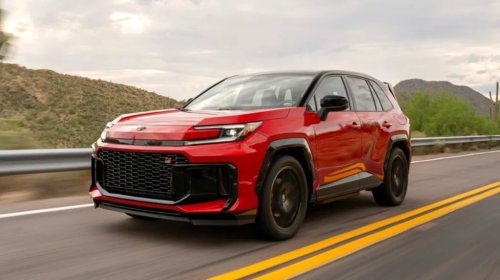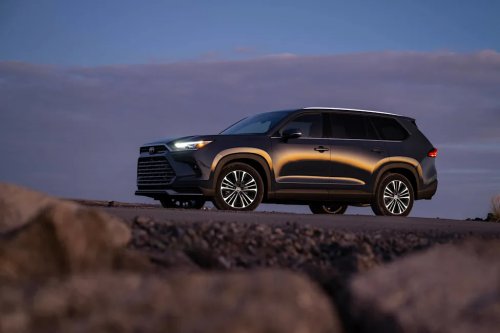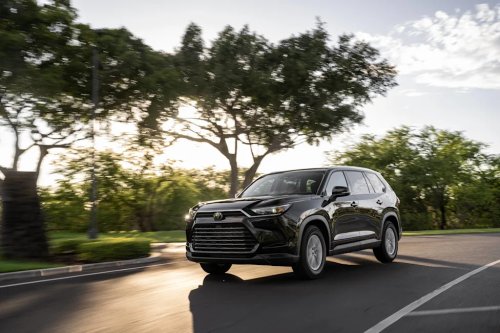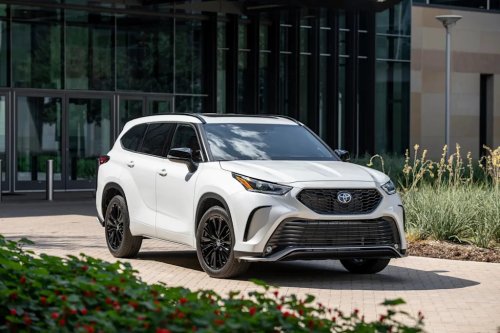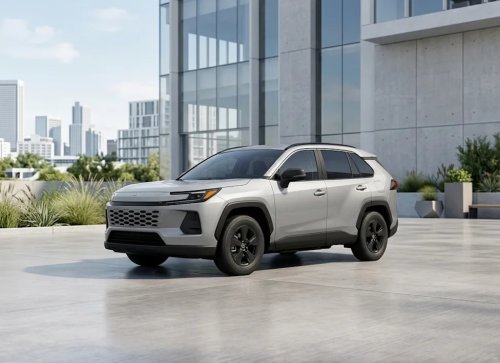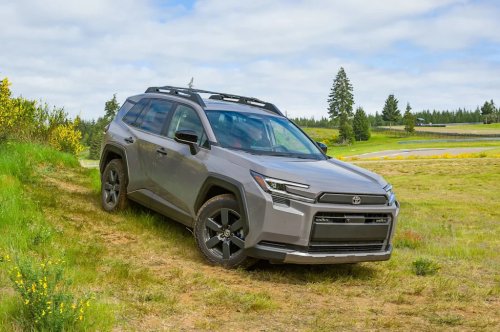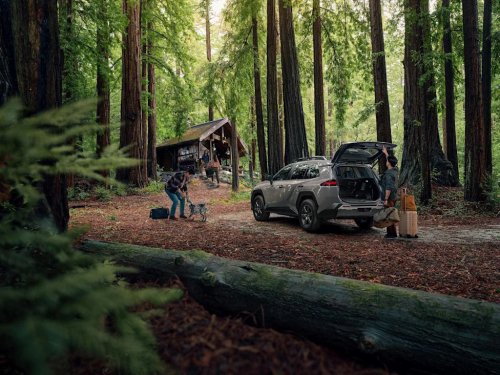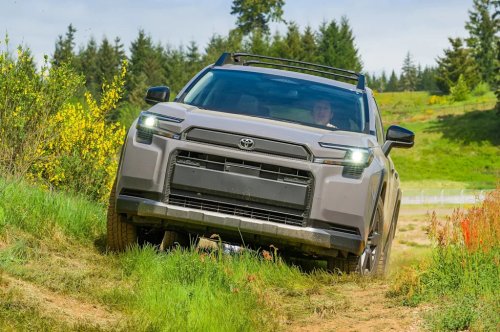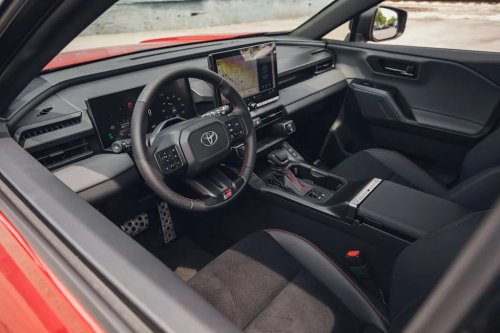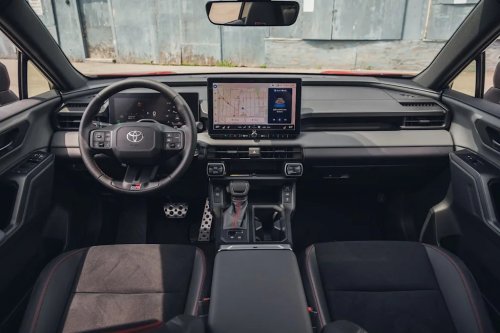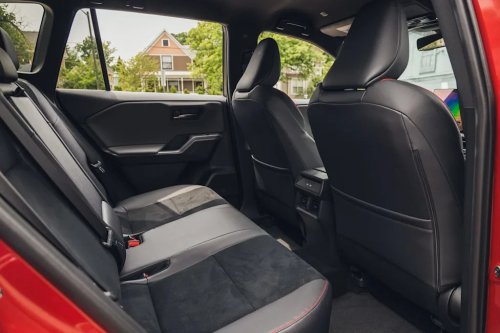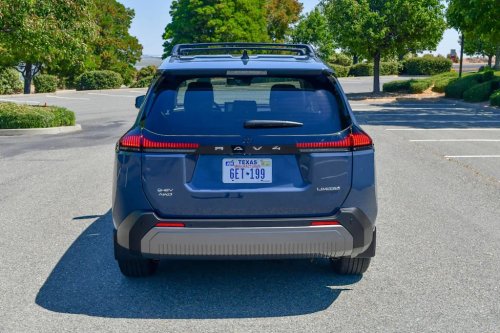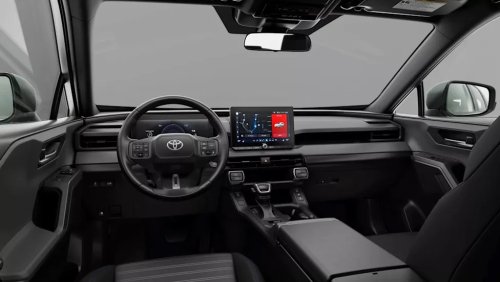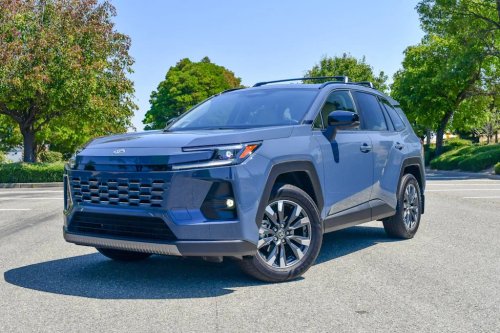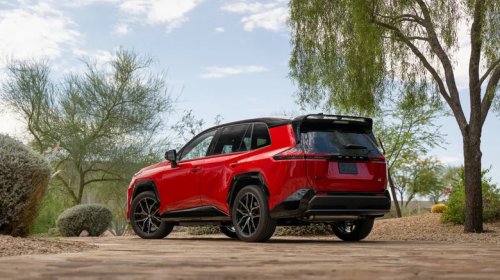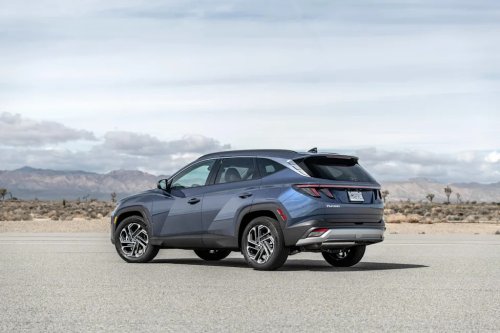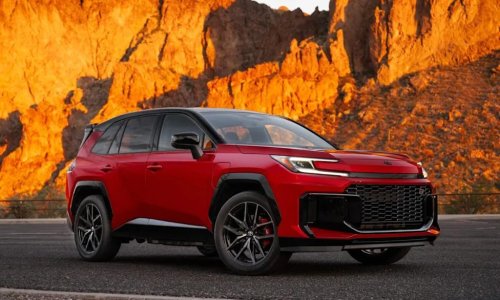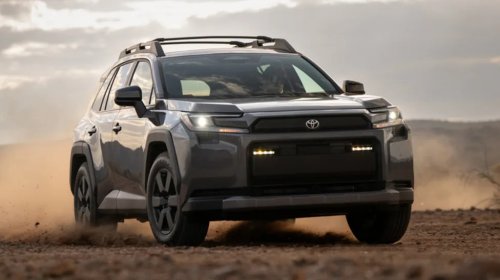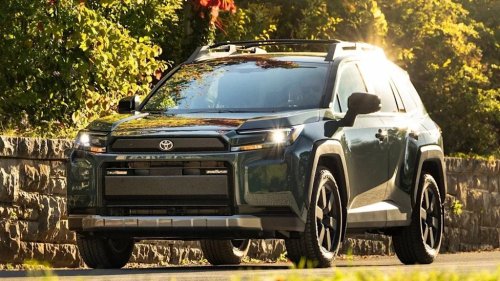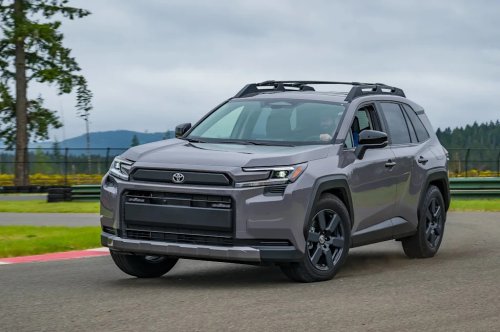
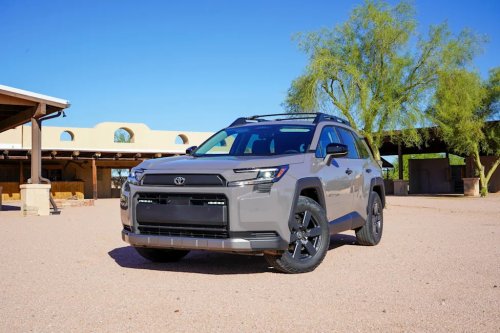
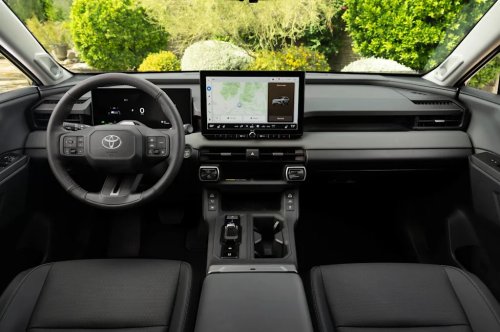
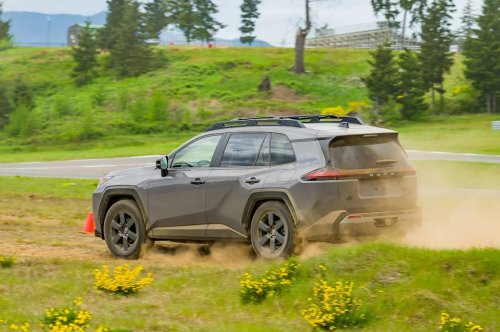
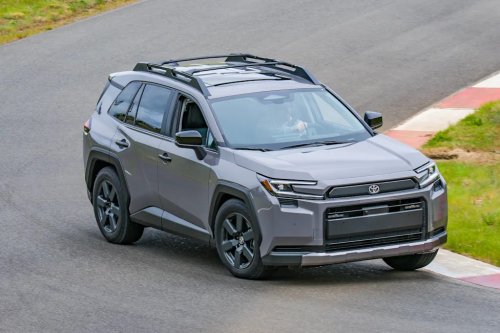
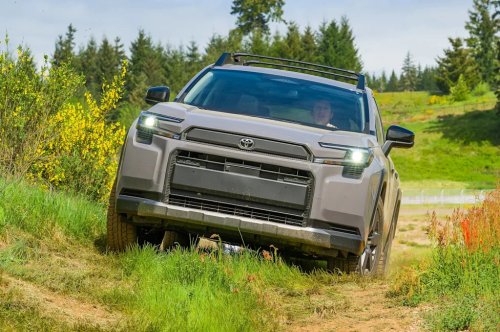



















Autoblog and Yahoo may earn commission from links in this article.Toyota RAV4 vs RAV4 Hybrid ComparisonThe American automotive landscape relies heavily on compact sport utility vehicles, and no vehicle dominates this space quite like the Toyota RAV4. Families and commuters across the nation depend on these versatile machines for everything from daily errands to weekend camping trips. If you're shopping for one, you'll inevitably face the biggest decision in the lineup: RAV4 vs RAV4 Hybrid. Both operate in the exact same size category and share the same fundamental bones, but they appeal to slightly different priorities.Toyota has cultivated a fiercely loyal following by building the most reliable crossover on sale. Buyers associate the gas RAV4 with straightforward dependability and a lower cost of entry. Meanwhile, the RAV4 Hybrid has spent years building an untouchable reputation for efficiency without sacrificing capability, acting as the ultimate expression of modern commuting. While the gas model targets those who want a simple, traditional setup, the hybrid focuses on maximizing every drop of fuel.(C) 2026 Doug Berger | DBPicsView the 2 images of this gallery on the original articleSizing Up the Exterior DesignsWhen comparing the physical footprint of these two vehicles, you won't find a size difference. Both the standard and hybrid RAV4s measure roughly 181 inches long and sit on the exact same wheelbase. They both boast excellent ground clearance, ranging from 8.1 inches on standard trims up to 8.6 inches on off-road-oriented models like the TRD Off-Road (gas) or Woodland Edition (hybrid). That height gives both versions a distinct advantage when tackling deep snow or rutted trails.AdvertisementAdvertisementVisually, the Hybrid RAV4 vs RAV4 comparison reveals only minor badging differences. Both take an aggressive, angular approach to styling. The gas model looks purposeful with its traditional front fascia and standard wheel options. The hybrid variations look nearly identical, save for the blue-tinted Toyota emblems (on earlier models) and specific "Hybrid" badges on the fenders and tailgate. Whether you choose gas or hybrid, the differences between the 2025 and 2026 models bring sharper LED headlights and more modern taillight signatures, but the rugged, planted stance remains consistent across powertrains.Cole AttishaView the 2 images of this gallery on the original articleSpace, Features, and Family ComfortInterior space remains practically identical regardless of which powertrain you choose. Because Toyota designed the RAV4's architecture to accommodate batteries from the start, the hybrid doesn't lose any significant cargo capacity. Both models offer roughly 37.5 cubic feet of space behind the second row. Rear passengers in both the gas and hybrid versions enjoy nearly 38 inches of legroom, making it exceptionally accommodating for bulky child seats and tall adults alike.In terms of features, the RAV4 Hybrid vs RAV4 interior comparison is a dead heat. Both vehicles deliver modern amenities and run Toyota's latest Audio Multimedia system. Base models feature an 8-inch touchscreen with wireless Apple CarPlay and Android Auto, while higher trims upgrade to a 10.5-inch display. You can get heated and ventilated seats, a panoramic sunroof, and a JBL premium audio system on both sides of the powertrain aisle.ToyotaView the 2 images of this gallery on the original articlePower and Efficiency: Powertrains and Fuel Economy Head-to-HeadUnder the hood is where the real differences emerge. The standard gas RAV4 utilizes a 2.5-liter four-cylinder engine producing 203 horsepower and 184 pound-feet of torque. This pairs with an eight-speed automatic transmission. The power is more than adequate for merging onto highways, and it feels like a traditional, conventional SUV.AdvertisementAdvertisementThe RAV4 Hybrid takes a multi-pronged approach to propulsion. It pairs a slightly retuned 2.5-liter engine with front and rear electric motors for a combined output of 219 horsepower. Because the rear motor powers the rear wheels directly, all RAV4 Hybrids come standard with Electronic On-Demand All-Wheel Drive. Furthermore, the hybrid's electric motors provide instant torque, making it feel noticeably quicker off the line and smoother in stop-and-go traffic than the gas model.When it comes to fuel economy, the hybrid absolutely dominates. The RAV4 Hybrid achieves up to 40 mpg in the city and 38 mpg on the highway. The gas-powered AWD models manage a respectable but far lower 27 mpg city and 33 mpg highway.(C) 2026 Doug Berger | DBPicsView the 2 images of this gallery on the original articlePricing, Specs, and Overall ValuePricing structures reflect the added technology of the hybrid system. If you are cross-shopping the final 2025 gas models against the hybrids, the gas models start at an accessible $28,850 for the base LE trim. The hybrid equivalent commands a premium of about $3,000.AdvertisementAdvertisementDetermining the overall value depends heavily on your driving habits. The gas RAV4 XLE is widely considered a great value for those who drive fewer miles and want the lowest upfront cost. However, for daily commuters, the hybrid easily pays for its price premium over a few years of ownership through fuel savings alone.FeatureToyota RAV4 (Gas AWD)Toyota RAV4 Hybrid (AWD)Engine Output203 horsepower219 horsepower combinedDrivetrainFWD or mechanical AWDStandard Electronic AWDCombined Fuel Economy30 MPG39 MPG0-60 MPH Time~8.0 seconds~7.3 secondsTransmission8-speed automaticElectronically controlled CVTMax Towing CapacityUp to 3,500 lbs (TRD/Adv)1,750 lbs (Woodland)(C) 2025 Doug Berger | DBPicsView the 2 images of this gallery on the original articleWhich SUV Deserves Your Driveway?At the end of the day, choosing between them requires a realistic assessment of your daily lifestyle. If you prioritize absolute simplicity, want a traditional geared automatic transmission, or plan to tow up to 3,500 pounds, the standard gas RAV4 is a purpose-built tool that won't let you down.However, the RAV4 Hybrid remains the benchmark for the compact family segment for a reason. It excels in almost every metric. The hybrid options provide phenomenal fuel savings, standard all-wheel drive, and a smoother, quieter, and quicker driving experience. For the vast majority of drivers, the hybrid simply makes the most financial and practical sense.2026 Toyota RAV4 Hybrid Woodland(C) 2026 Doug Berger | DBPicsThis story was originally published by Autoblog on Jul 19, 2026, where it first appeared in the Features section. Add Autoblog as a Preferred Source by clicking here.