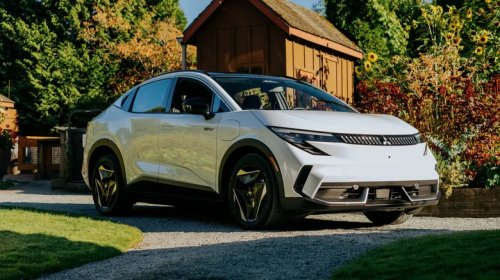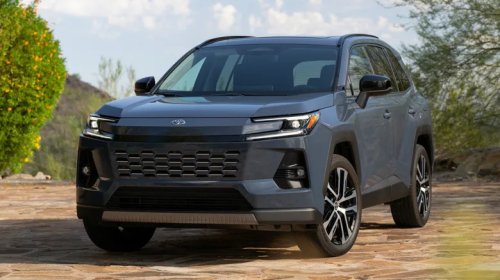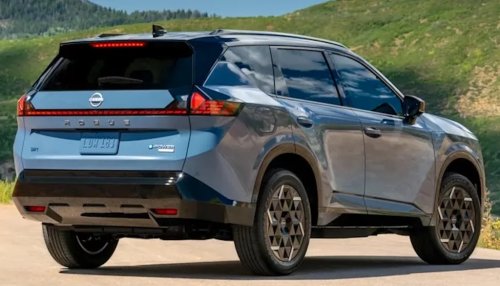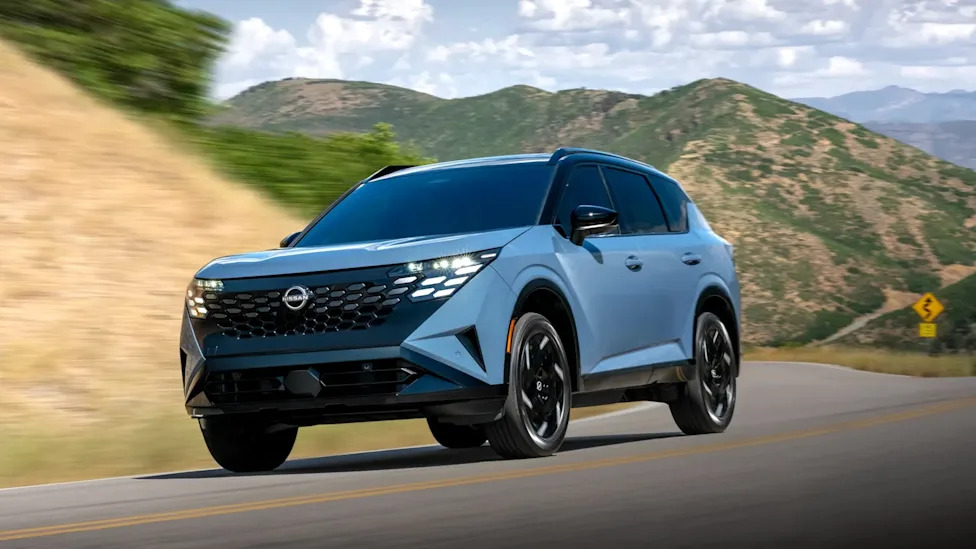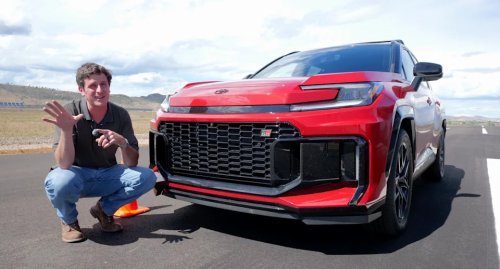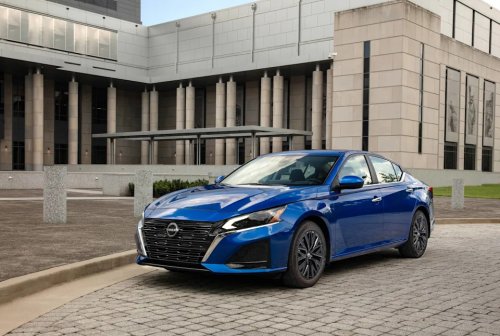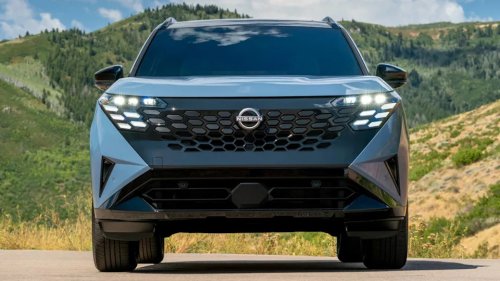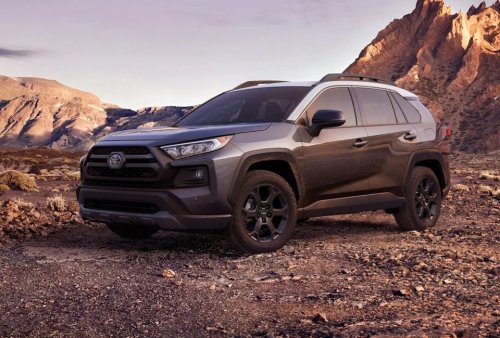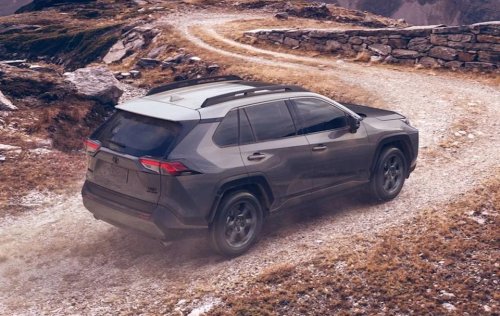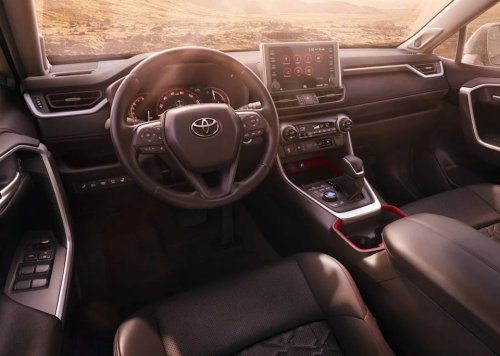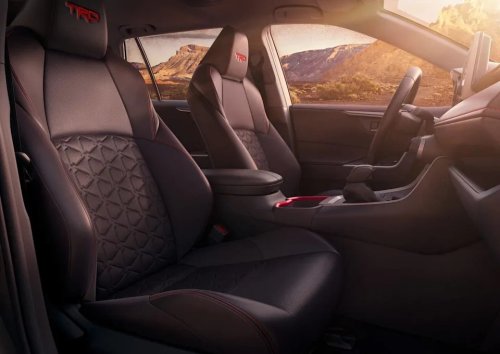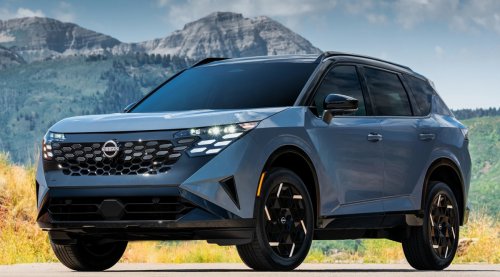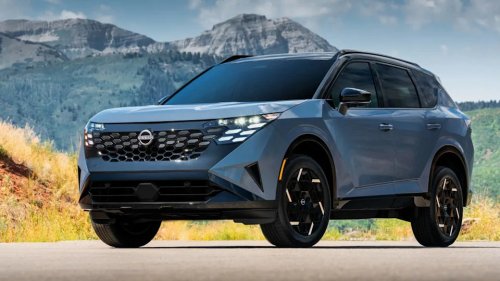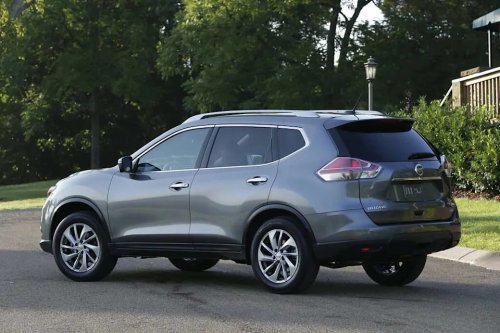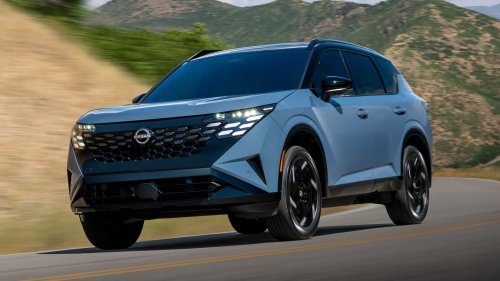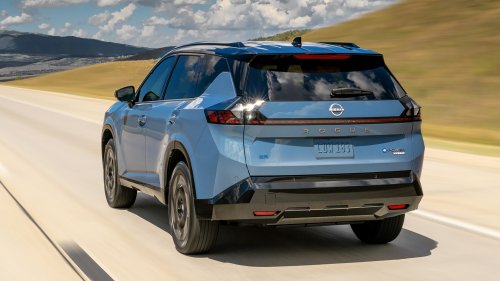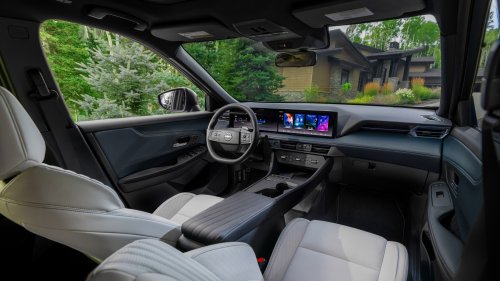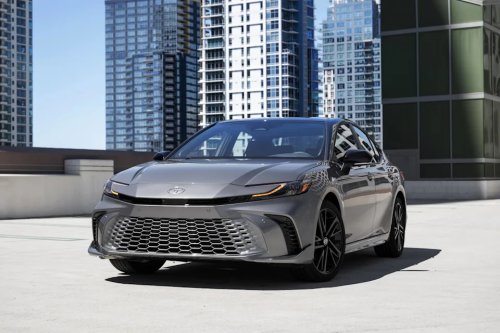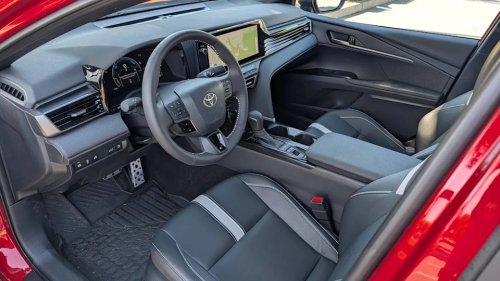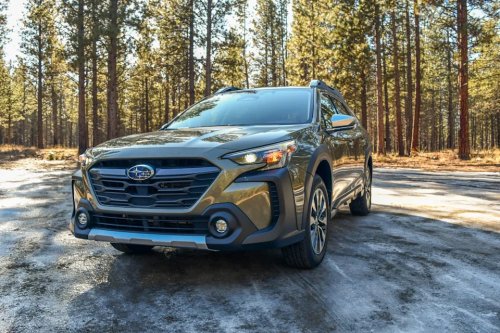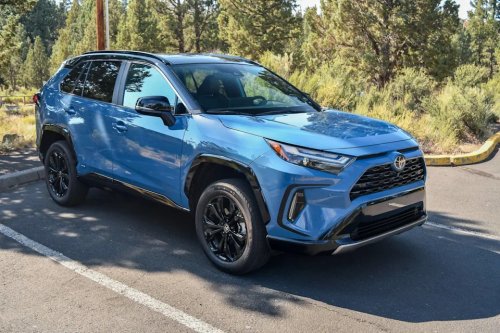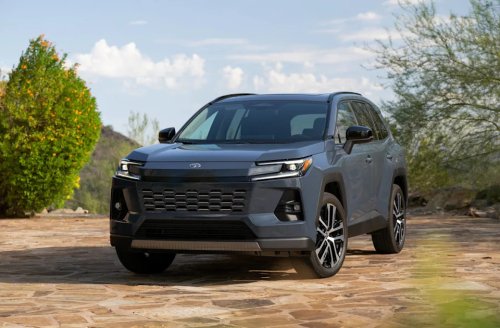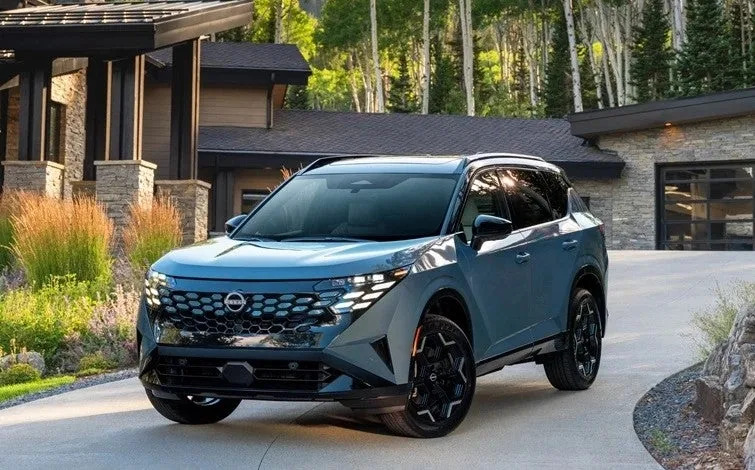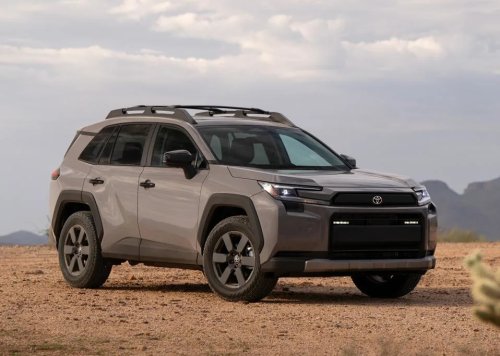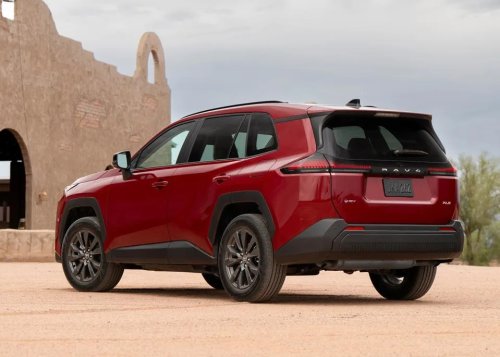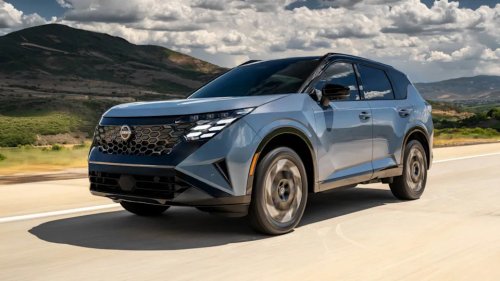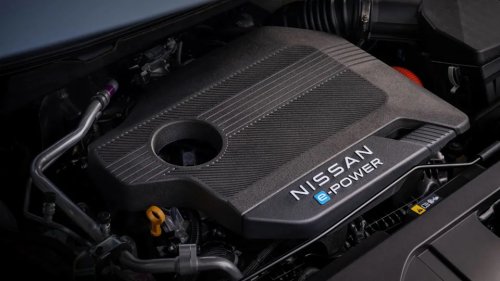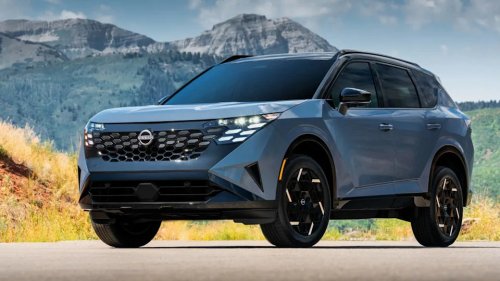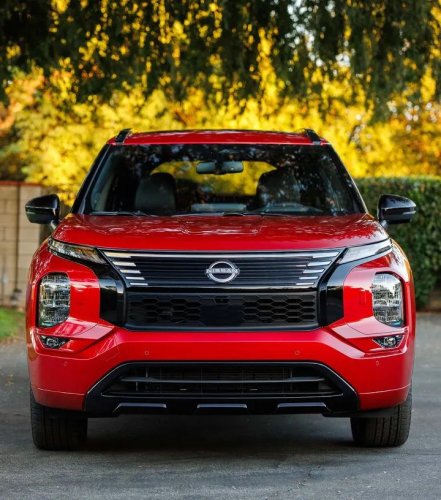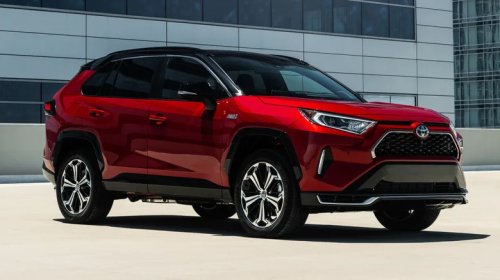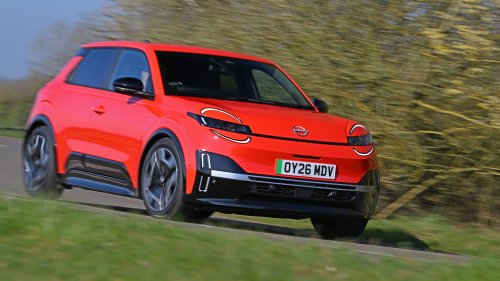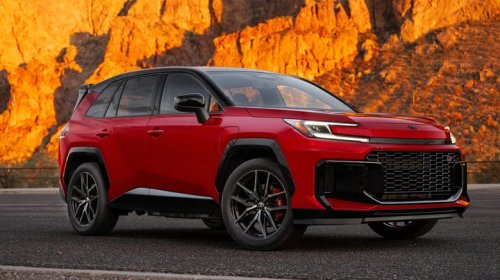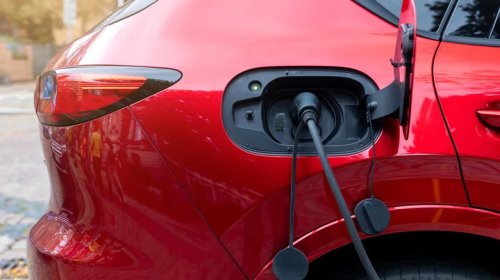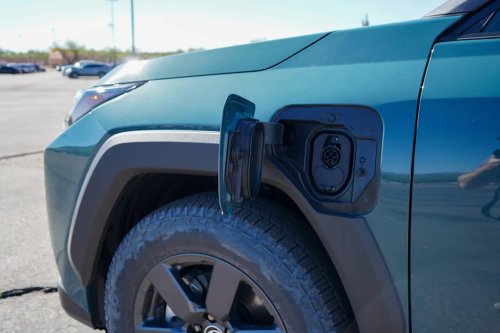
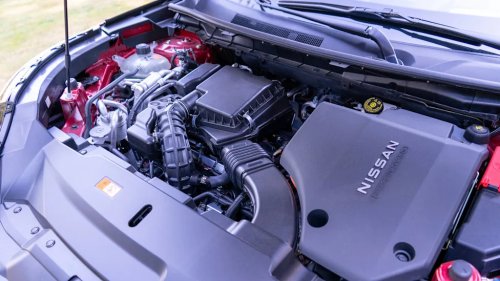
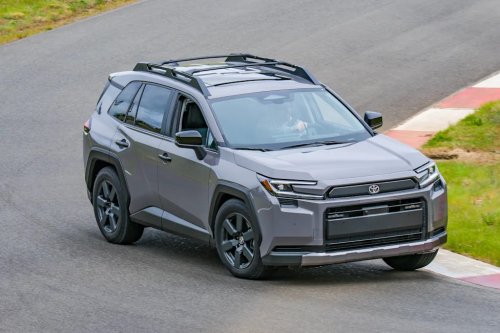
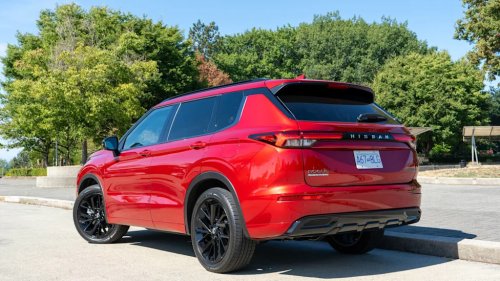
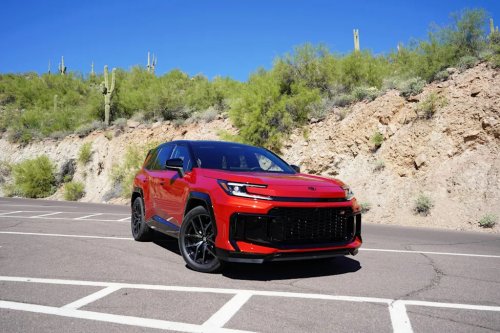
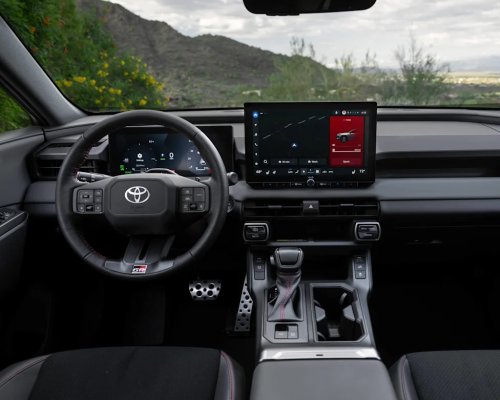
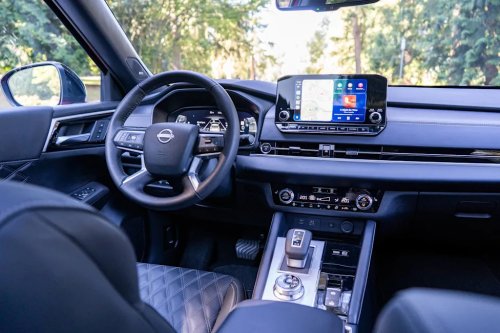
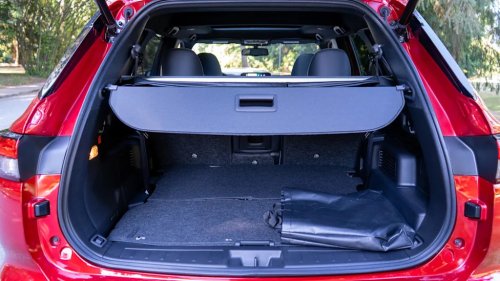
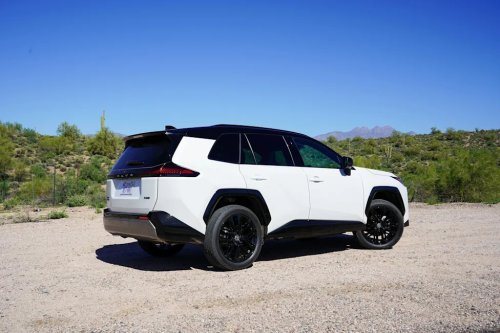
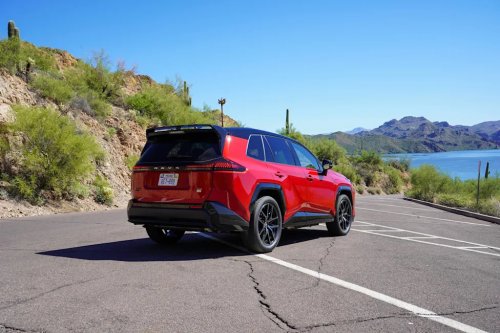



















Autoblog and Yahoo may earn commission from links in this article.Judging a family SUV entirely from a spreadsheet is a bit like choosing a restaurant by counting the number of ingredients on the menu. Eventually, you need to experience it to understand how it all works in practice. That's a fortunate fact of life for the 2026 Nissan Rogue Plug-In Hybrid, because its spreadsheet isn't especially flattering next to the all-new 2026 Toyota RAV4 Plug-In Hybrid.Toyota's least-expensive plug-in RAV4 starts thousands of dollars below the Nissan, makes 76 more horsepower, travels considerably farther on electricity, and earns a dramatically better EPA efficiency rating. Toyota will even sell you rugged Woodland and sporty GR Sport variants, while Nissan offers only two trim levels and a few different paint colors. So, in theory, this shouldn't be all that much of a comparison whatsoever.AdvertisementAdvertisementBut I've driven both SUVs—including multiple versions of the redesigned RAV4 and roughly 500 kilometers of everyday commuting in the Rogue around Vancouver—and the Nissan does still have an argument to make, even despite its nature as a rebadged, previous-generation Mitsubishi Outlander that only exists to fill the gap between the actual Rogue's model years. It's extraordinarily quiet, comfortable and easy to drive, and unlike the five-passenger Toyota, it squeezes a tiny third row into its compact footprint. So, is Toyota's class benchmark really as dominant as the numbers suggest, or does Nissan's unusually refined family crossover have enough personality beneath its borrowed Mitsubishi skin to fight back? Let's find out.2026 Toyota RAV4 Woodland PHEVCole AttishaRogue Plug-In Hybrid Vs. RAV4 Plug-In Hybrid: The NumbersSpecification2026 Nissan Rogue Plug-In Hybrid SL2026 Toyota RAV4 Plug-In Hybrid SEStarting MSRP$45,990$41,500System output248 hp324 hpEPA EV range38 miles54 milesCombined MPGe64 MPGe101 MPGeGas-only combined economy26 mpg40 mpgDrivetrainAWDAWDSeating75Max. cargo volume64.7 cu. ft.63.6 cu. ft.Towing capacity1,500 lbs.3,500 lbs.Center touchscreen9.0 in.10.5 in.Thinking about selling your car? Get an instant cash offer online now. Click here to get started.Nissan officially rates the Rogue at 248 horsepower, 38 miles of electric range, 64 M,PGe and 26 mpg once its battery is depleted. It starts at $45,990 before destination. Toyota's current EPA figures are considerably stronger. The base RAV4 PHEV SE starts at $41,500, produces 324 horsepower, offers an EPA-estimated 54 miles of electric range, and is rated at 101 MPGe. Even Toyota's least-efficient, performance-oriented GR Sport is rated at 86 MPGe—still substantially higher than the Nissan. Still, numbers only tell part of the story.2026 Nissan Rogue Plug-In Hybrid PlatinumCole AttishaPowertrain: The Toyota Is Faster, But The Nissan Is Exceptionally RefinedThe Rogue's 248 horsepower didn't bother me nearly as much in practice as it does in that table. Electric torque makes it responsive immediately off the line, and around Vancouver, I found highway merging, quick lane changes,s and overtaking slower traffic completely stress-free. Only when I kept my foot buried did the Nissan's relatively modest output become apparent. What impressed me more was how polished everything felt.The 2.4-liter gasoline engine joins the party quietly enough that I often don't notice when it switches on. Power delivery is smooth, predictable and completely undramatic—which is exactly what I want from a family PHEV. During my week, I averaged an indicated 4.5 L/100 km, or roughly 52 mpg U.S., despite experimenting with its battery Charge mode.2026 Toyota RAV4 Woodland(C) 2025 Doug Berger | DBPicsToyota's system, though, has considerably more muscle. Its 324-hp 2.5-liter plug-in hybrid powertrain delivers genuinely enthusiastic acceleration—so much so that the GR Sport uses the same powertrain without modification—and Toyota claims the RAV4 PHEV can hit 60 mph in as little as 5.4 seconds. When I drove the system in the regular RAV4 lineup, its acceleration felt substantially more energetic than you'd expect from America's most sensible family crossover. And I've experienced its more extreme personalities, too.AdvertisementAdvertisementThe RAV4 Woodland PHEV uses the same 324-hp system while adding all-terrain tires and off-road hardware, yet still delivers plenty of on- and off-road power when I drove it. The GR Sport then pairs that drivetrain with GR-specific steering, suspension, cross-bracing, and summer tires. I found that version genuinely entertaining through the corners—not quite GR Corolla-entertaining, but enough to make me forget I was hustling a RAV4. That's a breadth of capability Nissan simply doesn't offer here.Shopping for a new car? Click here to get a great deal on your next vehicle. Powered by Carvana, no haggle pricing, 100% online.2026 Nissan Rogue Plug-In Hybrid PlatinumCole AttishaRange, MPGe, and Charging: Toyota Runs Away With ItHere, the comparison gets much more difficult for Nissan. The Rogue provides an EPA-estimated electric range of 38 miles, whereas Toyota's base RAV4 SE gets 54 miles. Sixteen extra miles might not sound transformational until you consider how PHEVs are actually used. That's roughly a 42% increase in EV range, potentially turning a commute that regularly wakes the Nissan's gasoline engine into one the Toyota can complete entirely on electric power. Efficiency widens the gulf even further.While the Rogue is rated at 64 MPGe, the RAV4 SE manages 101 MPGe, the XSE 96 MPGe, the Woodland 94 MPGe, and even the wide-tired GR Sport 86 MPGe. Toyota's SE is also rated at 40 mpg combined after its usable EV charge is depleted, versus just 26 mpg for the Nissan. Then there's the charging factor: The one time I connected the Rogue to a Level 2 charger, I left it there for several hours and returned to find it still wasn't full. Nissan officially quotes 7.5 hours at 240 volts, and that experience discouraged me enough that I didn't plug it in again during my week, instead using the integrated "Charge" drive mode, which still didn't charge very quickly.Toyota offers quicker AC charging hardware on the RAV4, while XSE and Woodland PHEVs also gain CCS1 DC fast-charging capability. Toyota says those two trims can use an 11-kW onboard AC charger, while DC charging adds flexibilithat ty the Rogue simply doesn't possess. A plug-in hybrid lives or dies by whether owners actually bother to plug it in, and Toyota makes it infinitely easier.2026 Toyota RAV4 PHEV GR SportCole AttishaDriving: Comfort Or Character?This is perhaps where the two SUVs come closest to each other. The Rogue's steering is feather-light and vague, even after switching into Tarmac mode, but its chassis is better than that description implies. Body control is excellent, and the suspension is pillowy without becoming sloppy. More importantly, the cabin is exceptionally isolated. Around town and on highways, the Nissan has the sort of effortless refinement that encourages you to stop thinking about driving entirely. For someone spending hours commuting every day, that's not necessarily a bad thing.AdvertisementAdvertisementThe regular RAV4 is still comfortable, but it feels a little more alert. Toyota's new PHEV powertrain responds more energetically, while the chassis gives the driver a stronger sense of what's happening beneath the tires. More importantly, Toyota actually lets buyers choose how far they want to push that character. The Woodland sacrifices a small amount of ride softness and road-noise suppression for its all-terrain tires and 8.5 inches of ground clearance. The GR Sport moves in the opposite direction with heavier steering, lowered suspension, and performance-oriented tuning. If serenity is your priority, I actually prefer the Rogue, but if you're asking which SUV offers the better overall driving experience, Toyota's stronger powertrain and broader dynamic range undeniably win out.2026 Toyota RAV4 PHEV GR SportToyota USAInterior And Technology: One Feels A Generation NewerI like sitting in the Rogue much more than I like looking at its dashboard. The seats are excellent, and outward visibility is fantastic. My Platinum tester had heated rear seats, window shades, a panoramic moonroof, and diamond-stitched leather. The cabin is also impressively quiet. But the Rogue's Mitsubishi-derived interior shows its age. Its 9-inch touchscreen would have been perfectly respectable a few years ago; at nearly $50,000 in 2026, it looks far too small, and the software it runs is far too dated. Some buttons and plastic parts feel similarly aged, and the overwhelmingly black cabin of my Platinum never looked quite as expensive as it does.2026 Nissan Rogue Plug-In Hybrid PlatinumCole AttishaThe RAV4, on the other hand, is legitimately all-new for its 2026 model year. Even the base PHEV gets a 10.5-inch touchscreen and 12.3-inch digital gauge cluster, while XSE moves to Toyota's excellent 12.9-inch interface. I've found Toyota's new multimedia software quick, reliable, and refreshingly uncomplicated. The redesigned Toyota interior also looks more contemporary, with a pleasantly utilitarian quality and more trim-specific personality. Woodland models add colorful accents, while the GR Sport gets suede-like materials, red stitching, and sportier detailing. The Nissan is still a wonderfully comfortable place to spend time, but the Toyota's cabin feels like a fresher, more cohesive environment.2026 Nissan Rogue Plug-In Hybrid PlatinumCole AttishaPracticality: Nissan Finally Lands A PunchThe RAV4's rear seats fold down to provide roughly 63.6 cubic feet of maximum PHEV cargo volume, with about 33.6 cubic feet behind the second row. That's a useful, conventional compact-SUV cargo hold. The Rogue provides 30.8 cubic feet behind its second row and 64.7 cubic feet with that row folded down, so the maximum capacity is remarkably similar, with the Rogue just slightly edging out the RAV4. But then Nissan asks a question the RAV4 can't respond to: What if you suddenly need two more seats?PracticalityRogue Plug-In HybridRAV4 Plug-In HybridSeating75Cargo behind second row30.8 cu. ft.33.6 cu. ft.Maximum cargo64.7 cu. ft.63.6 cu. ft.Towing1,500 lbs.Up to 3,500 lbs.The Rogue's third row is tiny. With just 19.1 inches of legroom, I wouldn't sentence an adult to it for anything beyond a short drive, but that's missing its purpose. If your kid wants to bring a friend home from school, or you suddenly have several children to deliver to soccer practice, those seats can save you from taking another vehicle. Most of the time, though, you can simply fold them down and forget they're there.AdvertisementAdvertisementToyota counters with substantially greater towing capability: SE, XSE and Woodland PHEVs can tow up to 3,500 pounds, versus 1,500 for Nissan. So, if occasional passenger flexibility and maximum cargo capacity are more important to you, the Nissan has the upper hand, but for seats-up cargo and towing versatility, Toyota does.2026 Toyota RAV4 XSECole AttishaValue: This Is Hard To Explain Away$41,500. That's what Toyota charges for a RAV4 PHEV SE before destination. Nissan, on the other hand, wants $45,990 for the least expensive Rogue Plug-In Hybrid SL. And the problem continues through the trim ladders:2026 PHEV TrimStarting MSRPToyota RAV4 SE$41,500Toyota RAV4 Woodland$45,300Nissan Rogue SL$45,990Toyota RAV4 XSE$47,200Toyota RAV4 GR Sport$48,500Nissan Rogue Platinum$49,990Think about the middle of that table. For $690 less than a base Rogue SL, Toyota will sell you a Woodland PHEV with 324 horsepower, all-terrain tires, raised roof rails, Rigid Industries fog lights, 8.5 inches of ground clearance, and available DC fast charging. Or spend $1,210 more than the Rogue SL and get an XSE with a 12.9-inch touchscreen, heated and ventilated front seats, and the same 324-hp powertrain. Even the $48,500 GR Sport costs $1,490 less than a Rogue Platinum before destination.Toyota's standard warranty isn't dramatically stronger—both offer conventional 3-year/36,000-mile basic and 5-year/60,000-mile powertrain coverage—but Toyota covers its hybrid battery for 10 years/150,000 miles and includes two years/25,000 miles of ToyotaCare maintenance. Nissan covers the Rogue PHEV battery for eight years/100,000 miles. Nissan has one genuine value argument: seven seats, and for a very particular family that occasionally needs those extra perches, that may matter more than horsepower or MPGe. For everyone else, though, it's pretty obvious where the best value proposition lies.2026 Toyota RAV4 PHEV GR SportCole AttishaVerdict: The Rogue Is Good—The RAV4 Is Just A Way Better DealThis comparison became more frustrating the longer I worked through it, because I actually still like the Rogue Plug-In Hybrid. It's one of those vehicles whose spec sheet undersells how pleasant it is to live with. It's serene in traffic, comfortable over bad pavement, effortless to drive, and just practical enough to solve family problems that most compact PHEVs can't. If the Rogue were substantially cheaper than the Toyota, I'd have an easy argument for it: sacrifice some range, power, and technology, pocket several thousand dollars, and enjoy the extra seats. Instead, Nissan's packaging and pricing raise more questions than they answer.AdvertisementAdvertisementToyota asks for less for more horsepower, substantially more EV range, dramatically higher MPGe, better gas-only economy, and newer technology. It offers faster-charging hardware, up to 3,500 pounds of towing capacity, and four distinct personalities, ranging from the sensible SE to the rugged Woodland and the genuinely entertaining GR Sport. The Rogue's third row and cushier demeanor perhaps prevent this from being a total knockout, but they aren't enough to change my decision. Having driven both, I'd buy the 2026 Toyota RAV4 Plug-In Hybrid without question. The Rogue is still a solid family SUV, but the RAV4 simply makes you wonder why you'd pay more to settle for less.Autoblog aims to feature only the best products and services. If you buy something via one of our links, we may earn a commission.This story was originally published by Autoblog on Aug 27, 2026, where it first appeared in the Reviews section. Add Autoblog as a Preferred Source by clicking here.