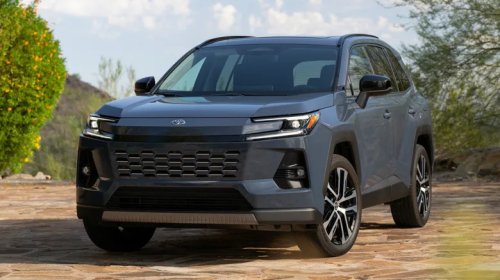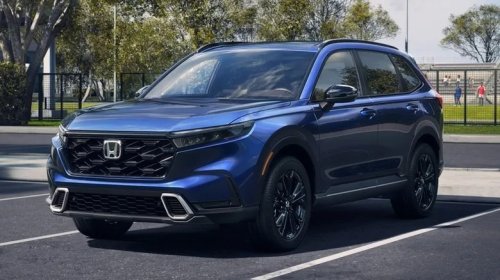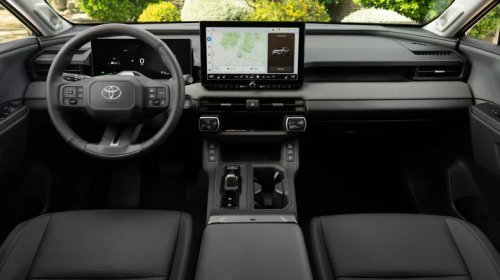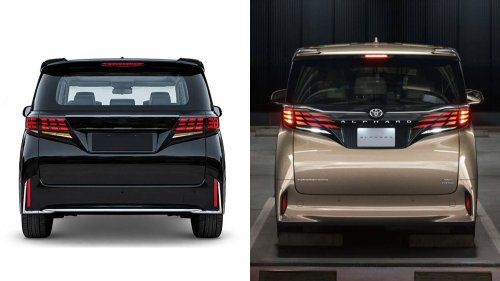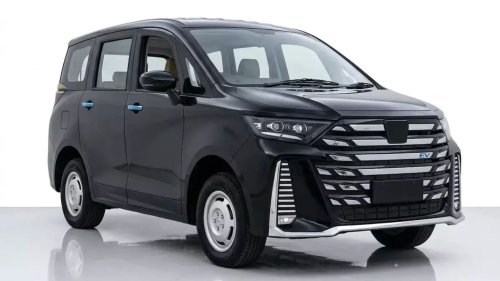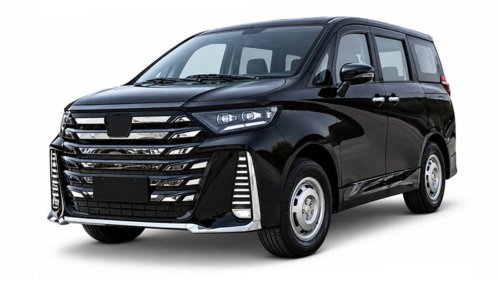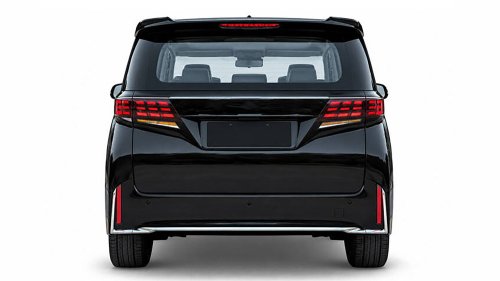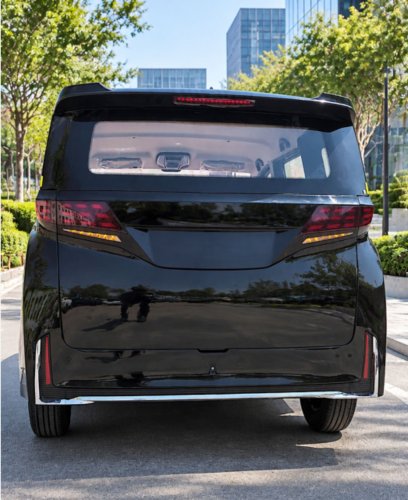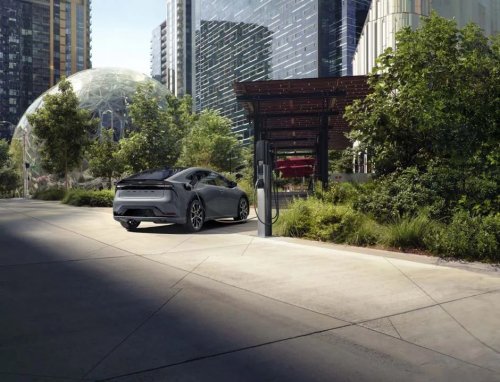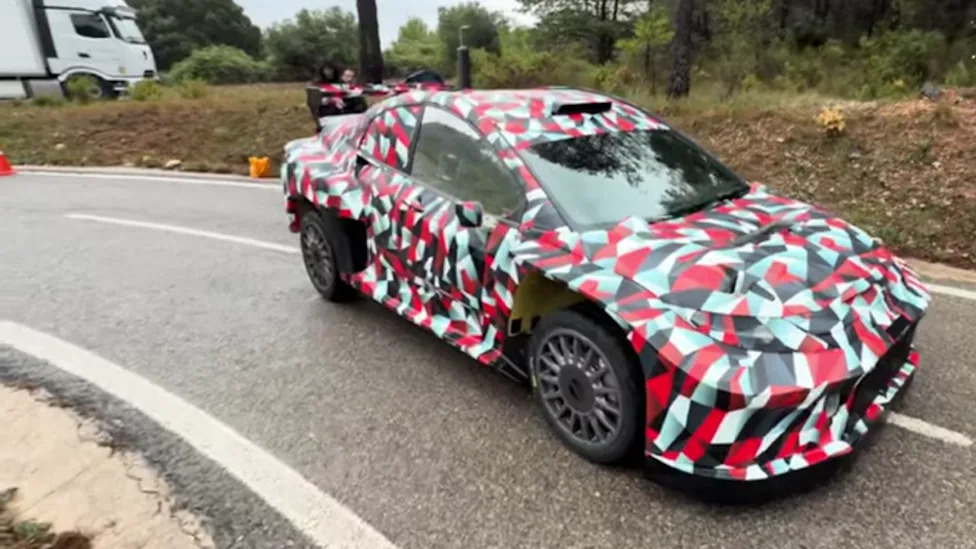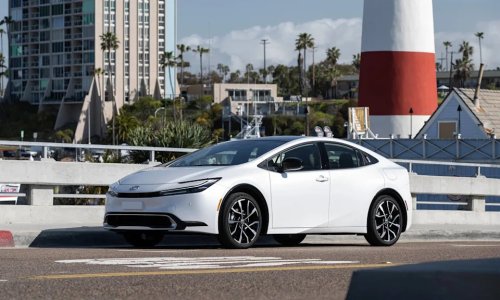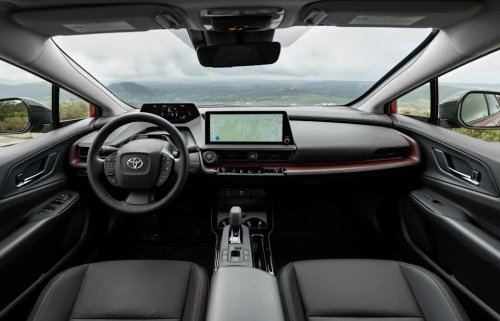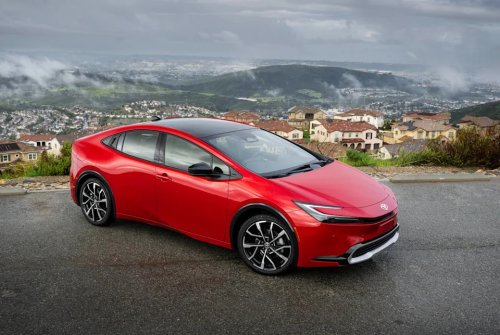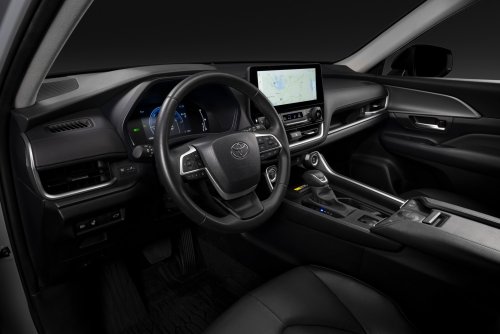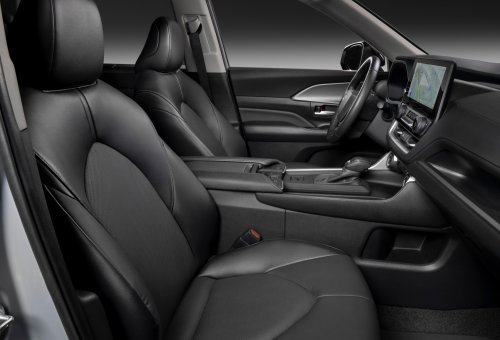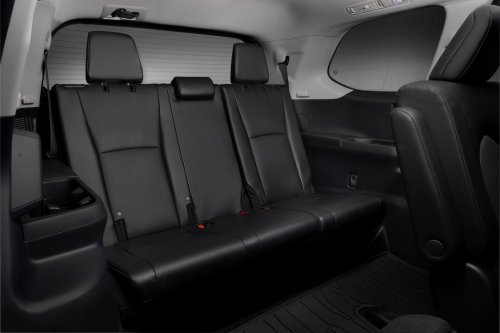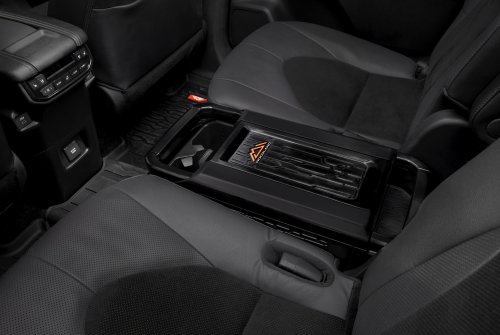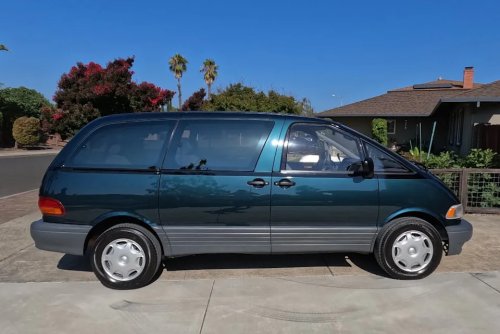
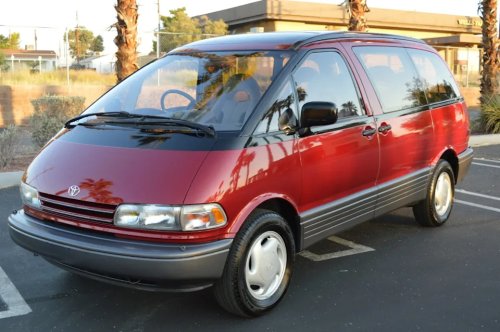
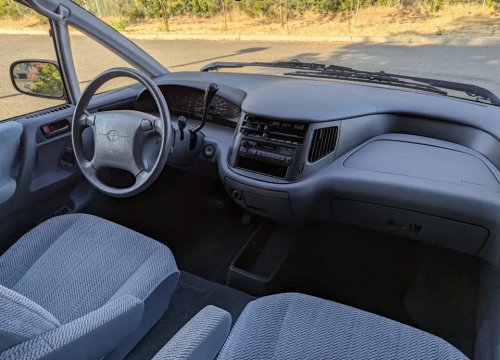
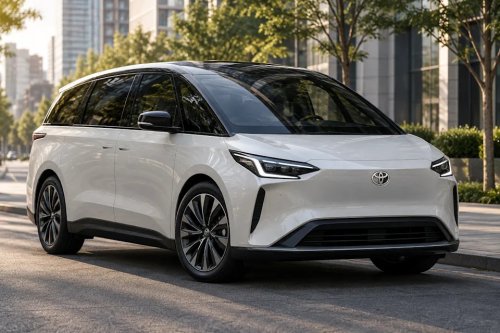
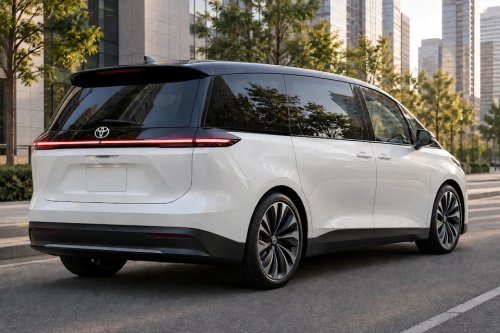
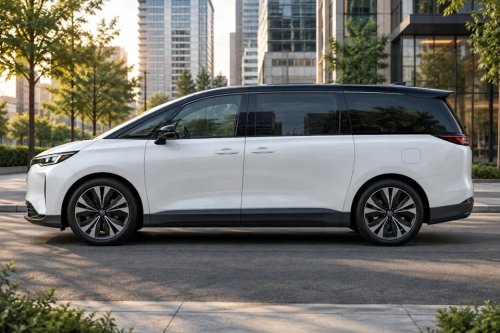
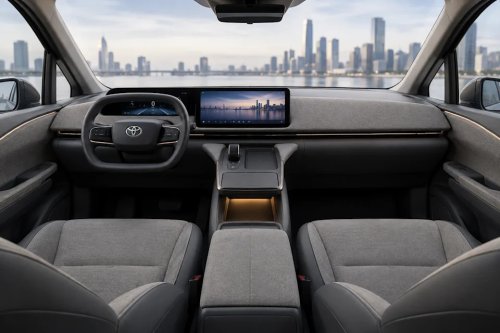



















Not many of you will remember the pill-shaped Toyota minivan from the '90s. Although it was short-lived and quickly replaced by the Sienna, the Previa was truly unique in its design. Japanese automotive reports suggest Toyota is considering a modern successor to the Previa, known as the Estima in Japan.Bring A TrailerThe revived minivan could offer plug-in-hybrid and battery-electric powertrains on Toyota's TNGA-K platform, replacing the original model's distinctive mid-engine, rear-wheel-drive layout with a more conventional front-engine architecture.thetruthaboutcars+1Toyota has registered the Estima name in several markets, including the United States, but trademark activity doesn't confirm that a production model is coming. The automaker hasn't confirmed a North American launch, where the Sienna is its only minivan. Still, the reported formula makes sense: a sleek, more electrified people mover positioned above or alongside the conventional hybrid-only Toyota Sienna. If it happens, the new Previa could revive the original's unique design spirit without repeating its unique mechanical layout.The Original Previa in AmericaBring A TrailerThe first-generation Toyota Previa arrived in the U.S. for the 1990 model year and immediately stood apart from boxier domestic rivals. Its smooth, cab-forward profile earned it the "egg" nickname, while its engineering was even more unusual. Rather than mounting its engine in the front, Toyota positioned a 2.4-liter four-cylinder under the front seats, creating a mid-engine minivan with rear-wheel drive or available all-wheel drive.https://bringatrailer.com/listing/1996-toyota-previa-2/The Previa's rather unconventional packaging, high price, and limited power hurt its prospects in a minivan market dominated by Chrysler's more traditional and roomier vans. It never sold in huge numbers, but it was deemed successful for a niche minivan. Toyota later added a supercharger, but it could not reverse the sales slide. U.S. sales peaked at roughly 52,000 units in 1991 before declining, and Toyota discontinued the Previa here after the 1997 model year. It remained available in other markets for much longer, eventually ending production in 2019.Yet the Previa developed a loyal following. It was compact by current minivan standards, but its tall cabin, expansive glass area, and unconventional proportions gave it a uniquely airy feel. That combination of practical packaging and visual character is exactly what Toyota would need to recapture with a modern successor. A new Previa cannot simply be another three-row crossover with sliding doors; it needs a clear reason to exist beside the Sienna.What the New Previa Could BeAmos Kwon using Perplexity AIEarly reports describe the revived Previa as a global model with room for seven passengers and a choice of plug-in-hybrid and full-electric powertrains. The styling is expected to lean into the original Previa's streamlined shape, potentially with inspiration from Toyota's 2017 Fine-Comfort Ride concept—a futuristic, low-slung hydrogen-powered people mover with a large, flexible cabin.Amos Kwon using Perplexity AIThe Previa would likely not replace the Sienna. Instead, it could serve as Toyota's more progressive family hauler: more style-conscious, more aerodynamic, and available with charging capability. The Sienna, meanwhile, would remain Toyota's traditional hybrid minivan. That distinction would give Toyota a practical two-model strategy, serving mainstream buyers with the Sienna while giving EV-curious families a more technologically ambitious alternative.While many manufacturers have shifted attention toward SUVs, minivans retain important advantages for family use: sliding doors are easier to operate in tight parking spaces, entry height is lower for children and older passengers, and the body style generally provides more usable interior volume than a similarly sized crossover. A well-executed Previa could use those strengths while offering a more modern design than the segment traditionally delivers.Platform and PowertrainsAmos Kwon using Perplexity AIReports suggest Toyota could use its flexible TNGA-K architecture, rather than the dedicated e-TNGA EV platform used by the bZ4X. TNGA-K already underpins the Sienna, Camry, Crown, and RAV4, and it could allow Toyota to sell both plug-in-hybrid and EV versions of the Previa from the same basic vehicle program. It would likely cost more than the Sienna but would have to come in significantly less than the unsuccessful and very expensive Volkswagen ID.Buzz, whose return has been pushed out to mid-2027.Amos Kwon using Perplexity AIThe plug-in hybrid may draw from Toyota's existing technology. One possibility is a version of the Prius Prime's 220-horsepower system, though its 13.6-kWh battery may be too small for a larger three-row minivan. A setup closer to the RAV4 Plug-in Hybrid—with its 18.1-kWh battery—would be more plausible if Toyota wants useful electric-only range for school runs, local errands, and short commutes.A battery-electric Previa could borrow hardware from the bZ4X, including its 71.4-kWh battery. But a larger, heavier seven-passenger minivan would likely need more capacity to deliver competitive driving range. The vehicle's expected aerodynamically slippery body would aid efficiency, especially compared with a taller, squarer three-row SUV.Final ThoughtsThe biggest unknown is whether the Previa will reach America, even if Toyota builds it for international markets. Toyota already has the successful Sienna for our shores, and minivan demand is significantly less than the three-row SUV market. Still, a sleek plug-in minivan could appeal to families who want sliding-door practicality but also expect electric capability. For now, a new Previa remains a possibility but far from a confirmed model. If it arrives as described, it could bring back one of Toyota's most memorable nameplates—and restore some fresh imagination to the minivan market.