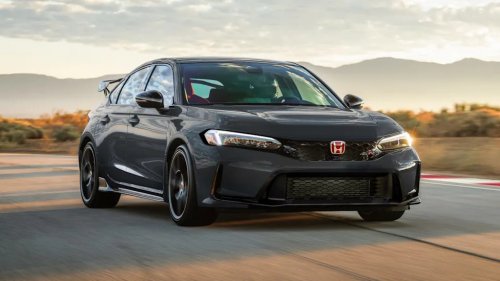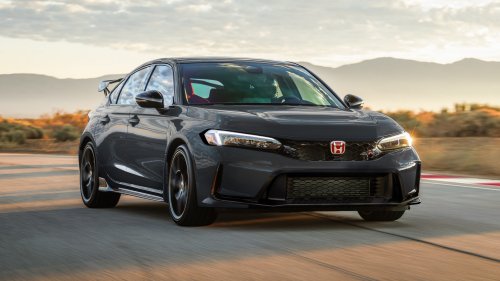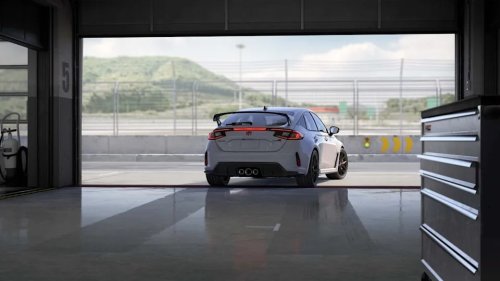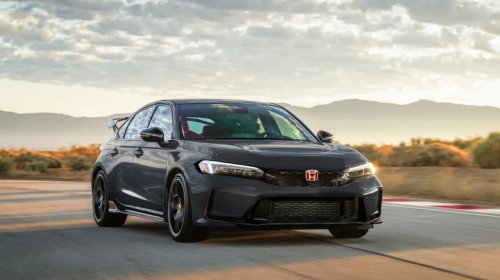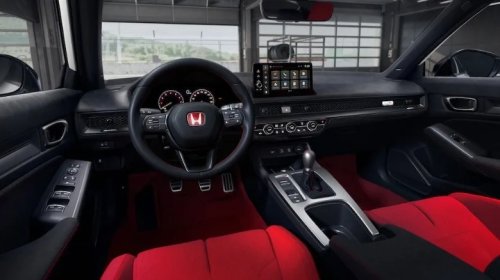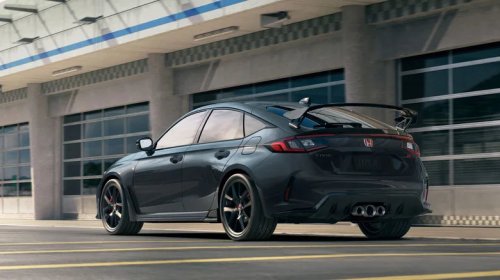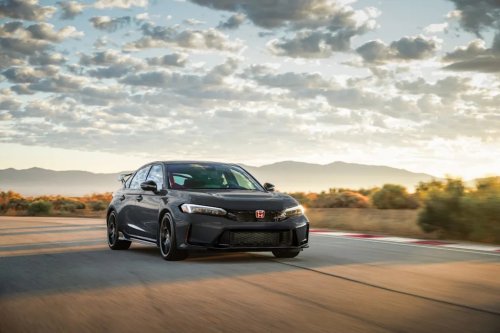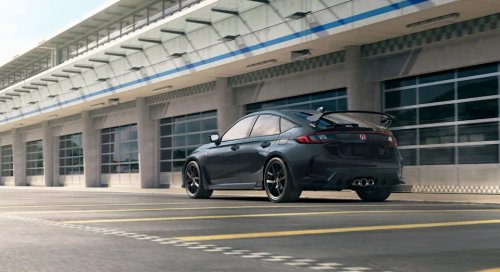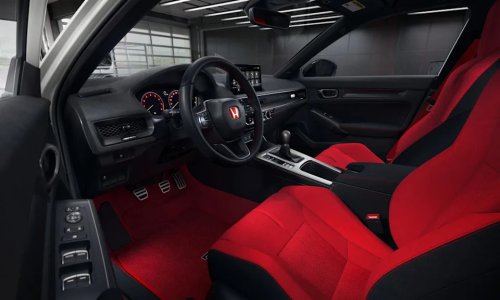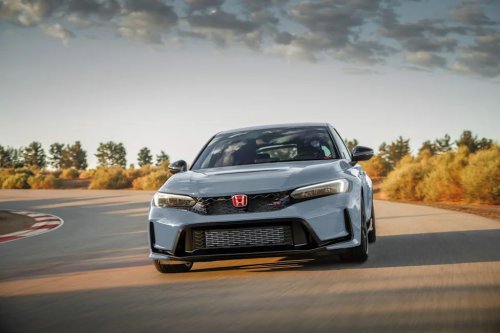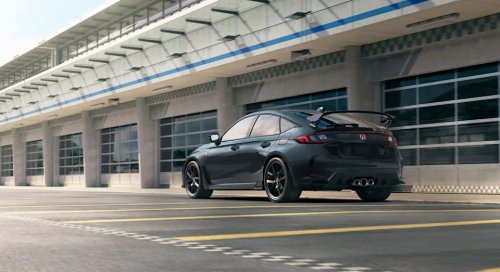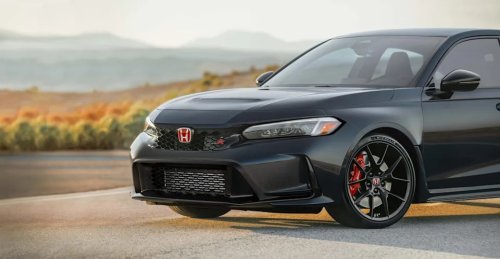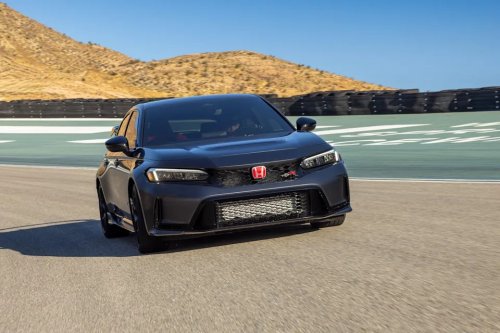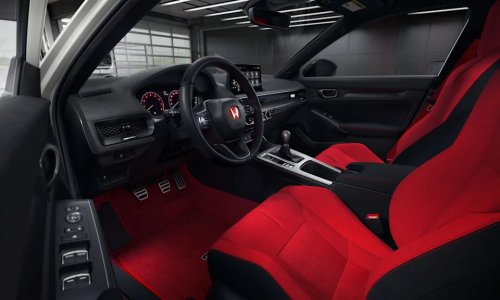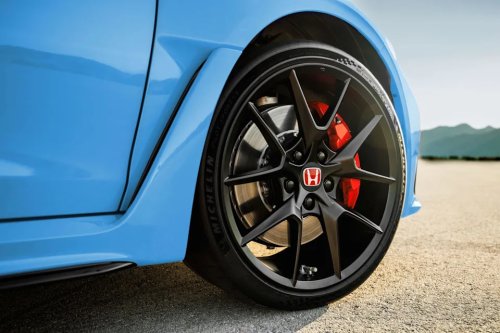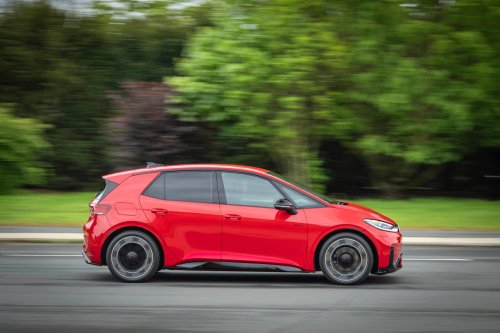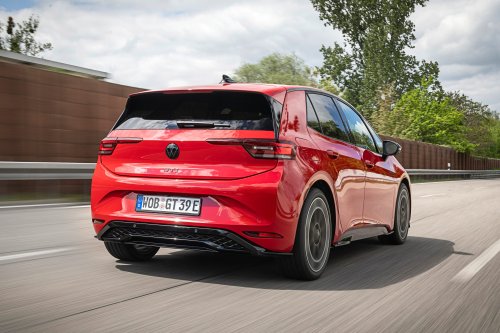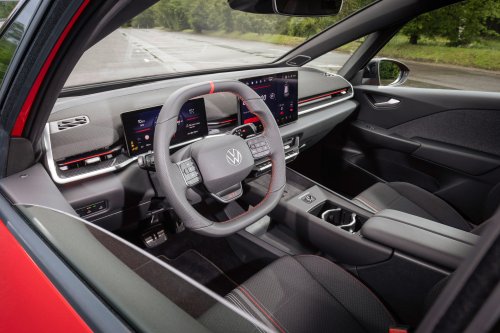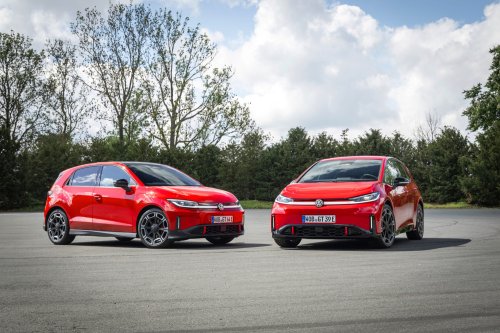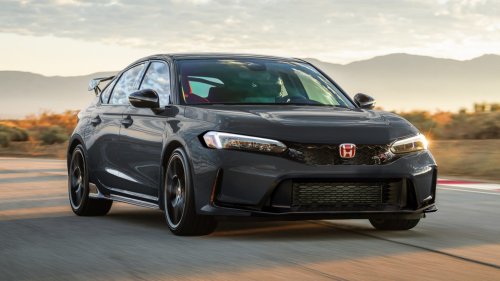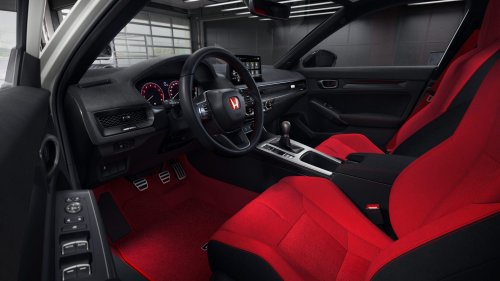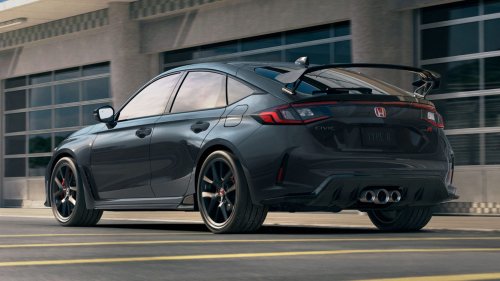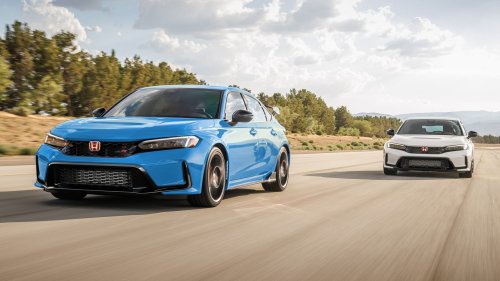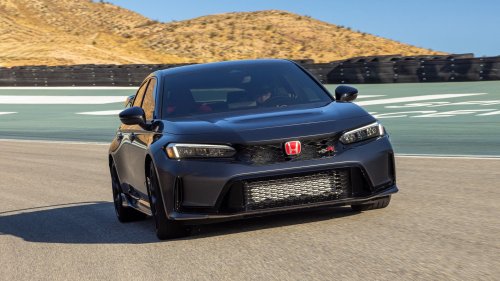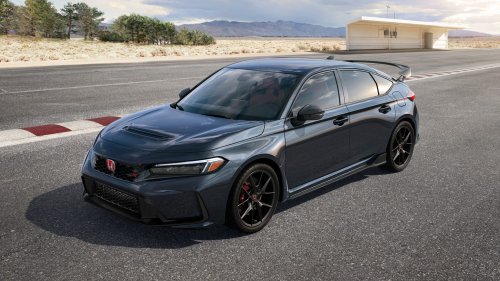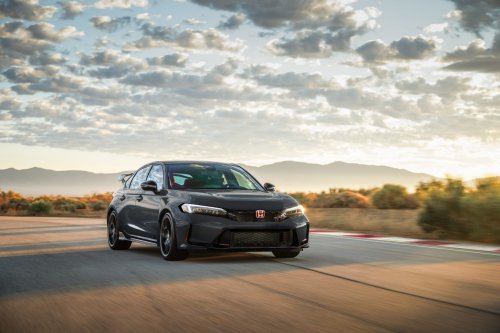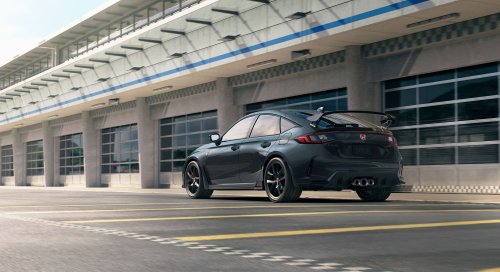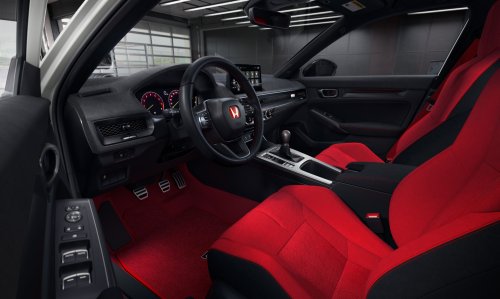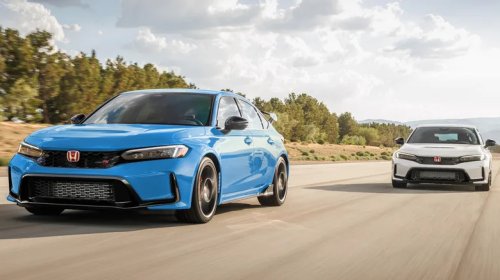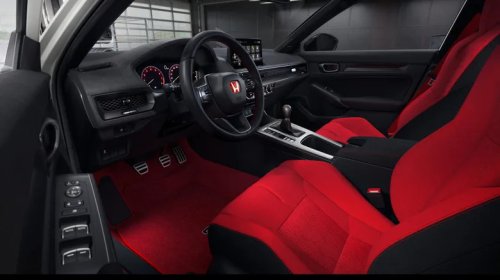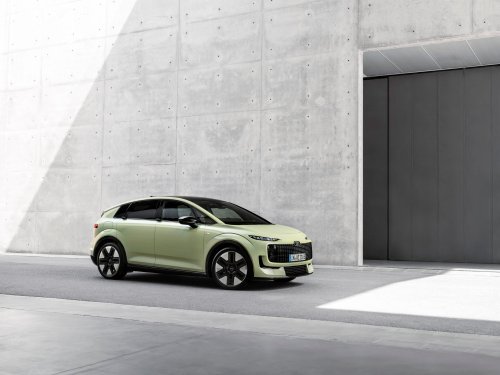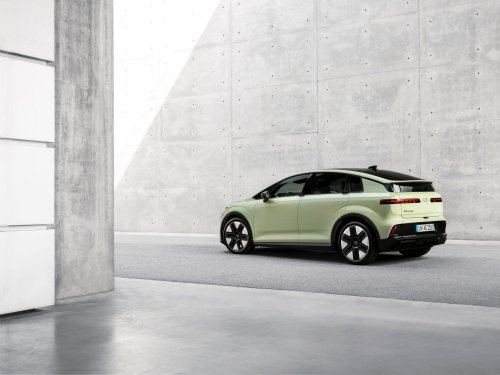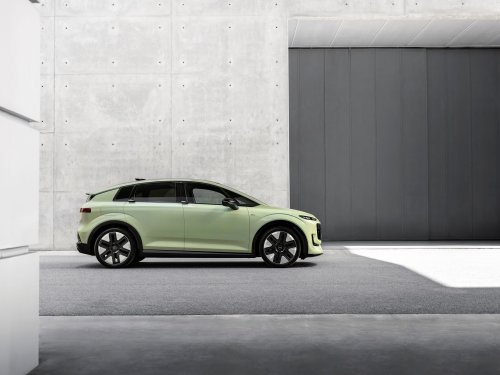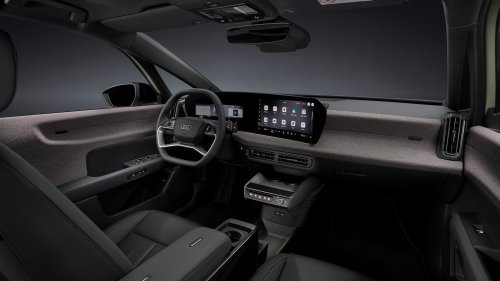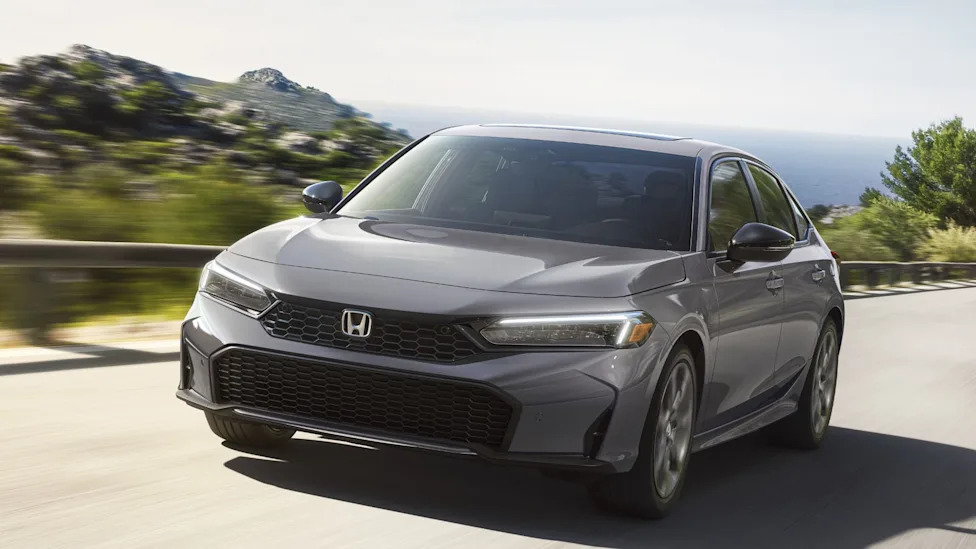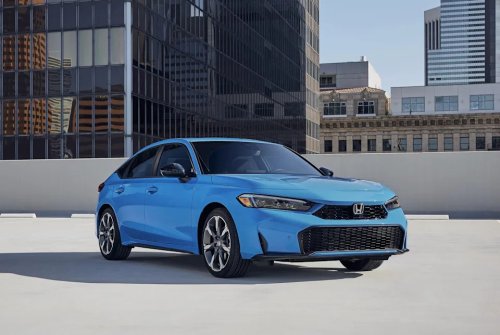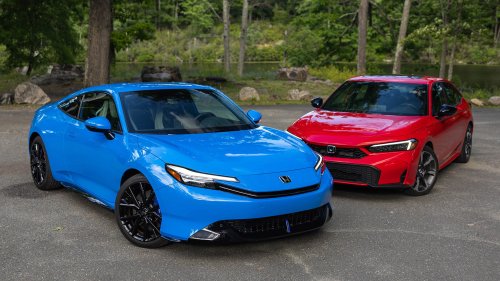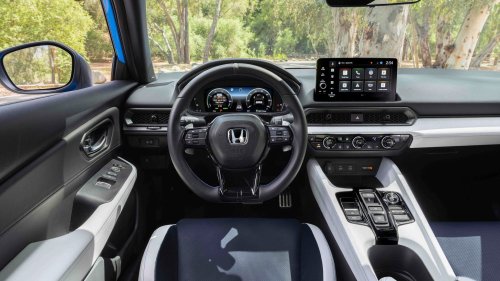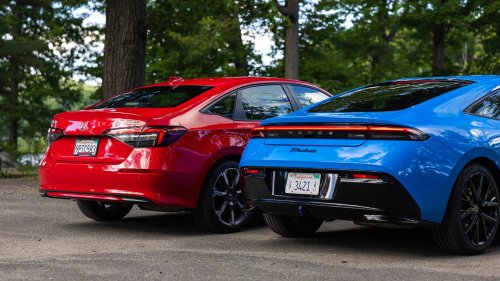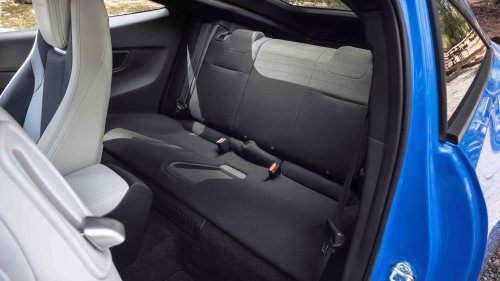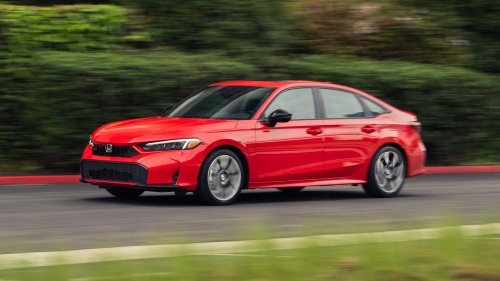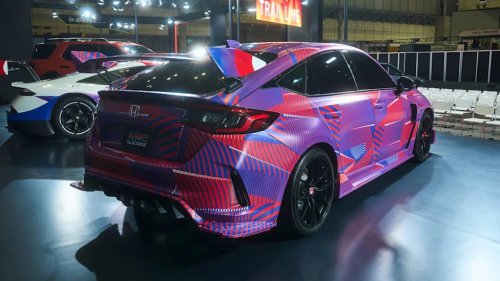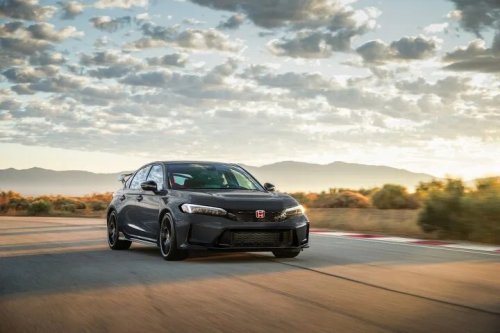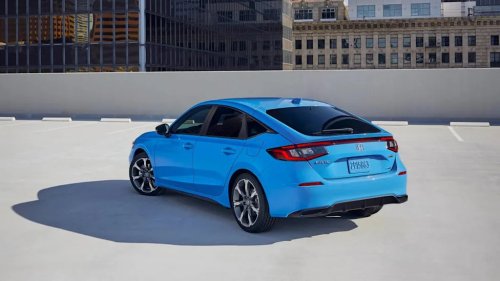
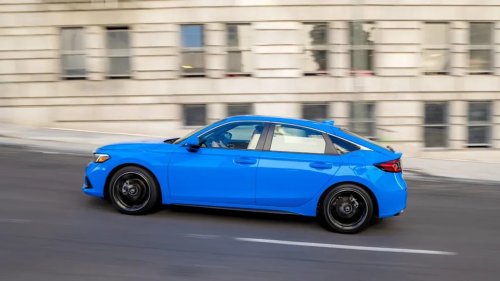
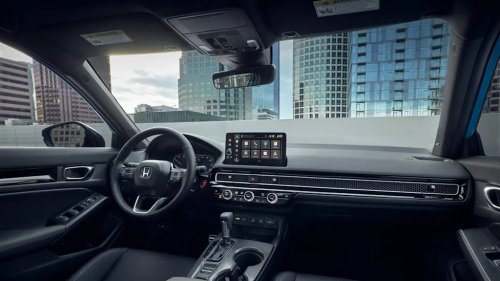
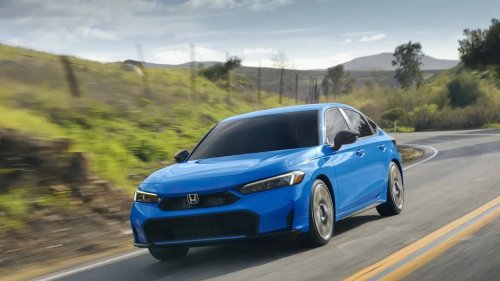
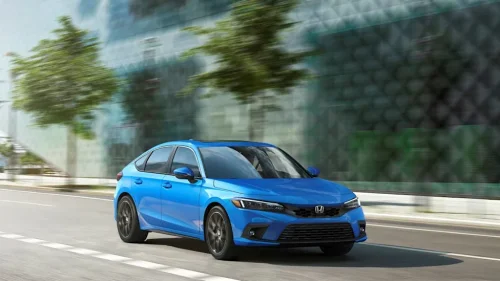
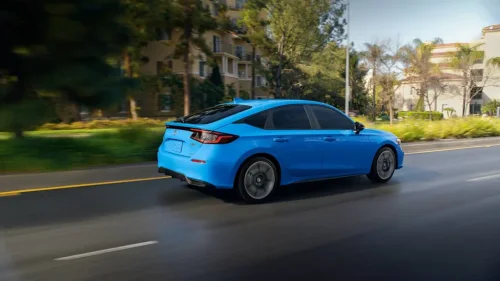



















Autoblog and Yahoo may earn commission from links in this article.Growing up in the San Francisco Bay Area, seeing hybrids on every major freeway was the norm. Everyone outside of San Francisco commutes to San Francisco or San Jose, and with commute traffic being some of the roughest in the nation, our state's gas prices being some of the highest in the country, and smog requirements being so suffocating, a hybrid just makes sense for a lot of folks. My parents were always truck and 4x4 people, so we've never owned one, because we couldn't afford one (I think a lot of hybrids weren't powerful enough for my mom or manly enough for my dad). HondaSo, when I saved up enough and bought a 2011 Subaru Forester before I left for college instead of a hybrid, it made sense to my outdoorsy parents. Fast forward to 2026, with the cost of regular being above $6 per gallon and my 'ol Subie getting maybe 18 mpg combined, I'm definitely feeling the squeeze. Like my parents, I couldn't afford a hybrid that could fit my family without feeling like I was compromising on something. Until I discovered the Honda Civic Hybrid. Now, when I get a Big Girl Job, I plan on buying one, even after driving several others. Here's why. AdvertisementAdvertisementRelated: Road Ethos Launches: The New Automotive Lifestyle Site You Should ReadThe Honda Civic isn't as small as it used to beThis is what's most shocking to me: compared to the Honda Civics I grew up around, today's Honda Civic feels huge. For the sake of comparison, I spent a lot of time around Honda Civics from 1996. My first car was a 1999 Toyota Corolla, which was similar in size. But the new Honda Civic is 10 inches longer, 4 inches wider, and 1-2 inches taller than a Civic from 1996. Because it's much bigger and even larger than the Accords of yesterday, there's more space than people assume. There's 37.4 inches of legroom in the rear. The trunk is 24 cubic feet (for the hatchback, for the sedan it's 14.8), with an additional 11 cubic feet of passenger volume.HondaIn fact, when compared to my 2011 Subaru Forester, which, for my two kids, is the perfect size for my family and me, it's very similar. My Subaru has 38.0 inches of legroom, so there's a barely noticeable difference of -0.6 inches. There's that same difference in rear headroom. My Forester obviously has about 6 more inches of cargo space in the rear, but… I did fit a very large 12-inch subwoofer back there, so if anything, my Forester has less room. Numerically, it's very similar to what I'm working with now, and that's more than enough for my family. I bring this up because many people like to argue that, for kids, the Civic is too small. And I'm here to say it's definitely not, especially if you get the hatchback—which is what I'm shopping for.Second, the price, even at the top of the ladder, is incredibly reasonableThere's a reason my husband and I have bought nothing but used cars for all 12 years we've been together: new cars are just too damn expensive. And I'm not talking about just the MSRP. I'm also factoring in the average cost to insure and registration costs. When I look at how much a car costs, I also take in what the car offers at said price. And, my consensus is this: today's "cheap" cars feel like a huge compromise. There tends to be a severe lack of safety and convenience features, the interior looks and feels like it was built for a Barbie house, and driving it feels like we're back in the early 2000s or late 1990s. They're just not worth the "low" price. HondaHonda, like it's been doing in the states for decades now, challenges that idea. The Honda Civic hybrid starts at $29,395 ($30,595 for the hatchback). And with that, you get fun, attractive black cloth seats, Android Auto and Apple CarPlay, a moon roof, heated seats, and Google built-in. You also get a decent factory sound system, a leather-wrapped steering wheel, remote engine start, and Honda's Collision Mitigation Braking System, Road Departure Mitigation System, and adaptive cruise control with low-speed follow for when you're stuck in traffic. You still get blind spot monitoring and cross traffic monitoring, too. The Toyota Prius starts at just below that price, but it doesn't come with half as much, and the interior is severely lacking. Plus, I could barely fit my kids in it.HondaI'm looking at the Sport Touring hybrid, which starts at $32,395 ($33,595 for the hatchback). Here, you get everything in the Sport, plus a little extra. Here you get leather-trimmed seats, a larger screen, wireless Android Auto and Apple CarPlay, a premium Bose sound system, so I won't need that fatty subwoofer anymore, and more fun colors (hello, hatchback-exclusive Sand Dune Pearl). You get a larger driver display, too, plus nicer wheels, more USB-C ports, and a wireless phone charger. But I would prefer the Sport Touring for features like smart entry with walk-away auto-lock (the Sport doesn't have this) and parking sensors. But, for the price of the Sport, you get the same safety features, just different convenience features. Each trim still gets 200 horsepower, too, which is more than most hybrids of today have.AdvertisementAdvertisementRelated: Honda Drops Hot Civic Hybrid Lease Offers This MayThe mileage, plus savings from fuel costs, was the second biggest factor for meYes, yes, I know the base model Toyota Prius is rated for 57 mpg, just a bit less than the Civic sedan. But I felt cramped, and as I mentioned before, the mileage didn't justify the sardine-can interior and overall cheap feeling I got from it. The Honda Civic hatchback hybrid looked good, felt good, and it's rated for 50 mpg in the city, 45 mpg on the highway, and 48 mpg combined. The sedan reportedly gets 47 mpg on the highway. But, I read a few other reviews, and like myself, the hatchback consistently got 50 mpg around town. Shocking to no one, fuel costs where I live, the San Francisco Bay Area, are among some of the highest in the country (yay me). The AAA's Gas Prices Tracker says, as of right now, California's average cost per gallon for regular leaded is a whopping $6.20. That's the highest it's been since the summer of 2022. In San Francisco proper, it's $6.33 per gallon. But buying a new car isn't a magic fix, since there are other costs to consider, like monthly payments, higher insurance costs, and higher registration fees. Let's pretend I'm walking in with a down payment of $15,000 and want a 60-month loan at 5.49% APR to make payments of about $440 per month. But it all made sense when I looked at what a 48 mpg combined rating would do to my monthly and even annual cash flow. For example, my darling 2011 Subaru Forester averages a painful 18 mpg, so stepping into a Civic Sport Touring Hybrid means I will be nearly tripling my fuel economy. Over 12,000 annual miles, that leap cuts my gas consumption from 667 gallons down to just 250—saving me a massive 417 gallons of fuel a year. At our localized Bay Area average of $6.20 a gallon, that translates to an extra $2,585 annually, or a whopping $215 back in my pocket every single month. HondaThat $215 fuel subsidy effectively slices my net out-of-pocket car payment straight down to just $225 a month. Even after accounting for a $60-a-month insurance increase and a higher $430 first-year DMV registration bill for the premium trim, my fuel savings still yield over $1,400 in pure annual profit. For a family, that's a decent chunk of change.Then there's the exterior styling—Honda did a great job making it look premiumThe hatchback hybrid, unlike a lot of the hybrids I've tested, has a sleek, sporty, chic look to it. And that's not something that was the case for Civics of the past. A Honda Civic used to be a beacon, or a signal to car people that you didn't care about looks or a fun driving style—you just wanted something cheap and reliable. And while the Civic is reliable and it's certainly affordable, it doesn't look or drive cheap. If you opt for Boost Blue Pearl or Sand Dune Pearl (colors that are exclusive to the hatchback), that only furthers my argument. It's a car that just about anyone can enjoy, regardless of age or tax bracket. You look good in one as a college student, as a corporate employee commuting to work, as a parent hauling the kids to and from school, or as a retiree going to visit the grandkids. Finally, the Civic looks good on everyone. I'd argue the hatchback attracts a younger buyer, or at least one that values a sportier look and more space, while the sedan is for those who want the ultimate bang for their buck.HondaI love the hatchback's added utility and fun colors, and that helped make the decision easy. Especially once I picked the Sand Dune Pearl and the $410 rear spoiler with the $1,600 black wheels. I can already picture all of the Star Wars stickers that will be adorning the tinted back windows.AdvertisementAdvertisementRelated: 2026 Toyota Prius Plug-in Hybrid vs. Honda Civic Hybrid: Which One Actually Fits Your Life?Final thoughtsAre there "better" hybrids to choose for my family? Depending on who you ask, that may be the case. Some have suggested something larger, like the CR-V hybrid. But they're more expensive, only offer marginally more space and legroom in the rear, and the mileage is significantly less (43 city, 36 highway, 40 combined). If I wanted all-wheel drive, it would be even less. The Toyota RAV4 is a strong contender, with a larger trunk and more passenger space for close to the same price at lower trim levels, but it doesn't come close to 50 mpg. I loved the Subaru Forester and Crosstrek hybrid, but the Crosstrek is too small. The Forester is great, but a sub-30 combined mileage figure made it a no-go. The Prius is incredibly affordable and efficient; however, very cramped for kiddos and has a very small trunk. I also didn't like the interior. The Accord and Camry are hard hitters, too, but I don't like large sedans. So, the compactness of the Civic hatchback, combined with gorgeous styling, a simple yet tech-forward interior, a loaded safety suite, excellent mileage ratings, family-friendly spacing, and even friendlier pricing, made it a no-brainer for me.This story was originally published by Autoblog on Jun 5, 2026, where it first appeared in the Features section. Add Autoblog as a Preferred Source by clicking here.