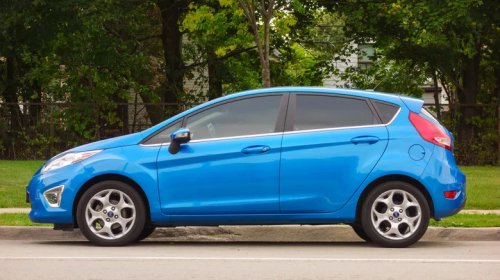
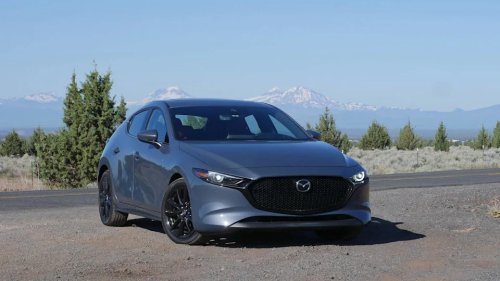
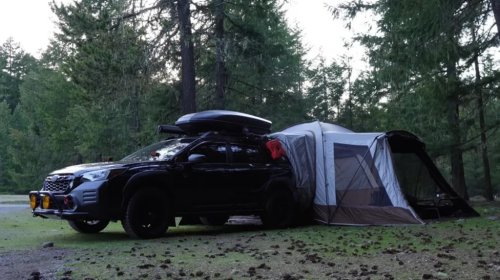
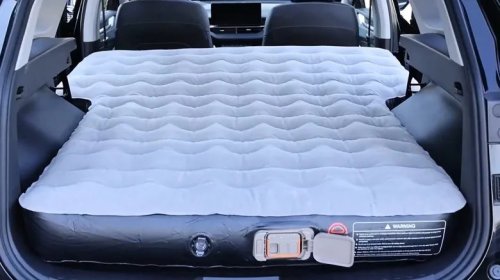
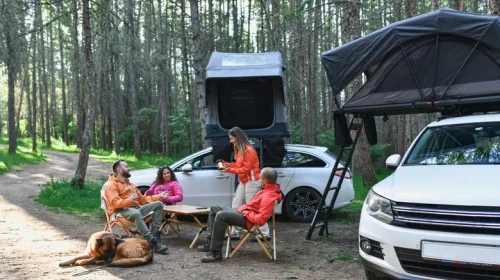
Chasing Adventures / YouTubeFew things make it easier to escape the daily grind than a camper. Having something purpose-built for a quick weekend in the mountains or a night under the stars appeals to many, but the prospect of dropping six figures on an elaborate Sprinter build just isn't possible for most. However, with a little bit of time and elbow grease, almost any vehicle can become a capable camper, even on a shoestring budget. First, choose your vehicle class. Vans, minivans, or large SUVs are obvious starting points due to increased space, but if something cheap and cheerful is preferred for short escapes, even a hatchback or small wagon can suffice.Regardless of your vehicle class, core fundamentals apply. This article will cover how to achieve a comfortable sleeping arrangement, maximize practical storage, shore up security, and optimize power and cooking. We'll also highlight commonly overlooked maintenance steps to further your chances of owning a surprisingly capable camper without spending a fortune.AdvertisementAdvertisementRead more: Never Jump Start A Modern Car Without Checking For These Things FirstSleeping arrangement tipsTech Bite / YoutubeAny quality camper needs a good sleeping area, and while throwing a cushion behind your head and napping on the front seat is fine for some quick rest, it's not ideal for a purpose-built adventure vehicle. Luckily, the options available to those with a van, or minivan, are plentiful. Pop-top roofs provide a sleeping space that doesn't encroach on the vehicle's interior space, and similarly, a roof-mounted tent is useful. For those on a tighter budget, these suggestions might be a little pricey, with pop-top roofs commanding between $7,000 and $15,000 fully fitted, or up to $50,000 for more luxuriously appointed systems. Meanwhile, roof-mounted tents are commonly priced between $1,700 and $5,000, depending on the style and build. A value-oriented approach would be to purchase an inflatable mattress, specifically one that sits atop folded-down rear seats, making it suitable for hatchbacks and wagons. They take up very little space when not inflated and provide a comfortable rest platform when set up. The best news is that inflatable mattresses — complete with a pump and pillows — are available for under $100. Be sure to measure your vehicle's cargo length with the rear seats down to ensure a proper fit, and remain aware that pet claws or loose cargo can pose puncture risks. Insulating materials beneath an air mattress are often necessary in cold weather camping environments to retain warmth. Insulation solutions can include closed-cell foam pads, reflective insulation barriers, or self-inflating air pads. Don't forget to bring bedding, and budget $15 or more for some stick-on window covers to facilitate privacy, light blockage, and temperature regulation. For ventilation, consider leaving a window or two open just a crack, with some cheap $15 bug screens in place. Spending a few dollars on some earplugs is also worthwhile.Key strategies for maximizing storagePixel-Shot/ShutterstockWhen traveling in a vehicle, particularly something smaller like a hatchback, space is always at a premium. With essentials like sleeping gear, clothes, cooking supplies, and fold-out chairs quickly reducing cargo room, it's beneficial to consider the following.AdvertisementAdvertisementA couple of car seat back organizers are a wise investment at $15 to $20, providing ample room for a range of products. With these, items such as phone chargers, water bottles, maps, and tablets can be kept within arm's reach via otherwise unused space.Similarly, fold-out trunk organizers help prevent food and other gear from rolling around and getting damaged. There are tons of cheap options available in this product category, generally ranging from $10 and up, depending on size and quality.Don't forget to weigh the benefits of an affordable roof rack. Often available for less than $100, roof racks are perfect for mounting kayaks, bicycles, or tent bags. If security is a concern, a roof rack with a lockable storage bag can be purchased for around $250.DIY camper cooking, water, and basic powerStefanikolic/Getty ImagesMany drivers' favorite foods to eat while on the road are drive-through options like cheeseburgers, chili dogs, and burritos, but camping emphasizes getting into nature and cooking from scratch. As such, cooking supplies are a must for any comprehensive car-camping setup, and that includes power supply, hydration, and food choices.AdvertisementAdvertisementHydration is easily tackled. A collapsible water container is both cheap and easy; factor between $10 and $50 for one, depending on what size and design is preferred. A secondary one-gallon jug is a great additional purchase, just in case you contaminate the larger container, puncture it, or leave it somewhere. Many enthusiasts also note that storing water in rigid food-grade containers can help prevent plastic taste.Regarding power and cooking supplies, the simple gas-powered camping stove is a great budget selection. Opt for one with two burners to facilitate your ability to cook multiple foods at once. Additionally, prioritize a simple cookware kit with cutlery, pots, pans, and plates to complete the setup.A two-burner stove with a reputable name attached can be acquired for sub-$100, while cheap cookware kits designed for camping are readily available for below $40. As for the food itself, consider freeze-dried food sachets or a small refrigerator for between $100 and $200. Just be aware that purchasing a small refrigerator requires a reliable power source, which can cost between $129 and $1,000-plus. More expensive power sources naturally support power-hungry appliances like microwaves that you may not necessarily need. Keeping safe and following lawsAleksandargeorgiev/Getty ImagesWhile it's easy to focus on fun sides of car camping, like setting up sleeping arrangements and cooking tasty food from scratch, security measures are incredibly important. Keeping a first aid kit in the car is essential for medical readiness. If you're traveling alone, don't advertise that fact, and avoid making social media posts with locations until after you've moved on. Also, any cooking and electrical gear should be from a reputable brand backed by solid reviews, as fire risks are real.AdvertisementAdvertisementA charged phone is an absolute must for emergency communication, so ensure an in-car charger and a fully charged power bank are on hand. These accessories are often inexpensive, with $50 typically being more than enough for both. Additionally, ensure valuables are hidden (with window covers being an extra security measure), lock your vehicle, and keep any externally mounted storage solutions — like the aforementioned roof rack-mounted storage bag — closed and locked. Be wise when choosing overnight locations, too. Ensure every stopping point has overnight parking permissions, as overnight sleeping isn't always legal at rest areas. Established campsites are a more consistent sleeping solution, and fellow campers are often nearby if you need a hand. Finally, keep your keys safe – either in a lock-box or on you at all times.Car preparationAnatoliy Cherkas/ShutterstockSo far we've covered sleeping arrangements, storage, cooking gear, and security, but the actual car itself needs to be addressed. First, get the right style; a hatchback is fine for a solo camper, but a van is going to be a much better match for a couple, and especially a small family. Secondly, don't skimp on your maintenance budget just because buying camping gear is more exciting. It's all well and good having a great setup, but if your timing belt snaps on the highway, it's game over.AdvertisementAdvertisementYou can save money on maintenance by learning how to change your oil at home, and the same goes for checking other fluids, like coolant, brake, and washer fluid. Also, a cheap OBD-II scanner is a super useful addition for diagnosing issues. If any check engine lights appear while out on the road, instead of immediately stopping and having to find a mechanic, an OBD-II scanner enables you to read the codes linked to the light and then make a decision. A pre-trip multi-point inspection is a wise move if you're not confident in your own inspecting abilities.Tire choice is also crucial. For car-camping deep in nature, learn the difference between all-terrain and all-season tires, and then buy based on where you're driving. When visiting beauty spots and staying overnight in paved car parks, regular road tires will be fine, but they need to be in good condition, as will the vehicle's brakes and suspension system. Want more like this? Join the Jalopnik newsletter to get the latest auto news sent straight to your inbox, and follow us or add us as a preferred search source on Google.Read the original article on Jalopnik.





















 +20 others