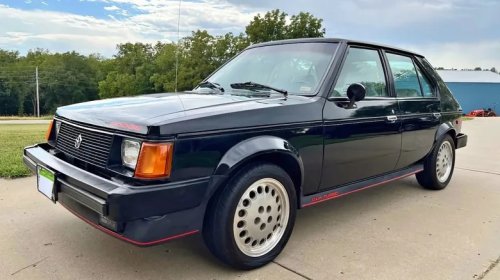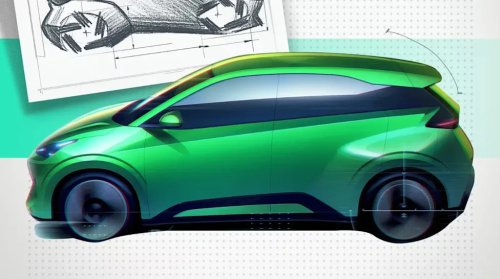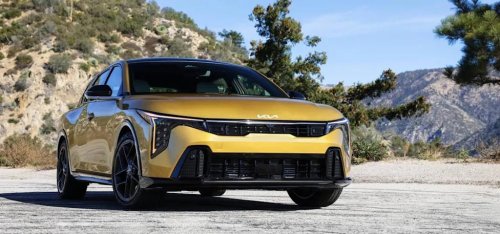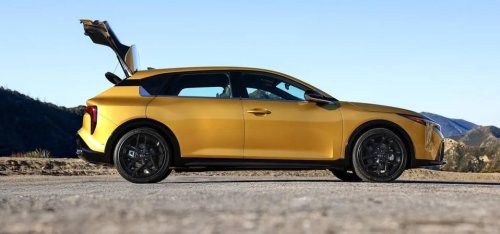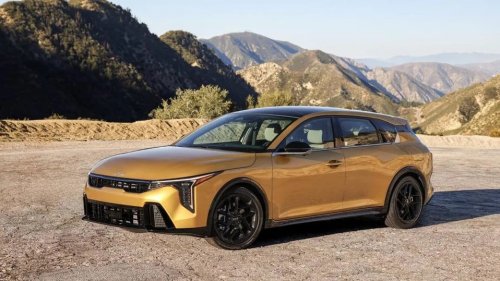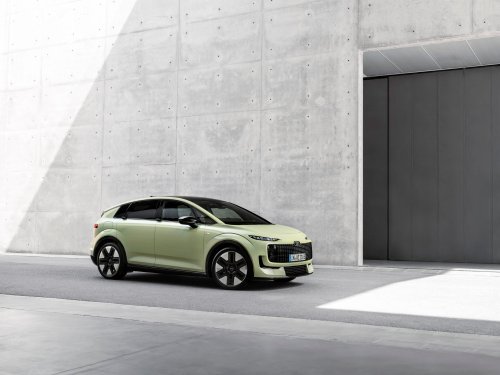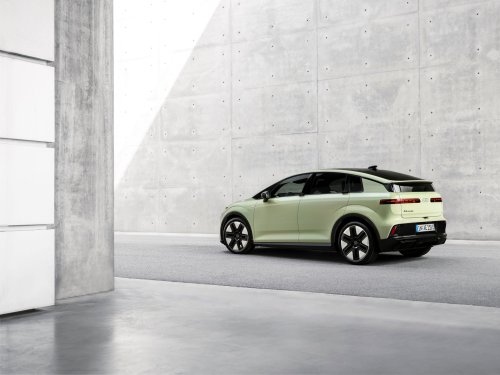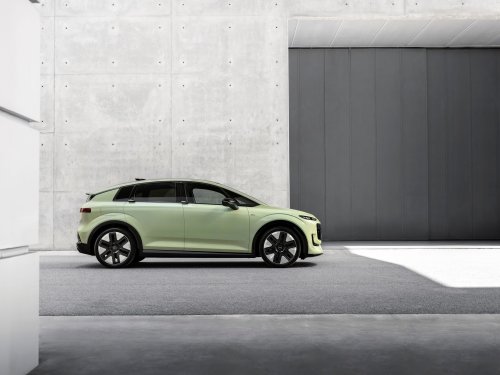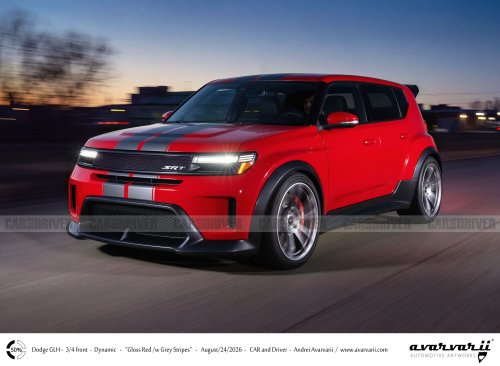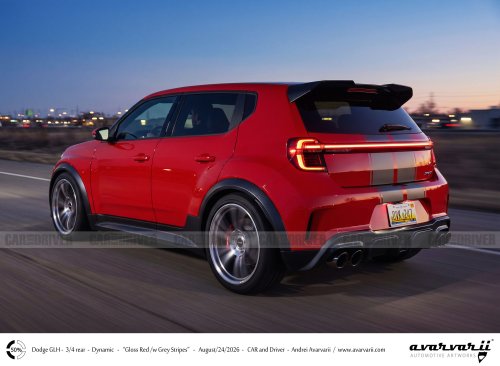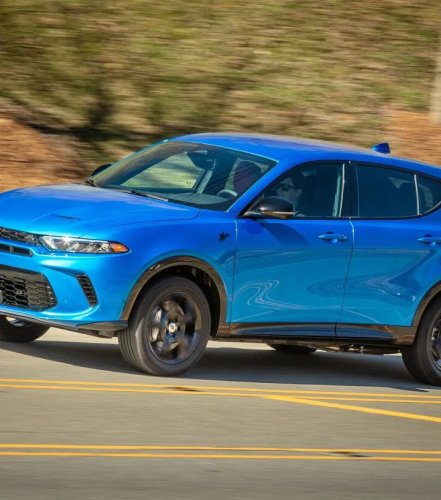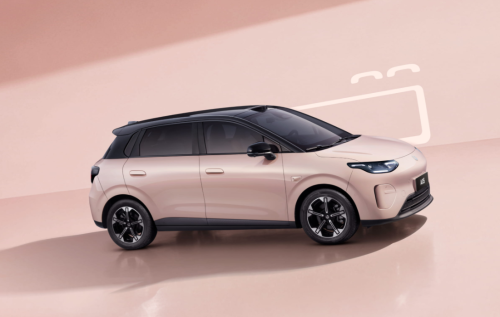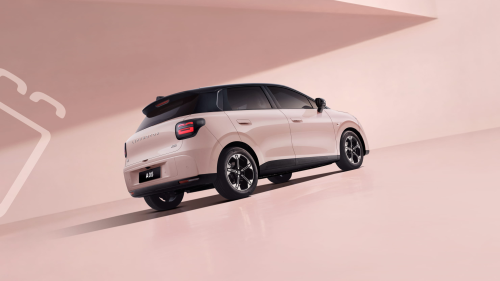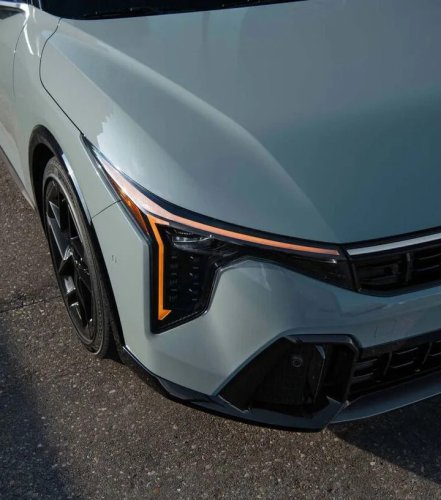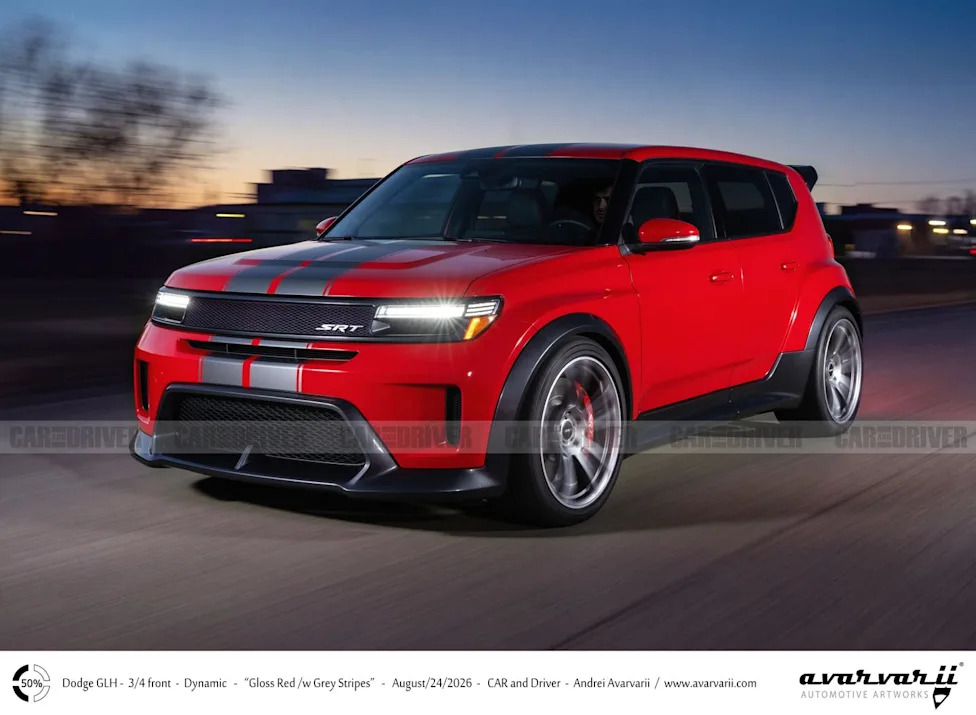

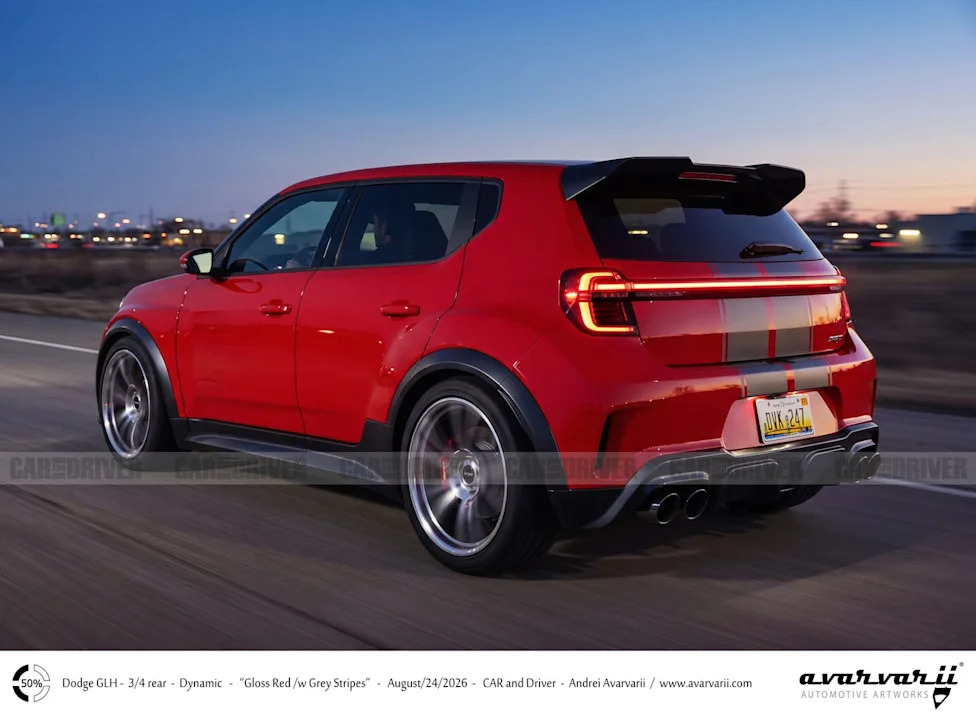



















2028 Dodge GLH Is a Muscle Hatch Worth Waiting ForIllustration by Avarvarii - Car and DriverWhat It IsDodge is doubling down on performance with a new lineup of SRT-badged vehicles, including a new Copperhead halo car that will start around $100,000. But Dodge isn't just focusing on the upper end of the market, and the new GLH will arrive within the next couple of years to deliver driving fun at a more affordable price.Hearst OwnedEffectively a replacement for the half-baked Hornet SUV, the GLH sits somewhere in the space between a tall hatchback and a small crossover. Dodge referred to the car as a "muscle hatch" when a full-scale model was shown at Stellantis Investor Day in May 2026. Tim Kuniskis has said the GLH is essentially a next-generation Hornet, and is how the Hornet should have been designed the first time around.On a podcast with The Drive, he even suggested that the Hornet name could reappear. Still, Dodge called it GLH at Investor Day, and we still expect to see the GLH moniker at least attached to the top performance trim. The GLH name, which stands for "Goes Like Hell," has history for Dodge, originally used on a hot hatch version of the Omni modified by Carroll Shelby in the 1980s.Why It MattersNew car prices continue to creep upwards, with the latest data putting the average amount required to buy a new vehicle at nearly $50,000. But the GLH promises to undercut that by a healthy margin while providing bold, assertive styling and plenty of performance. It will also give Dodge an entry-level model that will challenge rivals in one of the hottest markets in the U.S., the compact SUV segment. The Dodge lineup has dwindled to just two models—the Durango and the Charger, offered in gas and EV forms—and the GLH will give the brand fresh metal in a key part of the market.PlatformThe GLH will ride on the new STLA One platform, which will also underpin the upcoming Chrysler Airflow SUV, giving it a boxy silhouette that sits relatively low to the ground. STLA One is designed to accommodate a wide variety of powertrain types, from internal combustion engines to hybrid and fully electric setups. The scalable platform will underpin over 30 different models, and for EVs, will feature an 800-volt architecture, low-cost lithium-iron-phosphate (LFP) batteries, and a cell-to-body setup that integrates the battery into the vehicle's structure. Stellantis will also build in steer-by-wire capability.Illustration by Avarvarii - Car and DriverPowertrainPowertrain specifics have yet to be confirmed, but we have an idea of what to expect. While the STLA One platform can support electric powertrains, the GLH will be powered by good ol' dinosaur juice.AdvertisementAdvertisementAt Investor Day in May, Stellantis CEO Antonio Filosa discussed a "beautiful engine" producing roughly 300 horsepower. We expect to see the GLH fitted with the new "Hurricane 4" engine, currently found in the Jeep Grand Cherokee. The engine uses prechamber ignition technology borrowed from Maserati that Jeep calls Turbulent Jet Ignition to help develop that much punch while not harming fuel economy.In the Jeep, the turbocharged 2.0-liter inline-four cranks out 324 ponies and 332 pound-feet of torque, enough to scoot the 4881-pound SUV to 60 mph in 6.3 seconds. The smaller and lighter GLH will likely be significantly quicker. We could see the base variant with front-wheel drive, but the higher-performance versions will likely pack all-wheel drive, and we expect the GLH to employ an automatic transmission.Dodge has said the GLH will be offered with an SRT performance trim. Base models could get a detuned version of the Hurricane 4, or we could see the SRT trim boosting the Hurricane 4 beyond 324 hp. Given the flexibility of the STLA One platform, a high-performance model could even employ some electric assist with a hybrid setup. What we don't expect to see is the Hurricane inline-six that is found in the Dodge Charger, as Kuniskis told The Drive that it won't fit under the hood of the GLH. An electric variant also seems unlikely given the struggles of the Charger Daytona EV, but could be possible in the future.CompetitionThe GLH will sit in a strange intersection of the market. Cabin space will likely be on par with other compact SUVs, but it will sit lower to the ground, and its more sporting character will differentiate it from the rest. The Toyota RAV4 GR Sport, with its 320-horsepower plug-in hybrid powertrain, might be its closest challenger among compact SUVs, and base models of the GLH will likely compete with other crossovers, but the GLH's positioning as a muscle hatch will to some degree put it in a class of its own. Depending on how low and sporty it is, we could even see it compete with the likes of the 315-hp Honda Civic Type R and 328-hp Volkswagen Golf R.What Might Go WrongDodge needs to keep the GLH affordable while still ensuring that it is fun to drive and packs adequate performance, and missing on any of these metrics could disappoint Dodge enthusiasts. But the GLH will also still need to be a practical car that owners will want to drive on a daily basis, and Dodge will need to avoid the tight back seat and cargo hold that held back the Hornet. If Dodge doesn't make the GLH an exciting car that can also handle the daily commute, it may become quickly forgotten in a crowded segment.Estimated Arrival and PriceThe GLH is expected to start at less than $39,000, and possibly as low as $32,000, with the SRT trim likely in the $40,000 range. The STLA One platform is said to be launching in 2027, and we expect to see the GLH arrive for the 2028 model year, with sales likely starting in late 2027.AdvertisementAdvertisementSee all of the cars worth waiting for➡️ Skip the lot. Let Car and Driver help you find your next car.Shop New Cars Shop Used CarsYou Might Also LikeGift Guide: Best Ride-On Electric Cars for KidsFuture Cars Worth Waiting For: 2025–2029