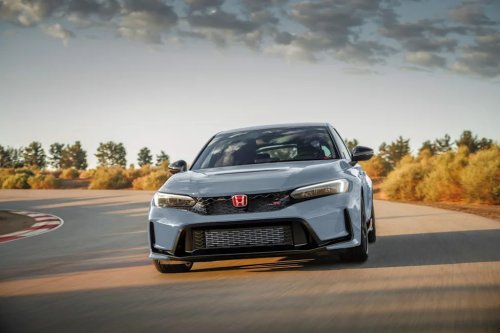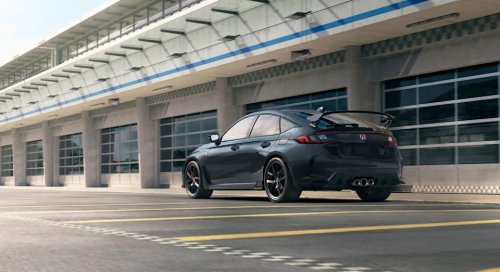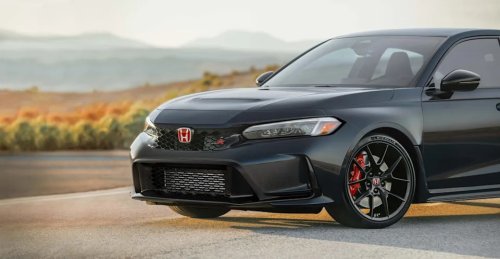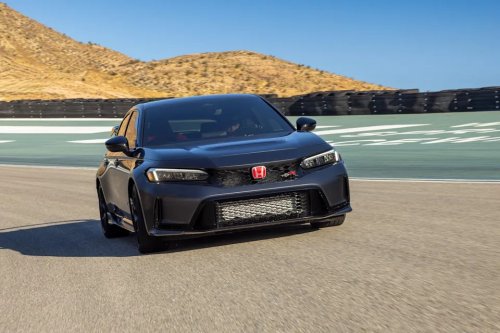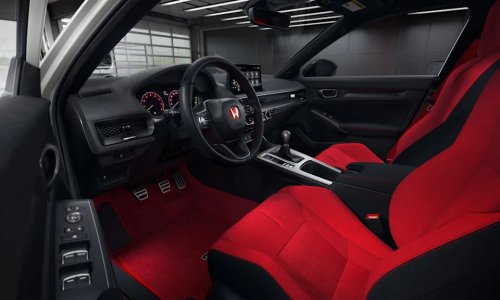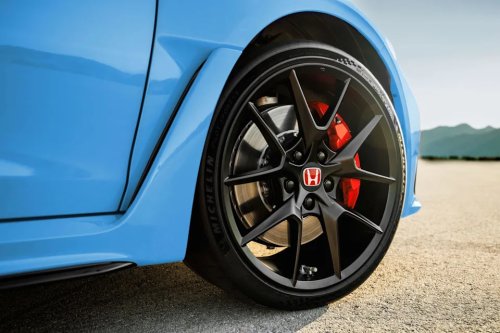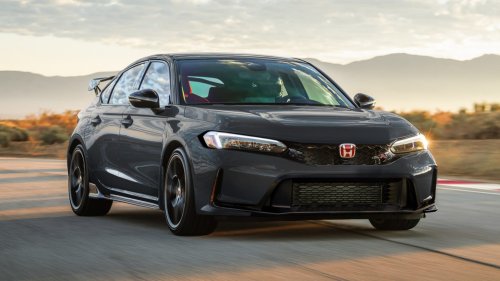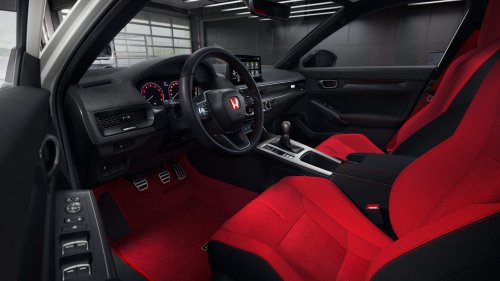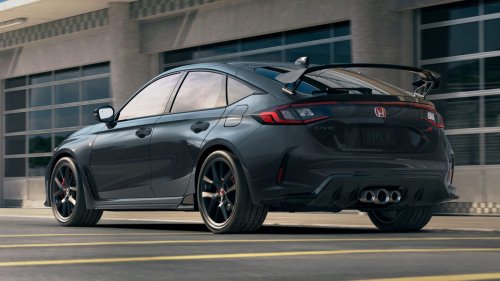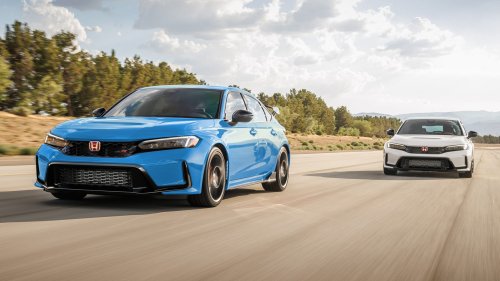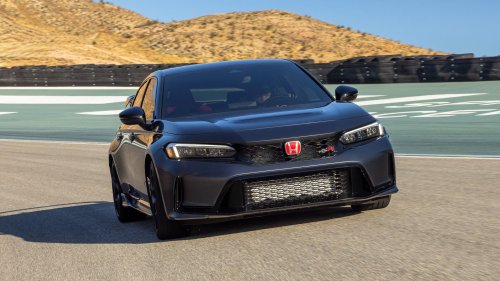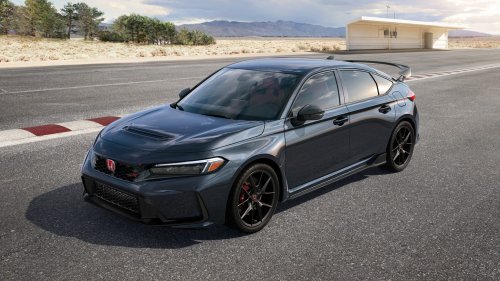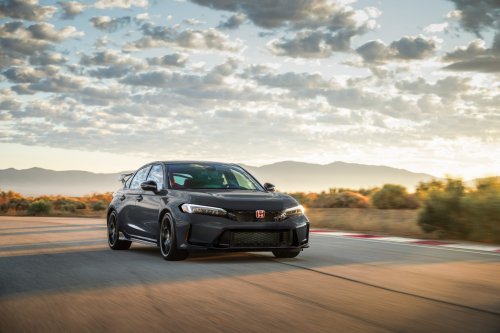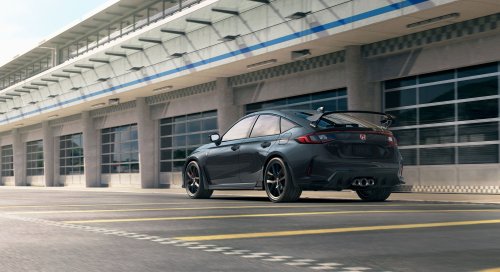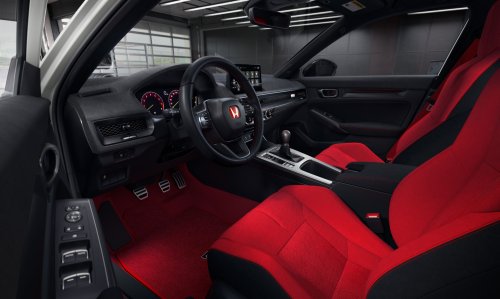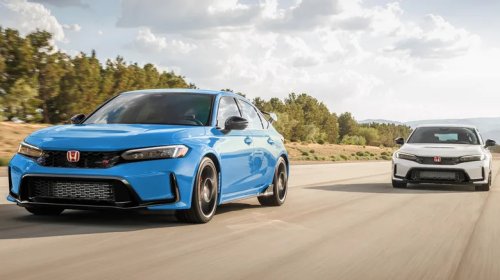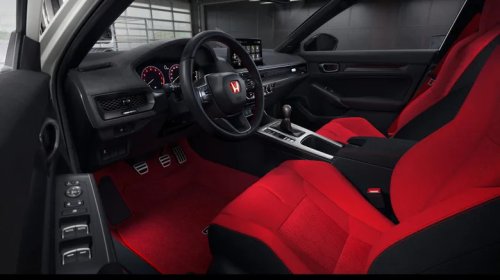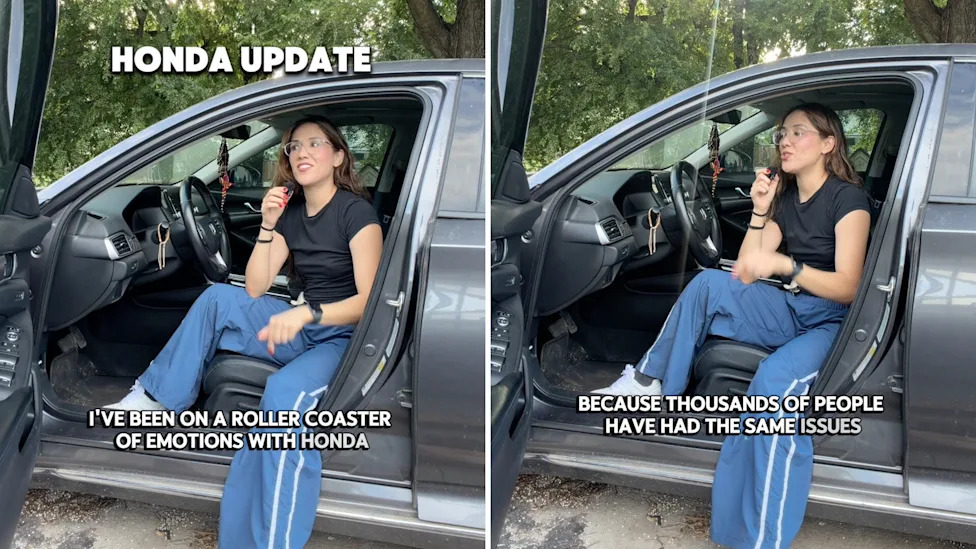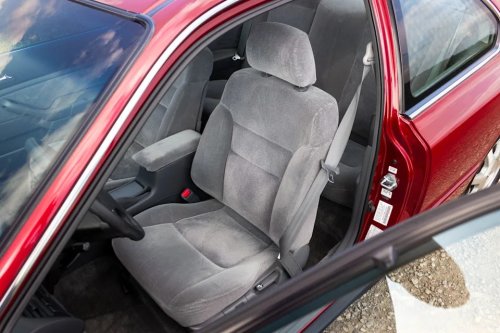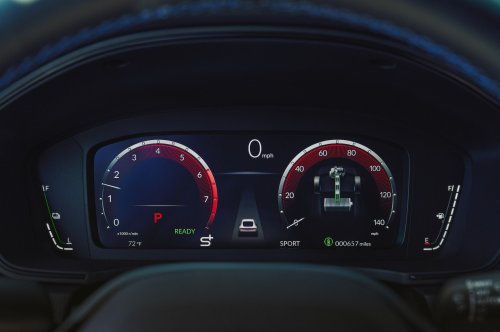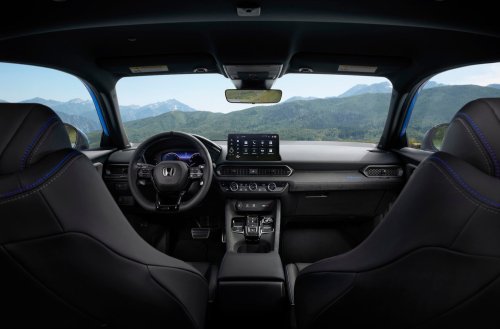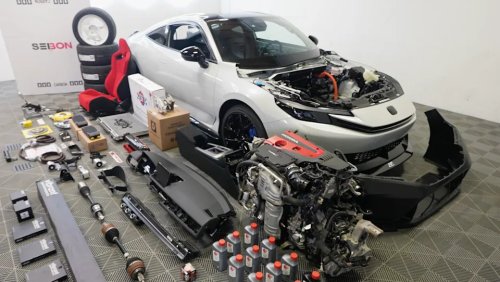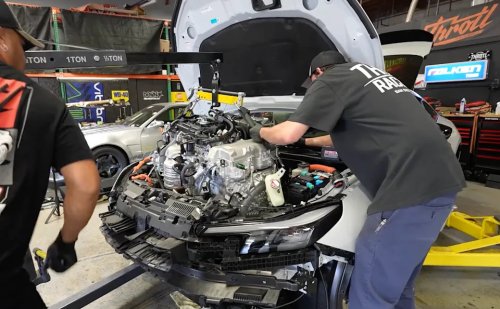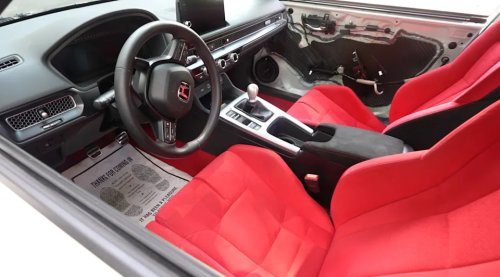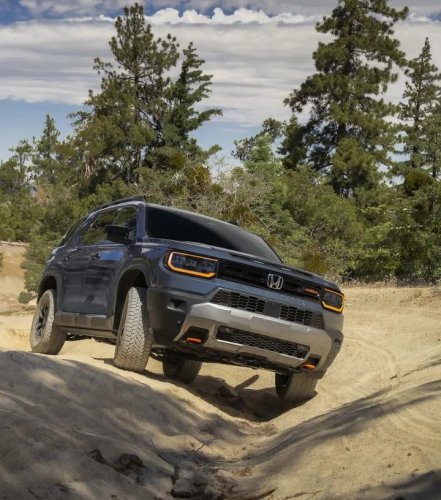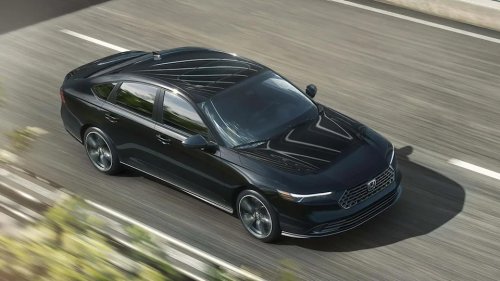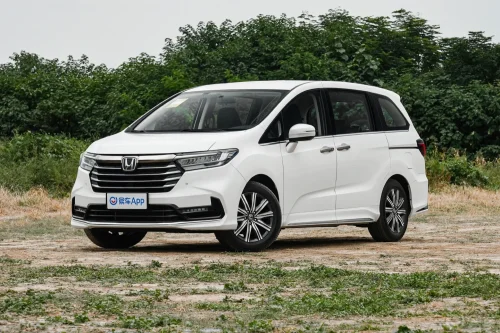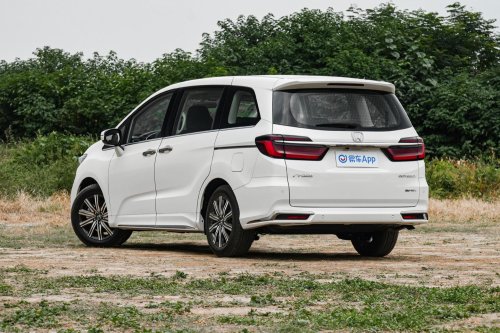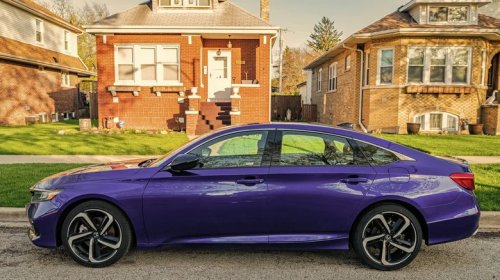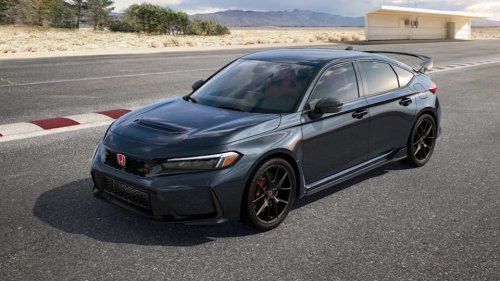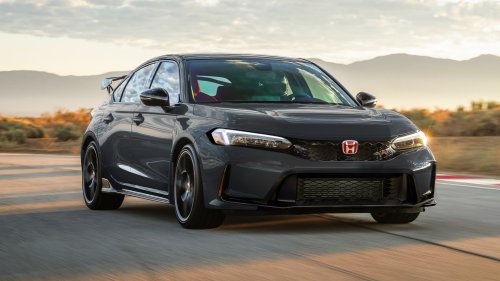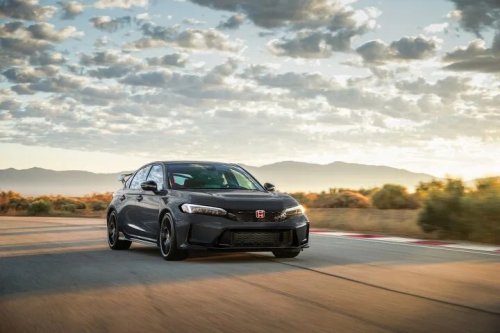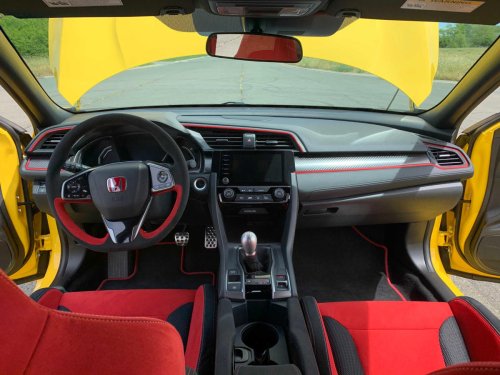
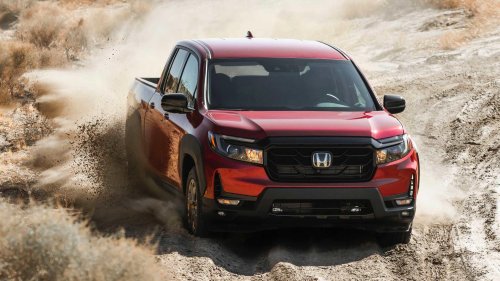
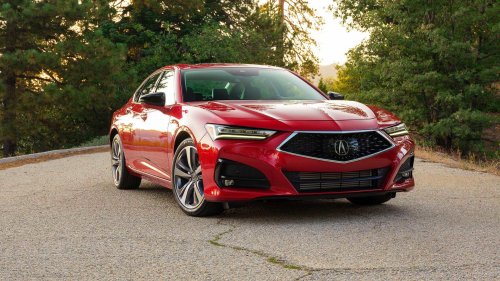
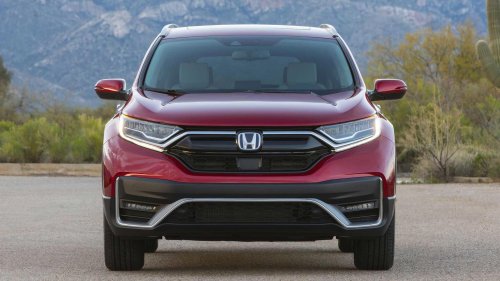



















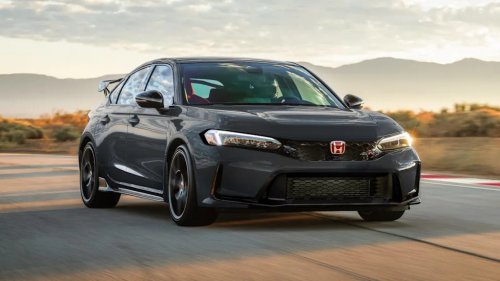
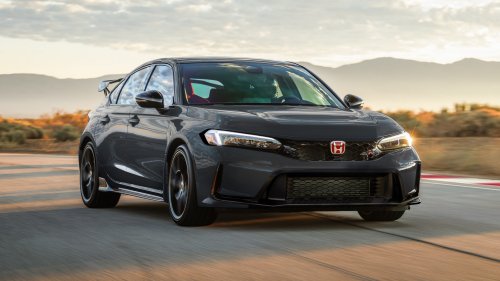
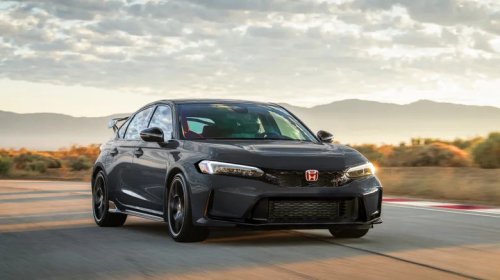
Honda confirmed a safety recall covering nearly 100,000 U.S. vehicles over a faulty airbag sensor — and the Civic Type R is among the affected models. For anyone with a pending order or a recently delivered Type R, that's not just a safety bulletin to file away. It's a potential wrinkle in delivery timelines and, depending on how Honda handles the remedy rollout, possibly a restriction on how the car gets used in the meantime.The defect centers on the occupant classification system (OCS), a sensor built into the front passenger seat that determines whether the seat is occupied by an adult, a child, or a child safety seat. When the system malfunctions, it can misread the occupant — meaning the passenger-side airbag may deploy with the wrong force, or fail to suppress correctly when a smaller passenger is present. Honda's own filing notes the risk is particularly acute for children and smaller adults seated in the front passenger position. What's Actually Failing — And Why It Matters The occupant classification system works by measuring pressure and weight distribution through sensors embedded in the seat cushion. That data feeds the airbag control unit, which then calibrates deployment force accordingly. When the sensor reads incorrectly, the airbag module doesn't have accurate information — and in a crash, that gap between what the system thinks is in the seat and what's actually there can translate into injury rather than protection.Interestingly, the recall is attributed to "a natural disaster at the manufacturing plant of a tier-2 supplier," after which "the tier-1 supplier temporarily changed the base material in the printed circuit board of the seat weight sensor, which was not sufficiently verified for its intended use." The failure mode Honda identified is a sensor degradation issue rather than a sudden component break. Over time, the sensor's calibration can drift, leading to misclassification that isn't immediately obvious to the driver. There's no dashboard warning light that reliably flags the problem, which is part of why Honda moved to a recall rather than a service advisory. Which Models And Years Are Affected HondaThe recall sweeps across multiple Honda nameplates, with the Civic Type R joining a broader list that includes mainstream Civic variants and other models in Honda's lineup. The recall covers cars built within a specific production window tied to when the affected sensor supplier's components were installed. Specifically, the recall includes examples from the following list of models and years: 2016-2022 Civic 2017-2021 Civic Hatchback 2017-2018, 2021 Civic Type R 2017-2022 CR-V 2020-2022 CR-V Hybrid 2018-2020 Fit 2019-2021 HR-V 2019-2022 Insight 2018-2026 Odyssey 2019-2021 Passport 2017-2022 Pilot 2017-2021, 2023, 2025 Ridgeline 2016-2022 Accord 2017-2022 Accord Hybrid 2017-2020, 2022-2026 MDX 2019-2024 RDX 2018-2021, 2023 TLX Owners can verify their specific VIN through the NHTSA recall lookup tool or Honda's own recall portal using their vehicle identification number. The Fix, And What It Means For Owners AcuraHonda's position is that the vehicle remains drivable. The agency guidance accompanying recalls of this type typically advises owners to avoid placing children or smaller passengers in the front seat until the fix is completed — a reasonable precaution given the nature of the defect. There are no track-use restrictions formally attached to this recall, though owners planning track days should confirm with their dealer that the remedy has been applied before adding any additional stress to the car's systems.The remedy itself involves reprogramming or replacing the occupant classification sensor, depending on the severity of drift detected in each unit. Honda has indicated that parts and dealer instructions are being prepared, with owner notification letters expected to go out in the coming weeks. The repair is covered at no cost under the recall. TopSpeed's Take HondaOf course, recalls are part of life for vehicle ownership. In the grand scheme of things, this one isn't the scariest, especially compared to other recalls related to airbags (what comes to mind when we say "Takata?"). 98,892 is a large swath of vehicles, though, and it applying to such a variety of nameplates makes more customers take notice. And, yes, the fact that this one affects one of our favorite affordable performance models piqued our interest. Either way, it's a good reminder to pay attention to recalls, especially when purchasing a used vehicle with an uncertain maintenance history.