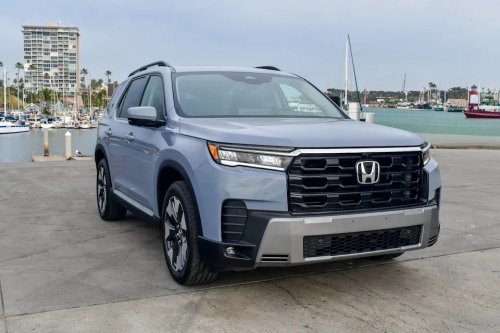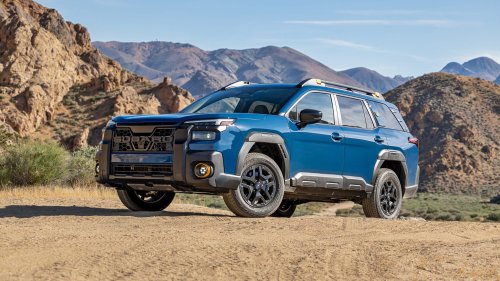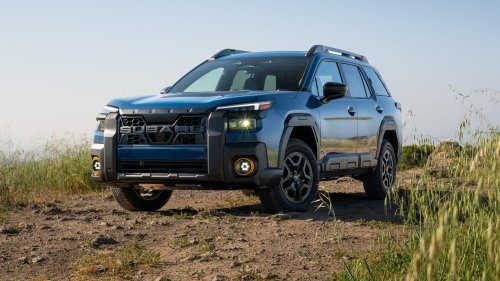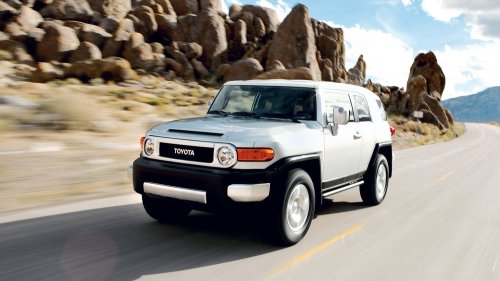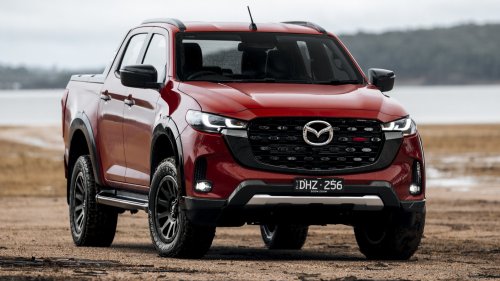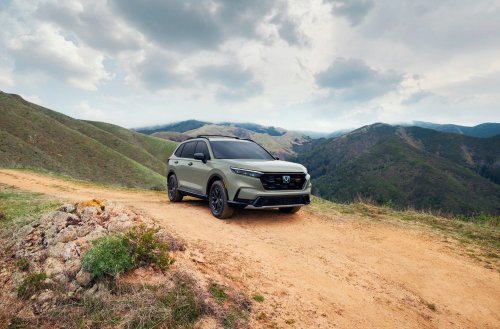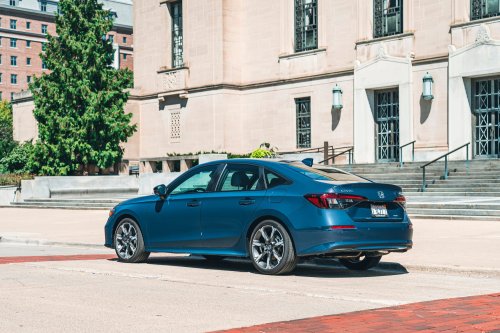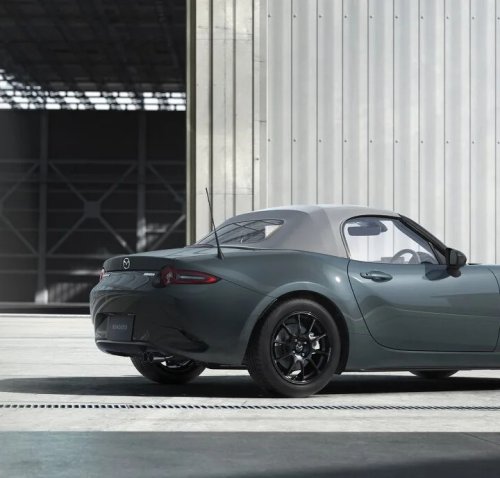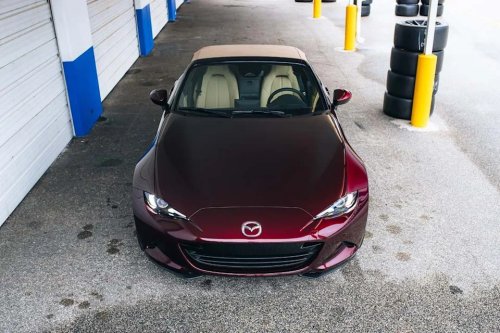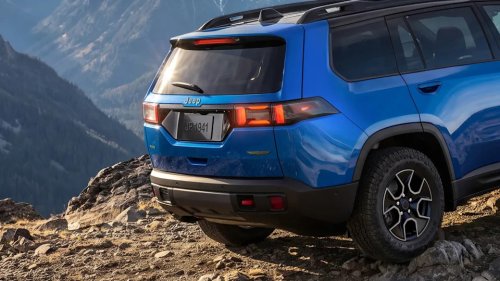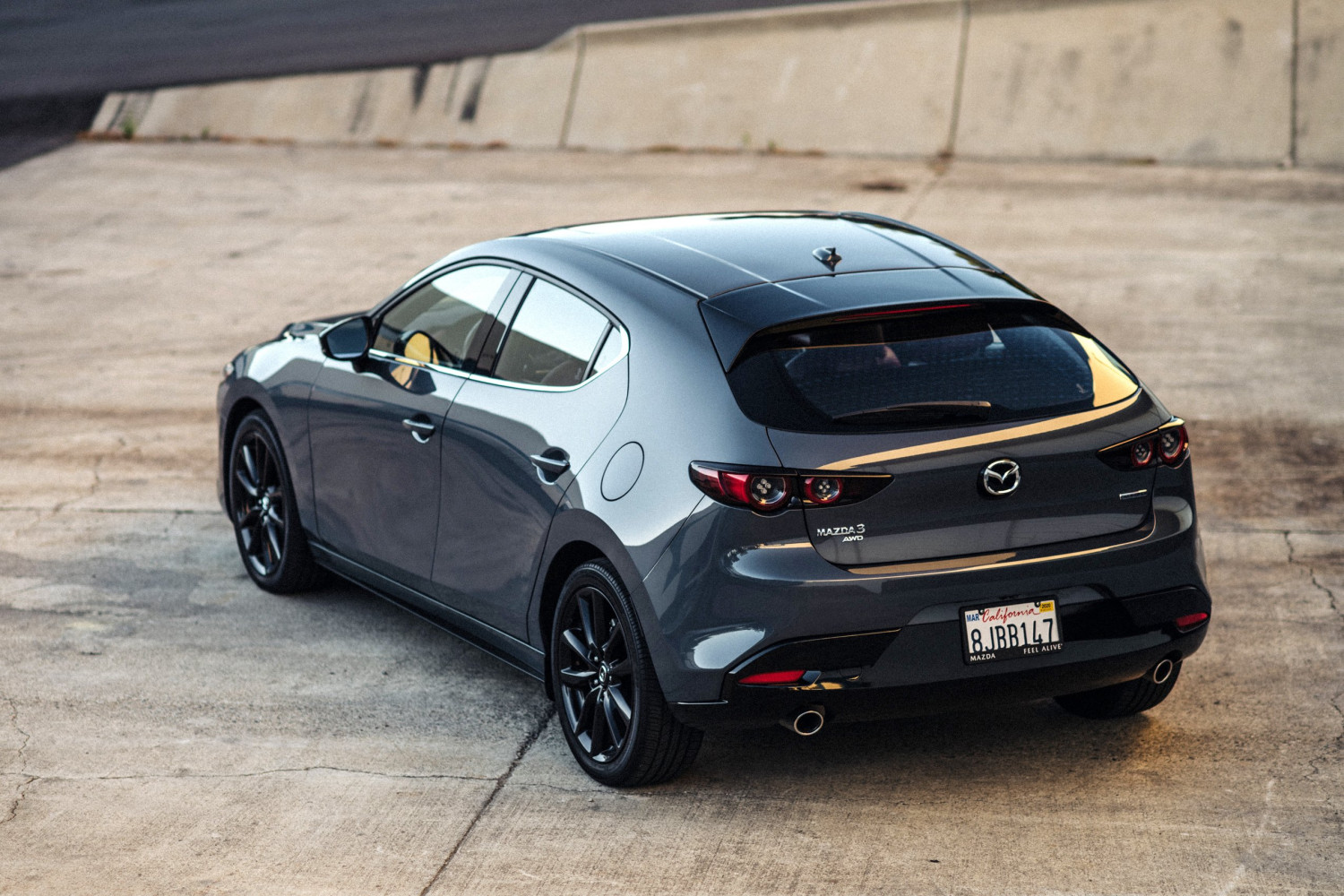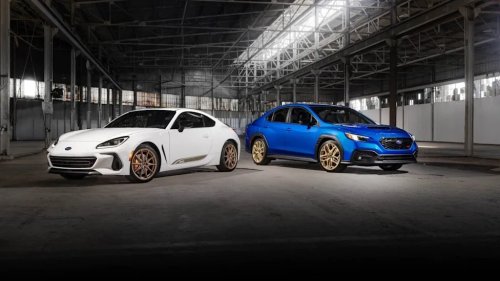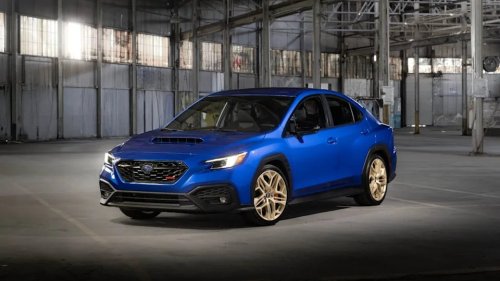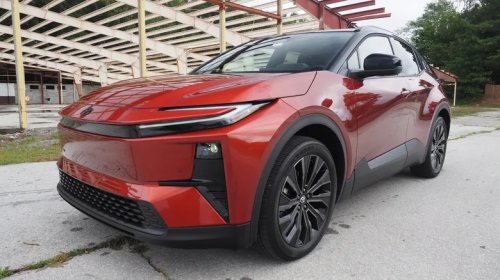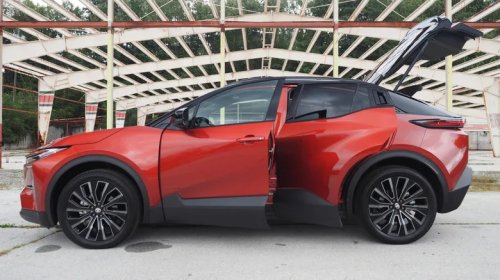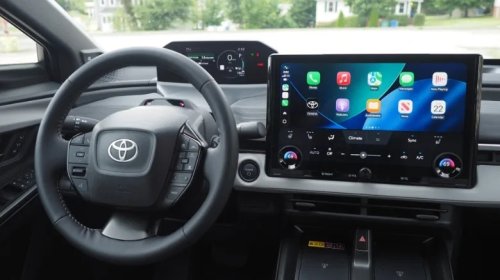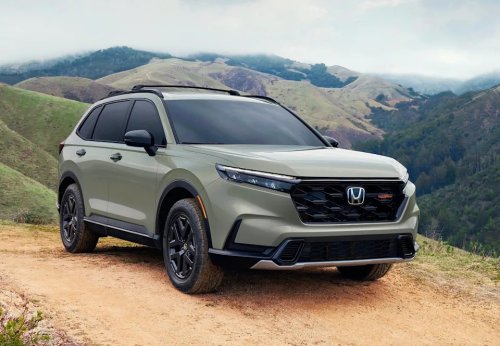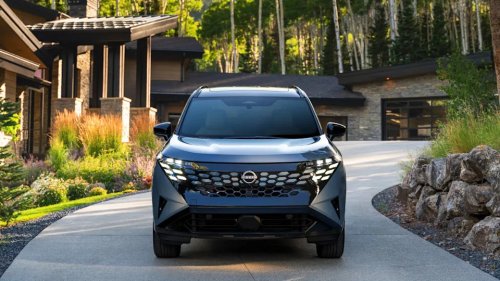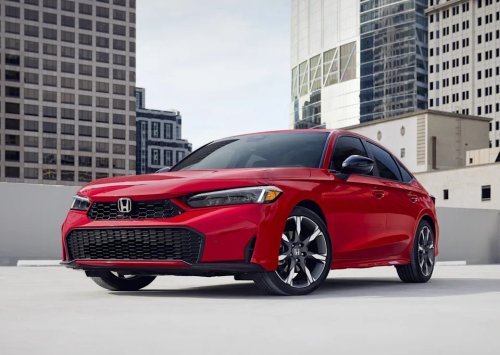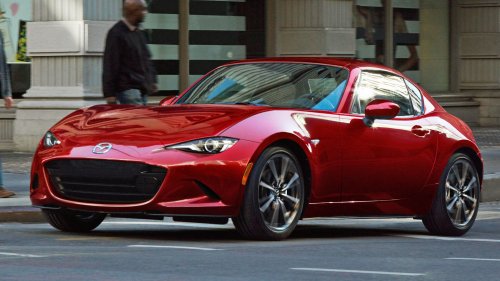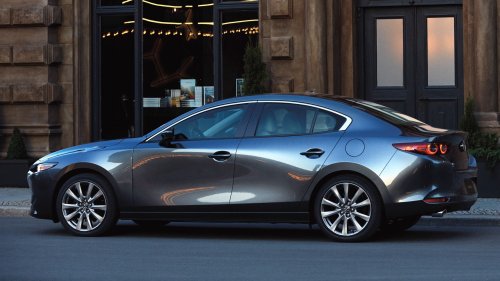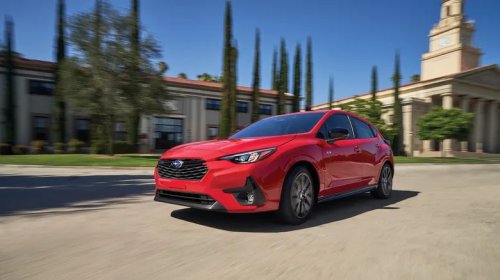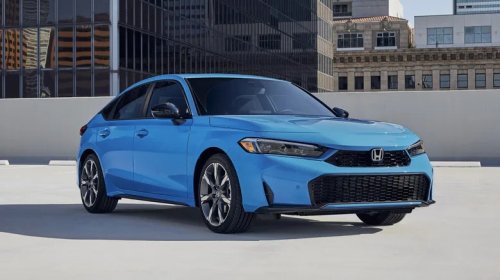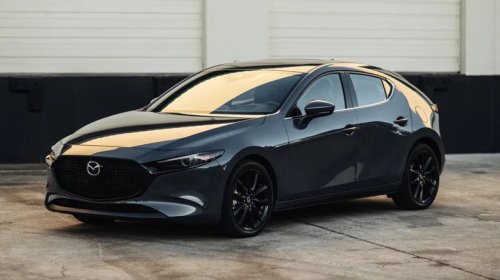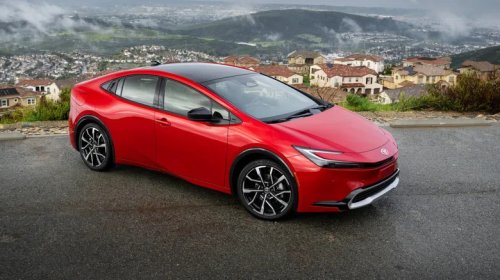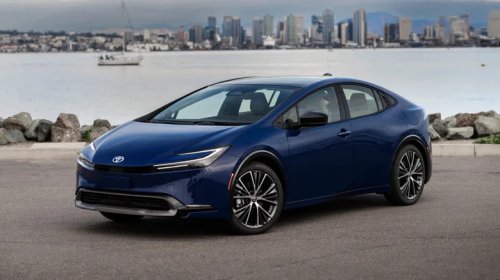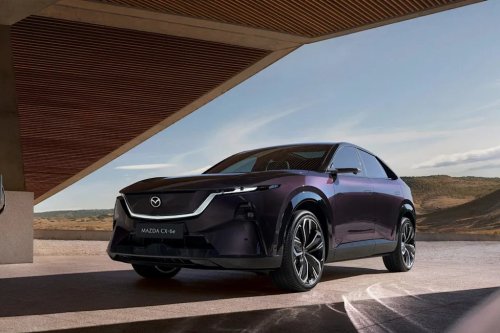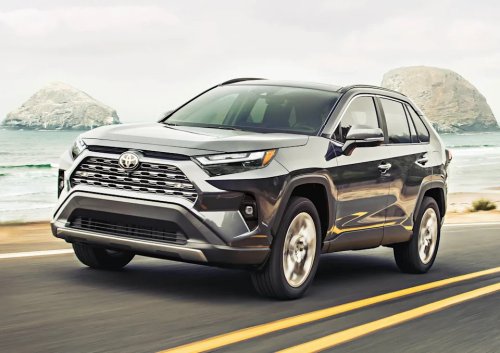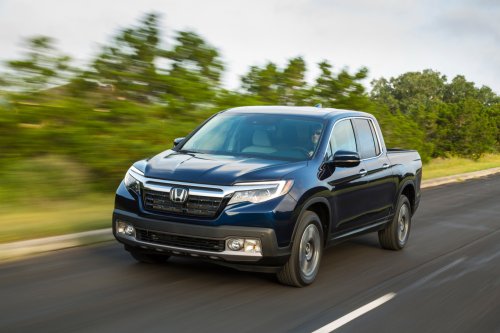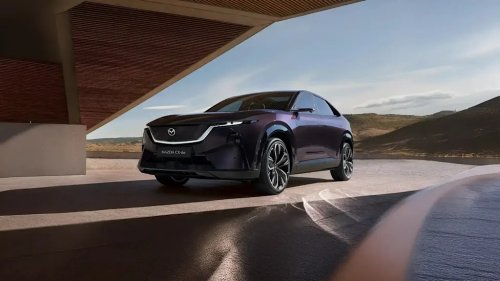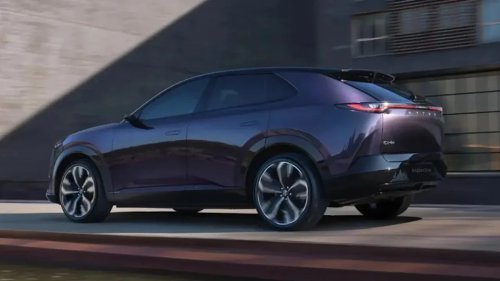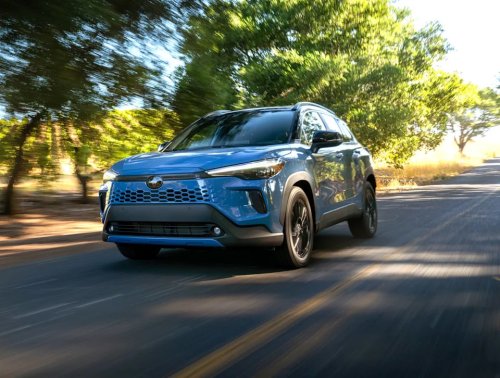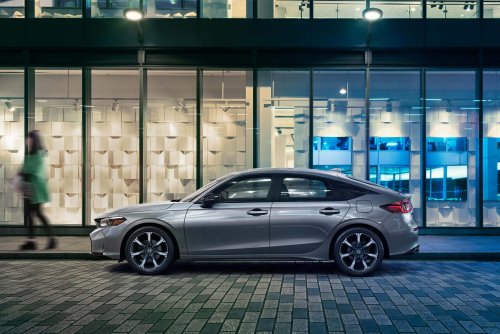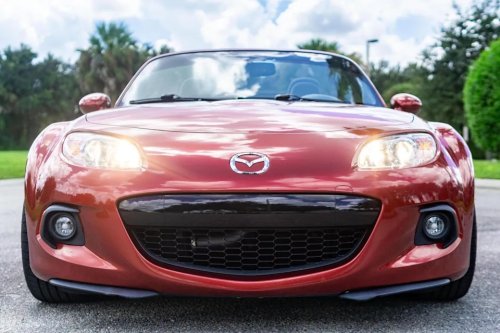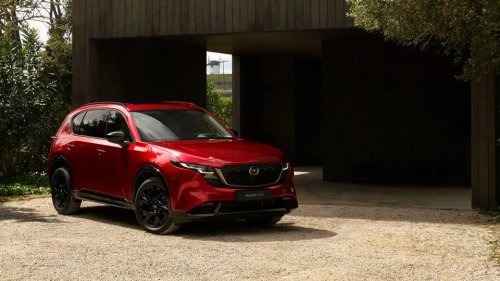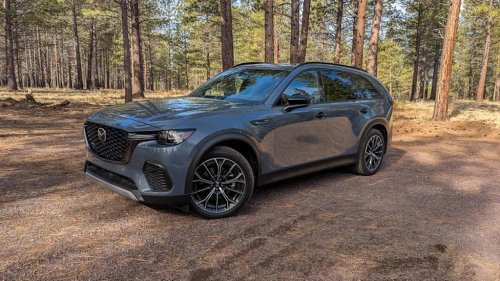
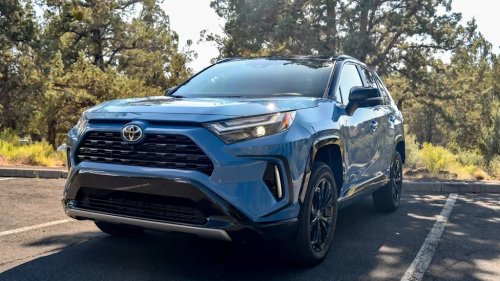
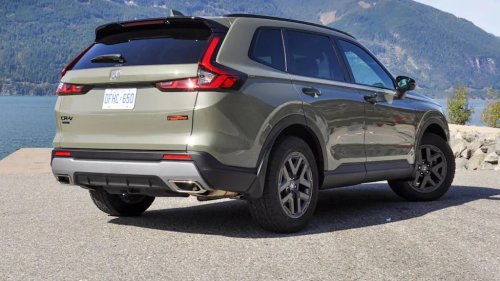
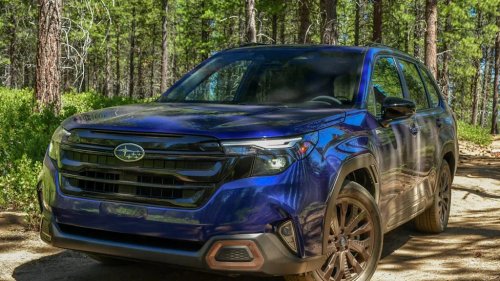
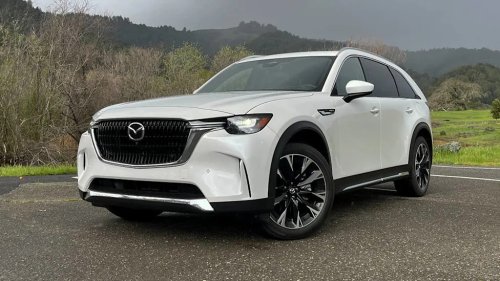



















Autoblog and Yahoo may earn commission from links in this article.Subaru, Toyota, Honda, and Mazda compete in the same Japanese mass market segment with similar warranty terms and the same target buyer. In 2026, the most useful question for separating them is which one is most reliable as a hybrid. CR's 2026 data shows traditional hybrids average 15% fewer problems than the gas-only versions of the same model, while PHEVs show 23% more problems than pure EVs. Mazda's bet on PHEV technology in the CX-70 and CX-90 dropped the brand from sixth to fourteenth in CR's ranking, the steepest one-year fall among mainstream brands. The other three diverged on hybrid strategy, and their rankings followed.The Short VersionIf you want a hybrid: Toyota is the safest choice, with the broadest lineup, the longest battery warranty (10 years/150,000 miles), and segment-leading CR scores.AdvertisementAdvertisementIf you want short-term peace of mind in any powertrain: Honda had the best J.D. Power 2025 IQS score at 179 PP100 (problems per 100 vehicles).If you want the best overall brand and don't need a hybrid: Subaru has been CR's #1 brand for two years running.If you want a Mazda CX-70 or CX-90 PHEV: it is the riskiest pick of the four. The PHEV variants are why the brand fell eight places in CR's 2026 rankings.Kristen BrownWhy Hybrid Reliability Matters In 2026CR's 2026 data flagged a pattern: traditional hybrids (the closed-loop, non-plug-in kind Toyota and Honda have built for decades) average 15% fewer problems than the gas-only versions of the same vehicle. PHEVs run in the opposite direction, with 23% more problems than full EVs. That sorts the four brands by strategy. Toyota's hybrid lineup is the deepest in the industry; Honda offers hybrids on its highest-volume models; Subaru shipped its first proper hybrid Forester for 2025; while Mazda, alone among the four, leaned into PHEV across its largest two SUVs, and the data for those plug-in variants dragged the entire brand down.AdvertisementAdvertisementJ.D. Power's 2026 Vehicle Dependability Study (VDS), released February 2026, complicates the picture: PHEVs scored 281 PP100, traditional hybrids 213, and gas-powered vehicles 198, suggesting hybrids carry more long-term problems than ICE. The surveys diverge because CR tracks problems across 12 months on vehicles of any age, while J.D. Power's VDS measures problems after exactly three years on 2023 model-year vehicles. On PHEVs both surveys agree: the powertrain is the most problematic in both data sets.Toyota: The Hybrid Lineup To BeatToyota's hybrid range is the broadest in the segment. The 2026 RAV4 is now offered exclusively as a hybrid or plug-in hybrid; the four-cylinder gas-only model is gone. Camry Hybrid, Grand Highlander Hybrid, Corolla Hybrid, Crown, Sienna, and Prius round out the rest. CR awarded the 2025 RAV4 Plug-in Hybrid the second-best overall score in the compact SUV class, behind the Forester Hybrid. Every Toyota hybrid carries a 10-year/150,000-mile warranty on the high-voltage battery and 8 years/100,000 miles on other hybrid components, plus ToyotaCare's 2 years/25,000 miles of complimentary scheduled maintenance.2025 Toyota RAV4 XSE hybridKristen BrownThe complication is J.D. Power's 2025 Initial Quality Study, where Toyota scored 200 problems per 100 vehicles, below the mass-market average of 187. The IQS measures problems in the first 90 days, and Toyota's score reflects the early production of the heavily redesigned Tacoma and Tundra. By CR's longer-term measure, Toyota reclaimed the #1 reliability spot in 2026 at 66 out of 100.Related: Subaru Vs. Toyota Reliability: The Gap Is Smaller Than You ThinkHonda: The Best Initial Quality, Steady Hybrid CatalogHonda was the highest-scoring of the four in J.D. Power's 2025 IQS at 179 problems per 100 vehicles, ahead of every Japanese mainstream brand. For a buyer focused on the first three years of ownership, before software bugs and early build issues have been ironed out, Honda is the cleanest pick.AdvertisementAdvertisementThe hybrid lineup is narrower than Toyota's but covers the highest-volume models. The 2026 CR-V Hybrid is a CR recommendation, outscored in its class only by the Forester Hybrid, the RAV4 Plug-in Hybrid, and the Mazda CX-5. The Accord Hybrid remains one of the strongest mid-size sedan options, and Civic Hybrid added a hybrid option to America's most-bought compact for 2025. For now, the Pilot, Passport, and Ridgeline remain ICE-only. Honda's hybrid battery warranty is 8 years/100,000 miles, four years shorter than Toyota's, with 1 year/12,000 miles of complimentary maintenance. The brand placed fourth in CR's 2026 Brand Report Card at 59 points.2026 Honda CR-2026 Honda CR-V TrailSport HybridCole AttishaSubaru: Top Of The Brand Report Card, Late To HybridSubaru topped CR's 2026 Brand Report Card for the second consecutive year, the most prestigious overall ranking in the survey. The brand placed second in pure reliability at 63 out of 100, narrowly behind Toyota. the Impreza is the most reliable Subaru, Crosstrek ranks third on CR's most-reliable-models list, and Outback and Forester rate at or above average.The hybrid story is shorter. The Forester Hybrid debuted for 2025 and continues for 2026 with the Toyota-derived hybrid system Subaru has licensed. CR rated its reliability "just above average" in the 2026 survey. There is no Outback Hybrid, no Crosstrek Hybrid, and no Ascent Hybrid. Warranty coverage is conventional: 8 years/100,000 miles on hybrid components, no complimentary maintenance outside Southern California. J.D. Power's 2025 IQS scored Subaru at 187 problems per 100 vehicles, exactly on the mass-market average.Mazda: The PHEV ProblemMazda dropped from sixth to fourteenth in CR's 2026 Brand Report Card, an eight-place fall driven almost entirely by the CX-70 and CX-90 PHEV variants. Brand reliability fell to 43 out of 100, the lowest of the four by a wide margin. The CX-50 Hybrid is a separate story; it uses a Toyota-derived hybrid system rather than Mazda's own PHEV setup and ranked among the top four compact SUVs by overall CR score. The CX-5 was undergoing a redesign during the survey period and was not represented.AdvertisementAdvertisementJ.D. Power's 2025 IQS told a parallel story. Mazda scored 225 PP100, ranking 27th overall and 46 points behind Honda. The 90-day problems were concentrated in infotainment and software, consistent with the brand's transition to a newer system. The 2026 picture is split: CX-50 Hybrid is comparable to its rivals, CX-5 is a near-unknown until 2027 data arrives, and the PHEV CX-70 and CX-90 are the weakest reliability bet of any model from any of the four brands.Joel StocksdaleIf You're Not Buying A HybridToyota's gas-only lineup remains strong, with the redesigned Tacoma improved to above-average reliability, the Tundra stabilized to average, and six Toyota models in CR's top ten most reliable cars. Subaru's gas-only lineup is consistent across Impreza, Crosstrek, Outback, and Forester. Honda's ICE lineup is similarly steady across Civic, Accord, CR-V, Pilot, and Passport. Mazda's ICE picture is split: CX-30 and Mazda3 rate average to above, CX-50 (gas-only) is solid, and the CX-70 and CX-90 ICE variants share the platform issues of their PHEV siblings.Related: Mazda Vs. Honda Reliability: One Japanese Brand Has The Clear EdgeWarranty Reality CheckAll four brands offer identical 3 years/36,000 miles bumper-to-bumper and 5 years/60,000 miles powertrain warranties. The differentiation appears in hybrid coverage and complimentary maintenance. Toyota's 10-year/150,000-mile hybrid battery warranty is the longest in the segment, two years and 50,000 miles beyond the 8-year/100,000-mile coverage from Honda, Subaru, and Mazda. U.S. News estimates the cost of replacing a hybrid battery out of warranty at $2,000 to $8,000, which makes the extra Toyota coverage meaningful protection for buyers planning to keep a hybrid past 100,000 miles. ToyotaCare's 2 years/25,000 miles of complimentary maintenance is the most substantial of the four; Honda offers 1 year/12,000 miles; Subaru and Mazda offer none outside specific regional programs.Which One To BuySubaruToyotaHondaMazdaBest for hybridLimited lineupBest choiceStrong CR-V/AccordAvoid PHEVsBest for ICE-onlyExcellentStrongSteadyCX-30/Mazda3 onlyJ.D. Power IQS 2025187 PP100200 PP100179 PP100225 PP100CR 2026 reliability63/10066/10059/10043/100Hybrid battery warranty8yr/100k10yr/150k8yr/100k8yr/100kComplimentary maintenanceNone2yr/25k1yr/12kNoneCR 2026 Brand Report Card#1 overall#5#4#14For a hybrid buyer keeping the car longer than five years, Toyota's lineup breadth and battery warranty length are the clearest answer. For a lease of two to three years, Honda's J.D. Power IQS performance suggests the fewest issues during the term. For an ICE-only buyer prioritizing the brand's overall track record, Subaru's two-year run at the top of CR's Brand Report Card is meaningful. On Mazda vs Toyota and Mazda vs Honda, the IQS gap (Mazda 225 PP100 against Toyota 200 and Honda 179) and the CR Brand Report Card spread (Mazda #14 against Toyota #5 and Honda #4) are the headline figures; the CX-50 Hybrid and gas-only CX-30 or Mazda3 remain reasonable picks, but the CX-70 and CX-90 PHEV variants are not.AdvertisementAdvertisementThis story was originally published by Autoblog on Jun 3, 2026, where it first appeared in the Features section. Add Autoblog as a Preferred Source by clicking here.