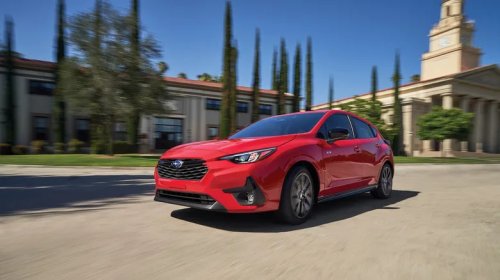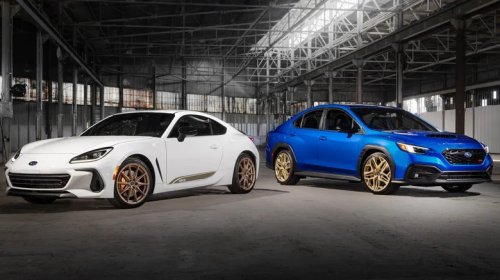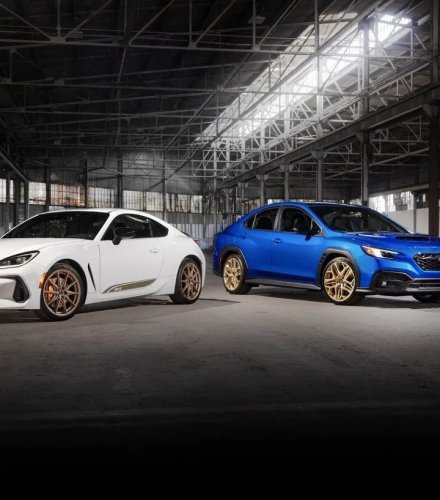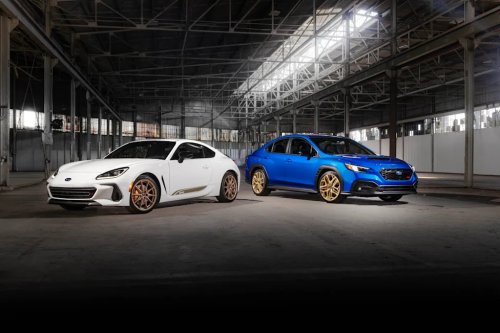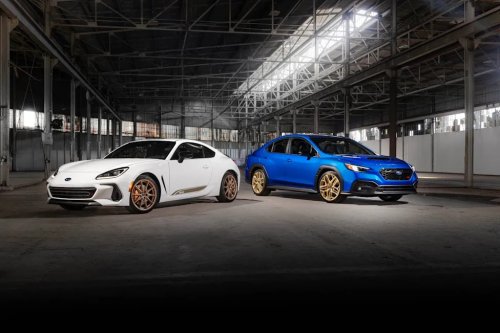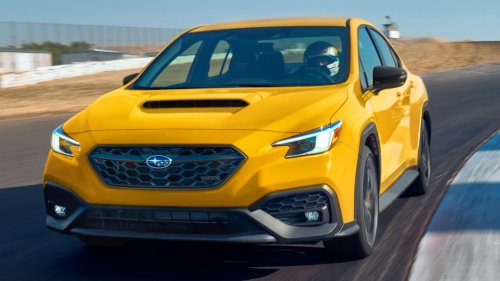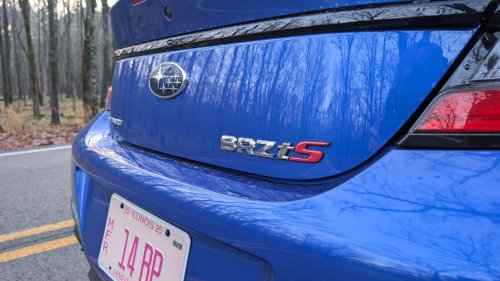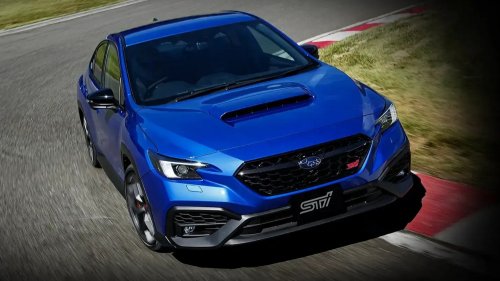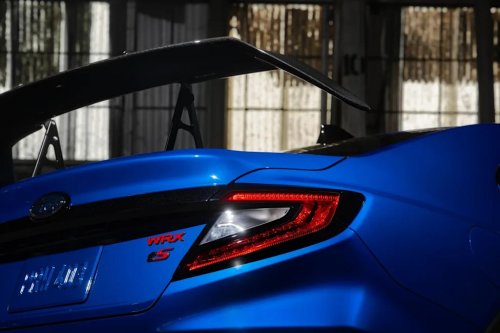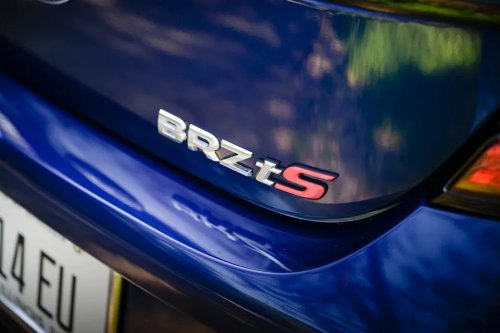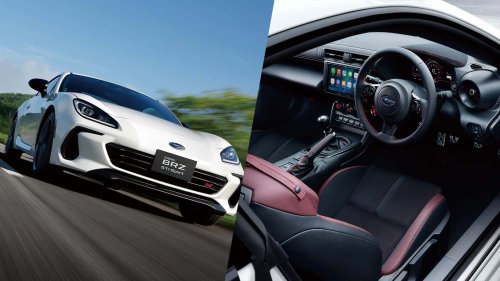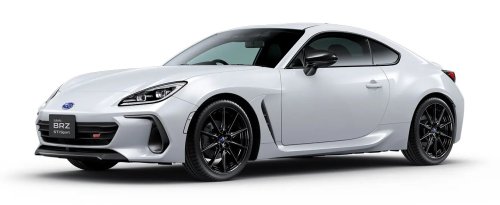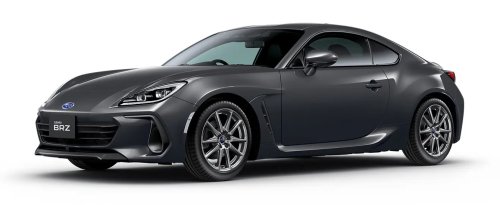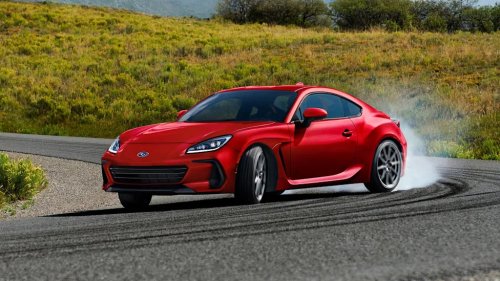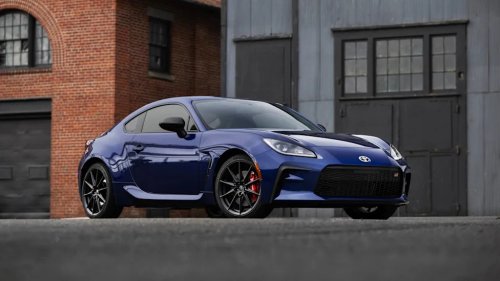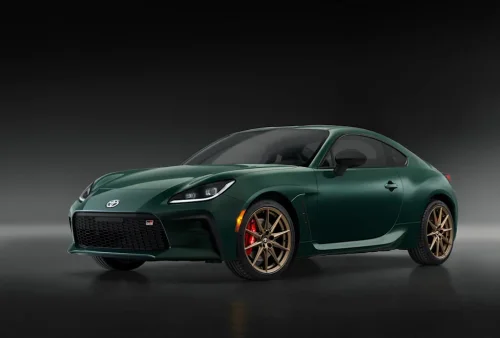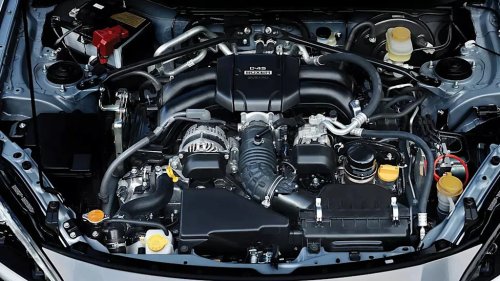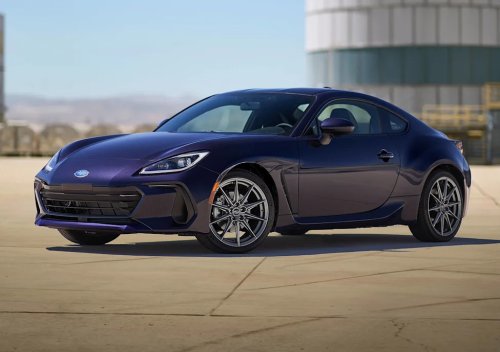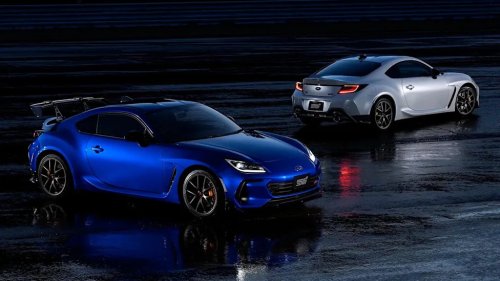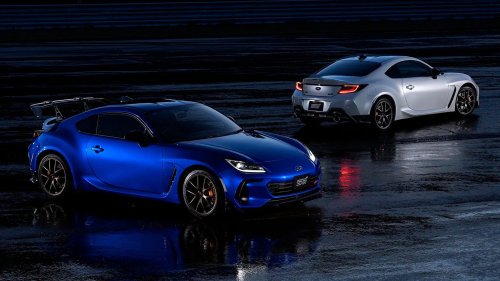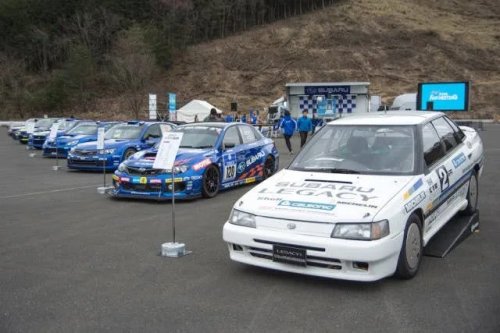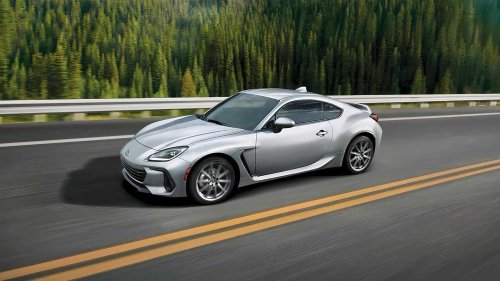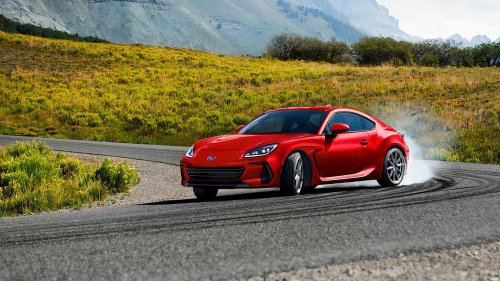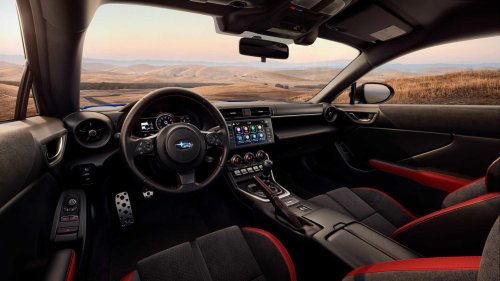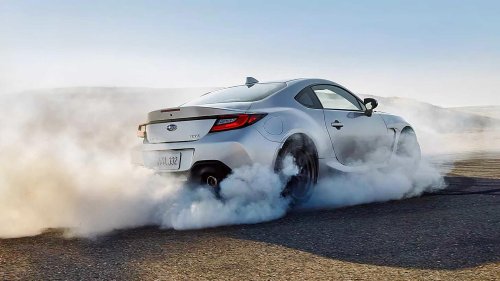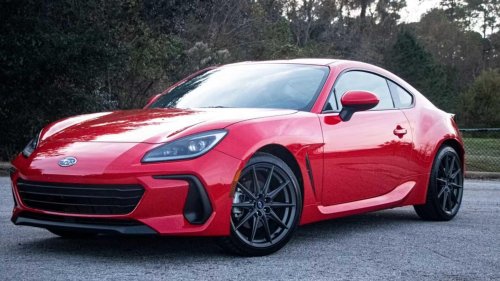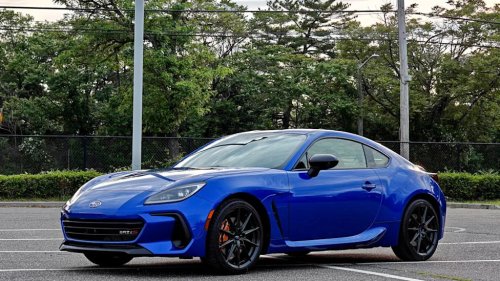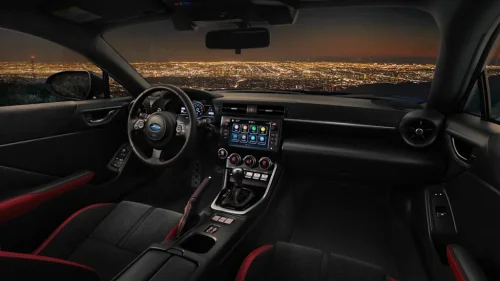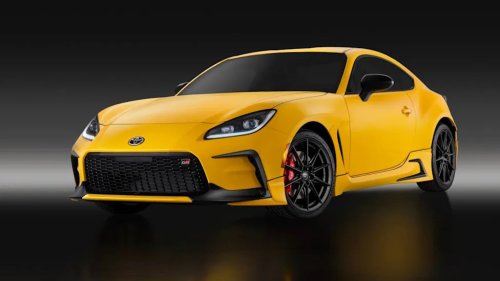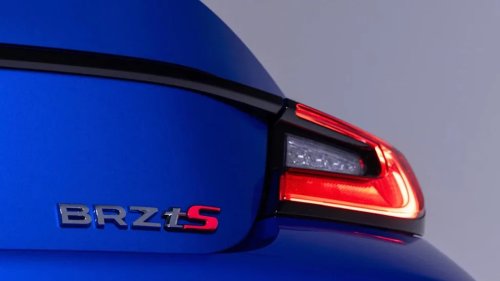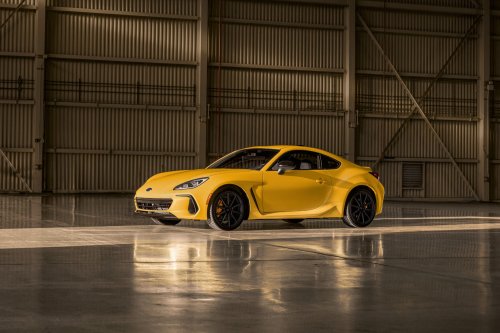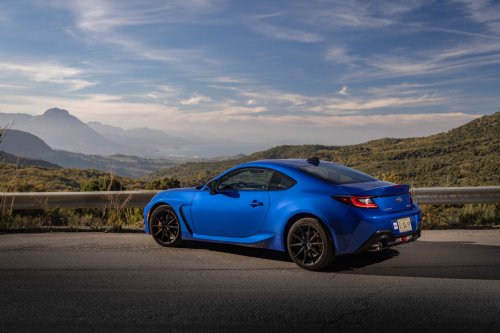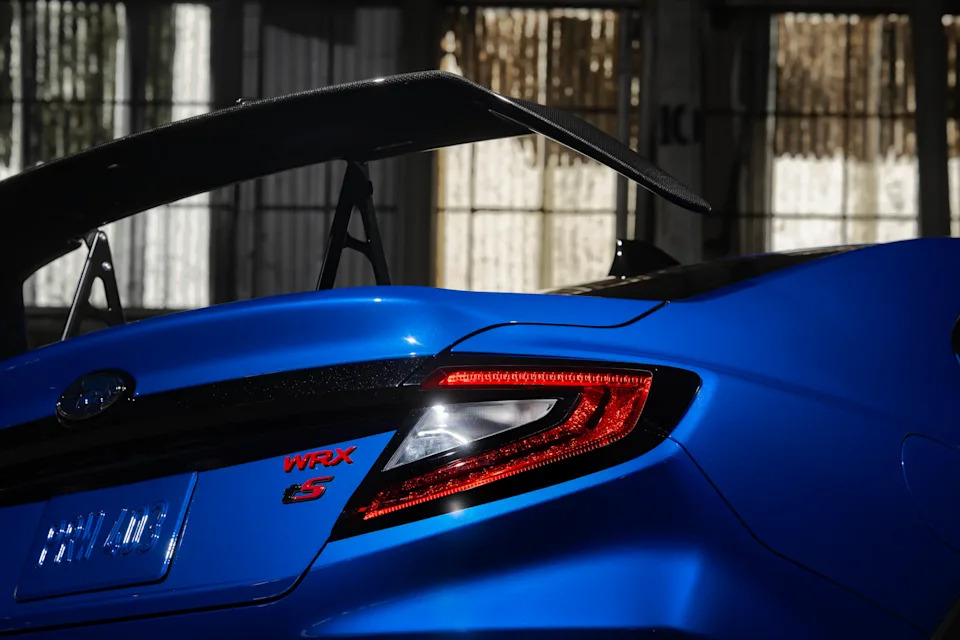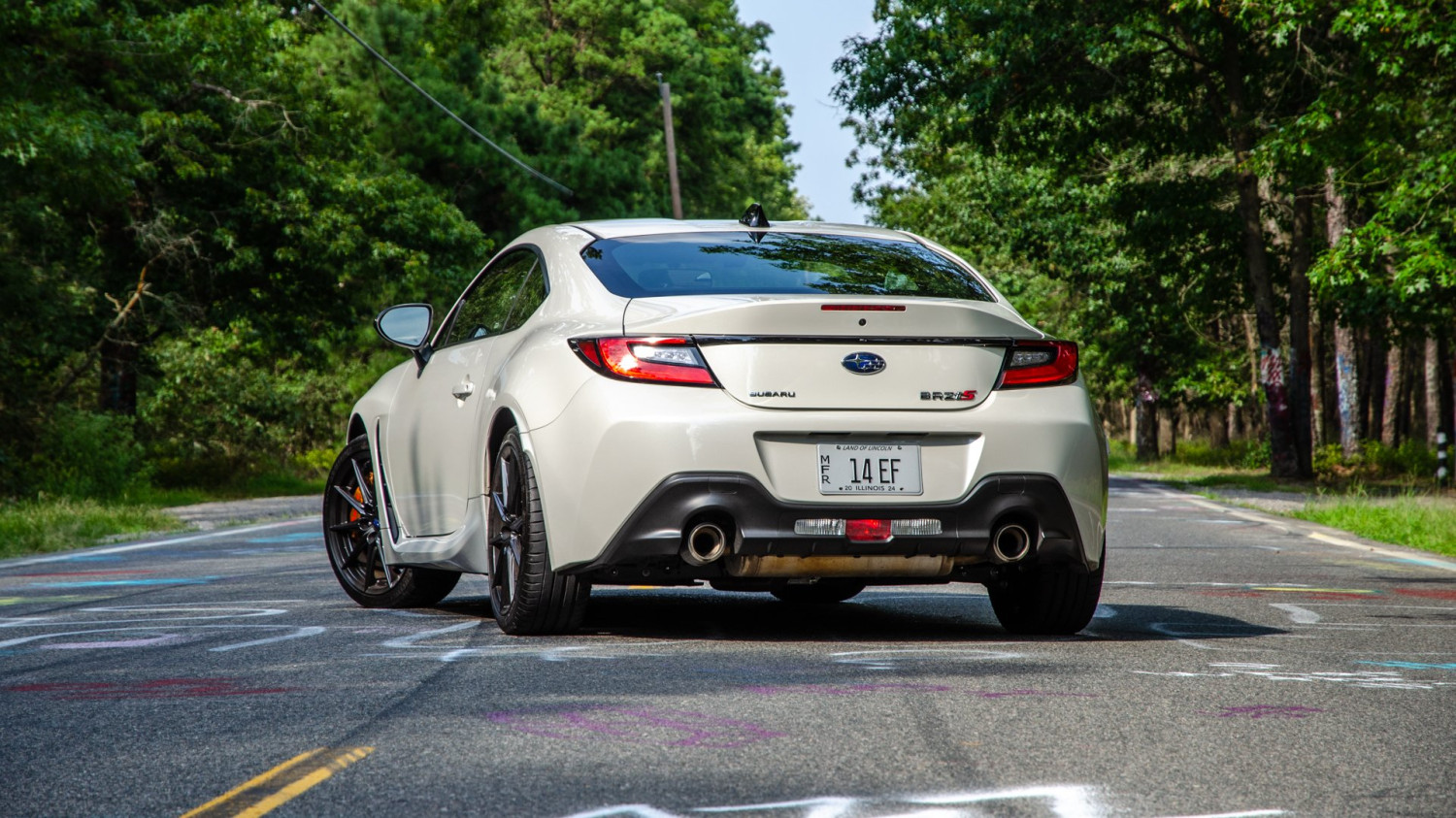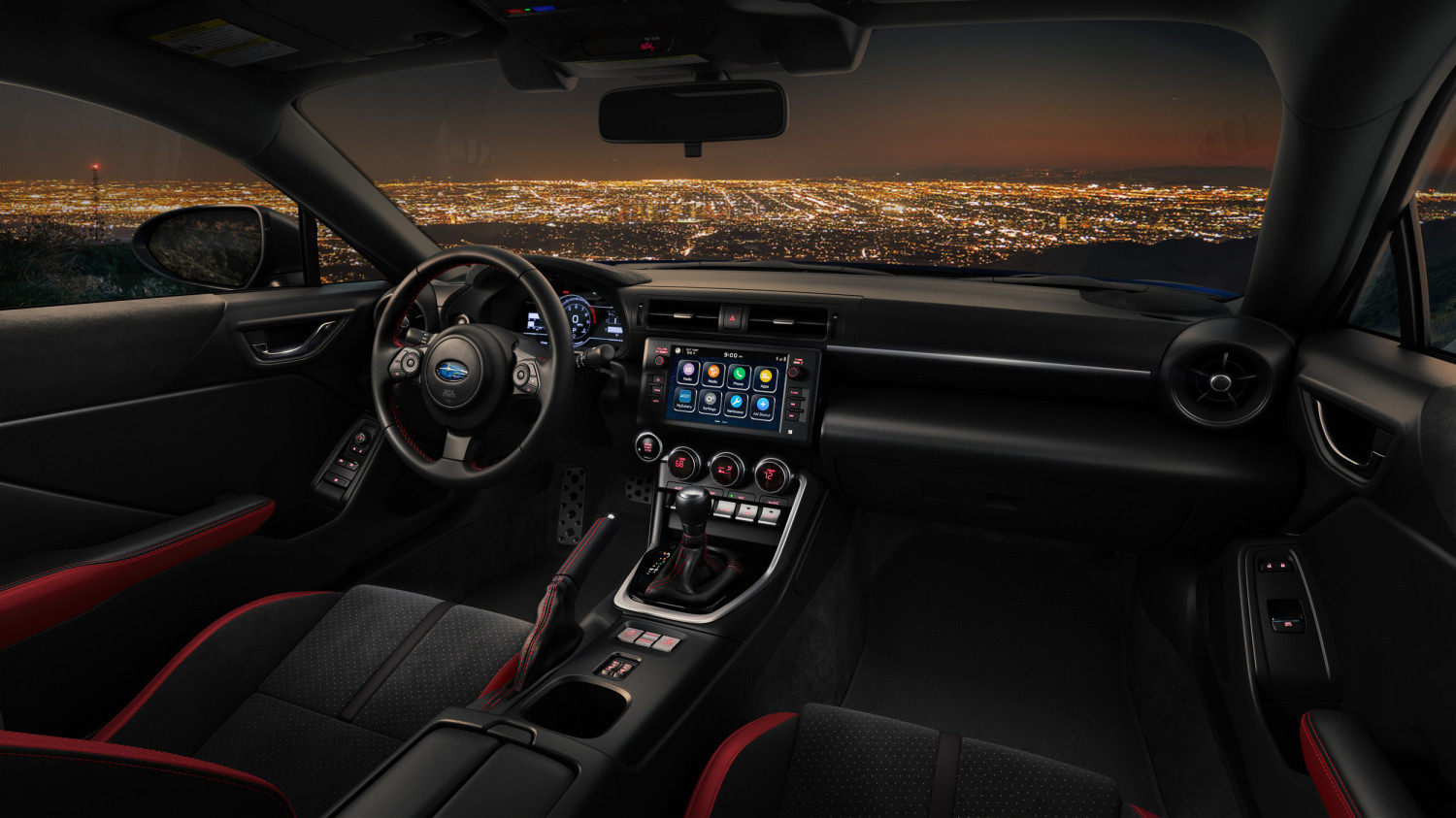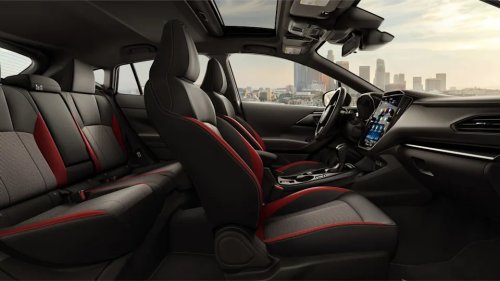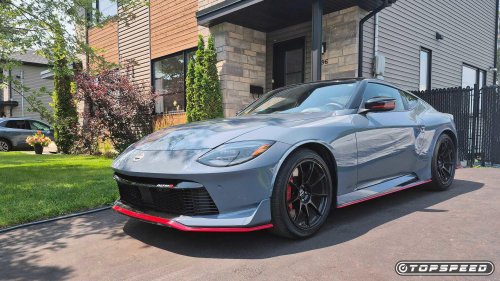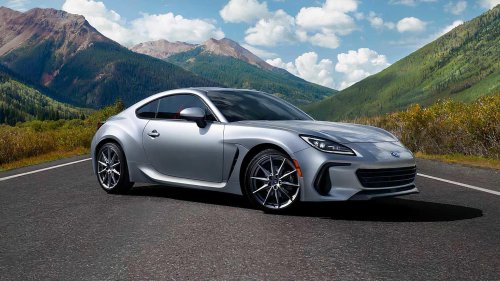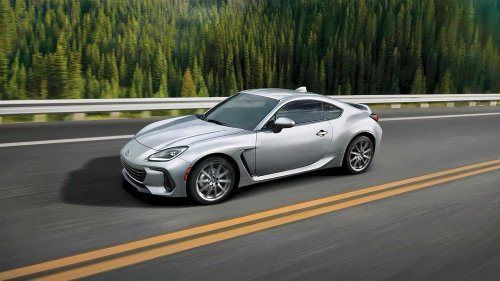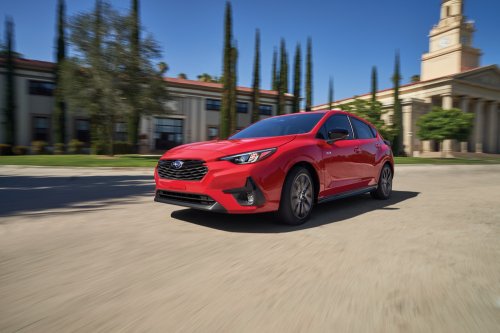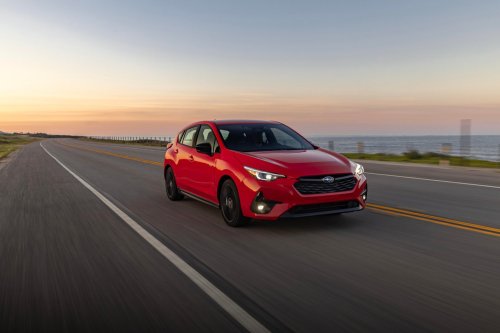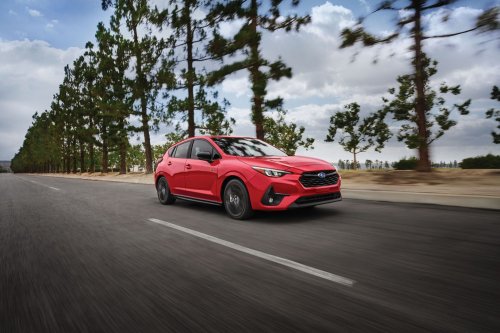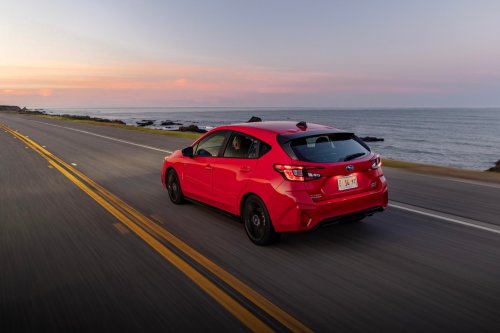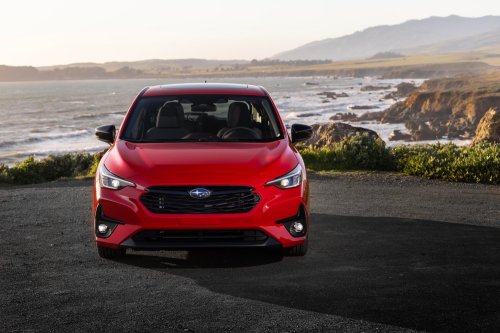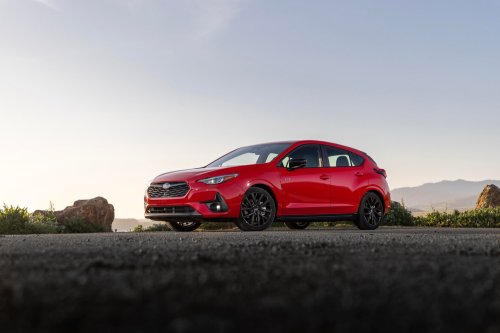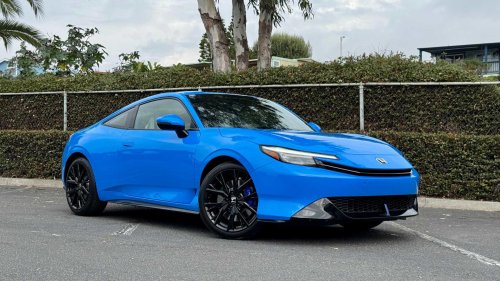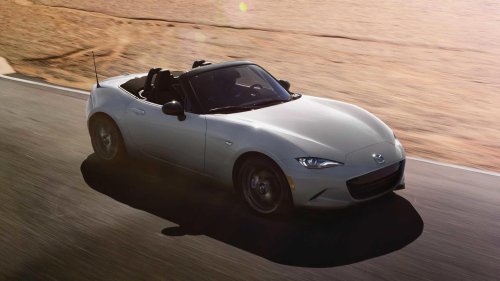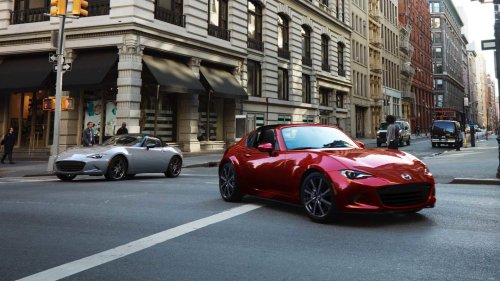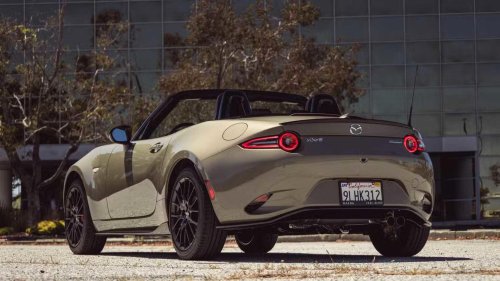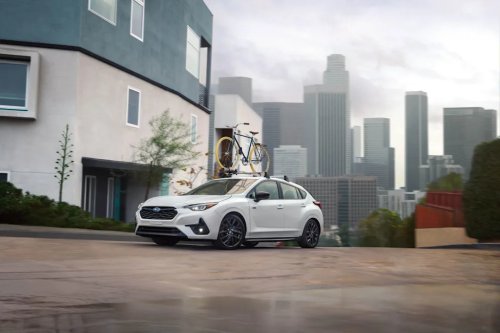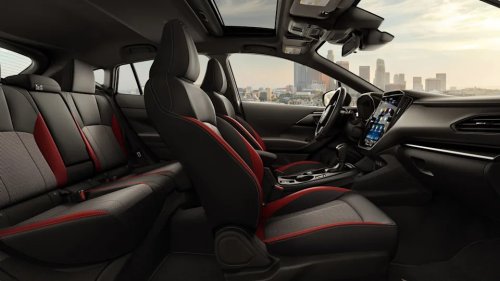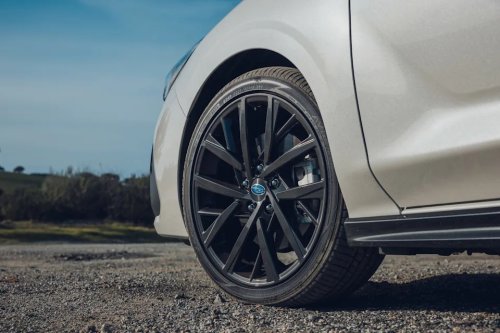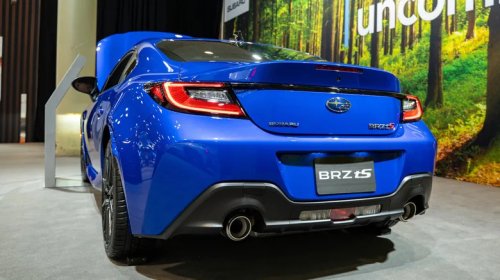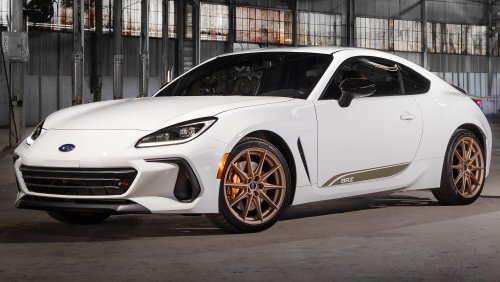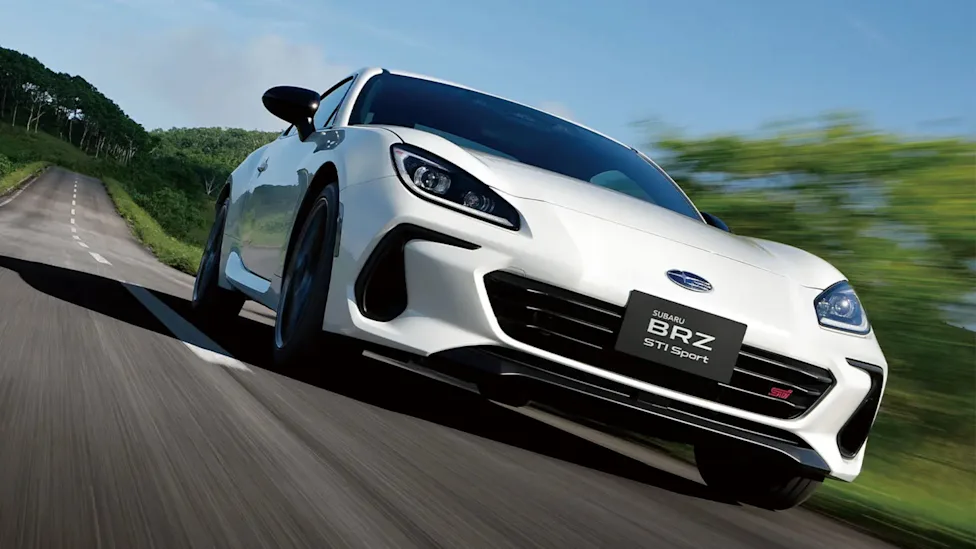
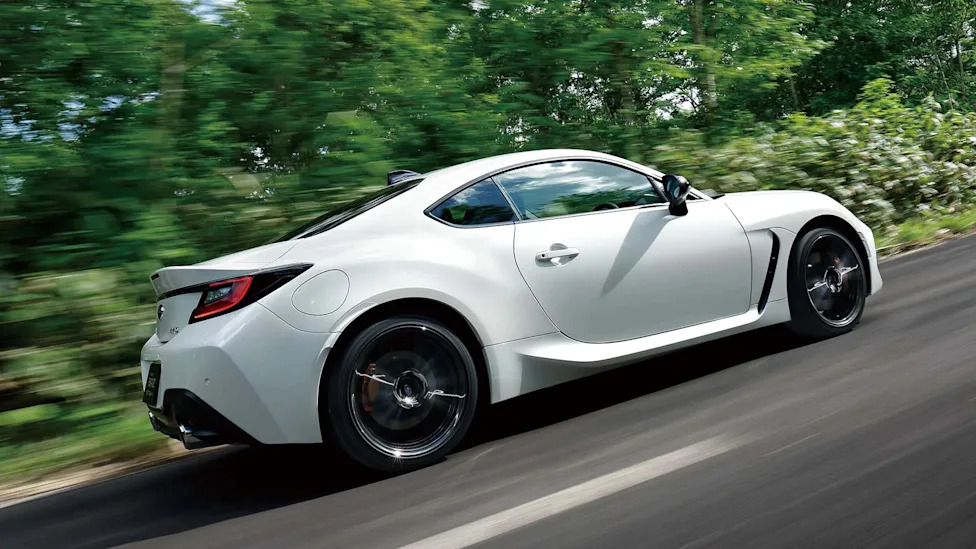
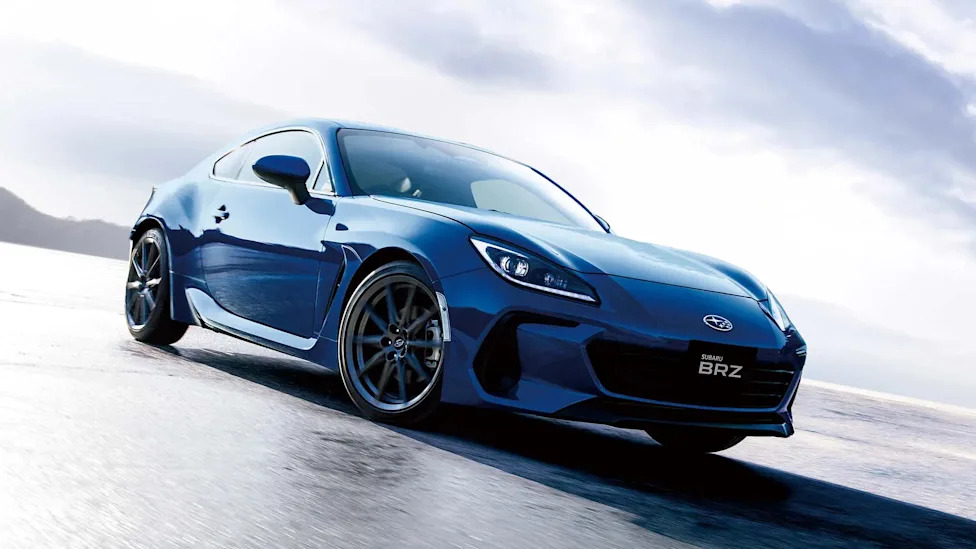



















Autoblog and Yahoo may earn commission from links in this article.The sports car community is buzzing, and for good reason. Fans of lightweight, rear-wheel-drive dynamics eagerly anticipated the latest updates to this wildly popular and affordable coupe. Looking at the previous model year, incremental upgrades kept the platform competitive, but diehard enthusiasts always crave more mechanical engagement. The 2027 iteration is officially here, and it brings a stark divide between domestic and international buyers.We recently saw the US sticker prices, which outlined a highly familiar trim structure for North America. However, Subaru just unveiled the Japanese Domestic Market iteration, and it paints a vastly different picture. The Japanese release heavily emphasizes affordability and grassroots motorsports, revealing a hardcore driving intent that seems significantly diluted in Western markets.SubaruTrack-Bred Hardware ExclusivesThe newly unveiled Japanese lineup introduces four distinct tiers, spearheaded by the raw Cup Car Basic. This entry-level grade is purely designed for track abuse and one-make racing series. Stripped of creature comforts, it represents an incredibly affordable entry point for privateer racers. Normal street offerings include the base R, the comfort-focused S, and the premium STI Sport equipped with Hitachi Astemo dampers.AdvertisementAdvertisementWhat truly stings for American drivers is the mechanical exclusivity. Japanese manual transmission models are receiving a motorsport-derived shifter mechanism. Developed using data harvested from the Super Taikyu Series, this revised internal geometry drastically improves upshift and downshift smoothness. This track-bred hardware optimization was entirely omitted from North American press releases, and the Japanese base R model starts at just $21,086. Meanwhile, looking at our own domestic pricing, the base Limited trim in the United States demands a staggering $36,140.Additionally, the domestic Japanese models boast slightly more power, squeezing out 232 horsepower compared to the 228 horsepower available stateside. These manual cars also receive upgraded safety tech, incorporating a new wide-angle monocular camera for better intersection collision detection. These granular differences ultimately create a sharper, safer, and more focused driving machine for the local Japanese enthusiast.SubaruAftermarket to the Rescue?It is undeniably frustrating to watch the best engineering bits stay confined across the Pacific. Subaru understands its hardcore fanbase, evidenced by their recent rally aspirations that continually push this lightweight platform's limits. Yet, bringing those hyper-focused elements to American showrooms remains a logistical hurdle they are seemingly unwilling to clear. By locking the superior shifter behind regional borders, they are shortchanging their passionate western buyers.With the global sports car segment heating up, these regional discrepancies matter greatly. When analyzing sales compared to the Honda Prelude, brand loyalty hinges on delivering completely uncompromised thrills. While the American version remains a fantastic vehicle in its own right, knowing a cheaper and mechanically superior twin exists just out of reach leaves a bittersweet taste. Hopefully, aftermarket tuners quickly reverse-engineer these Japanese transmission secrets.SubaruThis story was originally published by Autoblog on Jul 31, 2026, where it first appeared in the News section. Add Autoblog as a Preferred Source by clicking here.