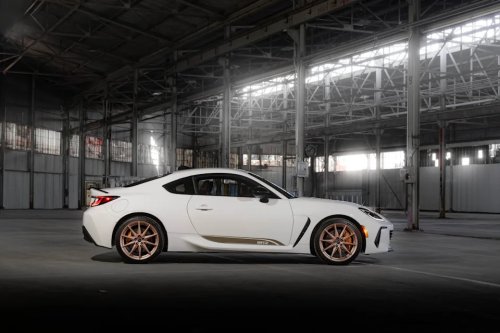
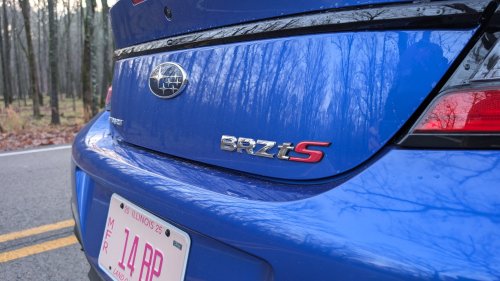
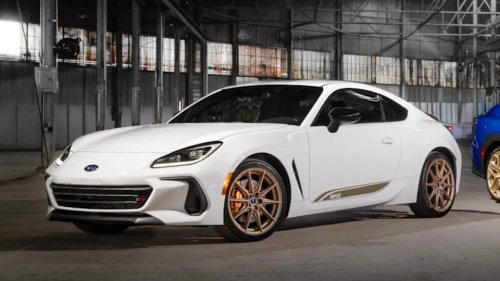
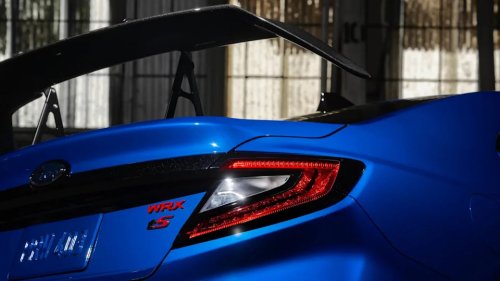
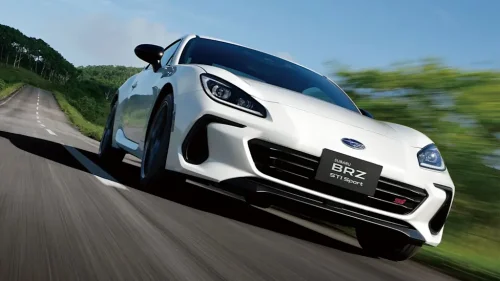
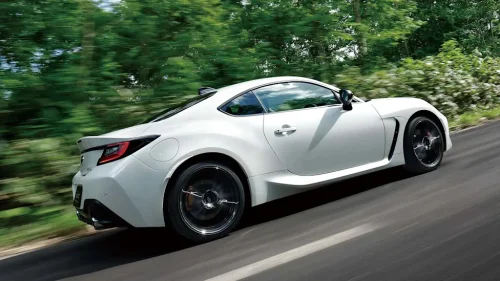
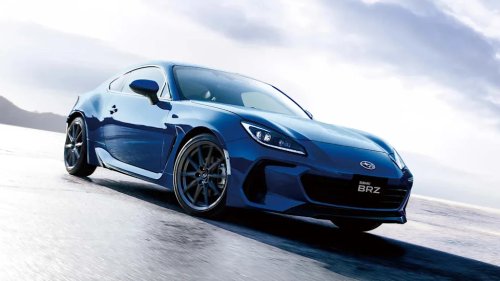
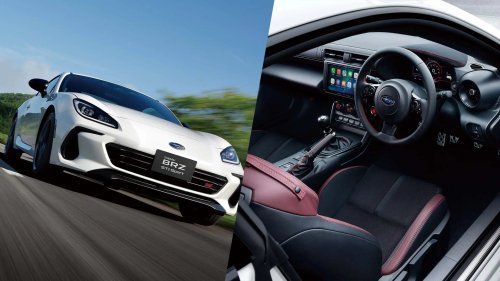
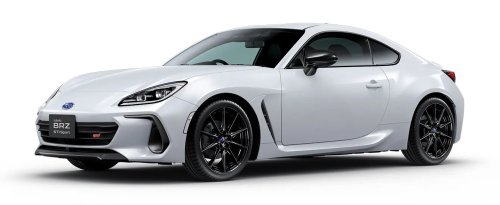
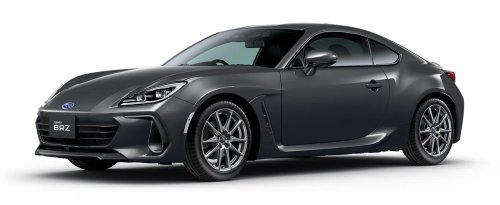
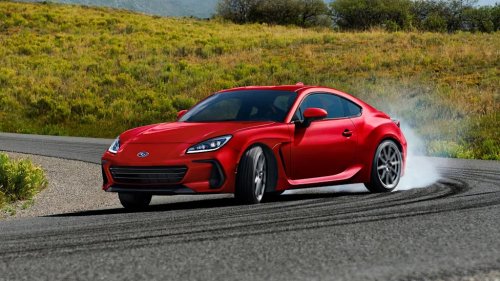
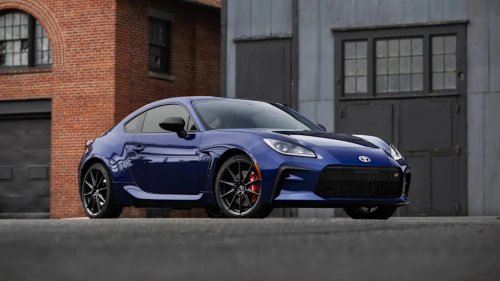
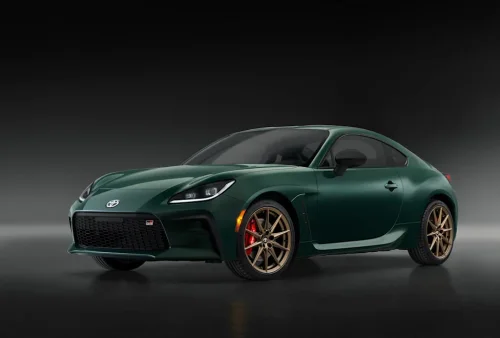
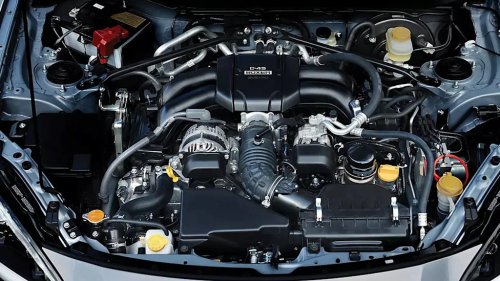
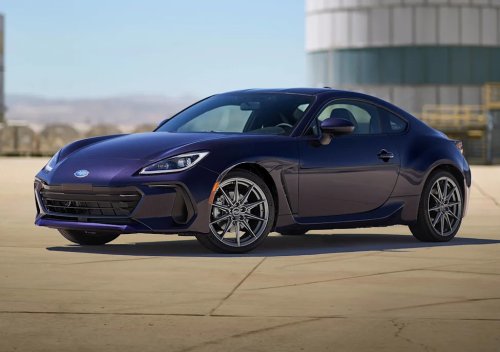
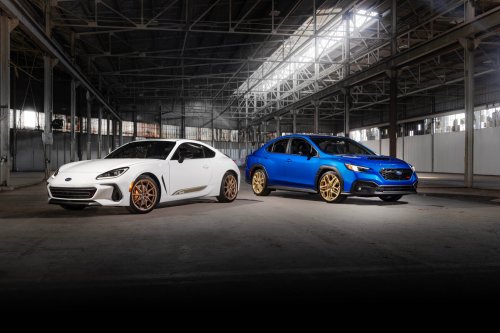
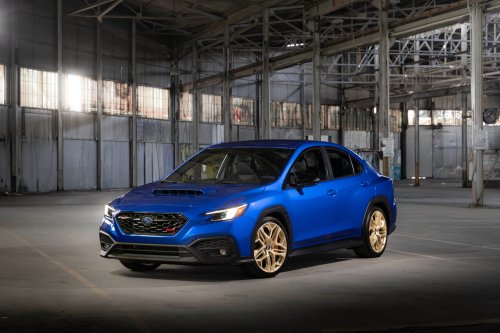
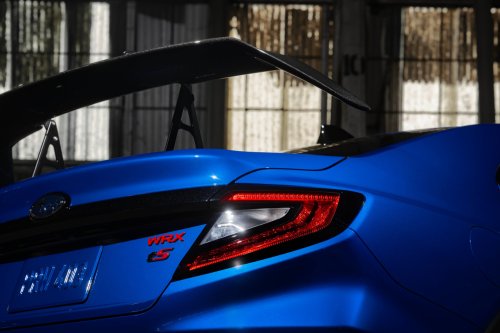
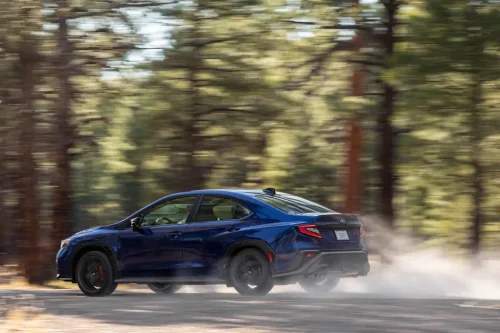
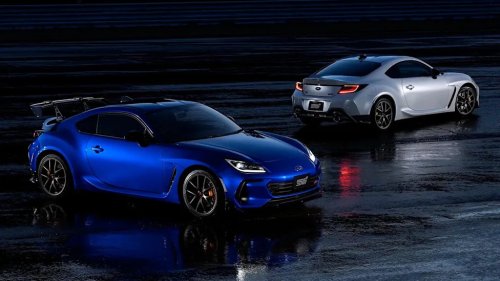
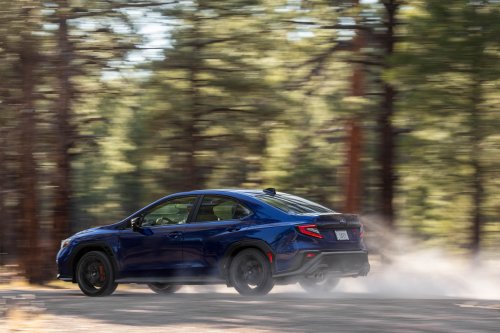
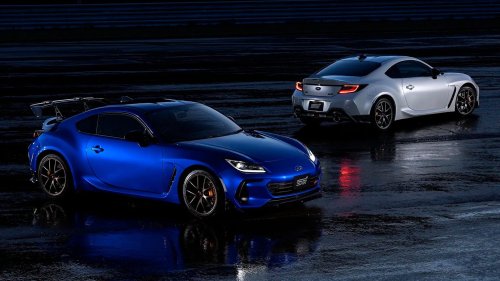
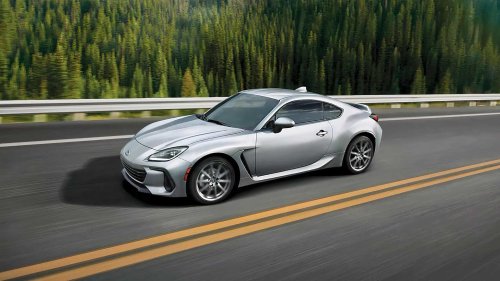
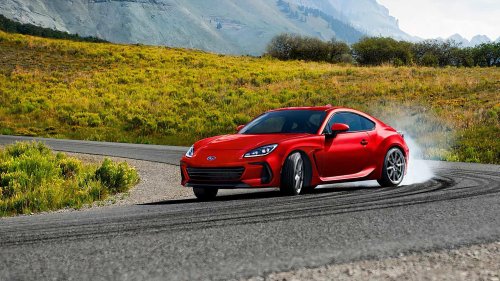
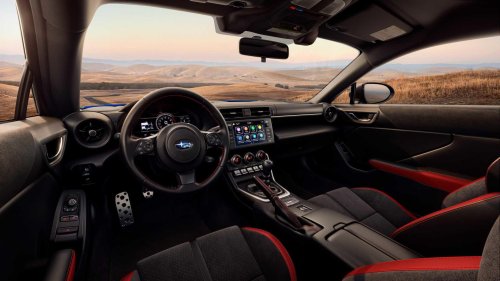
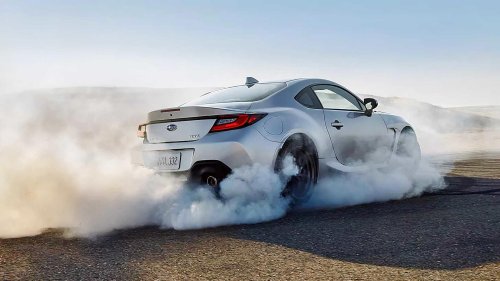
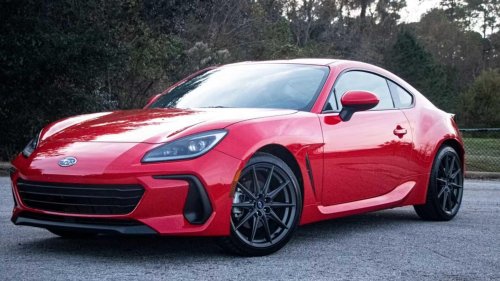
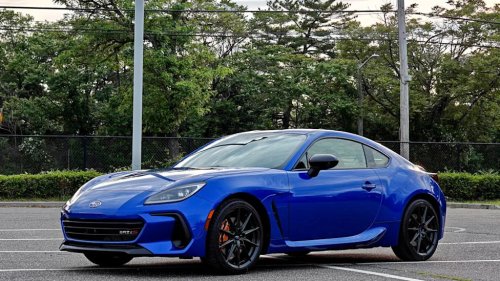
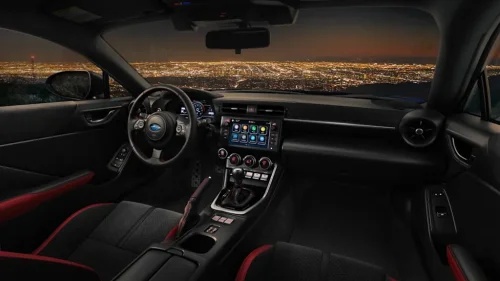
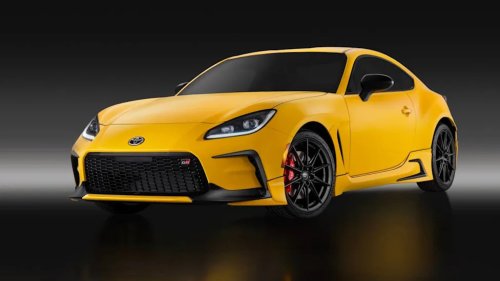
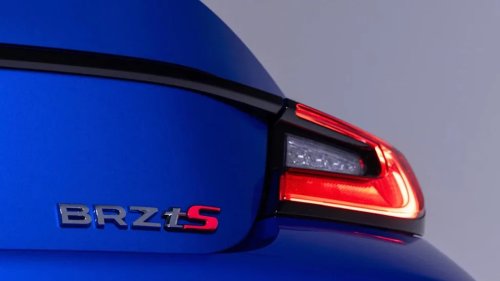
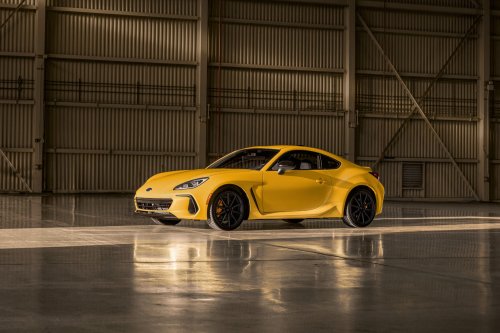
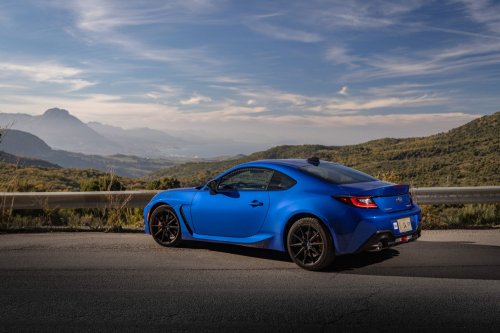
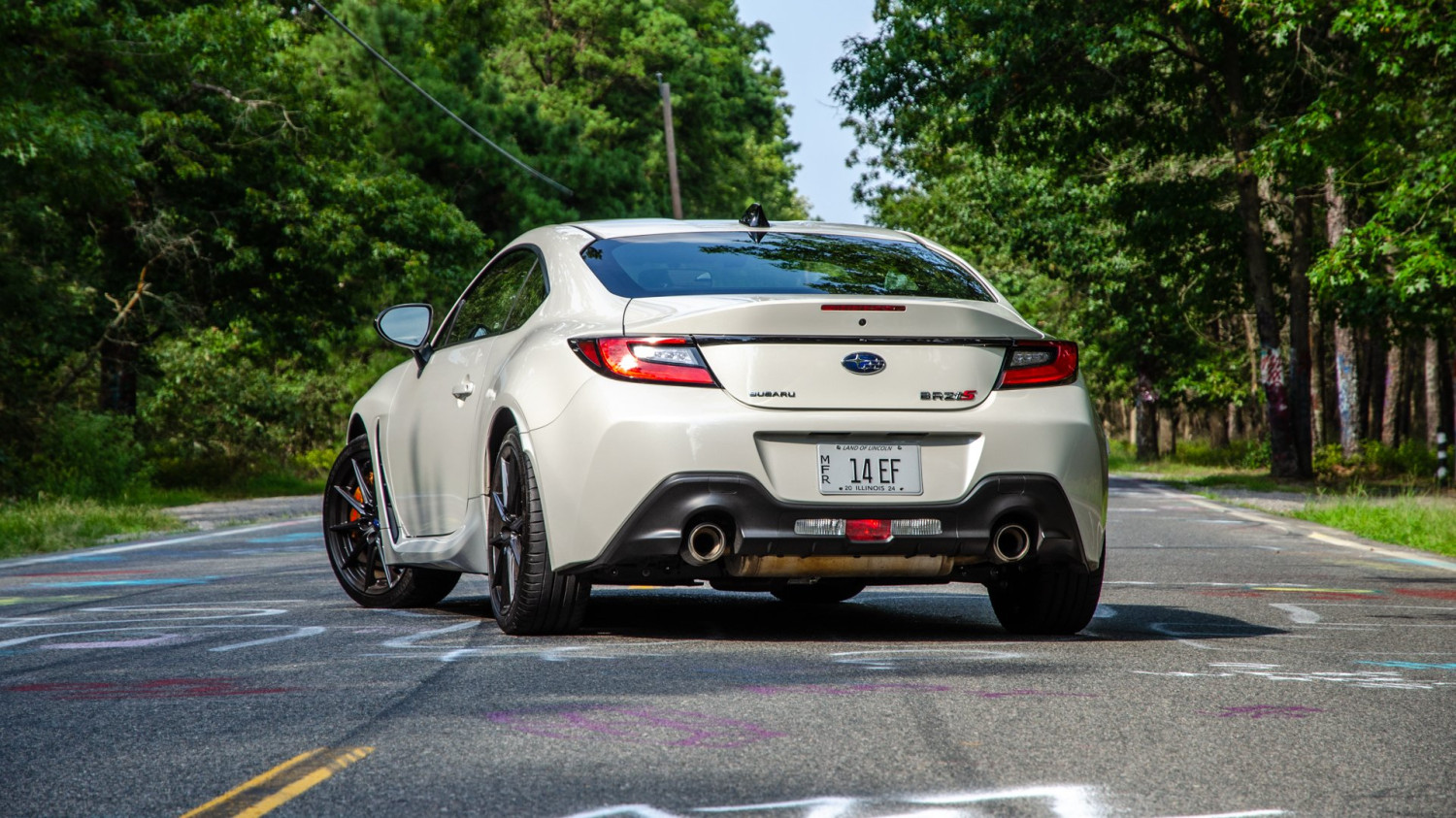
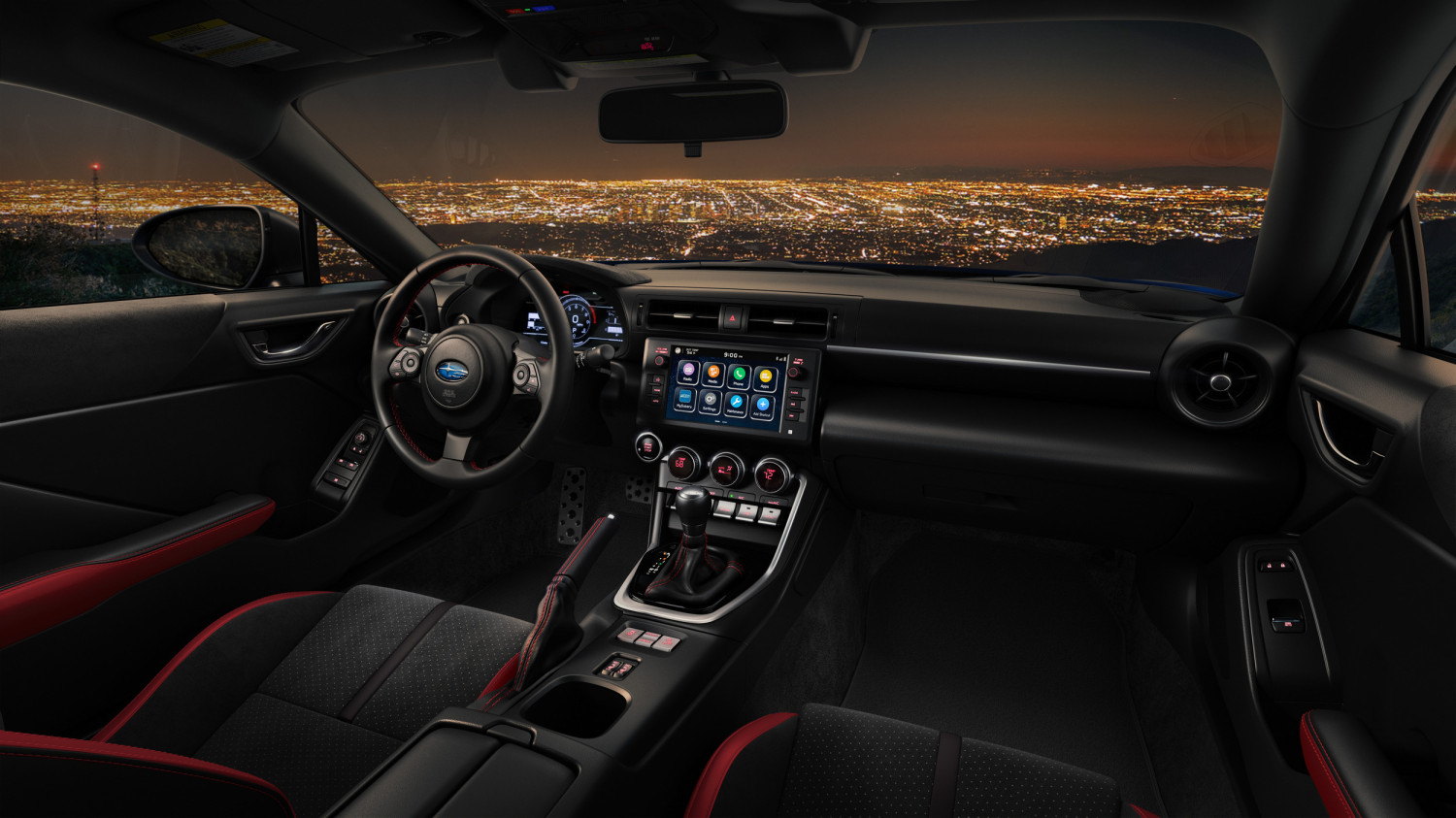
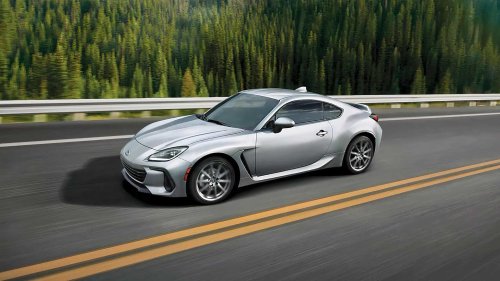
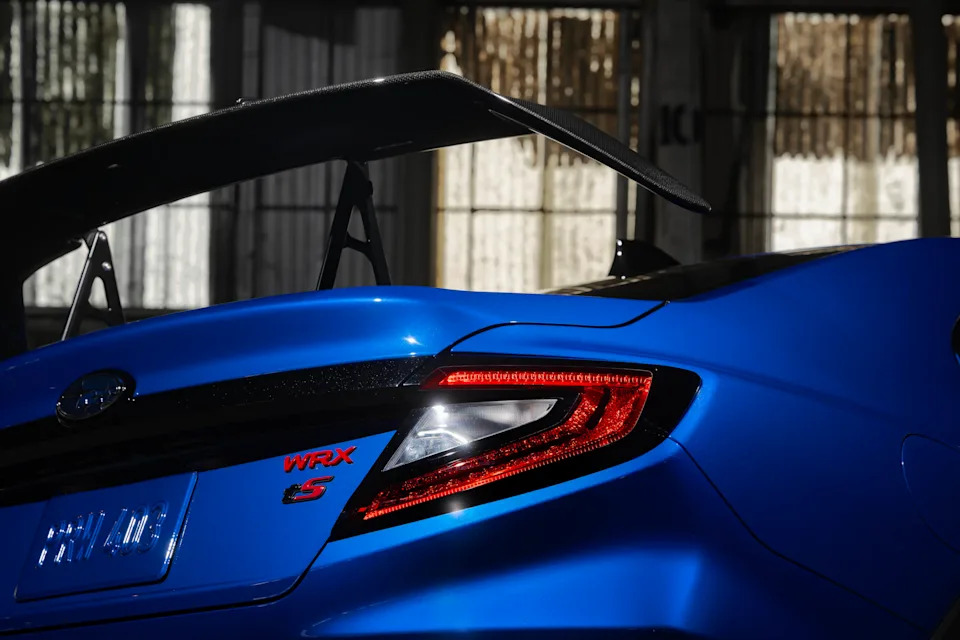
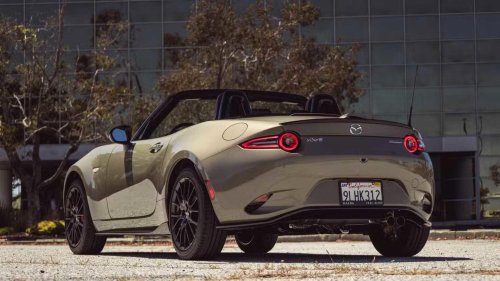
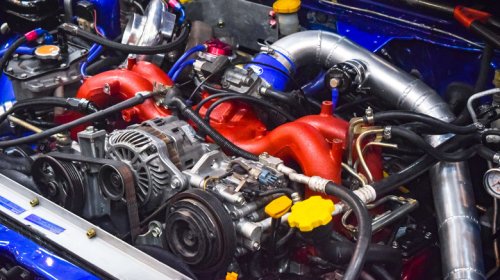
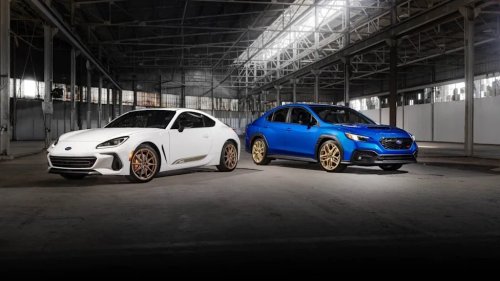
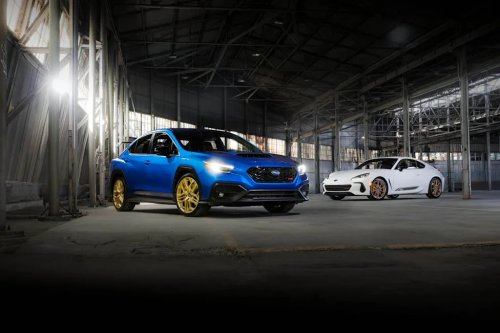
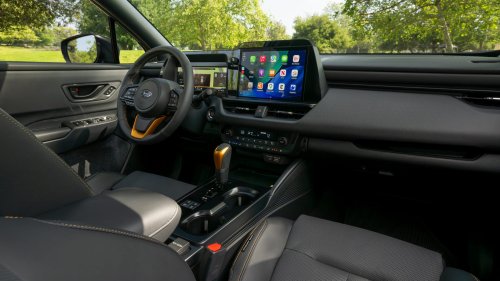
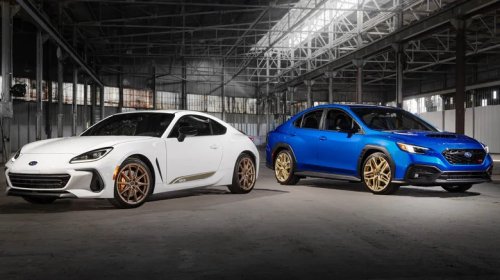
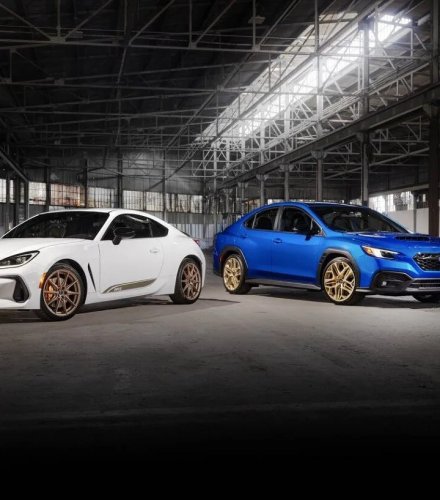
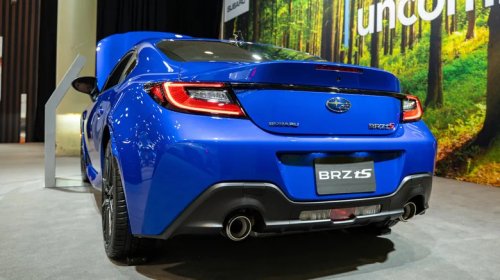
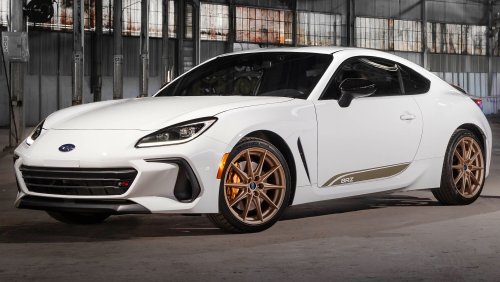
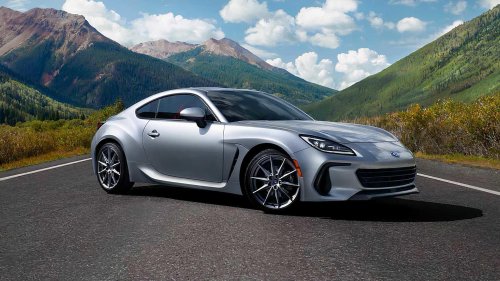
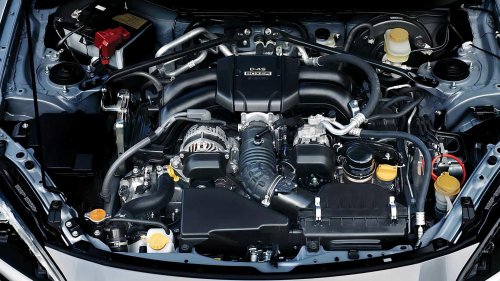
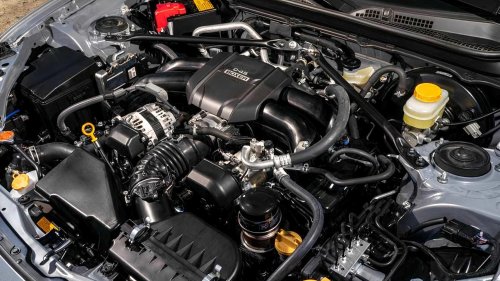
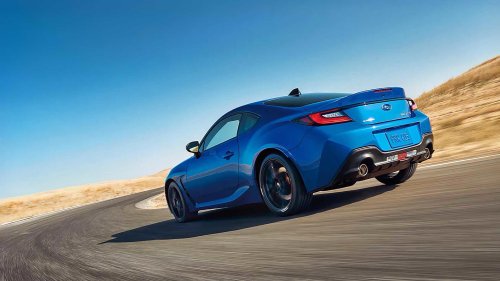
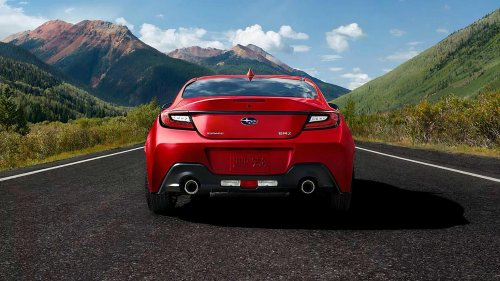
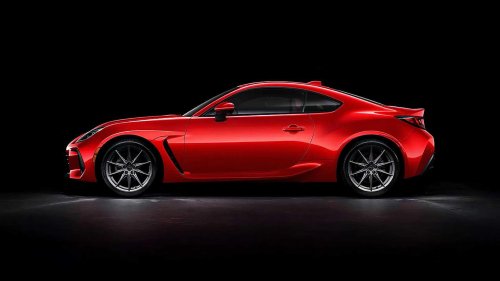
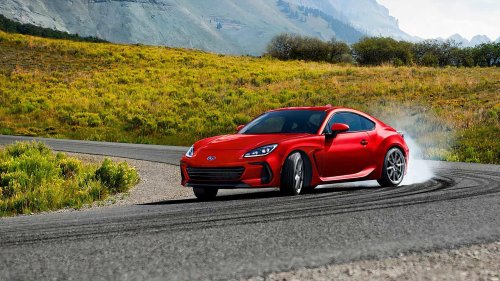
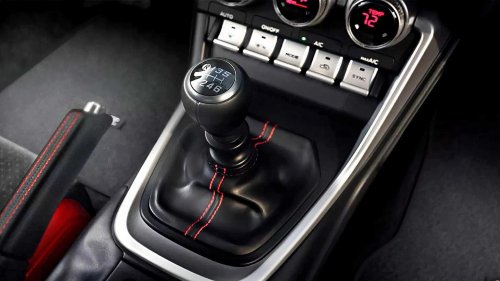
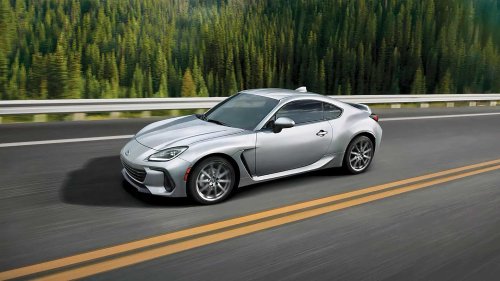
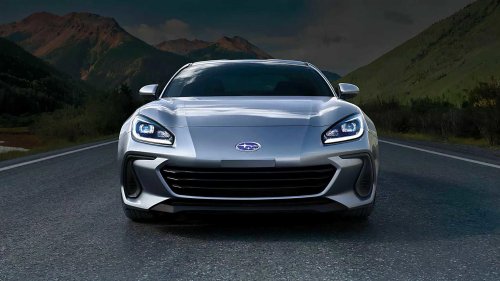
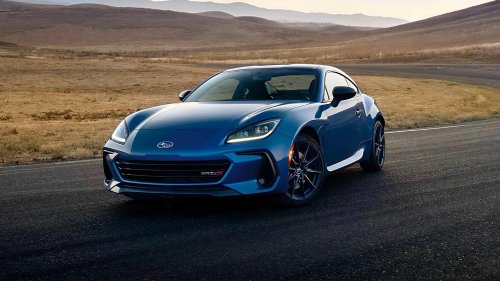
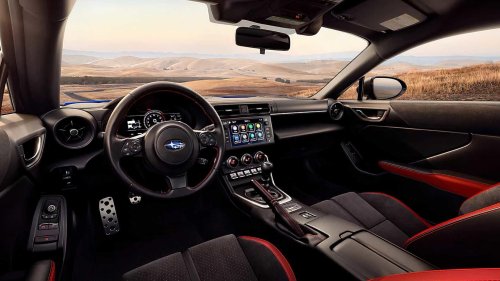
Sports cars have gotten smarter, faster, and techier in recent years. The evolution of turbo technology has ensured that most new sports cars now get a powerful turbocharged unit under the hood; models have more driving aids to help us keep things on the road, and the cabins are all kitted out with touchscreens and infotainment systems.While modern sports cars can do things some of the best sports cars from yesteryear couldn't do, there is arguably something missing. Some of the finest sports cars don't need turbo motivation, loads of nannies, or fancy cabins, and while that is in short supply today, there is a new analog sports car made by Subaru that still gets all the old-school things right. The Rise Of Technology And Turbos In Sports Cars William Clavey | TopSpeed Sports cars used to be all about mechanical feel. Bigger revs, sharper throttles, hydraulic steering, and manual gearboxes were what defined a great driver's car. Now, the formula has changed completely. Turbocharging dominates the industry because it helps manufacturers meet emissions regulations while still producing massive power numbers.That's why everything from the Ford Mustang EcoBoost to the BMW M2 and Porsche 911 Carrera now relies on forced induction. Even cars that were once famous for high-revving, naturally aspirated engines, like some of the best AMG models, have now downsized into smaller turbo setups with hybrid help.Bring A Trailer Modern-day speed in sports cars isn't a problem, but some of the sensation has been replaced by it. Turbocharged engines wind out massive low-end torque, but they often lose the linear throttle response that feels good underfoot. Older naturally aspirated engines are the ones that reward you for chasing redlines. Think the Honda S2000; the 2.4-liter F20C inline-four screams past 8,000 rpm, while the 4.0-liter flat-six under the hood of the Porsche 718 Cayman GT4 gives peak power at 8,000 rpm.Adaptive dampers constantly adjust suspension; electric power steering filters feedback; rev-matching tech smooths out downshifts; advanced traction and stability systems step in long before things get messy, and dual-clutch gearboxes can shift faster than any human could. It is great for driving fast, but it does remove some of the challenges that make older, analog sports cars so fun to drive. Why The Analog Sports Car Feel Can't Be Replaced Porsche Connection; that's why analog sports cars still matter, and why they are missed. Modern performance cars are faster than ever, but many of them can leave you out of the driving experience. An analog sports car does the opposite; you feel every vibration through the steering wheel, weight transfer through the chassis, and every sweetly timed gear change. There is no wall of turbocharged torque doing the work for you, and no multiple drive modes to complicate things.That's what makes naturally aspirated, rear-wheel drive, manual-transmission sports cars so appealing today and so hard to replace; there aren't that many to choose from, and they still deliver what we want from a hands-on feel. It's not about chasing huge horsepower or setting record lap times, but about the driving experience. Cars like the Honda S2000 and Lotus Elise proved years ago that balance and feedback create a more memorable time than brute force ever could. The 2026 Subaru BRZ Keeps Pure Driving Alive SubaruModels like the Porsche 718 Cayman and Boxster GTS 4.0, and the Mazda MX-5 are still flying the flag for analog driving, but they are not the only ones. It is the 2026 model of the second-generation Subaru BRZ, which shares a lot of its build with the Toyota GR86 and was co-developed with it, that deserves special attention for its dedication to purity. The new BRZ has an approachable starting price of just under $36,000 and is available in just two trims: the Limited and the tS. The 2026 lineup has the following MSRPs.To put that into perspective, the new MX-5 Miata has a starting price of $30,430; the new GR86 has a starting price of $31,400, and the new 718 Boxster has an MSRP of $77,600. So, the BRZ's pricing sits slightly above other "entry-level" sports cars but way below its German counterparts.The new 2026 Subaru BRZ is a driver's car in every sense of the word. The BRZ model lineage isn't particularly long, with its debut in 2012, but today, it remains one of the best pure analog sports cars left on the market. It isn't flashy; there is no turbocharging; the engine sits in the right place; power is sent to the rear, and it looks the part without screaming for attention. In other words, it is a proper old-school-feeling coupe, but with modern reliability. A Naturally Aspirated Engine In A Turbocharged World SubaruPossibly the standout feature of the new BRZ is the engine under the hood. The FA24 boxer engine in the BRZ feels unapologetically mechanical today, with Subaru's signature horizontally opposed layout. This keeps the engine sitting low and far back in the chassis, which is a huge part of why the BRZ feels like it wants to change direction so fast and feels so stable mid-corner.The FA24 has Toyota's D-4S dual-injection system equipped, with both direct and port injection depending on rpm. This gives the BRZ a sharp feel underfoot, clean combustion, and stronger pull at higher revs without sacrificing drivability. More importantly, it gives the engine an immediate feel every time you push the gas.SubaruUnlike a lot of modern performance engines that dump all their torque low down and fade away, the FA24 actually rewards you for revving it up properly. Power arrives at 7,000 rpm, and it can redline up to 7,500 rpm. You get a smooth power building as you approach the redline with a rawness that feels rare in the modern sports car market.The BRZ is not the fastest sports car in 2026 or the sports car with the most horsepower, but it doesn't really matter when you have to be fully engaged and actually driving it to benefit from the power on tap. Lightweight, Rear-Wheel Drive Simplicity Still Matters SubaruThe new BRZ only weighs in at 2,800 to 2,862 pounds. This makes it heavier than the MX-5 (up to 2,476 pounds), but much lighter than the very expensive but still naturally aspirated Porsche GT3 (3,300 pounds). Modern sports cars have become relatively heavy thanks to the turbocharging gear, hybrid systems, massive platforms, and driver-assist tech.The BRZ avoids all of that, thanks to Subaru keeping it compact, with measurements of 167.9 inches (length) by 69.9 (width), and the use of aluminum for the hood, front fenders, and roof. This lightweight philosophy is what gives the BRZ its old-school coupe character. With less weight to control, the BRZ feels very responsive; turn-ins feel immediate; the chassis reacts naturally, and the suspension doesn't need aggressive electronic nannies to keep things composed.Subaru Subaru has also stiffened the chassis over the previous generation, which allows the suspension geometry to work better while still providing a very connected and mechanical feel behind the wheel. Plus, you still get rear-wheel drive, while a lot of modern sports cars are now using AWD.Combined with the low-mounted boxer engine and Torsen limited-slip differential, you get a balance that feels adjustable and playful rather than overly planted or numb. It is designed for you to feel it rotating naturally through corners, and it makes you think about how much throttle to open instead of relying on computers to sort everything.Subaru It is this level of interaction that is becoming rare, but the lightweight RWD BRZ hasn't given up on it. A Top Speed driven review of the BRZ sums it up nicely.On a tight, winding back road, I'm not interested in an overpowered supercar. What I want is nimble, responsive, and entertaining. I want to feel like a hero while obeying the speed limit. The BRZ is the back-to-basics sports car that does all that. What Makes The 2026 BRZ Different From Modern Rivals SubaruIf you are just looking for speed, anyway it comes, the thought of a slightly slow sports car with less horsepower than some mainstream sedans may not sound great. However, for the BRZ, it is the overall package that makes it hit so different. It is not designed around headline power, showy tech, or massive straight-line performance; instead, Subaru and Toyota have focused on making you feel connected to every part of driving it.That philosophy is obvious when you push the BRZ hard. The controls feel deliberate, visibility is very good, and it remains approachable enough to enjoy without needing racetrack speeds. Modern rivals feel so capable that you don't scratch the surface of what they can do on the road, but the BRZ feels engaging at sane speeds, which is what makes it such an awesome coupe. Manual Transmission Engagement Is Becoming Rare SubaruAutomatic transmissions have all but killed off manual ones in the sports car world, and while modern automatic transmissions can change cogs quicker than any human ever could, for an analog car to be just that, a manual gearbox is pretty much the only option. The six-speed manual used in the BRZ is again built for pleasure over convenience.It is a traditional H-pattern box with a short-throw linkage that keeps mechanical movement tight and direct, so each shift feels deliberate instead of filtered through layers of software, while the clutch is well-weighted but still light, with a clear engagement point that makes it easy to judge shifts.SubaruA six-speed automatic transmission is available for the new BRZ, and so is rev-matching for the manual models, but if you want pure hands-on driving, we'd suggest not opting for these. However, the optional rev-matching tech does remove some of the awkwardness of heel-and-toe for everyday driving, and it can be switched off. So, Subaru has offered the best of both worlds here.It can be argued that driving a manual car can make you a better driver, and that is effectively what the BRZ helps to facilitate. Alongside the lack of techy intervention, a purist setup, and a manual transmission at your disposal, the BRZ is a real driver's car that is meant to be driven, and a car that is going to make you learn how to drive well without help. Handling a hugely powerful turbocharged beast takes skill, but you are less likely to be left on your own without driver systems in something modern that has 600 horsepower on tap. Steering Feedback And Chassis Balance Come First SubaruThe new BRZ benefits from 50:50 front:rear weight distribution, a front-mid-low-mounted engine, and a chassis layout that prioritizes mass centralization over outright packaging efficiency. The boxer engine doesn't just sit low for the sake of handling headlines, and it is pushed rearward in the bay to sit closer to the firewall, pulling weight away from the nose.This helps to reduce the pendulum effect that you typically get in front-heavy sports cars, and, here, means you get a sports car that doesn't feel like it is dragging itself into corners, but rather cleanly pivoting. Working with the MacPherson strut up front and the rear double-wishbone, you get a balanced ride that doesn't rely on complexity, just a well-thought-out rig.Subaru The new BRZ has a quick steering ratio of 13.5:1, and while it does come equipped with electric power steering, it is tuned for consistency and linearity rather than outright sharpness. So, you can add lock, and the response builds in a natural curve instead of feeling artificial. That means front-end grip in real time, and a new car that feels honest to its racing and sporty pedigree. The Subaru BRZ As The Last Great Analog Coupe SubaruThe BRZ doesn't really try to win the modern sports car argument, and that is why it makes for one of the last great analog sports coupes out there. While most rivals are chasing big numbers, sharp lap times, increasingly complex tech stacks, and newer engineering, the BRZ sticks to a far more old-school idea: making you the most important part of the drive.Everything about it feels deliberately unfiltered, from the way it communicates weight transfer to the way it reacts when you're not perfectly smooth with your inputs. This kind of analog thinking carries on through its design as well. The exterior isn't trying to shout about performance with oversized vents or aggressive aero features; instead, you get a clean, compact, and functional shape that clearly prioritizes balance over drama.2026 Subaru BRZ interior showing cabinThe cabin is the same; you get an eight-inch central touchscreen running Subaru STARLINK and wireless phone connectivity, and a seven-inch digital cluster that allows you to view G-meter readings, torque outputs, and lap times alongside your speed and revs, but that is where most of the tech stops. You get a choice between a six-speaker or eight-speaker sound system; aluminum pedals, a leather-wrapped steering wheel, air-con, and heated and bolstered sport seats are standard fare.Everything in the cabin looks clean, and there is nothing in there that really takes your attention away from the road and driving. Just as a sports car should be, without the gimmicks. In a market where everything is becoming faster but arguably more detached, the BRZ does hold on to something that is becoming very rare: a feeling that the car is working with you, not ahead of you. A recent owner review of the Subaru BRZ on Kelley Blue Book rounds things off nicely.This car is an incredible entry-level sports car and is incredibly fun to drive. Having taken it on multiple long road trips, I can say that it is comfortable and fun as hell.Sources: Subaru, Kelley Blue Book



















 +11 others