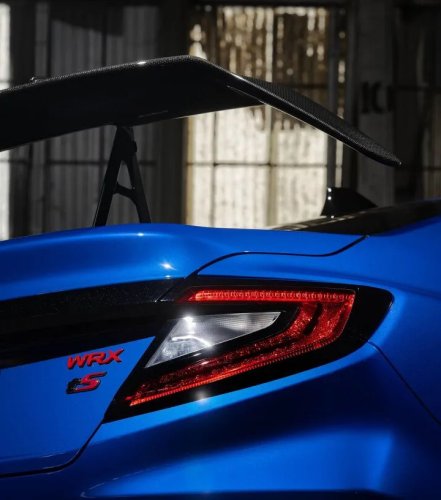
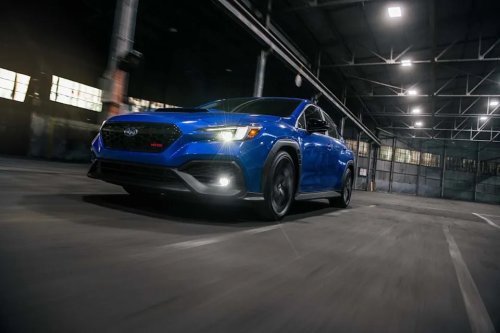
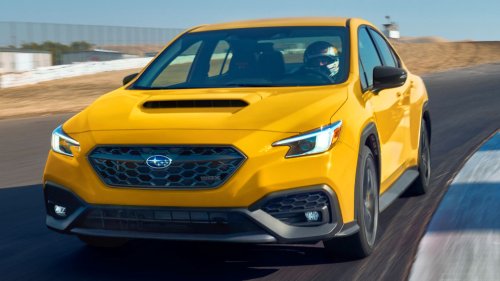
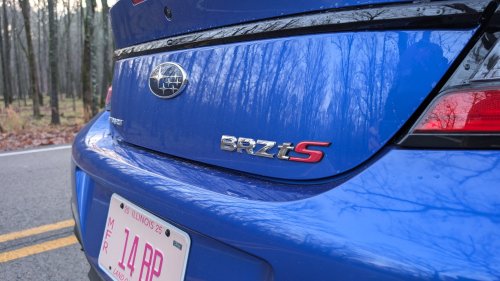
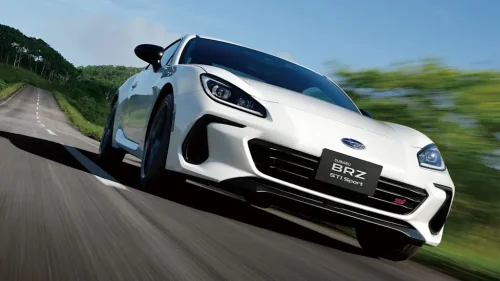
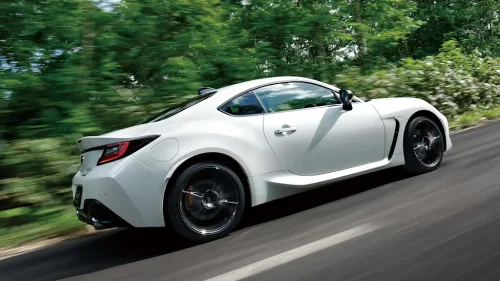
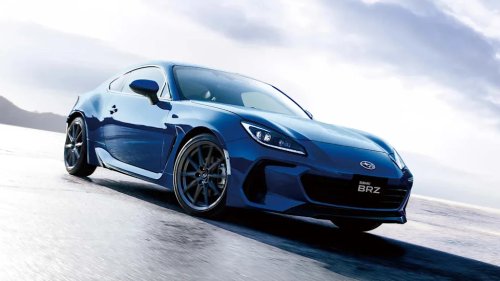
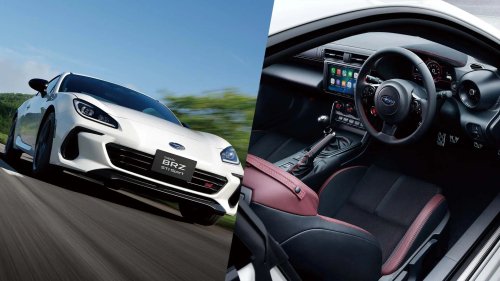
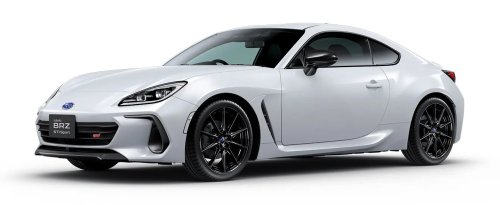
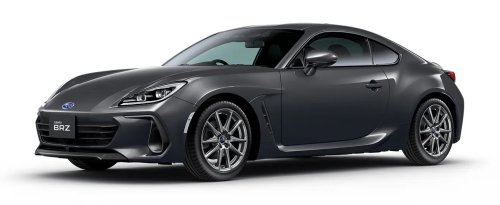
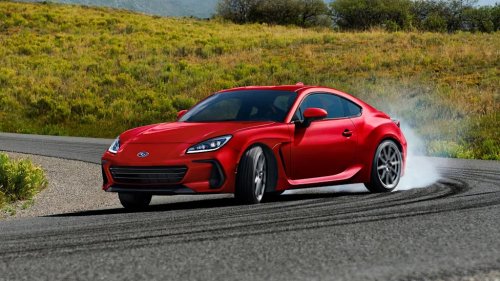
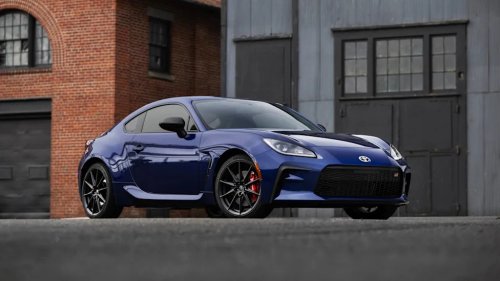
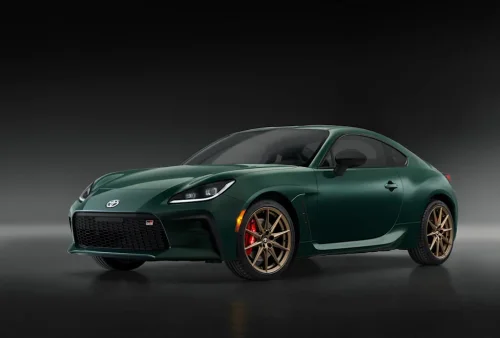
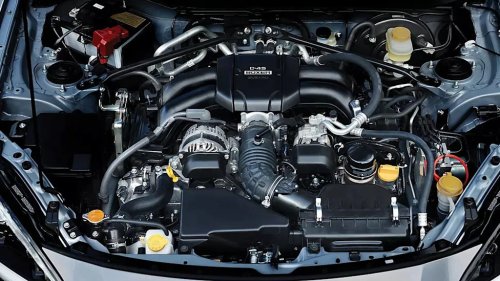
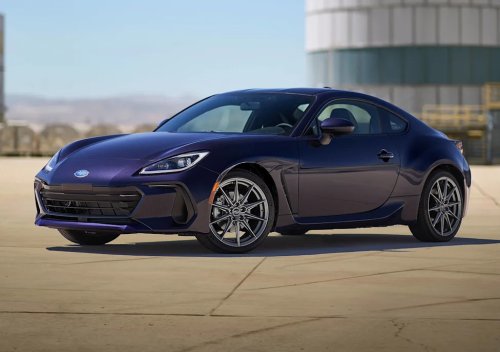
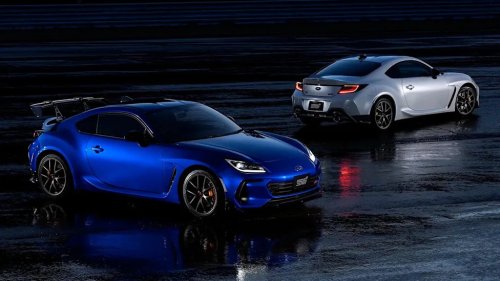
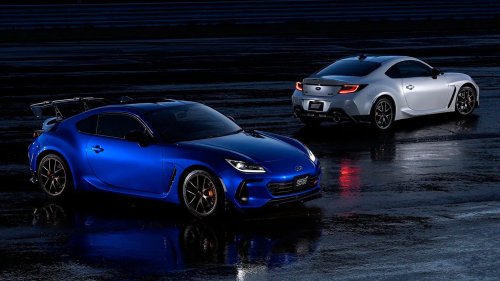
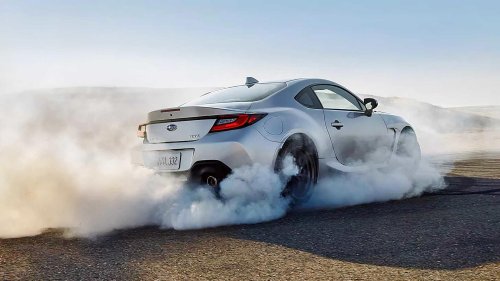
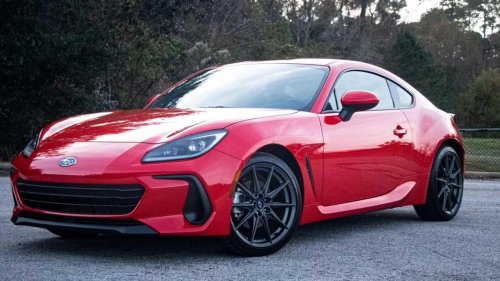
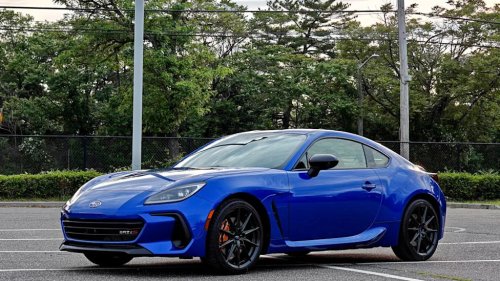
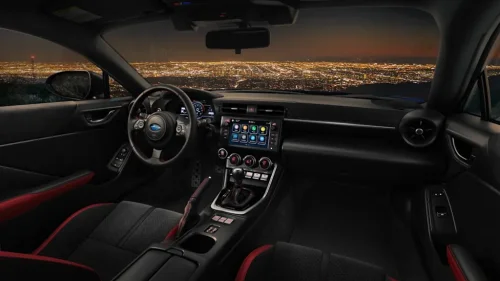
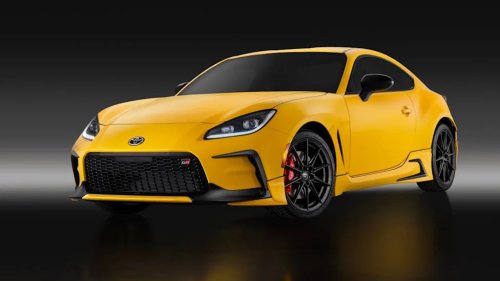
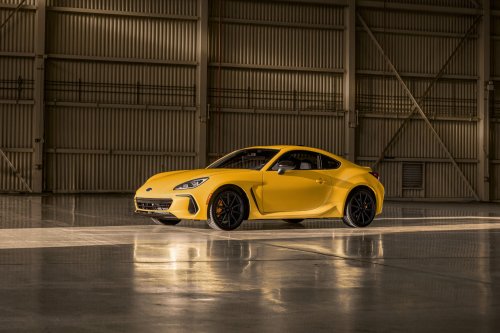
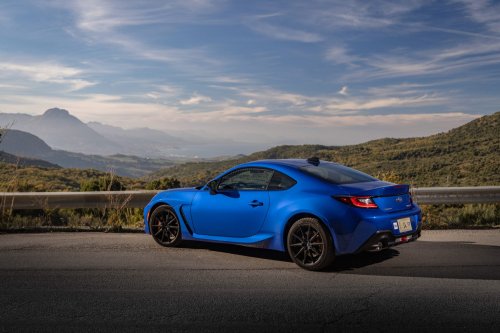
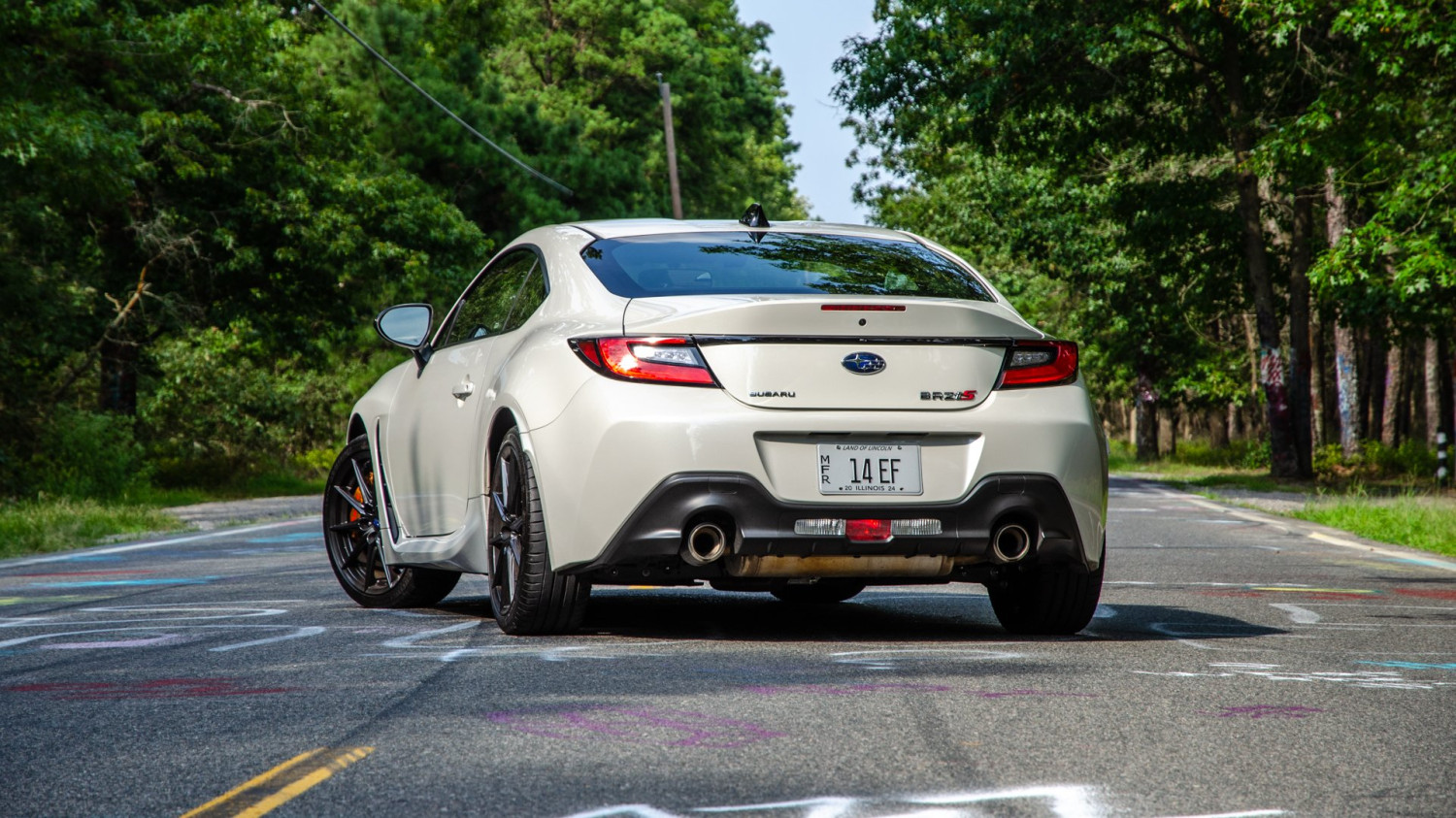
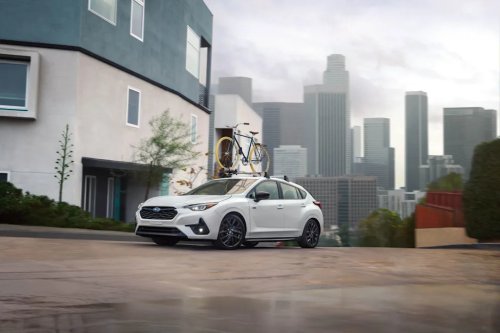
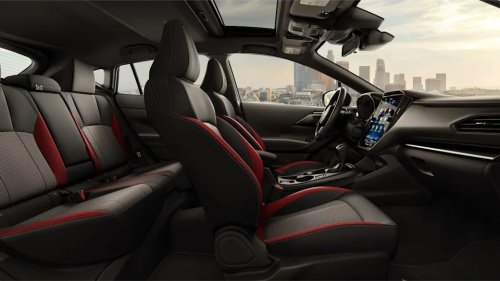
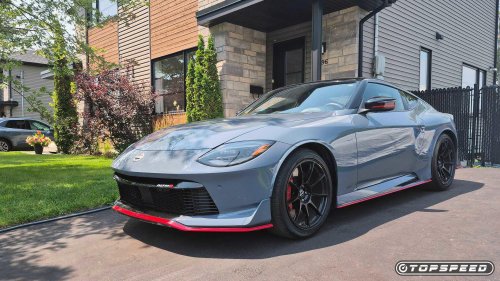
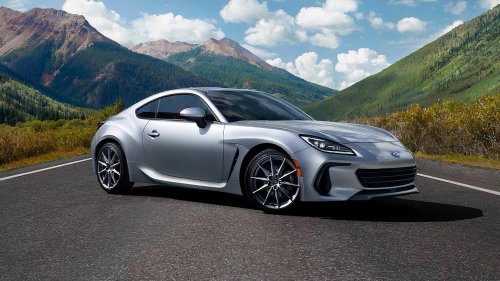
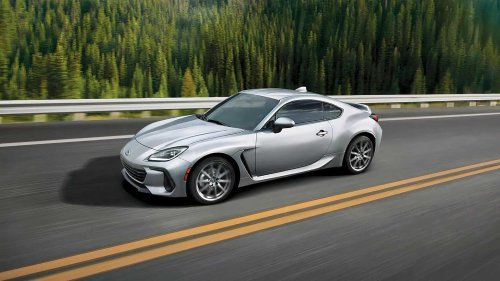
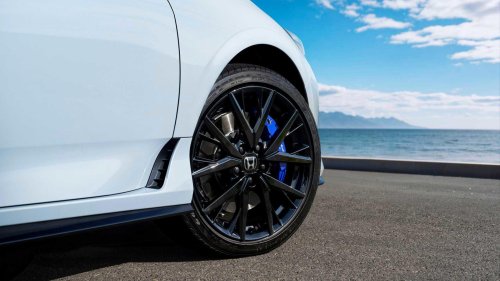
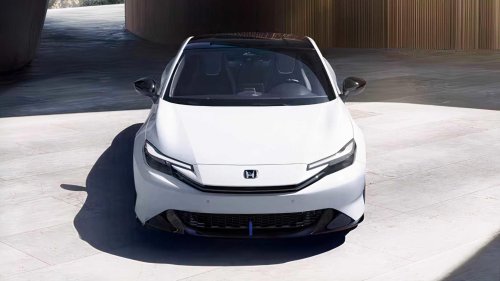
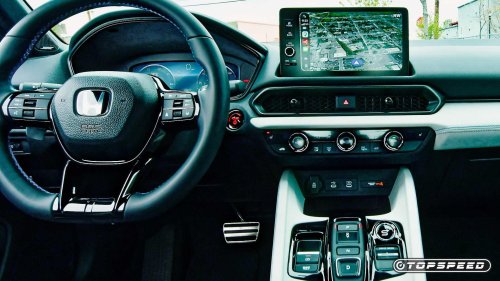
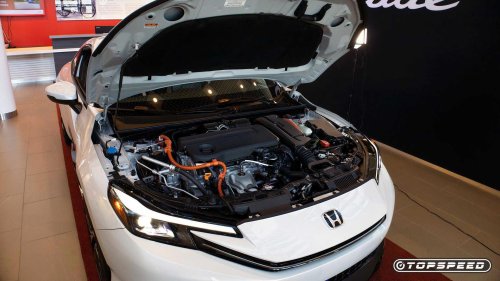
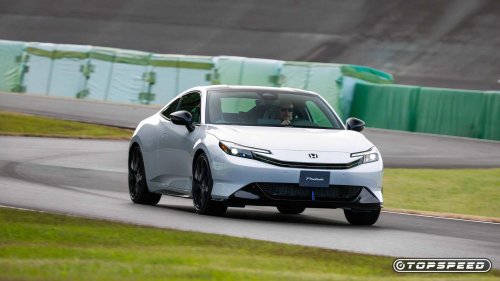
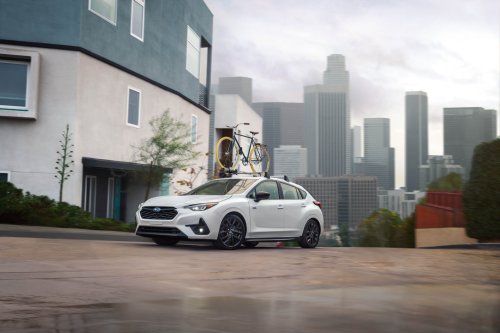
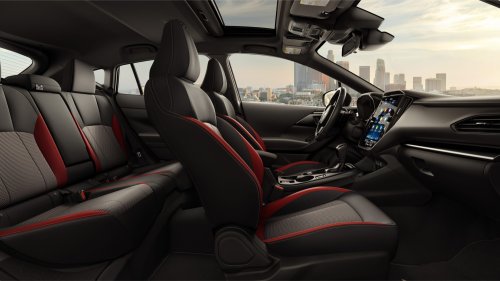
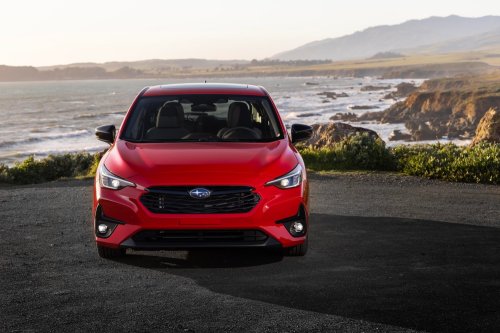
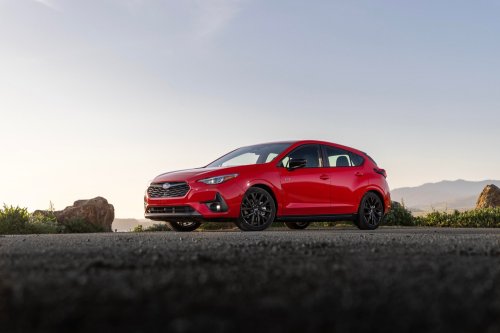
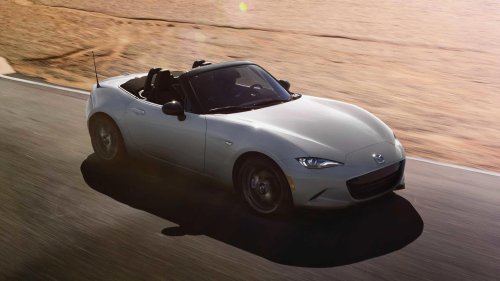
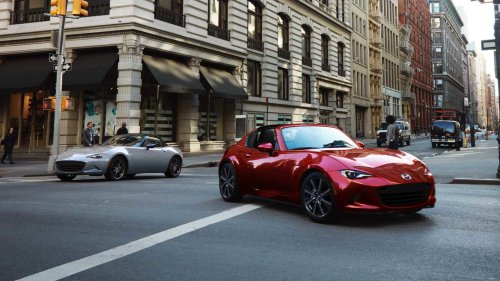
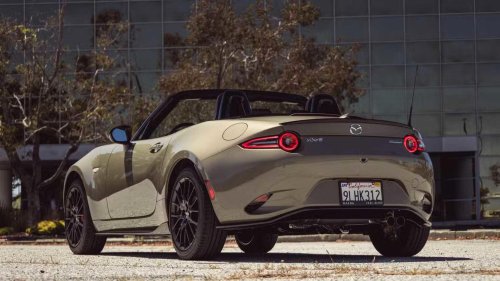
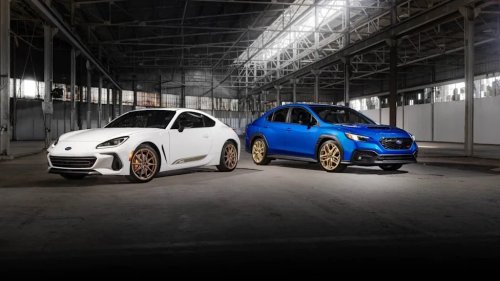
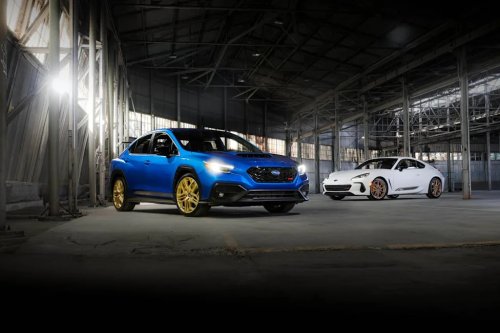
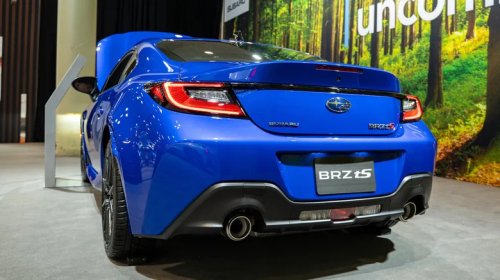
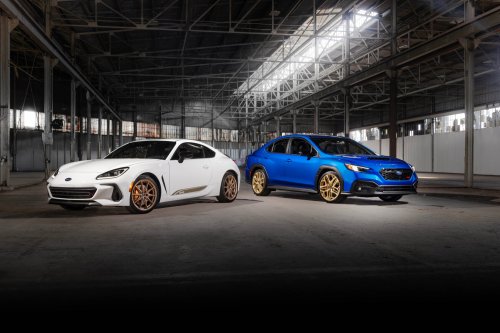
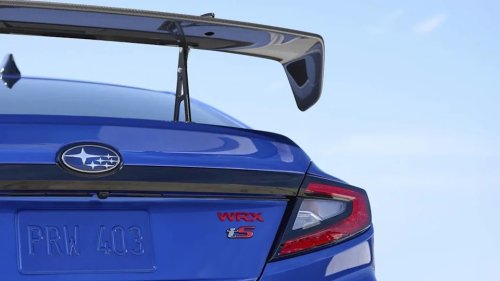
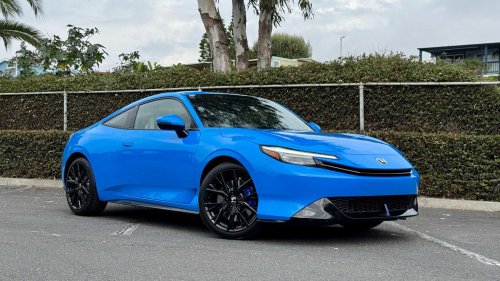
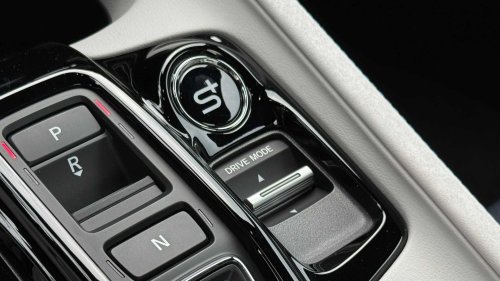
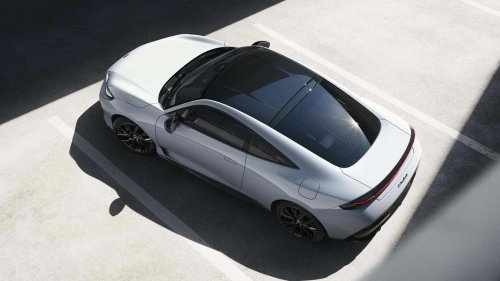
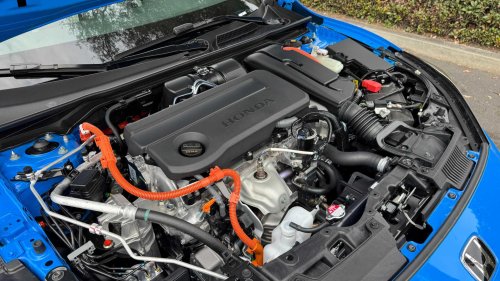
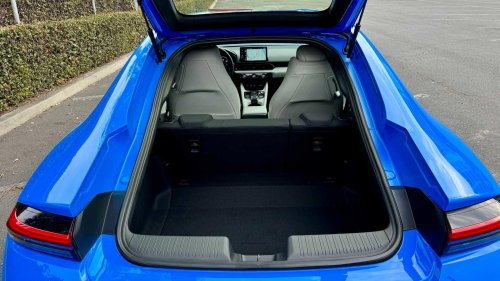
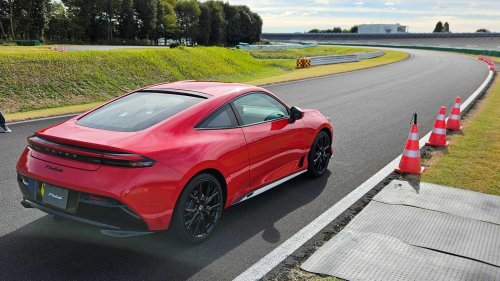
With budgets for new cars not stretching as far as they used to, cheaper options that are also more fuel efficient stand out as decent alternatives to large-engined weapons that like to guzzle fuel like it's going out of fashion. There are plenty of options on the market for such a car, but another one recently made its debut. Following a 25-year rest, Honda elected to bring its venerable Prelude name back into circulation.Designed to take on the entry-level sports car market, which features the likes of the Mazda MX-5 and Subaru BRZ/Toyota GR86, the Prelude set out to do things differently. While expectations were initially low due to the vehicle's platform, it has at least got the better of the BRZ when it comes to recent sales figures. This is somewhat of a surprise, especially given that the Prelude doesn't look to be anywhere near the level of its rival on paper. The Prelude Took A Different Approach To The Sports Car Market Jared Rosenholtz/CarBuzz/Valnet Whereas most entry-level sports cars are built to a similar recipe, with a semi-powerful but light engine placed out front but sending its grunt to the rear wheels, Honda went down a different path with the new Prelude. While its four-cylinder engine remained out front like most of its rivals, its power was channeled to the front wheels, more like a traditional hot hatchback. Ah, a Civic Type R with a sleeker body then? Well, not quite.Honda instead utilized the underpinnings from the rather mild Civic Hybrid, and worked on the handling to make it a more engaging drive. While this approach was a bit of a disappointment, it didn't end there. Rather than equip it with a six-speed manual transmission as you'd find in the Civic Type R, the Prelude was treated to a single-speed CVT unit.Honda developed a fake shifting feature to try to up the engagement somewhat, but it's no stick shift. It's meant to simulate a dual-clutch automatic transmission, and it does, but a DCT is still less captivating than a proper manual. The Lack Of Purity In The Prelude Cooled Expectations Jared Rosenholtz/CarBuzz/ValnetWhen combined with the fact that the Prelude's hybrid powertrain wasn't very powerful versus its rivals, what once was excitement turned to a sea of underwhelmed enthusiasts. The general feeling was that Honda had missed a trick by not simply dropping the Prelude's slick coupe body on top of a Civic Type R, which would have resulted in one of the best-looking, fastest and most usable sports cars on the road.When it was revealed that it was also going to be more expensive than its rivals, the expectations were that Honda would find the Prelude to be a tough sell. This has proven true for the most part thus far, though there have been small glimmers of hope. The New Prelude Has Outsold The Subaru BRZ In 2026 HondaSo far in 2026, Honda has managed to shift a total of 1,152 Preludes. This may seem a little low, and that's because it is. The bestselling entry-level sports car so far in 2026 is the trusty MX-5, of which 2,858 examples have found new owners. Toyota's GR86 slots in not far behind at 2,542, which is still comfortably more than double the number of Preludes that its Japanese rival has waved off. This doesn't look great for the Honda, but at least it managed to get the better of Subaru's BRZ.Just 1,086 of these had been sold across the US as of the close of play at the end of April, ensuring the Prelude scored a narrow victory. The BRZ is practically identical to the GR86, outside of some different styling, though the fact that you need to spend an extra $5,000 to get one with no discernible benefit over a GR86 is the likely reason it has struggled to match its Toyota cousin. Still, the Prelude beating it is something for Honda to take solace from, especially as you have to hand over another $7,000 to have one. This makes it around $12k more expensive than the GR86 and MX-5, for reference. The Prelude Is Vastly More Efficient Than Its Rivals Jared Rosenholtz/CarBuzz/ValnetArguably the biggest benefit the Prelude offers above its rivals is just how fuel-efficient it is. It's no secret that gas prices are higher than ever, and Honda elected to lean into this with the Prelude. That CVT may lack engagement, but its variable ratio design ensures it helps preserve more fuel than a traditional gearbox. When combined with the Prelude's hybrid-assisted 2.0-liter engine, the car is vastly more efficient than the likes of the BRZ. While the former has an average MPG of 44, the latter can muster just 22 MPG.The MX-5 fares better, but it still only achieves 29 MPG on average, which ensures you can have your fun with the Prelude without feeling guilty about keeping the throttle pinned. The Latest Sports Car On The Prowl Is Also More Practical Jared Rosenholtz/CarBuzz/Valnet On top of that, the Prelude is vastly more practical. While the BRZ/GR86 can match the Prelude in terms of offering seating for four, whereas the MX-5 can only fit two people within its confines, the Prelude does so much more comfortably. The Honda offers more front head and legroom than the BRZ/GR86, as well as a considerable seven inches of extra legroom for rear passengers. That said, the Prelude's more sloped roofline means there is marginally less rear headroom available.In addition, the Prelude's 15.1 cubic foot trunk is vastly superior to the BRZ/GR86's 6.3 cubic foot space. This extra practicality, when combined with the excellent efficiency promised, is likely the reason why some have elected to opt for the Prelude. Having a second, or perhaps even third, car is harder than ever, making dependable and versatile daily drivers like the Prelude a more realistic option for sports car buyers. Frankly, it's lucky to have these attributes, as it would struggle to make much sense otherwise. Honda's FWD Sports Car Doesn't Stack Up As A Raw Performance Option Roger Biermann/CarBuzz/ValnetThe Prelude may be efficient and pretty spacey for a sports car, but these aren't usually the main reasons to buy such a machine. If that's what you're after, opting for an even more practical hot hatch of some description will usually yield better results. The Prelude handles more like a grand tourer than a hardened sports car, which makes it a weak option for those looking for a machine that provides a more all-encompassing driving experience. The GR86 and MX-5 provide far more entertainment than the Prelude when grabbing them by the scruff of the neck, and for considerably less money."Everyone comparing the Prelude to the GR86/BRZ and Miata as a direct rival is dead wrong. It's not a sports car, and it doesn't drive like one. Instead, it handles like a true grand touring coupe, striking a balance between plushness and engagement, with highly competent handling dynamics, and enough engagement (with the S+ false shifts engaged) to put a smile on your face. Comparatively, the Miata is a bundle of laughs that exists purely to make its driver giggle, while the BRZ/GR86 duo take themselves seriously as sports cars that want to be driven hard." – Roger Biermann, CarBuzz managing editor.The Prelude only produces a combined 200 horsepower, which is nearly 30 hp down on the BRZ/GR86, but it also needs to lug around an extra 400 lbs or so of weight. This not only makes it slower, but also less agile. It's also not as well-balanced, since its power is being sent to the wheels and not the rear. The MX-5 lacks around 20 hp versus the Prelude, but is also around 1,000 lbs lighter, which more than makes up for it. Aside from these alternatives being cheaper, faster, and more fun to drive than the Prelude, they're also more engaging due to having a proper manual gearbox available.The Prelude is a good car to drive, but the trick here is not to think about it as a raw and honest sports car. Think of it as a budget GT car, and it makes much more sense. That said, perhaps introducing some Type R components may help to increase its sales a tad...Sources: Honda, Subaru, Toyota.



















 +59 others