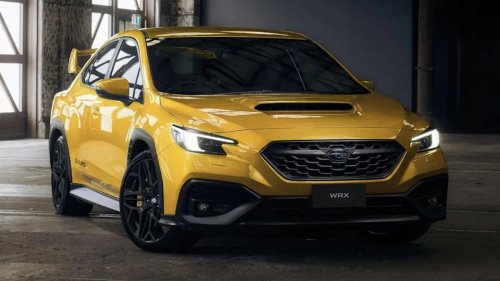
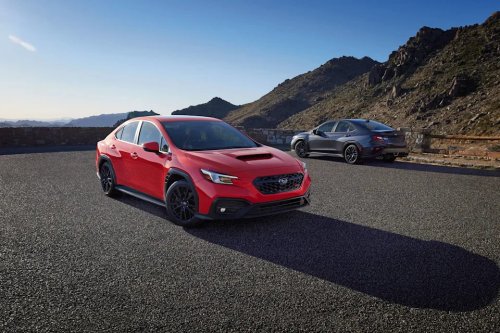
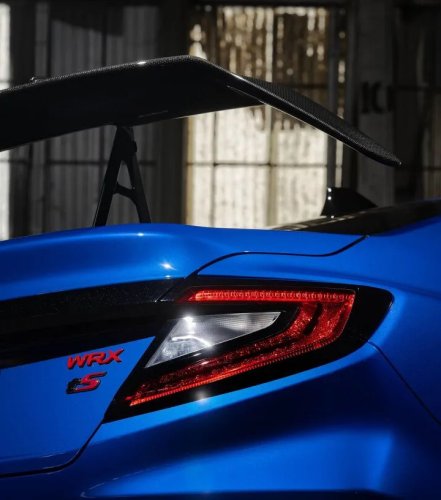
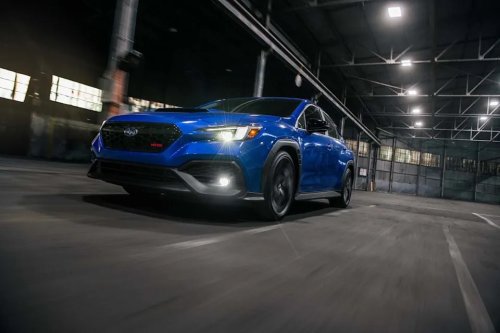
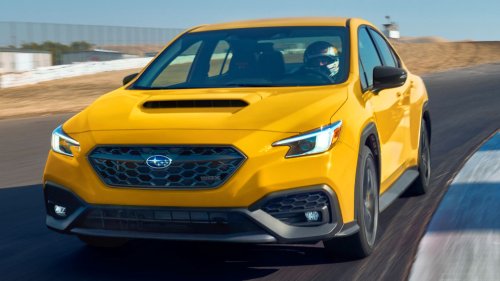
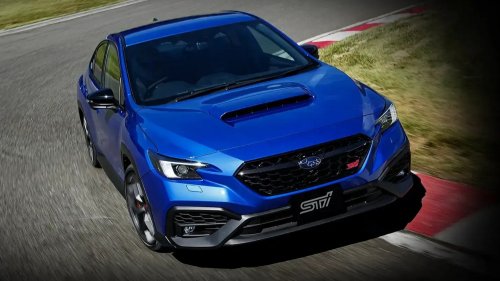
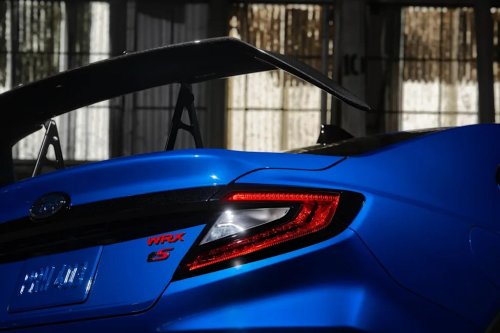
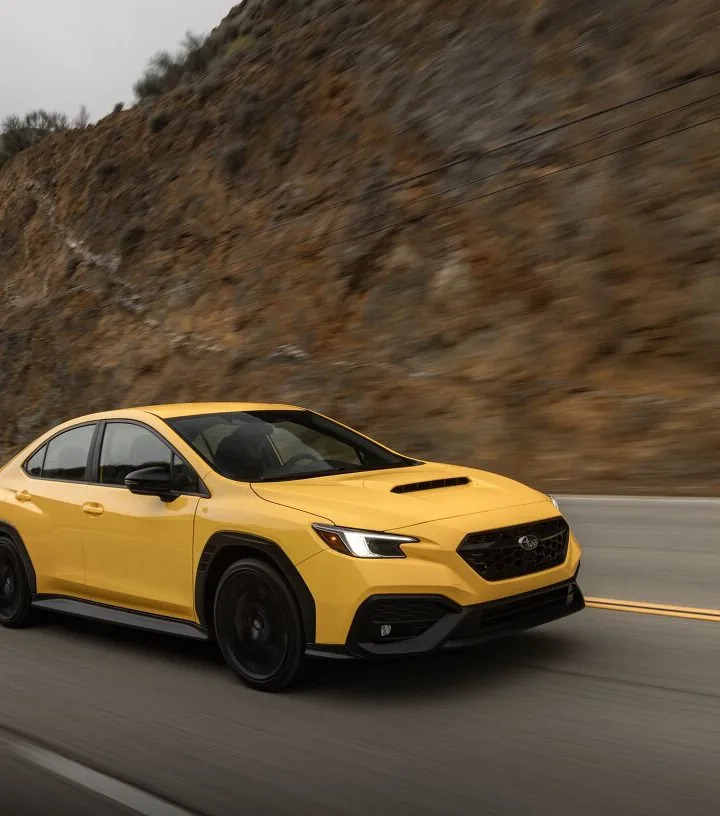
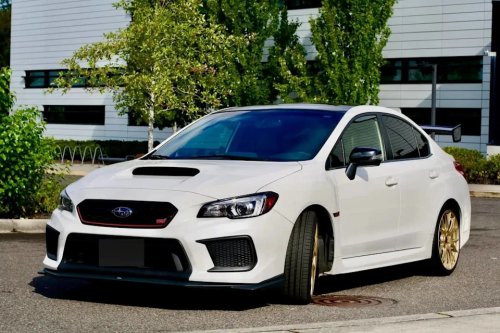
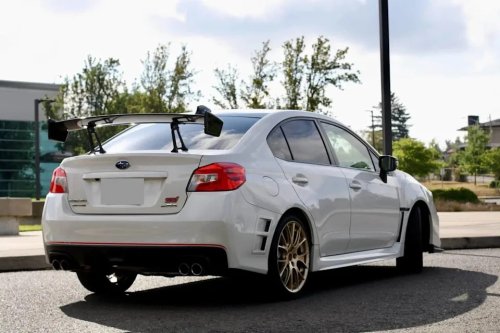
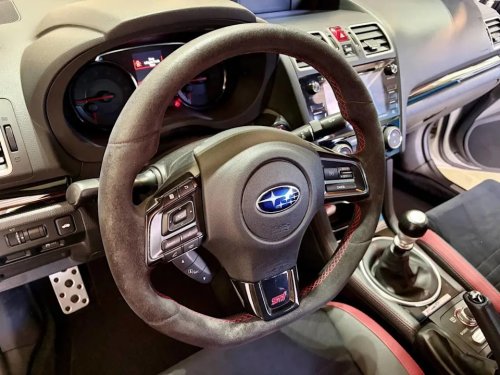
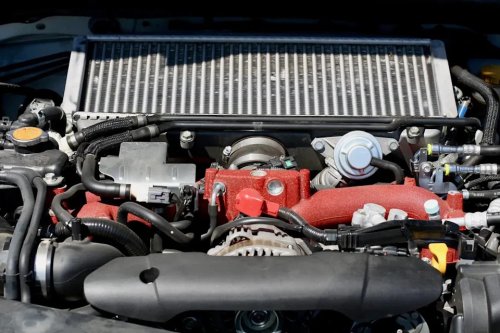
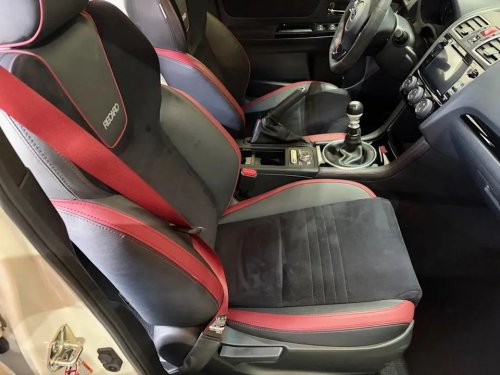
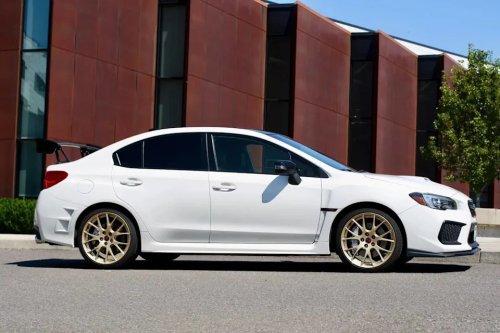
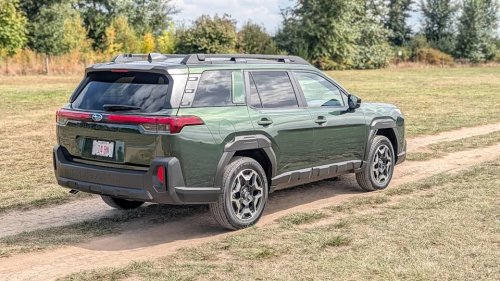
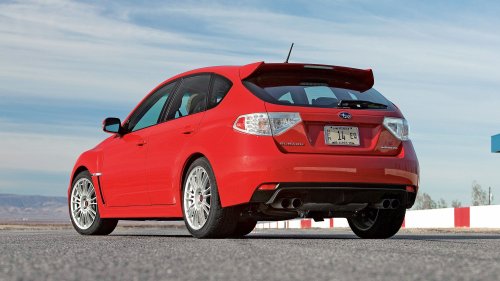
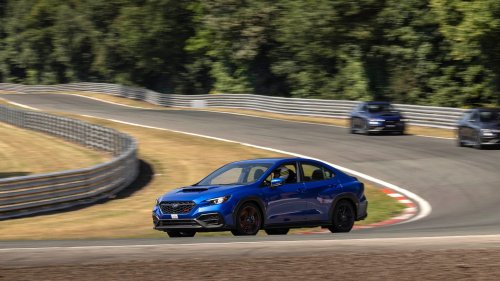
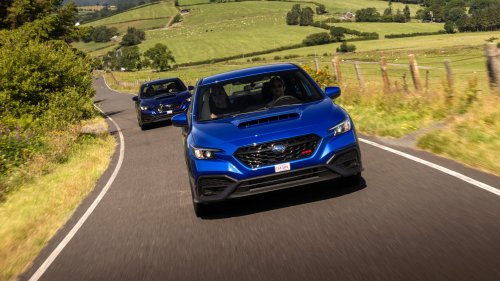
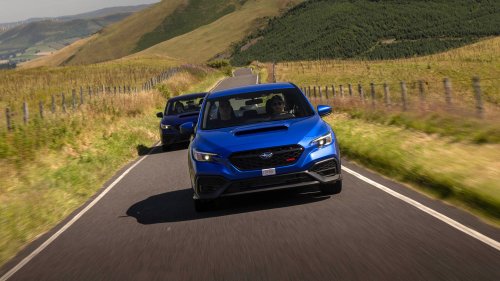
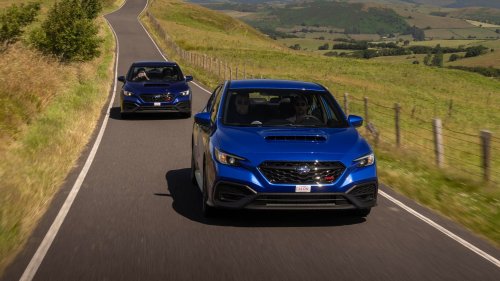
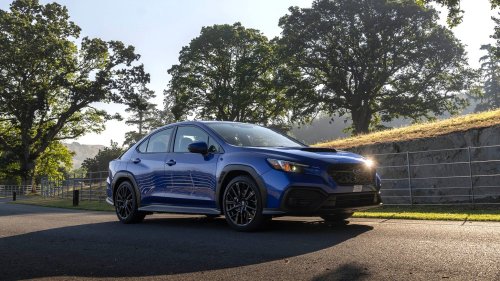
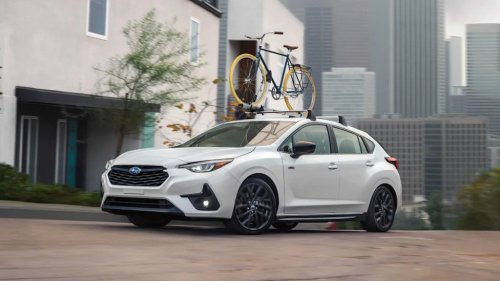
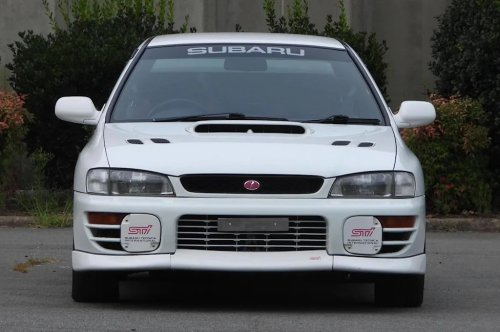
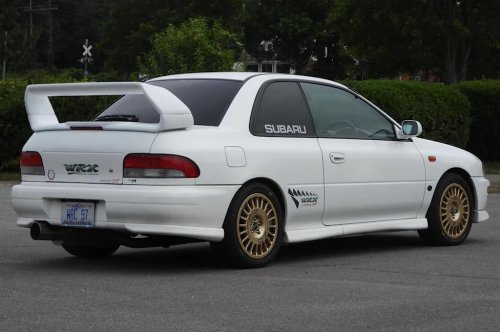
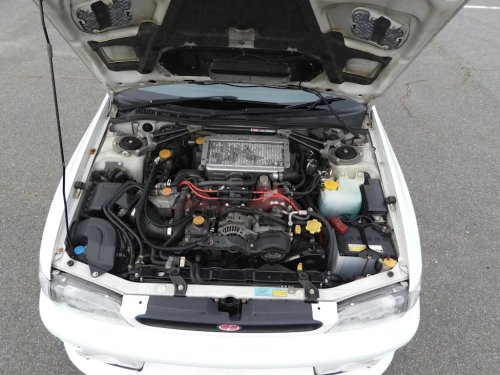
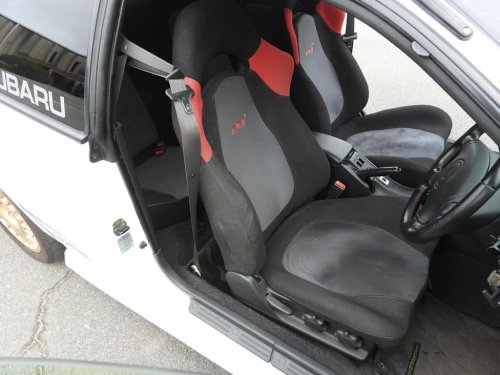
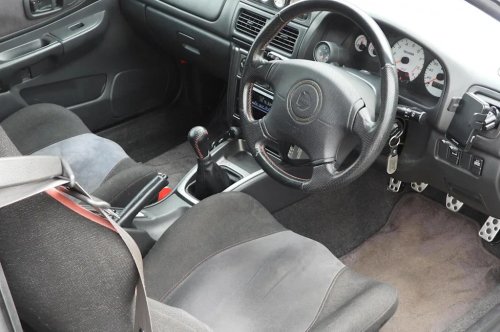
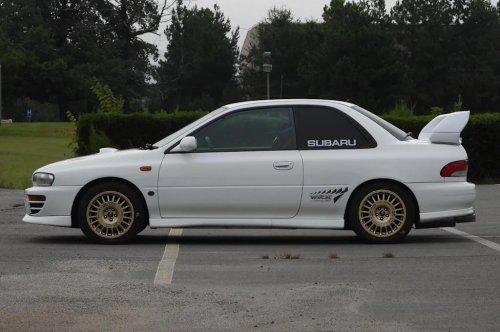
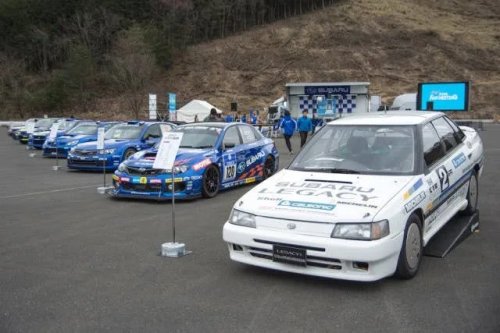
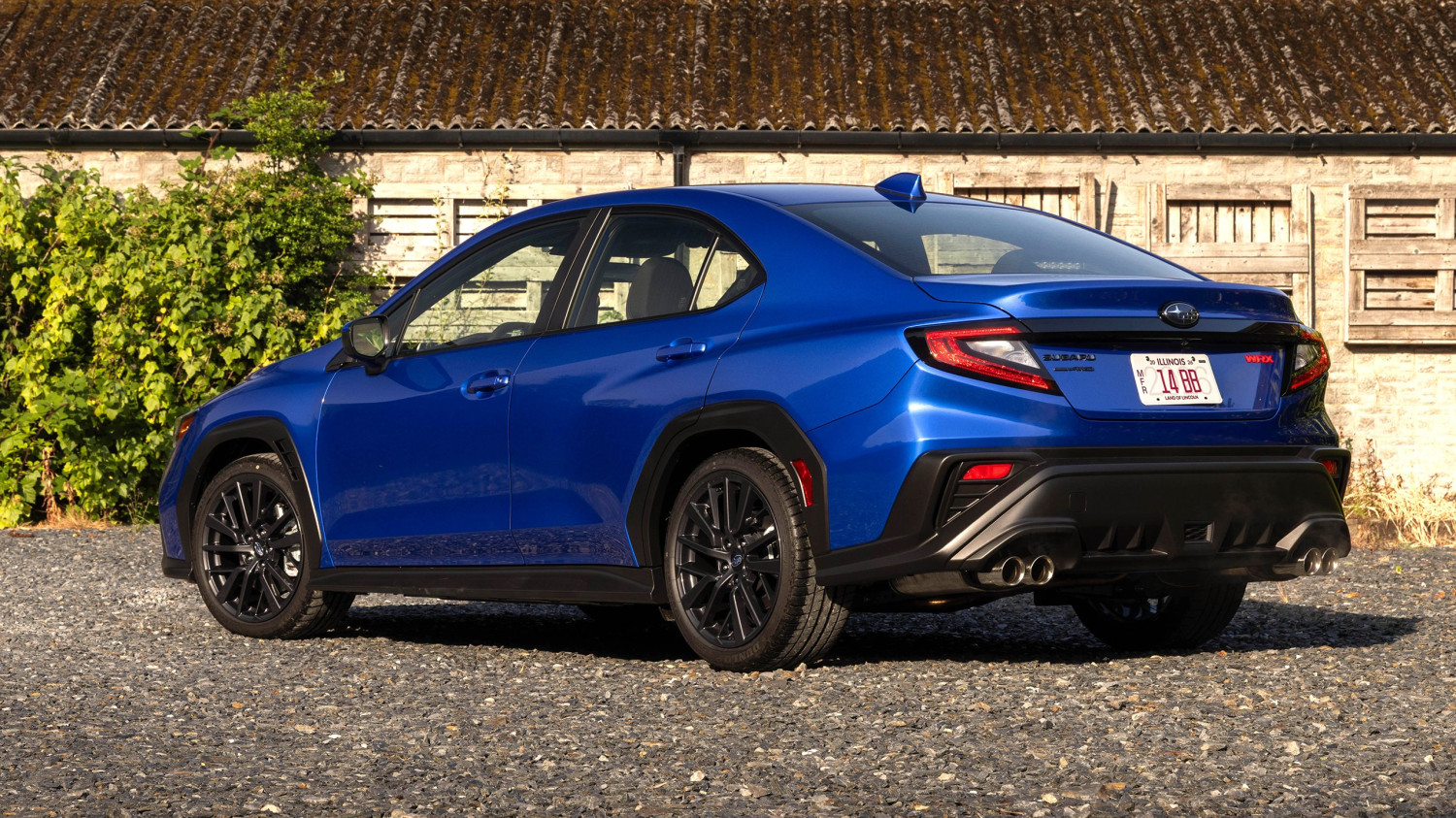
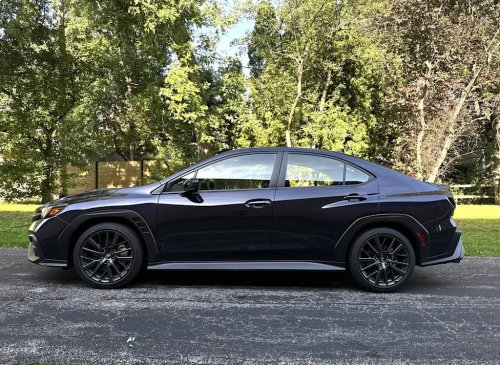
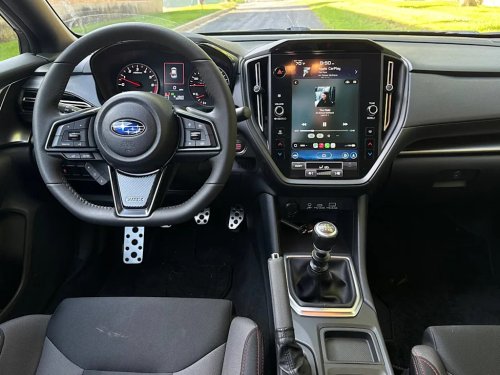
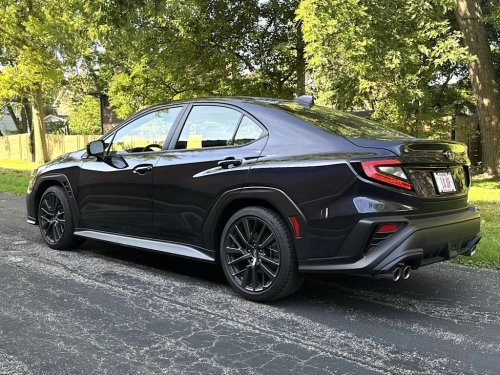
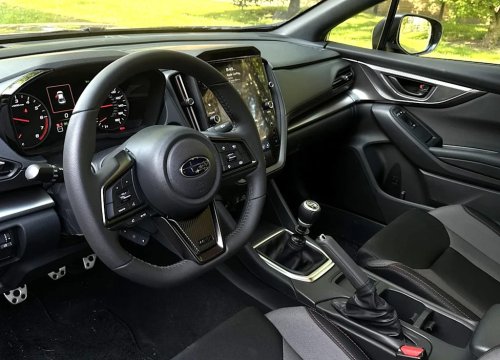
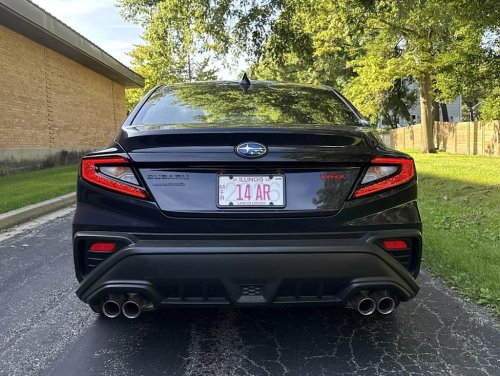
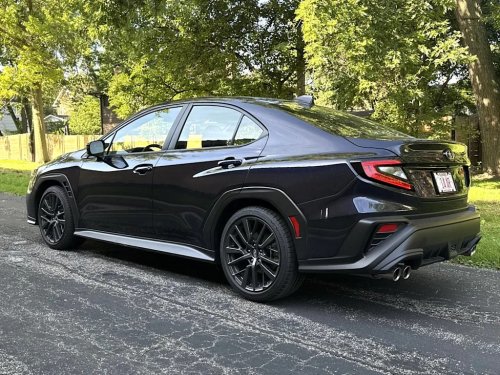
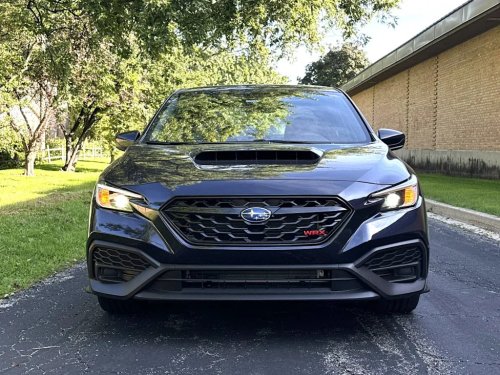
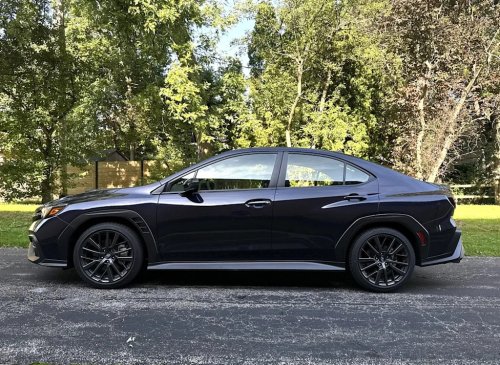
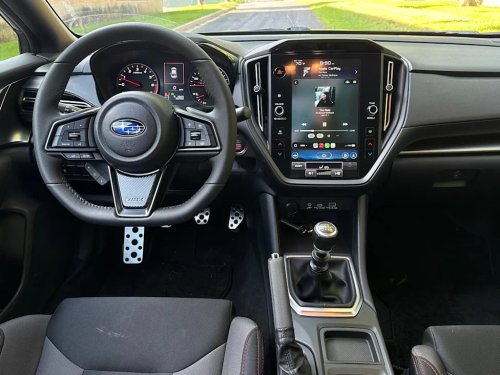
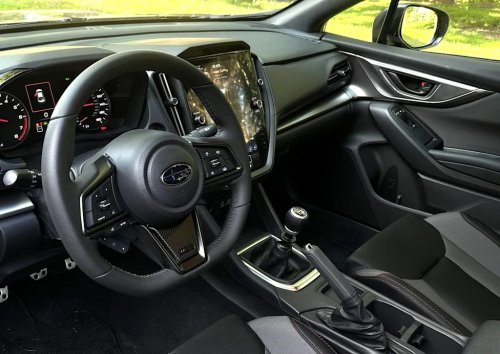
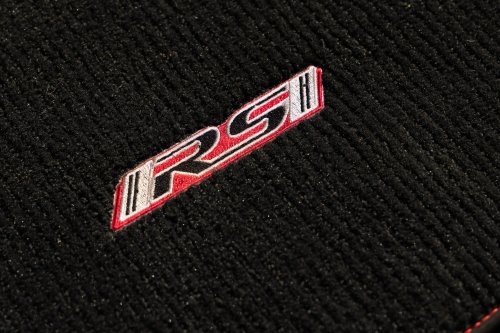
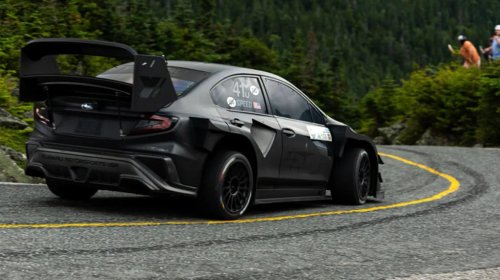
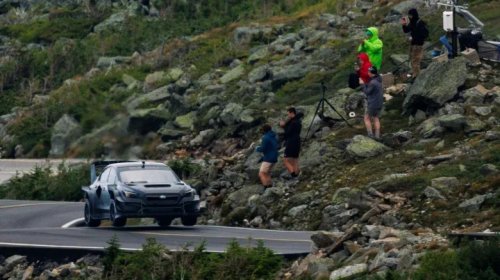
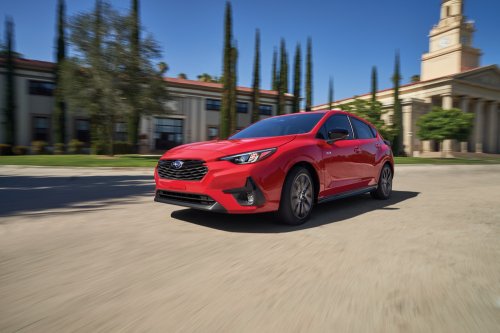
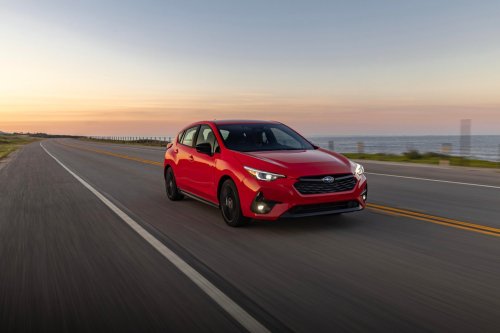
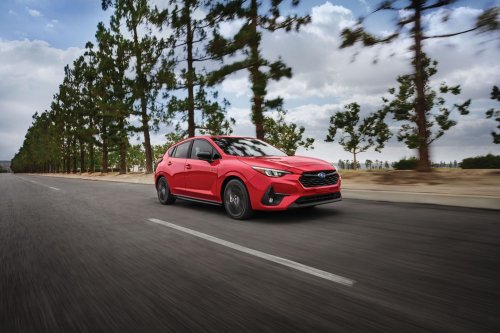
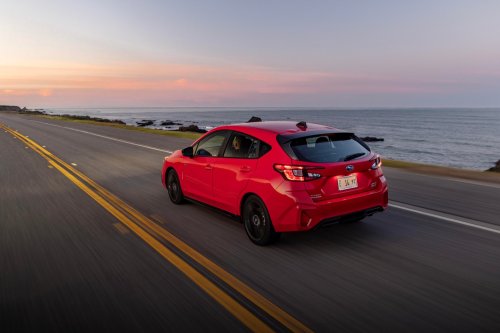
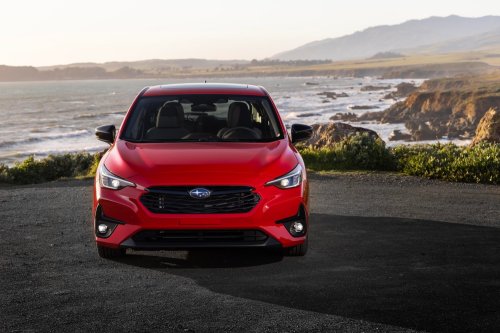
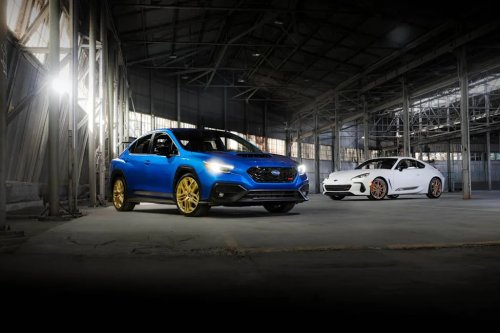
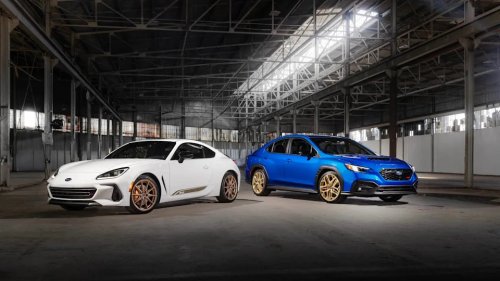
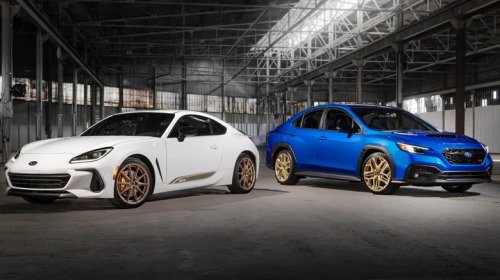
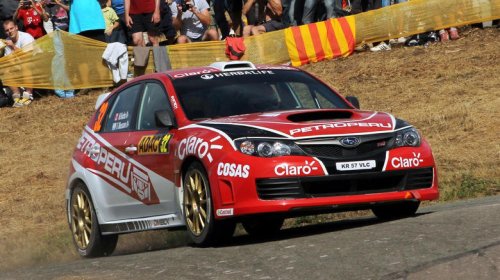
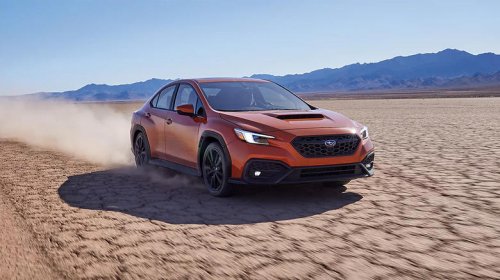
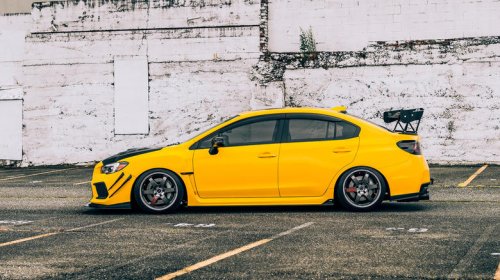
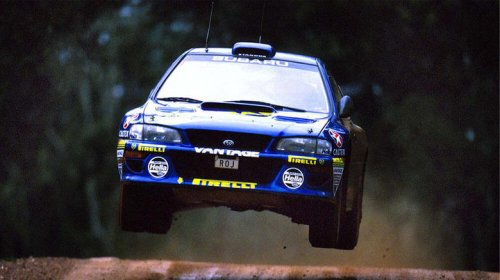
Did you know the first WRX was actually an Impreza?Before the results of the driver tests are revealed, it's important to understand the history of the WRX. The WRX is known as its own model these days, but it didn't start there. Subaru first sold the Impreza as its own carthen created a WRX version of the car specifically for rally racing. These performance variants of the Impreza became known as the WRX and WRX STi. The vehicle wasn't sold in the U.S. at the time, with most going to Australia or Japan. It wasn't until the second generation of the car that it was sold in the U.S. and other countries. It replaced the 2.5RS as the performance variant of the Impreza in the U.S. market. Even so, the vehicle was an Impreza first and a WRX second. This continued through 2007 and into the third generation. In both generations, the WRX was the performance version of the Impreza while the WRX STi was the performance version of the WRX.It wasn't until the fourth generation started in 2014 that Subaru finally dropped the Impreza nameplate and made the WRX its own product. Subaru has since canceled the sedan version of the Impreza, making it a hatchback-only vehicle. The company is even bringing back the RS version originally seen in the first generation for the 2024 model year, giving the WRX some competition within its own brand. MethodologyThis list will focus primarily on zero-to-60 MPH times. Not only is it a common method of measuring vehicle speeds, but car reviewers often use it during their reviews. That makes the data consistent and reasonably easy to find for a wide variety of cars, including older Subaru WRX models. Since the zero-to-60 time is so common, it was the logical starting point for determining the fastest Subaru WRX generations. Using zero-to-60 times also helps with accuracy. Car reviewers often test cars on the same track or strip of road, which means the testing conditions are about as consistent as car testing can get. There are several factors that can affect a car's performance, including environmental variables such as elevation, temperature, and even humidity. Additionally, reviewers often receive brand-new cars to test. That means every car a reviewer tests has minimal engine wear, minimal tire wear, new fluids, and no aftermarket modifications that can change the times in a significant way. In short, the conditions are about as controlled as they can be for this type of thing.Fortunately, most Subaru WRX models are within a second of each other most of the time. In cases where the times are too close, we also looked at zero-to-100 MPH times, quarter-mile splits, and other measurements where they were available. However, such information is often difficult to verify, so we only used those types of measurements sparingly.5. Fifth generationThe newest generation of the Subaru WRX is slower than its predecessors in some ways, and quicker in others. It all depends on how you want to measure it. The car features a 2.4-liter turbocharged Subaru Boxer engine that makes 271 horsepower and the company's symmetrical AWD system. There are four trim levels for the fifth generation along with the option for either a manual or a CVT transmission. Other than that, the trim levels seem to only add creature comforts. All of them use the same engine. The car is pretty quick, but it trades places with the prior generation. Various reviewers have tested the fifth generation WRX and we've seen times as high as 6.0 seconds and as low as 5.4 seconds. That's a bit slower than the previous model. However, Edmunds tested the zero-to-100 MPH speeds, and it showed that the fifth generation was a hair faster than the prior generation. Of course, the fourth generation WRX STi is faster overall, so the fifth generation gets the bottom spot on the ranks for now. There is some hope for the fifth generation. The STI variant brings the zero-to-60 time down to a flat five seconds, which is not bad at all for a stock car. Plus, those who enjoy the aftermarket can already find parts for the latest gen despite it only being about a year old. This version of the WRX is still in the middle of its run, so it may see speed and performance improvements as the generation ages. 4. Fourth generationThe fourth generation of the Subaru WRX is just a hair faster than the car that replaced it. At its peak, the turbocharged four-cylinder boxer in this model pushed 305 horsepower. That's higher than the fifth generation, but this version of the car was also, on average, slightly heavier as well. Like the fifth generation, the fourth generation had four trim levels along with the STI variant, which had three trim levels of its own. Altogether, there were up to seven variants of the WRX in any given model year. For zero to 60 times, the fourth generation was capable of doing it in under five seconds. Most reviewers could get it at around 5.3 to 5.5 seconds. However, we found several examples of the STi models going as fast as 4.6 seconds, although it remains entirely possible those vehicles could have been modified in some way. Even so, on average, the fourth generation had faster times than the fifth generation in reviews.Some of the fastest WRXs ever were fourth generations, though, so the engine can definitely output a lot more power with aftermarket considerations. The aforementioned Subaru set various lap records modeled after the 2017 model year. Yes, that car likely has tens of thousands of dollars worth of mods, but it's still possible. Despite having pedestrian numbers as a stock model, the fourth generation is among the most iconic in the WRX family. 3. First generationThe first-generation Subaru Impreza WRX is probably in a good spot as the third fastest generation of the WRX. The original model was specifically built for racing back in the 1990s and early 2000s. It also spent its entire life outside of the U.S. with a much larger impact in Australia. Subaru introduced the WRX STI as we know it back in 1994, although variants of the WRX existed as early as 1992. There were six engine changes during the first generation. At its lowest, the STI came with a 250-horsepower engine with 228 pound-feet of torque. In the end, that was increased to 280 horsepower and 260 pound-feet of torque. The regular WRX had four engine swaps as well. Due to the engine changes, it's actually quite difficult to find a consistent set of zero to 60 times for this generation of WRX. The WRX STI with the version VI engine topped out at around 4.6 seconds, which was the fastest time we could find that was backed up by multiple sources. On average, most WRX models from the first generation were around 5.1 seconds. Those are all very respectable times, and still measurably faster than the newest models, at least when getting up to 60 MPH. In the aftermarket circuit, we were able to find one 1996 Subaru WRX that did a 4.2-second zero to 60 run with a 13-second quarter mile along with a 1998 Subaru Impreza WRX 22B STi that did a 5.1-second run that helped back up previous data. Most early Subaru WRXs were built for rally car racing rather than straight-line speed. Thus, there are plenty of examples of a WRX winning racing championships, even if they didn't record speed times.



















 +41 others