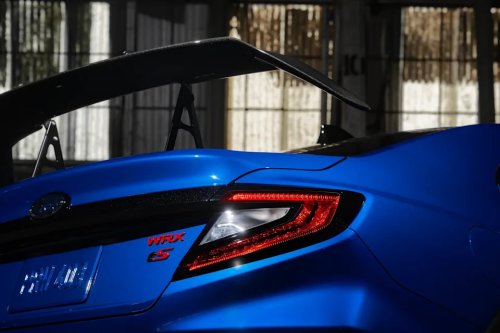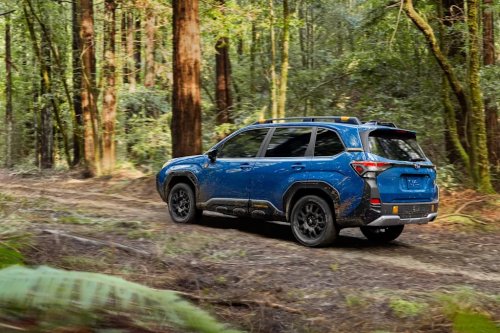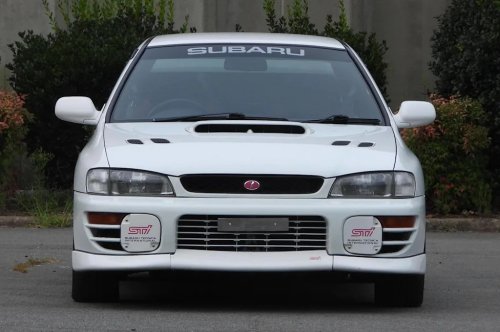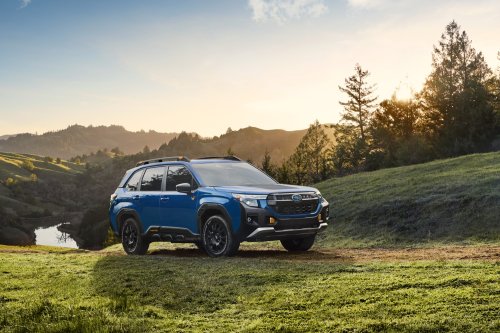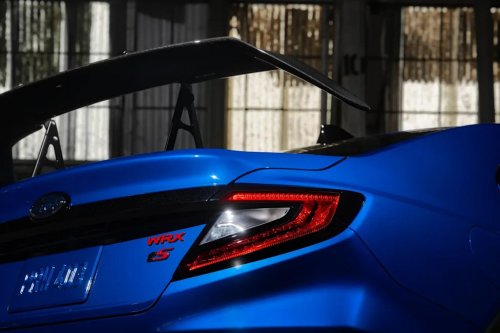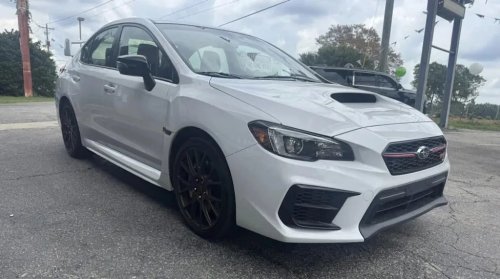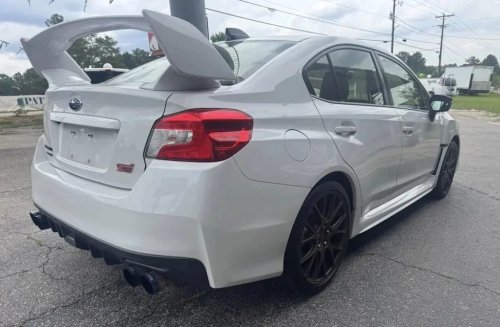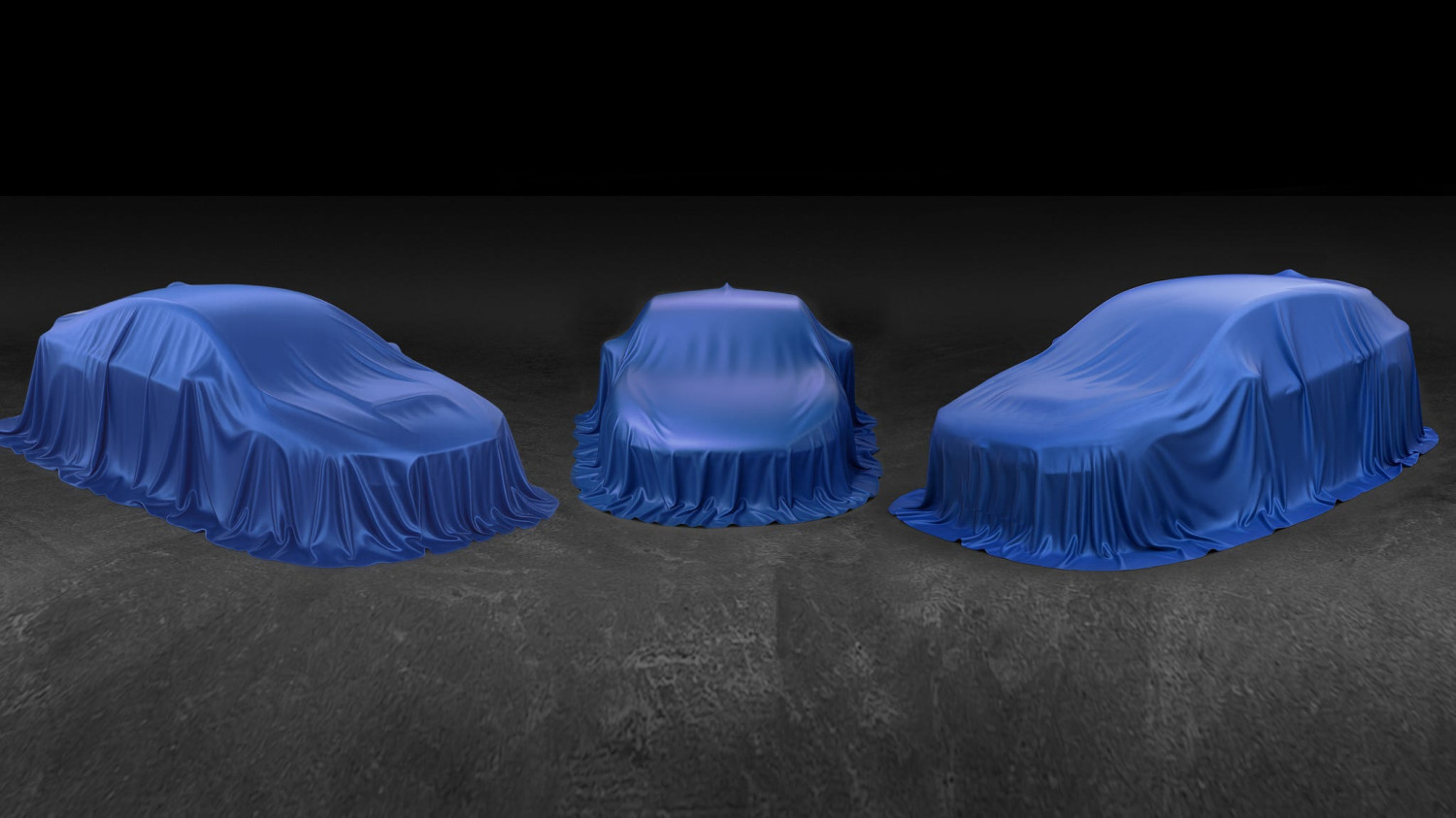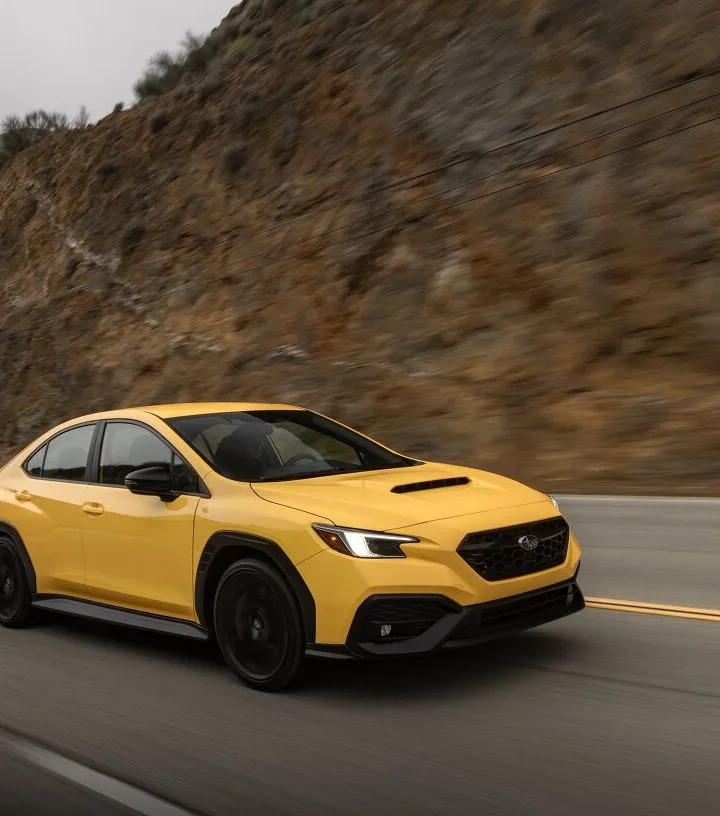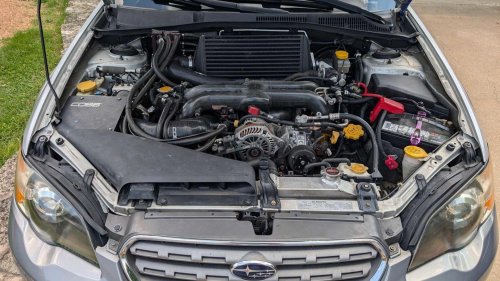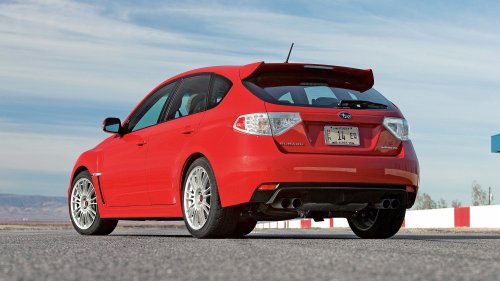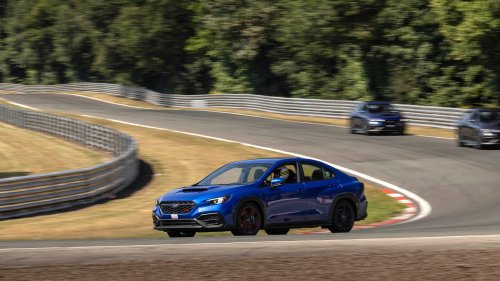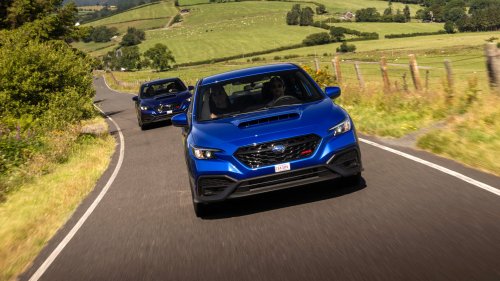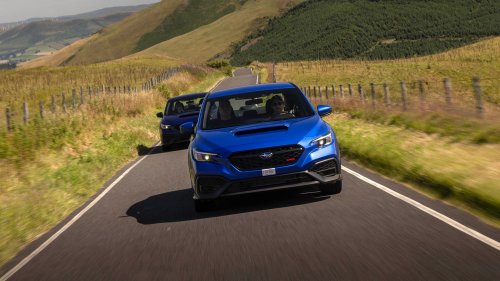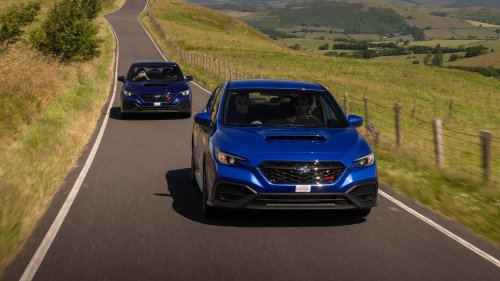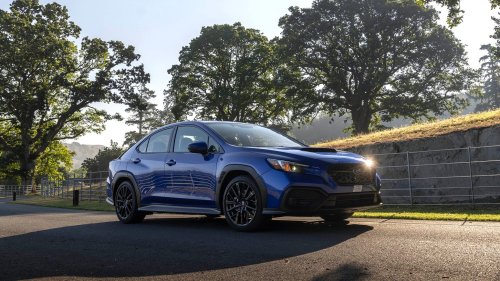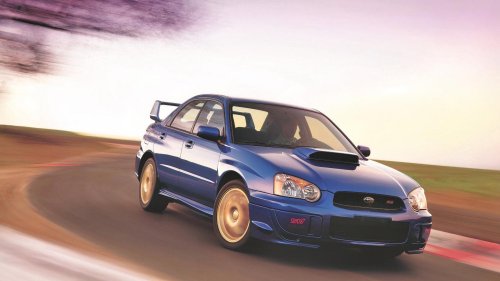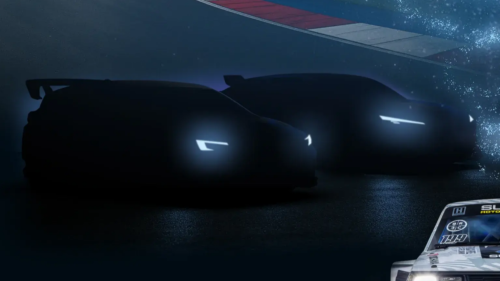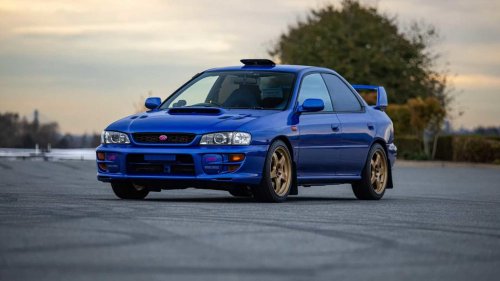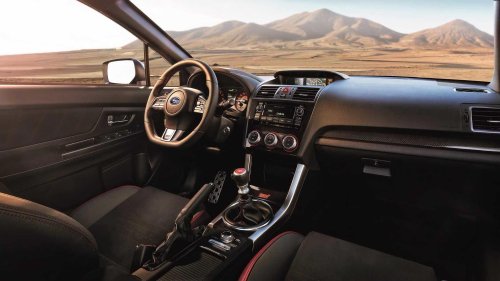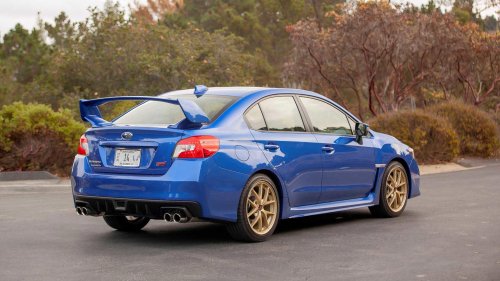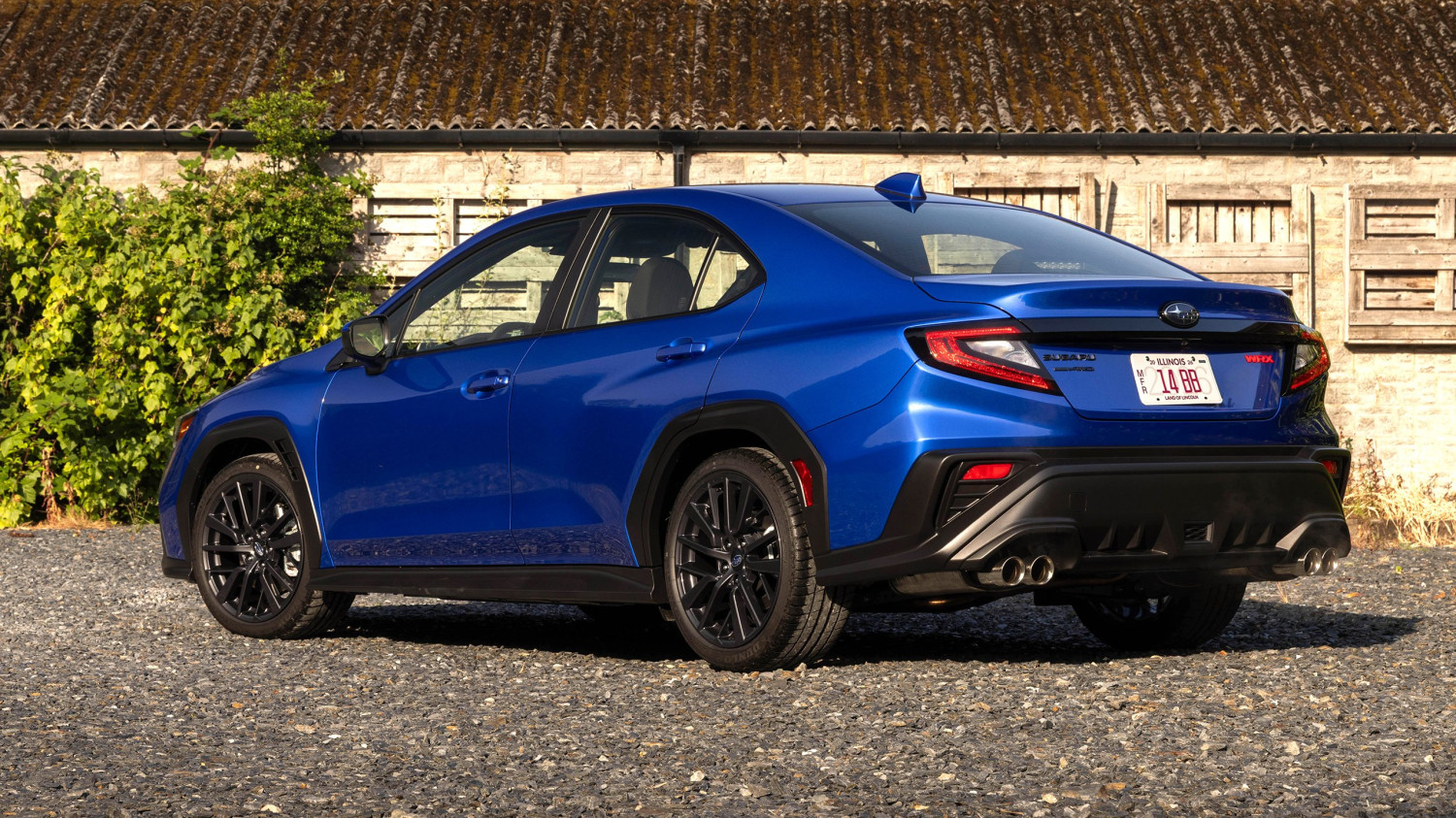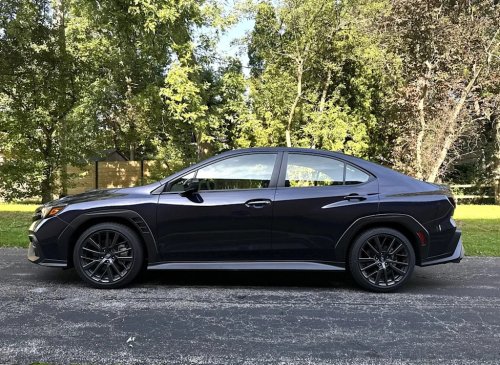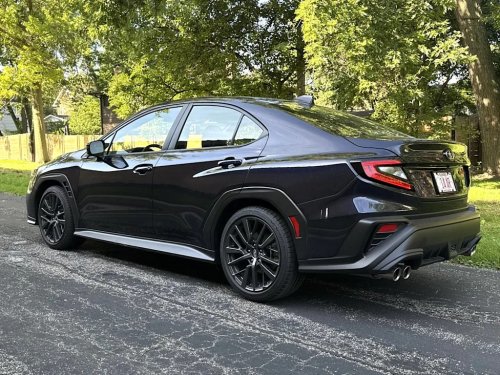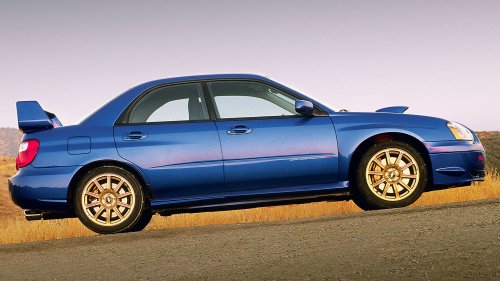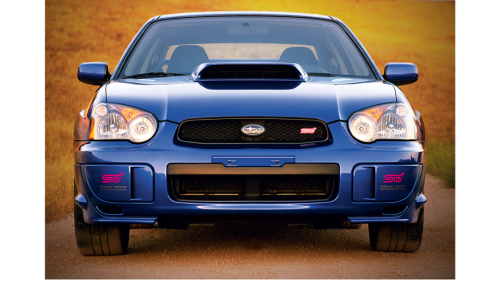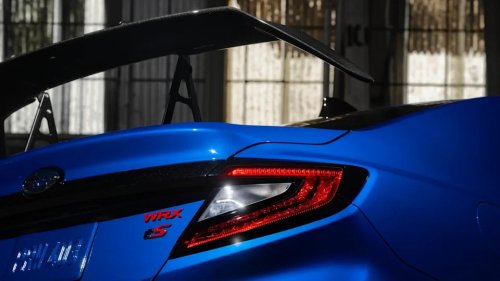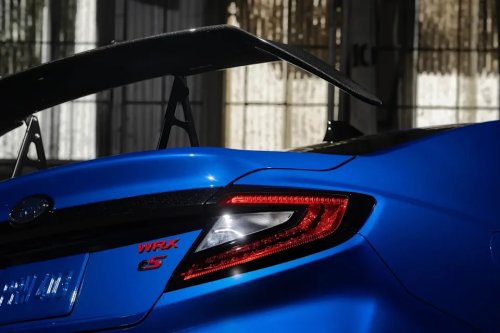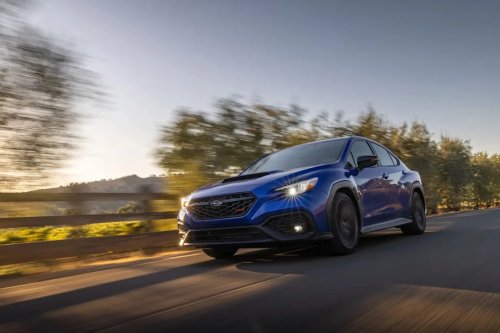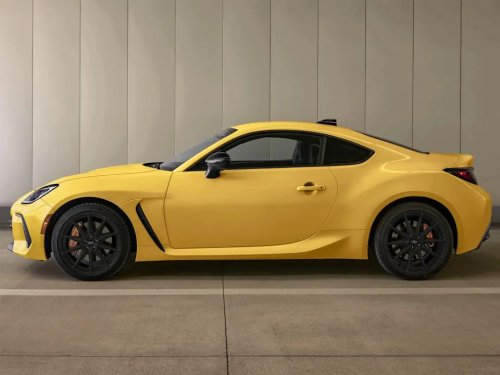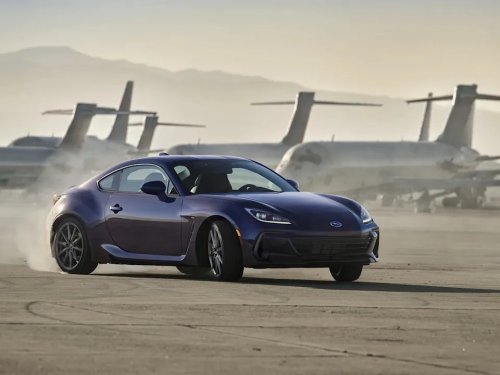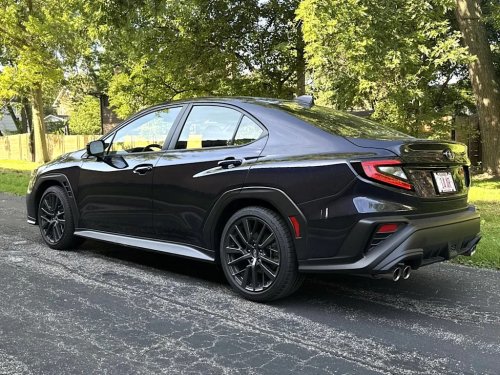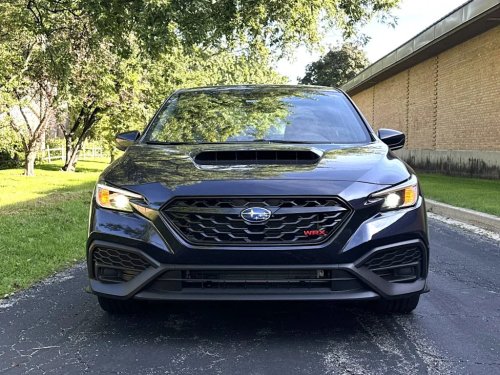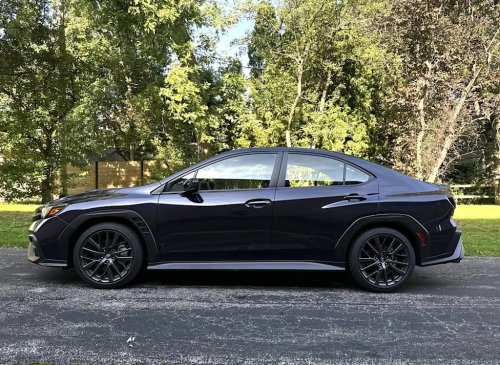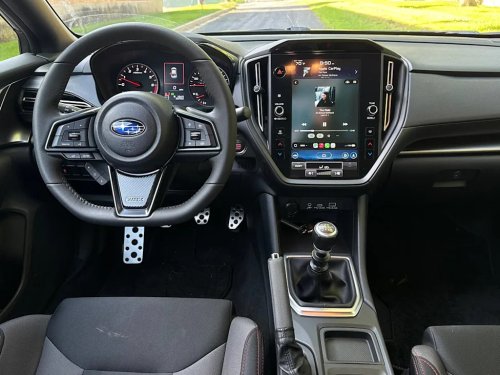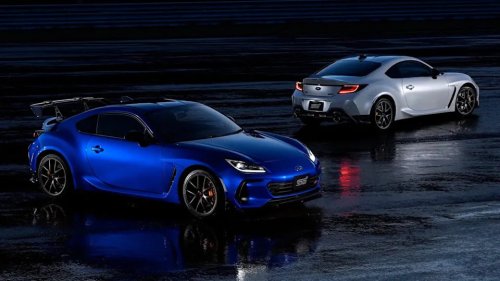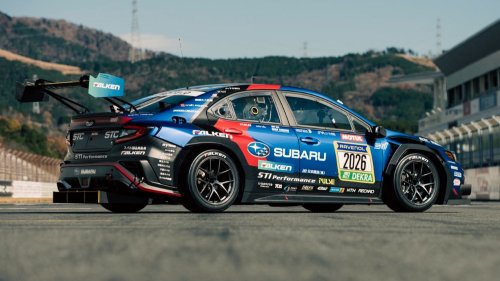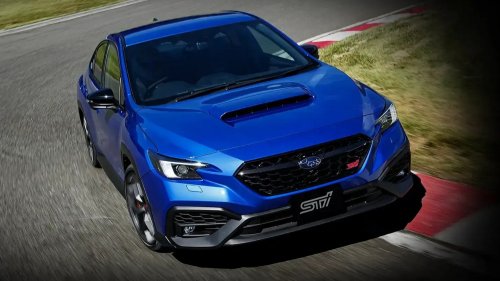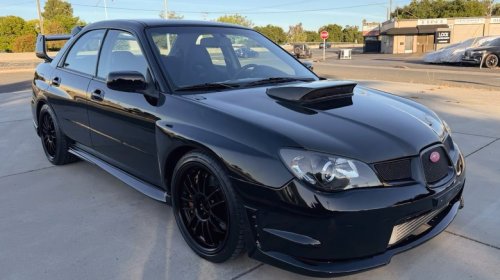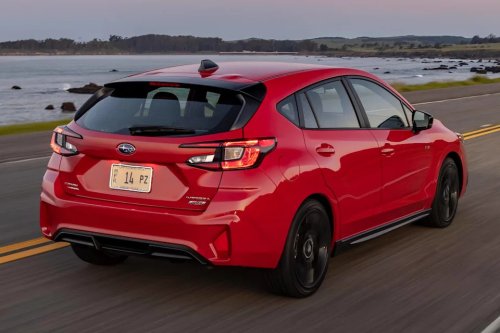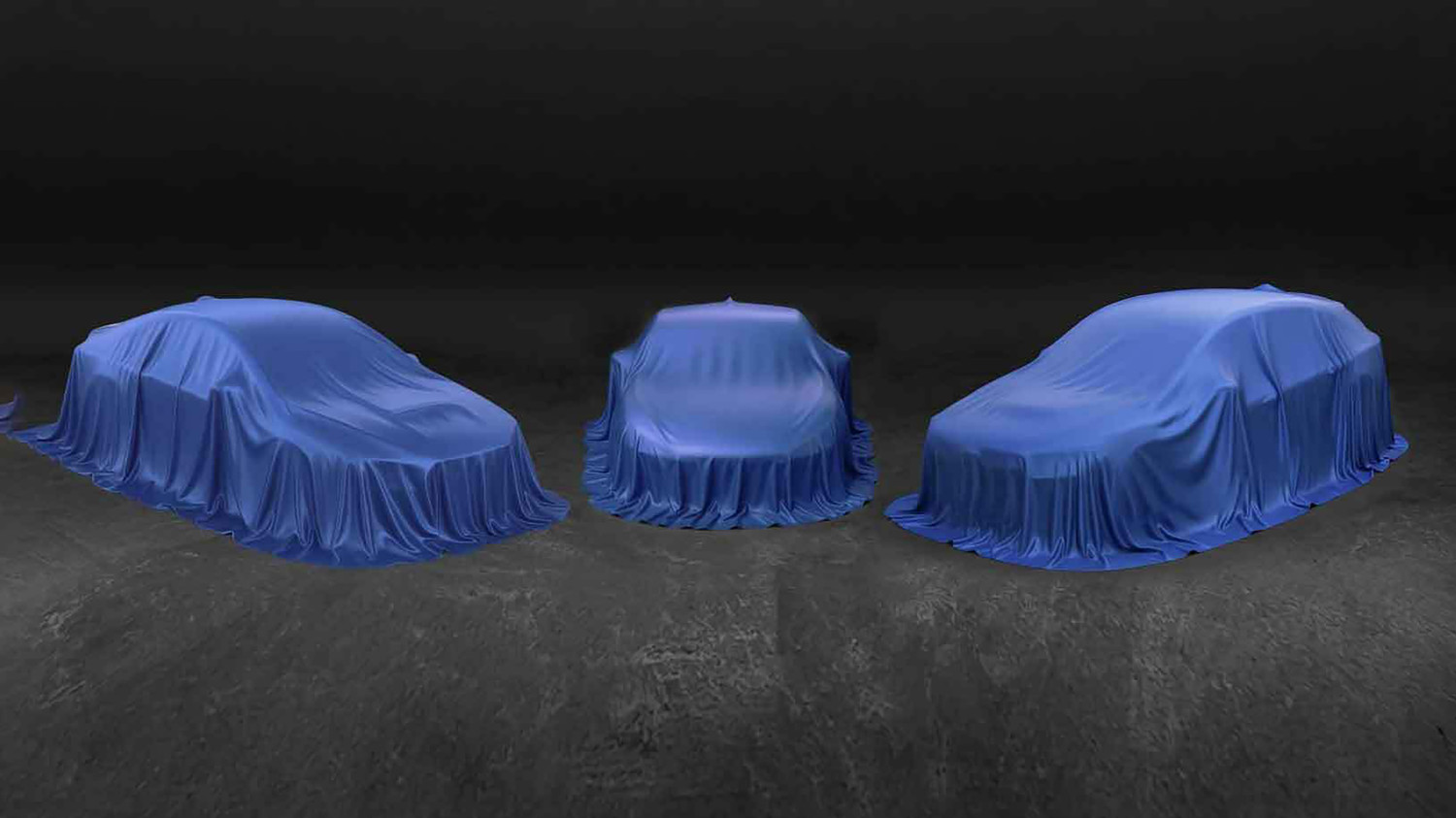



















Subaru has teased a trio of new high-performance models with combustion engines, reigniting hopes of a fully fledged relaunch of iconic STI models from the Japanese manufacturer’s past. Each will reference Subaru’s enviable motorsport heritage with new high-performance four-cylinder engines – yet ironically we have BEVs such as the Solterra and Uncharted to thank for them. During a Super Taiku racing event, Subaru produced an image that teases three models that it says will bring the fire back to its line-up. After a high point with the Impreza Turbo and dominating the World Rally Championship, a pivot to more family-friendly models designed chiefly for the American market has generally ignored Subaru’s passionate high-performance fan base. However, a new taskforce has been assembled within Subaru’s Tokyo headquarters and this is all about to change, starting with these three new models that could arrive as soon as 2027. Two of these could reimagine the iconic WRX moniker, formerly applied to a high-performance variant of the iconic Impreza but now adorning a distinct, standalone model. It will be available in both saloon and hatchback forms, and both will feature turbocharged ICE powertrains connected to a six-speed manual gearbox and a symmetrical all-wheel drive system. The cars in the photo are hidden under a cloth, but there are still a few key details that give us lots of information about the pair, starting with a tell-tale bonnet scoop. This has been a consistent feature on high-performance Subarus since the late eighties, due to the unusual location of the intercooler on top of the turbocharged flat-four engine. There are other elements to note, too, such as what appear to be substantial styling changes over existing Subaru models. Details such as a solid body crease that runs right up the cars’ flanks, flared wheel arches and a more aggressive nose all suggest the cars could have a boxy, almost retro style. The saloon doesn’t have a high-mounted rear spoiler, suggesting this might not be an all-out STI variant, but this could just be a detail left off to keep us in a little bit of suspense. The second WRX model is a more upright and boxy hatchback or estate, which has its own styling treatment. This also looks to sit a little taller than the saloon, suggesting it could be a more rugged high-performance model – potentially closer in spirit to high-performance Foresters than the original Impreza hatchback. Technically speaking, the WRX has never actually gone off sale, because it’s still available in Japan, Australia and the US. However, its powertrain and performance levels have remained largely stagnant for the last decade, allowing European hot hatchbacks to not simply catch up, but actually surpass it in terms of power and performance. This shouldn’t be the case with these new models, because reports from inside Japan suggest that while the current car’s turbocharged 2.4-litre flat-four engines will be retained, Subaru will be able to tune them to well over 300bhp, and raise torque to over 400Nm thanks to the re-introduction of a tougher six-speed manual transmission that was previously discontinued. However, there are also legislative reasons why Subaru is now able to put these high-performance models into production, and they result from rising sales of its all-electric and hybrid models. By selling more ‘low emission’ models, its CAFE (Corporate Average Fuel Economy) standards now sit at a level that will allow the company to build limited numbers of high-performance ICE models without being fined for exceeding the standards. In addition to the two new WRX models is a reimagination of the BRZ. This small four-seat coupe was developed alongside the Toyota GT86, and while only the first generation was sold in the UK, it too is still available in other markets around the world. This new version will also be co-developed with Toyota, but it is said to have aligned its future GR86 more closely with its GR sports car line-up, suggesting that the Subaru variant could lose its flat-four engine layout. Core values of low weight, rear-wheel drive and a balanced chassis will still apply to the BRZ, however, given that it’s intended to be a purer and more engaging offering alongside its more capable and practical siblings. There’s yet another reason that such high-end halo models will only become more important in future, too. Japanese brands such as Subaru are quickly realising that their global market share is already being threatened by new-age Chinese competition. The ability to capitalise on things including motorsport heritage will become a key element of what keeps brands like Subaru in business. Many buyers, especially in Japan, consider the distinctiveness of cars – driven by legacy – as a key reason to buy, pressuring Subaru to do more with the passion it’s created over decades of motorsport. Of course, the relevance of these models for the UK and Europe is less clear, because emissions regulations here are far tougher than those in other parts of the world. Yet Subaru isn’t leaving Europe behind, because it’ll be a big driver of a BEV program which will also include new high-performance derivatives. David Dello Stritto, Subaru general manager for Europe, told Auto Express: “We're pushing as hard as we can to have it as soon as possible and it’s definitely on the map. I can’t say when, and globally we’re assessing our priorities. Customers want it. It's not just me. And that's why I don't want this to be wishful thinking. We're talking to Japan. There are things in the making.” If you’re looking for a new Subaru, or any Japanese car, check out the Auto Express Buy a Car service now for all the latest deals.