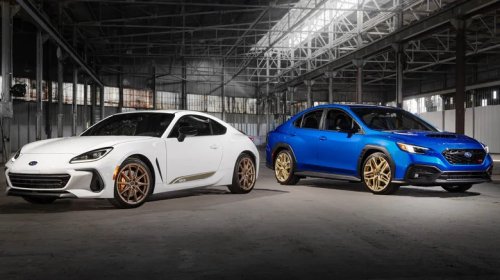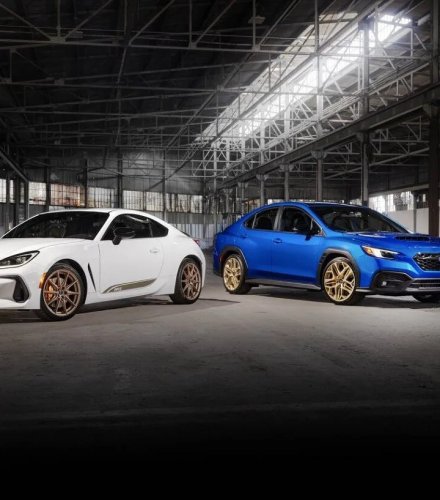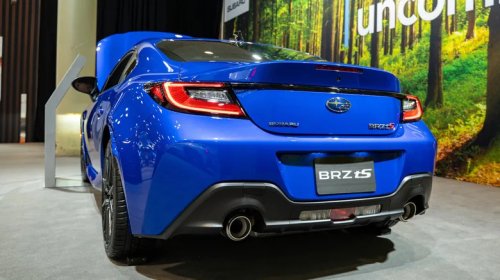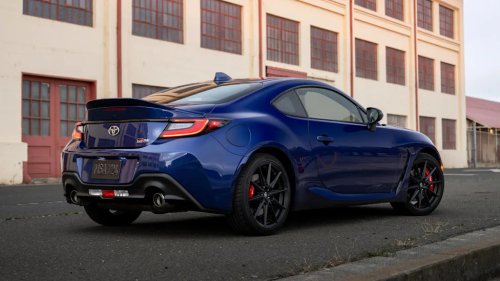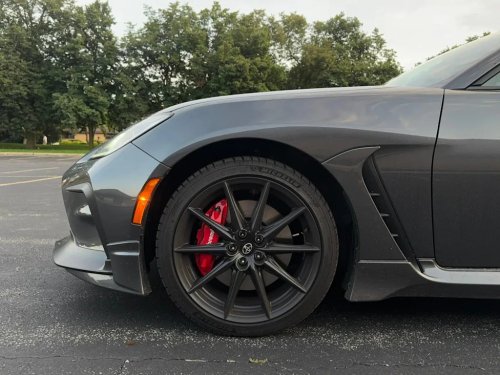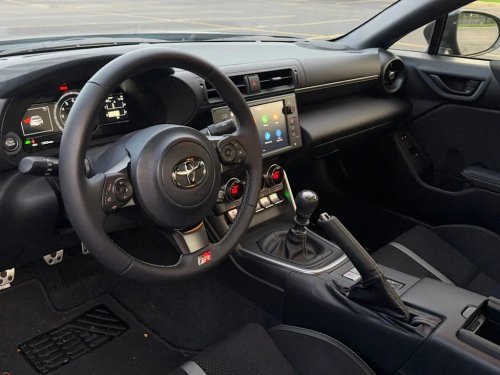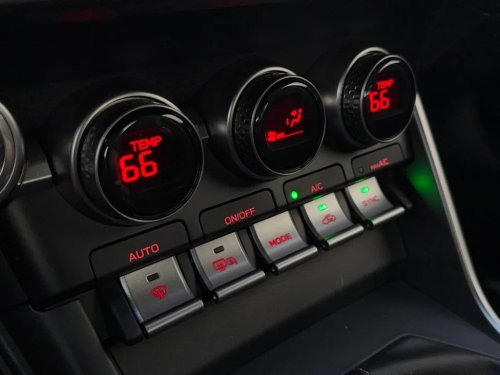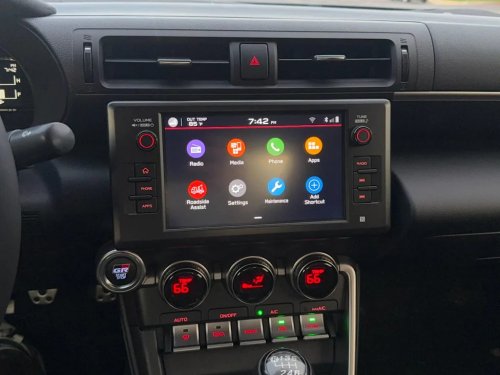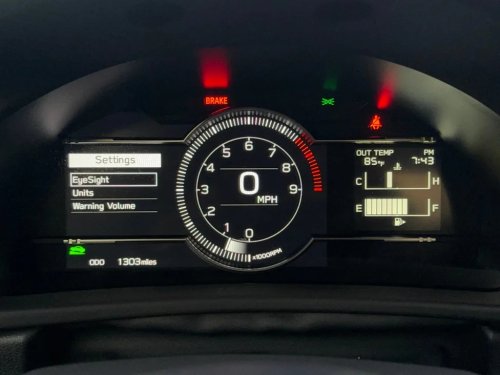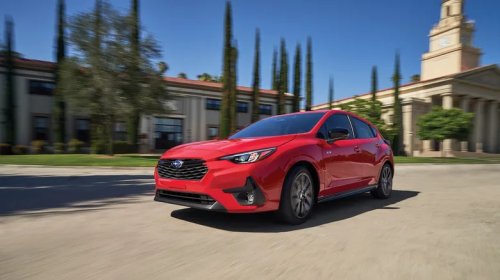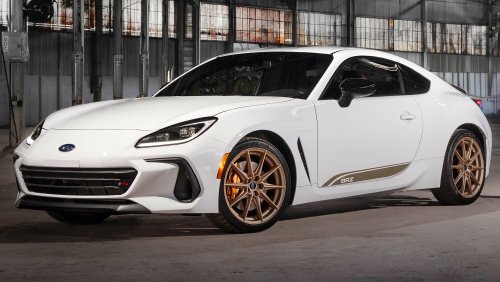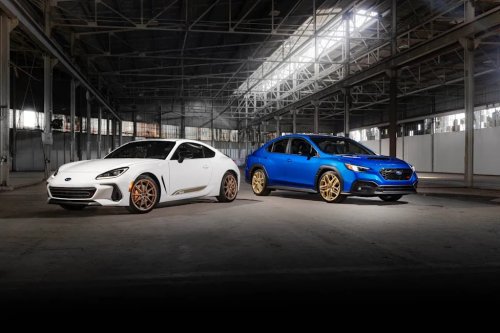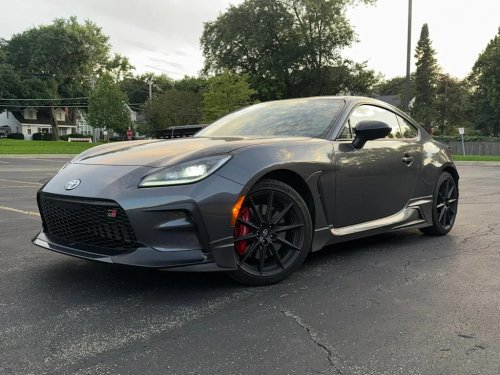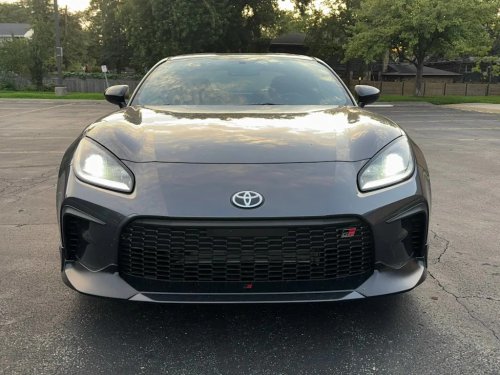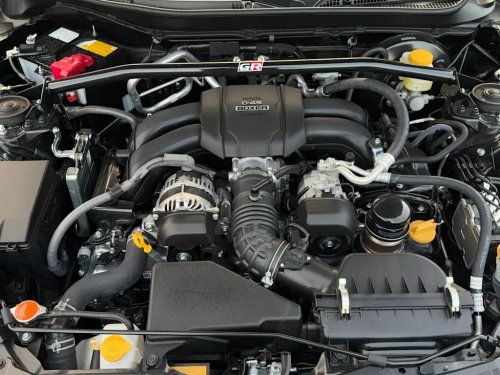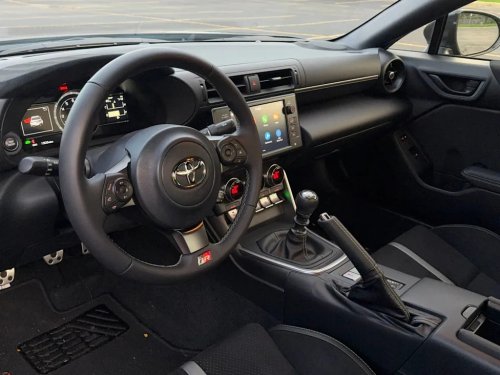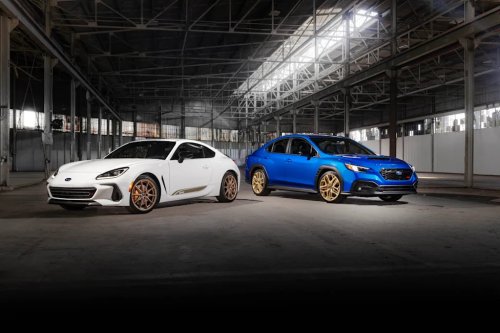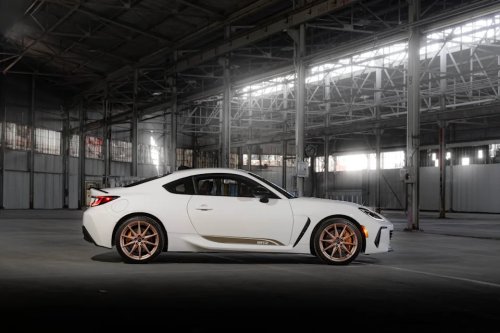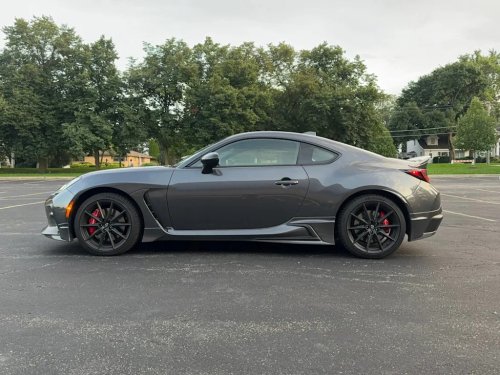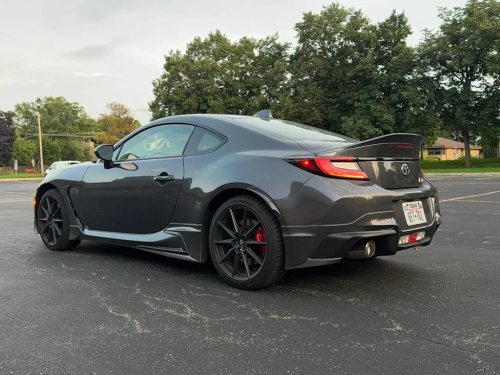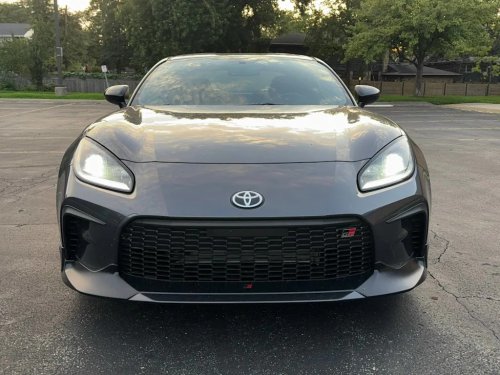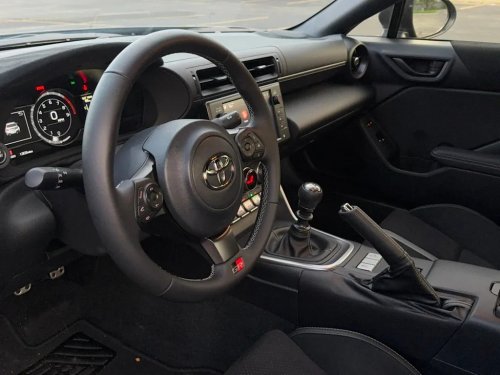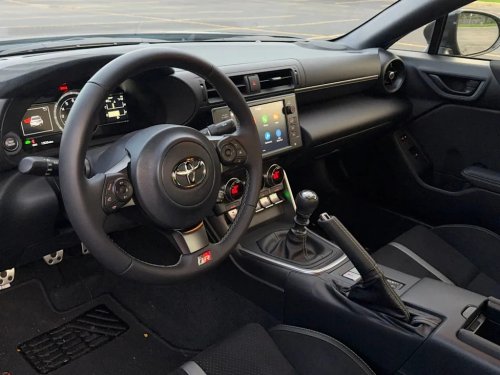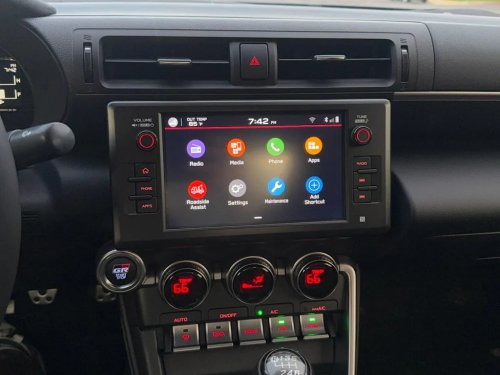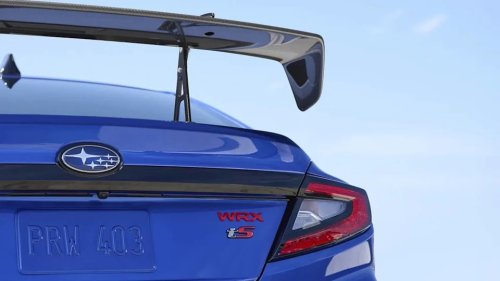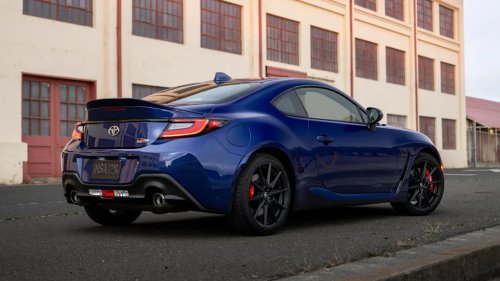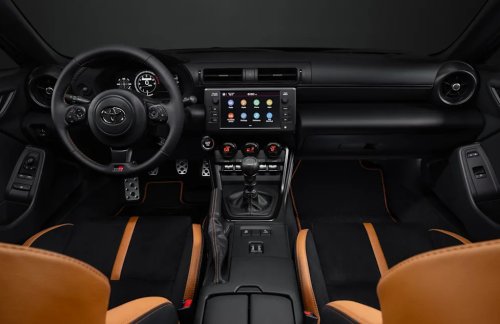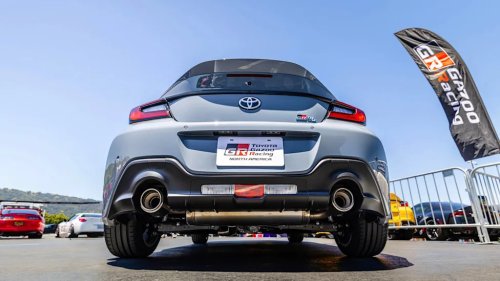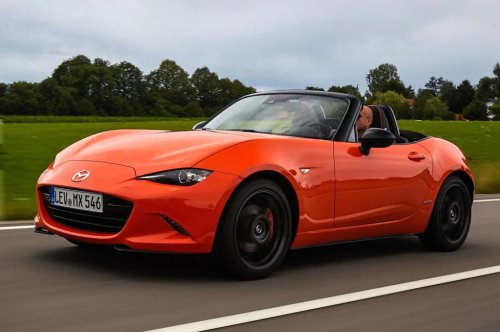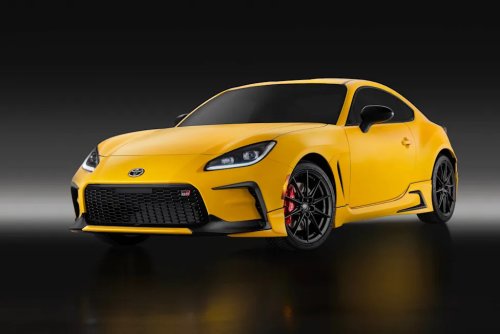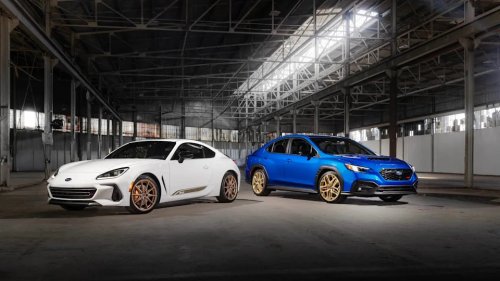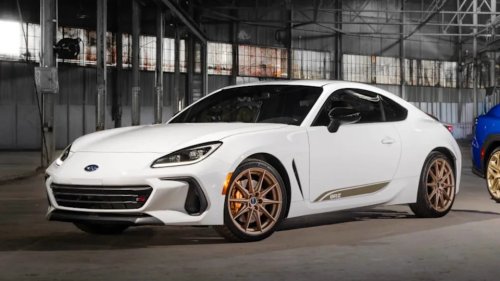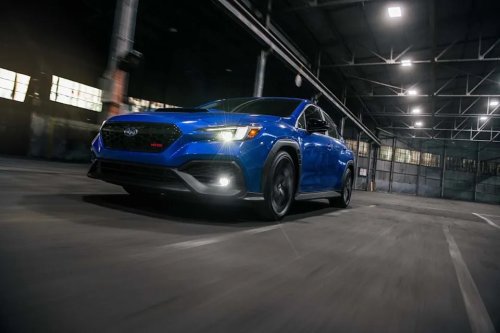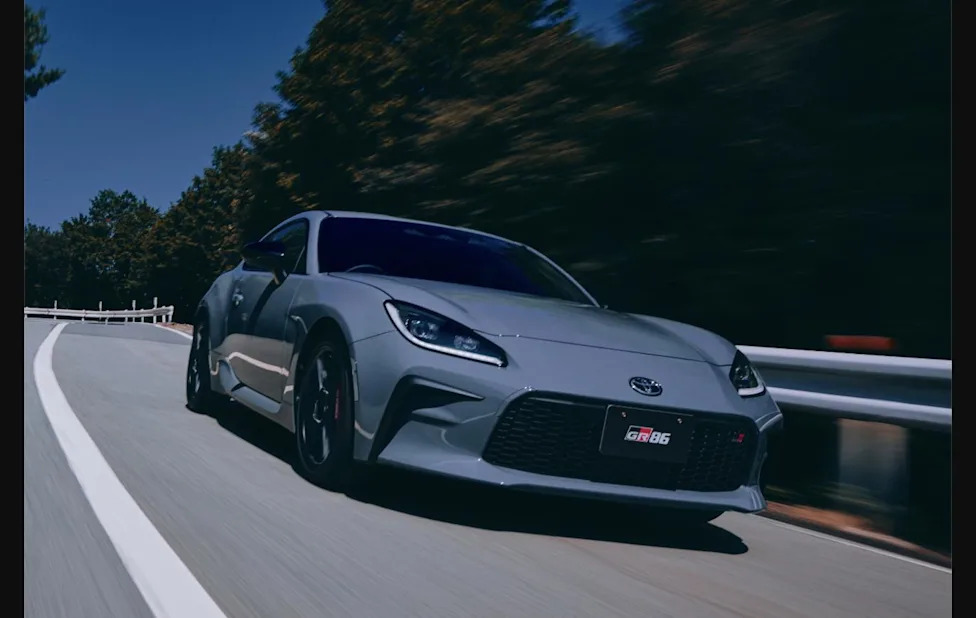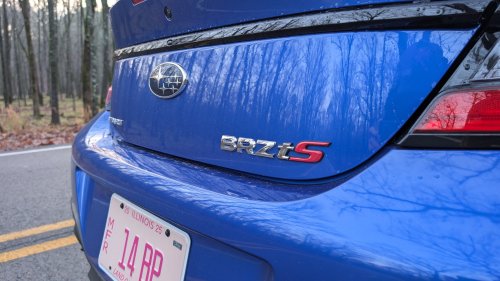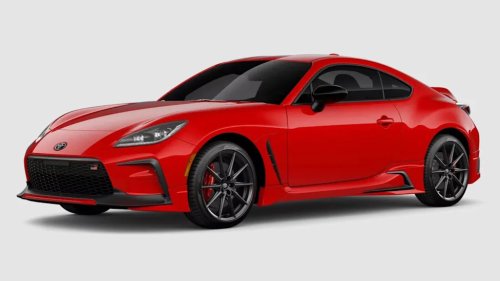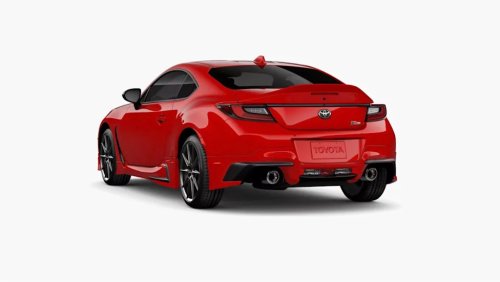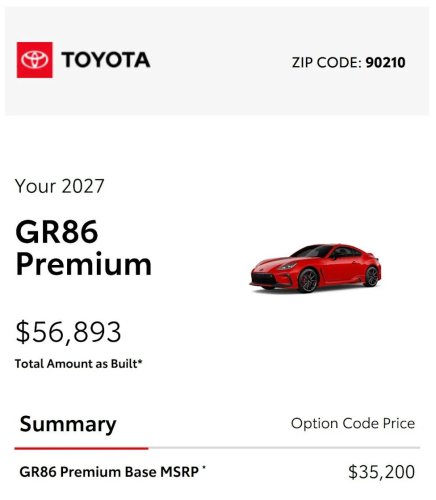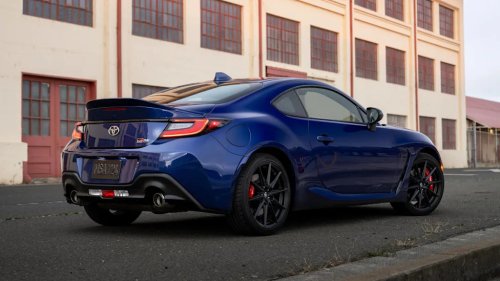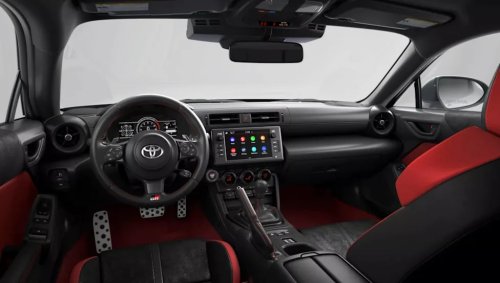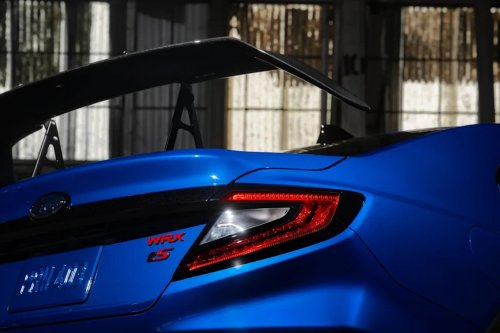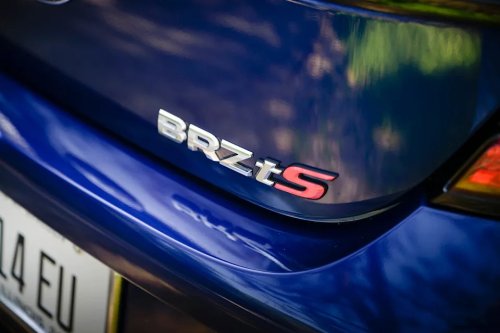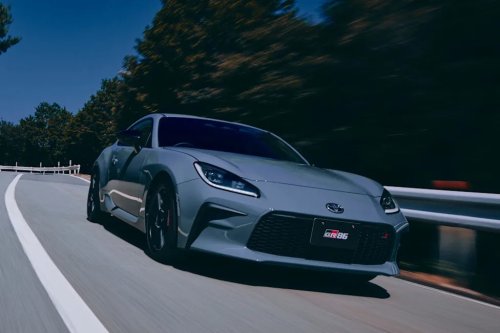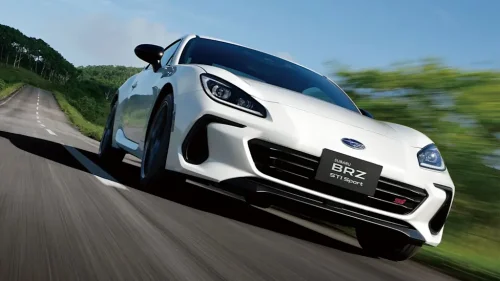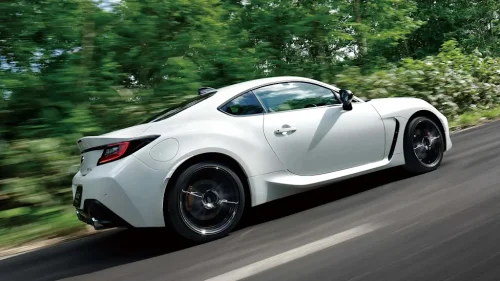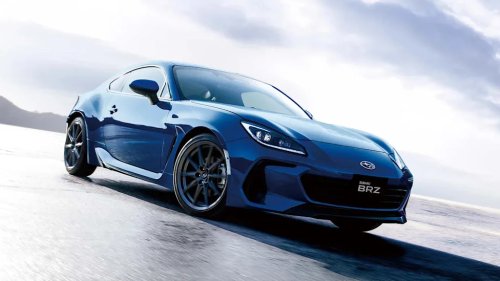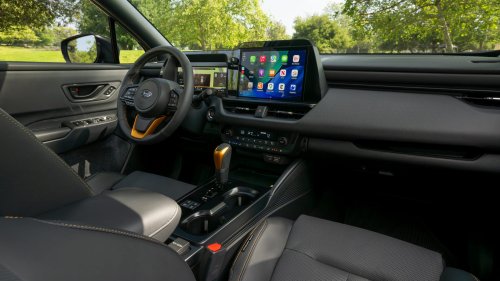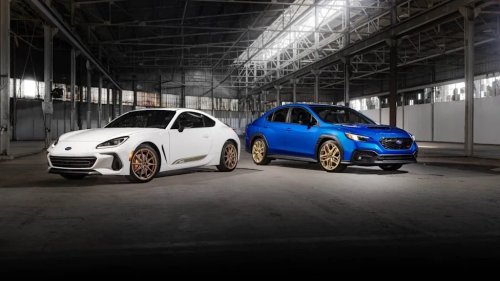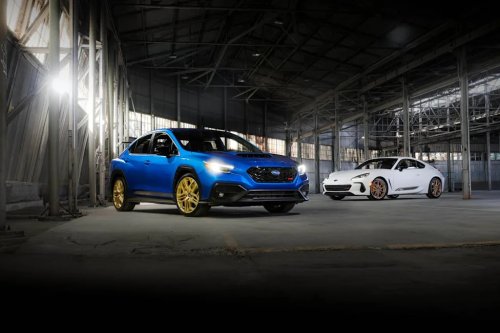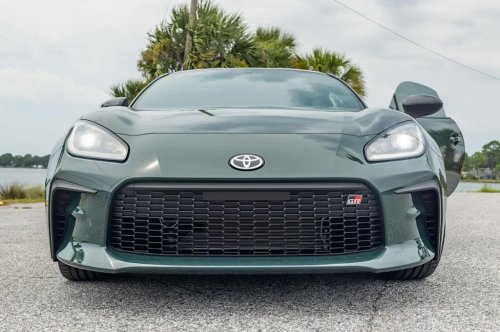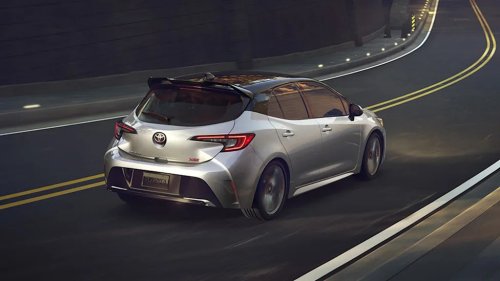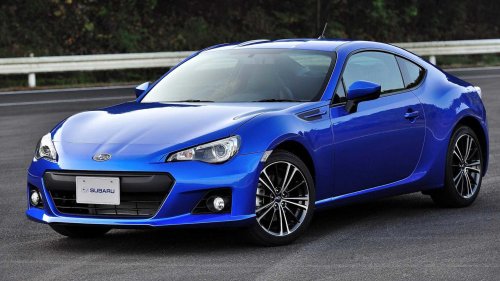
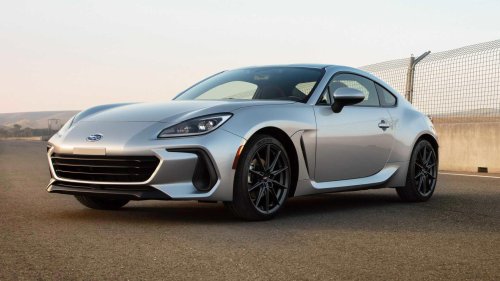
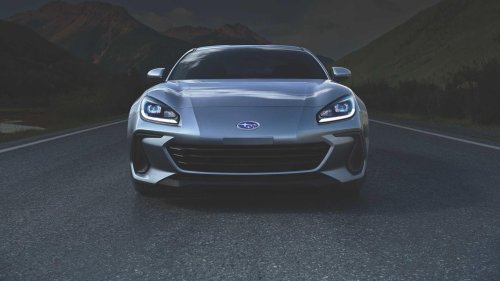
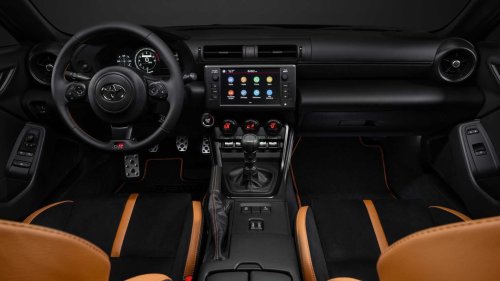
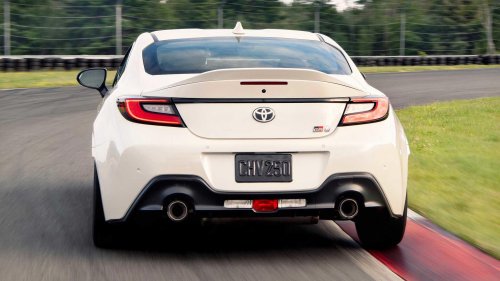
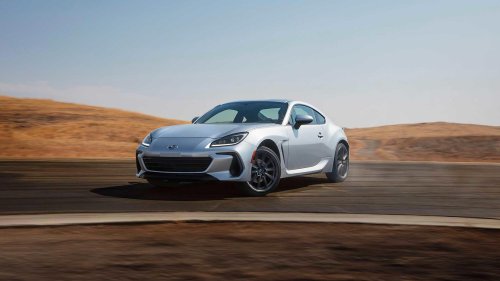
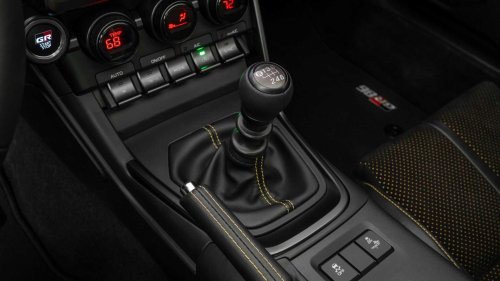
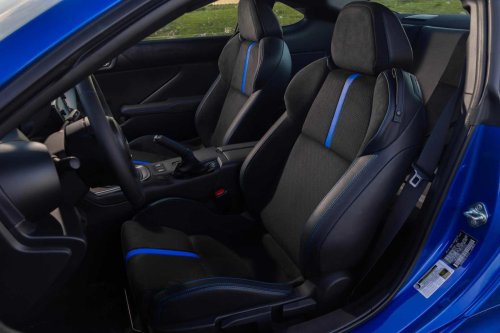
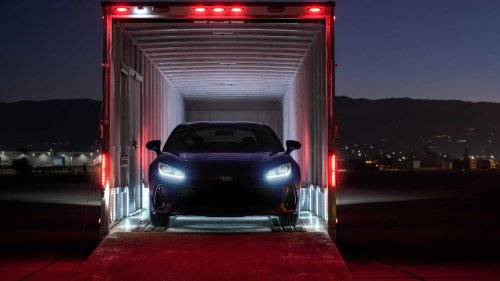


















In a world where we see more and more crossovers, cars with complicated hybrid powertrains, and EVs, a traditional sports car just hits different. By a traditional sports car, we mean power coming only from an internal combustion engine going straight to the rear wheels, low curb weight, and the option of a manual transmission.The Subaru BRZ meets all of the above criteria, but it is not alone in doing so. That is because it has a mechanical twin in the form of the Toyota GR86 - but it comes at a much cheaper price. Getting down into the nitty-gritty, however, does reveal some differences between them, which might influence which sports car you pick. That is the reason for this Subaru BRZ vs Toyota GR86 comparison you’ve just clicked on... is there more than just money separating these sports cars?This is an on-paper comparison between these two mechanically linked sports cars. All information and specifications are sourced directly from the manufacturer as is pricing, which excludes any destination and handling fees. Automakers reserve the right to update their pricing for any reason and without notice. The Contenders: Toyota GR86 vs. Subaru BRZ Two Similar But Not Quite The Same Cars 2013 Subaru BRZ(1)There have, so far, been two generations of the Subaru BRZ/Toyota GR86, with the first arriving back in 2012. Intended from the outset to be small, affordable sports cars focused more on handling than out-and-out speed, they had few sports car rivals apart from perhaps the Mazda MX-5 Miata. While the Subaru BRZ has always been called the Subaru BRZ, the Toyota was initially badged as the Scion FR-S, but after that brand went bust, it was redefined as the Toyota 86. This nomenclature has continued into the second generation, except there is now a GR before the 86 in its name, denoting Toyota’s Gazoo Racing division.2026 Subaru BRZ front 3/4The recipe for both these cars is quite simple and exactly the same across both, as they were designed from the outset to be essentially the same car. That recipe reads as such: a front-mounted flat-four 'boxer' engine developing over 200 horsepower, driving only the rear wheels through either a six-speed manual or six-speed automatic transmission, two seats at the front and two smaller ones in the back. The newer, second generation of these cars, launched in 2022, did nothing to mess with that formula. Howeverm, it brought, among other things, more power and torque from that boxer engine and more modern styling for the interior and exterior while maintaining a simple sporting edge to the design of both. Common Design Language: Subaru BRZ or Toyota GR86? Exterior Design: It's All In The Face 2024 Subaru BRZIn a world where many sports cars have fake vents, fake intakes and rear spoilers they probably don’t need, it is refreshing to see one that has a comparatively simple design. But the simplicity doesn’t mean there is a lack of purpose to it as both cars have always had the aggressive stance you would expect a sports car to have. The latest generations of GR86 and BRZ brought a much-needed modernization to the design with softer curves, a cool-looking ducktail spoiler, and the exterior is overall slightly longer and taller than before. The only major exterior design difference between the GR86 and BRZ lies in the design of the front end. The Toyota has a noticeably larger front grille than the Subaru, which gives it a more aggressive stance than the slightly softer-looking Subie. Interior Design: Copy And Paste 2025 Toyota GR86While you can tell the difference between the two cars on the outside just from looking at them, it is nigh-on impossible to tell whether you are inside the BRZ or the GR86 unless you look at the badge affixed to the steering wheel. The interior design, too, saw a much-needed overhaul but had overall a more subtle one. The infotainment screen is bigger, the instrument cluster is digital, and it loses some of the more dated metal-style design elements from before. The cabin overall has a no-frills, functional feel to it. The lack of opulence, and if you choose it, contrast stitching and leather accents make it feel even more like a sports car... as does the lack of space for adults in the rear seats... Performance Differences Between The GR86 And BRZ Same Power, Different Priorities Toyota Both the Subaru and the Toyota are powered by the same boxer engine, a 2.4-liter naturally aspirated flat-four. It is bigger than the 2.0-liter boxer four of the first-generation 86/BRZ and thus produces more power and torque at 228 hp and 184 lb-ft of torque. As well as sounding more alive, it addresses the criticisms of the previous generation that its engine was too gutless. With both cars having exactly the same Subaru-made engine, it shouldn’t be much of a surprise that a GR86 vs BRZ straight-line speed battle is a dead heat. That performance was a 0–60 sprint of about 6.1 seconds with the stick shift, and 6.6 seconds with the automatic transmission, before topping out at 140 mph.SubaruHandling, however, is where things get interesting. While both cars have very playful handling characteristics thanks to their light weight, low-profile tires, and rear-wheel-drive setup, the Toyota is the better choice for getting the tail out. This is because of a stiffer front and rear sway bar, and a higher spring rate for the rear suspension, which shows that Toyota wanted the GR86 to have a looser back end. A negative by-product of this, however, is that the Toyota has a slightly stiffer ride than the more neutral Subaru, which is something to consider if you plan on using either car for more mundane driving. Neither of them, however, would make a great grand tourer. Pricing And Options Why Is The Toyota GR86 Cheaper Than The Subaru BRZ? Toyota There was always a gap in base MSRP between the Subaru BRZ and the Toyota GR86, with the Toyota being the cheaper of the two options. That gap has widened in the last year, however, as the Premium trim of the BRZ was dropped last year, meaning that the Limited is now the least expensive trim starting at $35,860. The base Toyota GR86 is still available and has an MSRP of $31,200, meaning there is a $4,660 price gap between them. The mid-range BRZ does, of course, offer more features than the entry-level Toyota, but the price increase does continue the further up you go.Subaru Just because one car is less expensive than the other, this doesn’t necessarily mean it offers better value for money, so we have to look at what equipment each trim offers, as well as what upgrade packages are available. First of all, the Toyota has far more packages and add-ons available than the Subaru. The BRZ, as part of its more expensive but now standard Limited trim, offers things like 18-inch wheels and heated seats, which are not standard on the base GR86. However, the Performance package on the Toyota adds Brembo brakes and SACHS dampers for just $1,500. In order to get Brembo brakes on the Subaru, you have to choose the $38k tS trim. The Toyota also offers an automatic transmission as an option on all trims, but the Subaru only does so for its top trim level. Lastly, the Toyota has a wider range of accessories than the Subaru, and every GR86, regardless of trim, gets you a complimentary year’s membership of the NSA. While the latter isn’t a feature per se, it is something to think about, given the fact that the Subaru offers no comparable perk. Verdict: Which Sports Car Is The Better Buy? Subaru In terms of choosing which sports car you should buy between the GR86 vs the BRZ, it will come down to personal brand preference more than anything else. You might be a fan of iconic Subaru cars like the WRX STI and want a smaller, cuter two-door sports car to sit alongside it. You might, however, also be a fan of Toyota’s Gazoo Racing exploits and want a sports car that brings some of that motorsport DNA to the road. As mentioned already, they are both mechanically identical, so whichever you choose, you will get an incredibly likable weekend joyride. If we had to say one over the other, it would be the Toyota as it is less expensive, has more available add-ons, and is set up ever so slightly better for oversteer, which is something most people in the market for a small sports car will appreciate.Sources: Toyota, Subaru, EPA