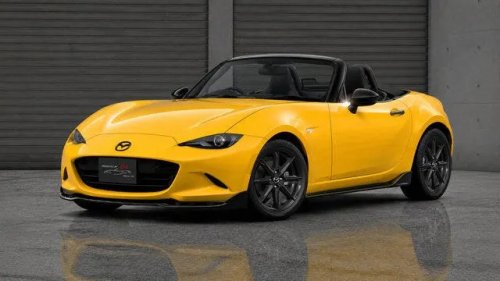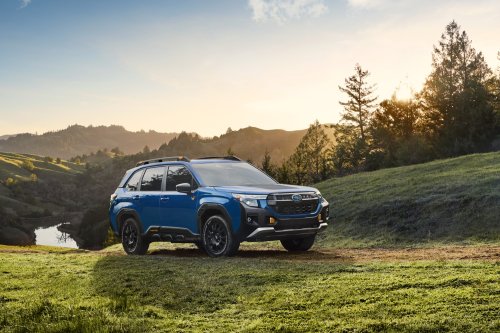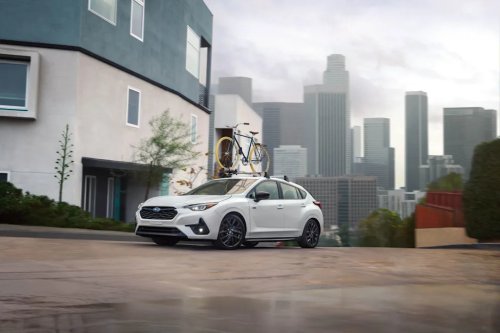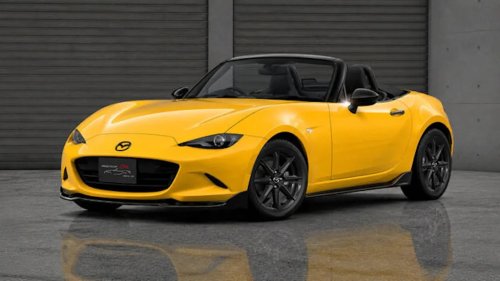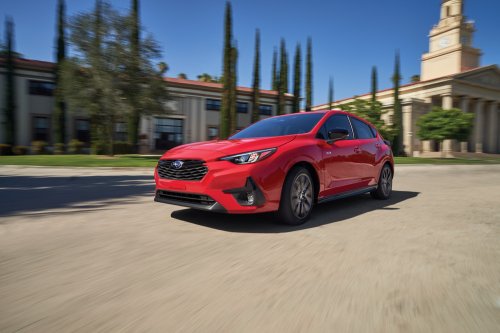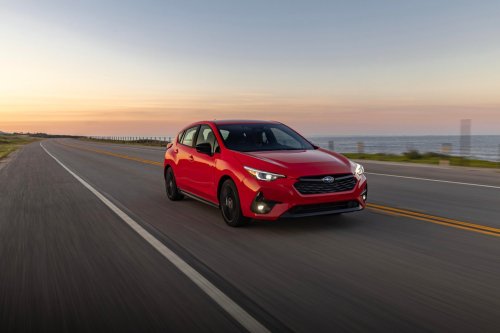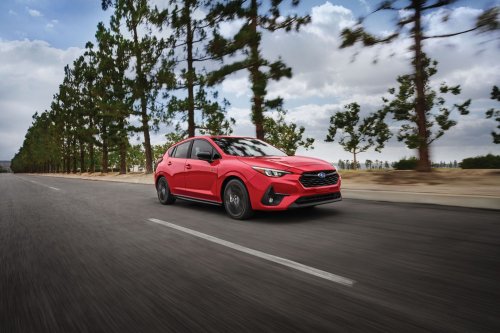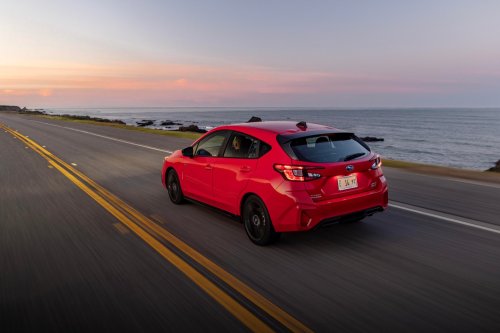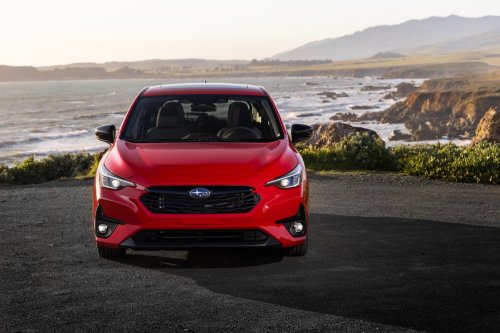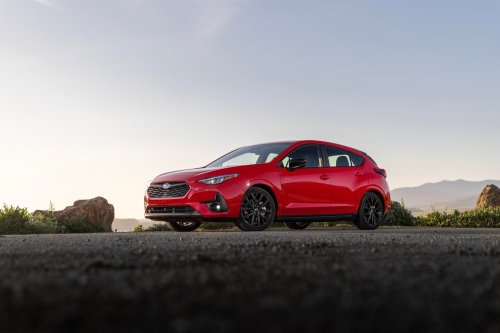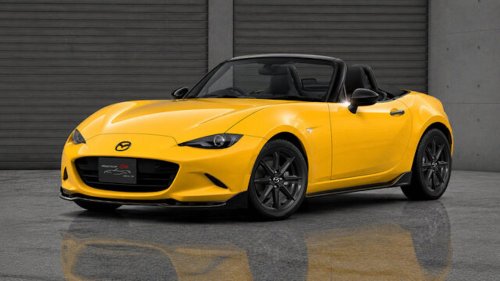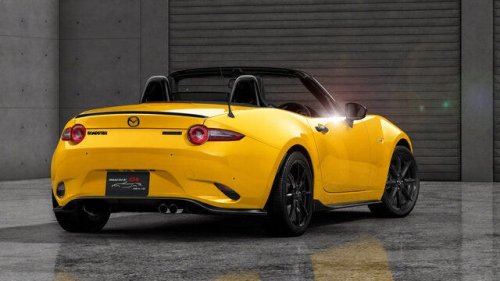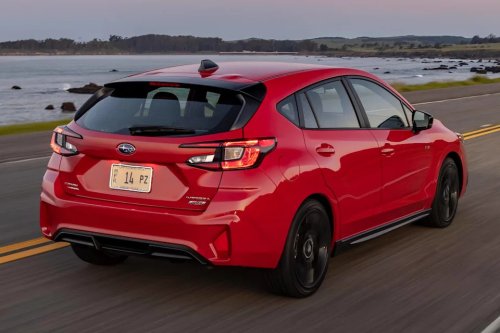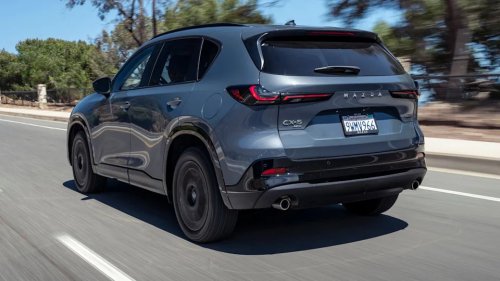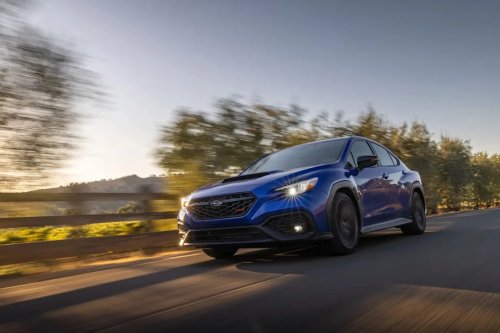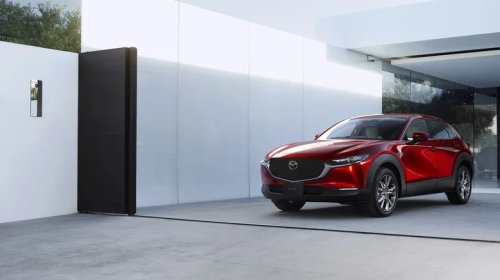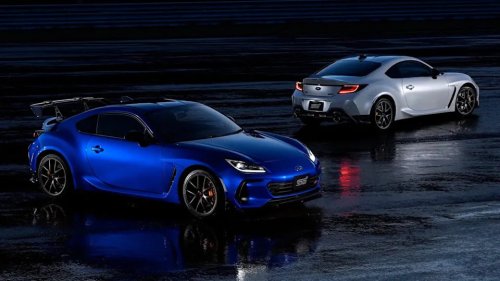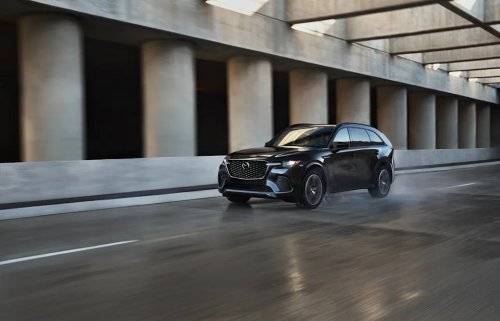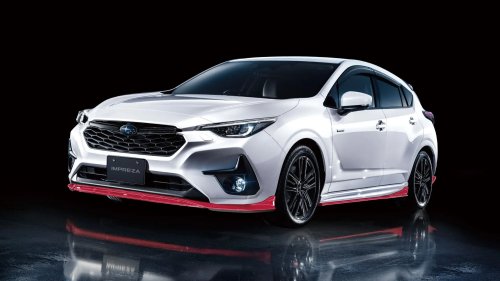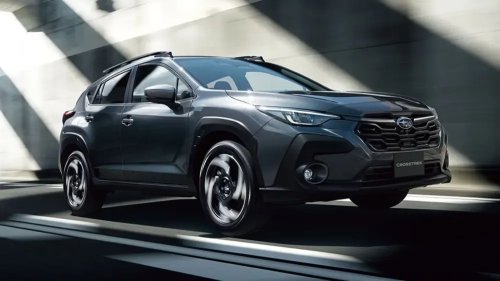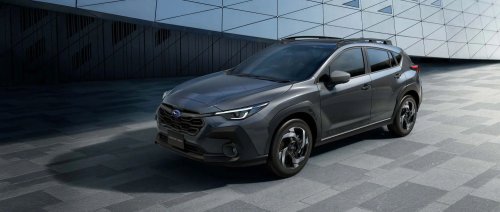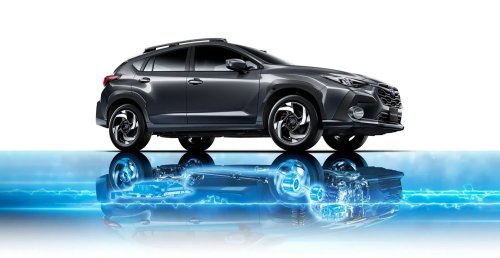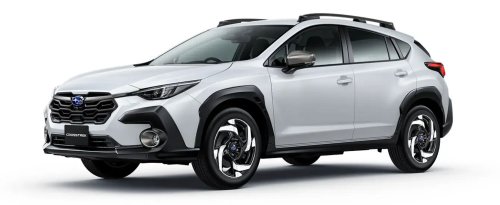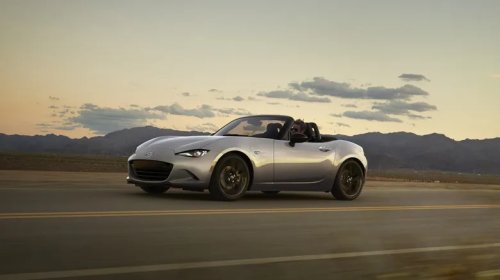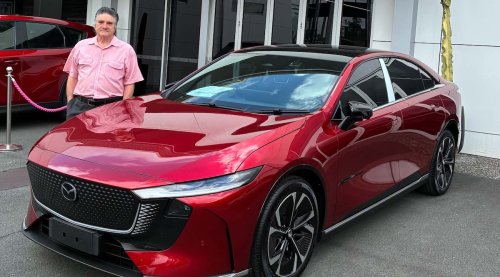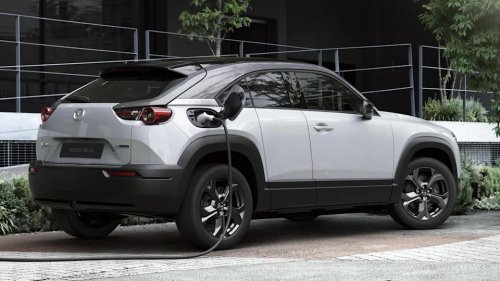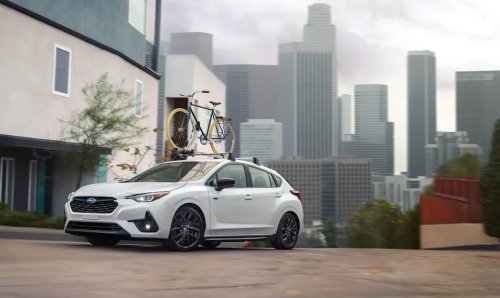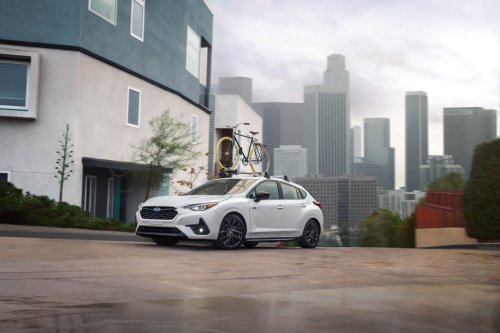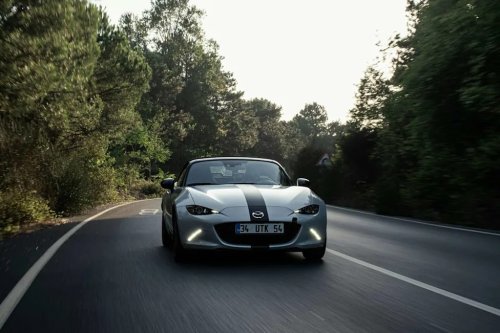



















Image: MazdaMazda is again delaying the launch of its first model based on the Skyactiv EV Scalable Architecture – this time until 2029. According to Automotive News, the Japanese carmaker is also nearly halving its related investments. Instead, Mazda will channel substantial resources into hybrid vehicles and electrified models built in China.Mazda originally planned to introduce its dedicated EV platform in 2025 before postponing the launch to 2028. The company has now pushed the timeline back to the end of the decade.To recap: the Skyactiv EV Scalable Architecture was first announced in the summer of 2021 as part of a technology roadmap through to 2030. The platform was designed to accommodate various vehicle sizes and body types. Mazda initially planned to introduce several models based on this architecture between 2025 and 2030, but later adjusted the timeline, targeting a debut in 2027. This has now been delayed once again.However, Mazda’s electric ambitions remain unchanged, even if they are no longer tied to a proprietary platform. The Japanese manufacturer is placing high hopes on the Mazda6e and the recently unveiled CX-6e SUV derivative, both of which are based on a platform from Changan and manufactured in China by the Mazda-Changan joint venture.Mazda justifies the delay to 2029 by citing shifting conditions in the US and European markets. “We made the decision before we started. For battery EVs we were always careful,” CEO Masahiro Moro told Automotive News. Mazda describes itself as a ‘intentional follower.’ This cautious approach is now enabling the manufacturer to avoid multi-billion-dollar misinvestments that other carmakers have faced.The strategy is particularly important for Mazda, as the company remains a comparatively small manufacturer. Although Mazda cooperates with carmakers such as Changan and Toyota, it plans to develop the electric platform in-house. Earlier this year, Christian Schultze, Deputy Head of Research and Development at Mazda Europe, said the company was taking more time to prepare the best possible solution.Meanwhile, Subaru is also scaling back its electric vehicle plans. The Japanese manufacturer has postponed the launch of its own electric vehicles, originally scheduled for 2028, and is shifting resources towards the development of hybrid and petrol vehicles. This was reported by Nikkei Asia, citing a company press conference. No new timeline for the introduction of its self-developed electric vehicles has been announced.As early as November, the same publication reported that Subaru would reduce its investments in electric vehicles and redirect more resources towards hybrid models. While the company will continue to produce electric SUVs in collaboration with Toyota, Subaru is reviewing the timeline for its planned in-house development of additional electric models, as stated six months ago.Subaru’s plan to launch four electric SUVs in collaboration with Toyota by the end of 2026 remains unchanged. However, the company is reconsidering the introduction of four additional electric models, which were to be developed in-house by 2028. Nikkei reports that not only has the target year been scrapped, but the number of these models is also under review.Furthermore: “Due to the postponement, the new factory within the Oizumi Plant in Gunma prefecture, which was scheduled to make the new EVs from 2027 onward, will first produce gasoline vehicles. Mixed-model production will be implemented when EVs are introduced.”Subaru’s medium-term goal of increasing the share of electric vehicles in its total sales to 50 per cent by 2030, as well as its plan to build a new battery factory jointly with Panasonic Energy in the fiscal year 2028, may also be delayed, according to Nikkei Asia. Subaru President Atsushi Osaki stated at the press conference: “The rate of EV penetration in the U.S., our main battleground, has slowed considerably. We will determine the final introduction date while carefully monitoring the market situation.”autonews.com (Mazda), asia.nikkei.com (Subaru)